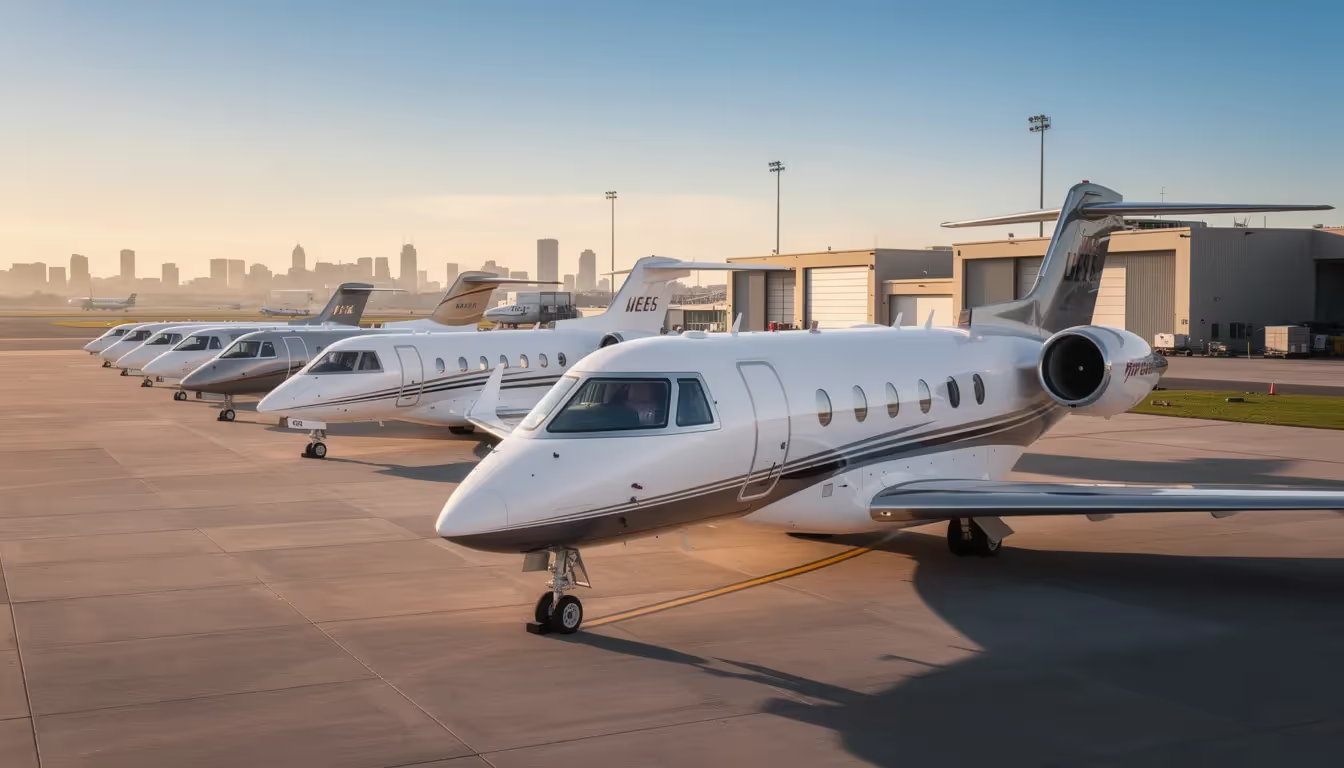
For decades, private jets were seen as the domain of billionaires, celebrities, and government officials. Today, that image is rapidly evolving. Thanks to advances in engineering, increased aircraft supply, and innovative ownership models, private aviation has become accessible to a new class of travelers—from entrepreneurs and families to mid-sized business owners.
There are now over 24,270 private jets operating globally, in operation worldwide as of July 2024, reflecting the growing accessibility and popularity of private aviation in today's market. This number not only highlights market growth, but also the shifting definition of what it means to “fly private.” You no longer need to spend $50 million to own a Gulfstream or commit to leasing an entire crew.
Affordable private aircraft—including entry-level jets like the Cirrus Vision Jet and HondaJet—are changing the game, offering streamlined options that deliver the privacy, speed, and flexibility of private aviation without the exorbitant costs.
For the discerning traveler, this isn’t about indulgence. It’s about efficiency, security, and control.
Exploring the Aircraft: What Counts as “Affordable” in Private Aviation?
Light Jets: The Best of Both Worlds
Light jets strike a strategic balance between performance and cost. Typically seating 4–8 passengers, they’re ideal for regional travel and short-haul business trips, as well as medium-haul flights, making them versatile options for a variety of travel needs.
Popular models:
Cessna Citation Mustang
Embraer Phenom 100
These light jets are often used as business jets due to their flexibility and efficiency.
These aircraft generally cost $2 million to $10 million upfront, but operating costs stay manageable at around $1,000–$1,500 per flight hour. Operating costs for the Cessna Citation Mustang, for example, are estimated at $1,000 to $1,200 per hour. Light jets offer high performance for their class, with low crew requirements, fast turnaround times, and access to smaller airports. The Cessna Citation Mustang, for example, can be found for pre-owned prices ranging from $1.5 million to $2.5 million, making it an affordable option in the private jet market.
Very Light Jets (VLJs): Entry-Level Private Jet Ownership
VLJs are the most affordable private jets on the market, typically designed for single-pilot operation and seating 2–5 passengers. These jets fall within the very light jet category, which is known for cost-effective, small private jets suitable for short flights and economical operations.
Top models include:
The HondaJet is one of the cheapest private jets available, with costs ranging between $2 million and $6 million depending on the model year and configuration. The Cirrus Vision Jet is also recognized as one of the cheapest private jets available, with a purchase price around $2 million.
What sets VLJs apart?
Purchase prices start around $2 million
Lower fuel burn and maintenance costs (fuel costs for private jets can range from $300 to $700 per hour)
Short runway compatibility, allowing access to regional airports
Sleek, modern interiors with enough luxury to rival higher-tier jets
VLJs are ideal for first-time buyers, flight training, and solo executives needing rapid, personalized travel.
Single-Engine Aircraft: The True Budget Flyers
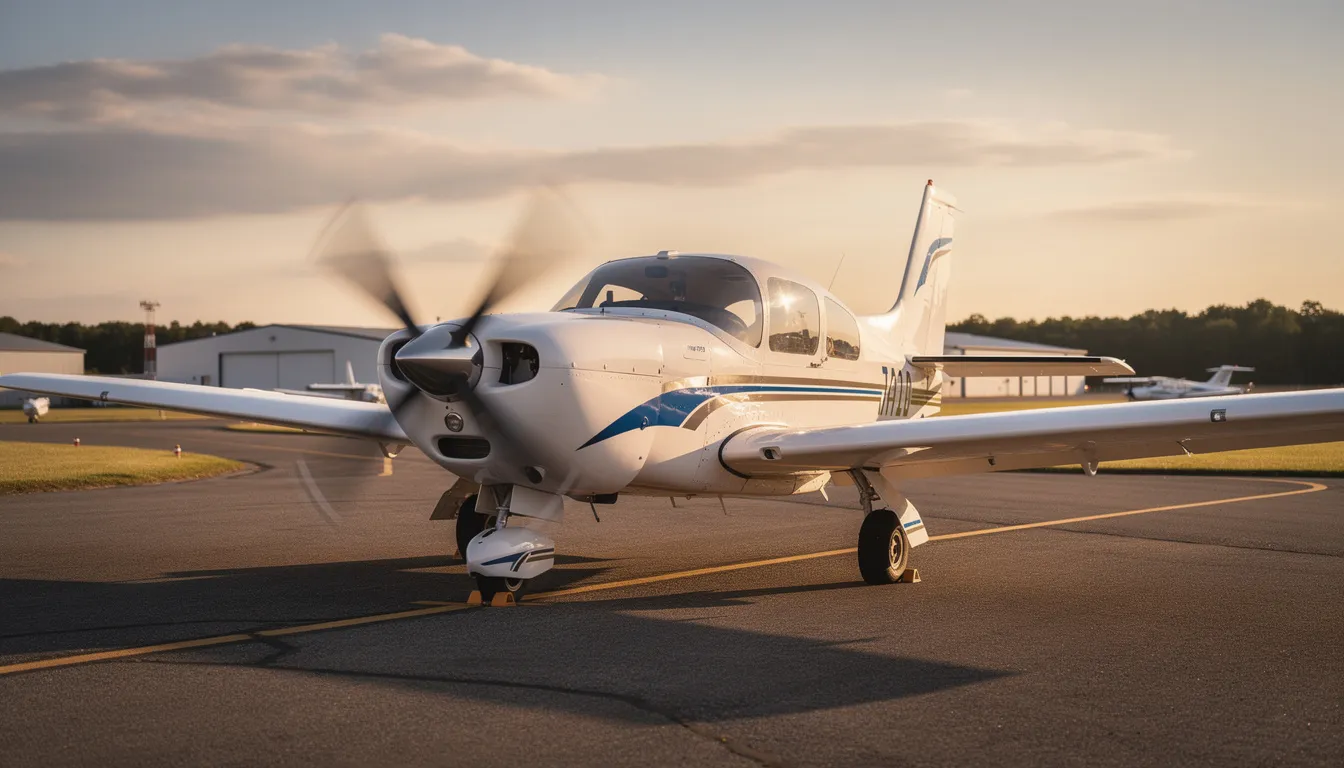
If you’re seeking a private flying experience for under $1 million, single-engine propeller aircraft are among the most affordable aircraft options available, often described as a cheap airplane or cheap aircraft for budget flyers.
Well-known models:
Cessna 150 – One of the most widely available and affordable aircraft, often found for prices between $20,000 and $40,000. Its easy handling and reliability make it a favorite in flight schools and among new pilots.
Piper Cherokee – A comfortable single-engine aircraft priced between $30,000 and $60,000, also popular in flight schools for its easy handling and suitability for both training and cross-country flights.
Cessna 140 – Known for its affordability and simple design, often available for under $30,000, making it a great choice for those seeking a cheap aircraft.
Aeronca Champion – This vintage aircraft can often be found for under $25,000, offering a stable and budget-friendly option for hobbyists and grassroots pilots.
Cessna 172 Skyhawk – Often referred to as the 'Volkswagen Beetle of the skies' due to its reliability and affordability, it is a staple in flight schools and a top pick for new pilots.
Though limited in range and size, these affordable aircraft are popular among private individuals, trainers, and aviation hobbyists. With simple mechanics and low maintenance costs, they provide an entry point into ownership without recurring high costs. Engine overhaul on a small airplane can cost between $15,000 and $30,000.
The Mooney M20 is celebrated for its efficiency and performance, making it a favorite for those looking to fly farther without high operating costs.
Affordable Access Without Ownership: Charter, Jet Cards & More
Charter Flights: Flexibility Without Commitment
Chartering a private jet is often the most flexible and cost-effective way to fly private. For travelers who value control without the responsibilities of ownership, this is a compelling option.
Chartering a private jet can eliminate the congestion and delays associated with commercial flight terminals. Additionally, private jet charter services provide access to smaller airports than commercial airlines, significantly enhancing travel flexibility. Private jets can access around ten times more airports in the US compared to scheduled airlines, offering unparalleled convenience. Using smaller regional airports can also avoid high landing and parking fees of major hubs, saving costs.
Many private jet charter services offer personalized in-flight catering and luxury amenities, ensuring a premium experience for passengers.
Typical charter pricing:
$2,000–$10,000 per hour, depending on aircraft type and distance
Access to light jets, VLJs, and even midsize jets
No long-term commitments or maintenance obligations
Chartering costs typically range between $4,000 to $6,000 per hour for large jets, which is less than the cost of owning and maintaining a large jet.
Shared charters pool costs, making private aviation more accessible than chartering a whole plane. Shared charters allow travelers to find others traveling the same route to split the flight cost. Empty leg flights can offer savings of up to 75% off standard charter rates.
Charters also offer on-demand flexibility—perfect for last-minute trips or irregular schedules. When booked strategically (e.g., via empty-leg flights), travelers can save significantly.
Jet Cards: Predictability and Premium Access
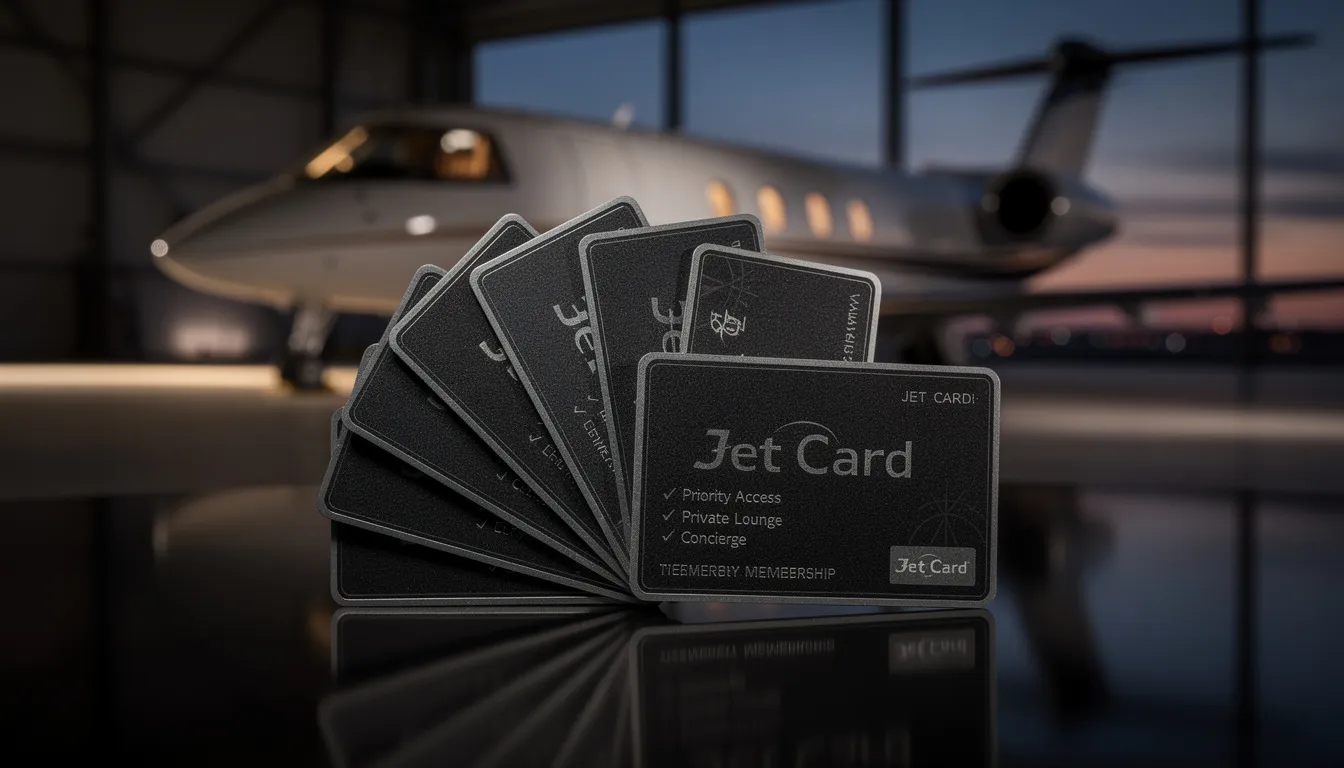
Jet cards and membership clubs offer a prepaid membership model, giving you access to a fleet of aircraft at fixed hourly rates. For frequent travelers, these options can provide discounted rates or fixed hourly costs, making private aviation more accessible. Leasing, fractional ownership, and jet cards also help reduce high upfront costs for those seeking affordable private planes.
Benefits include:
Guaranteed availability, even during peak periods
Set pricing—no surge charges
Streamlined booking through a concierge or digital platform
Ideal for frequent flyers who want structure but not full ownership
Example scenario: A Florida-based entrepreneur flying 2–3 times per month across the Southeast can pre-purchase 25–50 flight hours via a BlackJet Jet Card. With fixed pricing and a dedicated aircraft class, this creates both predictable spend and executive-level flexibility.
Breaking Down the Costs: What to Expect
Acquisition & Depreciation
VLJs & light jets: $2M–$10M purchase price
Pre-owned jets can be purchased at significantly lower prices compared to new jets, with some older light jets priced below $1 million in 2026.
Depreciation: 5%–10% annually (depending on usage and market conditions). Pre-owned prices for older jets can drop significantly in just a few years, sometimes to below $2 million or even less than $1 million, making them a viable option for budget-conscious buyers.
The Embraer Phenom 100 is a popular choice for affordability, with used models available for around $2 million.
The Eclipse 500 is considered one of the most affordable private jets, with prices on the pre-owned market ranging from $1 million to $1.5 million.
The Beechcraft King Air 100 Turbo has a starting price around $500,000, making it a cost-effective turboprop option.
Operating Costs
Fuel, crew, landing fees: $1,000–$1,500/hour (light jets)
Fuel costs for private jets can range from $300 to $700 per hour.
Maintenance costs for private aircraft can range from $50,000 to $200,000 annually.
Insurance costs for private aircraft ownership can range from $15,000 to $30,000 annually.
Storage costs for an aircraft can range from $50 to $100 per month for outside storage to $100 to $500 for a hangar.
Annual maintenance inspections, engine overhaul: $50K–$100K+, depending on aircraft type
BlackJet simplifies this equation through fixed-rate Jet Card programs and fleet access models that eliminate ownership stress altogether.
Choosing the Right Aircraft or Model for Your Needs
Key Questions to Ask:
What are your typical travel distances?
How many passengers do you usually fly with?
Do you prefer ownership, charter, or jet card membership?
What is your preferred price range for an aircraft?
Is carbon neutrality or sustainability important to you?
For frequent regional trips with 1–2 passengers, a VLJ or jet card could be ideal. When considering aircraft options, keep in mind that mint condition models can cost a fair bit more than more common, lower-cost versions. For larger groups or longer distances, light jets or midsize jet chartering may be the better fit.
Safety, Certification & Security in Private Aviation
When choosing affordable options, never compromise on safety or regulatory standards.
What to Look For:
Aircraft operators should meet FAA Part 135 standards
Pilots must be ATP-certified with robust flight hours
Aircraft should undergo regular safety audits by firms like ARGUS or Wyvern
At BlackJet, safety is non-negotiable. Every aircraft is subject to proprietary certification protocols, ensuring the highest standards of maintenance, pilot readiness, and regulatory compliance.
Private aviation also enhances security with:
Private terminals (FBOs) for low-contact boarding
Minimal delays and exposure
Complete control over the passenger list
For business travelers, this means fewer delays, no lost luggage, and discreet travel.
Two-thirds of passengers on business jets report that they are more productive in the air than in a traditional office setting, highlighting the efficiency of private aviation.
The Sustainability Shift: Flying Private, Responsibly
Is affordable private aviation compatible with sustainability?
Yes—especially with operators like BlackJet that prioritize carbon-neutral operations.
What That Means:
Every flight’s emissions are offset, whether you fly once a year or weekly
BlackJet invests in verified offset projects across renewable energy and reforestation
Modern aircraft in our fleet burn less fuel and emit fewer pollutants than legacy jets
Affordable options like VLJs also contribute to sustainability by being lighter, more efficient, and designed with lower fuel consumption in mind.
Use Cases: When Affordable Private Aviation Makes Sense
1. The Startup CEO: Miami → Atlanta in a HondaJet
Instead of spending half a day in airports, a founder books a VLJ charter for an investor meeting. He’s home in time for dinner—and refreshed.
2. The Traveling Family: Chicago → Aspen via Jet Card
With a 25-hour jet card, a family enjoys predictable, on-demand flights for their seasonal ski trips—without ownership headaches.
3. The Consultant: LA → San Diego via Empty Leg
A frequent flyer uses BlackJet’s real-time platform to snag a discounted empty leg flight. Travel becomes both strategic and economical.
Frequently Asked Questions (FAQs)
What is the most affordable private jet I can buy?
The Cirrus Vision Jet, starting at around $2 million, is recognized as one of the most affordable aircraft on the market. Its purchase price makes it one of the most affordable private jets available, making it an excellent choice for solo travelers or small teams seeking cost-effective private aviation.
Is chartering better than buying a private plane?
If you fly under 100 hours per year, chartering or jet card access typically makes more financial and logistical sense than ownership, which can be time-consuming due to the responsibilities of maintenance, storage, and crew management. Chartering offers a more convenient and hassle-free solution compared to the complexities involved in owning an aircraft.
What is an empty leg flight?
These are one-way repositioning flights that operators offer at a discount—perfect for flexible travelers seeking deals.
Is it safe to fly in a very light jet?
Yes. When maintained by a certified operator, VLJs meet the same FAA and international safety standards as larger jets.
Discover Affordable Access with Prestige
Private aviation doesn’t have to be out of reach. With the rise of VLJs, flexible charter programs, and fixed-rate Jet Cards, the barriers to private travel are coming down—without compromising safety, sustainability, or sophistication.
BlackJet offers access to a premier fleet and personalized programs, so you can fly smarter, not just smoother.
Explore premium jet access today.
Join the BlackJet Jet Card program and discover how effortless travel can be.


 Sign up with google
 Sign up with Apple