For corporations, fleet managers, or aviation investors evaluating the acquisition of an airliner, the numbers matter—and not just the headline purchase price. The cost of an airplane varies greatly depending on its size, capabilities, and intended use, and airlines must account for a wide range of airliner features and operational requirements, including air stair doors, air data systems, and other air-related components. Specific cabin layouts, in-flight entertainment, and seat configurations also significantly impact the final price of an aircraft. Understanding how an airliner is valued, operated, and maintained over time is essential to making a sound strategic investment.
This guide breaks down the true cost of owning or operating a commercial aircraft—covering everything from initial purchase price and list price to ongoing costs such as aircraft insurance, fuel, crew, and maintenance—while revealing how market shifts, geopolitical dynamics, and leasing alternatives shape those costs. Airliner prices are driven by fuel efficiency, technology, and operating costs for new models, and official list prices and recent market data (such as those found in the Airliner Price Guide, which provides values for over 200 makes and models of commercial aircraft) provide a baseline for comparing final negotiated prices. Reliable data is essential for evaluating airliner values and understanding market trends, helping airlines and investors make informed decisions.
Overview
Who This Guide Is For
This resource is designed for fleet planners, aircraft owners, aircraft investors, airline procurement managers, and high-net-worth buyers considering large private or corporate aviation assets. Many owners and buyers consider obtaining detailed information and certifications when evaluating other aircraft types beyond standard airliners. Whether you’re acquiring a new aircraft, evaluating secondhand options, or comparing lease vs. purchase routes, this guide offers clarity on the numbers that matter for aircraft ownership and operation.
The Three Major Cost Categories
Acquisition Price – Initial purchase price, including list price vs. actual transaction price. Aircraft prices are primarily driven by production costs, the competitive landscape between manufacturers, and the use of advanced materials like carbon fiber, which increase production costs but enhance fuel efficiency.
Operational Costs – Fuel costs, crew expenses, maintenance costs, landing/station fees, storage costs, and taxes. Fuel costs are one of the most significant expenses associated with operating an aircraft and can represent a substantial portion of the total cost of ownership and operation. Insurance costs vary greatly depending on several factors, including the age of the aircraft and where it is stored. Crew costs can also represent a significant portion of total expenses, especially for larger and more complex aircraft. Hangar and storage costs refer to the cost of storing and maintaining an aircraft when it is not in use, which can significantly impact the overall cost of the aircraft. Taxes may be an additional expense or an attractive tax deduction, depending on the type of operation and where the aircraft is registered.
Asset Value Over Time – Depreciation, resale market, aircraft appraisal, and valuation curve. In the secondary market, the history and current condition of the aircraft, including complete logbooks with Airworthiness Directives (ADs) and repairs, are critical for determining its value. More flight hours and cycles directly decrease the value of used aircraft, and older planes with more hours generally have lower values. Modern, fuel-efficient engines and advanced avionics command higher prices due to lower operating costs. The time remaining before major overhauls also significantly impacts used aircraft prices. Engines are among the most valuable components, affecting resale value based on maintenance status.
Effectively managing money and finance, including seeking more certifications and undergoing regular training, can help reduce insurance costs and improve the overall financial outlook of aircraft ownership.
Aircraft Values
Market-Value vs Book-Value
Market value is the aircraft’s price based on real-world demand, aircraft hours, and current trading activity.
Book value refers to the value carried on an airline’s or company’s balance sheet, often influenced by depreciation schedules.
Book value may remain artificially high even when the market has corrected downward—especially in cases of oversupply, regulatory change, or limited demand.
New-Build List Prices and Market Trends
According to manufacturers:
A Boeing 737 MAX 8 lists for ~$121 million USD, with the Boeing 737 MAX family aircraft generally priced between $90 million and $130 million.
An Airbus A320neo comes in around ~$111 million, with the Airbus A321neo in particularly high demand due to its superior economics, with typical prices ranging from $98 million to $115 million.
Widebodies like the Boeing 787-9 top ~$292 million.
The Airbus A350-1000 exceeds $366 million.
Larger airliners such as the Boeing 747 or Airbus A380 can cost between $200 million and $400 million or more, with prices for older aircraft like the Airbus A380 seeing an uptick due to airlines using them to bridge capacity gaps caused by delivery delays.
Real transaction prices can be 30–45% lower than list prices for large orders, based on buyer volume, negotiation leverage, and financing terms. Even single-aircraft transactions often close 10–20% below the list price.
Depreciation Curves by Aircraft Type
Aircraft typically depreciate on a straight-line basis over 25–30 years, but market factors often accelerate the rate of value loss.
Narrowbodies (e.g., 737, A320) retain value better due to strong secondhand demand. There is a heightened demand for long-range narrow-body aircraft allowing airlines to open direct routes previously served only by wide-body jets.
Widebodies can lose value faster, particularly during global demand slumps.
Freighter conversions can extend lifespan and stabilize residuals.
Resale Trends: Narrowbody vs Widebody
Narrowbody jets: High liquidity, stable resale market, even after 15–20 years.
Widebody jets: More volatile resale patterns, especially for older types without fuel-efficient upgrades.
Aircraft Values: Calculation Methodology
Core Valuation Inputs
Aircraft age and flight hours.
Airframe and engine maintenance status (e.g., time to overhaul).
Interior configuration (e.g., business class, in-flight entertainment, or high-density economy).
Avionics and retrofit status, including ADS-B compliance; aircraft with advanced avionics command higher prices due to their technological sophistication.
Market demand and lease rates.
Historical resale prices for comparable aircraft.
Sample Valuation Calculation
Aircraft: 10-year-old A320
List Price: $100M
Depreciation: ~4% annually → -$40M
Market Correction: -10%
High-quality maintenance history: +$3M adjustment
Market value ≈ $63M
Maintenance-Driven Adjustments
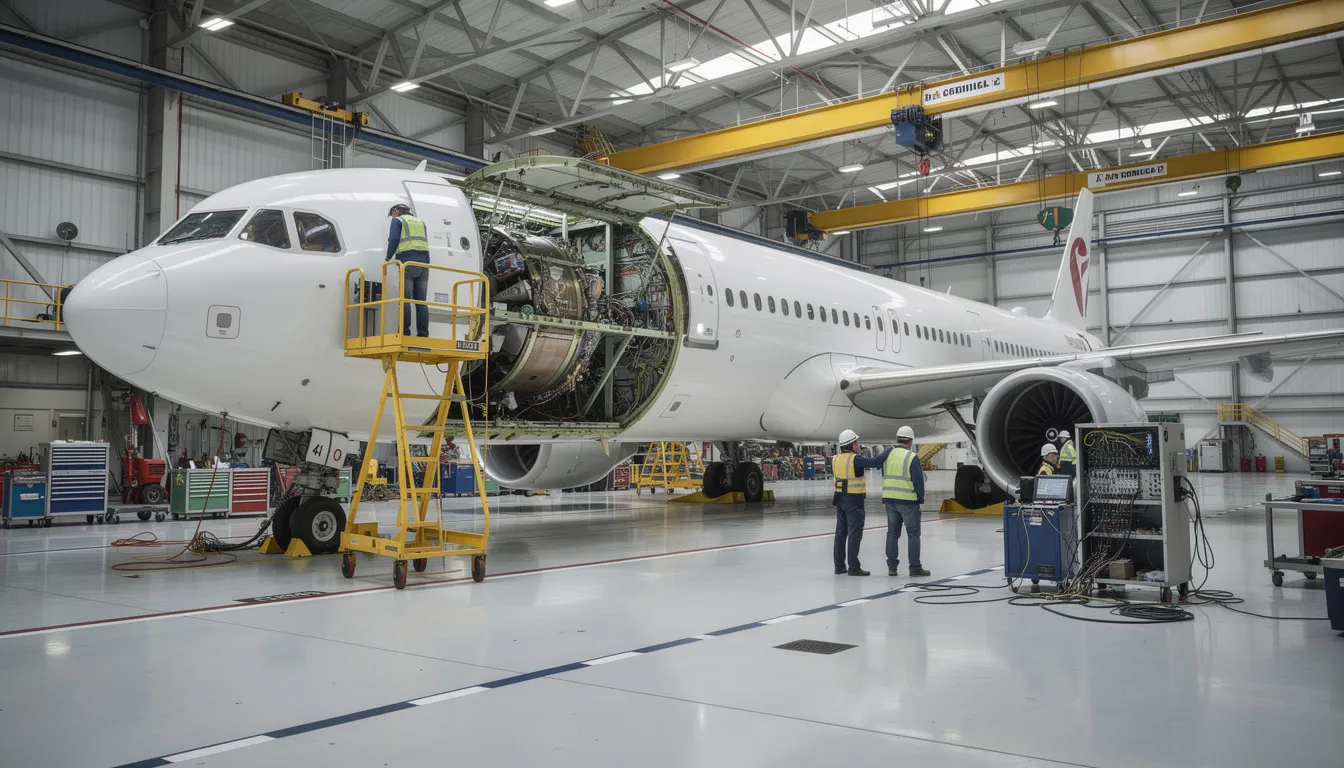
Aircraft with fresh annual inspections, recent C-checks, upgraded interiors, and zero-time engines often command $1M–$5M above baseline valuation models. Annual inspections for small aircraft can range in price from $750 to $2000, depending on the type of aircraft.
Configuration Adjustments
Aircraft configured for premium long-haul or converted to freighter may command premiums in niche markets. Conversely, high-density layouts may reduce value for operators targeting comfort-based markets.
Fuel Costs
Jet Fuel Pricing Drivers
Brent crude oil prices.
Regional refining capacity and logistics.
Currency fluctuations (particularly USD).
Seasonal demand (e.g., summer peak, heating oil competition).
Carbon offset program costs.
Fuel prices have surged nearly 150%, significantly impacting airline ticket pricing. Fuel costs are one of the most significant expenses associated with operating an aircraft, and they can represent a substantial portion of the total cost of ownership and operation.
Fuel Burn Examples by Trip
Short-haul A320 (600nm): ~2,700 gallons.
Long-haul 787-9 (5,000nm): ~25,000–30,000 gallons.
Fuel efficiency varies based on load factor, route winds, aircraft age, and performance.
Regional Fuel Price Comparisons
North America often has lower fuel costs per gallon than Europe or Asia. For example:
Jet fuel contracts can offset price volatility through forward buying or hedging strategies.
Fuel Costs: Modeling and Mitigation
Per-Hour Fuel Cost Calculator
Example (A320):
Multiply by block hours/year (e.g., 3,500 hrs) for annual budget.
Current Fuel Scenario Modeling
If prices spike to $3.00/gallon, A320 fuel/hour = $2,550
At 3,500 hours/year, that’s an $2 million+ swing in annual fuel cost.
Fuel-Saving Strategies
Winglet retrofits.
Single-engine taxiing.
Cruise speed optimization.
Load factor balancing.
Weight reduction initiatives (e.g., galley kits, seat retrofits).
Aircraft Insurance
Required Coverage Types
Hull All-Risk Insurance – Protects physical aircraft.
Third-Party Liability – Covers damages to persons/property.
War Risk Insurance – For political or terrorism-related scenarios.
Crew Loss of License Insurance – Optional.
Premium Estimate Ranges
Narrowbody (A320/B737): $175,000–$300,000/year.
Widebody (A330/B787): $350,000–$600,000/year.
Premiums depend on fleet history, region, pilot training, incident records, aircraft age, and storage location.
Reducing Insurance Risk and Cost
Certified safety audits (e.g., IOSA).
Modern avionics and TCAS II upgrades.
Structured flight crew safety programs and undergoing regular training.
Lower accident/incident rates over 3–5 years.
Obtaining additional certifications and ensuring flight crews undergo regular training can help save money on insurance premiums.
Additional Costs
Crew Expenses
Pilots: $200,000–$300,000/year total per aircraft.
Cabin Crew: $150,000–$250,000/year for 3–6 crew rotation
Includes training, hotels, per diems, and benefits.
Maintenance Costs
Maintenance and repairs are critical components of owning and operating an aircraft. Maintenance costs can range from 10 to 45 percent of the total yearly operating expenses.
Line maintenance: $250/hour average.
Heavy checks (C/D): $1M–$4M per event every 2–6 years.
Engine reserves: $300–$500 per flight hour.
Annual inspections are critical to maintaining safety and value; for small aircraft, these inspections typically range from $750 to $2,000.
Landing and Navigation Fees
Landing fees: $200–$2,000 per airport, based on MTOW.
Nav charges: ~$100–$700 per flight hour (regional).
Storage and Parking
Hangar and storage costs refer to the cost of storing and maintaining an aircraft when it is not in use, which can significantly impact the overall cost of ownership. Typical hangar space costs for small aircraft may be around $3,000 annually, although this varies by location. Remote storage or tie-down options are less expensive but expose the aircraft to weather conditions.
Hangar space: $6,000–$12,000/month per aircraft for large planes; for small planes, about $3,000/year is typical.
Remote storage (tie down): Less secure, but 50–70% cheaper.
Additional Costs: Annual Budget Template
Editable Annual Budget Sample for Small Planes
Many owners spend between $8,000 and $12,000 each year on ongoing costs after purchasing a small plane. The average annual cost to own an airplane is approximately $30,000, which includes various ongoing expenses such as fuel costs, maintenance costs, aircraft insurance, hangar and storage costs, and annual inspections.
Renting a small plane can be a more cost-effective option for infrequent flyers compared to ownership.
Market Factors Affecting Airliner Price
Supply and Demand Trends
Aircraft parked in storage depress resale values.
OEM delivery backlogs may support the values of used jets.
Surges in Low-Cost Carrier (LCC) activity drive narrowbody demand (e.g., 737 MAX).
Aircraft manufacturing constraints and technological complexity are driving airplane pricing in 2026, including engine shortages and supply chain constraints pushing airlines toward higher leasing market costs.
Technological Shifts
Geopolitical Considerations
Sanctions limit resale to Russian/Chinese buyers.
Trade disputes (e.g., Boeing-Airbus tariffs) distort pricing power.
Conflict zones can shrink available insurance coverage.
Regulatory Pressure
Emissions-based slot allocation in the EU.
Noise abatement laws (Stage IV compliance).
Required Avionics Upgrades (e.g., ADS-B mandates).
Buying vs Leasing

When considering whether to buy or lease an airliner, it's important to evaluate not only the upfront airliner price but also the long-term financial implications. Purchasing a plane often involves considering finance options, such as loans and interest rates, and obtaining quotes and certifications for insurance and compliance to ensure a sound investment.
Capital Expenditures
Buying requires tens to hundreds of millions of dollars upfront, depending on age and class.
Leasing allows access with a lower upfront cost—but carries long-term obligations.
Due to high acquisition costs, there is a shift toward fractional and co-ownership of private jets in 2026. Fractional ownership shares of a light jet can range from $300,000 to $600,000 upfront.
Operating Expenses
In 2026, hourly charter rates average $3,000 to $5,000 for entry-level jets and over $15,000 for heavy jets. Jet cards for prepaid flight hours typically start around $100,000 to $215,000.
When Leasing Makes Sense
New entrants without balance sheet strength.
Operators in volatile regions.
Seasonal or short-term demand spikes.
Testing a new route or fleet type.
Small and General Aviation Aircraft Pricing
Single-Engine Piston used models can be found for $20,000 to $40,000, while new high-performance single-engine piston models typically start at $300,000+. Multi-Engine Piston aircraft range from $75,000 (used) to $300,000+ (new). Ultralights typically cost between $8,000 and $15,000 new. Very Light Jets (VLJs) cost between $2 million and $6 million for new models. Light Jets typically range from $5.7 million to $12 million for new models.
Conclusion
Aircraft Investment Checklist
Have you modeled fuel and maintenance costs accurately?
Do you understand the resale trajectory of your aircraft type?
Have you factored in insurance, storage costs, and hangarage?
Are you comparing fixed vs variable lease terms appropriately?
Before making a purchase, ensure your forecast includes conservative cost assumptions and a realistic view of market volatility.
Request a Custom Valuation
Looking to acquire or evaluate a narrowbody, widebody, or business-class airliner?
BlackJet offers bespoke advisory support and trusted access to certified aircraft, backed by our exclusive sourcing and safety standards.
Request a tailored valuation and start planning your next acquisition with confidence—whether you're considering buying a seat on a private jet or expanding your portfolio.
Explore premium aircraft access → www.blackjet.com


 Sign up with google
 Sign up with Apple