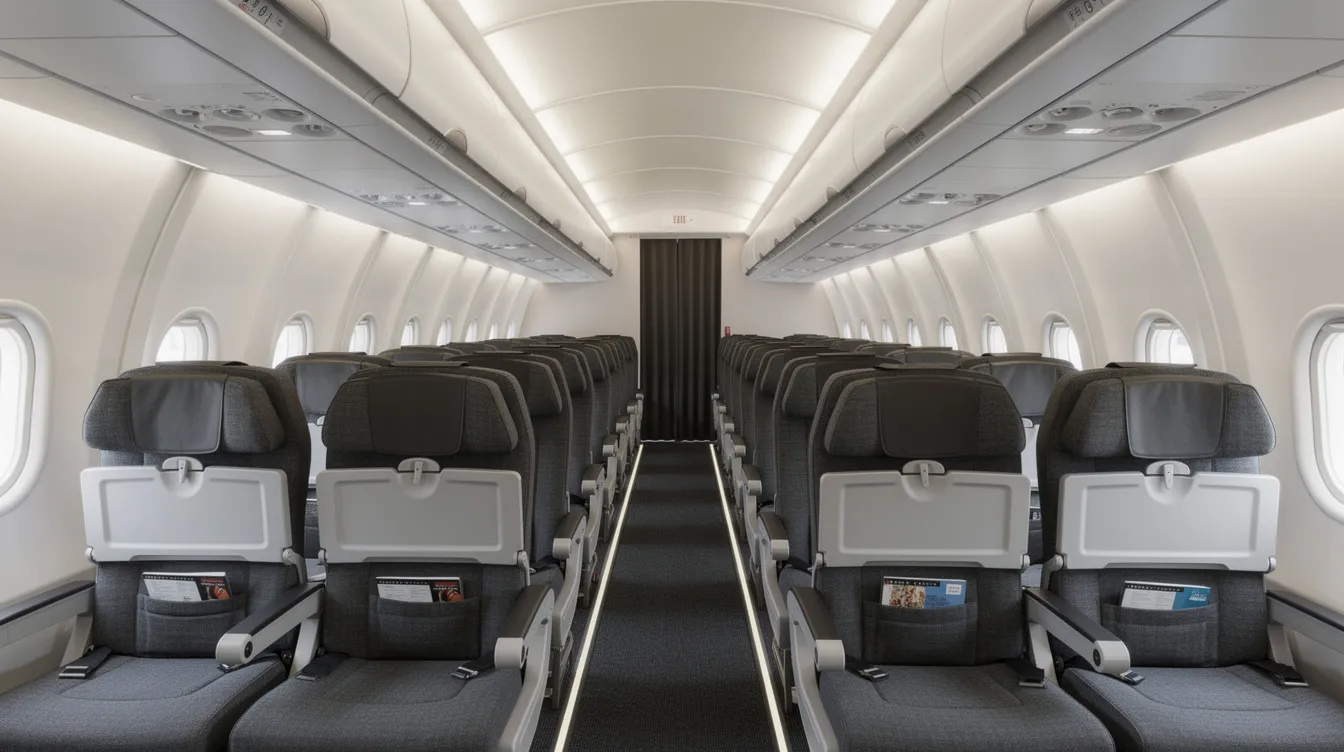
The Boeing 737 American fleet isn't just another plane in the lineup—it’s the aircraft you're most likely to board on any given domestic trip. American Airlines operates roughly 321 Boeing 737- 800 aircraft alongside a growing number of 737 MAX 8s, covering routes from DFW to LAX, MIA to JFK, and ORD to PHX. If you're flying between major U.S. cities, Caribbean destinations, or Mexico, this is your aircraft.
American took its first flight of the 737-800 in the late 1990s and completed the sweeping "Project Oasis" cabin retrofit by mid-2021, standardizing every 737-800 to a 172-seat configuration. Understanding how these cabins are structured—and where they fall short—helps frequent flyers make smarter seat choices and gives high-value travelers a clear picture of what private aviation through a Jet Card program can deliver beyond the airline experience.
Key Takeaways
The Boeing 737- 800 is the backbone of American Airlines' domestic and short-haul international fleet, with all American Airlines 737- 800 aircraft now standardized to 172 seats after the Oasis interior retrofit completed in 2021.
The cabin breaks into three distinct zones: first class (16 seats, 2-2 configuration), main cabin extra (30 seats with ergonomic seating and 3-4 inches more legroom than economy), and main cabin economy class (126 seats at 30-inch seat pitch in a 3-3 layout)—none of which feature seatback screens, relying instead on streaming entertainment to personal devices.
The best seats for legroom are 17A and 17F in main cabin extra with roughly 39 inches of pitch; the worst are rows 31–33, where lavatory proximity and galley noise make longer flights uncomfortable.
For high-value travelers who find even first class on a Boeing 737 limited, BlackJet's Jet Card programs offer full-cabin privacy, bespoke scheduling, and carbon-neutral flights as a strategic alternative.
Configuration Overview: American Airlines Boeing 737-800 & MAX 8
After the Oasis retrofit, American's Boeing 737- 800 and 737 MAX 8 share a nearly identical interior layout. The consistency means you can expect the same cabin whether your booking shows a "738" or "7M8" aircraft code.
Cabin Class | Seats | Rows | Layout | Seat Pitch (inches) | Seat Width (inches) | Notes |
|---|
First Class | 16 | 1–4 | 2-2 | 37 | 20 | Recliner seats, USB-A & power |
Main Cabin Extra | 30 | 8–9, 16–17 | 3-3 | 33–39 | Standard | Extra legroom, priority boarding |
Main Cabin Economy | 126 | 10–15, 18–33 | 3-3 | 30 | Standard | Slimline seats, streaming IFE |
Total | 172 | | | | | Standardized Oasis configuration |
Pre-Oasis aircraft carried around 160 passengers with slightly more generous pitch in some rows. The trade-off: modern amenities like Boeing space bins, wi-fi, and universal power replaced older configurations. Compared to other airlines and carriers like Southwest and United, AA's seat pitch and width are competitive but not exceptional—Delta offers similar economy dimensions on its 737 fleet.
How to Identify Your American Boeing 737 Flight
Confirming your aircraft type takes seconds. On AA.com or the AA app, check the flight details for "738" (737-800) or "7M8" (MAX 8). Third-party tools like FlightAware also list equipment type.
Since the Oasis retrofit, cabin layout differences between individual 737-800s are minimal. The MAX 8 has newer LEAP-1B engines and slightly quieter sound insulation, but the seat map, row numbering, and amenities are effectively the same. If your seat map shows 172 total seats with first class starting at row 1, you're on a standardized Oasis aircraft.
First Class on the American Airlines 737-800
First Class Seat Features
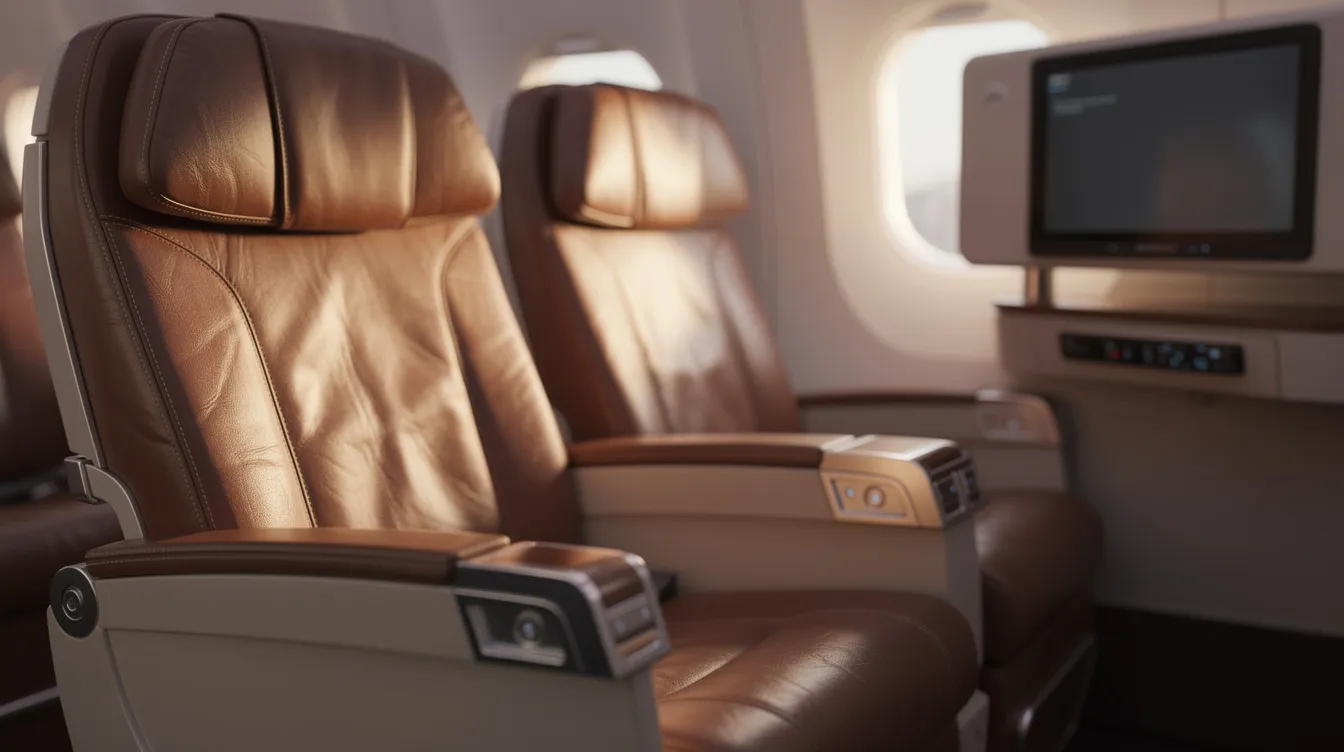
First class on the American Airlines 737- 800 serves domestic trunk routes and short international hops to destinations like Cancún and Nassau. First Class has 16 seats in a 2-2 configuration across rows 1–4, with about 37 inches of pitch and 20 inches of seat width. These are standard recliners—not lie-flat—with adjustable headrests and an armrest-mounted cocktail tray.
Each seat offers USB-A ports and 110V AC power outlets. There are no seatback screens; entertainment is streaming-based, delivered to your personal device. Boarding priority and dedicated overhead bin space keep the process smoother than the main cabin experience.
First Class Service & Amenities
First-class meals are served on flights over 900 miles or during standard meal windows (roughly 5 AM–1:30 PM and 4–8 PM departures). Shorter legs get snacks and light bites.
The FEBO system (Front Even, Back Odd) determines meal service order—your row choice can affect menu availability on popular flights.
Complimentary alcohol is available in first class, along with soft drinks, coffee, and tea. Pre-departure drinks are served on many routes.
Passenger feedback often flags inconsistent crew attention and limited lavatory cleanliness on high-frequency routes—a fine but real concern on tight turnarounds.
The meal service and overall experience, while comfortable enough for a few hours of flying, remain standardized. For travelers who’ve thought about what a truly personalized cabin and catering experience look like, private jet interiors offer a different tier entirely.
Best & Worst First Class Seats on the 737-800
Best First Class Seats:
2A / 2F: Strong window seat picks—well-aligned air guess windows, quieter than row 1, and served early in the service rotation.
3A / 3F: Similar benefits; slightly more distance from the galley door and boarding traffic.
Seats to Avoid:
1A / 1F: Bulkhead windows; you're the first person off the plane. Trade-off: limited under-seat storage and a tight footwell against the bulkhead wall.
1D: High crew and passenger traffic from the galley area during boarding and service.
Row 4: Last first-class row, closest to the cabin curtain. More noise from the main cabin extra, and you may feel bothered by foot traffic moving forward to the lavatory.
Main Cabin Extra: American's "Economy Plus" on the 737
Main Cabin Extra Seat Locations
Main Cabin Extra is American's extra-legroom option—a block of 30 seats positioned between First Class and standard economy class. Premium economy accommodates 30 passengers on the Boeing 737- 800, spread across rows 8–9 (forward) and exit rows 16–17 (over-wing).
Pitch runs 33–34 inches in standard MCE rows. Row 8 offers extra legroom in the main cabin as the forward bulkhead section. Exit rows can reach 39 inches. Perks include earlier boarding (typically Group 5) and complimentary alcohol on many routes—a choice upgrade over regular main cabin. The forward block puts you closer to leaving the plane quickly; exit rows maximize legroom but come with emergency assist requirements and limited storage during takeoff and landing near the door.
Best Main Cabin Extra Seats & What to Avoid
Best Main Cabin Extra Seats:
17A / 17F: The best seats are 17A/17F with 39 inches of pitch and full recline—standout exit-row window seat picks.
16C / 16D: Aisle seats with generous legroom, though recline may be limited depending on the aircraft.
8C / 8D: Bulkhead aisle seats offering extra space and faster deplaning.
Seats to Avoid:
8A / 8B / 8E / 8F: Bulkhead window and middle seats feel tight—the wall is roughly 14 inches from your face, with fixed armrests and tray tables stored in the armrests.
All B/E seats: Middle seats in MCE still feel squeezed on a 3-3 layout.
Main Cabin (Economy Class) on the American 737
Economy Class Comfort Tips
The main cabin covers 126 seats across rows 10–15 and 18–33 in a 3-3 layout. Economy class offers a 30-inch seat pitch on slimline Rockwell Collins Meridian seats—designed to be lighter- but the thinner padding means comfort drops noticeably after about three hours. You won't sleep well in these seats on longer legs.
Rear cabin rows bring more engine and airflow noise, frequent lavatory traffic, and slower deplaning. The galley at the back adds light and crew activity during service. For anyone over six feet tall, the tight pitch makes an aisle seat or a main cabin extra upgrade worth serious consideration.
Economy Seats & Rows to Avoid
Best Economy Seats:
Rows 10–14 offer the best balance of cost and convenience: faster boarding, quicker deplaning, and less cabin noise than the rear block.
Aisle seats: For taller passengers, book early to secure aisle seats, which offer marginally more shoulder freedom and easier movement without climbing over seatmates.
Seats to Avoid:
Rows 31–33: Avoid rows 31–33 due to lavatory proximity, galley noise, and constant foot traffic. Some seats here have slightly narrower cushions.
12A, 13A, 13F: These are labeled as window seat positions but may lack an actual window due to fuselage misalignment—bad luck if you were counting on a view or natural light.
In-Flight Entertainment, Seatback Screens & Wi‑Fi
American Airlines' Boeing 737- 800 has no seatback screens. Instead, streaming in-flight entertainment includes movies and TV shows delivered through the onboard "AA-Inflight" network to your personal device—phone, tablet, or laptop. Bring a charged device and headphones.
Oasis seats include USB-A and 110V power outlets plus a device holder in the literature pocket to prop up your phone or tablet for streaming movies and other content.
Internet access costs $28 on American Airlines flights for a full-flight pass on many domestic segments, which is the fee American may charge for Wi‑Fi on those routes, though pricing varies by route and plan.
By comparison, Delta has rolled out free wi-fi across much of its fleet, and United offers flat-rate options—making AA's pricing feel less competitive for a person who needs to stay connected.
Routes & Typical Flight Length on American's 737
American deploys its Boeing 737 fleet on dense domestic trunk routes and shorter international services: DFW–LAX, MIA–JFK, CLT–ORD, PHX–SEA, plus seasonal flights to Montego Bay, San José (Costa Rica), and Los Cabos. Flight times range from one to five hours.
The 737-800's operational range of roughly 2,900–3,000 nautical miles makes it well-suited for these missions but limited for anything ultra-long-haul. For business travelers, multiple daily departures between hubs offer flexibility—but you're still subject to security lines, hub congestion, and the fixed airline schedule.
Comparing Americans' 737 Experience with Private Jet Travel (BlackJet)
Even in first class, the American 737 experience is defined by fixed schedules, shared cabins, and the process of navigating crowded terminals. For time-sensitive executives and high-net-worth travelers, these constraints represent a real cost—not just in comfort, but in hours lost.
Consider a New York executive commuting between Teterboro and Miami. On an AA 737, that means arriving 90 minutes early at a major hub, checking overhead bin space, and accepting whatever meal service the route dictates. With a BlackJet Jet Card, that same person departs from a private FBO, boards in minutes, and flies direct on their own schedule—with catering tailored to their preferences and an entire cabin to themselves.
Jet Card vs Commercial First Class on the 737
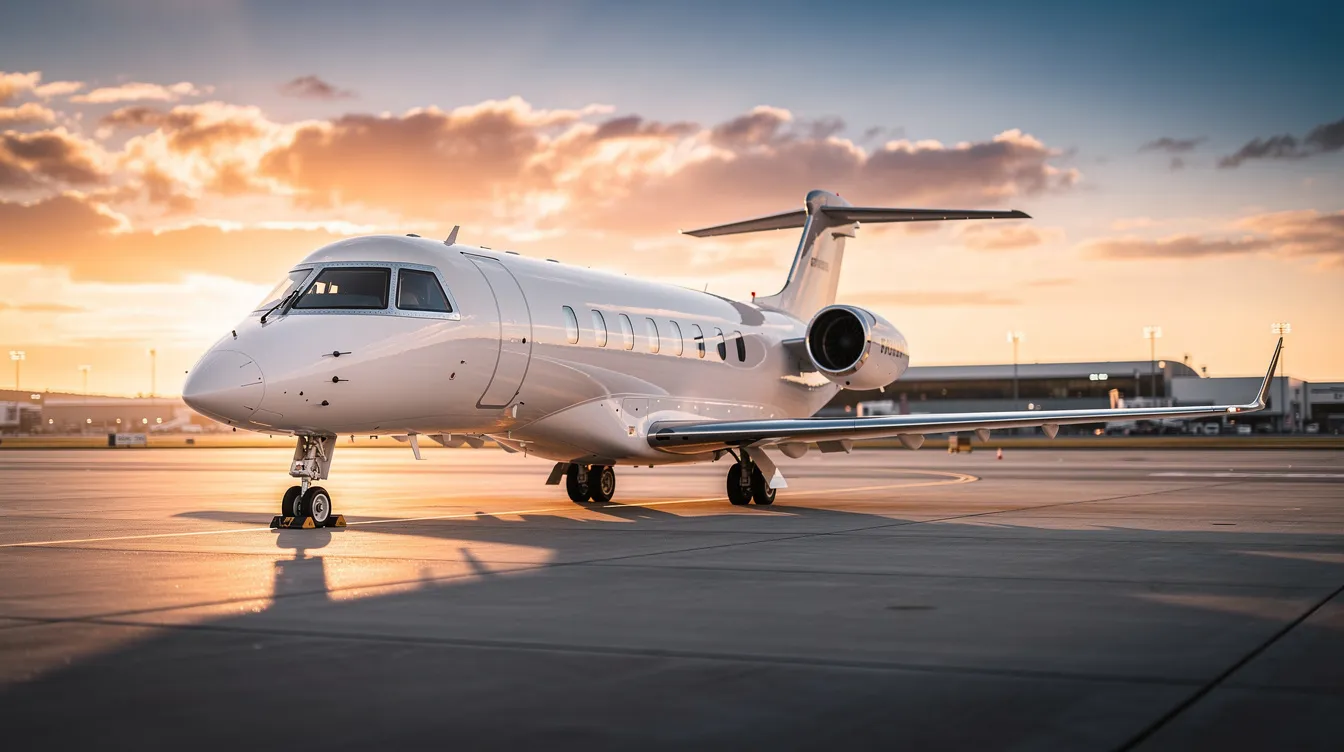
BlackJet's Jet Card model—available in 25-hour and 50-hour blocks—provides prepaid access to private jets with guaranteed availability, typically within 24–48 hours' notice. Compare that to repeatedly purchasing AA 737 first-class tickets at variable fares that spike on busy routes.
Cost predictability: A Jet Card locks in rates; airline fares fluctuate, especially last-minute on high-demand 737 routes.
Cabin standards: Consistent, private aircraft vs. a shared 16-seat first-class cabin where service quality varies by crew and route.
Time savings: Skip security, continue working during boarding, and arrive at airports closer to your destination—advantages a commercial airline simply cannot match.
Safety, Sustainability & Technology: Beyond the Airline 737 Model
While American Airlines follows rigorous FAA standards for its Boeing fleet, BlackJet adds proprietary layers: strict operator vetting, pilot-hour minimums, and recurring third-party safety audits. Every BlackJet flight is carbon-neutral by default through verified offset programs—a meaningful contrast to the carbon footprint of large-scale 737 operations.
BlackJet's technology stack—app-based booking, live flight tracking, and 24/7 access to aviation specialists—turns what would be a lazy scroll through fixed AA schedules into a customized itinerary. A client can adjust departure time just hours before a meeting; the airline's 737 schedule offers no such option.
FAQ: Boeing 737 American Experience vs Private Jet Options
How does the American Airlines 737-800 differ from the 737 MAX 8 for passengers?
Both aircraft share the same 172-seat Oasis cabin layout with identical first class, main cabin extra, and main cabin distributions. The MAX 8 features newer LEAP-1B engines and improved sound insulation, so the cabin can feel slightly quieter. Seat pitch, width, and onboard amenities are effectively the same between the two types on American Airlines.
Does every American Airlines 737 have seatback screens?
Most Oasis-configured 737-800 and MAX 8 aircraft do not have traditional seatback screens. Entertainment is streamed to your own device via the onboard wi-fi network. Check your flight amenities on AA.com before departure and bring a charged device and headphones for the best review of available content.
What are the best economy seats on an American 737-800 if I can't afford Main Cabin Extra?
Aim for forward main cabin rows 10–14 for faster boarding and deplaning. Window and aisle seats in this block offer the best balance of comfort and convenience. Avoid the last few rows near the lavatories and any known windowless seats like 12A or 13F. Booking early maximizes your choice in standard economy class.
Which private aircraft does BlackJet use instead of commercial Boeing 737s?
BlackJet provides access to a curated fleet across light, midsize, super-midsize, and large-cabin jets from top operators. Specific aircraft—such as Citation XLS, Challenger 300, or Gulfstream models—are selected based on passenger count, range, and destination, delivering a tailored experience beyond one-size-fits-all 737 cabins.
How much advance notice do I need to book a BlackJet flight compared to an American 737 ticket?
Depending on Jet Card tier and routing, BlackJet can often secure an aircraft with as little as 24–48 hours' notice—sometimes same-day. Airline 737 tickets can sell out or spike in price close to departure. BlackJet's 24/7 support team helps optimize departure times and aircraft selection, turning a fixed AA 737 schedule into a customized itinerary built around your needs.
Elevate your travel—effortlessly. With BlackJet, private flight isn't reserved for a few. It's accessible on your terms through our Jet Card programs, complete with rigorous safety, carbon-neutral performance, and unmatched flexibility. Explore our offerings and discover how refined, meaningful travel becomes your new standard.
Conclusion: Elevate Beyond the Boeing 737 Experience with BlackJet
While American Airlines' Boeing 737-800 offers a reliable and familiar cabin experience across domestic and short-haul international routes, its fixed schedules, shared cabins, and standardized service can limit the discerning traveler's comfort and flexibility. For executives and high-net-worth individuals seeking more than just a seat, BlackJet’s Jet Card programs provide a strategic advantage—combining private, fully customizable flights with rigorous safety standards, seamless technology, and carbon-neutral operations. By choosing BlackJet, you unlock effortless access to exclusive aircraft tailored to your needs, saving valuable time and elevating every journey beyond what commercial first class can offer. Discover how private jet access through BlackJet transforms travel from a routine necessity into a refined, empowering experience.


 Sign up with google
 Sign up with Apple