Private aviation is experiencing unprecedented growth, attracting individuals and businesses alike who seek the ultimate in flexibility, privacy, and efficiency for their travel needs. As more people turn to private jets for both business and leisure, staying up to date with the latest private jet news and industry developments has become essential for anyone considering entering this exclusive world. Whether you’re interested in chartering a plane for occasional trips or are ready to explore the process of owning your own aircraft, understanding the landscape of private aviation is the first step toward making informed decisions. The process of buying and operating a private jet is best approached as a course—a comprehensive, multi-step plan that requires coordination among various professionals to ensure success.
The world of private jets offers a diverse array of options, from nimble light jets perfect for regional hops to ultra-long-range aircraft designed for intercontinental journeys. Each model brings its own set of features, cabin layouts, and performance capabilities, allowing customers to select the perfect fit for their unique travel requirements. However, the decision to buy or operate a private jet involves more than just choosing a plane—it requires careful consideration of factors such as maintenance plans, including programs like MSP Gold APU enrolled, which help ensure your aircraft remains in peak condition and ready for takeoff at a moment’s notice.
Owning a private jet is a significant investment, with costs that extend beyond the initial sale price. According to recent private jet news and industry data, annual expenses can range from hundreds of thousands to several million dollars, depending on the age, model, and usage of the aircraft. These costs include everything from hangar fees and fuel to regular maintenance, upgrades, and compliance with regulatory requirements.
For many owners, working with a dedicated team of professionals—including an aircraft broker, brokers, maintenance experts, and financial advisors—is key to managing these responsibilities efficiently and protecting the value of their investment. An aircraft broker plays a crucial role in assisting with the buying process, helping you navigate listings, negotiate terms, and ensure a smooth transaction. There are many things—such as regulatory compliance, maintenance scheduling, and operational logistics—that must be managed throughout the private jet purchase process to avoid costly mistakes.
Leading manufacturers and service providers offer a variety of programs and resources to assist owners throughout the entire process, from selecting the right jet to creating customized maintenance plans that maximize both safety and productivity. Top manufacturers in the industry, such as Gulfstream, Boeing, Bombardier, and Dassault, are known for their quality, reliability, and advanced features. Choosing a reputable manufacturer is crucial to ensuring your aircraft meets the highest standards and provides access to the latest innovations. Premium listings from companies like Avjet Global make it easier than ever to find the ideal aircraft for sale or to explore private jet rental costs and considerations, while tailored support ensures that every aspect of ownership—from cabin upgrades to operational logistics—is handled with expertise.
For those considering private aviation, the rewards are substantial. The ability to create a personalized travel experience, enjoy a luxurious and comfortable cabin, and reach destinations on your own schedule is unmatched by commercial alternatives. Whether you’re flying for business or pleasure, a private jet offers the freedom to design your itinerary, maximize your productivity, and enjoy every journey to the fullest.
As you start exploring the world of private aviation, take the time to learn about the various options available and connect with experienced professionals who can guide you through each step. With the right resources and support, owning or chartering a private jet becomes not just a mode of travel but a strategic advantage that enhances your lifestyle and business operations. The private aviation industry continues to evolve, offering new models, advanced technologies, and innovative programs to meet the changing needs of owners and passengers—making now an ideal time to take your first step into this dynamic and rewarding world.
Key Takeaways
Private plane ownership offers strategic advantages, including time savings of 3-4 hours per trip compared to commercial aviation and access to 5,000+ airports worldwide versus 500 commercial hubs
The buying process requires professional expertise from aviation lawyers, tax specialists, and certified brokers, with transactions typically taking 6-12 months from initial search to closing
Total ownership costs range from $500,000 annually for light jets to $2+ million for large cabin aircraft, including acquisition, operations, maintenance, and regulatory compliance
Modern aircraft feature advanced safety systems like emergency autoland technology, TCAS collision avoidance, and comprehensive weather radar for enhanced flight security
Sustainable aviation options include carbon-neutral flight programs and next-generation engines offering up to 20% improved fuel efficiency compared to previous models
For discerning business leaders and high-net-worth individuals, the decision to buy a private plane represents far more than a luxury acquisition—it’s a strategic infrastructure investment that fundamentally transforms productivity, efficiency, and operational capabilities. Private aviation delivers quantifiable advantages that commercial first-class simply cannot replicate, from accessing 5,000+ airports worldwide compared to 500 commercial destinations to saving 3-4 hours per business trip through eliminated security lines and boarding delays.
The strategic positioning of private aircraft ownership centers on three fundamental pillars: time optimization through direct routing and flexible scheduling, operational control enabling same-day multi-city business, and customization capabilities that create mobile business environments. This comprehensive guide examines every aspect of the aircraft acquisition process, from understanding performance specifications to navigating complex regulatory requirements, ensuring informed decisions for this significant investment.
Why Buy a Private Plane: Strategic Advantages for High Net Worth Individuals
Private plane ownership delivers strategic advantages that extend far beyond luxury considerations, creating measurable business benefits that justify investment for high-frequency travelers and corporate executives. The primary advantage centers on time optimization—direct flights to over 5,000 airports worldwide versus the 500 destinations served by commercial aviation, combined with flexible scheduling that eliminates the 3-4 hours typically lost to security lines, gate delays, and boarding procedures.
Business continuity represents another compelling advantage, enabling meetings in multiple cities within a single day while maintaining productive work environments during flight. Executive teams can conduct confidential discussions, review sensitive documents, and make critical decisions without the constraints and privacy concerns inherent to commercial aviation. This operational control becomes particularly valuable during crisis management situations or time-sensitive deal negotiations where schedule flexibility provides competitive advantages.
The health and safety control demonstrated during the COVID-19 pandemic highlighted private aviation’s resilience as business infrastructure. While commercial aviation faced widespread disruptions, private aircraft owners maintained operational continuity through personal aircraft management and controlled passenger environments. This reliability extends to family convenience, accommodating personal schedules and emergency situations without dependence on commercial airline timetables or route availability.
Privacy and confidentiality considerations justify private plane ownership for business leaders handling sensitive information or high-profile individuals requiring discretion. The secure environment enables confidential business discussions, document review, and strategic planning that are impossible in commercial settings. Additionally, the customized travel experience reduces fatigue and maintains productivity levels compared to commercial travel’s inherent stress and time inefficiencies.
For corporations with substantial travel budgets, private aircraft can deliver cost efficiency when factoring in executive time value and productivity maintenance. Executives billing $500-2,000 hourly can justify premium aviation costs through time savings alone, while the enhanced deal-making environment often generates returns exceeding transportation costs. In addition, private plane ownership may offer tax benefits for businesses, further strengthening the financial justification for investment.
Understanding Private Jets Categories and Performance Specifications
Private aircraft selection requires understanding performance categories that determine operational capabilities, cost structures, and suitability for specific travel requirements. Aircraft classifications span from very light jets designed for regional business travel to ultra-large cabin models capable of intercontinental range with luxury amenities comparable to premier business facilities. Notably, some light jets and very light jets are certified for single-pilot operation, offering additional flexibility for owner-operators.
Very Light Jets: 4-6 passengers, range of 1,000-1,200 nautical miles, cruise speed of 350-400 knots; ideal for regional business travel and short-haul flights.
Light Jets: 6-8 passengers, range of 1,500-2,000 nautical miles, cruise speed of 400-450 knots; suitable for multi-city business and leisure travel.
Midsize Jets: 8-10 passengers, range of 2,500-3,500 nautical miles, cruise speed of 450-500 knots; designed for cross-continental and international business trips.
Heavy Jets: 12-16 passengers, range of 4,000-6,000 nautical miles, cruise speed of 500-550 knots; perfect for long-range international group travel.
Ultra-Large Cabin Jets: 16+ passengers, range exceeding 6,000 nautical miles, cruise speed of 500-600 knots; used for transcontinental flights with luxury suites and extended range capabilities.
Performance specifications directly impact operational flexibility and cost efficiency. Range capabilities determine non-stop routing options, while passenger capacity affects per-person transportation costs for regular group travel. Speed advantages become significant on longer routes, though the elimination of commercial aviation delays often provides greater time savings than incremental cruise speed improvements.
Runway requirements represent a critical specification affecting airport access. Light jets typically require 3,000-4,000-foot runways, enabling access to smaller regional airports closer to final destinations. Heavy jets may require 5,000+ foot runways, limiting destination options but providing intercontinental capability and enhanced passenger comfort for extended flights.
Modern aircraft incorporate advanced avionics systems providing enhanced navigation, weather detection, and safety features. Many aircraft now feature intuitive touch-based controls, such as touchscreen displays for avionics and emergency features, making operation more user-friendly. Glass cockpit displays, synthetic vision technology, and automated flight management systems improve operational safety while reducing pilot workload. These technological advances represent significant upgrades from older aircraft models and should factor into acquisition decisions.
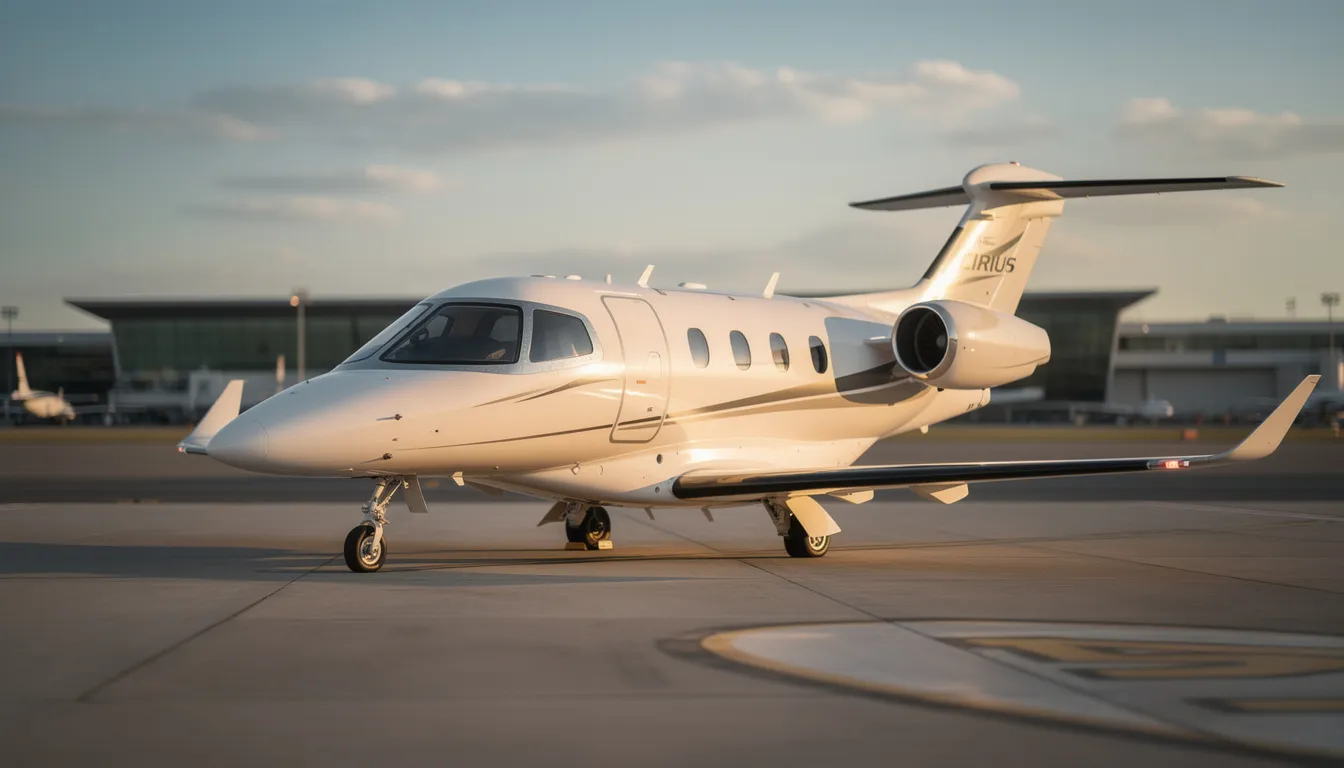
Featured Aircraft: Cirrus Vision Jet Performance Analysis
The Cirrus Vision Jet exemplifies modern single-engine personal jet design, featuring the revolutionary Safe Return emergency autoland technology that enables single-button emergency landing capability in incapacitation scenarios. This aircraft delivers a 1,200 nautical miles range at a 300-knot cruise speed, positioning it as an efficient entry-level option for businesses requiring consistent regional travel.
Performance specifications include up to 20% improved takeoff performance in challenging hot and high conditions compared to previous models, enabling operations from shorter runways and higher elevation airports. The pressurized cabin features panoramic windows and a modern workspace configuration supporting business productivity during flight.
The comprehensive training program includes Level D flight simulator access, ensuring the owner-pilot achieves professional competency standards. This training investment protects both safety and insurance requirements while maximizing operational flexibility for owner-operated aircraft.
The Professional Buying Process: 40 Critical Steps to Aircraft Acquisition
The process to buy a private plane requires assembling a professional team including aviation lawyers specializing in aircraft transactions, tax specialists familiar with depreciation strategies and state sales tax implications, and certified aircraft brokers with market access and valuation expertise. This team approach protects buyers from costly mistakes while optimizing transaction structure for financial and operational benefits.
Industry panelists emphasize the importance of assembling an experienced team, sharing insights on ownership costs, common pitfalls, and strategies to make informed decisions throughout the private jet acquisition process.
The acquisition process typically spans 6-12 months from initial requirements definition through final delivery, though market conditions and aircraft availability can extend timelines significantly. New aircraft orders often require 1-2 years for delivery, while pre-owned aircraft transactions depend on inspection outcomes and title clarity.
Pre-purchase phase activities include defining specific travel requirements, establishing comprehensive budgets encompassing acquisition and operational costs, and creating team relationships with qualified professionals. During this phase, it is important to request additional information or specific documentation, such as full maintenance records or arranging a viewing, to ensure transparency and confidence in the aircraft selection. Aircraft selection involves matching performance specifications with actual travel patterns, considering factors like typical passenger loads, required range capabilities, and preferred cabin configurations. Buyers should clarify who is responsible for paying for test flights, relocation flights, and other transaction-related expenses, as these costs can vary depending on the agreement.
Market research becomes critical given the substantial price ranges spanning $140,000 for entry-level aircraft to $110+ million for ultra-luxury models. Understanding current market conditions, including supply constraints and pricing trends, enables informed negotiation and timing decisions.
The due diligence phase requires a comprehensive examination of aircraft history, maintenance records, and legal status. This investigation protects against hidden issues that could necessitate expensive repairs or create operational restrictions. It is also essential to search for any liens on the aircraft title and ensure that all liens are properly handled during closing and registration to avoid future legal complications. During closing, money is typically wired to escrow accounts, and final bills are settled to complete the transaction securely.
Making an Offer and Letter of Intent
Successful aircraft acquisition begins with structured negotiation through letters of intent that establish purchase price, inspection periods, and closing timelines while protecting buyer interests through appropriate contingencies. Professional brokers facilitate this process by providing market comparisons and structuring offers that balance competitive positioning with buyer protection.
Purchase price negotiation considers current market conditions, aircraft condition relative to similar models, and seller motivation factors. In supply-constrained markets, buyers may need to offer close to asking prices, while markets with abundant inventory provide negotiation leverage.
Deposit structures typically require 5-10% of the purchase price held in escrow with defined release conditions. These funds remain protected during inspection periods but demonstrate serious buyer intent to sellers. Legal review ensures deposit protection and establishes clear terms for fund release or return based on inspection outcomes.
Timeline establishment requires coordinating inspection schedules, financing arrangements, and regulatory requirements. International transactions involve additional complexity through export certificates and foreign registration requirements.
Technical Inspection and Compliance Verification
Comprehensive technical inspection represents the most critical phase, protecting buyers from catastrophic acquisition mistakes. Professional aviation consultants conduct back-to-birth record analysis confirming maintenance compliance, modification history, and regulatory standing throughout the aircraft’s operational history.
Physical inspection examines airframe condition, engine status, avionics functionality, and all aircraft systems. Engine inspection receives particular attention, given that engines represent 30-40% of aircraft value, and major overhauls can cost $2-5 million, depending on aircraft type.
Test flight evaluation enables performance verification against specifications while identifying any handling anomalies or system malfunctions. This real-world assessment provides irreplaceable data about aircraft condition and operational readiness.
Appraisal services provide independent valuation for financing and insurance purposes while validating negotiated purchase prices against current market conditions. These professional assessments protect both buyers and lenders through objective value confirmation.
Regulatory compliance verification ensures the aircraft meets all applicable airworthiness requirements, service bulletin compliance, and certification standards. Any deficiencies must be addressed before closing or factored into final pricing negotiations.
Ownership Costs and Financial Planning
Private aircraft ownership involves substantial ongoing costs that extend far beyond the initial purchase price, requiring comprehensive financial planning to understand the total investment commitment. Annual operating costs typically range from $500,000 for light jets to $2+ million for large cabin aircraft, scaling with utilization levels and operational complexity.
Fixed costs include the insurance premium, which varies based on aircraft value and pilot experience, hangar fees ranging from $5,000-15,000+ monthly at premium aviation centers, and annual inspection requirements mandated by regulatory authorities. These expenses occur regardless of flight activity and must be budgeted as baseline ownership costs.
Variable costs scale with utilization and include fuel expenses, crew salaries for professional operators, maintenance reserves for scheduled service, and trip-specific fees for ground handling and services. Fuel represents the largest variable cost component, with consumption rates varying significantly between aircraft categories and flight profiles.
Annual Fixed Costs:
Light Jets: $200,000 - $400,000
Midsize Jets: $400,000 - $800,000
Heavy Jets: $800,000 - $1,500,000
Hourly Operating Costs:
Light Jets: $2,000 - $3,500
Midsize Jets: $3,500 - $5,500
Heavy Jets: $5,500 - $8,000+
Insurance (Annual):
Light Jets: $25,000 - $75,000
Midsize Jets: $75,000 - $150,000
Heavy Jets: $150,000 - $300,000+
Hangar (Monthly):
Light Jets: $3,000 - $8,000
Midsize Jets: $5,000 - $12,000
Heavy Jets: $8,000 - $20,000+
Maintenance planning requires establishing reserves for scheduled inspections, component replacements, and major overhauls. These reserves typically accumulate $200-800 per flight hour, depending on aircraft complexity, ensuring funds availability for required maintenance without operational disruptions.
Tax considerations significantly impact ownership economics through depreciation benefits, state sales tax obligations, and potential international import duties. Professional tax planning can optimize these factors while ensuring compliance with applicable regulations across multiple jurisdictions.
Financing options include traditional aircraft loans requiring 20-30% down payments, operating leases providing tax advantages for qualifying businesses, and structured ownership arrangements enabling shared costs through partnerships or corporations. Interest rates and terms vary based on creditworthiness, aircraft value, and loan structure.
Financial modeling should project 10-year total costs, including acquisition, operations, maintenance, and eventual disposition. This analysis enables comparison with alternative access models and validates economic justification for ownership versus other private aviation options.
Advanced Safety Systems and Certification Standards
Modern private jets incorporate sophisticated safety systems that often exceed commercial aviation standards, providing multiple layers of protection through redundant systems and advanced technology integration. Emergency autoland systems like Cirrus Safe Return represent revolutionary capabilities enabling automatic aircraft control and landing in pilot incapacitation scenarios.
Traffic Collision Avoidance Systems (TCAS) provide real-time monitoring of nearby aircraft with automatic resolution advisories, while ground proximity warning systems alert pilots to terrain and obstacle threats. These systems operate independently of pilot input and provide crucial safety margins during challenging flight conditions.
Weather radar technology features 16-color palette displays with automatic ground clutter suppression, enabling pilots to navigate around hazardous weather conditions with precision. Modern systems integrate with flight management computers to suggest optimal routing around weather systems while maintaining efficiency.
Dual redundancy in critical flight systems ensures continued operation despite component failures. Navigation systems, communication equipment, and flight control computers feature backup systems enabling safe flight completion even with primary system failures.
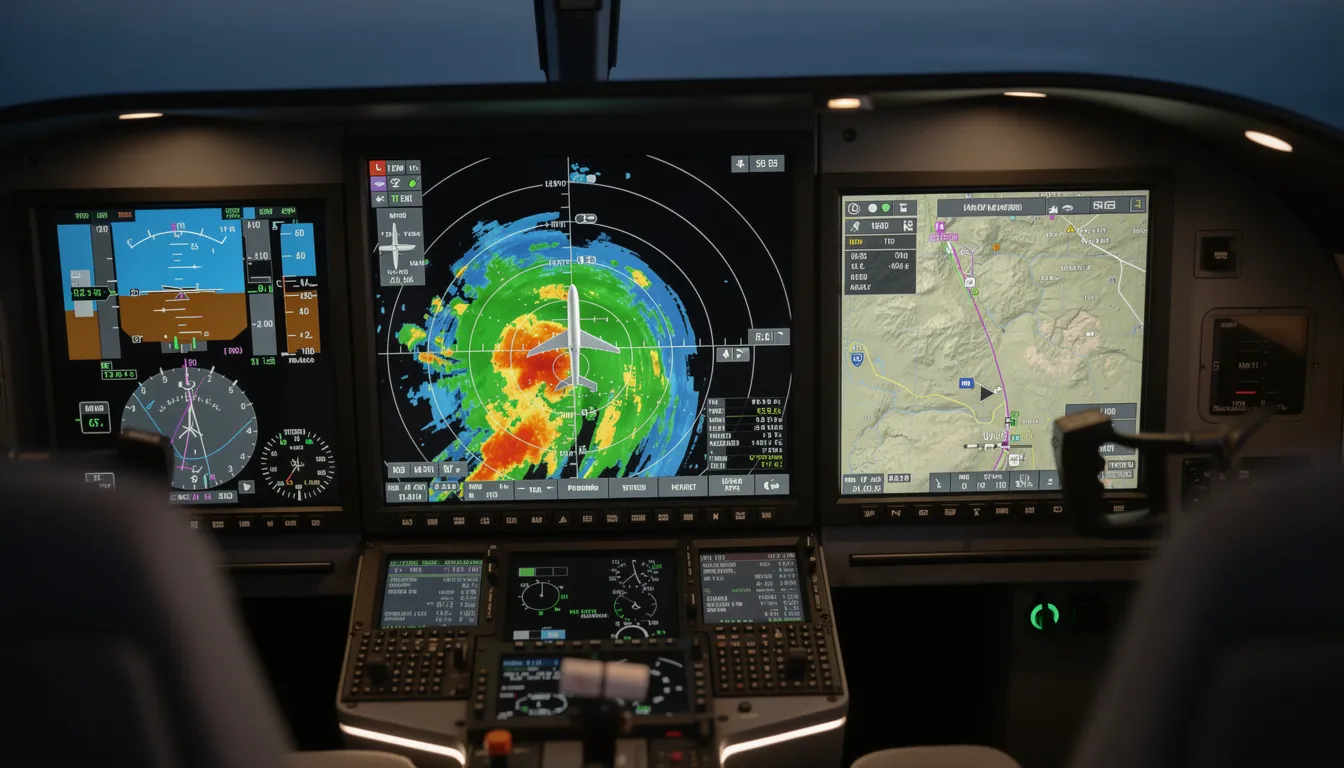
Comprehensive maintenance tracking through programs like CAMP ensures regulatory compliance while optimizing aircraft availability. These systems monitor component life limits, track service bulletin compliance, and schedule required maintenance to minimize operational disruptions.
Certification standards require rigorous testing and approval processes through aviation authorities, establishing baseline safety performance for all certified aircraft. Type certification validates aircraft design, while ongoing airworthiness requirements ensure continued safety through operational life.
Professional crew certification and recurrent training requirements maintain high safety standards through ongoing education and proficiency verification. Pilots operating turbine aircraft must maintain commercial licenses with type-specific ratings, and, for certain private jets, a type rating is required. They must also complete regular training programs.
The safety record of professionally operated private aviation compares favorably with commercial aviation on accident-per-departure metrics, particularly when considering the challenging airport conditions and weather scenarios often encountered in private aviation operations.
Sustainability in Private Aviation
Sustainability considerations increasingly influence private aircraft acquisition decisions as environmental consciousness grows among affluent buyers and corporate travel policies integrate carbon reduction objectives. Modern aircraft incorporate significant efficiency improvements, while carbon offset programs enable carbon-neutral flight operations.
Next-generation engines deliver up to 20% improved fuel efficiency compared to previous models through advanced materials, optimized combustion designs, and sophisticated engine management systems. These improvements reduce both operating costs and environmental impact while maintaining performance capabilities.
Carbon offset programs enable private aviation users to calculate flight emissions and purchase verified offsets or invest in carbon removal technologies. These programs create carbon-neutral flight options where environmental impact is offset through forest preservation, renewable energy projects, or direct air capture technologies.
Sustainable Aviation Fuel (SAF) compatibility in modern aircraft enables transition toward lower-carbon fuels as supply chains develop. SAF can reduce lifecycle carbon emissions by up to 80% compared to conventional jet fuel while requiring no aircraft modifications for approved fuel blends.
Efficient flight planning through optimal routing, weight management, and fuel efficiency practices reduces environmental impact compared to less-managed operations. Professional flight planning services optimize routes for fuel efficiency while maintaining schedule requirements.
Operational efficiency improvements through technology integration, maintenance optimization, and crew training reduce unnecessary fuel consumption. Modern aircraft achieve better fuel economy through advanced aerodynamics, weight reduction, and engine efficiency compared to older models.
Fleet modernization programs increasingly focus on replacing older, less efficient aircraft with advanced technology platforms. This transition reduces environmental impact while improving operational capabilities and reducing long-term costs.
Carbon-neutral flight programs position private aviation as environmentally responsible while acknowledging the reality of higher per-passenger emissions compared to commercial aviation at lower utilization rates. These programs appeal to environmentally conscious buyers while providing factual offset mechanisms.
Technology Integration and Connectivity
Modern private aircraft serve as flying business centers through advanced technology integration, enabling seamless productivity during flight. Connectivity systems like Gogo InFlight Wi-Fi provide industry-leading cabin internet access supporting video conferencing, document collaboration, and real-time business communication.
Advanced avionics, including Garmin Pro Line systems, feature 3D navigation mapping, synthetic vision technology, and integrated flight planning capabilities. These systems enhance situational awareness while reducing pilot workload through automated functions and intuitive displays.
Cabin entertainment systems feature 22” LED displays with device integration capabilities enabling personal and business use during flight. Passengers can maintain productivity through laptop connectivity while accessing entertainment options during leisure segments.
Remote monitoring through applications like Cirrus IQ enables pre-flight verification of fuel levels, oxygen status, and aircraft systems. This connectivity allows owners to ensure aircraft readiness while coordinating with operations teams for optimal flight preparation.
Enhanced vision systems provide pilots with improved visibility during challenging weather conditions through infrared technology and database overlays. These systems enhance safety margins while maintaining operational capability in reduced visibility conditions.
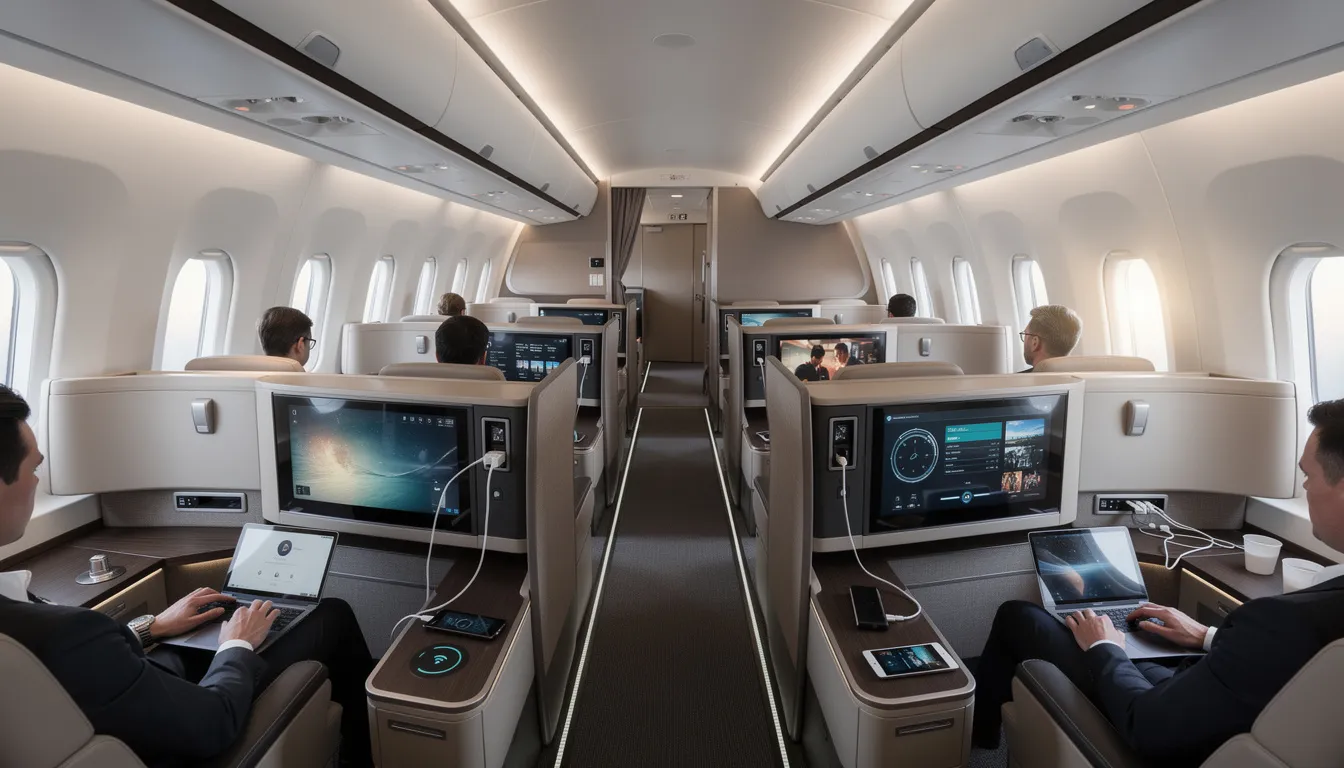
Flight management systems integrate weather data, traffic information, and navigation databases to optimize routing and fuel efficiency. Real-time updates ensure current information availability throughout flight operations.
Communication systems enable global connectivity through satellite technology, ensuring passengers and crew maintain contact regardless of geographic location. This capability supports international business operations and emergency communication requirements.
Cabin management systems provide intuitive control of lighting, temperature, entertainment, and communication systems through touchscreen interfaces. Passengers can customize environmental conditions to personal preferences while maintaining professional meeting capabilities.
Aircraft Management and Operational Support
Professional aircraft management services, typically provided by a management company, handle the complex operational requirements of private aircraft ownership, including maintenance coordination, crew management, and regulatory compliance oversight. These services enable owners to enjoy aircraft benefits without operational burden while ensuring safety and efficiency standards.
Comprehensive training programs, including simulator-based instruction, prepare owner-pilots for safe operation while maintaining insurance requirements and regulatory compliance. Professional training providers offer initial certification and recurrent training customized to specific aircraft types.
24/7 operational support provides trip planning, weather monitoring, and ground services coordination, ensuring seamless travel experiences. Operations centers monitor flight progress and coordinate any required changes due to weather or operational factors.
Maintenance tracking systems ensure optimal aircraft availability through proactive scheduling and component monitoring. These systems track service life limits, schedule required inspections, and coordinate maintenance activities to minimize downtime.
Insurance management and claims support protect aircraft value while ensuring appropriate coverage levels. Professional management companies maintain relationships with aviation insurance providers and handle claims processing when required.
Crew management for owner-operated aircraft includes recruiting, training, and scheduling professional pilots meeting insurance and regulatory requirements. This service ensures qualified crew availability while maintaining cost efficiency through optimized scheduling.
Regulatory compliance oversight ensures aircraft registration, certification, and operational authorizations remain current across all operating jurisdictions. This includes international permits, customs documentation, and aviation authority requirements.
Financial reporting provides detailed cost tracking and budget management, enabling owners to understand and control operational expenses. These reports support tax preparation and financial planning while identifying cost optimization opportunities.
Customization and Personalization Options
Private aircraft customization enables owners to create personalized flying environments reflecting individual preferences and operational requirements. Interior design studios offer bespoke cabin configurations with luxury amenities rivaling premier business facilities.
Seating configurations can optimize space for business meetings, charter flights, family travel, or personal comfort, depending on primary use patterns. Options include conference tables, fully reclining seats, sleeping berths, and modular arrangements enabling multiple cabin configurations.
Exterior customization options include paint scheme selection, allowing owners to choose a unique visual identity for personal or corporate branding. Exterior paint schemes and branding options provide a visual identity reflecting personal or corporate image. Custom paint designs range from subtle elegance to bold corporate branding, with specialized facilities providing show-quality finishes.
Technology packages enable integration of connectivity, entertainment, and productivity enhancement systems customized to user requirements. These packages can include satellite communication, high-speed internet, and business-grade audiovisual equipment.

Special mission modifications accommodate unique operational requirements such as medical transport, cargo operations, or specialized equipment integration. These modifications require engineering approval and certification but enable aircraft to serve diverse operational needs.
Galley configurations range from basic refreshment centers to full culinary facilities, depending on flight duration and passenger requirements. Options include espresso machines, wine storage, and equipment for full meal preparation.
Cabin materials selection includes premium leather, exotic woods, precious metals, and custom fabrics, creating unique aesthetic experiences. These materials undergo rigorous testing for aviation safety requirements while providing a luxury appeal.
Lighting systems enable ambient control, creating appropriate environments for business productivity or relaxation. LED technology provides energy efficiency while offering unlimited color options and programmable scenes.
Storage solutions accommodate business equipment, luggage, and personal items through innovative compartment designs. Custom storage can include secure document areas, equipment racks, and specialized compartments for valuable items.
Comparing Private Ownership to Alternative Access Models
Understanding when to buy a private plane versus utilizing alternative access models requires analyzing flight frequency, route requirements, and total cost considerations. The break-even analysis typically favors ownership for individuals or organizations flying 150+ hours annually, though specific circumstances can justify ownership at lower utilization levels.
Full Ownership: 0+ hours annual commitment, hourly costs ranging from $2,000 to $8,000+, best suited for those flying 150+ hours annually, with capital requirements between $5 million and $110 million or more.
Fractional Ownership: 50-400 hours annual commitment, hourly costs between $3,000 and $7,000, ideal for those flying 50-150 hours annually, requiring capital from $500,000 to $2 million or more.
Jet Card Programs: Minimum 25+ hours annual commitment, hourly costs from $3,000 to $8,000, best for travelers flying 25-100 hours annually, with capital needs ranging from $75,000 to $800,000 or more.
Charter Services: Charged on a per-flight basis, with hourly costs starting at $4,000 and going up to $12,000 or more, suitable for occasional users with no capital investment required.
Jet card programs offer guaranteed access with fixed hourly rates and 25+ hour minimums, providing schedule flexibility without ownership responsibilities. These programs appeal to high-frequency business travelers wanting premium access without capital commitment or operational management.
Fractional ownership enables shared aircraft ownership with guaranteed annual flight hours and proportional cost sharing. This model reduces individual capital requirements while providing asset ownership and operational control benefits.
Charter services provide maximum flexibility for occasional users without long-term commitments or capital investment. Charter pricing varies significantly based on aircraft availability, routing, and market conditions, making cost predictability challenging.
Membership programs combine elements of different access models, offering tiered service levels with annual fees and hourly rates. These hybrid approaches can provide middle-ground solutions between ownership and pure charter access.
The decision to buy a private plane becomes economically justified when ownership costs compare favorably to alternative access models while providing enhanced operational control and customization benefits. This analysis must consider both direct costs and indirect benefits, such as schedule flexibility and productivity enhancement.
Frequently Asked Questions
What is the minimum annual flight time that justifies buying versus chartering a private plane?
The ownership break-even point typically occurs around 150-200 flight hours annually, though this varies based on aircraft category, operating costs, and alternative access pricing. Light jets may justify ownership at 100+ hours annually due to lower operating costs, while heavy jets require higher utilization to compete with charter or fractional alternatives. The analysis must consider total cost, including acquisition, operations, maintenance, and financing, versus comparable charter or jet card expenses.
How long does the aircraft acquisition process typically take from initial search to delivery?
The complete buying process typically spans 6-12 months for pre-owned aircraft transactions, including requirements definition, market search, negotiation, inspection, and closing procedures. New aircraft orders often require 1-2 years for delivery due to manufacturing timelines and customization requirements. Complex transactions involving international registration, extensive customization, or financing arrangements may extend these timelines. Market conditions and aircraft availability significantly impact acquisition speed.
What are the ongoing regulatory requirements for private aircraft owners?
Private aircraft owners must maintain current registration with aviation authorities, ensure annual or 100-hour inspections are completed on schedule, maintain insurance coverage meeting regulatory minimums, and ensure pilots maintain appropriate licenses and recurrent training. International operations require additional permits, customs documentation, and compliance with foreign aviation authorities. Ongoing airworthiness requirements include service bulletin compliance, modification tracking, and maintenance record documentation.
How do carbon offset programs work for private aviation, and what is their environmental impact?
Carbon offset programs calculate flight emissions based on aircraft fuel consumption and purchase verified offsets from forest preservation, renewable energy projects, or direct air capture technologies. These programs enable carbon-neutral flights where environmental impact is offset through other mechanisms. Quality offset programs ensure additionality, permanence, and third-party verification. While offsets don’t eliminate emissions, they provide environmental responsibility options for private aviation users committed to sustainability.
What financing options are available for private aircraft purchases, and what are the typical terms?
Aircraft financing includes traditional loans requiring 15-25% down payments with 10-20 year terms, operating leases providing tax advantages for qualifying businesses, and structured ownership through partnerships or corporations. Interest rates vary based on creditworthiness, aircraft value, and loan-to-value ratios, typically ranging from prime plus 1-4%. International buyers may face additional requirements, including personal guarantees or enhanced documentation. Specialty aircraft lenders understand aviation market dynamics and provide tailored financing solutions.
Conclusion
Buying a private plane is a significant investment that offers unmatched strategic advantages for discerning travelers and business leaders. From substantial time savings and enhanced operational control to personalized comfort and advanced safety features, private aircraft ownership transforms the travel experience into a productive and efficient endeavor. While the acquisition process requires careful planning, expert guidance, and financial consideration, the benefits in privacy, flexibility, and business continuity are well worth the effort.
By assembling a dedicated team of professionals, understanding aircraft performance and costs, and leveraging the latest technology and sustainability practices, buyers can make informed decisions that align with their travel needs and long-term goals. Whether selecting a light jet for regional trips or a heavy jet for global reach, owning a private plane empowers customers to take control of their travel schedules, protect their valuable time, and enjoy the ultimate in convenience and luxury.
For those ready to start this journey, the key is to choose the right resources, visit listings carefully, and reach out to experienced manufacturers and brokers who can assist throughout the process. Trusted platforms like blackjet.com provide comprehensive listings, expert insights, and dedicated support to guide buyers every step of the way. With the right approach and support, buying a private plane becomes not just a purchase but a strategic asset that enhances productivity and elevates the private aviation experience.


 Sign up with google
 Sign up with Apple