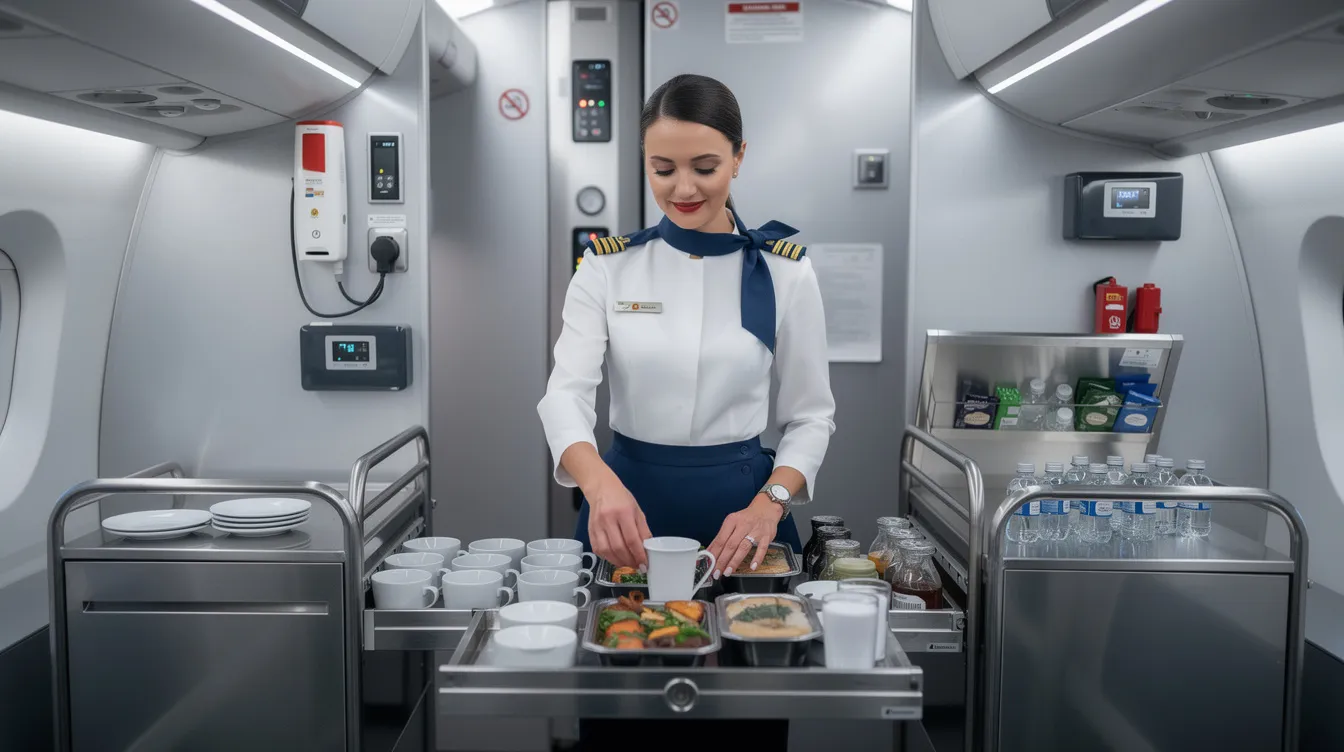
Whether you are considering a career in the skies or simply want to understand what drives the cost and quality of in-flight service, cabin crew salaries tell a revealing story about modern aviation. Here are concrete 2024–2026 figures for every career stage and aircraft type.
Cabin Crew Salaries Explained in 60 Seconds
Before diving into the details, here are the headline numbers for 2026:
Median U.S. flight attendant salary: approximately $67,000–$68,000, a figure that contrasts with revenue-driven private jet sales salary potential
Average salary nationwide: close to $79,000 when higher-earning senior crew are included
New-hire flight attendants: often in the $28,000–$35,000 range, far below the income bands of travelers who typically compare jet card pricing across providers
Senior flight attendants at major airlines: commonly $90,000–$120,000+, similar to some traveler profiles that benefit from a 100 Hour Jet Card cost structure
VIP and private jet cabin crew: frequently above $100,000 with day-rate models reaching $500–$900+ per day, particularly on large-cabin aircraft such as private jets configured for 20 passengers
These figures draw on recent U.S. government labor statistics (through May 2025), public pay scales from major carriers, and private aviation benchmarks, adjusted to 2026 where appropriate. If you are a frequent flyer of private jets with BlackJet, skip ahead to the commercial vs private jet section to see how crew compensation shapes the service you experience on board, and how it interacts with the overall cost-benefit of chartering a private jet.
What Cabin Crew and Flight Attendants Actually Do
"Cabin crew" is the global term for on-aircraft staff; in the USA, the specific job title is "flight attendant." Both describe a safety-critical role that justifies professional-level pay.
Core responsibilities include:
Safety: evacuation procedures, first aid, firefighting, and emergency regulatory checks
Service: meals, premium service on major airlines, and bespoke VIP service in private aviation
Customer care and conflict management with a full aircraft of passengers
Regulatory compliance and security duties during every sector of flight
On private jets and Jet Card flights, cabin crew often handle ultra-personalised service — bespoke catering, children's travel, confidential business meetings, and discreet VIP handling. More responsibility, recurrent training, and irregular schedules lead directly to structured pay scales and premiums, especially for senior flight attendants.
Average Flight Attendant Salary in 2024–2026
Median and Average Salaries
The Bureau of Labor Statistics reported that the median annual wage for flight attendants was $63,580 as of May 2025. Adjusting for contract increases already approved at several carriers for 2026, commercial flight attendants now earn approximately $67,130 annually. Commercial flight attendants earn about $67,130 annually when adjusting for 2026 contract increases already ratified at several carriers. The average salary for flight attendants is $27.90 per hour, translating to roughly $79,000 per year once you account for the skewing effect of higher-earning senior crew.
Salary Distribution
Salary Distribution Table:
Salary Group | Annual Salary Range |
|---|
Lowest-paid 25% | $52,000–$53,000 |
Top 25% | $98,160+ |
Entry-level hourly rate | $16–$18 per flight hour |
Senior scales | $50–$100+ per hour |
Top 25% of flight attendants earn around $98,160 annually at large legacy and premium international airlines, with even higher compensation available in roles supporting large private jets for 50 passengers
Hourly Rates
Entry-level hourly rate: approximately $16–$18 per flight hour
Senior scales: close to $50 per hour, with top hourly rates for senior flight attendants reaching upwards of $80 to $100 per hour
Major U.S. airlines generally offer the highest hourly wages in the industry. Some specialist operators and business aviation companies advertise total compensation exceeding $150,000–$200,000 for select corporate or VIP roles, similar to high-end private plane stewardess jobs in business aviation. These statistics capture base flight pay only and exclude extras — per diem pay, bonuses, and profit sharing — that can add 10–25% to total income.
How Flight Attendant Pay Really Works (Base Pay, Flight Time, and Per Diem)
Flight attendant pay is not structured like a standard 9-to-5 job. Compensation models differ globally, but U.S. carriers generally pay a guaranteed hourly rate for block time. Flight attendant salaries can vary widely based on collective bargaining agreements, airline policies, and the contract pay scale that sets compensation rules.
Base Flight Pay Mechanics
Airlines usually pay an hourly rate that starts when the aircraft doors close and stops when they open
Boarding pay, deplaning, and gate delays may be unpaid or paid at reduced rates depending on each airline's new contract terms and how the airline's pay scale treats them
Monthly Credited Hours
Flight attendants typically log 75 to 100 flight hours monthly at most airlines
Actual duty time can stretch to 140–180 hours once you add briefings, turnarounds, and ground delays — much of which may involve waiting without additional pay
Per Diem and Allowances
Per diem rates typically range from $2.00 to $3.00 per hour for time away from home base
A long-haul trip with 80–90 hours away can add roughly $180–$200 in diem pay per pairing
Airlines cover hotel rooms and airport transfers; per diem is mainly for meals and incidentals
Cabin crew salaries often include elements such as basic salary, flight-hour pay, per diem, and additional premiums. As a simple example, a mid-career crew member flying 80 hours per month at $40 per hour plus per diem could realistically take home around $4,000–$4,500 monthly before taxes and extras, a structure that contrasts with broader private jet pilot cost and salary breakdowns.
Cabin Crew Salary by Career Stage: From New Hire to Senior Flight Attendant
Seniority is the single biggest driver of commercial flight attendant pay. Most airlines use a strict step-scale system tied to years of service, and experience significantly influences flight attendant salary levels.
Entry-Level Salaries
Career Stage | Typical Annual Range (U.S.) |
|---|
Entry-level / first year | $27,000–$35,000 |
Entry-level flight attendants earn between $27,000 and $35,000 annually, while entry-level salaries for U.S. flight attendants can range up to $60,000 per year at premium carriers with generous initial training pay.
Mid-Career and Senior Salaries
Career Stage | Typical Annual Range (U.S.) |
|---|
Early career (years 2–5) | $40,000–$65,000 |
Mid-career (5–10 years) | $60,000–$85,000 |
Senior flight attendant / purser (10+ years) | $80,000–$115,000+ |
Senior flight attendants can earn $80,000 to $115,000+ per year, with lead, language, and route pay pushing figures higher.
International Comparisons
At some UK major airlines, base cabin crew salaries start around £21,000, though allowances and commission on long-haul fleets push total compensation higher. Pay scales typically include yearly increments up to a top-out year around year 10–15, with 3–5% annual rises or contractual increases negotiated by unions. Senior crew also gain preferred route access, better schedules, and premium roles such as instructor or onboard leader.
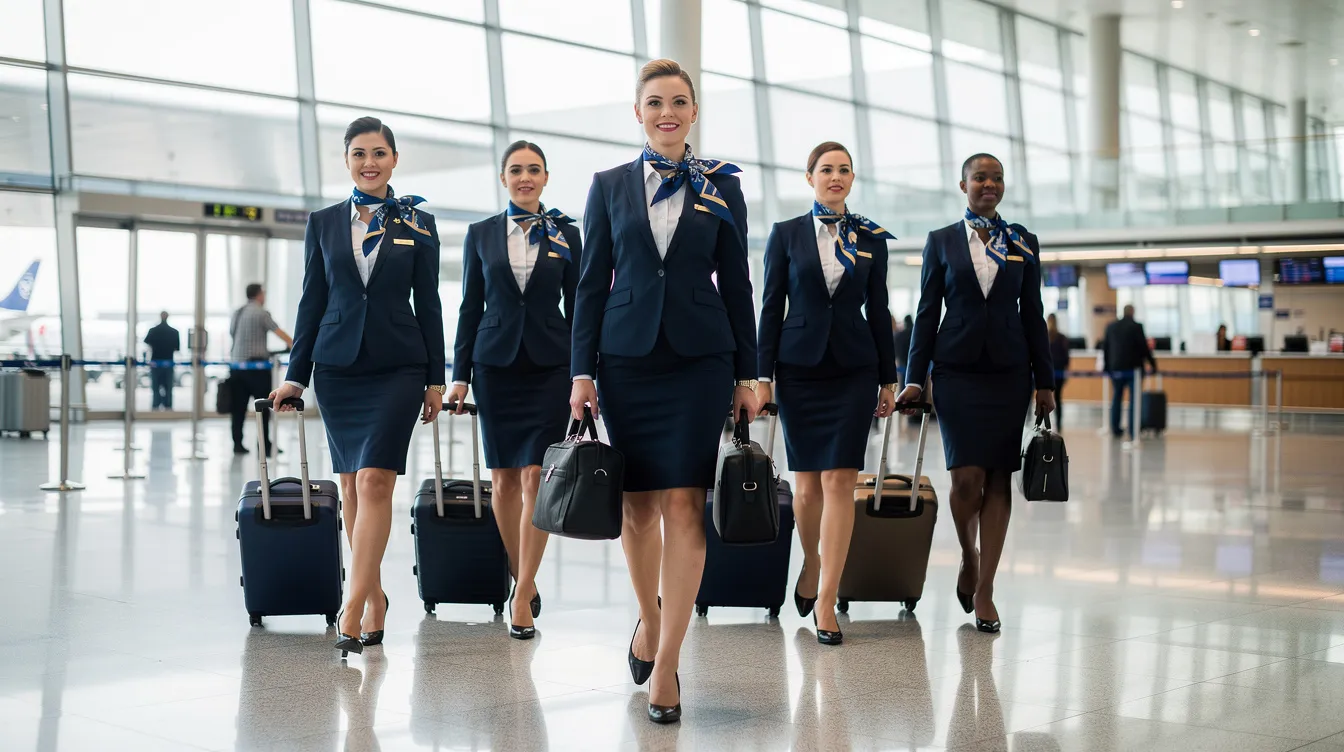
Beyond Base Pay: Flight Pay, Allowances, Language Pay, and Commission
A full flight attendant salary includes several pay components beyond the base hourly rate. Allowances and per diem pay rarely reflect total earnings for cabin crew — the extras matter.
Allowances and Per Diem
Some airlines offer additional flight pay for specific aircraft types or ultra-long-haul routes, plus overtime multipliers for hours above a monthly threshold
Long-haul international flights usually yield higher compensation than short-haul domestic trips
Overnight allowances vary by destination and can range from €25–€40 per night in Europe to higher amounts for cost-of-living cities like Zurich, Tokyo, or New York
Premium Pay and Language Skills
Flight attendants may receive premium pay for specialized roles or language skills — a monthly stipend for performing safety briefings in Spanish, Mandarin, or Arabic can meaningfully boost flight attendant pay
Seasoned flight attendants often earn higher allowances and premiums for international routes, and combining language pay with international allowances can increase annual earnings by $5,000–$10,000 or more.
Commission Opportunities
Commercial Airline Pay vs Private Jet Cabin Crew Salaries
Pay structures diverge sharply between scheduled airlines and private aviation — the world where BlackJet clients fly, often through structured jet card membership pricing models.
Commercial Airline Crew Pay Structure
Hourly flight pay plus per diem, governed by union contracts at major airlines with clear pay scales
Seniority-driven bidding for schedules, routes, and domestic vs international assignments
Crew members working for major legacy carriers often have higher earnings potential than budget airlines
Private Jet and VIP Cabin Crew Pay Structure
Private cabin crew often receive salaries or day rates rather than purely hourly flight time pay
Private jet cabin crew can earn $500–$900+ per day, with experienced VIP attendants on large-cabin jets earning the equivalent of $90,000–$150,000+ annually, figures that sit alongside similarly competitive private jet pilot salary ranges
Industry benchmarks show 2026 daily rates for ultra-long-range aircraft exceeding $1,000 per day, reflecting overall private jet pilot and operation cost structures
Private jet crew command premium pay because of the smaller, more exclusive environment with highly personalised service, confidentiality requirements, and multi-role responsibilities — catering management, cabin presentation, concierge tasks, and child care in addition to safety and security training. For travelers, similar trade-offs appear when deciding how to buy a seat on a private jet. Pay transparency is lower in business aviation, so ranges are based on operator surveys and job postings rather than rigid public scales.
Better-paid, highly trained VIP cabin crew help deliver the elevated onboard experience that BlackJet Jet Card and dedicated BlackJet 25+ Hour Jet Card members expect.
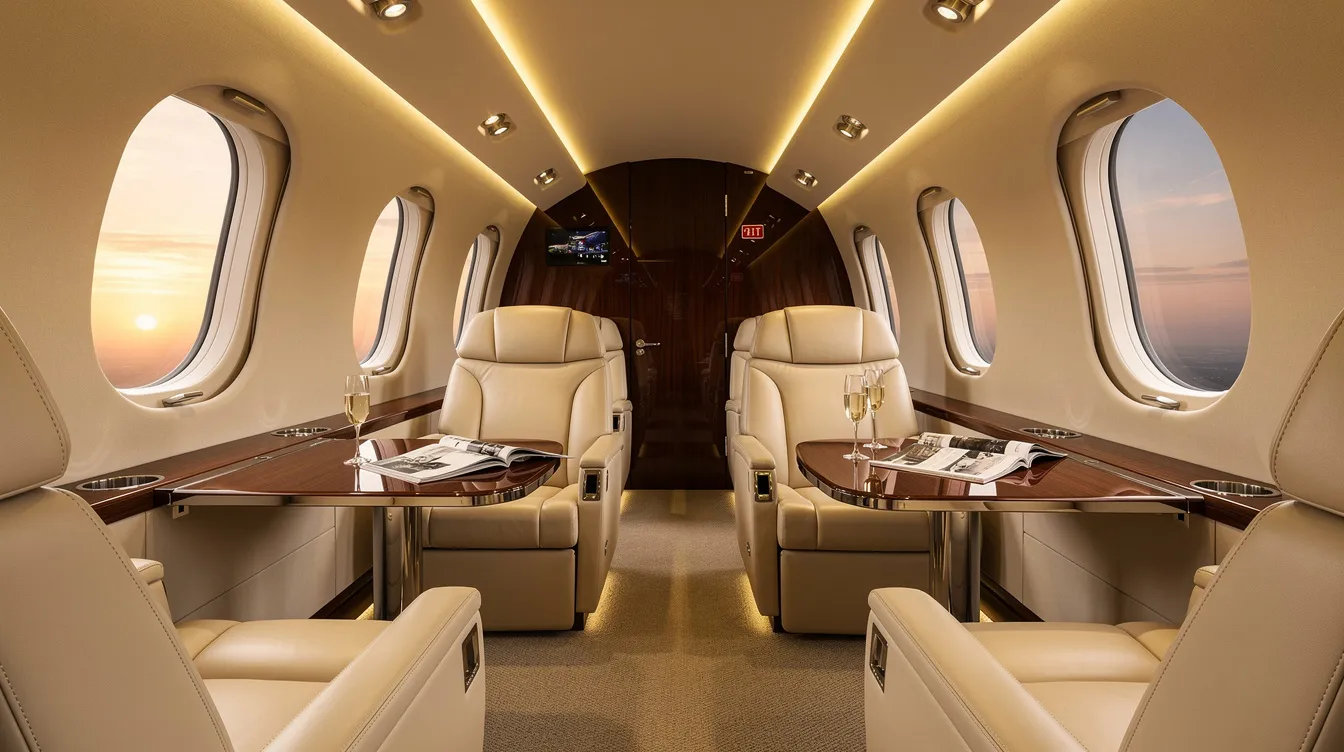
Global and Airline-by-Airline Differences in Flight Attendant Pay
Cabin crew compensation varies heavily by location and airline type. Geographic location affects both salary scale and local economic conditions.
Legacy vs Low-Cost Carriers
Legacy and major airlines (large U.S. mainline, premium European and Gulf carriers) tend to offer higher base pay, stronger benefits, and more generous per diem than regional airlines or low-cost carriers
European carriers' pay scales are influenced by whether they fly for low-cost or legacy airlines
Regional Pay Differences
Flight attendant salary in high-cost hubs (New York, London, Dubai) tends to run higher than in smaller regional bases
Cabin crew salaries vary significantly based on geographic region and seniority — a Delta senior flight attendant based in Atlanta will earn differently from a visa-holding crew member at a Gulf carrier in Dubai
Middle Eastern Carriers
Middle Eastern carriers provide tax-free monthly salaries often combined with free accommodation and transport, fundamentally changing the effective value of the money earned, much as unlimited private jet membership models reshape unlimited private jet flight experiences
As private aviation grows across the U.S., Middle East, and Europe, demand and competition for senior flight attendants with VIP skills is pushing some private jet salaries up faster than standard airline wages, with strong interest in private plane stewardess career opportunities.
How BlackJet Uses Top Cabin Crew Talent to Elevate Private Jet Travel
BlackJet is a premium Jet Card and private jet access provider. While we do not publish specific cabin crew pay figures, our partner operators compete aggressively to hire and retain experienced VIP flight attendants — and that directly benefits our members.
Higher cabin crew compensation intersects with the BlackJet experience in tangible ways: better-paid VIP crew stay in the job longer, deepen service skills, and maintain advanced safety and medical training. This stability means BlackJet clients receive consistent, discreet, and polished service every time they board.
BlackJet's pillars reinforce this:
Safety: only operators meeting or exceeding leading private aviation audits, including recurrent training for crew
Technology: 24/7 digital booking tools, real-time flight support, and secure handling of dietary requirements, cabin setup, and ground transfers, comparable in sophistication to leading NetJets jet card platforms and pricing models
Sustainability: every eligible BlackJet flight is carbon-neutral through verified offset and sustainable aviation initiatives, with cabin crew helping implement onboard waste reduction
Consider a BlackJet Jet Card member flying New York to London on a large-cabin jet. A senior VIP flight attendant manages bespoke catering, ensures privacy for an onboard meeting, and arranges overnight comfort for a mixed business and family trip — all seamlessly, because the crew is experienced, well-compensated, and motivated to stay at the top of their craft.
FAQ: Cabin Crew and Flight Attendant Salary in 2026
What is the average salary for a flight attendant in 2026? The median sits around $67,000, while the average salary climbs to approximately $79,000 due to higher-earning senior crew pulling the mean upward. Other factors like airline type, location, and seniority shift individual figures considerably.
How much do new flight attendants make in their first year? Expect $28,000–$35,000 at most airlines, with reserve status schedules and minimal flight hours keeping total pay modest during initial training and the first year on the line.
What does a senior flight attendant earn? Typical ranges land between $90,000 and $120,000+ at major airlines, depending on route, company, and contract terms. Top earners in the 90th percentile exceed $136,000.
Do flight attendants get paid during training? Many airlines pay a reduced training rate during 4–8 weeks of initial training, though it varies by hire class and airline.
How much do private jet cabin crew earn? Realistic annual salaries fall between $70,000 and $150,000, with contract day rates of $500–$900+ for experienced crew on intercontinental missions. The air of exclusivity, nights away, and multi-role demands justify the premium.
How does cabin crew pay affect my experience as a BlackJet member? Strong compensation keeps elite crew in the industry, which directly improves consistency, safety culture, and service quality on every private flight you take.
Conclusion: Why Cabin Crew Salaries Matter for Your Travel Strategy
Cabin crew salaries are shaped by safety responsibilities, time away from home, seniority, and the sheer demand for skilled professionals who keep passengers safe at 40,000 feet. Both commercial and private jet markets reward experience — and the figures confirm it:
New flight attendants start in the high twenties to mid-thirties (thousands per year)
Average flight attendants cluster around the high $60,000s to high $70,000s
Senior and VIP cabin crew can exceed $100,000, particularly in private aviation
BlackJet's Jet Card and private jet charter solutions leverage this talent pool of highly trained cabin crew without requiring you to manage crews, payroll, or aircraft ownership logistics, and build on transparent jet card pricing structures and benefits. Every flight delivers top-tier service, carbon-neutral travel, and the peace of mind that comes from pilots and crew operating at the highest professional standard.
Discover how BlackJet can reshape your travel — explore our Jet Card programs and experience what premium cabin crew service truly means.


 Sign up with google
 Sign up with Apple