The Cheapest Single-Engine Plane: Top Picks for Budget Flyers
January 9, 2026
While private aviation often evokes images of Gulfstreams and glass flutes of champagne, the truth is: owning an aircraft isn’t just for the ultra-wealthy. Ownership is not limited to the wealthy—many can actually afford these planes, making personal aviation more accessible than ever.
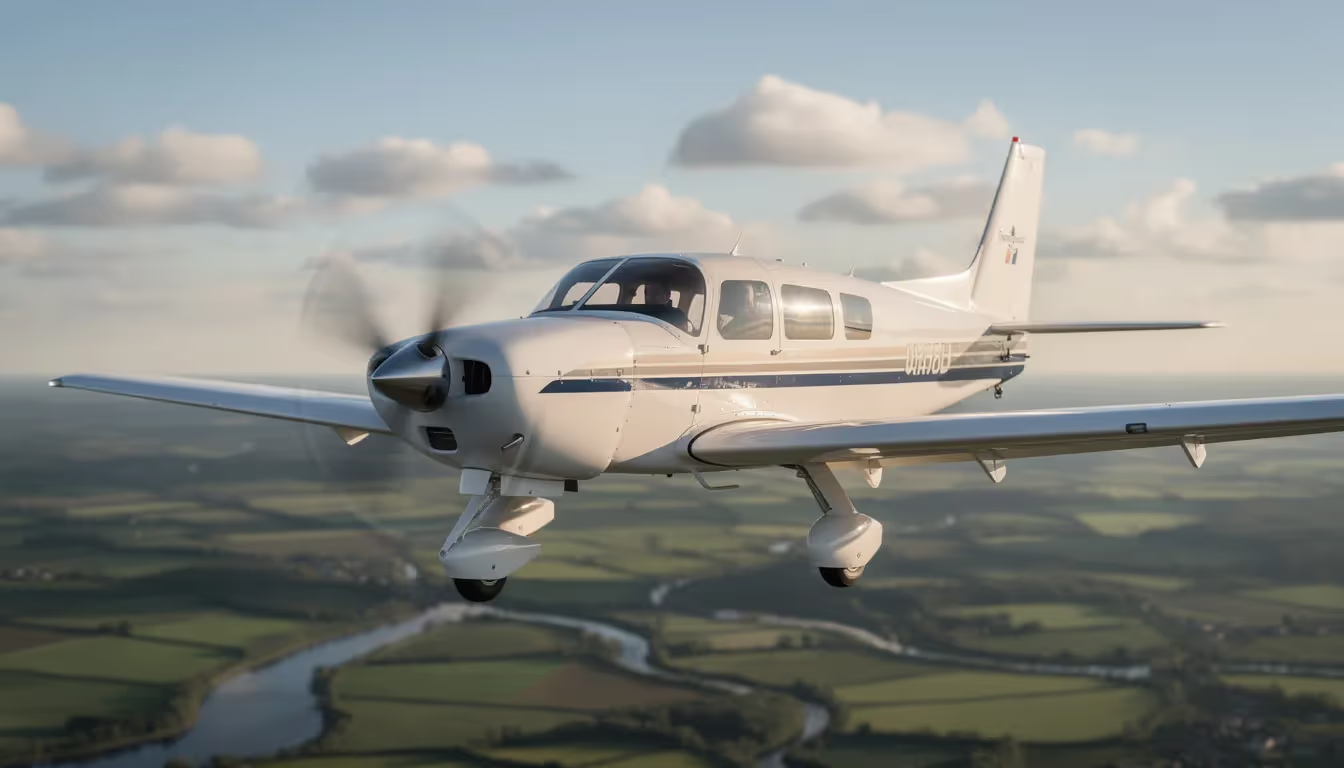
Single-engine aircraft are often more economical for private flying compared to multi-engine planes, offering significantly lower costs and easier operation. These planes may lack the opulence of long-range jets, but they unlock the same core advantage: freedom—no TSA lines. No delays. No compromises. Choosing affordable single-engine planes makes sense for those looking to get the most value for their money, balancing purchase price and ongoing costs. Many owners have chosen these models, creating a strong community and proving their popularity and reliability over time.
Light jets, such as the Cessna Citation Mustang and the Cirrus Vision Jet (one of the cheapest private jets available today, with pre-owned models starting around $1.9 million), are also gaining popularity for their balance of performance, comfort, and cost, making them ideal for short- to medium-haul flights. However, operating costs for light jets can be significant, often ranging from $1,000 to $1,500 per hour, with fuel costs between $300 and $700 per hour, and maintenance and insurance adding substantially to annual expenses.
Let’s explore the cheapest planes and the most budget-friendly options — and what it really takes to own and fly one. The Cessna 150, for example, is widely available and is considered one of the most affordable airplanes in the world.
Understanding Affordable Aviation
Not Just Purchase Price — Think Total Ownership
It’s tempting to focus on sticker price alone, but true affordability in aviation comes down to three things:
Initial purchase price
Operating and maintenance costs
Insurance and storage
Over the course of ownership, you should consider the total financial commitment, as annual operational costs and maintenance expenses can add up significantly. A typical small single-engine aircraft may incur annual expenses of around $8,000 to $12,000, including hangar space, fuel, insurance, and maintenance. Ownership considerations should include variable costs like fuel and maintenance, averaging about $70 per flight hour. Maintenance costs can range from 10 to 45 percent of the total yearly operating expenses, and annual inspections typically cost between $750 and $2,000.
Fuel costs are often the highest variable cost of owning a small plane, accounting for as much as 70 percent of variable operational costs. Storage costs vary widely, from $50 to $200 per month for outdoor tie-downs to $300 to $600 or more for enclosed hangars. Insurance premiums depend on factors such as aircraft age, hours flown, and storage method.
Many used aircraft are available between $15,000 and $50,000, but the real financial strategy lies in choosing a model that’s reliable, fuel-efficient, and supported by affordable parts and service.
Two or Four Seats?
Two-seaters offer simplicity, agility, and lower fuel consumption — ideal for solo flights or training. Four-seaters provide flexibility for families, gear, or weekend getaways, as they can carry a greater load and haul more passengers, luggage, or cargo. The Piper PA-28 Cherokee, for example, is a comfortable option for 2-4 passengers, known for its low-wing stability, good cabin space, availability of parts, and low operating costs.
Top Picks: Two-Seat Aircraft for Budget Flyers
ERCO Ercoupe 415
Often priced under $20,000, the ERCO Ercoupe is considered the cheapest plane for personal flying in 2025. Known for its unique design with no rudder pedals, it is nearly spin-proof and very easy to fly, making it a great option for beginners. Prices typically range from $15,000 to $25,000. Owners love its forgiving flight characteristics and straightforward handling.
Aeronca Champion
The Aeronca Champion is the second-cheapest certified plane in 2025, often priced under $25,000. It is noted for its forgiving nature and is an excellent trainer for tailwheel operations. Pilots appreciate its great visibility and responsive controls, making it a favorite among budget-conscious grassroots aviators.
Cessna 150/152
Widely available and considered one of the most beloved first trainers, the Cessna 150/152 series typically ranges from $25,000 to $40,000 for good examples. Known for extremely low operating costs, it is ideal for student pilots. The aircraft offers predictable handling, good fuel economy, and a large community of owners.
Cessna 140/120
The Cessna 120/140 series features a two-seat aluminum fuselage with fabric-covered wings and is known for simple design, short field performance, and budget-friendly maintenance. These models can be found for prices ranging from $23,000 to $28,000 and sometimes under $30,000. The 140 includes rear windows and flaps, whereas the 120 does not.
Luscombe 8A
A vintage favorite, the Luscombe 8A is praised for its low weight, responsive controls, and great visibility. It is usually available for under $25,000 and offers a fun flying experience with classic appeal.
Taylorcraft BC-12D
Noted for its charming vintage appeal and low operating costs, the Taylorcraft BC-12D can be found for around $20,000. It is a classic taildragger with simple systems, making it affordable to operate and maintain.
Piper PA-22-108 Colt
Available for $20,000 to $25,000, the Piper Colt is known for its good handling characteristics and low operating costs. It was designed as a two-seat trainer and offers solid performance with a fuel-efficient engine.
Top Picks: Four-Seat Planes That Won’t Break the Bank
Cessna 172 Skyhawk
The Cessna 172 is the world’s most popular aircraft, known for its reliability, versatility, and community support. Early models can be found for around $40,000, while used examples typically range from $50,000 to $120,000. It is beloved as a first trainer due to its predictability and ease of handling.
Piper PA-28-140 Cherokee
A step-up from trainers, the Piper Cherokee offers low-wing stability, good cabin space, and room for passengers and cargo. It cruises at about 108 knots and is popular among flight schools and private owners. Prices typically range from $40,000 to $80,000.
Grumman AA-5 Traveler
Known for its bonded skin (no rivets) and sporty handling, the AA-5 is low-maintenance and budget-friendly, making it a good choice for newer pilots.
Mooney M20
Performance-oriented and known for its high cruise speed (around 150 knots), older Mooney M20 models can be surprisingly affordable, often starting around $40,000. They offer speed and efficiency but tend to have tighter cabin space.
Bellanca Viking
With a powerful engine and luxurious ride, the Bellanca Viking is a unique blend of affordability and performance. It demands more maintenance attention but offers excellent value for those seeking higher performance. Prices range from $40,000 to $80,000.
Stinson 108
The Stinson 108 is a reliable and smooth-flying four-seat aircraft, popular for family flying and bush operations. It can be purchased for between $28,000 and $38,000, making it a good family option. Many have been modified with more powerful engines or metalized fuselages.
Piper J-3 Cub
Celebrated for its simplicity and nostalgic flying experience, the Piper J-3 Cub remains one of the best value airplanes on the vintage market. Prices have increased slightly in recent years but remain accessible to many buyers.
Piper PA-23 Tomahawk
A newer design offering good visibility and comfort for two adults, the Piper Tomahawk is a stable two-seater designed for training. Prices typically range from $45,000 to $65,000.
Beechcraft Musketeer
Known for good performance and value, the Beechcraft Musketeer is a solid four-seat option priced between $40,000 and $80,000. It offers reliable handling and is a favorite among budget-conscious buyers.
Cessna 182 Skylane
Capable of carrying heavier loads and offering more power, the Cessna 182 Skylane is priced between $70,000 and $150,000. It is a step above the 172 in terms of performance and utility.
Van's RV-12
A modern, fuel-efficient light-sport aircraft, the Van's RV-12 is priced between $60,000 and $120,000. It offers excellent economy and modern avionics for budget-minded pilots seeking newer technology.
Buying a Cheap Aircraft: Smart Strategies
Expect to Spend: $15K–$50K+
The used aircraft market is diverse. Older, well-maintained aircraft can offer phenomenal value, but buyers should be ready for pre-buy inspections, occasional surprises, and ongoing care. A thorough pre-purchase inspection is essential to uncover hidden defects and verify damage history. The condition of the aircraft is critical to the purchase decision, and availability of parts can significantly affect ownership costs.
Financing Options
From aviation loans to co-ownership partnerships, budget flyers have more tools than ever to make their purchase a reality.
Key Tips Before You Buy
Inspect thoroughly with an A&P mechanic
Run logbook checks to verify service and damage history
Test fly with an instructor or trusted pilot
Join forums and browse listings regularly
Conduct a thorough search across online marketplaces and local listings to find the best aircraft that fits your needs and budget
When comparing options, consider the difference between models, especially in terms of avionics and other systems. Upgrading avionics in a small plane can cost between $10,000 and $50,000, which can significantly impact overall value.
Operating & Maintenance: Keeping Costs Low
Fuel Efficiency Matters
Look for aircraft that burn 5–8 gallons per hour (GPH). Models like the Cessna 150 or Piper Colt offer solid economy without sacrificing utility. Many owners love these planes for their balance of performance and operating costs.
DIY Maintenance (Within Limits)
Owners can perform basic tasks like:
Oil changes
Tire and brake pad replacements
Interior cosmetic fixes (This is regulated under FAR Part 43 in the U.S.)
Annual Inspections
Budget $1,000–$2,000 per year for annual inspections — more if the aircraft is complex or if issues arise.
Shared Ownership
Joining a flying club or buying into a partnership can dramatically reduce operating costs — often cutting monthly expenses in half.
Insurance and Storage: Hidden Influencers on Cost
Aircraft Insurance
Premiums depend on:
Aircraft model
Pilot hours
Location
Coverage type (liability vs hull) Expect $500–$2,000 per year for older, basic aircraft. Insurance costs for aircraft ownership can range from $15,000 to $30,000 annually.
Storage Options
Outdoor tie-down: ~$50–$200/month
T-hangar or shared hangar: ~$300–$600/month, depending on region The difference in cost between outdoor tie-down and enclosed hangar storage can be significant, with hangars costing several times more per month. Weather protection and security often justify the hangar price tag, but tie-downs are cost-effective in milder climates.
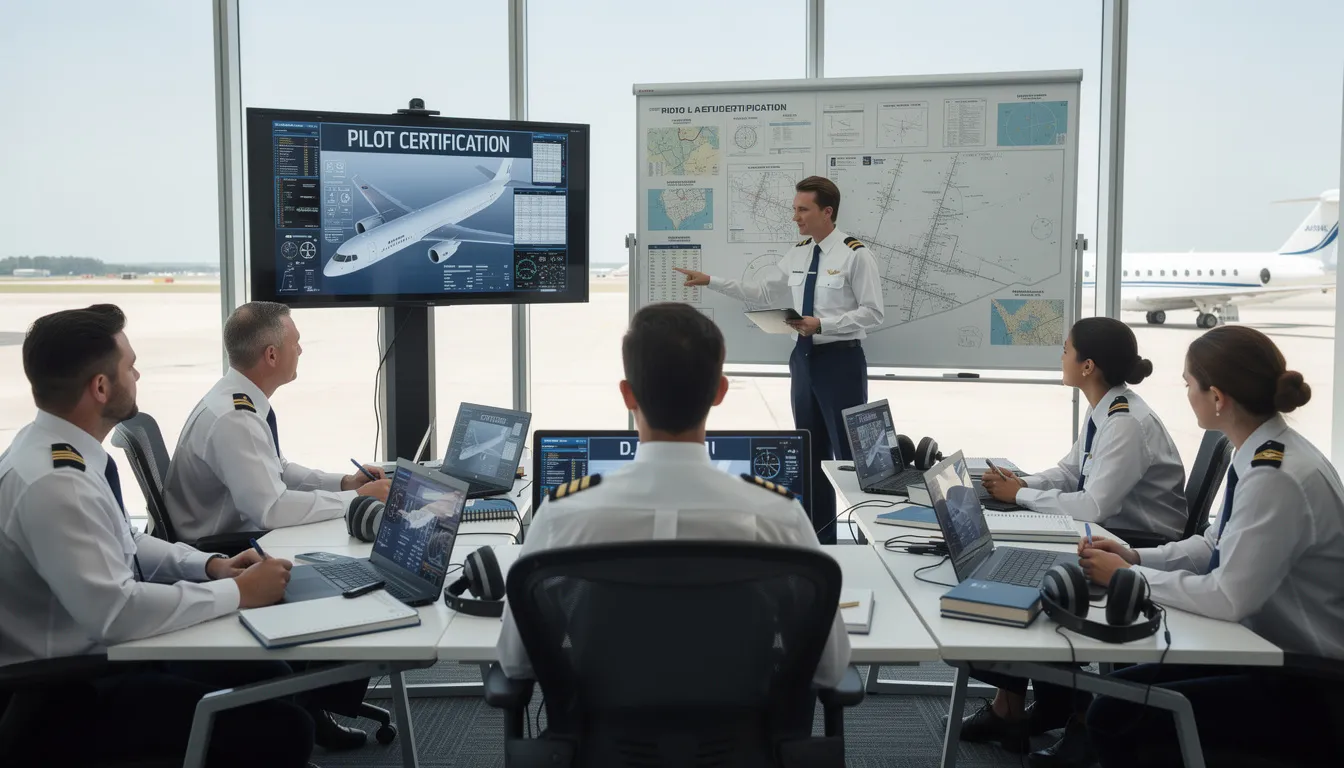
Training on a Budget: Pilot Certification Costs
Flight School Alternatives
Community colleges with aviation programs
Local flying clubs
Independent CFIs with discounted rates
Online Learning
Ground school is often cheaper and more flexible online. Sites like Sporty’s and King Schools offer FAA-approved coursework at a fraction of classroom costs.
Shared Lessons
Split costs with another student and share instruction time during dual lessons or simulator sessions.
Choosing the Right Aircraft for You
Match Plane to Purpose
Do you need a range? Baggage space? Four seats or two? A fun flier or an IFR-capable cross-country cruiser? Some ultralight or vintage planes are intentionally designed to fly slowly, offering a relaxed and enjoyable flying experience.
Try Before You Buy
Rent or test-fly your top picks
Talk to current owners in forums and Facebook groups
Ask your flight instructor for input
Watch Total Ownership Cost
A $20K plane with $5K/year in maintenance can be a worse deal than a $40K plane with minimal upkeep. It's important to consider all costs involved to ensure you get the best value for your money.
Community & Support: Your Best Budget Assets
Online Forums
r/flying and r/aviation on Reddit
Pilots of America
BeechTalk, MooneySpace, AOPA forums
These platforms offer firsthand advice, troubleshooting, and connections to mechanics, instructors, and sellers.
Aviation Organizations
EAA (Experimental Aircraft Association)
AOPA (Aircraft Owners and Pilots Association)
Both offer discounts, newsletters, training materials, and member insurance options that can significantly reduce costs.
Bonus: Events & Learning Opportunities
Airshows & Fly-Ins
Connect with other owners
Compare aircraft side-by-side
Learn from workshops, maintenance demos, and safety briefings
Events like EAA AirVenture Oshkosh or Sun 'n Fun are great ways to discover affordable aviation options in person.
Exploring Financing: How to Make It Work
Loans and Leases
Aviation lenders offer tailored loans for used aircraft
Leaseback arrangements (renting your aircraft to flight schools) can offset costs
Partnerships
Two or three pilots can co-own a plane, share costs, and schedule flight time through shared calendars.
Plane Storage: Save Without Sacrificing Safety
Tie-Downs
Ideal in low-rainfall regions, these outdoor spots are the cheapest option — but expose your aircraft to the elements.
Shared Hangars
Split space with other pilots and reduce cost. Great for keeping your aircraft clean, secure, and ready to fly.
Final Thoughts: Flying Smart, Not Just Cheap
Owning an airplane is more accessible than many think, and with a range of options available, many people can actually afford these planes. With smart planning, community support, and the right aircraft, budget flyers can enjoy the freedom of the skies without compromising safety or comfort.
Summary Tips
Don’t chase the lowest price — chase the best value
Know your mission before choosing your model
Learn from those who’ve already done it — forums, instructors, and clubs are invaluable
Discover Private Aviation on Your Terms
While BlackJet focuses on premium jet access and carbon-neutral journeys, we believe aviation should work for every lifestyle — whether you're boarding a Global 7500 or cruising in a Cessna 150.
Explore how BlackJet can elevate your travel experience with unmatched safety, technology, and sustainability.


 Sign up with google
 Sign up with Apple