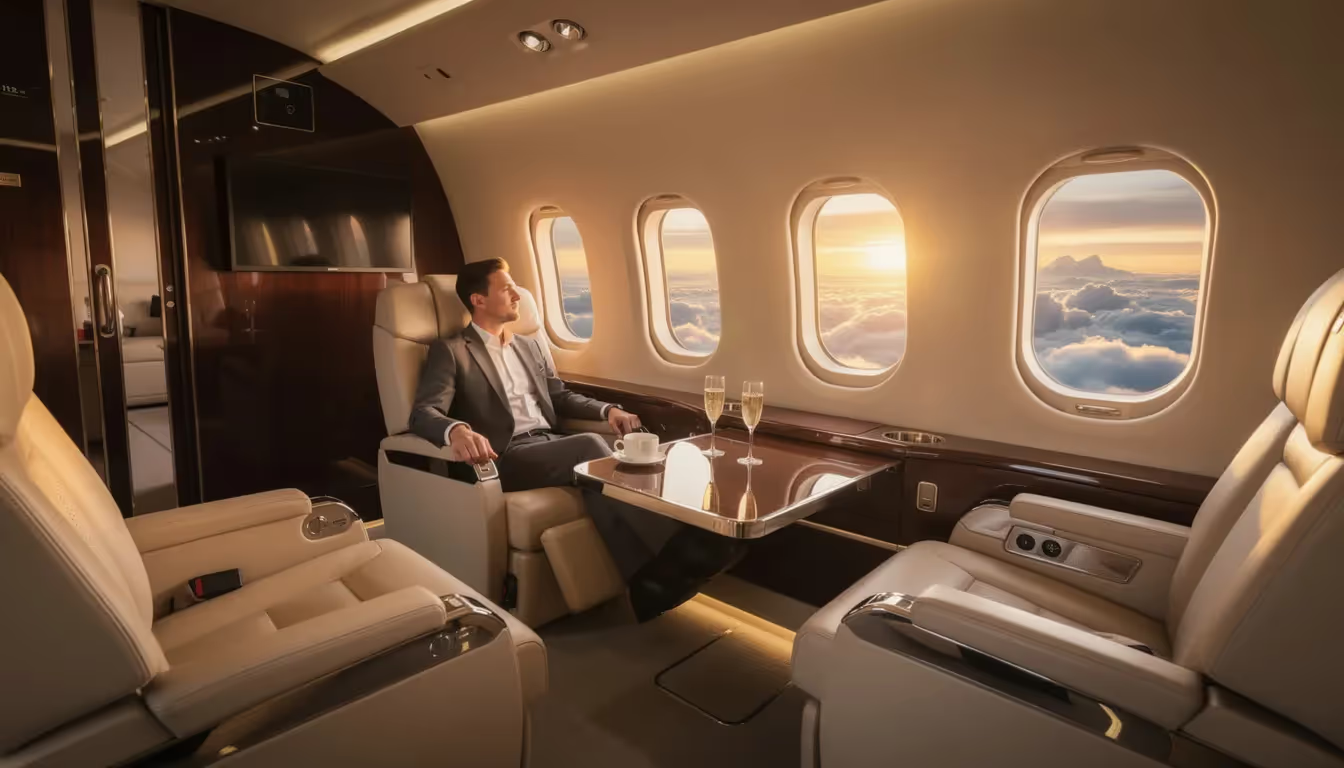
Private jet travel redefines the flying experience, offering unmatched luxury, flexibility, and privacy compared with commercial flights. For private jet passengers, every aspect of the journey is tailored to individual needs—from personalized schedules and routes to exclusive access to private terminals. Unlike commercial flights, which follow fixed timetables and operate from crowded airports, private jet travel allows you to fly on your own terms, maximizing comfort and convenience.
Whether you’re traveling for business or leisure, flying private means you can access a wider network of airports, including smaller and more remote destinations that commercial airlines often can’t reach. This flexibility not only saves time but also ensures a seamless journey from start to finish. For those who value privacy, efficiency, and a truly bespoke travel experience, private jet travel is the ultimate way to fly.
Why Customs Matters When You Fly Private
Private aviation has always offered a level of discretion, efficiency, and personalization that commercial travel can’t match. But when your travel plans cross borders, even the most seamless private flight encounters a critical checkpoint: customs and immigration.
For high-net-worth individuals, business leaders, and discerning travelers using private jets, including business travelers who require maximum efficiency and personalized services, navigating customs isn’t just a formality — it’s a strategic part of the journey. Understanding what’s needed before wheels up or landing abroad can save valuable time, help business travelers save time on tight schedules, avoid legal missteps, and maintain the elevated standard of travel you’re accustomed to. It is also crucial to maintain compliance with customs regulations to prevent delays and penalties.
At BlackJet, we streamline this process. Here’s what you need to know about customs when flying private — and why choosing the right partner makes all the difference.
How Customs Works in Private Aviation
When flying internationally, customs clearance is mandatory — even on a private jet. But the experience is vastly different from that of commercial travelers.
Instead of long queues and invasive checks, private jet passengers are typically met by customs officers directly at the FBO (Fixed Base Operator) or customs officials who specialize in efficient processing for private aviation — the private terminal. These interactions are shorter, more discrete, and often pre-arranged to ensure maximum efficiency.
Here’s what typically happens:
Pre-Arrival Documentation: Flight plans, passenger manifests, customs declarations, and visa information are submitted in advance.
On Arrival: A customs agent may meet the aircraft at the private terminal or onboard to verify documents and inspect luggage if necessary.
Clearance Time: The entire process can be completed in as little as 5–15 minutes, provided compliance is airtight. Private jet travelers often experience faster customs processing and less wait time than on commercial flights.
The keyword here? Preparedness.
Commercial Airports vs. Private Jet Terminals: A World of Difference
Let’s put it plainly: commercial airport customs is chaos. Private jet customs is choreography.
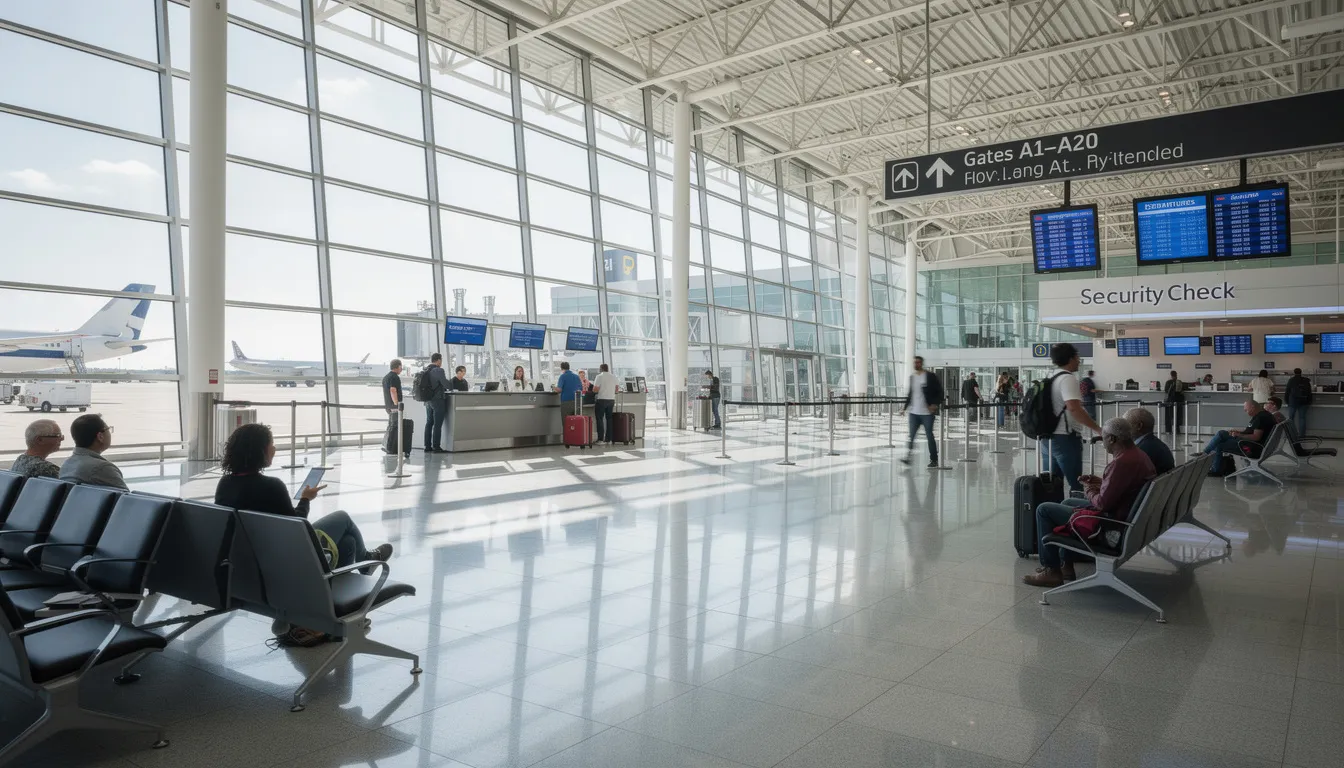
In a commercial setting:
You’re herded through long customs queues.
Delays are common, and interactions are impersonal.
There’s little flexibility, and surprises are frequent.
When you fly private:
You arrive at an FBO with direct access to customs agents. Private jets often land at smaller airports, which can provide more flexible and efficient customs processes.
No lines, no crowds, no loudspeaker announcements.
Your BlackJet concierge coordinates pre-clearance and ensures all paperwork is submitted.
Private jet terminals often have dedicated customs facilities that streamline the customs process, resulting in less waiting time for private jet passengers compared to commercial flight passengers.
Imagine this scenario: You land in Paris, step off your jet into a quiet lounge, exchange brief words with an officer, and are en route to your hotel within 20 minutes. That’s the BlackJet difference.
Pre-Flight Requirements for Private Jet Travelers
Before embarking on an international journey, private jet passengers must ensure all necessary documentation complies with customs procedures and avoid unexpected delays. Flying private doesn’t exempt travelers from the essential requirements of international travel. Each passenger should have a valid passport, and if the destination country requires it, a visa or Electronic Travel Authorization (ETA). It’s essential to double-check that your passport is valid for at least three months beyond your planned return date, as many countries enforce this rule.
For those traveling with pets, additional steps are required. Private jet travelers should secure up-to-date vaccination certificates and, in some cases, ensure their pets are microchipped with a 15-digit ISO chip. Gathering all necessary documentation in advance—whether for yourself, your family, or your pets—ensures a hassle-free customs experience and allows you to focus on enjoying your journey. By preparing thoroughly, you can streamline the customs process and avoid any last-minute complications when flying private.
International Travel on a Private Jet: What to Expect
Private aviation offers access to a global network of destinations — but every country has its own rules, and customs are never one-size-fits-all. When traveling internationally by private jet, it is crucial to understand customs procedures, especially when entering a foreign country. You should also research the requirements of other countries you plan to visit, including customs, visas, and entry protocols. Whether you’re heading to the EU, UAE, or the Caribbean, meticulous planning is non-negotiable.
Key Considerations:
Visa Requirements: Just like commercial travelers, you must hold valid visas for applicable destinations.
Restricted Items: Each country has unique rules regarding imports (e.g., alcohol, luxury goods, firearms).
Landing Rights: Some destinations require advance landing permits or customs slot reservations for private jets.
At BlackJet, our flight operations team handles these complexities for you. You focus on the journey. We handle the details.
Compliance is Not Optional: What Aircraft Operators Must Do
While the passenger experience is elevated, behind the scenes, private jet operations are governed by strict international regulations. Operators must maintain compliance with all customs and border requirements to avoid penalties and delays.
Private aircraft operators — including those under the BlackJet fleet network — must:
File complete and accurate flight plans with all relevant authorities, ensuring they meet airport, air traffic control, and operational requirements.
Submit Advance Passenger Information (API) and crew data via systems like APIS. APIS manifests must be electronically filed with Customs and Border Protection (CBP) and destination authorities before takeoff.
Maintain up-to-date logs of all cargo, luggage, and onboard items.
Coordinate with customs brokers to ensure compliance with international laws.
Non-compliance isn’t just inconvenient — it’s costly. Fines, impoundments, or denied entry are all real risks for operators who cut corners. This is why flying with a provider like BlackJet, with proprietary compliance protocols and direct relationships with customs agencies, is critical.
Security, Safety, and Certification: The Invisible Infrastructure
Customs clearance isn’t just about passports and paperwork. It’s also a security checkpoint, ensuring all international arrivals adhere to safety standards.
At BlackJet, we operate within a safety framework that includes:
Aircraft and crew, including pilots, are certified and trained under FAA Part 135 and international equivalents to meet international safety and customs requirements.
Pre-departure APIS submissions and risk assessments.
Coordination with homeland security and customs enforcement units, where applicable.
Flying a private jet internationally requires full customs, immigration, and security clearance, with many responsibilities handled by operators or Fixed Base Operators (FBOs).
We don’t just meet minimum standards — we exceed them. Every flight. Every country. Every passenger.
Biometric scanning for non-U.S. citizens will be mandatory for entry and exit starting December 26, 2025.
General Aviation and Customs: What Sets It Apart
General aviation, which encompasses private jet travel, offers a distinctly different customs experience compared to commercial flights. Private jet passengers typically clear customs at Fixed Base Operators (FBOs), which are private terminals designed for efficiency and comfort. With far fewer passengers than commercial airports, the customs process is faster, more discreet, and often more personalized.
Customs officers may meet private jet travelers directly at the aircraft or within the FBO, conducting any necessary inspections quickly and efficiently. Unlike flying commercially, private jet passengers often bypass standard airport security lines, saving valuable time and reducing stress. This streamlined approach to customs procedures is a hallmark of general aviation, allowing private jet travelers to clear customs with minimal disruption and enjoy a seamless transition from air to ground.
Real-World Use Case: A Smooth Arrival in the Middle East
A BlackJet cardholder flying from New York to Dubai for a three-day executive summit required multiple entries in a tight window. Working alongside customs brokers in the UAE, BlackJet:
Pre-cleared API data for all passengers.
Verified dual-entry visa status and onboard declarations.
Coordinated with FBO staff for expedited customs inspection on arrival.
The result? From landing to limousine: 19 minutes. No surprises. No delays. Just business as usual.
The BlackJet Standard: Seamless International Access
Flying private should never mean flying blind — especially when crossing borders. At BlackJet, our approach to international travel blends:
Uncompromising safety standards
Meticulous customs compliance
Sustainable practices with carbon offset programs
Real-time technology for document coordination and customs updates
Whether you’re traveling for business or leisure, we ensure that what’s invisible to you is mission-critical to us.
Best Practices for Private Jet Travel
To ensure a smooth and efficient experience with private jet customs, it’s essential to follow a few best practices. Always keep your passport, visa, and any other necessary documentation easily accessible throughout your journey. Research the customs regulations of your destination country in advance, paying special attention to restrictions on items such as cash, goods, and pets.
Arriving early at the airport and coordinating closely with your private jet operator can help you anticipate and manage any potential delays. Choosing a reputable and licensed private jet company, such as FlyUSA or Access Jet Group, can provide valuable support with customs procedures and ensure compliance with all regulations. Using tools such as the Advance Passenger Information System (APIS) and submitting accurate APIS manifests in advance can further streamline customs processing for international flights.
By staying organized and informed, private jet travelers can enjoy a hassle-free customs experience and make the most of the personalized services and convenience private jet travel offers.
Frequently Asked Questions About Private Jet Customs
Do private jet passengers go through customs?
Yes. All international travelers, commercial or private, must clear customs and immigration. The process is streamlined for private flyers but is still required by law.
Where does customs clearance happen for private jets?
Usually, at the FBO (private terminal) where your jet lands. In many cases, customs officers meet the aircraft directly.
Can customs delay a private flight?
Yes — if documentation is missing or if advance clearance wasn’t obtained. That’s why we handle all compliance work before you even board.
Do I need a visa when flying private?
Yes. Private travel doesn’t exempt you from visa requirements. Our team can help determine which documents you’ll need.
How do customs brokers help?
They work behind the scenes to ensure all forms are filed, fees paid, and import/export rules followed — often in partnership with your jet provider.
Final Thoughts: Customs Should Never Compromise Comfort
Private aviation is about control, comfort, and confidence — and that doesn’t stop at the border.
With BlackJet, you’re not just chartering a flight — you’re accessing a global system of certified aircraft, compliance protocols, and concierge-level customs support. It’s all designed to make international travel feel local.
Discover Seamless International Travel with BlackJet
Explore a world where customs clearance doesn’t interrupt your journey — it completes it.
Discover how BlackJet can reshape your travel
Join our Jet Card program for seamless international access
Contact our team to plan your next cross-border flight with confidence


 Sign up with google
 Sign up with Apple