
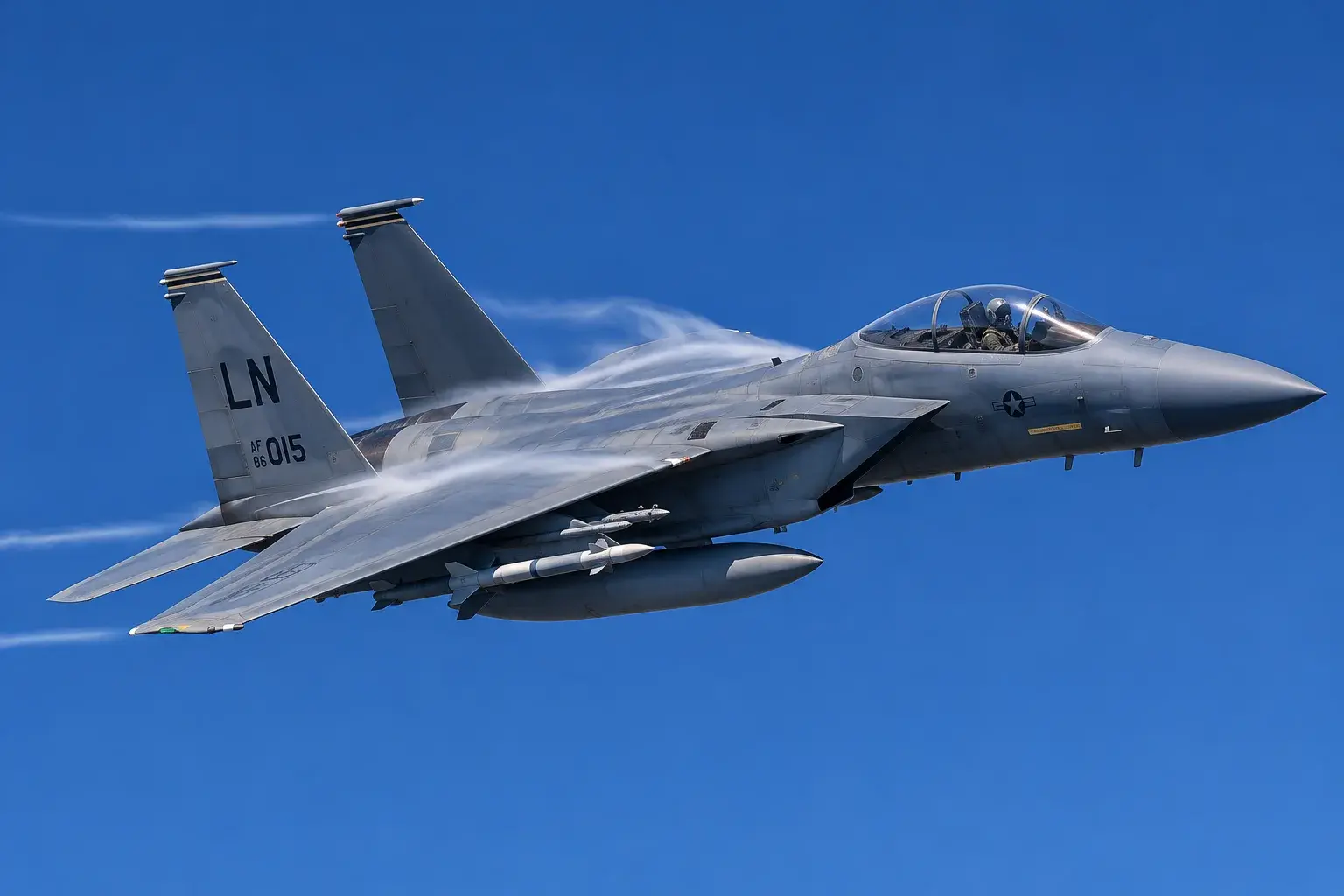
Mach speed—the ratio of an aircraft's velocity to the speed of sound—remains a defining measure of fighter jet performance. While commercial airliners cruise near Mach 0.85, the fastest fighter jets can exceed Mach 3. The MiG-25 Foxbat can achieve Mach 3.2 (approximately 3,400 km/h), and the MiG-31 Foxhound reaches Mach 2.83, making military aviation an entirely different world from passenger flight. Yet for travelers who value time as a strategic advantage, the principles behind fighter jet velocity—efficiency, readiness, and technology—also inform private aviation, where Jet Card programs can save meaningful time through flexible scheduling and direct routing.
Key Takeaways
The MiG-25 Foxbat has the highest published peak speed in this comparison, reaching Mach 3.2, while the MiG-31 Foxhound is generally considered the fastest fighter jet currently in active operation at Mach 2.83.
Maximum Mach figures are not typical operating speeds. They are usually recorded at high altitude in a clean configuration, and sustained high-speed flight is constrained by fuel use, engine limits, and heat.
Modern fighters balance speed with stealth, range, sensors, and networked capabilities. The F-35, for example, reaches Mach 1.6 while emphasizing sensor integration and low observability.
Fighter aircraft can exceed commercial airliners in speed, but private aviation saves time in other ways: flexible departures, private terminals, and direct routing can reduce door-to-door travel time.
BlackJet Jet Cards offer prepaid access to multiple aircraft categories, supported by digital booking, real-time assistance, safety-focused operator vetting, and carbon-neutral flights.
Understanding Mach: How We Measure the Fastest Fighter Jets
Mach number represents an aircraft's speed relative to the local speed of sound, which shifts with altitude and temperature. At typical cruising altitude in 2027, Mach 1 falls roughly between 660 and 770 mph (1,060–1,240 km/h). Mach 1 equals the speed of sound, Mach 2 is approximately twice that speed, and Mach 3—reached by rare designs such as the MiG-25—is three times the speed of sound.
A critical distinction separates maximum speed from sustained operational performance. Top speeds are usually recorded in clean configuration at high altitude, with no external weapons or fuel tanks. In real operations, sustained supersonic flight happens at lower Mach numbers because pilots must manage fuel, payload, and engine heat. Aircraft above Mach 2.5 generate extreme heat that impacts their structures, forcing limits on high-speed dashes. Modern stealth aircraft like the F-22 and F-35 deliberately trade peak Mach for stealth, agility, and advanced avionics.
Top 10 Fastest Fighter Jets in the World by Mach
The table below compares published maximum speeds. Figures vary by aircraft variant, configuration, and source; they should not be read as typical sustained operating speeds. The Lockheed SR-71 Blackbird, for instance, is a reconnaissance aircraft rather than a fighter, so it is excluded despite exceeding Mach 3.
Rank | Fighter jet | Published top speed | Context |
|---|---|---|---|
1 | Mikoyan-Gurevich MiG-25 Foxbat | Mach 3.2 (about 3,400 km/h) | Exceptional peak speed; prolonged operation risks engine heat damage |
2 | Mikoyan MiG-31 Foxhound | Mach 2.83 (about 3,000 km/h) | Fastest fighter currently in active operation |
3 | McDonnell Douglas F-15 Eagle / Boeing F-15EX | Mach 2.5 (about 3,087 km/h) | High speed paired with payload capacity and versatility |
4 | McDonnell Douglas F-4 Phantom II | Mach 2.23 | Multirole fighter; first flew in 1958 |
5 | Mikoyan MiG-23 Flogger | Mach 2.35 | Variable-geometry-wing fighter |
6 | Sukhoi Su-27 Flanker | Mach 2.35 | Entered service in 1985; combines speed and maneuverability |
7 | Mikoyan MiG-29 Fulcrum | Mach 2.25 | Agile fighter designed for air combat |
8 | Dassault Mirage 2000 | Mach 2.2 | French delta-wing interceptor and strike aircraft |
9 | Lockheed Martin F-22 Raptor | Over Mach 2 (about 2,410 km/h) | Stealth fighter with supercruise capability |
10 | Chengdu J-10 | Mach 2.0–2.2 | Multirole design balancing speed and modern sensors |
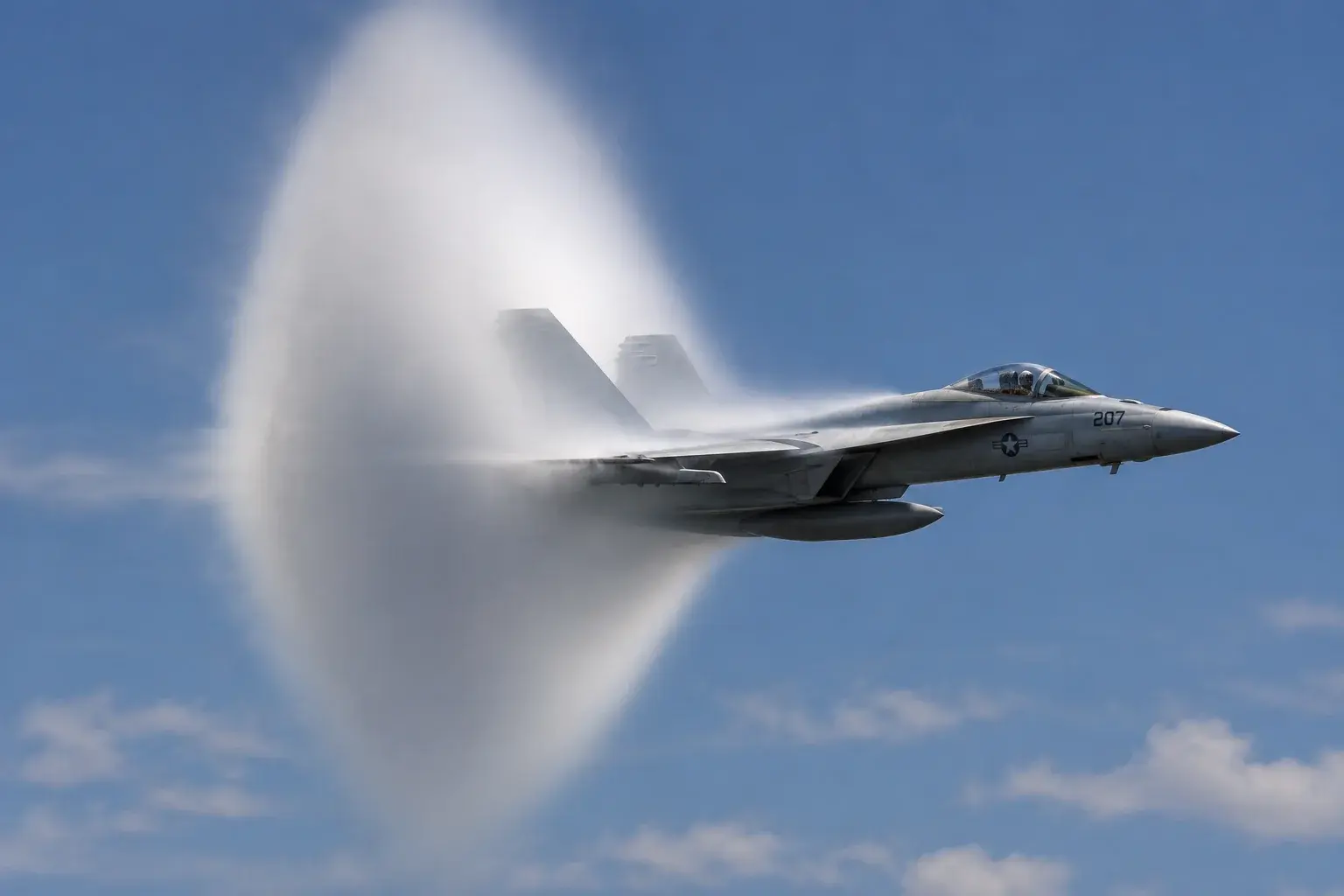
The McDonnell Douglas F-15 Eagle was introduced in the 1970s and has a top speed of Mach 2.5. The F-22 Raptor can exceed Mach 2, while the Boeing F/A-18E/F Super Hornet reaches Mach 1.8 (1,915 km/h). The Super Hornet emphasizes carrier operations and versatility over maximum speed.
Spotlight on Iconic Fast Fighters: F-22, F-15, and Dassault Mirage
Raw Mach numbers alone do not determine air superiority. The Lockheed Martin F-22 Raptor entered service in 2005 and remains a leading fifth-generation air-superiority fighter. Its stealth design supports flight in contested airspace, while supercruise near Mach 1.7 gives pilots sustained supersonic flight without afterburner. Performance is about combined capabilities, not just speed.
The McDonnell Douglas / Boeing F-15 Eagle can carry a heavy payload and reach Mach 2.5. Its continued evolution into the F-15EX demonstrates how speed, payload capacity, and avionics can sustain a platform's relevance. The Dassault Mirage 2000, at Mach 2.2, represents a different philosophy: delta-wing agility, strong climb rates, and versatility in interception and strike missions. Radar, sensors, weapons systems, and pilot awareness evolve alongside speed to shape what “fastest” means.
From MiG-25 to MiG-31: Evolution of Extreme Mach Performance
The MiG-25 Foxbat and MiG-31 Foxhound represent the extreme end of crewed fighter-jet speed. The MiG-25 was designed to intercept high-flying threats. Its twin turbojets could push it to Mach 3.2 briefly, but sustained flight at that speed risked severe engine damage. Its operational limits were lower to protect the aircraft.
The MiG-31 refined the interception concept with more efficient engines, improved radar, and long-range capabilities. Both aircraft were optimized for interception rather than close-in dogfights. In 2027, the MiG-31 remains in active operation, although modern stealth and missile technology continue to change interception tactics.
Speed vs. Stealth, Range, and Technology in Modern Fighter Jets
While earlier designs pursued ever-higher Mach numbers, today's leading fighters balance speed with stealth, range, and networked sensors. Modern jets prioritize stealth and avionics over pure speed. Fifth-generation fighters like the F-35 prioritize stealth and range over top speed; the F-35 Lightning II reaches Mach 1.6. Its advanced sensors provide a 360-degree view, and it carries its payload internally to preserve stealth. Block 4 upgrades include over 70 major capability enhancements.
Higher Mach brings more heat, drag, and fuel consumption. Stealth shaping and internal weapon bays can constrain inlet design and maximum speed. A notional F-22 mission might use supercruise near Mach 1.7 to reach an area quickly without approaching its peak speed. Range and time on station can matter more than a headline Mach figure. This principle—speed as a strategic advantage rather than a number—also resonates with discerning travelers.
What Fighter Jet Mach Speeds Teach Us About Private Jet Travel
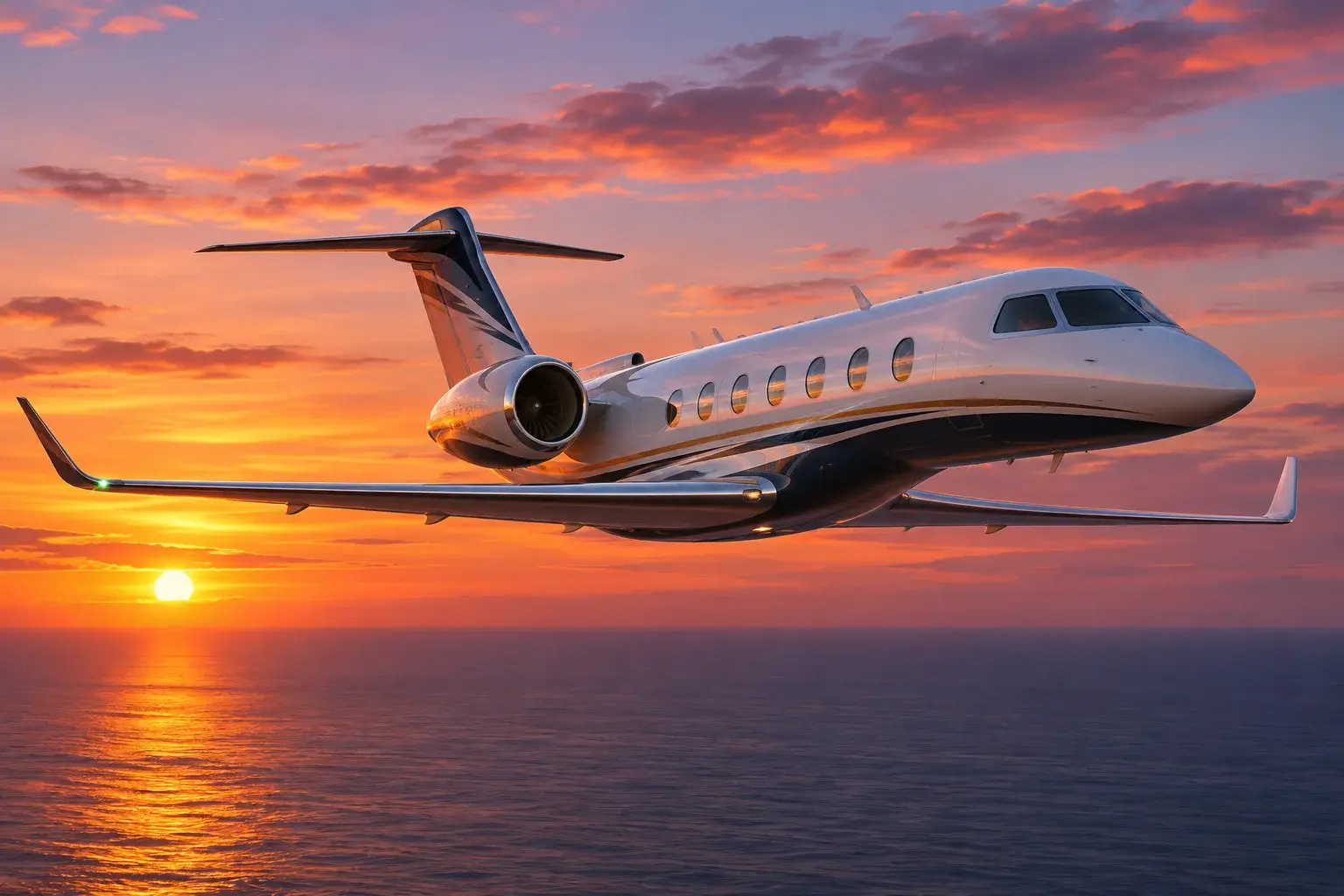
You will not need Mach 2 to fly from New York to London. But the same focus on time, efficiency, and safety that drives fighter-jet development underpins private aviation. Business jets typically cruise around Mach 0.80–0.90, with some high-speed models approaching Mach 0.92, compared with commercial airliners around Mach 0.78–0.85; when comparing private options, understanding Jet Card cost per hour is often as important as raw speed. Private terminal access, flexible departure times, and direct routing can reduce door-to-door travel time, and travelers who only need occasional seats may instead explore buying a seat on a private jet. Aircraft categories—from light jets for regional trips to larger-cabin aircraft for longer journeys—let travelers match the aircraft to the mission, and understanding the broader private jet price list and cost options helps align those choices with budget.
BlackJet offers premium Jet Card membership in 2027, providing prepaid access to multiple cabin classes without the responsibilities of ownership. Its programs combine digital booking tools, real-time flight support, operator vetting, and carbon-neutral flights. For example, an executive using a BlackJet 25+ Hour Jet Card for recurring transatlantic travel can choose an aircraft suited to each itinerary and coordinate trips through a dedicated support team. The value is not fighter-like velocity, but greater control over how travel time is used.
Frequently Asked Questions About Fighter Jet Mach Speeds
What is the fastest fighter jet currently in active operation?
The Mikoyan MiG-31 Foxhound is generally identified as the fastest fighter jet currently in active operation, with a published maximum speed of Mach 2.83, or about 3,000 km/h. The MiG-25 Foxbat reached approximately Mach 3.2, but that speed risked severe engine heat damage and was unsuitable for sustained operation.
How fast is Mach 1 in 2027?
Mach 1 is the local speed of sound, so its exact value changes with altitude and air temperature. At typical cruising altitudes in 2027, it is roughly 660–770 mph (1,060–1,240 km/h). A Mach number describes speed relative to the surrounding air, not one fixed speed in miles per hour.
Why don’t modern fighter jets simply fly faster?
Maximum speed is only one measure of capability. Above Mach 2.5, aerodynamic heating can affect aircraft structures, while high-speed flight consumes fuel rapidly and stresses engines. Modern jets often prioritize stealth, avionics, sensors, range, and mission flexibility.
Is the SR-71 Blackbird a fighter jet?
No. The Lockheed SR-71 Blackbird is a reconnaissance aircraft, not a fighter. It exceeded Mach 3, but it was designed for high-speed intelligence and reconnaissance missions rather than air combat.
How does private jet speed compare with fighter jet speed?
Most business jets cruise around Mach 0.80–0.90, far below fighter-jet speeds. Private aviation can still save time through private terminal access, flexible scheduling, and direct routing. Jet Cards provide prepaid access to multiple cabin classes, with digital booking and real-time assistance.
Choosing Speed and Flexibility with BlackJet Jet Cards
The fascination with the world's fastest fighter jets reflects a deeper truth: control over time is a strategic advantage. A Jet Card offers pre-purchased blocks of flight time—such as 25-hour or 50-hour programs—so members can plan private travel without owning an aircraft. Compared with ad-hoc charter, ownership, or commercial first class, a Jet Card can offer predictable access, scheduling flexibility, and the ability to match aircraft size to each trip. Travelers should review each program's pricing, availability terms, and aircraft categories before choosing, especially when comparing major providers and researching NetJets Jet Card cost details.
BlackJet builds its Jet Card offering around performance, safety, and technology. Vetted operators and crews support rigorous private aviation safety standards, while a 24/7 mobile booking platform and real-time flight support help members adapt itineraries as priorities shift. Flights are carbon neutral by default in 2027, supporting a more considered approach to private travel. Frequent travelers can explore premium jet access and discover a more seamless way to fly, compare BlackJet Jet Card programs, or review Jet Card cost per hour.
Elevate your travel—effortlessly. Explore BlackJet's Jet Card programs and discover how refined, flexible private aviation can become part of your travel standard.