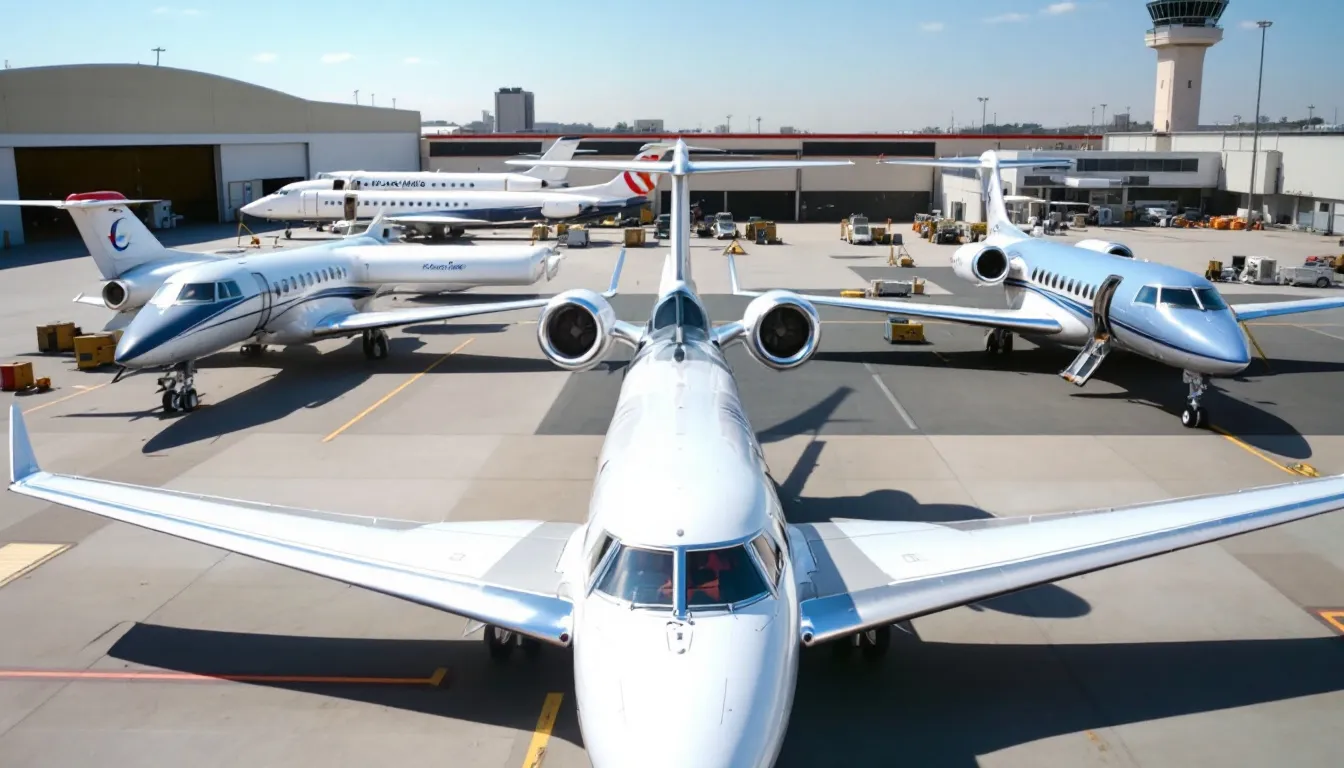
For today’s high-net-worth individuals, corporate leaders, and discerning travelers, private aviation is no longer just about indulgence; it is a strategic advantage. When every hour saved can translate into opportunity, the ability to bypass congested airports, dictate your schedule, and customize the entire experience makes private aviation the ultimate travel solution.
Compared to commercial first class, even at its most premium, private jets offer time efficiency, privacy, and flexibility that commercial carriers cannot match. No long TSA queues. No rigid departure schedules. No “missed connections” jeopardizing multi-million-dollar deals or family milestones. Charter rates for private jets typically fall between $2,500 $14,000+ per hour. Private jet charter costs typically start between $2,000 and $20,000 per hour, depending on the type of aircraft, but for certain routes or aircraft types, particularly for long-haul flights, charter costs can exceed $50,000. Travelers should also consider additional costs such as fuel surcharges, handling fees, and landing fees, which generally range from $100 to $1,500 per flight, depending on airport location and aircraft size, significantly adding to the total charter cost. Additionally, short leg fees are applied to shorter flights to offset higher fuel burn during take-off and landing.
The private aviation industry provides multiple pathways to access this lifestyle:
On-demand private jet charter for occasional flyers
Jet Card programs for frequent travelers seeking predictability
Fractional jet ownership as a key service offering for those balancing cost and control
Private jet rentals for travelers seeking luxury, flexibility, and convenience
Full aircraft ownership for maximum exclusivity
But how much does it cost? And which jet class best aligns with your needs? This article provides a comprehensive private jet price list to help you make informed decisions. Private jet rentals and choosing the right private jet charter company are important options for accessing private aviation, each offering unique benefits and flexibility. Catering costs for in-flight services can also vary, generally ranging from $50 to $500 per passenger, adding another layer to the overall expense. Additionally, Wi-Fi charges on private jets can range from $2 to $9 per megabyte, potentially increasing overall costs. Ground transportation fees typically range from $100 to $1,000 based on specific needs and preferences.
Below, we break down private jet types, pricing models, safety protocols, and insider considerations, so you can compare private jet prices and choose the right solution with confidence.
Introduction to Private Jet
Private jets represent the pinnacle of personalized travel, offering a level of flexibility, comfort, and convenience that far surpasses commercial flying. For those exploring the world of private aviation, understanding the full spectrum of private jet options and the associated private jet costs is essential to making informed decisions, whether you’re considering private jet ownership costs, chartering a private jet flight, or exploring rental and fractional ownership models.
Initial Purchase Price and Market Factors
The initial purchase price for small private jets typically starts at around $2 million. Private jet prices can fluctuate based on market demand and depreciation. If you fly roughly 150 hours or more a year, buying your own private jet makes financial sense.
Variety of Aircraft Types and Price Points
The private aviation industry encompasses a diverse range of aircraft types, from nimble very light jets designed for short regional hops to ultra-long-range jets capable of connecting continents in a single flight. Each aircraft type, be it a light jet, midsize jet, or ultra-long-range jet, comes with its own unique set of features, advantages, and private jet price points. Light Jets generally cost between $4 million and $11 million. Prices of Light Jets range from $2,900 - $3,500+ per hour. New private jet prices range from roughly $3 million for entry-level jets to over $600 million for VIP airliners. Ultra-Long-Range Jets can exceed $60 million, suitable for non-stop global travel. Heavy Jets cost between $30 million and $60 million, accommodating 10–19 passengers.
Ownership Costs Beyond Purchase Price
The initial purchase price for a private jet can vary dramatically, with very light jets starting at around $3 million and the most luxurious ultra-long-range jets exceeding $100 million. However, the significant financial commitment of private jet ownership extends well beyond the initial purchase price, as ongoing expenses such as operating costs, maintenance, insurance, hangar fees, and crew salaries must all be factored into the equation. Crew salaries for private jets typically range between $100,000 and $200,000 per year per pilot. For larger private jets, the average annual operating cost can exceed $1 million. Buying costs for new private jets range from $5 million for a light jet to over $70 million for a long-range jet. Used large jets have an average sale price of about $17.5 million.
Chartering as a Flexible Alternative
For many travelers, chartering a private jet offers a more flexible and cost-effective alternative to full ownership. Private jet charter services allow you to rent an entire aircraft for a specific trip, giving you the freedom to select the preferred aircraft type, schedule, and additional services such as in-flight catering or ground transportation. Private jet charters enable direct access to remote airports not served by commercial airlines, enhancing travel options. Shorter flights are generally less expensive than longer ones due to lower fuel consumption. Private jet charter companies also provide access to empty leg flights, discounted one-way trips that can offer substantial savings for those with flexible travel plans. Aircraft repositioning fees occur if an aircraft needs to be moved to a departure location before the flight, adding to the overall cost. Additionally, fuel surcharges may be applied when market rates for fuel increase, usually starting around $300 per hour. Average total costs for a week of chartering can vary dramatically, potentially reaching hundreds of thousands.
Fractional Ownership and Jet Card Programs
Fractional ownership and jet card programs present further options for those seeking the benefits of private jet travel without the ongoing expenses and responsibilities of full jet ownership. These models allow you to access a fleet of private jets, paying only for the hours you fly, and can be especially attractive for frequent flyers who want predictable private jet costs and guaranteed availability.
Industry Evolution and Additional Fees
The private aviation industry is continually evolving, with advancements in aircraft design, sustainability initiatives, and digital booking technology making private jet travel more accessible and efficient than ever before. The demand for private jet travel is growing as individuals seek alternatives to commercial flying. Whether you’re interested in the exclusivity of jet ownership, the flexibility of chartering a private jet, or the convenience of fractional ownership, understanding the complexities of private jet costs, aircraft types, and service options is key to maximizing the value of your private flight experience. For international flights, additional fees ranging from $500 to $5,000 may apply, depending on the route and regulations.
In the following sections, we’ll take a closer look at the different types of private jets, break down the costs associated with private jet travel, and explore the various options available for accessing the world of private aviation. From light jets and midsize jets to ultra-long-range jets and luxury airliners, this comprehensive guide will help you navigate the private jet landscape and find the perfect flight option for your needs.< /NEW CONTENT>
Types of Private Jets
Private jets are not one-size-fits-all. The choice of jet depends on both aircraft size and aircraft model, as these factors influence capacity, comfort, and suitability for different travel needs. They range from smaller aircraft like the very light jet, ideal for short flight distances, to larger aircraft and large jets designed for long-haul journeys and group travel. Each aircraft model offers unique features, flight range, and amenities, with new aircraft often showcasing the latest innovations. Here’s a closer look at the main categories:
1. Very Light Jets (VLJs)
Example Aircraft: Phenom 100, Eclipse 500, HondaJet (very light jet category)
Capacity: 2–4 passengers (smaller aircraft, ideal for short regional flights)
Range: ~1,000–1,200 nautical miles (smaller aircraft flight range)
Best For: Solo executives or small groups flying short regional trips in a very light jet.
Cost to Charter: ~$2,500–$3,500 per flight hour (smaller aircraft are more budget-friendly for short distances). Very Light Jets typically cost $2,750 - $3,500+ per hour.
Purchase Price: Prices for Very Light Jets typically range from $3 million to $6 million. Very Light Jets are priced between $3 million – $8 million, seating 4–7 passengers. Used Very Light Jets can have average sale prices around $4 million.
2. Light Jets
Example Aircraft: HondaJet, Citation CJ3, Citation Encore
Capacity: Up to eight passengers, depending on the model
Range: ~1,500–2,000 nautical miles (flight range varies by aircraft)
Best For: Short to medium-haul trips like New York to Miami.
Cost to Charter: ~$3,500–$5,000 per flight hour.
New aircraft in this category offer advanced features, design innovations, and improved efficiency compared to older models.
3. Midsize Jets
Example Aircraft Models: Gulfstream G150, Learjet 60, Citation XLS
Capacity: 7–9 passengers
Flight Range: Approximately 2,000–3,000 nautical miles, making these aircraft models ideal for medium-haul trips.
Best For: Cross-country flights with added cabin space. The flight distance these midsize jets can cover allows for nonstop travel between many major cities.
Cost to Charter: ~$5,000–$7,500 per flight hour.
4. Super Midsize Jets
Example Aircraft: Challenger 350, Citation X (both are examples of the super midsize jet category)
Capacity: 8–10 passengers (a step up from midsize jets, approaching the comfort and spaciousness of large jets)
Range: ~3,000–3,500 nautical miles
Best For: Transcontinental flights with premium comfort, offering amenities close to those found in large jets.
Cost to Charter: ~$7,500–$9,000 per flight hour.
5. Ultra-Long-Range Jets
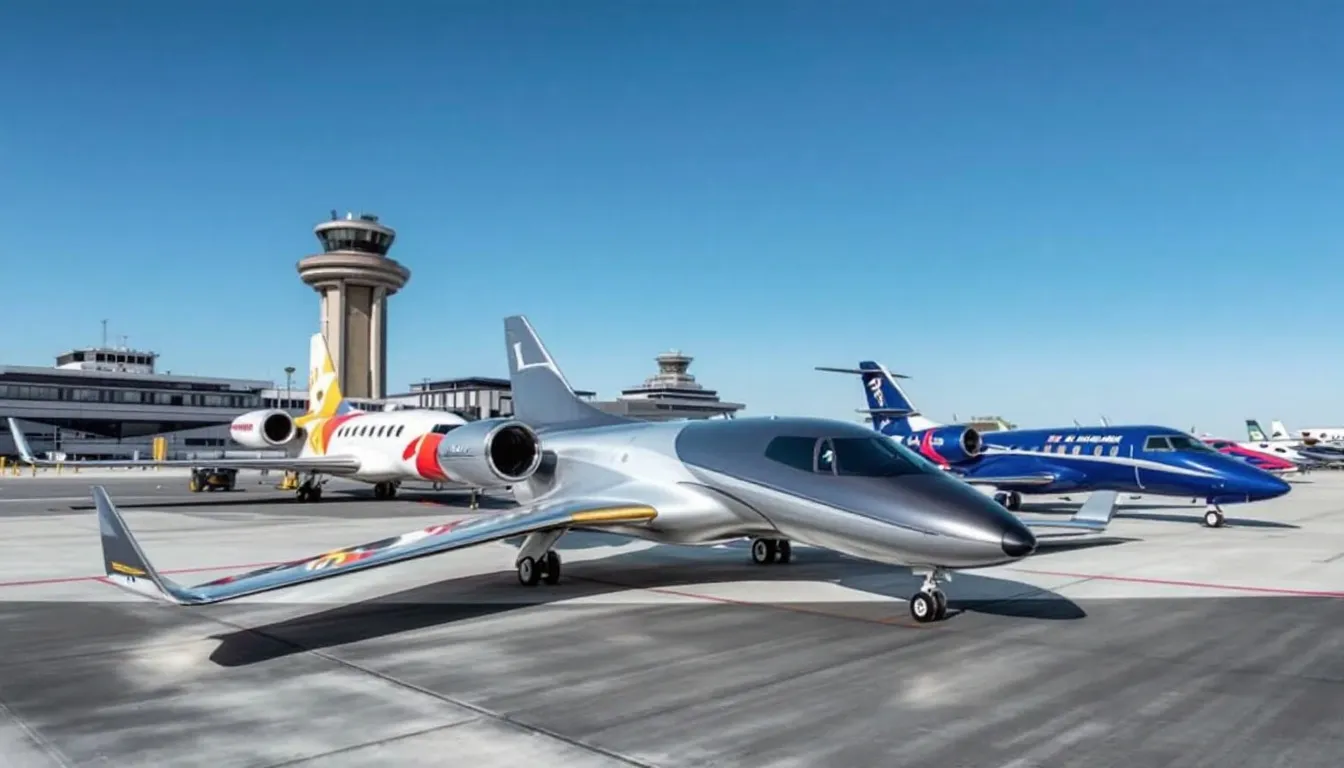
Ultra-Long-Range Jets are larger aircraft and large jets designed for global travel, offering exceptional comfort and space. These are among the most expensive private jets available, providing unmatched luxury, range, and exclusive amenities. Executive Airliners, modified commercial aircraft, can exceed $100 million in price. The Boeing 747-8 is considered one of the largest private jets in the world and has been customized to serve as a flying mansion. The Boeing 787 Dreamliner (BBJ) is approximately $250 million, excluding customizations. Air Force One, the official U.S. presidential jet, is one of the most recognizable private jets with a value of approximately $4 billion.
Scenario Example: A CEO flying from New York to London on a Gulfstream G650ER via a Jet Card program can work uninterrupted, land refreshed, and make meetings the same day, avoiding the 5+ hours of delays, layovers, and lost productivity tied to commercial aviation.
The BlackJet Private Jet Price List
When evaluating costs, hourly rates are the standard measure. Prices vary depending on aircraft size, route, and demand, but these ranges represent the industry’s—and BlackJet’s—most reliable benchmarks.
Very Light Jets (VLJs): Starting from $4,000 to $5,000 per hour. Perfect for quick regional flights such as Miami to Nassau or Los Angeles to Las Vegas.
Light Jets: Expect $5,500 to $7,000 per hour. Ideal for short-to-mid-range trips like New York to Chicago or Dallas to Aspen.
Midsize Jets: Ranging from $6,000 to $9,000 per hour, these jets are often chosen for routes like Los Angeles to New York.
Super-Midsize and Heavy Jets: Costs begin around $8,000 to $12,000 per hour. Commonly used for transcontinental or near-international routes such as San Francisco to London.
Ultra-Long-Range and Large Cabin Jets: At the very top of the market, prices typically run $10,000 to $15,000 or more per hour. These jets are used for global trips such as New York to Dubai or Los Angeles to Tokyo. Large Jets have hourly rental prices ranging from $6,800 - $9,500+.
In addition to hourly rates, travelers should anticipate variable costs such as fuel surcharges, landing and handling fees, repositioning charges, and catering. For frequent flyers, BlackJet’s Jet Card membership provides guaranteed hourly pricing and seamless booking, eliminating uncertainty.
Real-World Trip Scenarios with Pricing
To make these price ranges more concrete, here are examples of what a typical charter might cost:
New York to Miami on a Light Jet: A four-passenger trip on a Citation CJ3 or HondaJet typically runs $20,000 to $25,000 one-way.
Los Angeles to New York on a Midsize Jet: A Gulfstream G150 or Learjet 60 flight averages $45,000 to $55,000, depending on aircraft type and scheduling.
Dallas to Aspen on a Light Jet: Popular among ski travelers, expect $15,000 to $18,000 for a one-way flight.
San Francisco to London on a Heavy Jet: A Challenger 650 or Gulfstream G450 would cost between $90,000 and $120,000 one-way.
Los Angeles to Tokyo on an Ultra-Long-Range Jet: A Gulfstream G650ER or Bombardier Global 7500 can cost upwards of $140,000 to $180,000, depending on routing and demand.
For those who can travel flexibly, empty leg flights—where an aircraft is repositioning without passengers—can provide discounts of up to 50%.
Private Jet Pricing Factors
The cost of private jet travel depends on several variables:
Aircraft Type & Size – Larger jets with longer range cost more to operate.
Age of Aircraft – Newer jets have higher acquisition costs but better efficiency.
Flight Duration & Distance – Hourly rates scale with mileage.
Operating Costs – Fuel, crew, hangar, insurance, and maintenance add up.
Ownership vs Charter – Buying a jet can exceed $100M; chartering avoids capital outlay.
Seasonality & Demand – Popular routes (e.g., NYC to Aspen in winter) can command premiums.
Federal Excise Tax – Set at 7.5% for all domestic flights within the United States.
Daily Minimums – Many aircraft require a minimum of 2 hours of flight time per day, which can influence overall costs.
Segment Fees – Apply at a rate of $4.50 per passenger per leg in the United States.
Supplemental Charges – Additional fees for services like cleaning or deicing can further increase charter expenses.
Ownership Costs
Initial Purchase Price: $2M (very light jets) to $100M+ (ultra-long-range).
Annual Fixed Costs: $500K–$4M (hangar, crew, insurance, upkeep).
Variable Costs: Fuel and maintenance averaging $1,500–$3,000 per flight hour.
Ultra-Long-Range Jets: Can travel over 6,500 nautical miles with costs ranging from $30 million to $100 million+.
Midsize Jets: Typically range from $9 million to $25 million, accommodating 7–12 passengers. Midsize Jets are priced between $9 million to $20 million.
Super Midsize Jets: Have prices ranging from $10 million to $35 million, offering a balance of range and passenger capacity.
Charter Costs
Typically $5,000–$20,000 per hour, depending on jet class.
Empty leg flights (jets repositioning without passengers) can offer 30–50% discounts.
Private Jet Charter Options
For many, chartering offers the best balance of exclusivity and cost control.
On-Demand Charter: Book when needed; pay per trip.
Jet Card Memberships: Prepay for a set number of hours or flights; enjoy fixed pricing and guaranteed availability.
Empty Leg Flights: Take advantage of repositioned jets at reduced rates.
Comparison Snapshot
Ownership
Cost Structure: $2M–$100M+ initial purchase + $1M+ annual expenses
Flexibility: Maximum
Best Suited For: Ultra-high-net-worth individuals and frequent flyers (flying roughly 150 hours or more annually makes ownership financially viable).
Fractional Ownership
Jet Card
Cost Structure: Prepaid hours at fixed rates
Flexibility: Very high
Best Suited For: Executives, families, and businesses
On-Demand Charter
Empty Leg
Cost Structure: 30–50% discounts
Flexibility: Low (timing fixed)
Best Suited For: Flexible leisure travelers
Private Jet Cost Estimates
On-Demand Charter: Book when needed; pay per trip.
Jet Card Memberships: Prepay for a set number of hours or flights; enjoy fixed pricing and guaranteed availability. Jet cards allow customers to reserve aircraft hours in advance for a fixed hourly rate, simplifying the booking process.
Empty Leg Flights: Take advantage of repositioned jets at reduced rates.
Benefits of Private Jet Travel
Beyond price comparisons, the value proposition of private aviation lies in:
Flexibility: Depart on your schedule, not the airline’s.
Privacy: Secure environments for business negotiations or family travel.
Comfort: Larger cabins, custom catering, luxury amenities.
Productivity: Work without interruption; many jets feature Wi-Fi and conference layouts.
Accessibility: Land at thousands of private airports unavailable to commercial airlines.
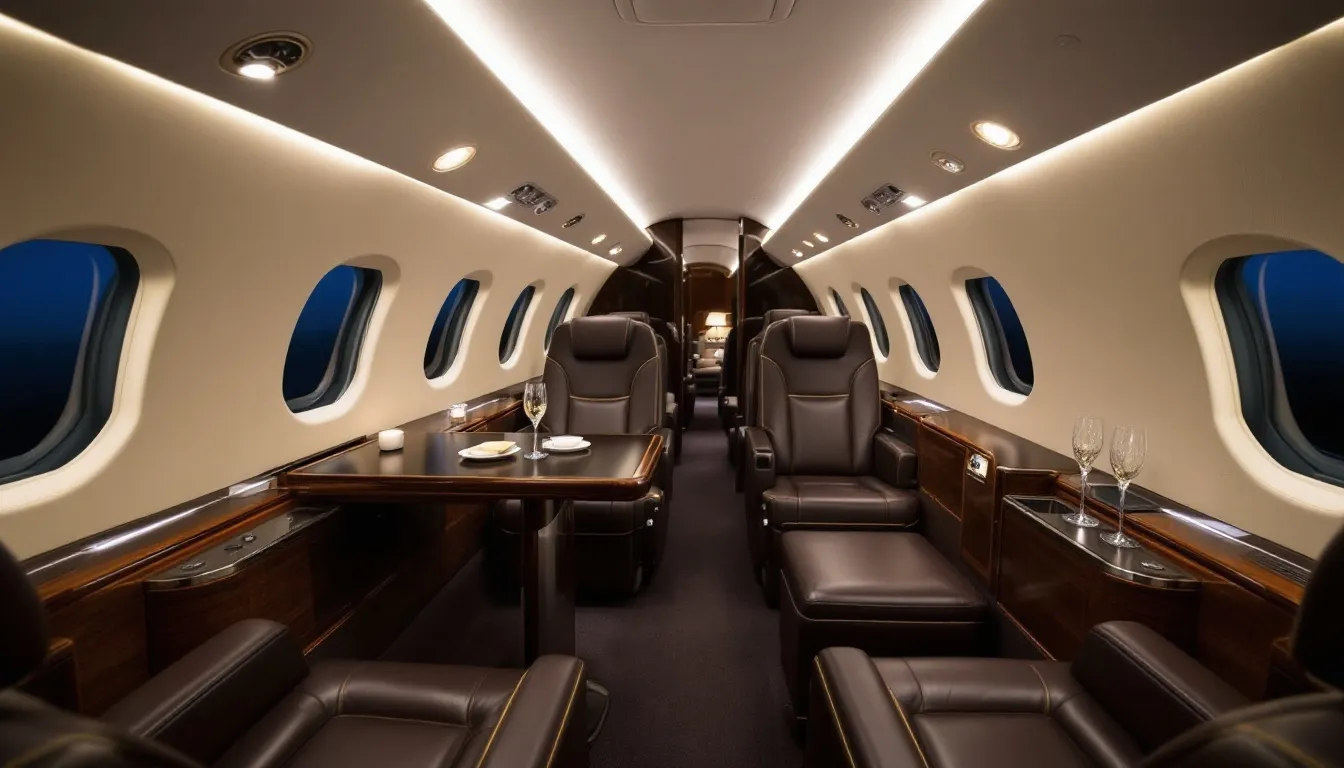
Luxury: The Airbus A319 is considered a luxurious private jet with features like a master bedroom suite, a separate executive office, and entertainment systems. Luxury private jets often include features such as full-size master bedrooms, dining rooms, and separately enclosed guest spaces. Luxury private jet interiors often prioritize bespoke design, offering comfort levels that can rival high-end hotels. High-end private jets typically come equipped with extravagant amenities like gold and crystal furnishings, gourmet kitchens, and full-service bars.
Industry Insights
The private aviation industry is evolving rapidly:
Sustainability: Operators like BlackJet are pioneering carbon-neutral flight programs.
Technology: Digital booking, instant pricing, and AI-driven aircraft allocation streamline the process.
Growth: Demand surged post-pandemic as travelers sought alternatives to crowded airports.
Hybrid Models: Memberships and Jet Cards balance cost certainty with flexibility.
Safety and Certification
Safety in private aviation is non-negotiable. BlackJet partners exclusively with operators that meet or exceed FAA, ARGUS, and Wyvern standards. This means:
Aircraft undergo stringent maintenance protocols.
Pilots must meet minimum flight hour thresholds.
Charter companies adhere to multi-layer security measures.
The result? Passengers enjoy peace of mind knowing every flight is backed by rigorous oversight.
Private Jet Travel Options
Travelers can select from:
Ownership: Maximum control, highest cost.
Fractional Ownership: Cost-sharing with flexibility.
Jet Cards: Predictable pricing, guaranteed availability, best for frequent flyers.
On-Demand Charter: Flexibility without commitment.
Empty Legs: Opportunistic savings for flexible schedules.
Conclusion: Choosing the Right Private Jet Access
Private aviation is no longer defined purely by luxury. It is a strategic enabler of time, productivity, and seamless global mobility. Whether you are a business leader maximizing efficiency, a family seeking comfort and privacy, or a frequent traveler pursuing sustainability, the private jet ecosystem offers an option tailored to your needs and budget. The world's top private jets are manufactured by brands like Boeing, Airbus, Bombardier, and Gulfstream.
At BlackJet, we go beyond access. Every flight is supported by:
Uncompromising safety standards
Carbon-neutral commitments at no extra cost
Seamless booking technology and 24/7 concierge support
Discover how BlackJet can reshape your travel. Explore your options today at www.blackjet.com.


 Sign up with google
 Sign up with Apple