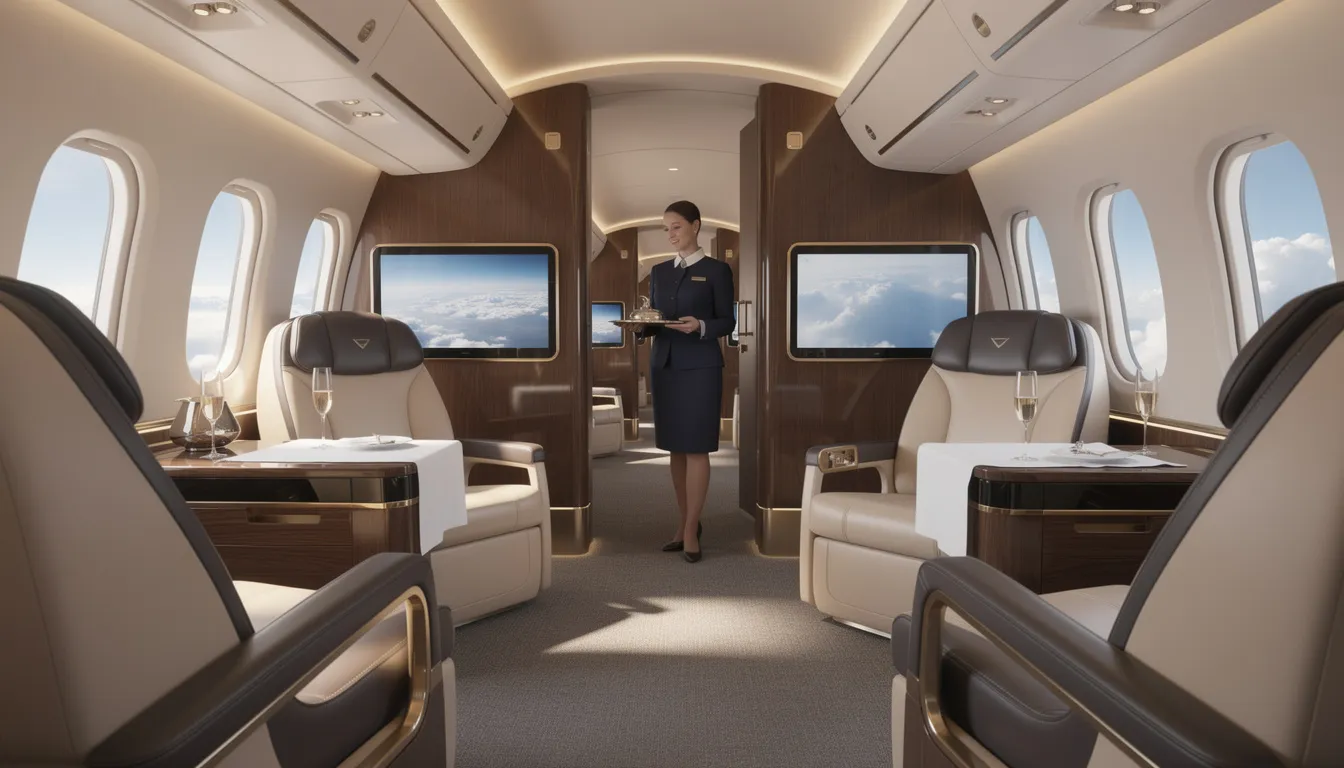
For today’s discerning traveler, luxury isn’t a novelty—it’s a non-negotiable. Whether it’s a transatlantic business trip or a once-in-a-lifetime getaway, the travel experience itself must feel seamless, secure, and elevated. That’s where first class comes in—or used to.
With features like lie-flat beds, in-flight sommeliers, and private airport lounges, first class remains a gold standard on commercial airlines. But even the finest first-class products have their limits. When time, privacy, and control matter most, private jet access becomes not just a luxury but a strategic advantage.
Still, for those comparing the best first-class products or weighing private aviation for the first time, this guide explores the commercial contenders, their amenities, and how they stack up against BlackJet’s Jet Card experience.
The Evolution of Luxury in the Skies
International first-class cabins have undergone significant changes over the last decade. Airlines now compete not only on seating and cuisine, but on full sensory experiences:
Three-room suites with private bedrooms and lounges.
Onboard showers at 30,000 feet.
Tailored menus by Michelin-starred chefs.
Lounge-to-aircraft limousine transfers.
Airlines like Singapore Airlines, Etihad Airways, and Air France are redefining what’s possible in commercial air travel—but even these leaders operate within the constraints of airports, schedules, and public terminals.
Business Class vs. First Class: Where the Line is Drawn
What Sets First Class Apart?
Business class has come a long way. Today’s top-tier products offer lie-flat beds, noise-canceling headsets, and elevated cuisine. But first class remains a different universe:
Seat Width & Privacy: First-class suites are typically more spacious and fully enclosed.
Personalized Service: Expect a dedicated flight attendant, custom meal timing, and white-glove treatment.
Lounge Access: Exclusive lounges, such as British Airways’ Concorde Room, offer fine dining and spa services.
Key Differences That Matter
Seat Configuration: Business Class typically features 1-2-1 or 2-2-2 arrangements, while First Class offers private suites or a 1-1-1 layout.
Service Ratio: In Business Class, there is generally one crew member for every 6 to 8 passengers; in First Class, the ratio improves to one crew member for every 2 to 4 passengers.
Dining: Business Class provides fixed multi-course meals, whereas First Class offers on-demand gourmet dining.
Lounge Access: Business Class passengers have access to premium lounges, while First Class passengers enjoy exclusive first class lounges.
Privacy: Business Class offers partial privacy, but First Class cabins in top products feature full enclosure.
While business class delivers impressive value, it’s not built for those who demand total control over their time and space.
First Class Travel in 2026: Trends and Changes
Starting in 2026, some airlines are introducing "basic" business and first-class fares that offer premium seats but charge extra fees for lounge access and ticket flexibility. This shift reflects a changing landscape where airlines unbundle services, allowing travelers to customize their experience but also potentially pay more for traditional perks.
Despite these changes, first-class travel continues to offer priority services, spacious lie-flat seats on long-haul flights, gourmet dining, and enhanced service compared to economy. The gap between first class and economy travel in 2026 highlights a move toward high-end personalization and privacy in premium cabins.
International first class typically features private suites with sliding doors and fully lie-flat beds, providing maximum comfort and seclusion. In contrast, U.S. domestic first class often offers wider recliner seating without full beds but still provides extra legroom, better food, and complimentary alcoholic and non-alcoholic drinks.
In 2026, first class remains the most luxurious commercial aviation tier, though features vary significantly between domestic and international routes. First class passengers usually have at least one lavatory for their exclusive use, with more than one on larger planes, ensuring privacy and convenience. Complimentary gourmet meals served with a choice of wine, dessert, and apéritifs are standard, enhancing the overall experience.
The History and Evolution of First Class Travel
First-class travel originally offered only one class of service, with a second class introduced in 1955 by TWA. The introduction of different service standards for different fares by TWA in 1955 marked the beginning of two-class planes, setting the stage for today’s multi-class cabin configurations.
Since the 1990s, many airlines have eliminated first class sections in favor of upgraded business class offerings, driven in part by the late 2000s recession, which led airlines to remove or not install first class seating due to its high cost and space requirements. However, some airlines have reintroduced first class seating sections with new aircraft despite this trend.
Historically, first class air travel has been very expensive, with long-haul fares regularly exceeding $10,000 per person. The introduction of frequent-flyer programs has allowed passengers to upgrade from business or economy class to first class, making this luxury more accessible to elite travelers.
First class service was largely phased out in Europe during the 1980s in favor of more flexible business class seating, though it remains a hallmark of luxury on many international routes today.
The World's Top First Class Airlines and Their Signature Products
Emirates
Emirates offers fully enclosed first class suites on select Boeing 777-300ERs, featuring onboard showers, bars, and luxurious amenity kits. Their suites provide privacy and comfort unmatched by many competitors.
Japan Airlines
Japan Airlines' first class on Airbus A350-1000s features a rare 1-1-1 seating configuration with only six seats, emphasizing spaciousness and privacy. The cabin boasts a clean, minimalist design with exceptional service and seasonal Japanese menus.
Air France
Air France's first class cabin on Boeing 777-300ER consists of a single row of seats in a 1-2-1 configuration, offering exclusivity and bespoke French cuisine paired with fine wines. Chauffeur service to the aircraft adds to the luxury.
Singapore Airlines
Singapore Airlines' A380 Suites have just six first class seats in a 1-1 layout, allowing for more space per passenger. Select configurations feature double beds, and passengers enjoy Krug Champagne and the "Book the Cook" service.
All Nippon Airways (ANA)
ANA provides first class on its Boeing 777-300ER fleet, featuring privacy doors and large televisions, combining comfort with cutting-edge technology.
Cathay Pacific
Cathay Pacific's first class on Boeing 777-300ERs has just six seats in a 1-1-1 configuration, providing a spacious environment with some of the most comfortable beds in the sky and attentive service.
Garuda Indonesia
Garuda Indonesia offers first class on a single Boeing 777-300ER, providing an exclusive experience with an onboard chef and exceptional soft product service.
SWISS
SWISS first class on Boeing 777-300ER features eight seats in a 1-2-1 configuration, with high-quality food presentation and plush bedding.
Korean Air
Korean Air's first class on Boeing 747-8 has just six seats, providing spacious accommodations and excellent amenities, though entertainment options may be limited.
Lufthansa
Lufthansa first class is known for its consistent service and elegant cabin design across various aircraft, with a focus on comfort and reliability.
Oman Air
Oman Air's first class on Boeing 787-9s features eight seats in a 1-2-1 configuration, with a focus on a customized menu and personalized service.
The Value and Experience of Flying First Class
First-class fares typically earn significantly more frequent flyer miles and elite status credits compared to economy fares, rewarding travelers who choose this premium experience. First class is generally considered the highest class of service offered by airlines, providing more space and comfort than business class and premium economy.
The cost of first class tickets can be significantly higher than business class, often exceeding $10,000 for long-haul international flights. The amenities offered in first class can vary widely between airlines, with some providing lie-flat seats and gourmet meals, while others may not.
Flying first class on long-haul international flights typically provides a more luxurious experience compared to domestic flights, with enhanced privacy, superior dining options, and exclusive lounge access.
Some airlines have eliminated first class sections in favor of upgraded business class offerings, making it harder to distinguish between the two. However, first class passengers often receive complimentary gourmet meals and drinks, which are typically of higher quality than those offered in business or economy class.
Many airlines also offer premium economy as a middle ground between economy and business class, which may provide better value than first class on certain routes.
Beyond the Cabin: The Airport Experience
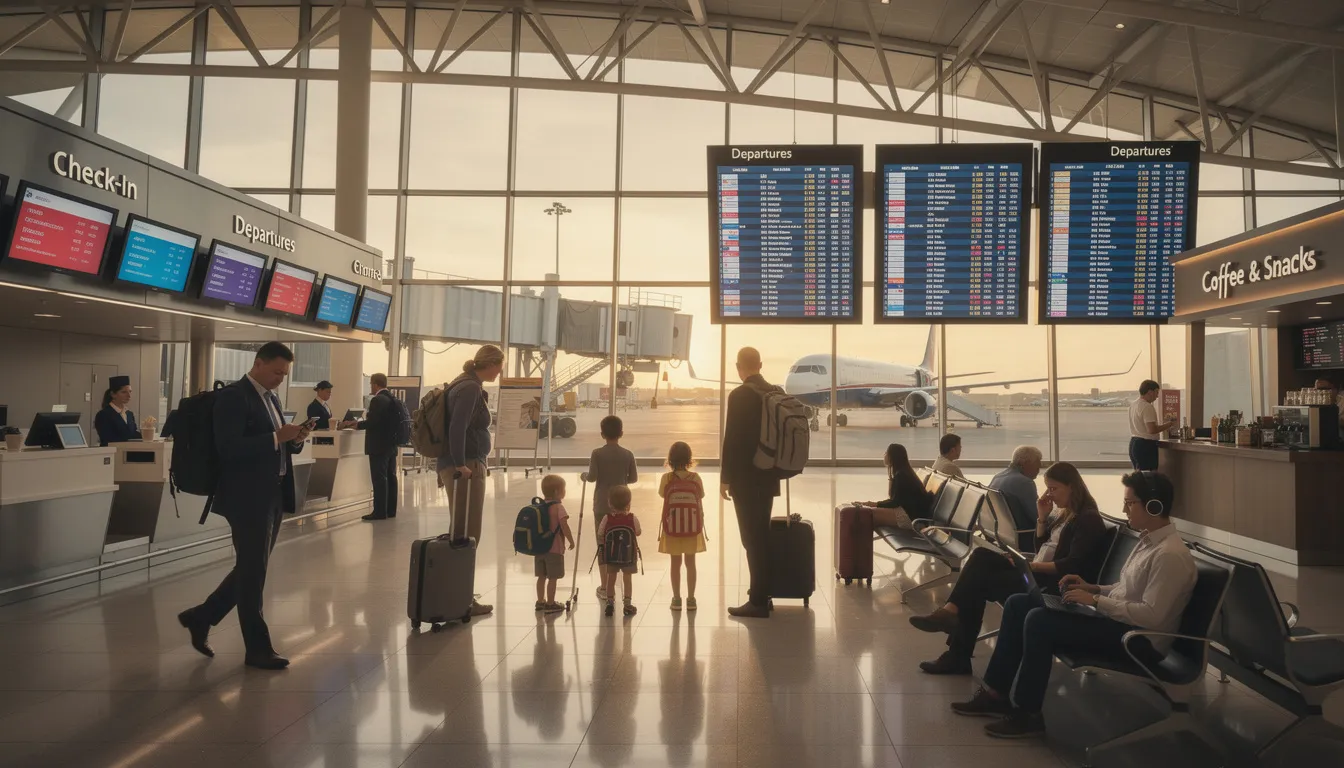
Luxury begins long before you board—and for first class passengers, the ground game matters:
Private Check-in Suites: Skip lines entirely. First class passengers enjoy several benefits before they even board the plane, including express check-in and boarding.
Expedited Security: Dedicated TSA or Global Entry lanes. First class passengers often have access to exclusive security lanes, providing privacy and convenience, as well as special check-in and security zones at the airport.
Lounge Access: Flagship First Dining by American, The Pier by Cathay Pacific. First class passengers typically have access to exclusive lounges at the airport, which may offer more luxurious amenities than those available to business class passengers. The class lounge is a luxurious, exclusive space with amenities like private booths, full waiter service, private cabanas, and dedicated business suites. Some airports, such as London Heathrow, offer renowned first class lounges like the Concorde Room. Additionally, some airlines provide a comfortable arrivals lounge for first class passengers to freshen up and relax upon arrival, especially at major hubs like London Heathrow.
Concierge Perks: Luggage handling, personal escorts, and customs assistance. Some airlines offer private first class terminals and complimentary limousine rides to the airport.
First class passengers can often board the aircraft before other passengers, sometimes through their own jetbridge.
Some airlines even offer chauffeur service to the aircraft, but contrast that with BlackJet’s private terminal access—zero lines, zero crowds, and a tarmac arrival within minutes.
Fine Dining at 30,000 Feet
First Class Culinary Highlights
Air France: Menus designed by Michelin-starred chefs.
Japan Airlines: Seasonal kaiseki menus with curated sake pairings.
Emirates: Dine-on-demand service with extensive international offerings.
Singapore Airlines: "Book the Cook" lets you choose your entrée before boarding.
And yet, even the best in-flight meal can’t fully compete with the bespoke catering options available on private jets, where menus are personalized down to the dietary request.
First Class Amenities That Elevate the Journey
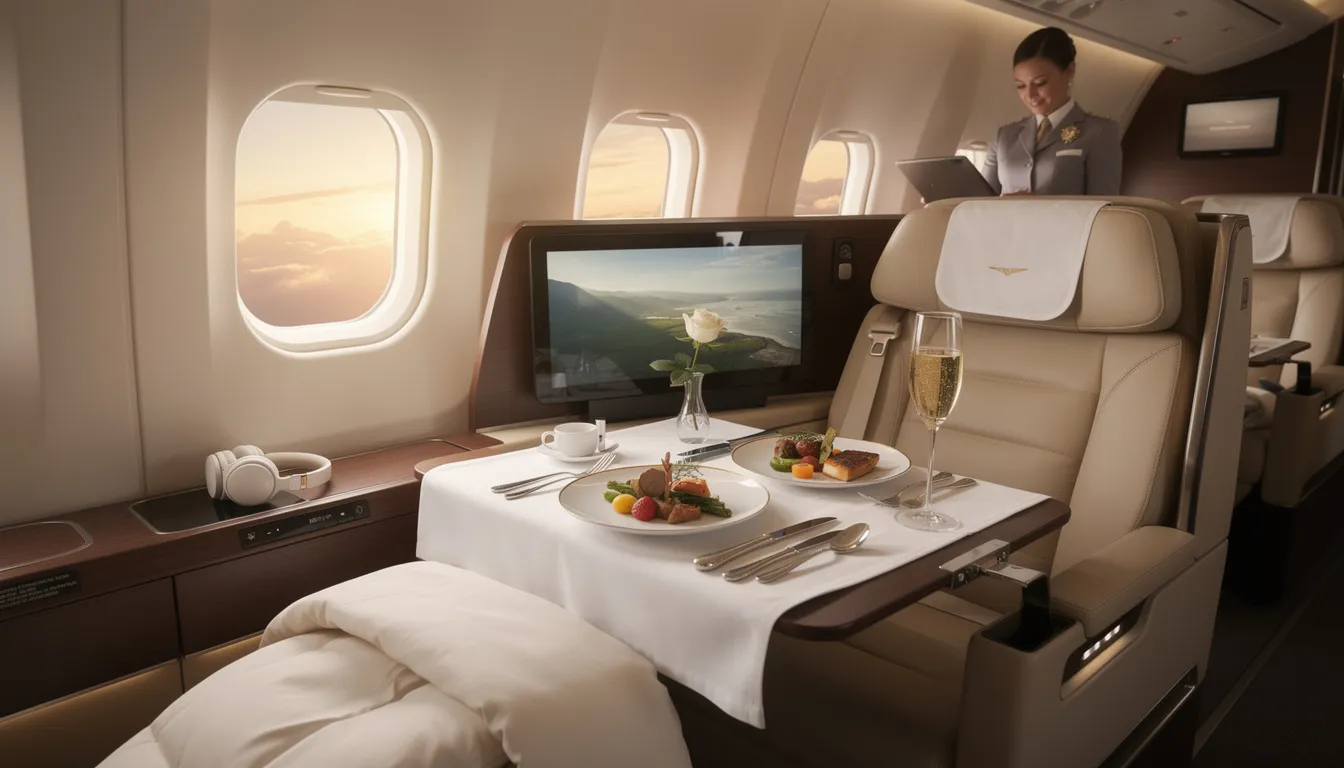
Some of the most exclusive first-class cabins rival private aviation in their features:
Lie-flat seats & privacy doors
Personalized entertainment systems (including premium options like United Private Screening in some cabins)
Luxury bedding & pajamas
Wi-Fi and on-demand entertainment
Curated amenity kits from La Prairie, Bvlgari, or Byredo
On long-haul international flights, first class cabins often feature lie-flat seats and multicourse menus, further enhancing the luxury travel experience.
Still, the most discerning travelers often want more—like choosing when to fly, who to fly with, and what exact aircraft they’ll be boarding.
That’s where BlackJet’s Jet Card experience changes the equation.
Long-Haul Excellence: Cathay Pacific
Cathay Pacific offers a consistently refined first-class product:
Spacious suites with extensive bedding options
World-class lounges in Hong Kong (The Pier, The Wing)
Signature dishes like wok-fried lobster and dim sum
Attentive, high-context service known across Asia
While exceptional, Cathay still operates within the constraints of fixed routes and public terminals.
Etihad Airways: Where First Class Becomes an Apartment
Etihad’s “Apartments” on the A380 remain a high point of first-class innovation:
Large personal spaces with armchairs and beds
Shower at 40,000 feet
Dedicated lounge, concierge service, and in-flight butler (for The Residence)
But the availability is rare—and like all commercial flights, scheduling, security lines, and aircraft types aren’t in your control.
When First Class Isn’t First Enough
No matter how exclusive a suite or how rare the champagne, first class on commercial flights still means:
Arriving 2–3 hours before departure
Security and customs with the public
Delays beyond your control
Fixed routes and time slots
Limited personalization
That’s why Jet Card access with BlackJet is a strategic pivot—not just a luxury upgrade.
The BlackJet Advantage: Beyond Commercial First Class
What You Gain with Jet Card Access:
On-Demand Scheduling: You choose when and where.
Private Terminals: Zero airport chaos, direct tarmac boarding.
Certified Safety Standards: ARGUS and Wyvern-vetted operators only.
Carbon Neutral Flights: Offset every mile—without upcharges.
Curated Experience: Your aircraft, your crew, your menu.
Whether you're an executive flying coast-to-coast or a family planning a holiday to the Caribbean, BlackJet redefines what “first” really means.
Travel Tips and Recommendations for First Class Flyers
To make the most of your first class ticket and enjoy a truly elevated class experience, a little planning goes a long way. Start by researching which airlines offer the best first class service and amenities on your desired route. Many airlines, such as Singapore Airlines, Air France, and Emirates, are renowned for their fully enclosed suites, attentive crew, and exceptional fine dining—making them top picks for discerning travelers.
When booking, pay attention to the aircraft type and route, as the best first class cabins are often reserved for long haul or flagship routes. For example, some airlines only offer their most luxurious first class suites on select international flights, so choosing the right depart date and destination can make all the difference.
Take full advantage of lounge access and priority boarding, which are standard perks for first class passengers. Exclusive class lounges often feature gourmet cuisine, spa treatments, and quiet spaces to relax or work before your flight. Don’t forget to check the airline’s baggage policy—many airlines include free checked bags for first class passengers, adding extra convenience to your journey.
Finally, embrace the special service and amenities that come with your class ticket. From personalized meal service to luxury amenity kits and attentive crew, every detail is designed to enhance your comfort and enjoyment. By following these tips and choosing the right airline, you’ll ensure your first class experience is as memorable and luxurious as possible—whether you’re flying with Air France, Singapore Airlines, or any of the world’s best first class carriers.
FAQs: What Travelers Want to Know
Is first class really better than business class?
Yes, especially regarding privacy, service, and space. But Jet Card access goes beyond either.
Which first-class airlines are the best?
Singapore Airlines, Etihad, Emirates, and Air France consistently rank highest.
Are private jets environmentally sustainable?
With BlackJet, yes—every flight is 100% carbon neutral, backed by verified offset programs.
Is private aviation safe?
BlackJet only works with operators that meet rigorous safety standards and third-party certifications (e.g., ARGUS, Wyvern).
What’s the difference between Jet Cards and chartering?
Jet Cards offer consistency and guaranteed access without the price volatility of on-demand chartering.
Conclusion: First Class is Excellent—But BlackJet is Smarter
There’s no denying the artistry and innovation of the world’s best first-class cabins. But for those who demand more—more control, more privacy, more certainty—BlackJet is the clear evolution.
You don’t just skip the line. You skip the airport.
You don’t just get a bigger seat. You choose the aircraft.
You don’t just fly first. You fly better.
Ready to Elevate Your Travel Experience?
Explore premium jet access with BlackJet and discover how our Jet Card program turns every journey into a custom-tailored experience—powered by safety, sustainability, and seamless luxury.
Join BlackJet’s Jet Card Program


 Sign up with google
 Sign up with Apple