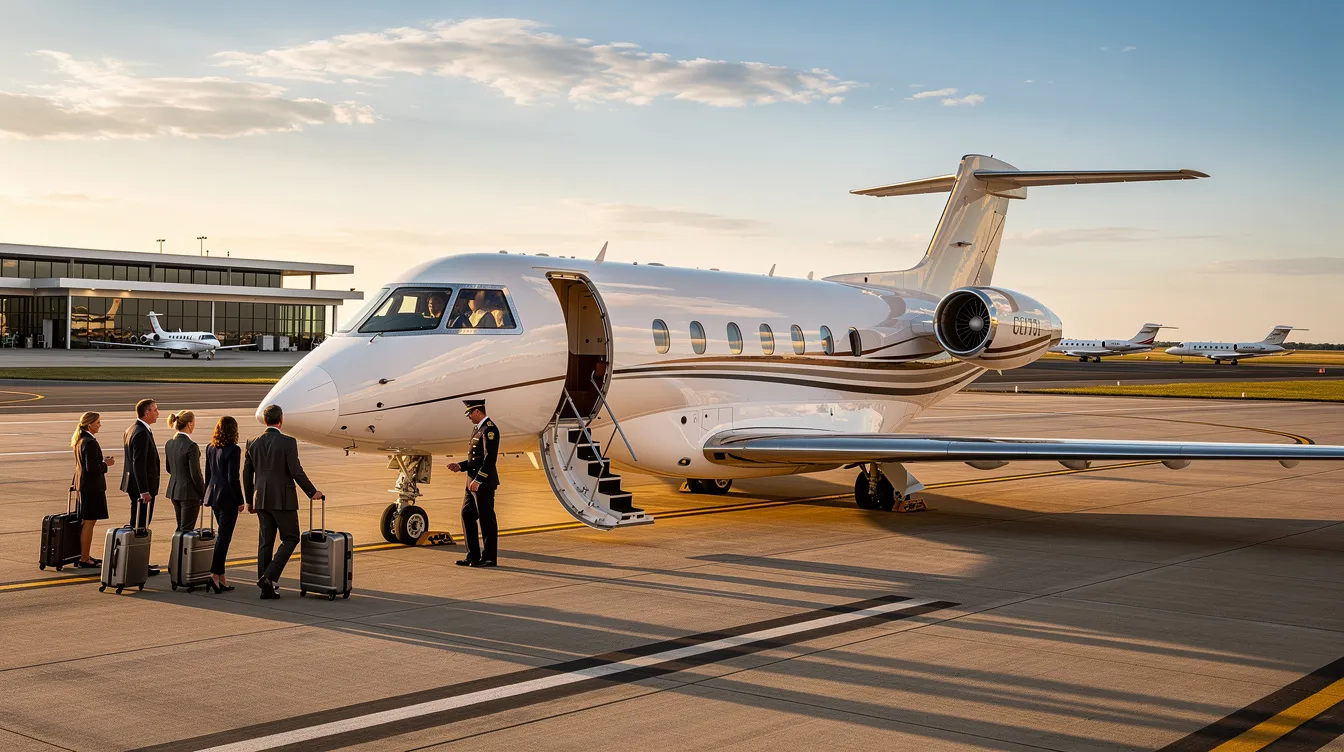
For executives, entrepreneurs, and global travelers, private aviation represents more than convenience. It delivers control over time, privacy, and itinerary flexibility that commercial aviation simply cannot match. Private jet travel is especially valued by business travelers for its efficiency and ability to save time, making it the preferred choice for those with demanding schedules. A nonstop private flight can eliminate connections, bypass crowded terminals, and land closer to your final destination.
However, even the most seamless private aviation experience still operates within international aviation regulations. Crossing borders requires customs and immigration clearance, regardless of whether you arrive on a commercial airliner or a private jet.
The difference lies in the process. Private aviation offers a far more efficient, discreet, and personalized customs experience compared to commercial travel. Instead of waiting in long immigration lines, passengers typically clear customs through private terminals known as fixed-base operators (FBOs), sometimes directly on the aircraft. These FBOs provide personalized services such as concierge support, customized catering, and tailored amenities, ensuring a seamless and exclusive experience for travelers and crew.
This guide explains exactly how private jets clear customs, what passengers should expect during international travel, and how experienced operators like BlackJet ensure the process remains smooth, compliant, and efficient. Private jets go through customs, but unlike commercial flights, the process is more streamlined and efficient, allowing travelers to save time and enjoy greater privacy.
When comparing private jet travelers with commercial passengers, the difference is clear: private jet travelers benefit from reduced waiting times and exclusive facilities, while commercial passengers often face longer lines and less personalized attention.
Do Jets Go Through Customs? Flying Private Versus Commercial Flights
Private Jet Passengers Must Still Clear Customs
Regardless of aircraft type, all international travelers must clear customs and immigration when entering another country. Private jet passengers are not exempt from border controls, passport checks, or customs declarations.
The difference lies in how the process is conducted.
Private aviation passengers typically undergo the same legal checks as commercial travelers, but the process often happens faster and with greater discretion. This is partly because private jet travelers often experience less waiting time during customs processing due to fewer passengers and smaller groups.
The Private Aviation Advantage
Private jet travelers usually benefit from a smoother experience overall, and even when encountering in-flight bumps, modern aircraft design and pilot training help manage turbulence on private jets effectively.
Private jet travelers usually benefit from:
Dedicated customs officers assigned to private terminals
Minimal waiting times compared to commercial terminals
On-aircraft inspections in certain jurisdictions
Smaller passenger groups, reducing processing time
Private jets typically land at smaller airports, which can offer more flexible customs procedures compared to larger commercial airports
Instead of joining hundreds of passengers in centralized terminals, private jet travelers often clear immigration with only their own party present.
Where Customs Procedures Occur: FBOs, Commercial Airports, and Private Airstrips
Customs at Fixed-Base Operators (FBOs)
Most international private flights clear customs at FBO terminals, which are dedicated private aviation facilities located at airports.
FBO customs clearance often involves:
Immigration officers stationed at the facility
Passport inspection in a private lounge
Minimal baggage handling queues
Direct ramp access from aircraft to terminal
At FBOs, customs officials often complete procedures without requiring travelers to leave the terminal area, providing added convenience.
For frequent private flyers, this environment provides a dramatically smoother arrival experience, especially when paired with premium private jet card programs that streamline booking and aircraft access.
Commercial Airport Processing
Some airports do not maintain customs officers at private terminals. In those cases, private jet passengers may be escorted into the main commercial immigration hall.
Even then, private aviation handlers typically coordinate priority processing to reduce delays.
Remote Airstrips and Smaller Airports
Not all private airstrips qualify as international entry points. When landing at remote airports, customs officers may:
Travel to the aircraft for inspection
Require the aircraft to stop first at a designated entry airport
Coordinate special clearance for diplomatic or urgent flights
These rules vary widely depending on national aviation authorities.
Upon landing, private jets typically taxi directly to the FBO or a designated customs holding area, where passengers and crew must stay in the designated customs area until authorized by a customs officer to leave after arrival.
Step-by-Step Customs Procedures for International Travel by Private Jet
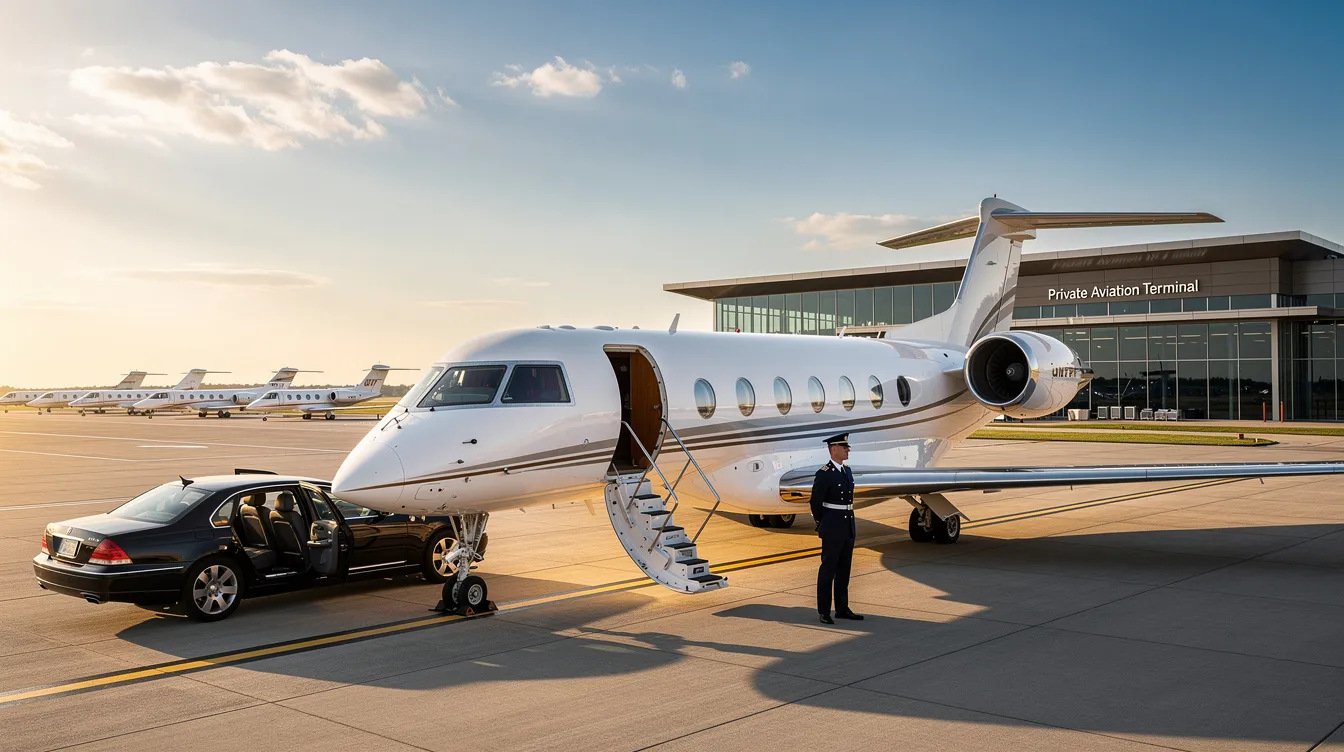
Advance Notification Requirements
Before a private aircraft departs internationally, operators must notify customs and immigration authorities of the planned arrival. This process typically includes submitting passenger manifests and flight details, a process that experienced providers manage seamlessly through structured solutions such as the BlackJet 25+ Hour Jet Card.
Many governments require these notifications several hours before landing.
Before departure, pilots must electronically submit an eAPIS (Electronic Advance Passenger Information System) manifest that includes full details for all passengers and crew. Passengers and crew must also submit advance passenger information (APIS) and landing rights requests electronically before departure. Providing advance notification is essential to help prevent unexpected delays during customs clearance.
Electronic Passenger Information Systems
Increasingly, aviation authorities require digital passenger data submission through systems such as:
These systems allow immigration agencies to pre-screen passengers before arrival.
Arrival Inspections
Upon landing, passengers typically complete:
Passport verification — passengers and crew must present identification and travel documents upon arrival of a private jet. Customs officers may also request a copy of the travel itinerary and the names of everyone traveling on the private jet.
Customs declarations — travelers must declare currency over $10,000 and report restricted items to comply with customs regulations.
Baggage inspection (if required)
Depending on the airport, these checks may occur inside the FBO or onboard the aircraft.
Pre-Flight: Advance Passenger Information and Customs Declarations
Advance Passenger Information (API)
Advance Passenger Information systems require operators to transmit passenger data ahead of arrival. These submissions often include:
Deadlines vary widely by country. Some jurisdictions require submission up to 24 hours in advance.
Aircraft Documentation
Crew members must also present official aircraft documentation, including:
Aircraft registration certificate
Airworthiness certification
Crew manifests and licenses
Flight plan details
These documents confirm the legality and safety status of the flight.
Customs Declarations
Passengers must declare certain items before arrival, including:
High-value goods
Large amounts of currency
Restricted agricultural items
Certain medications or pharmaceuticals
In addition, certain countries may have specific requirements, such as pet microchipping or additional documentation for restricted goods, so travelers should verify these regulations before departure.
Preparing these declarations early avoids delays during inspection and also helps you plan around the total cost to rent a private jet, including fees that may arise on international routes.
Departure and Transit Procedures: Leaving and Passing Through Other Countries
Exit Controls
Some countries require travelers to complete exit immigration procedures before departing internationally.
These controls verify travel documents and may include passport stamping or data recording.
Transit Stops
Private jets often make technical stops for refueling or crew changes. Depending on local regulations, passengers may need to clear transit customs even if they remain onboard.
Overflight and landing permits are also required when crossing certain national airspaces, and travelers looking to optimize complex routings often explore strategies to fly private for less while staying compliant.
Multi-Country Itineraries
Complex itineraries involving several countries require careful planning. For each trip, it is important to review customs requirements and ensure all necessary documentation is prepared for every country visited, and frequent travelers may benefit from unlimited private jet membership programs that simplify recurring international journeys. Authorities may require:
If departing from preclearance locations, passengers can clear U.S. customs before boarding their flight, streamlining the arrival process.
Aircraft Operators, Crew Responsibilities, and Use of Customs Brokers
Operator Responsibilities
Aircraft operators play a central role in customs compliance. They must:
File international flight plans
Submit passenger manifests
Coordinate arrival times with customs authorities
Ensure aircraft documentation is valid
Experienced operators manage these tasks automatically through aviation handling networks.
Crew Responsibilities
Flight crews must carry:
Crew are also responsible for ensuring passengers understand customs rules.
Customs Brokers and Handling Agents
Many operators rely on customs brokers or local aviation handling agents to manage regulatory filings.
These professionals assist with selecting appropriate aircraft, which can range from long-range jets to small private jets for flexible luxury travel, and with:
These professionals assist with:
Their expertise is especially valuable in unfamiliar jurisdictions, helping travelers navigate the customs process more smoothly.
Differences Across Countries and At Other Countries’ Airports
Variations in Customs Procedures
Customs rules vary dramatically across countries. Processing times, required documentation, and passenger screening levels can differ significantly.
Some airports offer rapid clearance programs for private aviation, while others enforce more stringent procedures.
Travel Within the Schengen Area
Flights within the Schengen Area typically do not require passport checks between participating countries once entry has been completed.
However, non-Schengen travelers entering Europe must clear immigration at the first entry point.
Private Aviation Fast Lanes
Certain international airports offer dedicated private aviation processing lanes, allowing passengers to clear customs within minutes.
These systems reflect the growing demand for efficient global private travel.
Compliance Risks, Penalties for Non Compliance, and What To Double Check
Consequences of Non Compliance
Failure to comply with customs regulations can lead to serious consequences, including:
Common Compliance Mistakes
The most frequent issues include:
Critical Checks Before Departure
Before international private travel, passengers should confirm:
Passport validity (often six months beyond travel date)
Required visas for destination countries
Pet travel certificates
Currency declaration limits
Submission deadlines for advance passenger information
Travelers should keep all necessary documentation handy to ensure a hassle-free customs experience. Researching the destination's regulations is important to avoid issues with local authorities. Arriving early at the airport is advisable to allow time for customs checks, even for private jet travelers.
Practical Tips for Smooth Private Jet Customs Clearance

Choose Airports With FBO Customs Facilities
Flying into airports equipped with FBO customs services significantly reduces processing times.
Submit Documentation Early
Submitting passenger information and manifests well in advance ensures authorities can review details before arrival.
Carry Both Digital and Printed Documents
Although most information is transmitted electronically, having printed copies of passports, permits, and aircraft documentation can speed up inspections.
Use Experienced Handling Agents
Local handling agents understand regional customs requirements and help avoid regulatory complications in unfamiliar countries.
Frequently Asked Questions About Going Through Customs On Private Jets
Do Private Jets Always Clear Customs at the Airport of First Arrival?
Yes. International flights normally must clear customs at the first airport of entry in the destination country unless special pre-clearance arrangements exist.
Are Passport Control and Customs Inspections Identical to Commercial Flights?
The legal checks are similar, but the experience differs significantly. Private aviation inspections are usually conducted in smaller facilities, with fewer passengers and faster processing.
What Should I Double Check Before an International Private Flight?
Passengers should confirm:
Passport validity
Visa requirements
Animal health documentation for pets
Currency declaration limits
Submission deadlines for advance passenger information
The Strategic Advantage of Seamless International Travel
Global mobility is increasingly essential for executives, investors, and international families. Private aviation makes it possible to travel between continents with minimal disruption while maintaining privacy, productivity, and schedule control, while adhering to rigorous private jet safety standards that match or exceed many commercial operations.
When managed correctly, customs clearance becomes a streamlined process handled behind the scenes by experienced operators, aviation handlers, and regulatory systems.
At BlackJet, international travel is designed to remain as effortless as the flight itself. With rigorous safety standards, advanced scheduling technology, and carbon-neutral flight programs, every journey reflects the evolving standards of modern private aviation and access to a range of private jet sizes to fit each journey.
Discover how BlackJet can reshape your international travel experience.
Explore seamless global access with safety, sustainability, and precision built into every flight.
Conclusion: Elevate Your International Travel with BlackJet
Navigating customs when flying private no longer needs to be a complex or time-consuming process. Thanks to dedicated services, experienced operators, and exclusive facilities like those provided by BlackJet, private jet travelers enjoy an efficient, discreet, and personalized customs experience that far surpasses commercial options.
Whether you are a business traveler seeking to maximize productivity, a family desiring privacy, or an adventurer craving flexibility, understanding how private jets clear customs empowers you to plan your international travel with confidence.
Choose BlackJet for unparalleled expertise, seamless customs clearance, and a private aviation experience tailored to your unique travel plans. Visit blackjet.com today to learn more and start your journey towards effortless international travel.


 Sign up with google
 Sign up with Apple