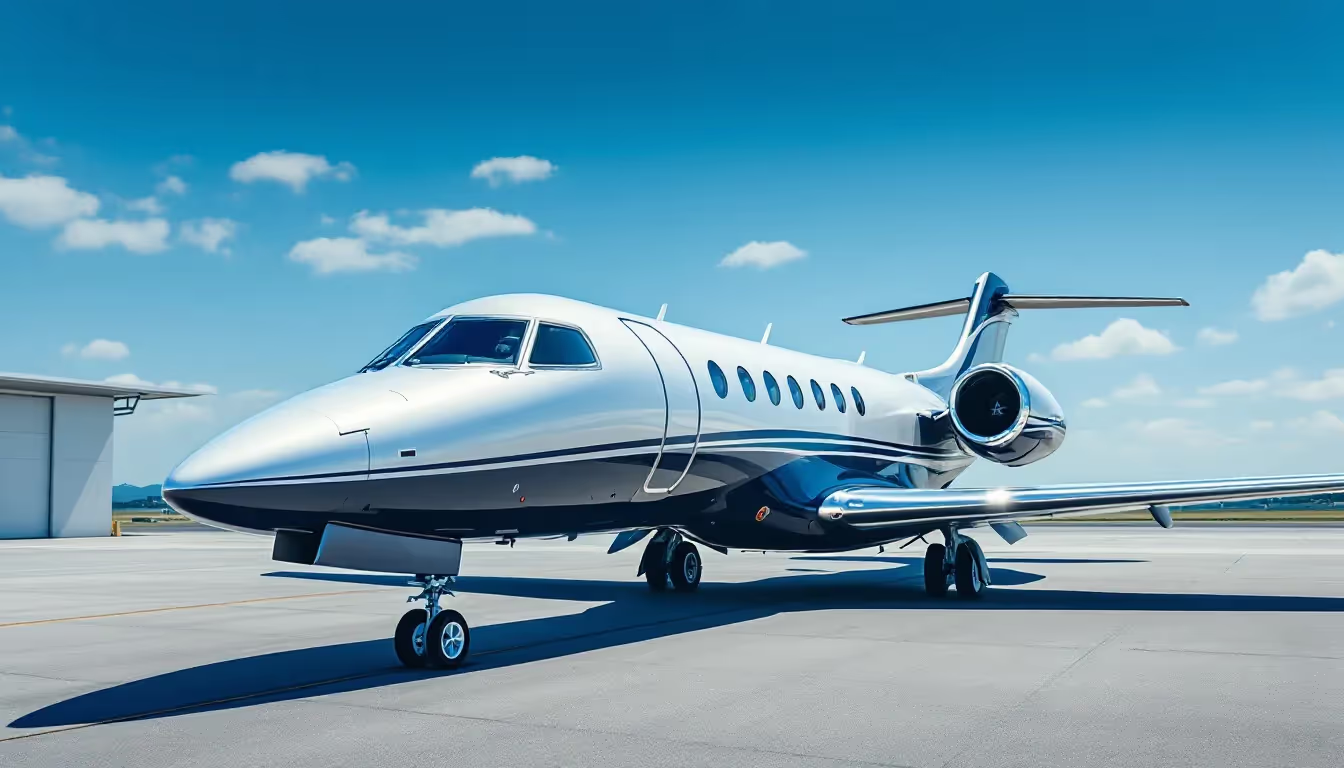
For discerning travelers, business executives, and high-net-worth individuals, owning a private jet symbolizes prestige, control, and ultimate convenience. The appeal is obvious: no lines at crowded terminals, bespoke scheduling, direct routes to secondary airports, and a cabin experience curated entirely for you.
Yet, while many prospective owners focus on the purchase price, often ranging from $3 million for a light jet to $70+ million for long-range models, the true financial commitment lies in maintenance and ongoing operational costs. The purchase price represents only the initial cost, which is distinct from the ongoing expenses required to keep the jet airworthy and up to date. These expenses transform jet ownership from a simple purchase into a long-term financial strategy. In fact, the purchase price of a private jet can vary widely, from $2 million to $100 million, depending on the model and specifications. Additionally, depreciation rates for private aircraft typically result in a decline of 10% to 15% in value in the first year, and 5% to 10% annually thereafter.
Private jet ownership is not merely about indulgence. It’s a strategic travel advantage for leaders whose time is their most valuable currency. But it is also a responsibility: ensuring safety, preserving asset value, and managing operating budgets effectively. This article unpacks the full picture of private jet maintenance costs and the total private jet cost of ownership, including factors like hangar fees, maintenance, and upgrades, and why, for many, alternatives like Jet Cards or premium charter access with BlackJet often prove smarter than outright ownership.
Introduction to Private Jet Ownership
For many high-net-worth individuals, the allure of private jet ownership lies in its unparalleled convenience, flexibility, and luxury. Owning a private jet means you set your own schedule, access remote destinations, and enjoy a personalized travel experience that commercial airlines simply cannot match. However, the journey to jet ownership involves much more than the initial purchase price.
Understanding the total cost of private jet ownership is crucial before making such a significant investment. Beyond the initial purchase price, private jet owners must account for a range of ongoing costs and operational costs that can add up quickly. These include private jet maintenance costs, insurance premiums, hangar fees, and crew salaries, all of which are essential to keeping your aircraft safe, compliant, and ready to fly at a moment’s notice. Maintaining a private plane incurs significant annual fixed costs such as hangar fees, insurance, loan payments, and crew salaries, as well as variable costs like fuel, maintenance, and landing fees. Annual maintenance costs for private jets generally range from 5% to 10% of the aircraft's value.
Owning a private jet is a commitment that requires careful financial planning and a clear understanding of all associated expenses. By considering the full spectrum of maintenance costs and operational costs, private jet owners can ensure a seamless and enjoyable ownership experience, maximizing both the value and the convenience that private aviation offers.
Factors Affecting Private Jet Maintenance Costs
There are several factors that influence private jet maintenance costs, and understanding these can help owners plan for the full scope of annual expenses:
Aircraft Type & Size
A light jet like a Citation CJ3 may cost less to maintain than a heavy Gulfstream G650. The aircraft's size is a key driver of cost; larger jets consume more fuel, require more crew, and have more complex systems, all of which increase maintenance and operational expenses.
Aircraft Age & Usage
Newer jets may be under warranty, but will eventually require heavy checks. Older aircraft can involve more frequent repairs and part replacements, which can significantly increase ongoing costs.
Flight Hours
Maintenance cycles are scheduled by usage, and needs vary depending on how much the aircraft is flown. Flying 600 hours a year vs. 200 makes a dramatic difference in inspection frequency and overall maintenance requirements.
Manufacturer & Maintenance Providers
Some aircraft manufacturers command higher rates for parts and labor, and the aircraft manufacturer sets specific maintenance intervals and requirements that influence costs. Owners often rely on authorized service centers for safety and certification, which may cost more but ensure compliance. Skilled technicians perform routine maintenance and routine inspections according to regulatory requirements, ensuring the aircraft remains airworthy and safe. Private jets require scheduled maintenance at intervals determined by the aircraft manufacturer and regulatory authorities.
Location & Hangar Costs
Housing an aircraft in New York or Los Angeles can mean significantly higher hangar and ground handling fees compared to secondary airports. Associated fees and the services required can add up quickly, and fees depend on the location and the scope of services provided.
Private jet maintenance cost is influenced by several factors and can result in significant annual costs and expenses, often reaching several thousand dollars annually or even hundreds of thousands of dollars annually for some owners. Additional costs such as cleaning, de-icing, and major inspections can arise beyond basic maintenance. Regular inspections are essential for early issue detection, which can help prevent expensive repairs and ensure ongoing safety and compliance. On average, private jet maintenance costs typically range from $500,000 to $1,000,000 annually, depending on the aircraft type and usage.
It’s crucial to understand that ownership extends beyond mechanical upkeep. Expenses such as insurance, hangar space, crew, and fuel can rival or exceed annual maintenance costs. Private jet owners often face other significant costs, including fuel, crew salaries, regulatory compliance fees, and tax considerations.
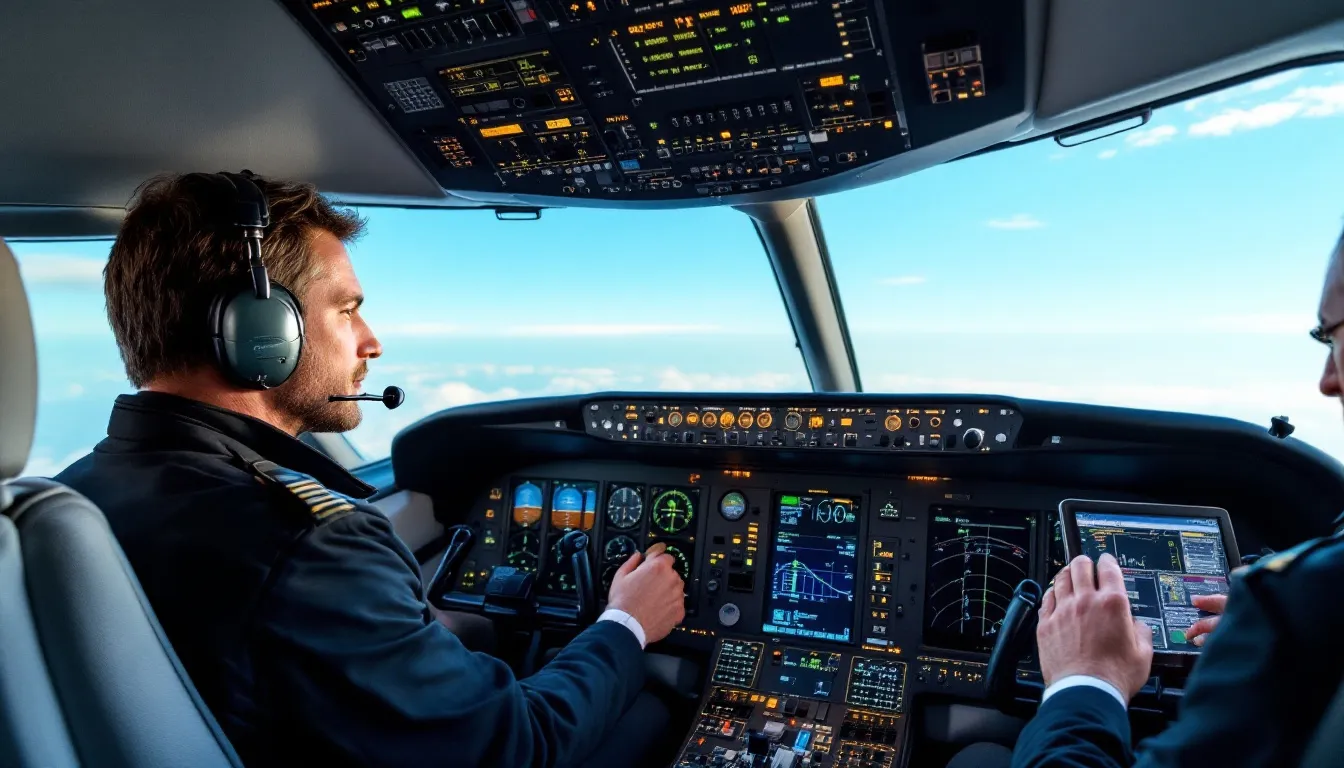
The Real Cost of Ongoing Private Jet Operations
Annual private jet expenses, including annual expenses and annual costs, typically range from $500,000 to over $1 million, depending on the aircraft type. Let’s break down the primary contributors:
Fuel Costs
$1,100 to $2,700 per flight hour, depending on aircraft size and efficiency. Long-haul flights on heavy jets can cost tens of thousands in fuel alone. Fuel expenses for a midsize jet are generally lower than for larger jets, which have higher operational costs and are often aircraft rated for longer-range or more demanding missions. Fuel costs are often the largest variable cost for aircraft operation, ranging from hundreds to thousands of dollars per hour, depending on aircraft type.
Crew Salaries
Captains: $120,000–$300,000 annually.
First Officers: $85,000–$150,000.
Flight attendants (for large cabins): $50,000–$90,000.
Benefits, training, and recurrent certifications add further costs. Pilot salaries are a significant part of the budget, and salaries vary based on experience, aircraft type, and operational requirements.
Hangar & Handling Fees
Hangar space: $50,000–$150,000+ annually in major cities.
Landing fees: $200–$1,000 per landing.
Ground handling: variable but recurring.
These associated fees and private jet cost components can add up quickly, and fees depend on the location, aircraft size, and services required.
Insurance Premiums
Private jet insurance typically costs 1%–3% of the aircraft’s insured value annually. For a $30 million jet, that’s $300,000–$900,000 per year, or several hundred thousand dollars annually, depending on coverage and risk profile.
Maintenance & Inspections
Private jet maintenance cost includes everything from small component replacements to mandatory FAA checks. Routine inspections and routine maintenance are ongoing annual expenses, while heavy checks (C or D inspections) can cost millions, depending on the aircraft. Maintenance costs vary depending on aircraft age, usage, and condition, and services required. Unexpected costs and additional costs, such as major repairs or de-icing, can arise beyond planned maintenance.
When comparing aircraft, a Cessna Citation Mustang is a cost-effective light jet option for small groups, while a midsize jet offers more range and comfort at a higher annual cost. Larger jets, which are often aircraft rated for transcontinental or international flights, come with significantly higher annual expenses and associated fees.
For buyers considering a pre-owned jet, costs can vary depending on the jet’s age, condition, and required upgrades or refurbishments.
These figures demonstrate why many private flyers, even those with significant wealth, choose Jet Card programs or on-demand charter. By outsourcing maintenance responsibilities, they gain the same luxury of access without absorbing the unpredictable burden of ownership. Private jet travel through charter or fractional ownership offers flexibility and convenience without the full commitment of annual costs and private jet maintenance costs.
Maintenance Programs: Predictability vs. Pay-As-You-Go
One way owners manage uncertainty is through hourly maintenance programs. These act like “subscriptions” for upkeep:
How They Work
Owners pay a fixed hourly fee per flight hour that covers routine maintenance, routine inspections, parts, labor, and a range of services required for comprehensive coverage.
Skilled technicians perform the work, ensuring compliance with all regulatory requirements.
Implementing computerized maintenance management systems can enhance aircraft maintenance scheduling.
Benefits
Predictable budgeting.
Protection against major unexpected costs and expensive repairs.
Assurance of certified, safety-compliant service.
Drawbacks
Some owners prefer pay-as-you-go, paying directly for each inspection and repair. While this may save money in light-usage scenarios, it leaves them exposed to massive one-off bills, such as an engine overhaul exceeding $1 million. Older aircraft may also require more frequent repairs, increasing overall maintenance expenses.
Engine Overhauls: The Biggest Maintenance Line Item
Engines are the heart of any jet, and maintaining them is critical. Engine overhauls are among the most expensive repairs in private aviation and can result in significant unexpected costs if not planned for as part of your annual costs and annual expenses. Costs vary depending on engine type, usage, and manufacturer:
Light Jets: $200,000–$500,000 per engine.
Midsize Jets: $500,000–$1 million per engine.
Heavy Jets: $1 million+ per engine.
These dollars can add up to several thousand dollars annually in ongoing ownership costs. The services required during an engine overhaul include disassembly, inspection, replacement of worn parts, and reassembly, all performed by skilled technicians. All work must comply with strict regulatory requirements to ensure safety and airworthiness.
Routine maintenance and routine inspections are essential to detect issues early and prevent major engine problems, helping to avoid costly repairs and manage long-term expenses. Labor, parts, and inspection fees can push totals even higher. Since jets usually have two engines, owners must plan for twice these costs.
Proactive maintenance helps delay major expenses, but engine programs are often recommended to prevent financial shocks.
Crew Expenses: More Than Just Salaries
In addition to competitive salaries, private jet owners must consider a range of additional expenses associated with employing a skilled crew. These costs go far beyond basic compensation and are essential for maintaining the highest standards of safety, compliance, and customer service. Ongoing crew expenses often include recurrent training and certifications, which are required by regulatory authorities and aircraft manufacturers to ensure pilots and cabin crew remain up-to-date with the latest procedures and technologies.
Travel and living expenses are another significant factor, especially when crews are required to stay overnight in major metropolitan areas or reposition for flights. These costs can include hotel accommodations, daily per diems, and transportation. Furthermore, benefits such as healthcare, retirement plans, and insurance are necessary to attract and retain experienced professionals in the competitive world of private aviation.
Evolving regulations and the increasing complexity of modern private jets also mean that many private jet owners must invest in ongoing education and specialized training for their crews. This ensures that every flight is operated safely and efficiently, contributing to overall customer satisfaction and the long-term value of the aircraft. By budgeting for these comprehensive crew expenses, private jet owners can maintain operational excellence and peace of mind.
Jet Ownership and Interior Refurbishments
For private jet owners, especially those purchasing a pre-owned aircraft, interior refurbishments are a key consideration in maintaining both comfort and aircraft value. Upgrading the cabin can transform the flying experience, offering enhanced luxury, modern amenities, and a personalized touch that reflects the owner’s style. The costs of interior refurbishments can vary greatly depending on the scope of the project, ranging from a few thousand dollars for minor updates to several million for a complete overhaul.
Factors influencing refurbishment costs include the choice of premium materials, the complexity of custom designs, and the integration of advanced avionics systems or entertainment features. Regular maintenance and timely refurbishments not only keep the aircraft looking and feeling new but also play a crucial role in preserving its market value and appeal to future buyers.
For many private jet owners, investing in interior upgrades is about more than aesthetics; it’s about ensuring customer satisfaction and maintaining a competitive edge in the world of private aviation. Balancing the desire for luxury and customization with the realities of maintenance costs and long-term aircraft value is essential for making the most of your investment in private jet ownership.
Crew Expenses: More Than Just Salaries
Owning a jet requires a skilled, dedicated crew. Beyond salaries, owners pay for:
Pilot Salaries: Pilot salaries are a major component of crew expenses, and salaries vary based on experience, aircraft type, and the services required for each flight.
Training & Certifications: recurrent simulator sessions, safety courses, and associated fees for maintaining required qualifications.
Travel & Living Costs: hotels, per diems, repositioning flights.
Benefits: healthcare, pensions, insurance, and other associated fees.
For a long-range jet requiring multiple pilots and cabin crew, these annual costs and annual expenses, including pilot salaries and associated fees, can easily reach several hundred thousand dollars annually or even over a million dollars annually, depending on the services required and crew composition. Some owners reduce costs by hiring single-pilot aircraft or using pilot pools, but these approaches can compromise flexibility.
Budgeting & Cost Management in Private Jet Ownership
Smart jet owners treat their aircraft like a business asset. Key strategies include:
Comprehensive Budgeting
Include fuel, crew, insurance, hangar, and maintenance as part of your annual costs.
Set aside reserves for unexpected and additional costs, such as major repairs, de-icing, or cleaning services beyond routine expenses.
Plan for routine maintenance, inspections, and compliance with regulatory requirements to ensure safety and avoid penalties.
Regular Audits
Cost-Sharing Models
Establishing a reserve fund for long-term maintenance needs is a crucial financial management strategy, helping to mitigate financial shocks and ensure smooth operations.
Despite these measures, ownership remains a significant ongoing commitment. For many, Jet Cards or on-demand private jet access offer a more efficient balance, premium service without long-term liabilities.
Safety and Certification: Why Maintenance Matters
Maintenance isn’t just financial, it’s about safety and compliance. Private jets must be aircraft-rated and comply with strict regulatory requirements set by the FAA, EASA, and other authorities. These standards include not only regulatory inspections but also routine inspections and regular inspections that are essential for maintaining safety and airworthiness. Private jets require periodic scheduled maintenance at intervals determined by the aircraft manufacturer and regulatory authorities. Skilled technicians perform these inspections, and a range of services required must be completed for certification. Many operators also adhere to third-party audits such as ARGUS or Wyvern certifications.
BlackJet clients benefit from proprietary certification standards that exceed industry minimums, ensuring peace of mind with every flight. Unlike private owners managing multiple vendors, Jet Card travelers enjoy the assurance of rigorous safety protocols built into every journey.

Sustainability in Private Aviation
A rising concern in aviation is environmental responsibility. Maintaining older jets often means higher fuel burn and emissions. By contrast, modern fleet operators like BlackJet:
Ensure Carbon Neutral Flights at no extra cost.
Use younger, more fuel-efficient aircraft.
Invest in offset programs and sustainable aviation fuel initiatives.
For private owners, sustainability upgrades can mean expensive retrofits. Jet Card members instead benefit from fleet-level sustainability investments without absorbing the costs individually.
Use Case Scenarios
Executive Traveler
A CEO flying NY → London 20 times per year may face annual costs and annual expenses reaching several hundred thousand dollars annually, or even millions of dollars annually, on crew, fuel, maintenance, and insurance. These thousand dollars annually can quickly add up, especially when unexpected costs or additional costs arise from major inspections or unforeseen repairs. A Jet Card allows the same level of comfort without tying up capital or worrying about these ongoing expenses.
Leisure Traveler
A family flying Aspen → Los Angeles monthly avoids hangar fees, crew management, insurance, and the unpredictable private jet cost of ownership by using a Jet Card, while still enjoying seamless access. Private jet travel through chartering or Jet Card programs offers flexibility and convenience without the long-term financial commitment.
Corporate Team
A company requiring short-notice charters benefits from predictable Jet Card pricing instead of navigating the unpredictable overhead of ownership, such as associated fees for airport use, landing, and the various services required for aircraft management.
Ownership Profiles
Buyers considering a pre-owned jet, a midsize jet for regional business trips, larger jets for intercontinental flights, or a cost-effective light jet like the Cessna Citation Mustang must all account for the unique annual expenses, associated fees, and the potential for unexpected costs that come with each ownership profile.
FAQs About Private Jet Maintenance Costs
How much does it cost annually to maintain a private jet?
The annual costs for private jet maintenance typically range from $500,000 to over $1 million in annual expenses, depending on aircraft type, usage, and location. Owners should budget for several hundred thousand dollars annually or even over a million dollars annually, as these costs include routine maintenance, inspections, and other ongoing requirements.
What is the most expensive part of maintenance?
The most expensive part of maintenance is often engine overhauls, which can exceed $1 million per engine for large aircraft. Expensive repairs and unexpected costs, such as major component failures, can also significantly impact your budget.
Are there programs to manage costs?
Yes. Hourly maintenance programs and engine programs provide budget predictability by covering routine inspections, routine maintenance, and other services required to keep the aircraft airworthy and compliant.
Do I need to hire my own crew?
Yes, for ownership. Crew expenses and associated fees, such as training and benefits, can be a major cost. Jet Cards and charter eliminate this responsibility.
Is flying private sustainable?
BlackJet ensures every journey is carbon neutral, unlike individual ownership, where sustainability is the owner’s responsibility.
What about insurance costs?
Private jet insurance is a crucial part of ownership, and costs vary depending on the aircraft type, age, usage, and coverage selected. Insurance can add several thousand dollars annually to your total expenses.
Conclusion: The Smarter Path to Private Aviation
Owning a private jet is an unparalleled experience, but it comes with massive and ongoing costs, often exceeding $1 million annually in maintenance, crew, fuel, and insurance. For those seeking prestige, safety, and seamless access without the operational burden, alternatives like the BlackJet Jet Card provide the smarter solution.
With BlackJet, every flight is:
Safety-certified beyond industry standards.
Carbon neutral at no extra cost.
Effortlessly booked through cutting-edge technology.
Instead of tying up millions in maintenance reserves, discover how BlackJet can reshape your travel with premium private jet access designed for today’s discerning traveler.
Explore BlackJet Jet Card Membership and experience private aviation redefined.


 Sign up with google
 Sign up with Apple