

Private aviation is no longer simply a luxury—it is a strategic advantage. This guide is designed for executives, families, and corporate travel managers evaluating private jet solutions, helping you understand how Marquis Jet Cards have shaped today's market and what to consider when choosing a program. For executives and families who fly private, jet cards have become an efficient entry point into predictable, safe, and flexible travel. This buyer's guide explains how Marquis Jet Cards evolved into today's leading programs and how to choose the right one.
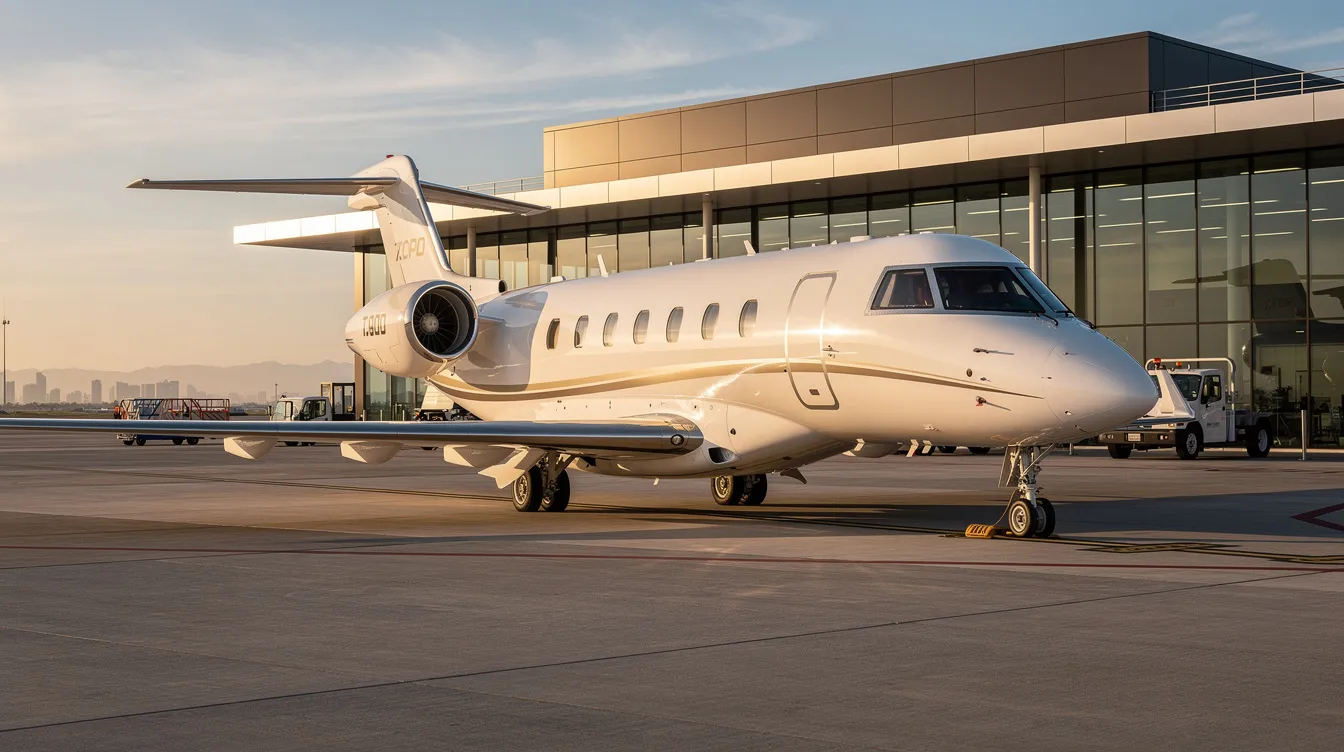
Marquis Jet Cards at a Glance in 2027
The original Marquis Jet model—pioneered in 2001 and acquired by NetJets in 2010—established the template for buying prepaid hours instead of owning a plane. In 2027, that model has matured into a broad category of jet card programs offered by many providers, each competing on rate stability, fleet quality, safety, and sustainability. For high-net-worth and corporate travelers, understanding this evolution is essential.
The core promise of a modern marquis-style jet card remains straightforward: guaranteed availability on private jets, a fixed hourly rate locked for a defined period, and predictable cost compared with ad hoc demand charter. Cardholders receive guaranteed recovery on a backup aircraft at no extra cost, helping reduce disruption when an aircraft becomes unavailable.
Travel option | Payment model | Aircraft access | Typical considerations |
|---|---|---|---|
Jet card | Prepaid hours, often in 25- or 50-hour blocks | Defined aircraft categories; terms vary by provider | Rate protection, availability guarantees, peak-day rules, and fees |
Fractional ownership | Aircraft share plus ongoing management costs | Share of a specific aircraft or fleet | Capital commitment, contract term, and resale considerations |
On-demand charter | Pay per trip | Aircraft sourced for each itinerary | Flexible trip-by-trip booking, but pricing and availability can vary |
Commercial first class | Fare per passenger and itinerary | Scheduled airline service | Fixed routes and schedules, shared terminals, and less privacy |
How does this compare to alternatives? Fractional ownership demands capital investment, monthly management fees, and a long-term commitment. Traditional on-demand charter offers flexibility but introduces price volatility, inconsistent aircraft types, and no prepaid hours, making it less predictable than structured, budget-friendly private aircraft options. Commercial first class lacks door-to-door privacy, access to smaller airports, and schedule control, which is why many travelers learn how to buy a seat on a private jet as an intermediate step before committing to a jet card.
Concrete data grounds the picture: as of Q3 2026, entry-level jet cards averaged $10,958 per occupied flight time hour across North American cabin classes, with high-traffic corridors like New York–South Florida and London–Geneva driving demand among frequent flyers logging 50–100+ flight hours annually.
BlackJet positions its Jet Card programs as a next-generation successor to the early Marquis approach. The broader BlackJet private jet card platform offers a mobile booking interface for jet card customers, carbon-neutral flights on every trip at no added cost, and seamless digital access to multiple cabin categories—all without requiring customers to buy a fractional jet share.
What Is a Jet Card and How Did Marquis Shape the Market?
A jet card in 2027 is a prepaid private aviation product. Jet cards provide prepaid access to private jets, typically in 25-hour or 50-hour blocks, granting access to specific aircraft categories at fixed hourly rates. Jet card programs typically include 25-hour jet card options and 50-hour options, though some providers offer smaller increments. Jet cards eliminate the need for aircraft ownership responsibilities.
Marquis Jet Partners, founded by Kenny Dichter and Jesse Itzler—with Richard Santulli's NetJets fleet as the backbone—pioneered this concept. Marquis Jet Cards were prepaid access programs for private aviation, sold as 25-hour cards drawing from the NetJets fractional fleet. By 2007, the company served roughly 3,500 customers and generated approximately $700 million in annual jet card sales. When NetJets acquired Marquis Jet in 2010, the card program model became an industry standard.
Terminology matters here. “Jet cards” is a category; a single card program is one provider's offering. Fractional jet cards are products tied directly to a fractional fleet—different from pure charter-backed cards, which access third-party charter operators without any ownership stake. Fractional ownership itself means buying a share in a specific aircraft, an entirely separate commitment.
Where do marquis-style jet cards sit? Full aircraft ownership offers maximum control but massive capital outlay. Fractional ownership splits that cost but still requires years-long contracts. On-demand charter provides per-trip flexibility with unpredictable flight pricing. Jet cards occupy the middle: no asset risk, no long-term commitment, and rate stability that charter flights cannot match, making them among the best jet card solutions for frequent flyers.
BlackJet fits here—a private aviation provider offering multi-cabin access, 24/7 digital flight options, and rigorous safety standards, without requiring customers to become fractional owners.
Marquis Jet Cards vs Fractional Ownership and Fractional Jet Cards
Many 2027 travelers are choosing jet cards over fractional ownership because they want flexibility without asset risk. No long-term capital commitment is required with jet card programs, and exit terms are simple: use your hours or renew.
Fractional ownership means buying a share—typically 1/16th or 1/8th—of a specific aircraft. Fractional owners face capital outlay often in the hundreds of thousands, monthly management fees, three-to-five-year minimum contracts, and residual or resale risk, all compounded by fractional jet ownership depreciation dynamics. Fractional programs make sense for very high utilization, but they lock you into one aircraft category and one operator's ecosystem, even though they can offer meaningful tax benefits of fractional jet ownership.
Fractional jet cards, offered by companies like NetJets or Flexjet, serve as stepping stones: access to the fractional jet fleet without buying a share, though often at higher hourly rates than fractional owners pay.
The key contrasts are clear. Capital commitment and residual risk define fractional ownership; a prepaid deposit defines jet cards. Fractional contracts run for years; a card program typically spans 12–24 months. Fractional owners fly one aircraft type; jet card members can move between light jets, midsize, super-midsize, and large-cabin aircraft under one agreement.

Consider a CFO flying 50–75 flight hours per year between New York, Chicago, and Dallas. Owning a fractional jet share means capital locked up, fixed monthly fees regardless of flying, and exit complexity. A 50-hour BlackJet Jet Card lets them lock rates for 12 months, switch cabin sizes based on trip needs, and pause or renew without penalty, closely mirroring broader 50-hour jet card cost structures and benefits. Some jet cards allow customization of flight hours and aircraft types—precisely the flexibility this profile demands.
BlackJet positions its private jet programs as an alternative for travelers flying roughly 25–150 hours per year who prefer operational control without ownership complexity.
Key Features of Modern Marquis-Style Jet Card Programs
Not all jet card programs are equal. Marquis-inspired products share defining features that sophisticated buyers should evaluate before committing money.
The structural pillars of most jet cards include:
A fixed or capped hourly rate, often locked for 12–24 months, protecting against market surges
Access to different planes across cabin classes—light, midsize, super-midsize, and large cabin—under one agreement
Minimum deposit levels, with 25-hour blocks as the typical entry point and 50-hour cards earning better rate locks
Peak-day policies, daily minimums, and blackout dates that can affect cost and guaranteed availability
Jet cards often include 24/7 digital booking tools, and real-time support is a common feature of jet cards in 2027, but buyers still need to understand overall jet card cost and membership pricing. Jet card sales increasingly happen through digital channels: app-based quoting, online contract execution, and advisor-led consultations for complex itineraries.
BlackJet's card program offers 25-hour and 50-hour options, access to multiple aircraft categories under one agreement, hours that never expire, carbon-neutral flights built in as standard, and real-time flight status through its mobile platform.
Understanding Pricing, Fuel Surcharges, and Extra Costs
While marquis-style jet cards are marketed as simple, buyers must understand how pricing actually works, including the broader jet card pricing structures and typical fees. Private jet cards offer predictable pricing without hidden costs or fees—but only when you read the terms carefully.
The core structure: you prepay for a block of flight hours at a fixed hourly rate by aircraft category. The Federal Excise Tax (7.5% for U.S. flights) may or may not be included. As of Q3 2026, hourly rates by cabin ran approximately: light jets ~$8,333/hr, midsize ~$9,607/hr, super-midsize ~$12,485/hr, and large-cabin aircraft ~$14,791/hr—figures that align with broader jet card cost-per-hour benchmarks.
Fuel surcharges exist because jet fuel prices swing. Many jet card providers index surcharges to a Jet A fuel benchmark; some include them in published rates, while others add them separately. A good charter broker or advisor can help identify which approach a provider uses.
Additional fees to ask about include de-icing and hangar space charges in winter, repositioning fees when an aircraft must fly empty to your departure point, peak-day surcharges, and short-notice booking premiums.
A concrete example: a two-hour New York–Palm Beach flight on a light jet. Base rate: ~$8,333 × 2 = $16,666. Add landing and handling fees (~$500–$2,000), a possible peak-day surcharge (+10–20%), and any repositioning cost. All in, expect roughly $19,000–$22,000 for the sector.
BlackJet's stated approach is transparent pricing with fuel surcharges, and FET included in base published rates. Digital trip quotes break down every component before confirmation—review the terms for any itinerary-specific charges.
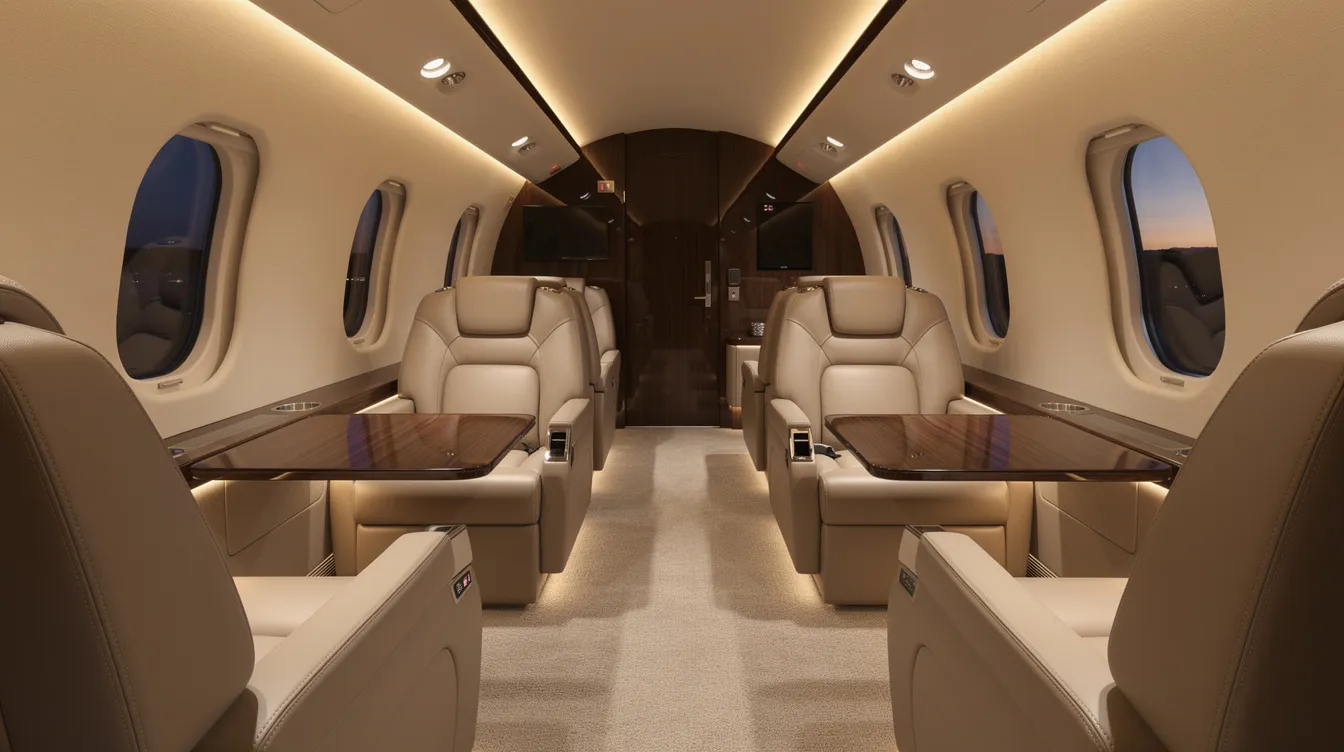
Jet Card Providers and How to Compare Jet Card Programs
The 2027 private jet card space includes dozens of notable jet card providers: legacy fractional operators, charter specialists, and technology-led companies, including detailed offerings such as NetJets jet card cost structures. Different jet card providers offer varying features, and chasing the lowest headline rate alone is a mistake.
Provider or program | Example offering or characteristic | What to verify |
|---|---|---|
NetJets | Leading private aviation provider; 275Card has been cited from $8,600 per hour. | Current aircraft access, rates, taxes, and availability terms |
Wheels Up | Major competitor in the jet card market | Membership and card terms, service area, and fees |
Flexjet | Major competitor with fractional and card options | Fleet access, contract structure, and peak-day rules |
Magellan Jets | Customizable “Build-A-Card” program | Current availability and customization options |
Flight Options | Historical limited-edition 10-hour card cited at $44,000 | Whether any comparable offer is currently available |
Sentient Jet | Historical 20-Hour Holiday Jet Card offer through 2013 | Current card products and terms |
NetJets operates around 1,400 flights per day, with over 40% of Fortune 100 companies as customers, according to company-reported figures. Its 275Card has been cited as starting at $8,600 per hour. Historical examples from other providers should not be mistaken for current offers: Sentient Jet's 20-Hour Holiday Jet Card was available through 2013, while Flight Options offered a limited-edition 10-hour card for $44,000. Magellan Jets has offered a customizable “Build-A-Card” program. Verify all rates and products directly, as terms can change.
Key comparison criteria beyond rate include safety credentials (ARGUS, Wyvern, IS-BAO, FAA Part 135), financial stability, peak-day and blackout policies, fleet quality and newer aircraft availability, and whether a provider uses an owned fleet, managed fleet, or brokered demand-charter model. For aircraft research, confirm the specific model and configuration; a Citation XLS, for example, may differ in cabin layout and operating specifications from other midsize options.
Understand whether a provider operates advisory-led services—where experienced specialists manage flight options, sourcing, and risk—or automated marketplace models. The original Marquis advisory ethos influenced modern high-touch jet card companies, and personal guidance still matters for complex itineraries.
BlackJet combines advisor-led strategy for complex trips and technology for routine bookings, with access to a vetted network of Part 135 operators and standardized safety protocols.
Safety, Technology, and Sustainability in 2027 Jet Card Programs
For serious jet card members, safety, operational resilience, and environmental responsibility now carry as much weight as luxury. Corporate travel policies and family trips alike demand rigorous standards.
Safety expectations include FAA-certificated Part 135 operators (and international equivalents), strict pilot experience minimums with recurrent training, and third-party audits. Jet card companies that go beyond regulations with proprietary certification standards can provide additional assurance. Ask which standards apply to the operator and aircraft assigned to each trip.
Technology's role has expanded. Mobile booking platforms show real-time aircraft availability and flight options. Integrated trip management can handle ground transfers, catering, and schedule changes in-app. Proactive disruption management addresses weather and ATC delays before they cascade.
Jet cards can offer carbon-neutral flight options, and sustainability is increasingly relevant for companies with ESG mandates. Reputable providers disclose offset methodologies and may offer sustainable aviation fuel where available.
BlackJet states that every journey is carbon neutral at no extra cost, offsetting 300% of each flight's impact to account for non-CO₂ effects. Members can see offset volumes per trip through digital dashboards, and BlackJet Certified operators are evaluated against the company's safety, maintenance, and sustainability criteria.
Real-World Use Cases: How Travelers Use Marquis-Style Jet Cards
The value of a marquis-style private jet card is best understood through actual itineraries.
A New York-based executive making monthly London round trips on a 50-hour card may use a large-cabin or ultra-long-range aircraft, subject to route, availability, and program terms. The traveler can work productively during an overnight flight and avoid commercial terminal connections. Door-to-door time saved versus a commercial itinerary varies, but can reach several hours on trips where airport proximity and schedule flexibility matter.
A family using roughly 25 hours annually—winter ski trips from Los Angeles to Aspen, spring breaks to Nassau—can rely on defined cabin categories and predictable pricing. Charter flights may mean different aircraft on each trip, rate changes during holidays, and varying service arrangements.
A project team flying regionally across Europe (Paris–Munich–Zurich) over three months can use a midsize card program to simplify multi-city scheduling. Repeated demand-charter quotes would mean negotiating each leg separately, dealing with availability gaps, and managing different operators.
Where demand charter alone struggles—last-minute peak-day availability, price volatility, or lack of aircraft familiarity—a jet card may provide more consistent access and support, subject to its contract terms.
Is a Marquis-Style Jet Card Right for You? Key Questions and Next Steps
Choosing between jet cards, fractional ownership, and pure demand charter comes down to honest self-assessment.
Ask yourself: How many flight hours per year do you realistically fly—25–50, or 100–200+? Do you need guaranteed availability during holidays and major events? Do you regularly switch between different cabin sizes and routes, or are you focused on access to the top private jets for performance and luxury? How important is fixed, predictable cost versus chasing the lowest spot-market fare?
Jet cards can suit executives and families flying 25–150 hours per year who value time, privacy, and consistency. Corporate travel managers seeking clear safety and ESG policies may also find them useful. Fractional ownership may make sense for travelers exceeding 200 hours annually who want dedicated aircraft access and accept the capital commitment.
Frequently Asked Questions About Marquis-Style Jet Cards
Are Marquis Jet Cards still available in 2027?
Marquis Jet Partners was acquired by NetJets in 2010, and the Marquis brand was later retired. The prepaid access model it helped popularize continues through modern jet card programs, including offerings from NetJets and other private aviation providers. Compare current availability, aircraft categories, pricing, and contract terms directly with each provider.
How does a jet card differ from private jet charter?
A jet card typically requires prepayment for a block of flight hours and may provide fixed or capped rates and defined booking terms. Private jet charter is usually arranged and priced trip by trip, so availability and costs can vary with demand. Compare minimum notice, peak-day rules, taxes, fuel surcharges, and cancellation terms before choosing.
What should I compare when choosing a jet card provider?
Look beyond the advertised hourly rate. Review aircraft access, safety standards and operator certifications, guaranteed availability, backup-aircraft arrangements, peak-day restrictions, extra fees, and financial protections for prepaid funds. Private jet card comparisons are most useful when they assess the same routes, aircraft categories, and booking conditions across providers.
Are jet card flights carbon neutral?
Some jet card programs offer carbon-neutral flights through carbon offsets, while others may provide sustainable aviation fuel where available. Ask how emissions are calculated, what share of flight impact is addressed, and whether the option costs extra. BlackJet states that it offsets 300% of each flight's impact at no added cost.
Which aircraft category should I choose?
Match the aircraft to your typical route, passenger count, and baggage needs. Light jets can suit shorter regional flights; midsize and super-midsize aircraft offer more cabin space and range; large-cabin jets are designed for longer trips and larger groups. A provider can help estimate flight time and recommend an appropriate category for each itinerary.
Conclusion: Choosing Modern Marquis-Style Jet Card Access
Marquis Jet Cards helped establish prepaid private aviation as a practical alternative to aircraft ownership, and the model continues to shape jet card programs in 2027. For travelers weighing private jet access against fractional ownership, on-demand charter, or commercial first class, the right choice depends on annual flight hours, preferred aircraft categories, schedule needs, and tolerance for variable pricing.
A well-matched jet card can combine predictable costs, flexible cabin access, digital booking, responsive support, and clear safety and sustainability standards—without the capital commitment and operational responsibilities of owning an aircraft. Before enrolling, compare availability guarantees, backup-aircraft terms, peak-day rules, fees, operator certification, and how carbon impacts are addressed.
For an executive coordinating a time-sensitive business trip or a family planning several seasonal getaways, those details can turn private aviation from an occasional indulgence into a dependable travel strategy. Explore BlackJet’s Jet Card options to find an approach built around your routes, hours, and priorities.
Elevate your travel—effortlessly. With BlackJet, private flight isn't reserved for a few; it's accessible on your terms through Jet Card programs complete with rigorous safety, carbon-neutral performance, and flexibility. Explore BlackJet's Jet Card options and discover how refined, meaningful travel becomes your new standard.