Private jets represent the pinnacle of flexibility, convenience, and luxury in modern travel, offering discerning individuals and businesses the opportunity to elevate every flight experience. Whether you’re seeking to streamline business operations or enjoy seamless personal journeys, private jets provide unmatched control over your schedule, access to thousands of airports, and the ability to customize every aspect of your journey—from cabin interior to in-flight amenities. Basic amenities for personal jets now often include high-speed Wi-Fi, a galley, and comfortable seating, ensuring a superior travel experience. Additionally, luxury features in personal jets may include gourmet catering, high-end bathrooms, and private bedrooms, further enhancing the exclusivity and comfort of private aviation.
For those exploring the private jet market, pre-owned aircraft present a compelling value proposition. These jets, available for sale from reputable manufacturers and dealers, combine proven performance with significant cost savings compared to new models. Many pre-owned options come with advanced features and can be MSP GOLD APU-enrolled, which helps protect the value of your aircraft and ensure ongoing airworthiness. Pre-purchase inspections are crucial for verifying an aircraft's condition and history, especially for pre-owned jets. Many personal jets for sale come with detailed maintenance logs and records to assure buyers of their condition. Signing up for such programs is a smart step that maximizes your investment and keeps your jet in peak condition. Fuel is often the largest variable expense for personal jets, ranging significantly based on model and usage.
Before proceeding with a purchase, buyers are required to complete a security check. This essential step verifies your identity, confirms you are human (not a bot), and helps prevent spam or unauthorized access to your account. Each step in this process is designed to protect your information and ensure that your transaction is secure, giving you peace of mind as you begin your journey into private aviation.
Once your account is verified, you can start exploring the wide range of private jets available for sale. The market offers a diverse selection of aircraft, from agile light jets with impressive takeoff and range capabilities to larger, more luxurious models featuring spacious cabins and advanced technology. Buyers can find personal jets that are ready for immediate delivery after purchase. Manufacturers provide detailed information on each model’s max range, interior options, and available programs, allowing you to select the jet that best fits your needs and preferences. Light jets typically cover shorter distances up to around 1,500 miles, whereas ultra-long-range jets can exceed 6,000 miles, catering to a variety of travel needs.
To begin, contact a sales team or visit a manufacturer’s website to review available models, sign up for relevant programs, and gather the information you need to make the right choice. With the right support and resources, you can enjoy a seamless, secure, and enjoyable experience as you enter the world of private jet ownership—unlocking a new level of travel freedom, comfort, and value.
Key Takeaways
Personal jets save executives an average of 2-3 hours per business trip compared to commercial aviation, translating to 200+ additional productive hours annually
Entry-level personal jets like the Cirrus Vision Jet start at $2.5 million new, while pre-owned aircraft range from $1.8-15 million, depending on model and vintage
Very Light Jets (VLJs) start around $3 million, designed for short-haul flights with 4-6 passengers
Light Jets are priced from $4 million to $15 million and seat up to 8 passengers, offering more range
Modern personal jets feature advanced safety systems, including CAPS (Cirrus Airframe Parachute System) and automated emergency landing capabilities
Today’s personal aircraft offer 90% lower emissions per passenger-mile than commercial flights when accounting for direct routing and reduced ground operations
Personal jet ownership provides access to over 5,000 airports worldwide, versus 500+ served by commercial airlines
Why Personal Jet Ownership Represents Strategic Investment, Not Luxury
When Fortune 500 executives calculate the true cost of commercial aviation delays, the numbers reveal a compelling case for personal jet ownership that transcends luxury considerations. The modern market for personal jets for sale represents a fundamental shift from ostentatious consumption to strategic business advantage, where time arbitrage and operational efficiency drive acquisition decisions.
Working with an experienced broker can help buyers navigate the market and identify the best personal jet for their needs.
Time Arbitrage Advantage: Direct Flights Eliminate Layovers, Security Delays, and Airport Waiting Times That Cost Executives $500-1,200 Per Hour in Lost Productivity
Commercial aviation requires executives to arrive 1.5-2 hours before departure for security procedures and boarding processes. This puzzle requires Google Translate of time into lost productivity, where a 300-nautical-mile business route typically consumes 3-4 hours elapsed time through commercial channels versus 1.5 hours via personal aircraft. For executives billing at $500-1,200 per hour, this time differential represents $9,000-25,000 in annual value recovery across 20 business trips.
The security check requirements and temporary error delays common in commercial aviation disappear when operating personal aircraft. Private terminals enable 15-30 minute pre-flight procedures, allowing executives to confirm departure timing that aligns with business needs rather than published airline schedules. This operational flexibility helps prevent spam scheduling conflicts that plague traditional business travel. In addition to these scheduling benefits, fractional jet ownership offers significant tax advantages to maximize your investment in private aviation.
Geographic Accessibility: Access Remote Business Locations and Emerging Markets Unreachable by Commercial Aviation
Personal aircraft access over 5,000 airports worldwide compared to roughly 500 served by commercial airlines. This expanded reach enables direct access to emerging markets, manufacturing facilities, and regional business centers that would otherwise require multiple connections and ground transportation segments. The takeoff flexibility from smaller airports often positions businesses closer to their actual destinations, reducing total journey time by 2-4 hours on regional trips.
Meeting Confidentiality: Conduct Sensitive Negotiations and Strategic Planning in a Private Cabin Environment
Board-level discussions and merger negotiations require absolute confidentiality that commercial aircraft cannot provide. Personal jets enable secure communication protocols, confidential document review, and strategic planning discussions without concern for competitive intelligence gathering. This cabin privacy becomes particularly valuable for family office decision-makers and C-suite executives managing sensitive information that could affect market positions or corporate valuations.
Schedule Control: Depart on Your Timeline, Not Airline Schedules, Enabling Same-Day Multi-City Business Trips
Personal aircraft eliminates the rigid scheduling constraints that force business leaders to extend trips unnecessarily. Same-day multi-city missions become routine when departure times align with meeting conclusions rather than published flight schedules. This scheduling flexibility often enables executives to complete multi-location business in a single day that would require 2-3 days through commercial aviation.
Team Productivity: Mobile Boardroom Capabilities Allow Continued Operations During Flight Time
Modern personal jets feature high-speed connectivity, enabling video conferencing, cloud access, and collaborative work sessions during flight operations. The cabin becomes a mobile boardroom where teams can maintain productivity rather than treating flight time as dead space. Owners and passengers can also enjoy convenient access to maintenance information, troubleshooting, and technical data through dedicated apps or onboard systems. This operational continuity represents significant value for businesses where decision-making velocity determines competitive advantage.
Private Jets Categories and Market Options
The current market for personal jets for sale spans multiple categories, each optimized for specific mission profiles and operational requirements. The current inventory of personal jets for sale includes a wide range of models and configurations to suit different buyer needs. Each category is defined by max range, max takeoff distance, and max passenger capacity, highlighting the importance of these maximum specifications when choosing the right jet. Understanding these segmentations enables informed acquisition decisions that align aircraft capability with actual usage patterns and business objectives.
Very Light Jets (VLJ) - Entry Level Personal Aviation
Very light jets represent the democratization of personal aviation, bringing jet travel within reach of successful entrepreneurs and smaller corporate operations. These aircraft typically accommodate 4-7 passengers with operating costs ranging from $1,200 to $2,400 per flight hour, including fuel, maintenance, and crew expenses.
Cirrus Vision Jet G2+: Single-Engine Design with CAPS Safety System, $2.5-3.2 Million New, Seats 5-7 Passengers
The Cirrus Vision Jet revolutionized personal aviation through its single-engine design and integrated Cirrus Airframe Parachute System (CAPS). This aircraft features a Williams International FJ33-5A engine producing 1,846 pounds of thrust, enabling cruise speeds around 311 knots true airspeed with a maximum range of approximately 1,275 nautical miles. The 2,036-foot takeoff distance dramatically expands accessible airports, providing a strategic advantage for businesses operating in secondary markets. The Vision Jet's Williams FJ33-5A engine provides up to 20% increased performance during take-off, ensuring superior operational efficiency. Additionally, the Vision Jet includes Gogo In-Flight Wi-Fi for connectivity, enhancing the in-flight experience for passengers. It is also equipped with Auto Radar powered by Garmin for enhanced weather tracking, further improving safety and operational capability.
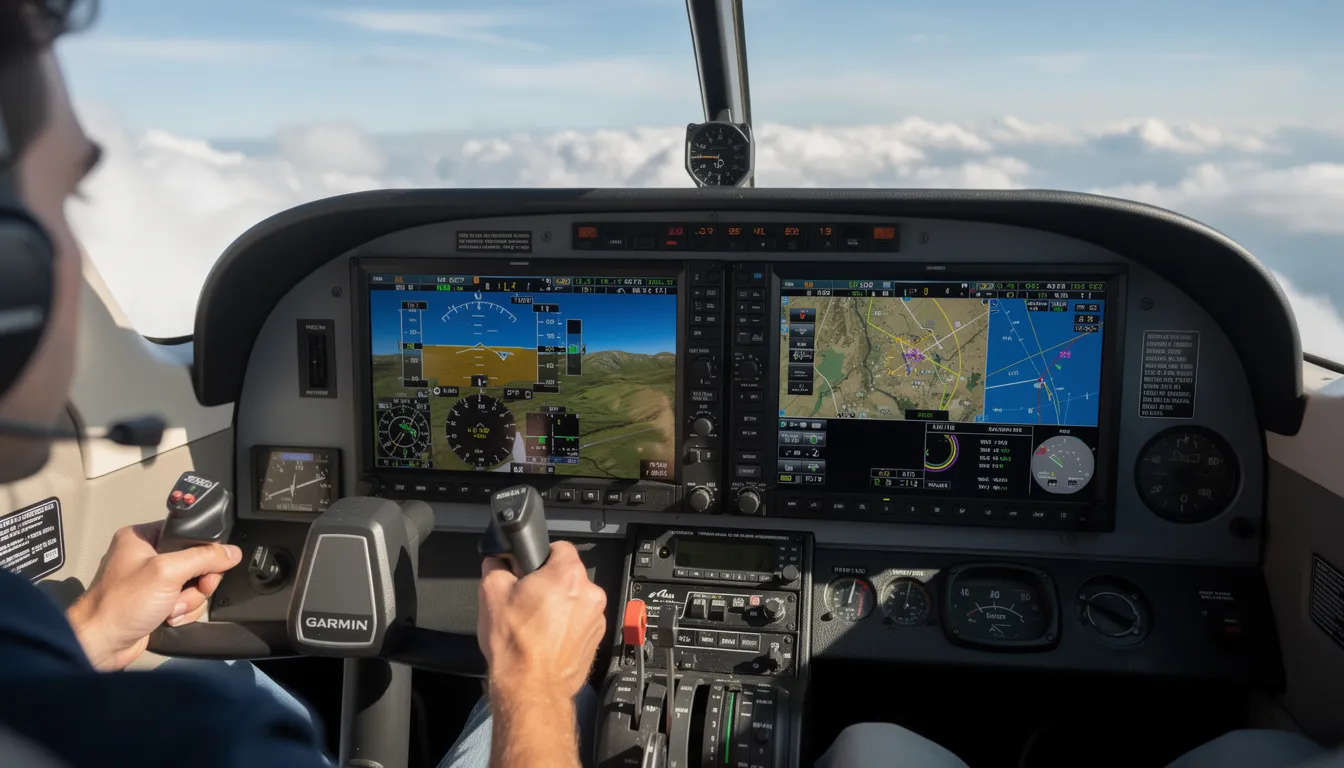
The CAPS system represents a paradigm shift in aviation safety, enabling the entire aircraft to descend safely under parachute in emergency situations. This technology addresses safety concerns that previously limited single-engine jet acceptance among corporate operators. The Garmin G1000 glass cockpit integration provides modern avionics capabilities typically reserved for larger aircraft, including synthetic vision, terrain awareness, and weather radar systems.
Eclipse 550: Twin-Engine Efficiency, $2.9 Million New, Ideal for 400-1,200 Nautical Mile Missions
The Eclipse 550 redefines value positioning in the light jet segment through exceptional operating economics and twin-engine redundancy. With approximately 1,125 nautical miles of range capability and fuel consumption of around 48-59 gallons per hour, this aircraft delivers compelling economics for regular business travel within regional markets. The twin-engine configuration provides operational confidence for overwater flights and challenging weather conditions.
Honda HondaJet Elite S: Over-Wing Engine Design, $5.4 Million New, Industry-Leading Fuel Efficiency
Honda’s automotive manufacturing expertise translates into innovative aviation design through the HondaJet’s over-the-wing engine configuration. This unique approach enhances cabin space, reduces noise levels, and improves aerodynamic efficiency. The aircraft demonstrates how manufacturers from outside traditional aviation are reshaping competitive dynamics and operational economics in the personal jet market.
Light Jets - The Sweet Spot for Most Personal Owners
Light jets occupy the market sweet spot, balancing acquisition costs, operating economics, and capability for most personal aviation missions. These aircraft typically offer 1,400-2,000 nautical mile ranges with enhanced cabin comfort and advanced avionics integration. Prospective buyers can request detailed specifications, maintenance records, or a full report for any light jet under consideration.
Cessna Citation CJ3+: Proven Reliability, $8.5 Million New, 1,500+ Nautical Mile Range
The Citation CJ3+ represents mature design excellence with proven operational reliability across thousands of aircraft deliveries. This aircraft features a maximum cruise speed of 416 knots and a service ceiling of 45,000 feet, enabling efficient operations above commercial airline traffic. The cabin accommodates up to nine passengers in a configuration optimized for business productivity and comfort. The Challenger 300, another popular model, has undergone fresh heavy inspections, including 12, 24, 48, 96, and 192-month inspections, ensuring its continued airworthiness and reliability.
Cessna’s established support network provides global maintenance capability and parts availability, reducing operational complexity for international operators. The aircraft’s short-field performance enables access to challenging airports while maintaining the operational reliability expected from business aviation.
Embraer Phenom 300E: Largest Cabin in Class, $9.65 Million New, Transcontinental Capability
The Challenger 3500 incorporates advanced connectivity systems enabling seamless business operations during extended flights. This aircraft features Ka-band high-speed internet, allowing video conferencing and cloud-based collaboration throughout most flight operations. The 3,400 nautical mile range enables coast-to-coast missions with reserves, while the flat-floor cabin provides maximum utility and comfort. The Challenger 300 has a Pro Line 21 Advanced Avionics Upgrade, further enhancing its operational capabilities and appeal.
Embraer’s focus on passenger experience includes large windows, low cabin altitude, and quiet operation that reduces fatigue during long missions. The aircraft represents excellent value for operators requiring consistent transcontinental capability with enhanced passenger comfort.
Pilatus PC-24: Unpaved Runway Capability, $10.7 Million New, Unique Cargo Door Configuration
The PC-24 stands alone among jets with its unpaved runway capability and large cargo door configuration. This Swiss-engineered aircraft enables access to remote locations and specialized mission profiles that other jets cannot accommodate. The robust landing gear and powerful reverse thrust capability expand the operational envelope beyond typical jet limitations.
The cargo door configuration enables oversized equipment transport, making this aircraft particularly valuable for businesses requiring specialized logistics capability. Medical evacuation configurations and air ambulance operations represent additional mission profiles enabled by this unique design approach.
Pre-Owned Options: 2015-2020 Models Range from $4.5-8.5 Million with Modern Avionics
The pre-owned aircraft market provides compelling value for operators seeking modern capability at reduced acquisition costs. Aircraft from 2015-2020 typically retain current avionics technology while offering 30-50% savings compared to new pricing. These aircraft often feature remaining warranty coverage and established maintenance records that reduce operational risk.
Depreciation patterns create acquisition opportunities where buyers access near-current technology at substantial discounts. The key lies in identifying aircraft with documented maintenance histories and avionics configurations that will remain current for the intended ownership period.
Midsize Jets - Corporate and Long-Range Personal Travel
Midsize jets serve corporate operations and high-net-worth individuals requiring enhanced range, cabin sophistication, and operational capability for transcontinental and international missions. These jets range from around $9 million to $30 million and can perform transcontinental travel for 7-9 passengers, making them a versatile choice for a variety of business and personal travel needs.
Bombardier Challenger 3500: Advanced Connectivity, $26.7 Million New, 3,400 Nautical Mile Range
The Challenger 3500 incorporates advanced connectivity systems enabling seamless business operations during extended flights. This aircraft features Ka-band high-speed internet, allowing video conferencing and cloud-based collaboration throughout most flight operations. The 3,400 nautical mile range enables coast-to-coast missions with reserves, while the flat-floor cabin provides maximum utility and comfort.
Bombardier’s focus on connectivity addresses the modern business requirement for continuous operations regardless of location. The aircraft’s range capability eliminates fuel stops on most North American missions, reducing total trip time and operational complexity.
Cessna Citation Latitude: Flat-Floor Cabin, $18 Million New, Excellent Short-Field Performance
The Citation Latitude combines midsize capability with exceptional short-field performance, enabling access to challenging airports typically reserved for smaller aircraft. The flat-floor cabin design maximizes usable space while maintaining the operational economics that make Citation aircraft attractive for frequent operators.
The aircraft’s 2,700 nautical mile range covers most North American missions while providing backup capability for transcontinental flights with single fuel stops. Short-field performance enables access to airports with 3,000-foot runway limitations, expanding operational flexibility compared to larger midsize competitors.
Used Market Leaders: Challenger 300/350 Series from $6-15 Million, depending on Vintage and Condition
The used market for Challenger 300/350 aircraft provides compelling value for operators seeking super-midsize capability at light jet acquisition costs. These aircraft originally commanded $15-25 million new but now trade for $6-15 million, depending on vintage, condition, and avionics configuration. The Challenger 300, for instance, has a total time since new (TTSN) of 5,186 hours, reflecting its extensive operational history and reliability.
This depreciation creates opportunities for buyers to access transatlantic capability, advanced avionics, and spacious cabins at prices comparable to new light jets. The key lies in thorough pre-purchase inspection and evaluation of remaining component life to ensure long-term operational economics remain attractive.
Advanced Technology Integration in Modern Personal Jets
Contemporary personal aircraft incorporate technology that rivals or exceeds commercial aviation capabilities, creating operational advantages and safety enhancements that justify acquisition decisions beyond pure transportation economics.
Garmin G3000/G5000 Avionics Suites with Synthetic Vision, Weather Radar, and Terrain Awareness
Modern glass cockpit systems have revolutionized personal aviation through integrated flight management, weather detection, and terrain awareness capabilities. The Garmin G3000 and G5000 systems provide synthetic vision technology that creates three-dimensional terrain displays, enabling pilots to maintain situational awareness in low-visibility conditions.
Integrated weather radar enables real-time storm detection and avoidance, while terrain awareness systems provide advanced warning of potential ground proximity threats. These systems working in concert dramatically enhance safety margins and operational capability, particularly for flights into challenging airports or adverse weather conditions.
Autoland Emergency Systems: Automated Approach, Landing, and Braking in Pilot Incapacitation Scenarios
Garmin Autoland technology represents the culmination of decades of avionics advancement, enabling aircraft to automatically navigate to suitable airports, execute instrument approaches, and complete landings without pilot intervention. This system activates through passenger or automated emergency detection, taking control of aircraft systems to ensure safe arrival at appropriate airports.
The system integrates with air traffic control through automated communication, declaring emergencies and receiving vectors to suitable runways. Weather conditions, fuel remaining, and airport capabilities factor into landing site selection, with the system providing passenger communication throughout the emergency procedure. For operators exploring cost-efficient options such as fractional jet ownership, understanding the financial and operational implications can further enhance the value and effectiveness of private aviation solutions.
High-Speed Connectivity: Gogo Avance L5 and Viasat Ka-Band Systems Enabling Video Conferencing and Cloud Access
Business aviation connectivity has evolved from basic email capability to high-speed internet, enabling video conferencing, cloud application access, and collaborative work sessions. Gogo Avance L5 and Viasat Ka-band systems provide broadband-level performance that maintains business productivity throughout flight operations.
These connectivity solutions enable executives to participate in board meetings, conduct client presentations, and access real-time market data without operational interruption. The cabin becomes a mobile office with capability rivaling ground-based business facilities, transforming flight time from dead space into productive business hours.
Cabin Management Systems: iPad-Controlled Lighting, Temperature, Entertainment, and Window Shading
Integrated cabin management systems provide intuitive control over environmental and entertainment systems through tablet-based interfaces. Passengers can adjust lighting zones, temperature settings, window shading, and entertainment options without crew intervention, creating personalized environments optimized for work or relaxation.
Advanced systems integrate with personal devices, enabling seamless connectivity between smartphones, tablets, and aircraft entertainment systems. This integration enhances productivity while providing the comfort and convenience that distinguish personal aviation from commercial alternatives.
Predictive Maintenance: Aircraft Health Monitoring Systems Reducing Unscheduled Maintenance by 35%
Modern aircraft feature integrated health monitoring systems that track component performance, predict maintenance requirements, and optimize operational reliability. These systems analyze engine parameters, flight control performance, and avionics functionality to identify potential issues before they cause operational disruptions.
Predictive maintenance reduces unscheduled downtime by enabling proactive component replacement and system optimization. This technology helps minimize operational disruptions while potentially reducing long-term maintenance costs through optimized replacement timing and improved reliability.
Safety Standards and Certification Requirements
Personal aviation operates under rigorous safety frameworks that often exceed commercial aviation standards in specific categories, creating confidence for operators transitioning from commercial to personal aircraft operations.
Owners and operators frequently access sensitive aircraft data, maintenance records, and flight logs through secure online accounts. To protect these accounts, a multi-step security check is implemented, where each step verifies the user's identity and ensures they are human complete. This process is crucial for preventing bot access and unauthorized use. Continuing through these verification steps is essential for safeguarding both the account and the aircraft's operational data.
FAA Part 23 Certification Standards Require Extensive Testing, Including 1,500+ Test Flights for New Designs
All personal jets undergo comprehensive certification testing that validates structural integrity, system redundancy, and operational performance across extreme conditions. New aircraft designs require 1,500+ test flight hours covering normal operations, emergency procedures, and system failure scenarios.
Certification standards address structural loads, system reliability, performance verification, and operational procedures to ensure aircraft meet or exceed safety requirements. This testing regime provides assurance that personal aircraft incorporate safety standards comparable to or exceeding commercial aviation requirements.
Annual Inspection Requirements: 100-Hour, Annual, and Progressive Maintenance Programs Ensure Airworthiness
Personal jets operate under maintenance programs that require regular inspection and component replacement based on operating hours, calendar time, and cycle counts. Annual inspections provide comprehensive system evaluation, while 100-hour inspections address routine maintenance requirements for high-utilization aircraft.
Progressive maintenance programs enable continuous airworthiness monitoring through scheduled component replacement and system upgrades. These programs maintain aircraft reliability while providing predictable maintenance scheduling that enables operational planning and budget forecasting.
Pilot Training Standards: Type Ratings Required for Jets Over 12,500 Pounds, Recurrent Training Every 6-12 Months
Personal jet operation requires specialized pilot training, including type rating certification for specific aircraft models. These programs ensure pilots understand aircraft systems, emergency procedures, and operational limitations specific to their assigned aircraft.
Recurrent training requirements mandate regular proficiency checks and emergency procedure practice to maintain operational competency. This training ecosystem maintains professional standards comparable to commercial aviation while ensuring pilots remain current on aircraft-specific procedures and regulatory requirements.
Safety Statistics: Personal Jets Have Accident Rates 85% Lower Than General Aviation and Comparable to Commercial Airlines
Personal aviation safety statistics demonstrate accident rates significantly lower than general aviation and comparable to commercial airline operations. Turbine aircraft operating under professional maintenance and pilot training standards achieve safety levels that exceed most transportation alternatives.
Modern avionics, redundant systems, and professional training requirements create safety margins that address historical concerns about personal aviation operations. These statistics provide confidence for executives and families considering personal aircraft operations.
Insurance Requirements: Hull and Liability Coverage typically $1-5 Million Minimum, depending on Aircraft Value
Personal jet operations require comprehensive insurance covering hull damage, passenger liability, and third-party coverage. Underwriting typically requires documented pilot qualifications, maintenance records, and operational procedures that meet insurance company standards.
Insurance requirements create additional safety gatekeeping that ensures professional operational standards across personal aviation operations. These requirements provide financial protection while maintaining operational discipline that contributes to overall safety performance.
Sustainability and Environmental Considerations
Personal aviation leadership increasingly integrates environmental responsibility through sustainable fuel adoption, operational efficiency improvements, and carbon offset programs that address environmental concerns while maintaining operational capability.
Sustainable Aviation Fuel (SAF) Compatibility: Modern Jets Approved for 50% SAF Blend, Reducing Lifecycle Emissions by 80%
Contemporary personal jets feature SAF compatibility, enabling 50% sustainable fuel blending without modification to existing aircraft systems. SAF production from waste materials and renewable feedstocks provides 80% lifecycle emission reductions compared to traditional Jet A fuel while maintaining equivalent performance characteristics.
SAF availability continues expanding at major airports, with regulatory pathways enabling increased blending percentages as production capacity grows. Personal jet operators often lead SAF adoption due to operational flexibility and environmental consciousness among high-net-worth operators.
Efficient Routing: Direct Flights Reduce Fuel Consumption by 25-40% Compared to Commercial Airline Hub-and-Spoke Routing
Personal aircraft enable point-to-point routing that eliminates hub-and-spoke inefficiencies inherent in commercial aviation systems. Direct routing reduces total fuel consumption by 25-40% compared to commercial alternatives requiring connections and aircraft repositioning between markets.
Multi-stop missions become particularly efficient when accomplished through direct personal aircraft routing rather than multiple commercial segments. This operational efficiency often results in lower total fuel consumption for complex itineraries despite aircraft size differences.

Next-Generation Engines: Pratt & Whitney PW800 and Williams FJ44 Series Offer 15-20% Better Fuel Efficiency
Modern engine technology, incorporating advanced materials, computational modeling, and manufacturing precision, delivers dramatic fuel efficiency improvements over previous generations. The Pratt & Whitney PW800 series and Williams FJ44 engines provide 15-20% efficiency gains while maintaining reliability and performance.
These efficiency improvements compound over aircraft lifespans of 25-30 years, translating to millions of gallons of fuel saved compared to older generation aircraft. Technology advancement continues to drive efficiency gains that reduce environmental impact while maintaining operational performance.
Carbon Offset Programs: Manufacturers and Operators Offer Verified Offset Programs for Remaining Emissions
Comprehensive carbon offset programs enable personal jet operators to address residual environmental impact through verified offset investments in renewable energy, reforestation, and carbon capture projects. These programs provide immediate environmental impact mitigation while sustainable technology continues to develop.
Leading manufacturers and operators integrate offset programs into aircraft acquisition and operational packages, enabling environmental responsibility without operational compromise. This approach acknowledges environmental concerns while providing practical solutions for environmentally conscious operators.
Electric and Hybrid Development: Eviation Alice and Other Electric Aircraft Targeting 2026-2028 Certification
Electric and hybrid aircraft development promises zero-emission personal aviation for regional missions. Companies like Eviation are developing electric aircraft with 2026-2028 certification targets, initially covering missions under 500 nautical miles with 8-10 passenger capacity.
These developments represent the future direction of personal aviation, with electric powertrains providing quiet operation, reduced maintenance, and zero operational emissions. Early adopters in personal aviation often drive technology advancement that benefits broader aviation markets.
Market Analysis and Pricing Dynamics
The current marketplace for personal jets for sale reflects supply constraints, evolving buyer preferences, and financing availability that create both challenges and opportunities for potential aircraft owners.
New Jet Delivery Times: 12-36 Months Depending on Manufacturer and Customization Requirements
Manufacturing constraints and order backlogs extend delivery times for new aircraft to 12-36 months, depending on manufacturer capacity and customization complexity. This timeline requires long-term planning for operators with specific delivery requirements or seasonal operational needs.
Complex interior customization and avionics integration can extend delivery schedules beyond baseline timeframes. Buyers should consider these timelines when evaluating new versus pre-owned aircraft alternatives, particularly for time-sensitive operational requirements.
Pre-Owned Aircraft Market Premiums: 2018+ Aircraft Commanding 85-95% of New List Price Due to Supply Constraints
Supply constraints in new aircraft production create premium pricing for recent pre-owned aircraft, with 2018+ models often commanding 85-95% of new list pricing. This market dynamic reflects an immediate availability premium and demonstrates strong value retention for quality aircraft.
These pricing dynamics create interesting acquisition strategies where buyers may prefer new aircraft ordering with extended delivery times over premium-priced pre-owned alternatives. Market timing and specific requirements determine optimal acquisition approaches.
Geographic Pricing Variations: The US Market Offers 15-25% Better Value Than European or Asian Markets
Geographic pricing variations create arbitrage opportunities for buyers willing to consider aircraft location as part of an acquisition strategy. The US market typically offers 15-25% better value compared to European or Asian markets due to a larger aircraft population and market liquidity.
Import duties, registration costs, and compliance requirements affect total acquisition costs for international purchases. However, significant price differentials often justify these additional costs for price-sensitive buyers with operational flexibility.
Financing Options: 80% LTV Available at 4.5-6.5% for Qualified Buyers, Operating Leases from $25,000-75,000 Monthly
Specialized aviation lenders provide financing up to 80% loan-to-value for qualified buyers with demonstrated net worth and income capability. Interest rates typically range from 4.5-6.5% depending on buyer qualifications, aircraft vintage, and loan terms.
Operating lease alternatives provide 100% financing with monthly payments ranging from $25,000 to $75,000, depending on aircraft value and lease terms. These arrangements enable aircraft access without capital commitment while providing operational flexibility and potential tax advantages.
Depreciation Curves: First-Year 10-15%, Then 5-8% Annually for Well-Maintained Aircraft
New aircraft typically depreciate 10-15% in the first year, followed by 5-8% annual depreciation for well-maintained aircraft with documented maintenance histories. Depreciation rates vary significantly based on market conditions, aircraft utilization, and technological obsolescence.
Understanding depreciation patterns enables strategic acquisition timing for buyers seeking optimal value. The used market often provides compelling economics for buyers willing to accept moderate depreciation in exchange for immediate availability and reduced acquisition costs.
Personal Jet Acquisition Process and Due Diligence
Successful aircraft acquisition requires comprehensive due diligence, professional inspection, and proper documentation to ensure operational reliability and legal compliance throughout the ownership period. Consulting with an aviation expert is recommended to navigate the complexities of personal jet ownership and management. Working with a reputable dealer can streamline the acquisition process and provide access to exclusive aircraft not always available on the open market. For more information or to begin the acquisition process, contact our sales or support team for personalized assistance.
Pre-Purchase Inspection Requirements: 40-80 Hour Comprehensive Evaluation Including Engine Borescope and Avionics Testing
Professional pre-purchase inspections require 40-80 hours of comprehensive evaluation covering airframe, engines, avionics, and interior systems. Engine borescope inspection reveals an internal condition that affects long-term reliability and operating costs.
Avionics testing verifies system functionality and identifies potential upgrade requirements that could affect operational capability or regulatory compliance. This technical evaluation helps identify immediate maintenance requirements and long-term operational costs that affect total ownership economics.
Title and Lien Searches: Verify Clear Ownership Through FAA Aircraft Registry and International Databases
Aircraft title searches verify clear ownership and identify potential liens or encumbrances that could affect ownership transfer. FAA Aircraft Registry research provides official ownership documentation, while international databases identify potential issues for aircraft with global operational history.
Professional title companies specialize in aircraft transactions and provide insurance against title defects that could affect ownership rights. This protection becomes particularly important for high-value aircraft with complex ownership histories or international registration.
Maintenance Record Review: Complete Logbook Audit for Compliance and Identifying Potential Issues
Comprehensive maintenance record review identifies compliance with regulatory requirements and reveals potential issues that could affect operational reliability or resale value. Complete logbook documentation demonstrates proper maintenance practices and component replacement history.
Missing or incomplete records can indicate maintenance issues or regulatory non-compliance that create operational risk and potential costs. Professional maintenance review helps identify these issues before purchase completion to enable informed acquisition decisions.

Escrow and Closing Process: 30-45 Day Timeline Including Final Inspection and Document Preparation
Aircraft purchase transactions typically require 30-45 days for escrow, final inspection, and document preparation. This timeline enables proper due diligence while providing structure for complex transactions involving multiple parties and regulatory requirements.
Escrow services protect the buyer and seller's interests while ensuring proper fund handling and document preparation. Professional aircraft transaction specialists help navigate regulatory requirements and ensure proper completion of all necessary documentation.
Post-Acquisition Setup: Insurance, Hangar Arrangements, Crew Hiring, and Maintenance Program Enrollment
Successful aircraft operation requires immediate post-acquisition setup, including insurance coverage, hangar arrangements, crew hiring, and maintenance program enrollment. These operational requirements affect immediate aircraft availability and long-term operating costs.
Professional aircraft management companies provide turnkey solutions for post-acquisition setup and ongoing operations. These services enable owners to benefit from aircraft access without operational complexity interfering with core business activities.
Customizing Your Jet: Tailoring Luxury, Comfort, and Brand Identity
In today’s competitive private aviation market, the ability to customize your jet is more than a luxury—it’s a strategic advantage that allows owners to express their unique vision and elevate the value of their aircraft. Whether you’re acquiring a new or pre-owned aircraft, customization options enable you to transform the cabin into a reflection of your personal taste or corporate identity. From the moment you begin working with designers and manufacturers, you have the opportunity to select every detail, ensuring your aircraft stands out in the market and delivers an unparalleled travel experience. Customization not only enhances comfort and aesthetics but also increases the long-term value and appeal of your jet, making it a key consideration for discerning buyers and sellers alike.
Interior Design Options: Materials, Seating Configurations, and Color Schemes
The interior of a private jet is where luxury and functionality converge, offering a wide array of options to suit any preference or mission profile. Owners can select from premium materials such as hand-stitched leathers, exotic woods, and custom metal finishes to create a sophisticated and inviting environment. Cabin comfort is enhanced in larger jets, which offer more headroom and space to move around, especially important for long flights. Seating configurations are highly flexible, allowing for arrangements that maximize passenger comfort, facilitate in-flight meetings, or provide restful spaces for long-range flights. Color schemes can be tailored to match your personal style or reinforce your company’s brand, with choices ranging from bold, contemporary palettes to timeless, understated tones. These interior options not only enhance the in-flight experience for passengers but also contribute to the overall value and appeal of the aircraft at the time of sale. By working closely with experienced designers, owners can ensure that every aspect of the cabin is optimized for both comfort and productivity, making each journey as enjoyable as it is efficient.
Bespoke Features: In-Flight Offices, Entertainment Suites, and Wellness Amenities
For those seeking the ultimate in personalization, private jets can be equipped with bespoke features that transform the cabin into a multifunctional sanctuary. In-flight offices are designed to support productivity at 40,000 feet, featuring ergonomic seating, advanced connectivity, and dedicated workspaces that allow business to continue seamlessly during flight. Entertainment suites offer passengers a cinematic experience, complete with high-definition screens, immersive sound systems, and plush seating for relaxation or socializing. Wellness amenities, such as private lavatories with showers, ambient lighting, and air purification systems, ensure that every journey is as rejuvenating as it is luxurious. These custom features not only set your aircraft apart in the private aviation market but also provide a tailored environment that meets the diverse needs of today’s travelers. By investing in bespoke amenities, owners can create a private jet experience that is truly unmatched, enhancing both the comfort and value of their aircraft for every flight.
Jet Management and Operation
Professional Management Companies: Services from Scheduling to Maintenance Oversight
Entrusting your private jet or pre-owned aircraft to a professional management company is a strategic move that enhances both the value and enjoyment of ownership. These companies handle every aspect of aircraft operation, from flight scheduling and crew coordination to maintenance oversight and regulatory compliance. By leveraging their expertise, owners can ensure that their aircraft is always ready for takeoff, with every detail—from range planning to cabin preparation—meticulously managed. This comprehensive approach not only maximizes the operational value of your jet but also allows you to enjoy the benefits of private aviation without the administrative burden. Whether your aircraft is used for frequent business flights or occasional leisure trips, a reputable management company helps you navigate the complexities of the market, ensuring your investment remains secure and your travel experience seamless.
Crew Recruitment and Training: Ensuring Safety, Service, and Compliance
The caliber of your flight crew is fundamental to the safety, comfort, and overall success of every journey. Professional management companies excel at recruiting and training pilots and cabin crew who are intimately familiar with your specific aircraft model, its range capabilities, and unique cabin features. These crew members participate in rigorous training programs, often in partnership with the manufacturer, to master takeoff procedures, emergency protocols, and the latest service standards. This commitment to ongoing education not only protects your passengers but also ensures that every flight meets the highest expectations for safety and service. In a competitive market, having a well-trained crew enhances the reputation and value of your aircraft, providing peace of mind and a superior travel experience for all on board.
Ongoing Operating Costs: Fuel, Hangar, Maintenance, and Crew Salaries
Owning a private jet or pre-owned aircraft involves a range of ongoing operating costs, including fuel, hangar fees, scheduled maintenance, and crew salaries. Managing these expenses efficiently is essential to preserving the value of your aircraft and avoiding unexpected disruptions, such as a security check or temporary error that could ground your flight. Maintenance costs for personal jets can be very high, including routine upkeep and unexpected repairs. Professional management companies work closely with owners to develop tailored financial plans that account for the aircraft’s typical flight range, usage patterns, and maintenance needs. By enrolling in cost-saving programs like MSP Gold for APU coverage, owners can reduce downtime and control long-term expenses. These proactive strategies help maintain the aircraft’s market value and ensure that your account remains in good standing, allowing you to enjoy reliable, worry-free operations throughout the year.
Regulatory Compliance: Adhering to FAA and International Standards
Navigating the complex landscape of regulatory compliance is a critical responsibility for private jet owners, especially when operating pre-owned aircraft across multiple jurisdictions. Professional management companies provide invaluable support by monitoring changes in FAA and international regulations, coordinating regular inspections, and maintaining meticulous records to confirm ongoing airworthiness. This diligent approach not only protects passengers and crew but also safeguards the value of your aircraft in the global market. By implementing comprehensive compliance programs—including routine audits, security checks, and crew training—owners can confidently enjoy their flight experience, knowing that every standard is met and every requirement is fulfilled. Staying ahead of regulatory demands not only prevents costly penalties but also enhances the aircraft’s appeal to future buyers, ensuring a smooth transition should you decide to list your jet for sale.
Frequently Asked Questions
What are the total annual costs of owning a personal jet beyond the purchase price?
Fixed costs include insurance ($25,000-150,000), hangar rental ($25,000-100,000), annual inspection ($35,000-75,000), and crew salary if applicable ($180,000-350,000 for two pilots). Variable costs include fuel ($1,800-4,500 per hour), maintenance reserves ($800-2,200 per hour), and landing fees ($150-800 per landing). Total annual costs typically range from $750,000 to $2.5 million for 100-200 flight hours, depending on aircraft size. These figures help buyers understand the complete financial commitment beyond the initial purchase price.
How do I determine the right size personal jet for my mission requirements?
Analyze your typical passenger count (including crew), most common route distances, required payload for luggage and equipment, and runway length limitations at your frequent destinations. Very light jets work for 1-4 passengers on trips under 1,000 miles, light jets handle 4-8 passengers up to 2,000 miles, while midsize jets accommodate 6-10 passengers on transcontinental or international routes. Consider your longest 10% of trips as the sizing criteria rather than average missions to ensure capability for critical business requirements.
What financing options exist for personal jet purchases, and what are the qualification requirements?
Banks offer aircraft loans up to 80% loan-to-value for qualified borrowers with 700+ credit scores and demonstrable net worth of 2- 3x the aircraft value. Operating leases provide 100% financing with monthly payments but no ownership benefits. Finance companies like Global Jet Capital and Wells Fargo Equipment Finance specialize in aircraft lending with terms of 5-20 years. Alternative options include fractional ownership programs, jet cards, and sale-leaseback arrangements for existing aircraft owners who need to access equity while maintaining operational capability.
How does aircraft registration and international travel work for personal jet owners?
Aircraft must be registered in the owner’s country of residence or through offshore trusts for privacy. US N-numbers are most widely accepted internationally, while Cayman Islands, Isle of Man, and San Marino registrations offer tax advantages. International flights require advance customs and immigration clearance, with eAPIS filing required for US entries. Permit requirements vary by country, with some requiring advance approval and others allowing arrival with proper documentation. Consider hiring international trip support services for complex itineraries to ensure compliance and operational efficiency.
What are the key differences between buying new versus pre-owned personal jets?
New aircraft offer full warranties, latest avionics and safety features, custom interior selection, and known maintenance history, but require 12-36 month delivery times and full depreciation impact. Pre-owned aircraft provide immediate availability, established maintenance records, proven reliability data, and significant cost savings (30-60% off new pricing) but may require immediate upgrades and have limited warranty coverage. The sweet spot is often 3-7 year old aircraft with modern avionics, remaining warranty coverage, and documented maintenance history that balances cost savings with operational reliability.
Conclusion
Investing in a personal jet offers unparalleled advantages in time savings, operational flexibility, and privacy, transforming how executives and business leaders approach travel. With a wide range of options—from entry-level very light jets to midsize and long-range aircraft—buyers can find a personal jet that fits their mission requirements and budget. Advances in technology, safety systems, and sustainability further enhance the value proposition, making personal jet ownership a strategic business decision rather than a mere luxury. Whole ownership is best for individuals or businesses flying 300-400+ hours annually, providing flexibility and privacy. Whether purchasing new or pre-owned, thorough due diligence and understanding of market dynamics are essential to maximize the benefits of personal aviation. Ultimately, owning a personal jet empowers individuals and companies to optimize productivity, access remote locations, and maintain confidentiality, securing a competitive edge in today’s fast-paced global economy.


 Sign up with google
 Sign up with Apple