Executive Overview: How Much Does It Cost to Become a Pilot in 2026?
Becoming an airline pilot from zero experience typically costs $70,000 to $130,000 when pursued through Part 61 or academy-accelerated programs. Collegiate programs that bundle a four-year degree with flight training often push the total to $180,000 or more. Here is where the major milestones fall in 2026:
Sport pilot certificate: $4,500 to $7,500
Private pilot license cost: $9,800 to $15,000 (many students land in the $12,000 to $18,000 range depending on region)
Instrument rating: $8,000 to $14,000
Commercial pilot license: $20,000 to $35,000 (incremental, after PPL and IR)
Full "zero to airline" track including CFI ratings and ATP: $80,000 to $130,000
Flight school cost includes more than the hourly airplane rate. It covers aircraft rental, instructor time, ground school, written exams, medical exams, checkride fees, headsets, and supplies. Prices here reference 2025 and 2026 U.S. market rates at reputable Part 61 and Part 141 schools in states like Texas, Florida, and Arizona.
The investment pays back by opening a path into the aviation industry. Over time, that investment is what turns training into a career as a professional pilot, with U.S. airline captains at major carriers earning median pay above $200,000 per year in the mid-2020s; regional first officers typically start between $60,000 and $100,000 annually.
While BlackJet is not a flight school, many of our clients and partner pilots use premium private jet access and Jet Card programs for time-critical travel to checkrides, training facilities, and airline interviews. The discipline behind pilot training mirrors the precision our Jet Card members expect from every flight.
Cost Breakdown by Pilot Certificate and Rating
This section is the core price list. All estimates assume student pilots train consistently (two to four flights per week) and finish close to FAA minimums plus a realistic buffer. A quick note on terminology: the FAA issues "certificates," not "licenses," but phrases like "private pilot license" and "commercial pilot license" remain common usage. Both terms appear here.
Sport Pilot License Cost
The sport pilot certificate is the lowest-cost entry point into aviation. It covers day VFR flying in light sport aircraft with restrictions on passengers, airspace, and speed. A sport pilot license costs between $4,500 and $7,500 in 2026, assuming 20 to 30 flight hours in light sport trainers at $130 to $190 per hour, including instruction. No FAA medical exam is required; a valid U.S. driver's license typically suffices, cutting upfront cost and admin time. This certificate does not qualify for an airline or professional aviation career, but it works as a recreational starting point or stepping stone.
Private Pilot License Costs (PPL)
The private pilot certificate is the most common starting point for aspiring pilots who want to become a pilot for business or leisure. The cost to obtain a private pilot license typically ranges from $10,000 to $25,000 depending on location. In practice, most students fall between $9,800 and $15,000 at competitive schools, rising to $18,000 or more in coastal metros.
The FAA requires a minimum of 40 flight hours for a private pilot license, but averages are closer to 60 to 75 hours. PilotBound's 2026 cost report puts the median all-in PPL cost at $18,083 based on a 72-hour average. Typical components:
50 to 70 flight hours at $160 to $250/hr wet with a certified flight instructor
Ground instruction and ground school: $300 to $800
Books, headset, supplies: $500 to $1,000
FAA written exam: ~$175
Checkride fees: $700 to $1,200
Private pilot training takes 14 days to 6 months depending on training program intensity, and most students complete their private pilot license in 3 months when flying three or more times per week.
Instrument Rating Cost
The instrument rating allows flight under IFR, through clouds and low visibility. It is essential for anyone planning a commercial pilot career. Instrument rating generally costs between $8,000 and $18,000 depending on training aircraft, simulator mix, and existing flight hours. At competitive schools, the range narrows to $8,000 to $14,000. Instrument rating training lasts 10 days to 3 weeks in accelerated programs, longer in part-time schedules.
Key cost components include 40 or more hours of instrument training time, simulator sessions at $70 to $150 per hour, cross-country IFR flights, and a checkride ($800 to $1,200). Many flight schools now blend simulator and aircraft time to reduce flight training costs without sacrificing proficiency. Modern glass cockpit aircraft raise hourly rates but better prepare students for airline and business jet cockpits, a factor that aligns with the safety culture BlackJet expects from pilots flying our card members.
Commercial Pilot License (CPL) Cost
The commercial pilot certificate allows a pilot to be paid for flying. Commercial pilot license costs can range from $25,000 to over $60,000 depending on flight hours, aircraft type, and training path. At most competitive programs, the incremental CPL cost after PPL and IR falls between $20,000 and $35,000.
The major difference between Part 141 and Part 61 matters here: commercial pilot training requires 190 total flight hours under Part 141 versus 250 under Part 61. Example scenario: a student finishing private pilot training at 60 hours who needs to reach 190 hours (Part 141) must log roughly 130 additional hours. At a blended rate of $200 to $300 per hour for complex and multi-engine aircraft, the math adds up quickly. Commercial training also includes a practical exam and checkride fees.
Flight Instructor and Airline Transport Pilot Costs
Many pilots become a flight instructor to build the 1,500 hours required for the airline transport pilot certificate while earning income. The main instructor ratings are:
CFI (Certified Flight Instructor): Allows you to instruct students in single-engine aircraft.
CFII (Certified Flight Instructor-Instrument): Permits you to instruct students in instrument flying.
MEI (Multi Engine Instructor): Qualifies you to instruct students in multi-engine aircraft.
In 2026:
CFI course: $6,000 to $12,000, typically about 4 weeks of training
CFII (instrument instructor): $4,000 to $8,000
MEI (multi engine instructor): $6,000 to $12,000
The ATP (Airline Transport Pilot) certification itself costs $4,000 to $8,000, covering ground training, simulator time, and the ATP checkride. Some airlines reimburse part or all of this once hired. The total cost for a professional airline pilot program from zero experience through ATP runs about $96,838.86 at structured academies. These qualifications set the standard for pilots who fly for private jet operators, including those serving BlackJet card members.
Key Factors That Drive Flight Training Costs
A private pilot license costs $10,000 at one flight school and $17,000 at another for the same certificate. The gap comes down to a handful of controllable variables.
Aircraft Type and Rental Rate
Aircraft type affects training costs more than almost any other factor. Aircraft rental rates average around $165 per hour nationwide for basic trainers (PilotBound). Older Cessna 152s or early 172s rent at $130 to $180 per hour. Modern aircraft like the Diamond DA40 or Sling NGT run $170 to $250 per hour. Multi-engine aircraft cost $280 to $450 per hour, raising advanced rating expenses.
Instructor Rate and Quality
Flight instructor fees add materially to total training costs. Typical certified flight instructor rates in 2026 run $60 to $120 per hour depending on region and experience. Flight instructor time spent on ground instruction is usually billed at $50 to $80 per hour. An excellent instructor helps students complete training near FAA minimums; a poor match can add 15 to 20 extra hours. Two students with identical goals but different instructor consistency can see final cost differences of $3,000 or more.
Training Frequency and Consistency
Training frequency impacts overall pilot training expenses. Flying consistently 3 to 5 times per week helps retain skills and reduces total flight hours needed. Two private pilot students may differ by 20 to 30 flight hours based purely on how often they train, equating to an extra $3,000 to $7,000 in cost. Students who schedule lessons consistently are training efficiently, finish faster, and lower total cost.
Location, Airspace, and Airport Fees
Location affects training costs due to airspace congestion. Busy towered airports in major metros increase taxi and hold time, raising Hobbs-meter costs without adding instructional value. Quiet non-towered airports let students accomplish more per flight hour. Location impacts flight school costs due to higher rates in metropolitan areas; fuel, ramp fees, and landing fees all trend upward near coastal hubs. Some students plan airspace training at busy fields like Dallas-Fort Worth specifically to build ATC experience for airline careers.
Part 61 vs. Part 141: How Structure Impacts Price for Pilot Training
Training structure influences costs due to differences between Part 61 and Part 141 schools. Part 61 refers to a flexible, less-structured training path where students can train at their own pace, often around work or family commitments. Part 141 refers to FAA-approved flight schools that follow a structured curriculum with lower minimum hour requirements for some certificates.
Key comparison:
Part 141: Structured syllabus, lower hour minimums, eligible for GI Bill benefits at approved schools, often required for international students seeking visas
Part 61: Flexible pacing, higher hour minimums, better for part-time training, widely available
Many flight schools hold both certifications and let domestic students choose based on schedule and career path.
Hidden and "Add-On" Expenses in Flight Training Costs
Hidden fees such as medical exams, written test fees, and checkride costs add thousands to pilot training expenses. Budget for these before signing any enrollment agreement:
FAA knowledge tests: ~$175 each
Checkride fees: $700 to $1,500 per practical exam
Medical exam (third-class): $100 to $250
High-quality aviation headsets and other supplies: $200 to $1,200
TSA/SEVIS fees for international students
Fuel surcharges (some schools adjust rates quarterly)
These items routinely add 10% to 20% beyond base quotes.
How to Finance Flight School Cost and Manage Cash Flow
Most pilots don't pay the full cost upfront. Flight training costs range from $9,800 to $130,000 depending on career goal, so financing is common. Options include private education loans from Sallie Mae and Stratus (both offer popular flight training loans), Meritize, and AOPA Finance. Interest rates for aviation training loans in the mid-2020s typically run 8% to 12%. ATP Flight School offers flexible financing options for students pursuing accelerated programs. GI Bill benefits can cover FAA-approved flight training costs, but only at approved Part 141 schools.
Scholarships, Grants, and Creative Funding
Many aviation organizations provide scholarships for flight training. AOPA, EAA, Women in Aviation International, and the Ninety-Nines all run programs that offset private pilot license price and advanced ratings. Application volume is often low; students plan wisely by applying 6 to 12 months before they begin training. Some students trade airport work (aircraft washing, line service, social media) for discounted flight time, directly reducing total training cost.
Pay-As-You-Go vs. Fixed-Cost Packages
Many flight schools let students pay as you go, billing per lesson. Others offer fixed-cost "zero-to-airline" packages that bundle hours, ground school, and checkride fees into one program cost. Block-hour discounts (prepaying 10 to 25 hours) can lock in lower rates. Read contracts for refund policies, expiration dates, and fuel surcharges before committing.
Strategies to Reduce Your Total Pilot Training Costs
The efficient path to any pilot certificate is training smarter, not cutting corners.
Maximize Every Flight Lesson
Pre-lesson briefing and post-flight debriefs reduce repetition. Students who study checklists and practice procedures on the ground spend expensive aircraft time flying, not reviewing. Chair flying and desktop simulators can trim 5 to 10 flight hours from a private pilot course, saving $1,000 to $2,000.
Use Simulators and Technology Wisely
Using flight simulators can reduce training costs, especially for instrument training and commercial maneuvers. FAA-approved ATDs and FTDs bill at $70 to $150 per hour versus $165 or more for aircraft. Tablet apps like ForeFlight build avionics familiarity between flight lessons. BlackJet applies a similar philosophy with digital booking tools that streamline operations for our members and crew.
Choose the Right School and Training Environment
The best flight school is not always the cheapest. Evaluate safety record, aircraft maintenance, instructor turnover, and scheduling reliability. Ask for realistic average hours to completion, not FAA minimums. Visit facilities, speak with current flight students, and take a discovery flight before committing. Joining a flying club can also lower hourly aircraft rental rates compared to flight schools for time-building phases.
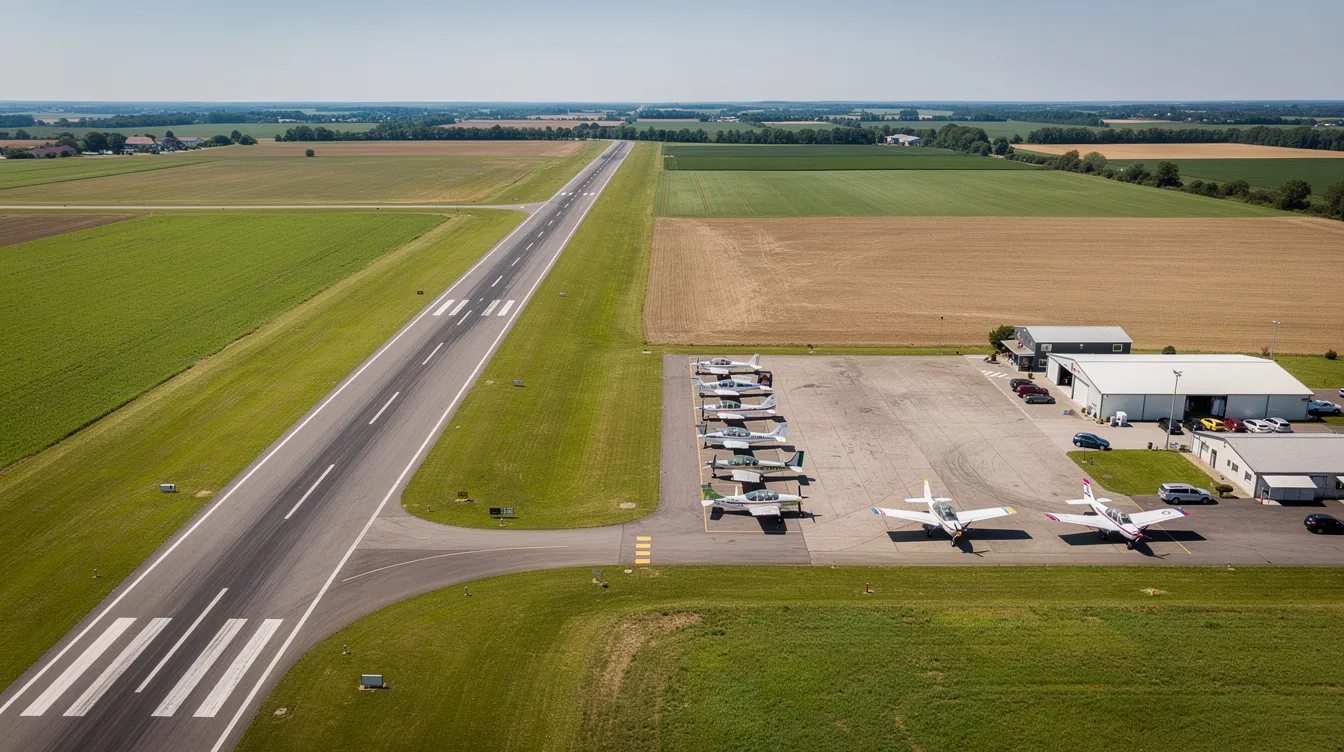
Discovery Flight: Your Low-Risk Start and What It Costs
A discovery flight is a 30 to 60 minute introductory lesson where you sit in the left seat, handle the controls, and log flight time toward a private pilot certificate. In 2026, a discovery flight typically costs $150 to $300, with metro schools closer to $250 to $350. The session includes a safety briefing, pre-flight walkthrough, 20 to 40 minutes of flight time with basic maneuvers, and a post-flight training plan discussion. Treat it as both a test of your interest and an interview of the school's professionalism and aircraft condition. Many pilots who are now BlackJet clients say a single discovery flight removed all doubt about pursuing an aviation career, eventually leading them to explore buying a seat on a private jet for time-critical personal and business travel.
Comparing Pilot Training Cost to Long-Term Career and Travel Benefits
Pilot training is a capital investment. Regional first officers earn $60,000 to $100,000 per year early in their career path. Major airline captains regularly exceed $200,000. Corporate pilots flying business jets earn comparable figures depending on aircraft and mission profile.
Non-financial returns matter too: schedule flexibility, global mobility, and the ability to integrate personal flying with premium private aviation. Consider a pilot who commutes commercially early in their career, then later uses a BlackJet 25+ Hour Jet Card for time-critical corporate trips when long airline connections no longer fit the mission. Pilot training costs are real, but with structured planning, smart school selection, and disciplined training habits, most pilots recoup the investment within a few years of airline or corporate employment, especially when higher earnings make chartering a private jet for critical trips a practical time-saving tool.
FAQs About Flight Training Costs and Next Steps
How much does flight school cost for a private pilot certificate in 2026?
The realistic all-in cost is $9,800 to $18,000, with how many hours you need (typically 60 to 75) being the primary variable.
Can I train while working full-time?
Yes, under Part 61. Many student pilots fly on their own schedule, once or twice weekly. Intermittent training extends total hours and raises cost, so students plan for at least two to three sessions per week when possible.
How long does it take to become a commercial pilot?
From zero time through CPL and IR, 12 to 24 months if you train consistently. Accelerated academies compress this to 9 to 12 months.
What's the cheapest way to become a pilot without sacrificing safety?
Choose schools in lower-cost states, train consistently, use simulators, apply for scholarships, and avoid switching instructors often. An efficient path does not require the most expensive school.
Do I need a first-class medical right away?
No. A third-class medical exam is sufficient for private pilot training. First-class is required for airline transport pilot operations but not for initial certificates.
BlackJet does not provide flight training, but we work with operators whose pilots hold commercial pilot and airline transport pilot certificates earned through these same training paths. If you are already a private pilot or frequent traveler, explore how Jet Card membership pricing works and how BlackJet's Jet Card can complement your aviation journey once your pilot certificate opens new professional and travel possibilities.
Conclusion: Investing in Your Pilot Training Journey in 2026
The price for pilot training in 2026 reflects a significant but strategic investment in a career and lifestyle defined by freedom, mobility, and professional growth. Whether starting with a sport pilot certificate for recreational flying or pursuing the full zero-to-airline career track, understanding the detailed costs—from aircraft rental and instructor fees to exams and equipment—empowers you to plan effectively and avoid surprises.
Consistency in training, selecting the right school and aircraft, leveraging simulators, and exploring financing or scholarships are key strategies to manage expenses while maintaining safety and quality. The pilot training path opens doors to high-paying aviation careers and the flexibility to integrate private jet travel, such as BlackJet’s Jet Card programs, into your lifestyle.
With transparent cost expectations and disciplined training habits, most pilots recoup their investment within a few years through career earnings and travel efficiencies. If you are ready to take the first step, consider a discovery flight to experience firsthand the thrill and professionalism of flight training. From there, your journey toward the skies—and beyond—can begin with confidence and clarity.
Explore how private pilot license costs break down in detail, or learn why instrument rating training is essential for career advancement. For those interested in the commercial path, understanding the commercial pilot license cost is crucial. And when you’re ready, see how flight instructor certifications can accelerate your career growth.


 Sign up with google
 Sign up with Apple


