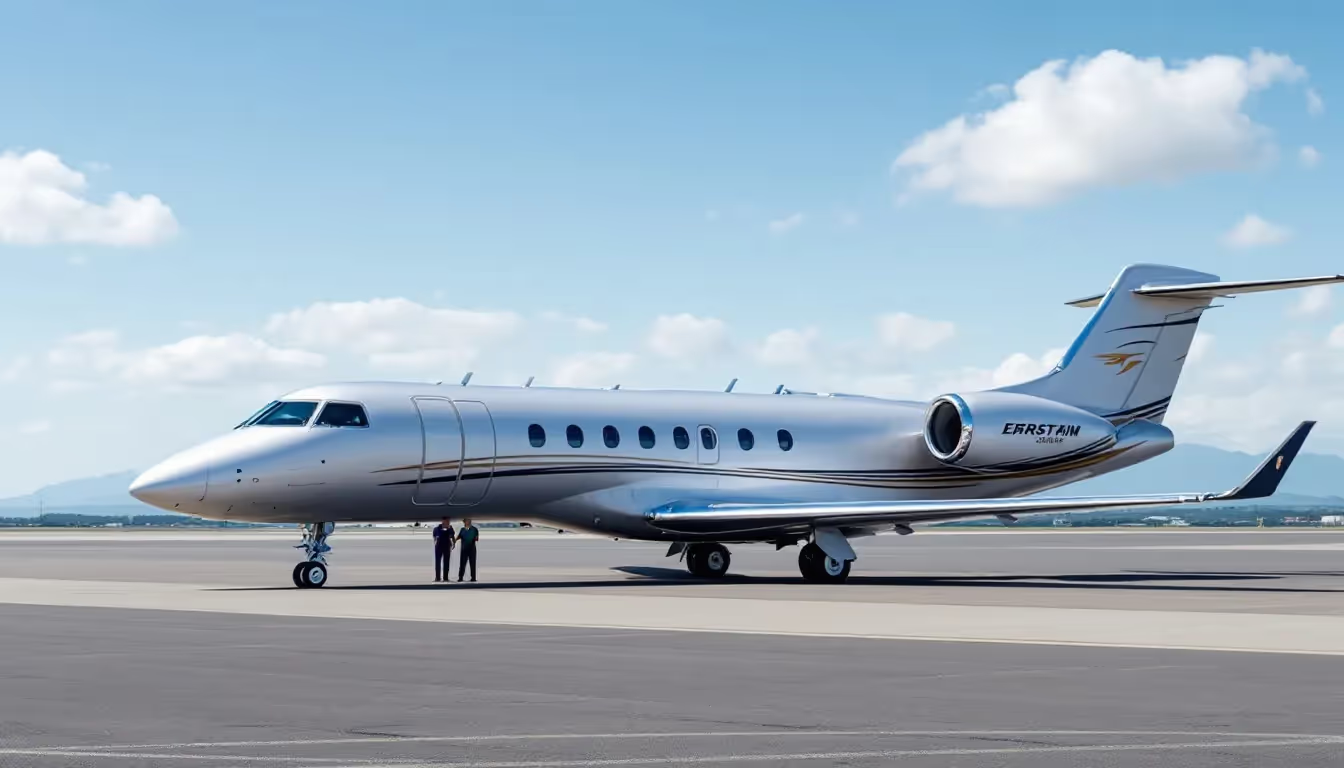
For today’s high-net-worth individuals, corporate leaders, and discerning travelers, access to private aviation is not simply a question of comfort; it’s a strategic advantage. Time, security, and control are among the most valuable currencies in business and life. Unlike commercial aviation, which often involves long security lines, unpredictable delays, and rigid schedules, private jet travel reshapes the concept of mobility. Air charter is revolutionizing travel by providing unmatched flexibility and access to over 5,000 airports in the U.S., allowing for direct access to many more airports compared to commercial airlines, further enhancing convenience and efficiency. Chartering options include turboprops, light jets, midsize jets, heavy jets, and ultra-long-range jets. The private aviation market continues to grow and evolve, offering innovative solutions and catering specifically to the needs of high-net-worth individuals and corporate clients.
Consider this: a transatlantic business traveler from New York to London can save five or more hours per journey by bypassing check-in lines, boarding directly, and landing closer to city centers. That time translates directly into productivity, opportunities seized, and stress avoided. Private air travel offers unmatched flexibility and convenience compared to commercial air travel, making it an attractive choice for those who value efficiency and comfort.
But prestige comes with planning. Understanding private charter plane cost is essential when deciding how to leverage private jet access. Charter flights provide customized travel experiences, and private jet companies offer a range of options to suit different travel needs and preferences. Chartering costs vary widely based on aircraft type, distance flown, seasonality, and additional services. Private jet charter costs typically range from $2,000 to over $20,000 per hour, depending on the aircraft type and additional services. This guide will give you a comprehensive breakdown of private jet charter pricing, comparisons against alternatives, and insights into how BlackJet provides seamless, sustainable, and safe private aviation access.
Types of Private Jets and Their Costs
Light Jets: Efficient Access for Short Routes
Light jets represent an entry point into private aviation. Seating up to 6–8 passengers, they are perfect for short to mid-range routes such as Los Angeles to Aspen or London to Geneva. Very Light Jets (VLJs) are designed for even shorter trips with minimal passengers, accommodating 3 to 4 people. The smaller the aircraft, the more affordable the hourly rate and total private jet price for chartering will be, making these options particularly attractive for cost-conscious travelers.
Compared to light jets, turboprop aircraft, powered by two turbine propeller engines, are another cost-effective option for short routes, offering simplicity and affordability for similar passenger capacities. Turboprops generally seat six to eight passengers and are suitable for short flights, making them a practical choice for regional travel. Shorter flights won't cost as much as longer ones due to lower fuel consumption. Hourly rates for turboprop jets generally start at around $2,000, while larger jets can cost significantly more, exceeding $20,000 per hour.
Average cost: $2,000–$4,000 per flight hour
Passenger capacity: 6–8
Range: 1,200–1,800 miles
Popular models: Citation CJ2, Hawker 400
For executives or families seeking cost-effective flexibility without sacrificing comfort, light jets deliver. They are often used for day trips, regional business hops, or leisure weekends.
Travelers looking for additional savings on short routes can also consider empty leg flights, which are offered at discounted rates when an aircraft needs to reposition.
Mid-Size and Super-Mid Jets: Balance of Range and Luxury
Midsize jet aircraft, such as the Citation Excel or Learjet 60, provide additional cabin space and comfort, while super midsize jet models like the Citation X extend the range for cross-country travel. Super midsize jets offer greater range and capacity than standard midsize jets, making them ideal for medium-length journeys with up to 10 passengers. These jets can fly nonstop for up to 5 hours, offering a balance of range and efficiency.
Heavy jets represent the next category, designed for long-haul or large-group travel. These larger aircraft, such as the G300, accommodate 10–18 passengers, provide maximum comfort and luxury, and typically have higher hourly rental costs, often around $10,000 per flight hour. VIP Airliners can seat between 16 and 80 passengers, making them ideal for large groups.
These aircraft are popular with corporate teams and families seeking seamless coast-to-coast travel in the U.S. or short international trips in Europe and Asia.
Ultra Long Range Jets: Redefining Global Mobility
For intercontinental flights, ultra-long-range jets are unmatched. Aircraft like the Gulfstream G650 or Bombardier Global 7500 provide the highest level of comfort, range, and technology in private aviation. Ultra Long Range Jets are intended for long-distance travel and can carry 10 or more passengers, making them ideal for global journeys.
Average cost: $8,000–$14,000+ per flight hour
Passenger capacity: 12–16
Range: 6,000–7,700 miles
Use case: New York to Tokyo, London to Buenos Aires
With sleeping quarters, state-of-the-art entertainment, and advanced safety systems, these jets deliver a first-class hotel in the sky, enabling nonstop global travel.
Private Jet Rental Costs: Key Factors
Private jet charter pricing is influenced by multiple variables, including:
Aircraft Type – Larger jets with extended range and amenities command higher rates.
Flight Distance – Hourly rates scale with flight duration.
Season & Demand – Peak periods, such as summer in Europe or the winter ski season in Aspen, can lead to increased pricing.
Positioning Fees – If the aircraft must “reposition” to your departure airport, costs may rise.
Additional Services – Catering, ground transfers, and concierge arrangements.
Minimum Flight-Time Charges – Many operators impose a minimum flight-time charge, often 1.5 to 2 hours, regardless of actual air time.
Flight time, aircraft type, and route characteristics are key factors that determine the overall rental cost and private jet rental cost. Flight cost is influenced by factors such as flight time, aircraft size, and additional services. Fuel surcharges and a fuel surcharge may be applied when fuel prices rise, impacting the total cost of your trip. Airport fees, hangar fees, and immigration fees can be significant additional costs, especially for international or overnight trips.
Crew members and crew member expenses, such as overnight accommodations and per diem fees, may be included in the total cost. If crew members require overnight stays, a per diem charge of $200 to $600 per crew member will be added. Overnight fees for crew members can vary widely but are typically between $200 and $600 per night. Longer flights generally result in higher costs due to increased fuel consumption and flight time. Fixed and variable expenses, such as insurance, maintenance, and fuel, contribute to the overall cost structure of private aviation. It's important to understand additional costs beyond the base rate, such as airport fees, hangar fees, and crew expenses.

Private jet charter service providers offer transparent private jet charter rates and private jet charter prices, which can vary based on aircraft type and route. Charter flights and private charter flights offer flexibility and can be arranged through air charter services, catering to both business and leisure travelers. When you charter a private jet, the billable flight hour is a key metric for pricing, and a short leg fee may apply to short flights.
Overall, private jet rentals range from $2,000 to $15,000+ per flight hour, depending on configuration. However, private charter costs generally range from approximately $1,300 to over $15,000 per hour, offering a wide spectrum of pricing based on aircraft type and services.
Estimating Private Jet Charter Cost
When budgeting, it’s important to account for both hourly charter costs and supplemental fees:
Federal Excise Tax: 7.5% on U.S. domestic flights.
Short Leg Fees: $500–$2,000, applied to flights under two hours.
Airport & Handling Fees: $100–$1,000, depending on the airport.
Hangar & Overnight Fees: Required if the jet remains parked at your destination. Hangar fees for aircraft can range from $500 to $1,500 per day, depending on the season and location.
Deicing Costs: These can vary depending on the size of the aircraft and local weather conditions.
Segment Fees: In the United States, segment fees are typically $4.50 per passenger for each flight leg.
A Federal Excise Tax of 7.5% is applied to all domestic flights within the US, and it is important to account for this when calculating total costs.
For example, a New York to Miami light jet round trip may range between $20,000 and $30,000 when all costs, including the rental cost and additional fees, are included. A New York to London ultra-long-range charter may fall between $120,000 and $160,000.
Travelers can also look for private jet offers or special promotions, which may help reduce the overall cost of their charter.
Additional Fees and Charges in Private Jet Charter
When considering the total cost of a private jet charter, it’s important to look beyond the base hourly rate. Private jet charter costs often include a range of additional fees that can significantly impact your final bill. These jet charter costs are determined by factors such as the route, aircraft type, and specific services requested. Fuel surcharges may be applied when fuel prices rise, typically starting at around $300 per hour. Custom in-flight catering is an additional cost and can range from $230 to $2,000 depending on order details. Wi-Fi charges onboard private jets can vary between $2 and $9 per megabyte. Understanding these additional fees ensures you have a clear picture of what to expect when booking a jet charter, helping you avoid surprises and make informed decisions about your private jet travel.
Some of the most common additional fees in private jet charters include federal excise tax, short leg fees, airport and handling charges, and other operational surcharges. Each of these can vary depending on your itinerary, the aircraft operator, and the type of private jet you select. Airports charge landing fees, parking fees, and ground handling service fees, which can be higher at busy or well-equipped airports. International flights are subject to additional fees ranging from $500 to $5,000, depending on the route and permits required. Each airport authority charges its own landing fees, which usually range between $100 and $1,500 per flight at executive and regional airports. By familiarizing yourself with these potential costs, you can better estimate the true price of your private jet experience and ensure your next private jet charter is as seamless as possible.
Federal Excise Tax
One of the most significant additional fees to consider when booking a private jet charter is the Federal Excise Tax (FET). For private jet charters operating within the United States, the FET is currently set at 7.5% of the total charter cost. This tax is applied to the entire cost of the private jet charter, including any additional services or surcharges. For international flights, the federal excise tax may differ or be replaced by other international fees, depending on the countries involved and the specific routing of your jet charter.
It’s essential to factor in the federal excise tax when calculating your total private jet charter costs, as this additional fee can add a substantial amount to your final invoice. Reputable private jet charter companies will include the FET in your initial quote, but it’s always wise to confirm this detail before booking. Whether you’re flying domestically or embarking on international flights, understanding the impact of the federal excise tax ensures you have a complete view of your private jet travel expenses.
Short Leg Fees
Short leg fees are another important consideration when evaluating the total cost of a private jet charter. These additional fees are typically charged by aircraft operators when a flight segment is shorter than a specified duration, often less than two hours for midsize jets, super midsize jets, and large jets. The reason for short leg fees is that frequent takeoffs and landings increase fuel consumption and accelerate maintenance schedules, making short flights more costly for operators.
Depending on the aircraft type and the operator’s policies, short leg fees can range from $500 to $2,000 or more per flight. If your itinerary includes multiple short segments or you’re chartering a private jet for a quick hop, it’s important to ask about potential short leg fees in advance. These charges can apply to a variety of private jet charters, especially when using larger aircraft for regional routes. By understanding how short leg fees are calculated, you can make more informed choices about aircraft selection and route planning, ultimately optimizing your private jet charter costs.
Airport and Handling Fees
Airport and handling fees are another key component of the total cost when chartering a private jet. These fees cover a range of services provided at the airport, including landing fees, ramp handling, security, and use of private terminals (FBOs). Ramp and handling fees charged by fixed-base operators can vary from $100 to $500 per flight. The amount you pay can vary widely based on the airport you choose, the size of the aircraft, and the level of service required.
For example, major international airports and popular private jet hubs often charge higher landing and handling fees compared to smaller regional airports. Additionally, larger aircraft typically incur higher fees due to their greater weight and the resources needed to accommodate them. Deicing fees for aircraft in winter conditions can range from $1,500 to $15,000 based on aircraft size. When chartering a private jet, it’s important to discuss airport and handling fees with your provider, as these costs can add up quickly, especially if your itinerary includes multiple stops or overnight stays.
By understanding how airport and handling fees are determined, you can make strategic choices about your departure and arrival airports, as well as the aircraft size that best fits your needs. This knowledge helps you manage your private jet charter costs more effectively and ensures a smooth, efficient travel experience from start to finish.
How Private Charter Costs Compare to Commercial Flights
Some ask: Why spend $30,000 on a private flight when a first-class ticket costs $3,000?
The answer lies in what you gain beyond the seat. While commercial flying often means dealing with crowds, delays, and less personalized service, flying privately offers a completely different level of comfort, privacy, and convenience. The larger the private luxury jet, the more space for passengers and the more fuel you'll need, which contributes to the overall cost but also enhances the travel experience.
• Time saved: 4–6 hours per trip compared to multiple delays and long boarding times with commercial flights
• Flexibility: Fly on your own schedule, unlike being limited to airline timetables
• Security: Access private terminals with no TSA lines, unlike standard queues in commercial airports
• Productivity: Enjoy a private cabin with Wi-Fi, rather than sharing cabin space
• Experience: Receive tailored, personal service instead of a standardized experience
• Exclusive benefits: Flying private means access to premium onboard amenities, ground transportation, and the ability to reach exclusive destinations, all while saving time and enjoying a luxury experience
For senior executives, families, and high-net-worth travelers, the time and exclusivity often outweigh the cost differential, which is why many choose to fly private and enjoy the superior experience of flying private over commercial flying. Booking a one-way trip can incur costs for the empty leg of the flight, while round-trip trips can be more cost-effective, making it important to plan itineraries strategically.
Safety: The First Priority in Private Aviation
At BlackJet, safety is never optional. Every flight complies with stringent FAA regulations and independent audits from ARGUS and Wyvern. Aircraft are crewed by two-pilot flight crews, each trained in simulator environments and recurrent certification programs.
Unlike commercial airlines, where passengers may rarely meet the crew, private aviation ensures direct interaction, reassurance, and trust with pilots and staff. This human factor, combined with technology-driven monitoring, guarantees peace of mind.
Sustainability: Private Aviation with Responsibility
Critics often raise concerns about the environmental footprint of private aviation. BlackJet addresses this head-on by ensuring carbon neutrality across every journey. Prices increase during peak travel seasons, holidays, and major events due to higher demand, but BlackJet remains committed to sustainability through carbon offsets and efficient aircraft.
Carbon Offsets: Each mile flown is offset through verified climate programs.
Efficient Aircraft: Partnerships with operators deploying modern, fuel-efficient fleets.
Future Technology: Monitoring advancements in sustainable aviation fuel (SAF).
For clients, this means traveling without compromise, combining prestige with responsibility.
Technology: Seamless Access Through BlackJet
Modern private aviation is as much about digital convenience as physical travel. BlackJet leverages technology to simplify every step:
Jet Card Access: Pre-purchased flight hours or credits for seamless booking.
Smart Matching: Proprietary systems align your trip with the most efficient aircraft available.
24/7 Concierge: Technology integrates with human expertise to ensure round-the-clock responsiveness.
Booking a flight becomes as effortless as a few clicks, aligning with the expectations of today’s elite traveler.
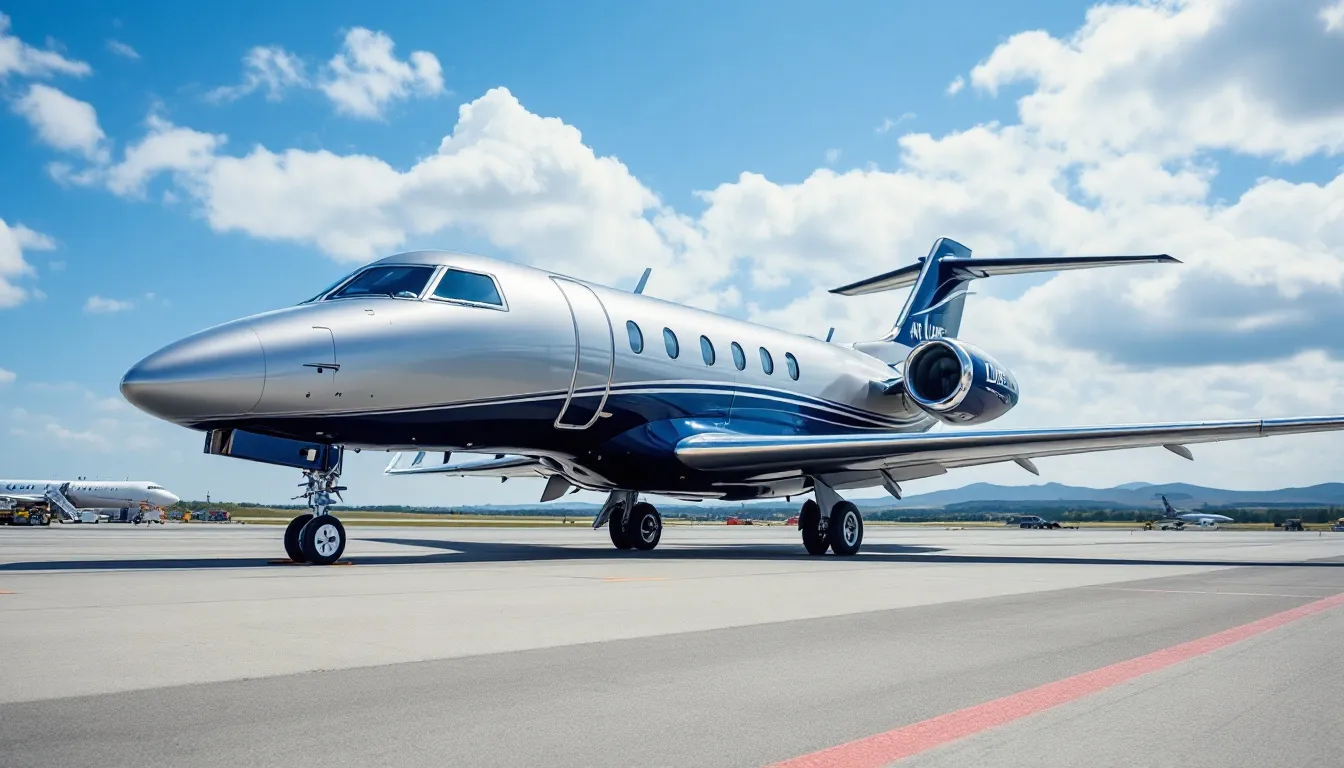
The Private Jet Flight Experience
Beyond numbers, the private aviation journey is an experience in itself:
Personalized Catering: From Michelin-inspired dining to tailored wine selections.
Concierge Services: Enjoy luxury concierge services including hotel bookings, ground transportation arrangements, in-flight entertainment, and other bespoke amenities tailored to your needs.
Ground Transportation: Black cars or SUVs ready the moment you land.
Privacy & Comfort: Board discreetly through private FBO terminals.
Cabin Ambience: Choose layouts for meetings, rest, or leisure.
Client Services Fees: These fees contribute to enhancing trip support and ensuring high-quality service throughout the flight.
Unlike commercial first class, where travelers adapt to the airline, private aviation adapts to you.
FAQs About Private Charter Costs
How much does it cost to rent a private jet for a 2-hour flight?
Between $8,000 and $16,000, depending on aircraft type, plus fees.
Are private jets carbon neutral?
With BlackJet, yes. Every journey includes carbon offsetting at no additional cost.
What is a Jet Card?
A program offering pre-purchased flight hours for guaranteed availability and transparent pricing.
Do I need to pay taxes on private flights?
Yes, U.S. domestic flights incur a 7.5% federal excise tax, often included in quotes.
How far can an ultra-long-range jet fly nonstop?
Up to 7,700 miles, covering routes like Los Angeles to Sydney or London to Hong Kong.
Conclusion: Elevating Travel Beyond Cost
Understanding private charter plane cost is about more than comparing hourly rates. It’s about weighing time saved, productivity gained, safety assured, and sustainability guaranteed. For those who see travel not as transit but as an extension of lifestyle and strategy, private aviation offers an undeniable edge.
BlackJet combines safety, technology, and sustainability with seamless access to the world’s finest aircraft. Whether you are a corporate executive, entrepreneur, or discerning family, the experience is designed to elevate every journey.
Discover how BlackJet can reshape your travel. Explore our Jet Card programs and premium charter solutions today at www.blackjet.com.


 Sign up with google
 Sign up with Apple