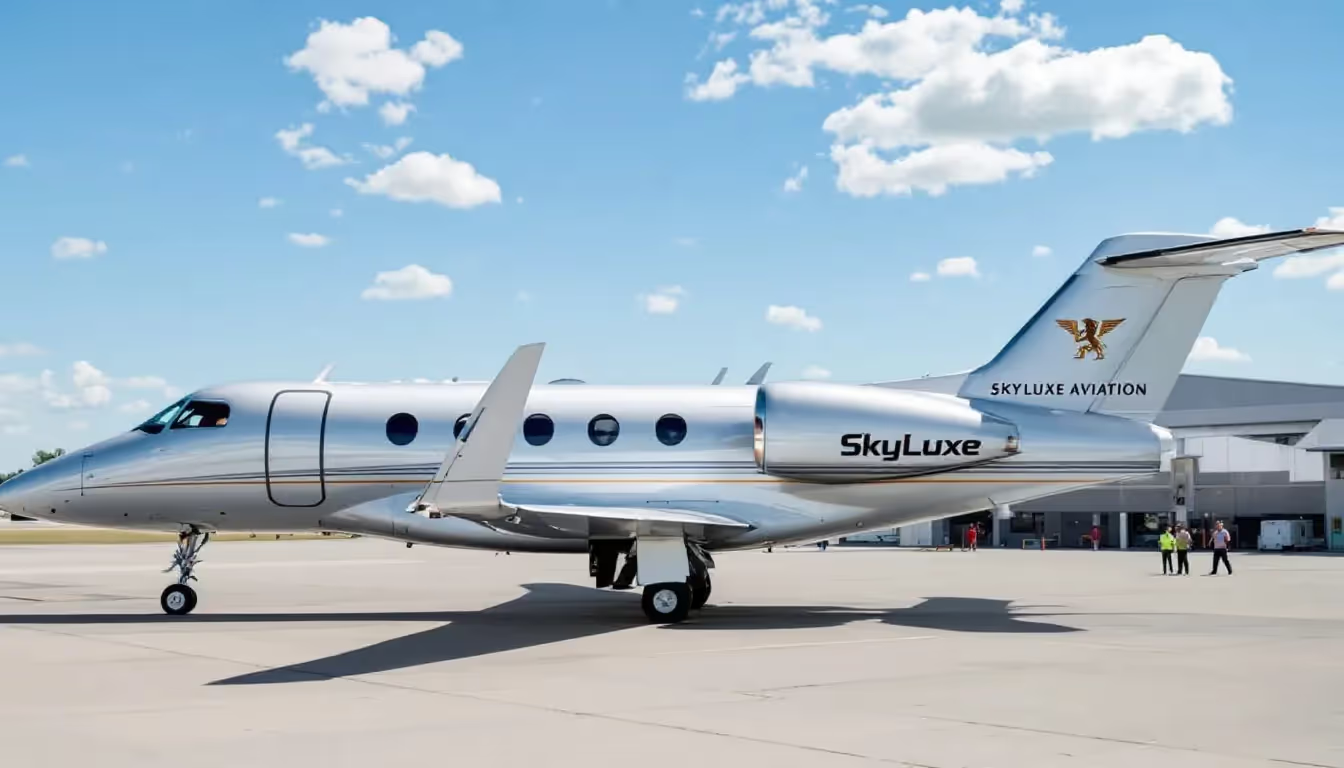
Private jet charters have revolutionized the way individuals and businesses approach air travel, offering a level of flexibility and comfort that commercial flights simply can’t match. When you charter a private jet, you gain the freedom to set your own schedule, choose from a wide variety of aircraft types, and enjoy a personalized travel experience tailored to your needs. Whether you’re planning a quick business trip or a long-haul vacation, private jet charters can accommodate everything from short hops to intercontinental journeys. Additionally, private jet charters provide access to over 5,000 airports in the U.S., many of which are not served by commercial airlines, offering unparalleled convenience and flexibility.
Understanding the private jet charter cost is crucial before booking your flight. Private jet rental prices are influenced by several factors, including the aircraft type, flight distance, and the range of additional services you select. For example, a light jet may be ideal for a small group on a regional trip, while a larger aircraft is necessary for longer distances or bigger parties. Light jets typically charge between $4,000 and $6,000 per hour, making them a popular choice for many travelers.
Hourly rates for private jets can vary significantly, with turboprops starting around $2,000 an hour and heavy jets costing closer to $10,000 an hour. The average cost for a private jet charter is around $2,000 to $14,000 per billable flight hour, depending on the aircraft type and additional services. The cost of chartering a private jet is typically calculated per billable flight hour, with rates ranging from $1,200 to $10,000 or more, depending on your choices. By considering these variables, travelers can make informed decisions and ensure their private jet rental delivers both value and luxury.
Key Takeaways
Private charter plane prices range from $2,000 to $15,000 per flight hour, depending on aircraft size and type
Light jets cost $3,000-$5,000/hour while ultra-long-range jets command $10,000-$15,000/hour for domestic flights
Total charter costs include hourly rates plus additional fees like fuel surcharges, positioning, taxes, and overnight crew expenses
Understanding flight cost is crucial, as it encompasses all components of private charter pricing, including aircraft type, route, duration, and additional operational fees.
Peak travel periods (holidays, summer months) can increase charter prices by 20-40% due to high demand
Empty leg flights can reduce standard charter costs by up to 60% for flexible travelers. Booking 'empty leg' flights can result in significant discounts of 25–75% if the schedule allows for flexibility, as these flights are often limited in availability. Private jet offers are also available, providing special promotions or discounts for those seeking additional ways to save on luxury travel.
When considering private jet travel, one of the first questions is: how much does it cost? Understanding the true cost of chartering a private jet requires looking far beyond the advertised hourly rate. While private jet charter costs might seem straightforward at first glance, the reality involves a complex web of factors that can significantly impact your final bill. From aircraft positioning fees to seasonal demand fluctuations, the private aviation market operates with nuanced pricing structures that even experienced travelers sometimes find surprising.
The global private aviation market, projected to reach $21.25 billion by 2033, continues expanding as more travelers discover the value proposition of flying privately. Whether you’re a business executive seeking time efficiency or a family prioritizing privacy and security, comprehending the complete pricing landscape ensures you make informed decisions about your private jet travel investments.
This comprehensive guide breaks down every aspect of private charter plane pricing, from basic hourly rates across all aircraft categories to the sophisticated fee structures that professional operators employ. We’ll explore how companies like BlackJet are redefining the charter experience by focusing on refined, meaningful travel that justifies premium pricing through exceptional service standards.
Private Charter Plane Hourly Rate Breakdown
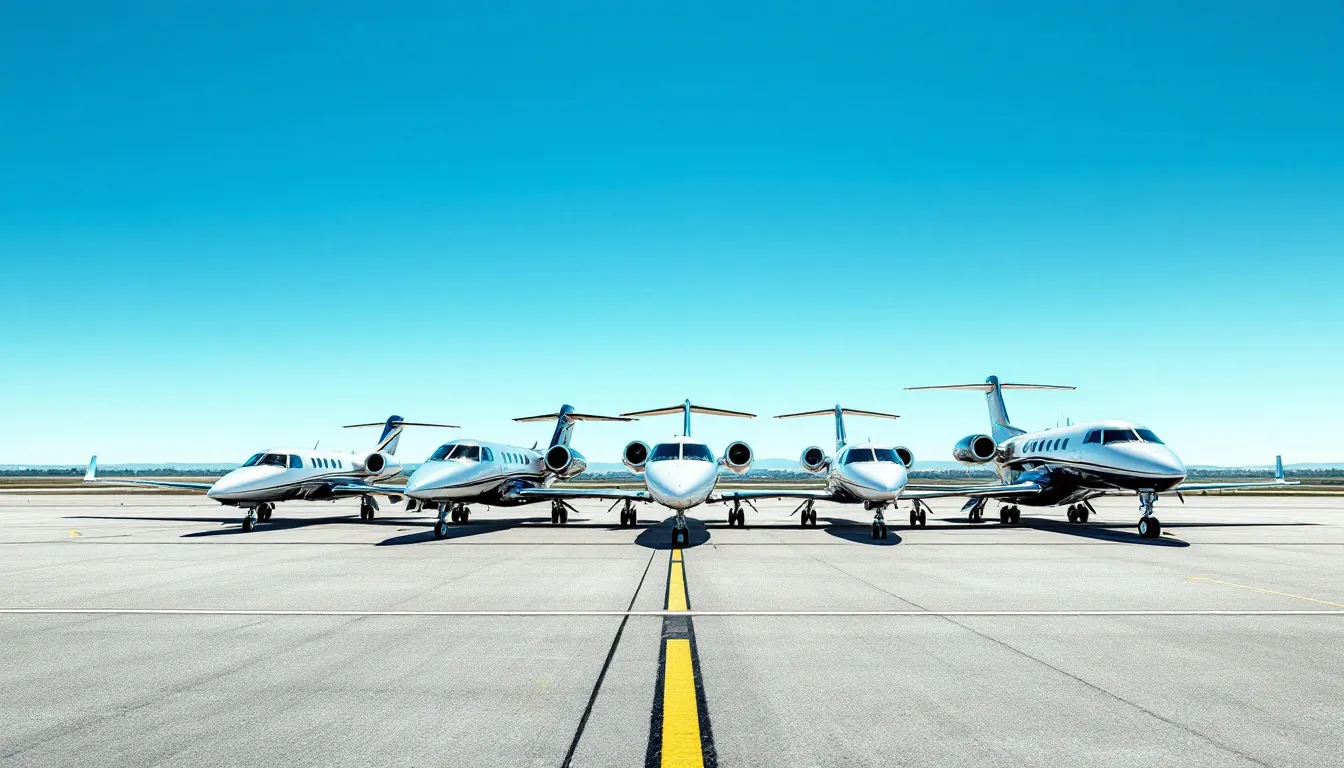
The foundation of any private jet charter cost calculation begins with understanding hourly rates across different aircraft categories. Private jet charter rates are determined by factors such as aircraft type, flight distance, and operational fees, and typically include the aircraft, professional crew, insurance coverage, and base fuel allowances. Billable flight time is the main cost driver when renting a private jet, encompassing airborne time and repositioning fees. When chartering a private jet, selecting a smaller aircraft can sometimes lead to higher costs due to the need for more fuel stops on longer flights. The private jet rental cost often covers these components, but additional expenses may apply depending on your specific travel requirements.
Regional pricing variations exist throughout the United States, with East Coast markets typically commanding premium rates due to higher demand density. West Coast pricing tends to be slightly lower for similar aircraft types, while international markets introduce additional complexity through varying regulatory requirements and operational costs. The rental cost can differ significantly between regions, reflecting these local factors. Short leg fees are commonly applied for flights below a specific duration, affecting larger aircraft categories more. Short leg fees may apply to larger aircraft for flights under a specified duration, generally to offset fuel and maintenance costs. Additionally, the age of an aircraft impacts its rental rate, with newer aircraft generally costing more per hour than older planes.
Private Jet Hourly Rates by Aircraft Category
Turboprops: $2,000-$3,500 per hour; typical models include King Air 350 and Pilatus PC-12; accommodate 6-9 passengers.
Very Light Jets: $2,500-$4,000 per hour; examples are Citation Mustang and HondaJet Elite; seat 4-5 passengers.
Light Jets: $3,000-$5,000 per hour; common models include Citation CJ3+ and Phenom 300E; capacity of 5-8 passengers.
Midsize Jets: $4,500-$7,000 per hour, such as Hawker 800XP and Citation Latitude; hold 7-9 passengers.
Super Midsize Jets: $6,000-$9,000 per hour; includes Challenger 350 and Gulfstream G280; carry 8-10 passengers.
Large Cabin Jets: $8,000-$12,000 per hour; like Challenger 650 and Falcon 7X; accommodate 12-16 passengers.
Ultra Long Range Jets: $10,000-$15,000 per hour; models such as Gulfstream G650ER and Global 7500; seat 12-19 passengers.
VIP Airliners: $18,000-$25,000 per hour, including Boeing Business Jet and Airbus ACJ; designed for 19+ passengers.
Rental costs vary widely by aircraft category and route, allowing travelers to select the best option for their needs and budget.
Light Aircraft Categories (2-8 Passengers)
Turboprops represent the most economical entry point into private aviation, with hourly rates starting around $2,000 for aircraft like the King Air 350. These versatile aircraft excel on shorter routes under 1,000 nautical miles, making them ideal for regional business travel or accessing smaller airports that jet aircraft cannot reach. Private jet charter costs typically start at $1,500 to $3,000 per hour for turboprops in New York, offering an affordable option for those seeking efficiency and convenience.
Very light jets bridge the gap between turboprops and traditional light jets, offering jet performance at relatively modest hourly rates. The HondaJet Elite, for example, combines fuel efficiency with modern avionics, typically costing $3,200-$3,800 per billable flight hour. Very light jets like the Cirrus Vision can start from about $2,000 per hour, making them an economical choice for shorter trips. These aircraft work exceptionally well for trips under 1,200 nautical miles with small groups prioritizing speed over cabin space.
Light jets represent the sweet spot for many charter clients, balancing reasonable hourly rates with genuine jet performance capabilities. Aircraft like the Citation CJ3+ and Phenom 300E offer comfortable cabins for up to eight passengers while maintaining operating costs that make them accessible for regular business use. Flight range typically extends to 1,500-2,000 nautical miles, covering most domestic routes efficiently. Private jet rentals provide the flexibility and convenience for both business and leisure travelers to select the ideal aircraft for their specific travel needs, ensuring a tailored and seamless experience.
Midsize and Super Midsize Jets (6-12 Passengers)
Midsize jets expand both cabin space and flight range significantly while maintaining reasonable hourly charter rates. As a midsize jet, the Hawker 800XP is a popular choice in this category, providing generous baggage capacity and comfortable seating for seven to nine passengers. These aircraft excel on transcontinental routes where light jets might require fuel stops, offering nonstop capability from coast to coast. Midsize jets generally cost around $7,000 to $9,500 per hour to charter, making them a practical choice for longer journeys.
Super midsize jets represent a substantial step up in both performance and luxury amenities. Aircraft like the Challenger 350 feature flat-floor cabins, full galleys, and enclosed lavatories while maintaining fuel efficiency that keeps operating costs reasonable. The flight range of 3,500-4,000 nautical miles opens up international destinations throughout the Caribbean and Central America from most US departure points.
These aircraft categories offer the optimal balance of cost efficiency and cabin comfort for many charter clients. The ability to accommodate larger groups while maintaining reasonable per-passenger costs makes them particularly attractive for corporate travel and family vacations requiring longer flight distances.
Large Cabin and Ultra Long Range Aircraft (8-19 Passengers)
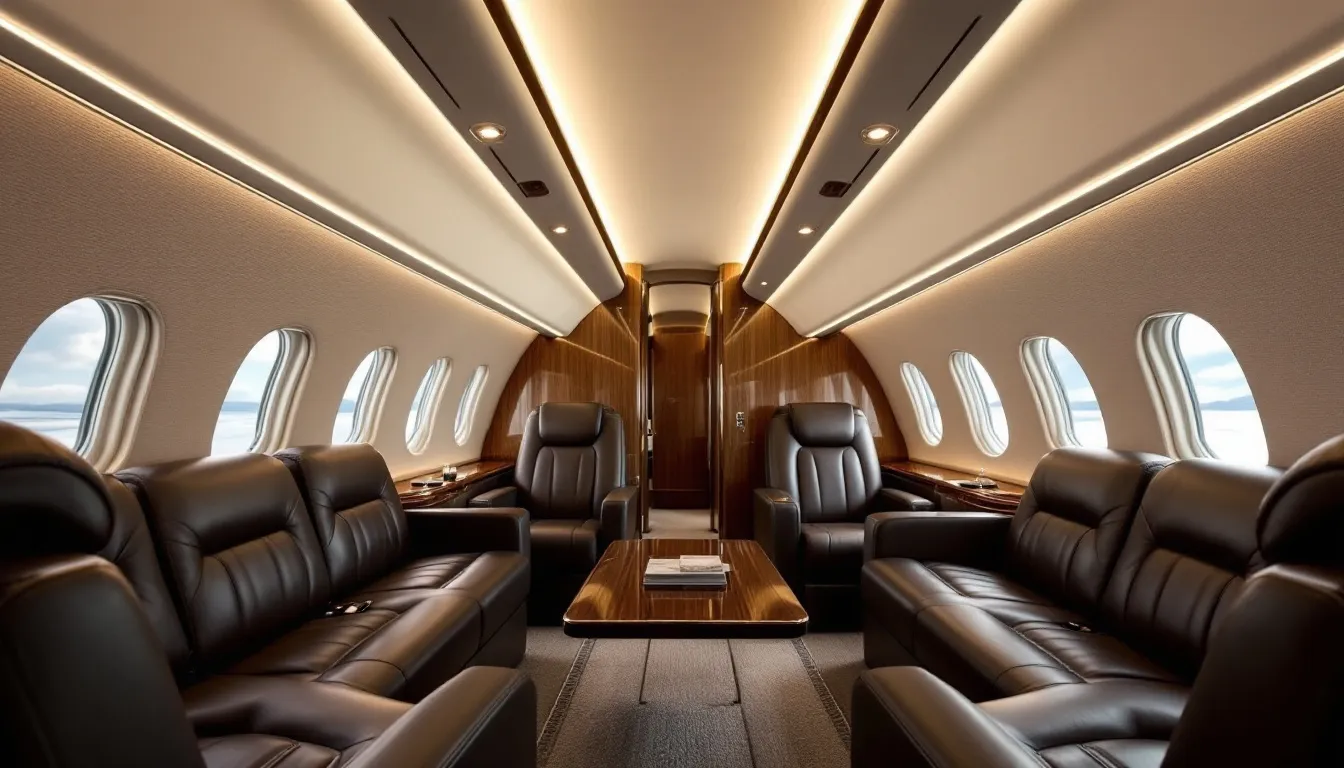
Large cabin jets enter the realm of true luxury aviation, with spacious interiors that often feature separate living areas, full galleys, and bedroom accommodations. Large jets in this category are known for their impressive size, extended range, and luxury features, making them ideal for premium private travel. The Falcon 7X exemplifies this category with its three-cabin configuration and intercontinental range capabilities. Hourly rates reflect both the substantial operating costs and the premium experience these aircraft provide.
Ultra-long-range jets represent the pinnacle of private aviation performance, capable of nonstop flights exceeding 6,000 nautical miles. Heavy jets in this class are especially suited for intercontinental and transoceanic travel, offering unmatched comfort and range for non-stop international journeys. The Gulfstream G650ER can connect virtually any two cities worldwide without refueling stops, making it indispensable for international business travel. These aircraft feature the most advanced avionics systems, superior cabin pressurization, and ultra-quiet interiors that minimize fatigue on extended flights. Ultra-long-range jets can cost up to $25,000 per hour, depending on the model and specifications.
VIP airliners cater to the most demanding charter requirements, offering commercial airline-sized cabins with completely customized interiors. Boeing Business Jets and Airbus Corporate Jet variants are considered the ultimate VIP airliner options, providing meeting rooms, private bedrooms, and lounge areas that rival luxury hotels. The substantial hourly rates reflect not only operating costs but also the exclusive nature of these flying palaces.
Factors Influencing Private Charter Costs
Multiple variables beyond aircraft selection dramatically impact your final private jet charter cost. Understanding these factors allows you to make strategic decisions that optimize both your travel experience and budget allocation. Some elements remain within your control, while others depend on market conditions and operational requirements. Operational expenses, such as maintenance, fuel, crew salaries, insurance, and hangar fees, play a significant role in determining the total cost of private jet charters.
The complexity of charter pricing stems from the dynamic nature of private aviation operations. Unlike commercial airlines with standardized routes and schedules, private jet charters require customized solutions for each trip. This flexibility creates value but also introduces pricing variables, including both fixed and variable expenses, that require careful consideration during the planning process.
Flight Distance and Duration
Billable flight time encompasses more than just airborne hours, including taxi time, takeoff procedures, en-route flight, approach, and landing phases. Most operators enforce minimum daily flight time requirements—typically two hours for jets and 1.5 hours for turboprops—even for shorter trips. Billable flight time includes airtime and any repositioning fees, but does not count taxi time. This policy reflects the substantial costs involved in positioning aircraft and crew for each flight.
Longer flights often benefit from economies of scale in hourly pricing, as fixed costs like crew positioning and aircraft preparation spread across more flight hours. However, extended flight duration introduces crew duty limitations that may require additional crew members or overnight accommodations, potentially increasing total costs beyond simple hourly calculations.
International flights add complexity through customs procedures, extended ground time, and potential routing restrictions. These factors can increase total flight time by 30-60 minutes compared to domestic flights of similar distance, directly impacting your charter cost through additional billable hours. As a result, the overall flight cost for international routes is typically higher, since increased duration, operational fees, and additional services all contribute to the final pricing.
Aircraft Positioning and Availability
Aircraft positioning represents one of the most significant variables in charter pricing, potentially adding $1,000-$8,000 to your total cost depending on where your chosen aircraft must travel to reach your departure airport. Popular departure cities like New York, Los Angeles, and Miami typically offer better aircraft availability, reducing positioning requirements and associated costs. Choosing an aircraft charter provides flexibility and personalized service, allowing you to access a wide range of airports and tailor your itinerary to your specific needs. International fees can add anywhere from $500 to $5,000 to the total cost of chartering a private jet, depending on the route.
Remote destinations often require substantial aircraft repositioning, particularly for larger jets that may not regularly operate in smaller markets. A heavy jet charter from a small regional airport might include positioning costs equivalent to 2-4 additional flight hours, significantly impacting total trip economics.
Advance booking typically reduces positioning requirements by allowing operators to optimize their fleet scheduling. Booking 7-14 days ahead often results in better aircraft availability at your preferred departure airport, minimizing the positioning fees that can dramatically inflate last-minute charter costs.
Seasonal Demand and Peak Periods
Private aviation experiences pronounced seasonal demand patterns that directly impact charter pricing. Peak periods, including December holidays, March spring break, and July-August summer travel, can increase standard rates by 20-40% due to limited aircraft availability and heightened competition among charter clients.
Major sporting events create localized demand spikes that affect pricing in specific regions. The Super Bowl, the Masters Tournament, and major auto races generate substantial charter demand, often exhausting available aircraft inventory and driving prices to premium levels. Hurricane evacuations can similarly increase Southeast charter prices by 50-100% during active storm periods.
Destination-specific seasons also influence pricing patterns. Aspen ski season commands premium rates for mountain-capable aircraft, while the Hamptons summer season drives up pricing for East Coast departures. Understanding these patterns allows strategic travelers to optimize their charter timing for better value. During off-peak periods, travelers can take advantage of private jet offers, which often include special promotions or discounts on charter flights.
Chartering a Private Jet: Step-by-Step Process
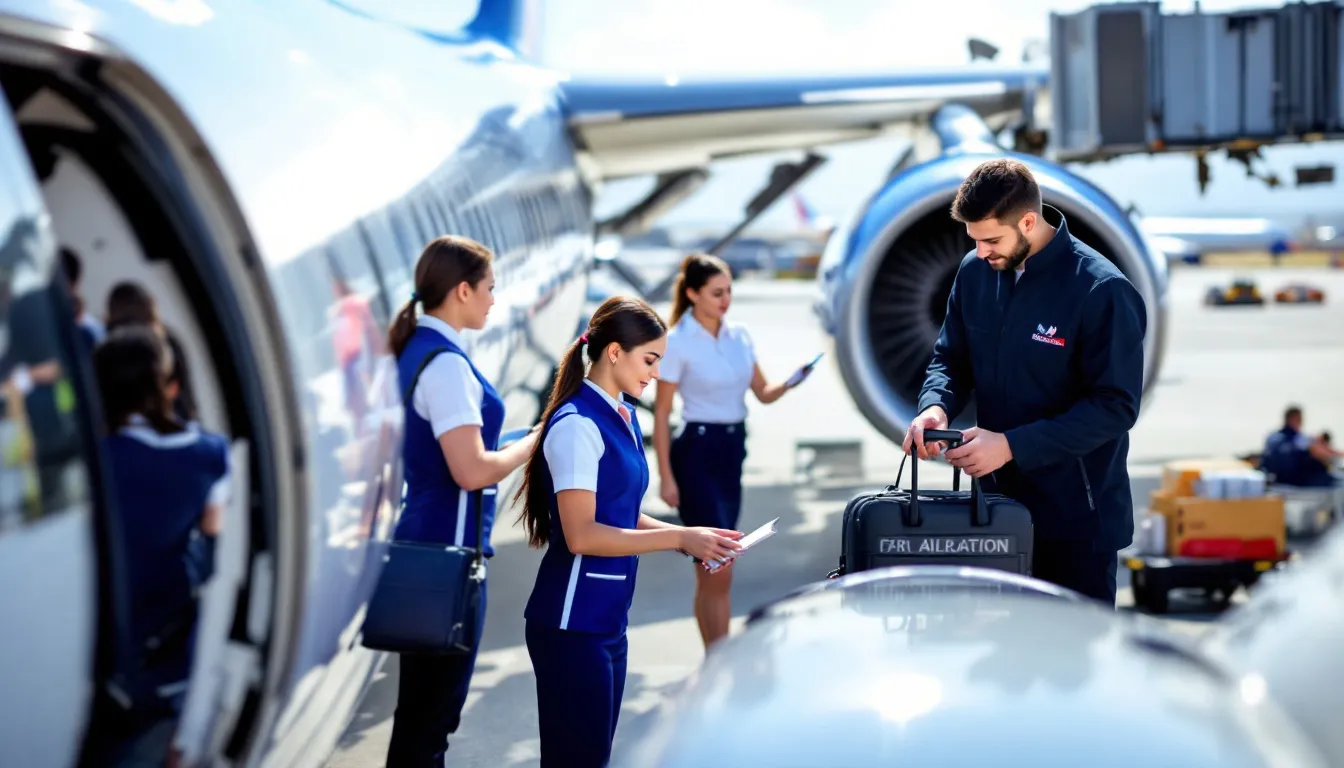
Chartering a private jet is a straightforward process designed to put you in control of your travel experience. The journey begins by identifying your specific travel requirements—consider the number of passengers, your desired flight distance, and the type of aircraft that best suits your needs. Light jets are perfect for short, regional trips, while midsize jets and ultra-long-range jets are better suited for longer journeys or larger groups.
Once you have a clear idea of your preferences, the next step is to reach out to a reputable private jet charter company or use a jet charter cost estimator to receive a detailed quote. This quote will outline the private jet charter cost, including landing fees, ground transportation, and any additional services you may require, such as in-flight catering or special amenities.
After reviewing your options and selecting the ideal aircraft type, you’ll finalize the flight details with your charter provider. This includes confirming the itinerary, arranging ground transportation to and from private terminals, and specifying any extra services to enhance your journey. By following these steps, chartering a private jet becomes a seamless process, ensuring a tailored and stress-free travel experience from start to finish.
Comprehensive Fee Structure Beyond Hourly Rates
The advertised hourly rate represents only the foundation of your total private jet charter costs. A comprehensive understanding of additional fees prevents budget surprises and allows accurate trip cost projections. These additional expenses often add 20-40% to the base hourly charges, depending on your specific travel requirements and chosen destinations. Travelers should also expect airport fees, which can vary based on location, aircraft size, and event demand, as part of the overall expenses.
Professional charter operators maintain transparency about fee structures, providing detailed cost breakdowns that allow informed decision-making. However, the complexity of these fee categories requires careful review to understand which charges apply to your specific travel requirements. Landing and airport fees are typically set and managed by the airport authority, with costs varying depending on the airport's classification and the size of the aircraft.
For international private jet travel, international fees such as landing permits, overflight permits, customs, and immigration charges may apply, adding to the overall cost.
Government Taxes and Regulatory Fees
Federal Excise Tax applies to all domestic US private jet charters at 7.5% of the total charter cost, representing a significant portion of your final bill. This tax applies to the complete charter amount, including hourly rates, positioning fees, and most additional services, making it impossible to avoid through routing strategies.
Segment fees add $4.50 per passenger for each flight leg within the United States, accumulating quickly for multi-stop itineraries. International departures and arrivals incur additional head taxes of $19.70 per passenger, while flights to Alaska and Hawaii trigger supplementary fees of $9.90 per passenger. Segment fees apply per passenger for each leg of a flight, and the fee in 2025 is $5.00 per passenger.
European destinations introduce luxury taxes that vary significantly by country, ranging from €50 to €200 per passenger depending on the specific nation and airport. These fees often apply regardless of passenger nationality, making them unavoidable costs for international private jet travel to European destinations. For international flights, landing permits are also required and can significantly impact total costs, as these permits are mandatory for cross-border operations and are subject to varying government fees.
Operational and Service Fees
Landing fees vary dramatically based on airport size, aircraft weight, and time of day, ranging from $150 at smaller airports to over $1,500 at major international hubs. These fees typically correlate with airport infrastructure and services, with premium airports charging accordingly for their enhanced facilities and security measures.
Ramp and handling charges of $100-$500 per airport visit cover ground support services, including baggage handling, aircraft marshaling, and basic security services. Many operators waive these fees when purchasing minimum fuel quantities, creating opportunities for cost optimization on longer flights requiring substantial fuel loads. Fuel costs are another major factor that can significantly impact the total expenses associated with each airport visit.
Crew overnight expenses become necessary when flight schedules require crew members to remain away from their home base overnight. These charges of $300-$600 per crew member per night cover hotel accommodations, meals, and ground transportation, adding substantially to multi-day charter costs. Crew salaries also represent a significant portion of ongoing operating expenses for private jet ownership, alongside other costs like maintenance and fuel.
Hangar fees during winter weather conditions protect aircraft from ice accumulation and extreme temperatures, typically costing $500-$1,500 per day depending on aircraft size and hangar availability. Deicing applications, when required, can add $1,500-$12,000 per treatment, with costs scaling dramatically for larger aircraft types. In addition, a fuel surcharge may be applied when fuel prices rise, further increasing the hourly or total cost of a charter. Fuel surcharges can add between $600 and $900 per hour to the cost of a private jet, based on market prices. Fluctuations in fuel prices can have a substantial impact on the overall cost of chartering a private jet, as operators adjust pricing to reflect current market conditions.
Premium Services and Amenities
Custom catering services range from $500-$2,000 per flight depending on menu complexity, passenger count, and special dietary requirements. Premium options, including celebrity chefs, wine pairings, and specialty cuisine from renowned restaurants, command top-tier pricing but create memorable experiences that justify the investment. Additional services such as custom catering and in-flight entertainment can significantly raise the overall cost of a private jet charter.
Ground transportation coordination adds $200-$1,500 per trip based on vehicle type, distance, and service level. Options range from luxury sedans for airport transfers to exotic car deliveries and helicopter connections, allowing seamless door-to-door travel experiences.
Wi-Fi charges for international flights typically cost $3-$8 per megabyte, accumulating quickly for business travelers requiring constant connectivity. Domestic flights often include Wi-Fi in the base charter cost, though bandwidth limitations may apply depending on the aircraft’s communication systems. Wi-Fi charges can range from $3 to $9 per megabyte on private jets, depending on the service provider, making it an important consideration for travelers who need reliable internet access during their flights.
Pet travel accommodations require specialized cleaning protocols that add $250-$500 to your charter cost, ensuring the aircraft meets hygiene standards for subsequent passengers. Concierge services for restaurant reservations, event tickets, and local arrangements carry variable pricing based on the specific requests and destination requirements.
Private Airports and Services
Private airports are a cornerstone of the private aviation market, offering a level of convenience and exclusivity that sets them apart from commercial flights. These airports feature private terminals designed to streamline your journey, allowing you to bypass crowded terminals and lengthy security lines. With flexible scheduling and minimal wait times, private airports make flying privately both efficient and enjoyable.
In addition to private terminals, many private airports are home to fixed-base operators (FBOs) that provide a comprehensive suite of services for private jet travelers. These services include aircraft handling, fueling, hangar facilities, and on-site maintenance, ensuring that every aspect of your flight is managed with precision and care. The amenities available at private airports—such as comfortable lounges, concierge services, and direct access to ground transportation—further enhance the private jet charter experience, making it the preferred choice for discerning travelers in the private aviation market.
BlackJet’s Approach to Refined Charter Travel
BlackJet redefines private aviation by emphasizing meaningful travel experiences that justify premium pricing through exceptional service standards. Their philosophy centers on creating refined journeys where every detail contributes to a seamless, luxury experience that extends far beyond simple transportation between airports. Monarch Air Group is another example of a luxury private jet charter provider, known for bespoke services, an extensive fleet, and tailored solutions for high-net-worth individuals.
The company’s approach recognizes that sophisticated travelers seek more than basic private jet access—they demand curated experiences that reflect their values and lifestyle preferences. This philosophy influences every aspect of their service delivery, from aircraft selection through post-flight follow-up, creating lasting relationships with discerning clientele.
Curated Aircraft Selection and Quality Standards
BlackJet maintains rigorous aircraft vetting procedures that exceed standard industry requirements, ensuring every aircraft in its network meets exceptional safety and luxury standards. The average fleet age remains under 15 years, providing passengers with modern avionics, updated interiors, and the latest safety systems that enhance both comfort and security.
Comprehensive safety audits beyond FAA Part 135 requirements include detailed inspections of maintenance records, crew qualifications, and operational procedures. Partnership relationships with top-tier aircraft operators ensure consistent service quality while maintaining access to premium aircraft that might otherwise be unavailable to individual charter clients. Unlike an aircraft owner, who must manage ongoing maintenance, operational costs, and regulatory compliance, charter clients benefit from flexibility and reduced responsibilities.
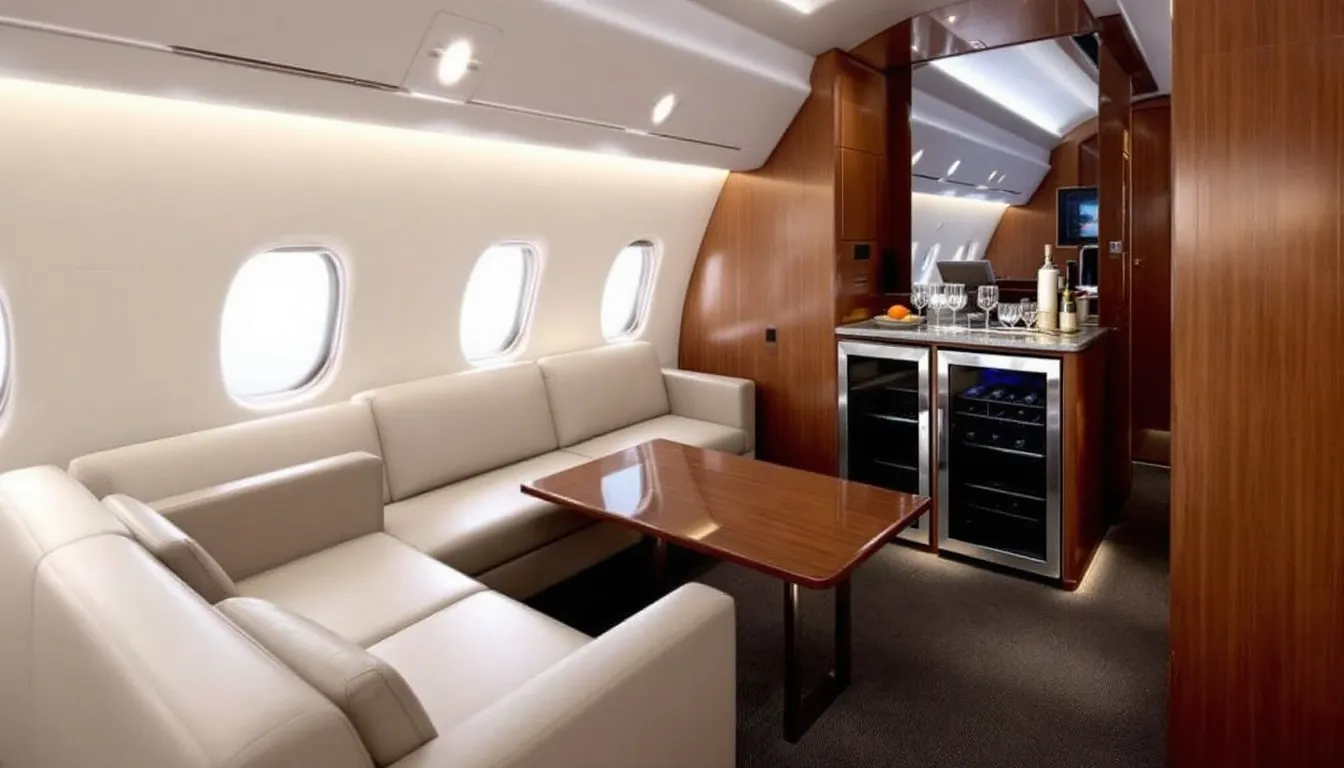
Cabin interiors feature premium materials, including fine leather, exotic woods, and modern entertainment systems that create environments worthy of the charter investment. These quality standards ensure that every flight reflects the refined aesthetic and functional excellence that BlackJet clients expect from their private aviation experiences.
Personalized Service Excellence
Dedicated flight coordinators manage every aspect of the journey from initial inquiry through post-flight follow-up, ensuring seamless experiences that eliminate the stress typically associated with complex travel arrangements. These professionals understand that meaningful travel requires attention to details that extend far beyond aircraft scheduling and routing. Chartering a private jet offers all the benefits of owning one without the maintenance costs, making it an attractive option for those seeking luxury and convenience without long-term commitments.
Twenty-four-hour concierge services provide comprehensive support, including dining reservations at exclusive restaurants, ground transportation coordination, and luxury accommodation arrangements at destination cities. This holistic approach ensures that the private jet charter represents just one component of a completely integrated luxury travel experience.
Customized catering features locally-sourced ingredients and accommodates specific dietary requirements while maintaining the highest culinary standards. Flexible rebooking policies accommodate last-minute schedule changes without penalty, recognizing that sophisticated travelers often require adaptability in their travel arrangements.
Cost Optimization Strategies for Smart Charter Buyers
Strategic charter buyers employ various techniques to optimize their private aviation investments without compromising service quality or travel experiences. Understanding market dynamics and operator practices reveals opportunities for significant cost savings while maintaining access to premium aircraft and professional service standards. Compared to private jet ownership costs—which include not only the initial purchase price but also ongoing expenses like maintenance, fuel, crew salaries, and insurance—chartering often provides a more financially efficient solution for most travelers.
The key to successful cost optimization lies in balancing flexibility with planning, allowing you to capitalize on market opportunities while ensuring your travel requirements are met consistently. Professional charter brokers often possess insider knowledge of fleet positioning and operator incentives that individual buyers cannot access independently.
Empty Leg Opportunities
Empty leg flights offer substantial discounts of 40-75% on standard charter rates by utilizing aircraft that must reposition for their next scheduled charter or return to home base. These opportunities occur frequently on popular routes like New York-Florida corridors and California-Las Vegas connections, where high charter volume creates regular repositioning requirements. Empty leg flights offer discounted one-way fares for travelers seeking to fly privately on a budget, making them an appealing option for those who can accommodate flexible schedules. Booking an empty leg as a charter flight provides travelers with the flexibility and cost savings of private aviation, making it an appealing option for those seeking a tailored travel experience at a reduced price.
Accessing empty leg inventory requires flexibility in scheduling within 48-72 hour windows, as these flights depend on other clients’ charter schedules rather than your preferred timing. BlackJet’s real-time mobile app updates provide immediate notification of empty leg availability, allowing quick decision-making when attractive opportunities arise.
The substantial cost savings make empty leg flights attractive for leisure travel where schedule flexibility exists. Business travelers occasionally utilize empty legs for non-critical trips, though the scheduling uncertainty typically limits their use for important business meetings or time-sensitive travel requirements.
Strategic Booking Timing
Booking 7-14 days in advance typically provides optimal aircraft selection and pricing by allowing operators time to position aircraft efficiently and avoid rush charges associated with last-minute arrangements. This advance planning also provides access to preferred aircraft types that might be unavailable for immediate departure requests. Planning ahead for private flights ensures travelers enjoy exclusive, personalized service, greater comfort, and the privacy that distinguishes private aviation from commercial airlines.
Avoiding peak demand periods when possible can reduce charter costs by 20-30% while maintaining access to the same aircraft types and service levels. Shoulder seasons for international destinations often provide exceptional value, particularly for leisure travel where specific dates are less critical than business requirements.
Grouping multiple trips together creates volume opportunities that many operators reward with discounted pricing or enhanced services. Annual flight hour commitments through jet card programs or fractional ownership arrangements can provide substantial per-hour savings for frequent travelers while maintaining the flexibility of on-demand charter access.
Popular Routes and Sample Pricing
Understanding real-world pricing for common charter routes provides valuable context for budgeting your private aviation expenses. These examples reflect current market conditions and typical pricing structures, though actual costs vary based on specific travel dates, aircraft availability, and individual service requirements.
Route popularity significantly impacts pricing stability and aircraft availability, with high-traffic corridors typically offering more competitive rates due to increased operator presence and reduced positioning requirements. Less common routes may command premium pricing due to limited aircraft availability and substantial positioning costs. Rental costs can also differ widely depending on the route and the type of aircraft selected, with private jets, airplanes, and charter services each presenting unique expense profiles for travelers to consider.
Domestic Route Examples
The New York to Miami corridor represents one of the most competitive charter markets, with pricing ranging from $12,000 for a light jet to $35,000 for an ultra-long range aircraft. Choosing a private flight on this route offers unmatched luxury and convenience, allowing travelers to enjoy tailored amenities and flexible scheduling that surpass commercial options. The 2.5-hour flight time suits multiple aircraft categories, creating robust competition that generally moderates pricing compared to less popular routes.
Los Angeles to Las Vegas exemplifies short-haul charter efficiency, with costs ranging from $8,000-$18,000 depending on aircraft selection. The one-hour flight time means minimum billing requirements significantly impact total costs, making larger aircraft less economical unless passenger count or luggage requirements demand additional space.
Chicago to Aspen demonstrates seasonal pricing variations, with winter ski season commanding $20,000-$35,000 compared to summer rates of $15,000-$28,000 for similar aircraft types. The mountainous terrain requires specific aircraft performance capabilities, limiting operator options and supporting premium pricing during peak demand periods.
Dallas to New York transcontinental flights range from $18,000-$42,000 across different aircraft categories, with super midsize jets offering optimal value for most travelers. The 3.5-hour flight time allows comfortable nonstop service while avoiding the premium pricing associated with ultra-long-range aircraft that exceed most travelers’ requirements.
International Route Examples
New York to London represents the gold standard for transatlantic charter flights, with ultra-long-range jets commanding $85,000-$150,000 depending on aircraft type and seasonal demand. The 7-8 hour flight duration requires aircraft with substantial range capabilities, limiting options to the most expensive aircraft categories while justifying costs through time savings and convenience. Unlike commercial flying, which often involves long lines, rigid schedules, and less privacy, private jet travel offers a seamless, flexible, and luxurious experience for both business and leisure travelers.
Los Angeles to Tokyo exemplifies trans-Pacific charter complexity, with costs ranging from $120,000-$200,000 depending on aircraft selection and routing requirements. Some aircraft require fuel stops, adding time and expense, while others provide nonstop capability at premium pricing that many travelers find worthwhile for the convenience factor.
Miami to São Paulo connections cost $95,000-$140,000 for nonstop flights, providing access to South American business centers without the complications of commercial airline connections. The 8-hour flight duration makes private aviation particularly attractive for business travelers requiring immediate productivity and schedule flexibility.
San Francisco to Dubai routes command $140,000-$220,000 with varying stop requirements depending on aircraft selection and payload considerations. The extreme distance requires careful flight planning and often involves technical stops for fuel, making aircraft selection crucial for optimizing both cost and travel time.

Frequently Asked Questions
How far in advance should I book a private charter to get the best price?
Booking 7-14 days in advance typically provides optimal pricing and aircraft selection. This timeframe allows operators to position aircraft efficiently and avoid last-minute rush charges that can increase costs by 20-30%. Private jet cost is influenced by factors such as aircraft size, flight distance, customization, and operational expenses, so booking early can help secure better rates. However, empty leg opportunities sometimes offer substantial savings with just 24-48 hours' notice for flexible travelers.
What’s the difference between guaranteed and non-guaranteed charter pricing?
Guaranteed pricing locks in your total cost regardless of fuel price fluctuations or operational changes, while non-guaranteed pricing allows operators to pass through certain variable costs like unexpected fuel surcharges or positioning fees. Guaranteed pricing typically includes a small premium but provides budget certainty for important business travel.
Can I split charter costs with other passengers I don’t know?
Most traditional charter operators focus on full aircraft rentals rather than individual seat sales. However, some companies, including BlackJet, offer shared charter options on popular routes where multiple passengers can book individual seats on scheduled private jet departures, reducing per-person costs while maintaining private aviation benefits.
What happens to pricing if my flight gets delayed or cancelled due to weather?
Weather delays typically don’t increase hourly flight costs, but may trigger additional expenses like crew overnight fees if delays extend beyond duty time limits. Aircraft positioning for rescheduled flights can add costs, though reputable operators often absorb these expenses for weather-related delays beyond passenger control.
Are there any hidden fees not mentioned in the initial charter quote?
Professional operators provide comprehensive quotes including all standard fees, but certain variables like deicing charges, extended ground time, or special catering requests may not appear in initial estimates. Always request detailed fee breakdowns and ask specifically about potential additional charges based on your travel requirements and seasonal conditions.
Conclusion
Private jet charters represent the ultimate in personalized and luxurious air travel, offering unmatched flexibility, comfort, and convenience. By understanding the private jet charter cost and the factors that influence pricing—such as aircraft options, flight distance, and additional services—travelers can make informed choices that align with their needs and budgets. Whether you opt for light jets for short trips or ultra-long-range jets for intercontinental journeys, private jet travel delivers significant benefits, including reduced travel time, increased productivity, and a truly bespoke experience.
With a wide range of aircraft options and tailored services available, private jet charters are an attractive solution for both business and leisure travelers seeking a superior alternative to commercial air travel. By leveraging the advantages of private aviation, you can enjoy a seamless, efficient, and luxurious journey every time you fly.


 Sign up with google
 Sign up with Apple