The Best Private Jet Manufacturers USA for Luxury Travel Choices
January 5, 2026
For today’s high-net-worth individuals and corporate executives, travel isn’t just about getting from point A to B — it’s about maximizing time, maintaining control, and minimizing disruption. While commercial aviation forces travelers into rigid schedules, long security lines, and crowded terminals, private jet access puts you in control of your time, comfort, and experience.
And at the heart of this premium experience? The aircraft itself.
The United States is home to some of the most prestigious and innovative private jet manufacturers in the world. As American companies and leading American aircraft manufacturers, these industry giants have a longstanding presence and reputation in the U.S. aviation sector, with headquarters and key operations rooted in the United States. They are shaping the future of luxury air travel through cutting-edge engineering, proprietary safety standards, and carbon-conscious design.
Whether you’re an executive flying coast-to-coast weekly or a family seeking seamless international travel, understanding who builds the aircraft — and how — matters, especially when searching for the best private jet manufacturer to suit your needs.
Let’s explore the top U.S.-based private jet manufacturers that power today’s luxury aviation choices, along with other global leaders that influence the market.
A Brief History of Private Jet Manufacturing in the U.S.
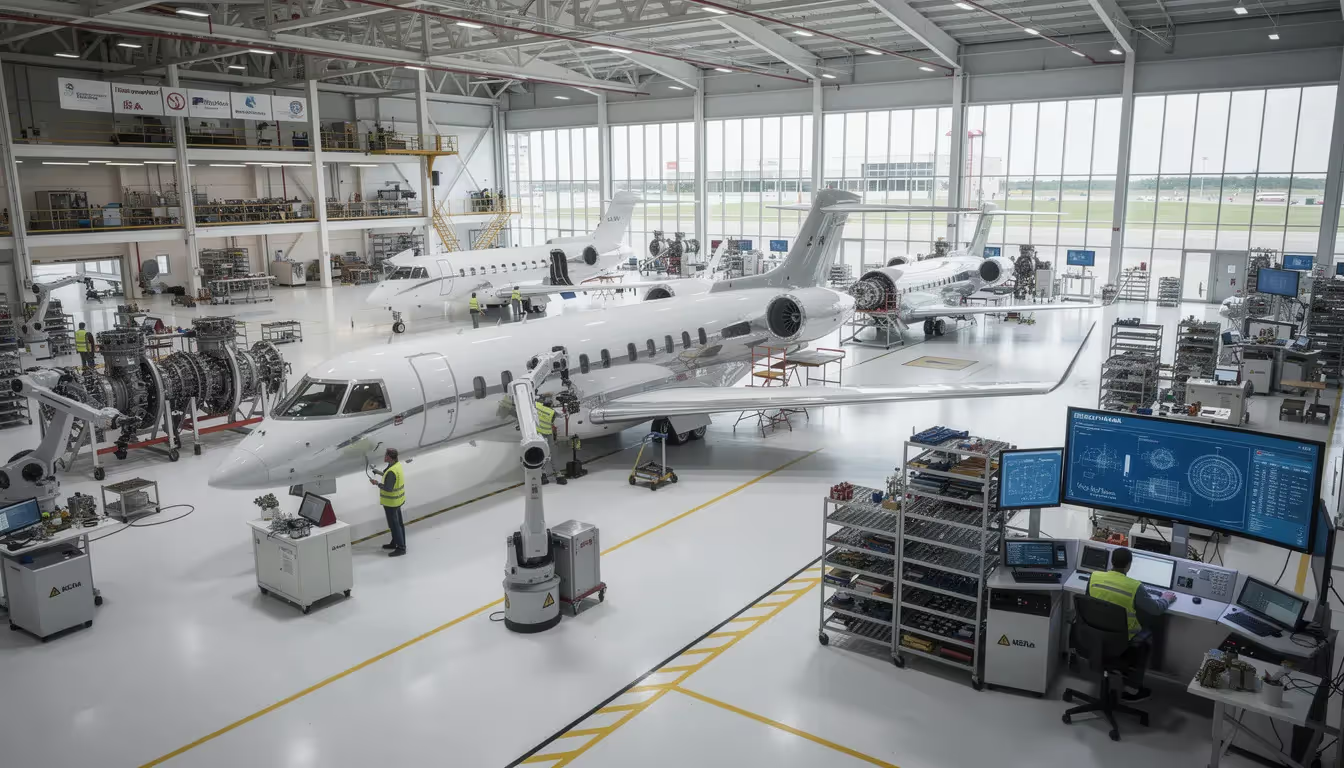
The rise of private jet manufacturing began in earnest in the 1950s, when aviation giants like Boeing and Cessna began adapting military and commercial-grade technology for business aviation. Early U.S. manufacturers leveraged their expertise in military aircraft to develop business jets that combined performance and reliability. These early aircraft were primarily used by CEOs and government officials — designed for productivity and speed rather than luxury.
By the 1980s and 1990s, demand had shifted. The rise of global business, coupled with increasing wealth concentration, created a new class of traveler—one that valued efficiency, privacy, and prestige. Achieving the first flight of a new private jet became a critical milestone, demonstrating performance, safety, and technological advancement. U.S. manufacturers responded by expanding offerings across size classes: from agile light jets to ultra-long-range intercontinental aircraft.
Today, manufacturers like Gulfstream Aerospace, Honda Aircraft Company, and Textron Aviation (Cessna) lead the industry. Gulfstream, in particular, transitioned from military aircraft engineering through its Grumman heritage, bringing deep expertise to high-end corporate aviation. They are defined not only by engineering precision but also by their integration of advanced avionics, carbon-neutral programs, and next-gen luxury interiors.
The Best Private Jet Manufacturers in the USA and Beyond
Gulfstream Aerospace (Savannah, Georgia)
Gulfstream is the gold standard in private aviation. Gulfstream specializes exclusively in executive jets and produces models like the G700 and G650. From the long-range G650 to the ultra-elite G700 and G800, Gulfstream jets are frequent choices among Fortune 500 executives, celebrities, and heads of state. Gulfstream Aerospace has built its reputation on long-range, large-cabin business jets.
Performance: Gulfstream’s jets are known for their incredible range — over 7,500 nautical miles — allowing nonstop flights from New York to Hong Kong. The G650 and G700 are among the most popular aircraft in their class. The G800 boasts the longest range of any business jet at 8,200 nautical miles.
Technology: Proprietary Symmetry Flight Deck, Active Control Sidesticks, and cabin altitude below 4,000 feet for passenger wellness.
Design: Gulfstream jets are recognized for their distinctive elongated oval-shaped windows, enhancing both luxury and aesthetics.
Sustainability: Gulfstream leads with SAF-compatible engines and a commitment to carbon neutrality across its fleet.
The G700 had its first flight in February 2020 and entered service in 2022, showcasing advancements in range and comfort.
BlackJet clients frequently rely on Gulfstream aircraft for transcontinental business missions and high-profile international events.
Cessna Aircraft Company (Wichita, Kansas)
Under Textron Aviation, Cessna remains one of the most trusted names in light and midsize jets. Textron Aviation is the parent company of popular business aviation brands Cessna and Beechcraft. Cessna is the largest private aircraft manufacturer in the U.S. by market share, holding approximately 35% of the market in 2024/2025. Its Citation series is a top choice for regional business flights, with models like the Citation XLS+, CJ4 Gen2, Latitude, Citation Longitude, and Citation M2. The Citation Longitude can carry up to 12 passengers over 6,482 km, making it ideal for longer-range missions.
Efficiency: Ideal for short-to-medium haul missions — e.g., Miami to Chicago — with runway access to smaller regional airports.
Affordability: A favorite among Jet Card programs and corporate flight departments due to reliability and value.
Innovation: Newer models feature Garmin G5000 avionics and noise-reducing interiors for enhanced comfort.
BlackJet’s regional U.S. flights often feature Citation-series jets, giving clients flexible, efficient, and quiet travel.
Honda Aircraft Company (Greensboro, North Carolina)
Known for innovation, the HondaJet Elite II redefined the light jet category. Honda Aircraft is part of a Japanese conglomerate but is headquartered and manufactures in the U.S.
Range & Speed: Capable of flying over 1,500 nautical miles at speeds exceeding 420 knots.
Sustainability: Lower emissions and advanced aerodynamics make the HondaJet an environmentally responsible choice.
Technology: The HondaJet Elite II is the world's first production twin-engine Very Light Jet (VLJ) with autothrottle and is anticipated to become the first twin-turbine very light business jet with Emergency Autoland.
This aircraft is ideal for individual executives or couples traveling within North America who value innovation and efficiency.
Bombardier (U.S. operations in Florida & Arizona)
While headquartered in Canada, Bombardier has significant U.S. manufacturing and maintenance operations and is a key player in American private aviation infrastructure. Bombardier is a world leader in aviation and produces a wide range of jets including the Learjet, Challenger, and Global series. Bombardier is one of the largest aircraft manufacturers in the world and focuses entirely on business aviation.
Flagships: Challenger 3500, Global 7500 — both known for exceptional range and onboard amenities. The Global 8000 is touted as the world's fastest business jet, capable of a maximum speed of Mach 0.94.
Sustainability: Industry-first Environmental Product Declarations (EPDs) and carbon-neutral production facilities.
Global 7500s are frequently chosen by international BlackJet clients for Europe–Asia–U.S. rotations.
Airbus Corporate Jets (Toulouse, France)
Airbus is a leader in private jet manufacturing and focuses on large airliners that can be converted into corporate or VIP versions. Since 1997, Airbus has been producing corporate and VIP versions of its aircraft. The ACJ TwoTwenty, launched in 2020, offers an intercontinental range of 5,650 nautical miles with spacious, customizable interiors.
Range & Capacity: Ideal for ultra-long-range missions with large cabin space, suitable for heads of state and corporate VIPs.
Innovation: Airbus is known for its customer focus and technological innovation, producing some of the largest private aircraft in the world.
Dassault Aviation (France)
Dassault Aviation produces the Falcon series of business jets, which includes models like the Falcon 2000 and Falcon 8X. The Falcon 10X is Dassault's latest ultra-long-range jet with a focus on spacious, quiet interiors.
Performance: Falcons combine luxury, engineering, and military-grade performance, with advanced avionics and impressive range.
Legacy: Dassault has a long-standing reputation for innovation and expertise in fighter aviation, bringing that engineering excellence to business jets.
Embraer Executive Jets (Brazil)
Embraer is one of the world market leaders in regional passenger aircraft and produces jets like the Phenom and Legacy series. It claims to be the third largest aircraft manufacturer after Airbus and Boeing.
Models: The Embraer Legacy 500 can carry up to 12 passengers with a range of 5,790 km. The Phenom 300E has been one of the best-selling light jets in the world for more than a decade.
Innovation: Known for advanced avionics, fuel efficiency, comfort, and performance.
Other Notable Manufacturers
Pilatus: For entry-level or budget-conscious travelers, the Pilatus PC-24 stands out as a super versatile jet capable of landing on short runways and configured for cargo or medical evacuation.
Piaggio Aerospace: Recognized for producing the P180, a six-seat turboprop aircraft with a unique drop-shaped fuselage design.
Cirrus Aircraft: Produces the Vision SF50 (Vision Jet), known as the world's first single-engine personal jet, which includes a whole-plane parachute system for safety.
Why Choose Private Aviation?
Private aviation is often preferred for time-sensitive travelers due to its ability to provide quick and efficient travel solutions. Owning a private jet allows for complete customization and always-available access, appealing to frequent travelers who value flexibility, privacy, and luxury.
How Private Aviation Compares to Commercial Travel
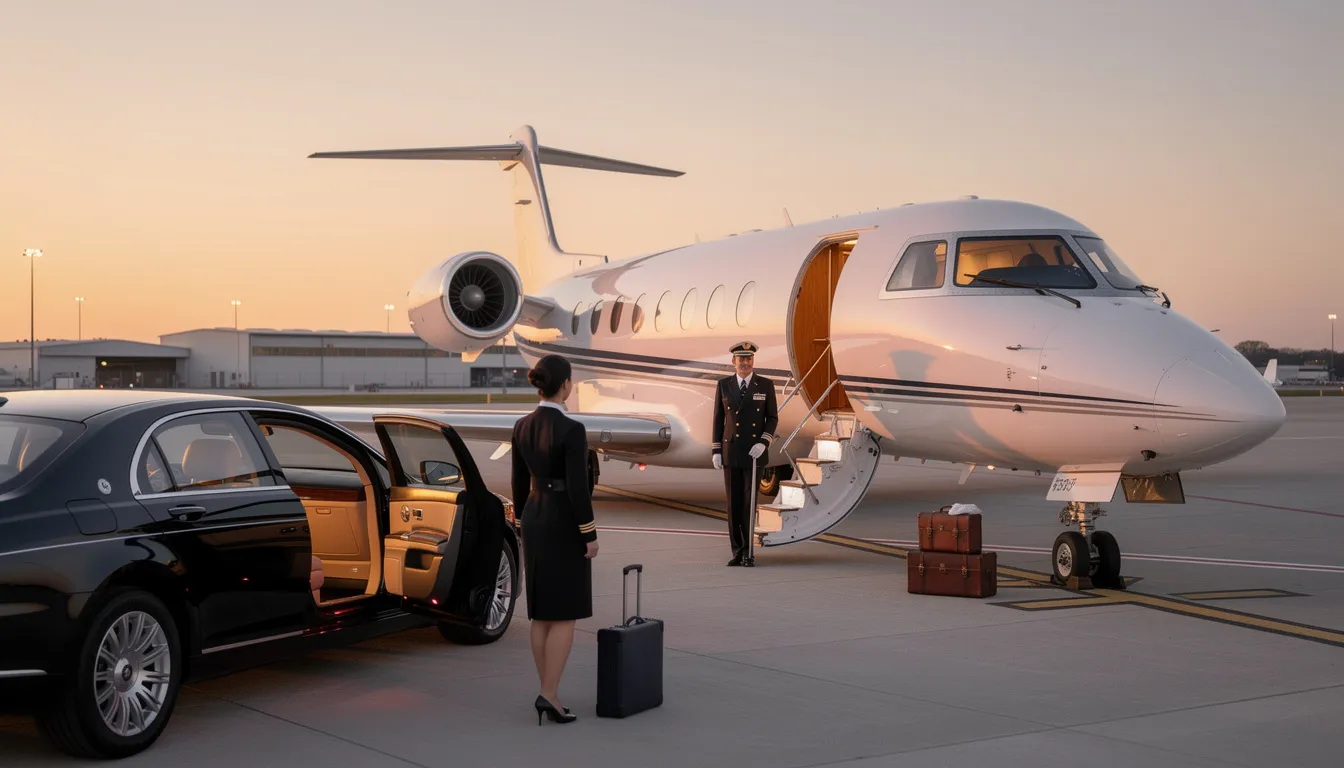
Private jets offer more than luxury — they offer freedom. Private jets can land at a wide variety of airports, including smaller regional airports and even unpaved runways that are not accessible to commercial airliners, allowing travelers to reach remote or exclusive destinations with ease. In addition, private jets provide a higher level of comfort compared to commercial aviation, with customizable interiors designed for maximum comfort.
Time Efficiency
A typical BlackJet client flying from LA to NYC saves 4–5 hours per round trip compared to first-class commercial flights, thanks to private terminal access, no layovers, and rapid boarding.
Airport Access
Private jets can access over 5,000 U.S. airports, compared to roughly 500 for commercial airlines — opening routes that save hours or even days of travel time.
Customization
From conference-ready cabins to kid-friendly sleeping setups, private jets are configured for your life — not someone else’s.
Discretion & Security
No TSA lines. No middle seats. Just privacy, predictability, and peace of mind.
Executive & Business Jet Use Cases
Scenario: The NYC–London Executive Mission
A global CEO using a Gulfstream G700 via BlackJet’s Jet Card program departs Teterboro at 8 p.m. local time, sleeps onboard, and arrives in London Heathrow at 7:30 a.m. refreshed and ready to lead a board meeting by 9.
Scenario: Regional Productivity Sprint
A law firm team takes a Citation Latitude from Chicago Midway to Nashville and back in a single day, holding a client arbitration session, returning home for dinner.
These are not luxuries. They're business tools.
Safety, Certification & Maintenance — What Really Matters
Every aircraft in BlackJet’s fleet operates under the strictest FAA Part 135 standards, but that’s just the baseline.
We work only with ARGUS Platinum or Wyvern Wingman-rated operators.
Every aircraft is maintained and tracked via proprietary digital logs, ensuring full transparency and up-to-the-minute compliance. Regular inspection and maintenance of structural components is essential to ensure ongoing safety and optimal performance.
BlackJet’s Jet Card program includes aircraft sourced from top-tier manufacturers only, with documented maintenance protocols, carbon offset programs, and elite pilot training standards.
When it comes to aviation safety, we don’t just meet standards — we exceed them. Manufacturers often make claims about their superior safety records and aircraft performance, further emphasizing the importance of rigorous certification and operational excellence.
Sustainability in Private Aviation: Who’s Leading the Charge?
All BlackJet flights are carbon neutral — at no extra cost to you.
But the commitment goes beyond offsets:
Gulfstream and Bombardier use SAF-compatible engines and testbeds for clean aviation technology.
HondaJet’s design cuts fuel burn and emissions by up to 20% compared to competitors in its class.
Cessna’s latest Citation jets incorporate lightweight materials and upgraded avionics to optimize flight paths and reduce emissions.
New sustainable technologies are being developed to reduce environmental impact without compromising the maximum range of modern jets.
Electric and hybrid aircraft are in development by companies like Eviation and Embraer.
In short: Choosing a BlackJet-backed aircraft means you fly smarter — and greener.
Considering Ownership vs. Charter vs. Jet Cards
While full jet ownership appeals to some, most travelers find better value in programs like BlackJet’s Jet Card, which offers:
Guaranteed availability
Consistent aircraft quality
Flexible scheduling and routing
No maintenance, crew, or hangar responsibilities
Chartering is ideal for occasional flyers but can involve fluctuating pricing and limited aircraft availability. The process to charter a private jet generally consists in selecting an aircraft provider and finalizing the itinerary. The cost of chartering a private jet can vary based on distance, aircraft type, and service level. Private jet charters often include amenities like catering and in-flight entertainment, enhancing the travel experience. When selecting an aircraft, popular aircraft are usually chosen for charter due to their reliability and suitability for different travel needs and budgets.
BlackJet’s Jet Card clients access premier aircraft from top U.S. manufacturers on demand — without the friction of full ownership.
Luxury Travel Amenities That Define the Experience
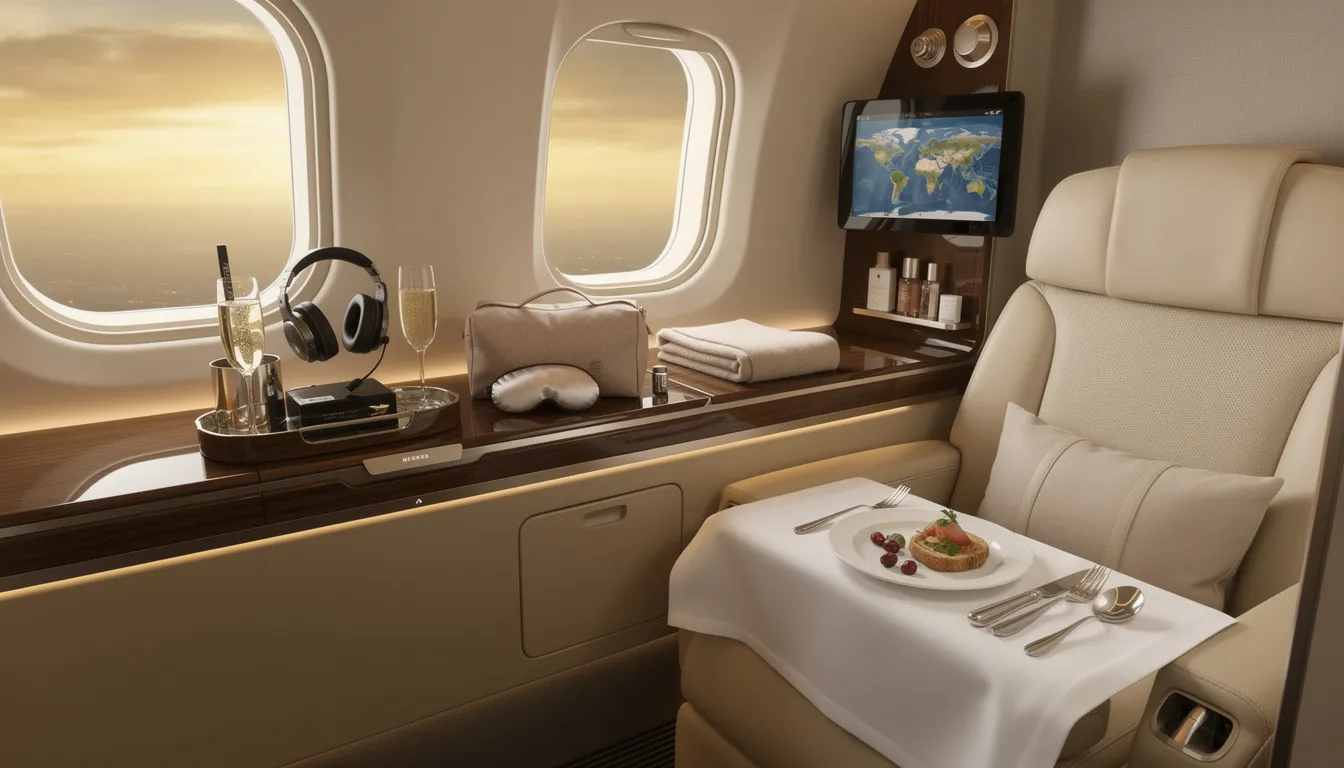
Some private jets are converted from large commercial airliners, offering VIP-level amenities and spacious cabins for corporate and high-net-worth clients. Private aviation clients have access to a wide selection of private jets, ranging in size and type, enabling tailored luxury experiences.
Connectivity: High-speed Wi-Fi, video conferencing, secure data links.
Personalization: Branding, gifts, and even curated in-flight playlists.
With BlackJet, you’re not buying a flight — you’re curating a seamless experience.
FAQ: Your Private Jet Questions, Answered
What’s the difference between a Jet Card and chartering?
Jet Cards offer guaranteed access to aircraft at locked-in rates with no hidden fees, while charters vary in price and availability.
Are BlackJet flights really carbon neutral?
Yes. Every flight includes certified carbon offsets, and we prioritize aircraft with SAF-ready engines and efficient flight planning.
Can I choose specific aircraft models?
Yes — depending on your Jet Card tier, you can request from a curated fleet featuring Gulfstream, Cessna, HondaJet, and more.
How far in advance do I need to book?
As little as 24 hours — or even same-day in some cases, thanks to our proprietary scheduling platform.
Do all aircraft meet safety standards?
Absolutely. All aircraft exceed FAA Part 135 standards and are maintained to ARGUS or Wyvern Platinum certification levels.
Conclusion: Choose Manufacturers That Meet BlackJet Standards
The best private jet experience starts with the best aircraft — and the best aircraft come from trusted, U.S.-based manufacturers that blend innovation, efficiency, and prestige.
At BlackJet, we work only with the most respected names in private aviation — Gulfstream, Cessna, Honda, Bombardier — to ensure every journey is defined by safety, sustainability, and seamless access.
Whether you’re planning global board meetings, family escapes, or last-minute deal closings, BlackJet elevates every mile.
Discover the Future of Private Jet Travel
Join our Jet Card program and experience elite aircraft access, carbon-neutral travel, and unmatched personalization.


 Sign up with google
 Sign up with Apple