For high-net-worth individuals, senior executives, and discerning travelers, private jet ownership represents more than a lifestyle upgrade; it is a strategic advantage. The ability to bypass crowded airports, reduce time lost in transit, and reach secondary airports closer to one’s final destination can translate into significant competitive value. For a CEO overseeing global operations or a family navigating multiple homes across continents, time saved is often more valuable than money spent.
While commercial first class can deliver comfort, it cannot match the seamless convenience, security, and customization of private aviation. Owning a jet or securing dedicated access grants a level of control that airlines cannot replicate. But alongside this freedom comes responsibility: private jets involve substantial operating costs that extend far beyond the initial purchase price. Operating costs for private jets typically range widely depending on factors such as aircraft age, type, and usage, making it essential to consider these variables when estimating total expenses.
Private jet operating costs typically range from $500,000 to $1 million per year. The total estimated annual operating cost for a private jet can reach $780,000, considering both fixed and variable costs. For those who may not wish to purchase, renting a private jet offers a flexible and potentially cost-effective alternative, with its own set of costs and considerations. Crew expenses typically range from $85,000 to $300,000 annually per person, depending on their experience and the type of aircraft.
Understanding these expenses is crucial for anyone considering ownership or long-term private jet access. From fuel and maintenance to crew salaries and regulatory compliance, operating costs shape the financial sustainability of private aviation.
Types of Private Jets and Their Cost Profiles
Private jets vary widely in size, range, and cost. Understanding the categories helps clarify the operating costs associated with each type of plane, including private and business jets. Some efficient models stand out by delivering significant cost savings and better performance compared to older or less optimized jets. Very light jets like the Cirrus Vision SF50 are the most economical option, with operating costs at approximately $661.53 per hour.
Very Light Jets (VLJs)
Typically seats 4–6 passengers.
Hourly operating costs: $700–$1,800.
Examples: Cessna Citation Mustang, Eclipse 500.
Ideal for short hops and regional business travel, VLJs are especially well-suited for regional travel due to their cost-effectiveness and operational flexibility. Many very light jets are certified for single-pilot operation, reducing crew costs and enhancing efficiency. VLJs are the entry point into private jet ownership, but still require rigorous upkeep.
Midsize Jets
Balance range, cabin size, and cost efficiency.
Midsize jets typically require two pilots for safe and compliant operation.
Hourly costs: $1,800–$3,200.
Examples: Embraer Phenom 300, Cessna Citation XLS+, Hawker 900XP.
With a 2,000–3,000 nautical mile range, midsize jets are popular among owners who need transcontinental flexibility without heavy-jet expenses.
Compared to super midsize jets, midsize jets offer a smaller cabin and shorter range, but lower operating costs.
Super midsize jets provide greater range and passenger capacity, typically over 3,000 nautical miles and seating for 8–9 passengers, while maintaining efficient operating costs relative to larger aircraft. The Citation XLS+ is considered one of the most economical midsize jets, operating at around $2,300 per hour.
Large Cabin and Heavy Jets
Designed for long-range and transoceanic flights, these large jets and large cabin business aircraft are built for maximum comfort and performance.
Hourly costs: $4,000–$8,000+. Larger jets tend to have higher operating costs due to their increased size, complexity, and extended range.
Examples: Gulfstream G650, Bombardier Global 7500, Dassault Falcon 7X, Boeing BBJ (a VIP-configured, ultra-long-range jet).
Capable of seating 12–16 passengers, heavy jets are the pinnacle of luxury but also command the highest maintenance, fuel, and crew expenses. These aircraft are chosen for their transcontinental range and ability to perform nonstop intercontinental flights. Large cabin business jets usually have operating costs of $3,000 to $5,000+ per hour.
Aircraft Ownership Options
Acquiring new and used aircraft presents significant challenges due to high prices and limited availability, requiring careful evaluation of both options. Purchasing a new aircraft offers the latest technology and warranties, but comes at a premium. Opting for a pre-owned aircraft can provide substantial financial benefits, often costing 20–50% less upfront; however, buyers should be aware of potential additional expenses for inspections, ongoing maintenance, and necessary upgrades. The process of acquiring a pre-owned jet involves thorough due diligence, including detailed inspections and consideration of refurbishment needs, to ensure cost savings are not offset by unexpected costs. New and used aircraft can be challenging to obtain, causing competition and price increases. Depreciation rates for private aircraft can significantly impact ownership costs, typically 10%-15% in the first year and 5%-10% annually thereafter.
Other models of ownership include:
Fractional Ownership: Buying a share of an aircraft for proportional use.
Charter Access: Paying only when you fly, but with limited availability. Chartering a private jet is often the most cost-effective option for infrequent travelers.
Jet Cards: Offering predictable access without the overhead of ownership.
For many, professional aircraft management companies oversee day-to-day operations, maintenance, and crew, charging fees but streamlining compliance and scheduling.
Key Operating Cost Components
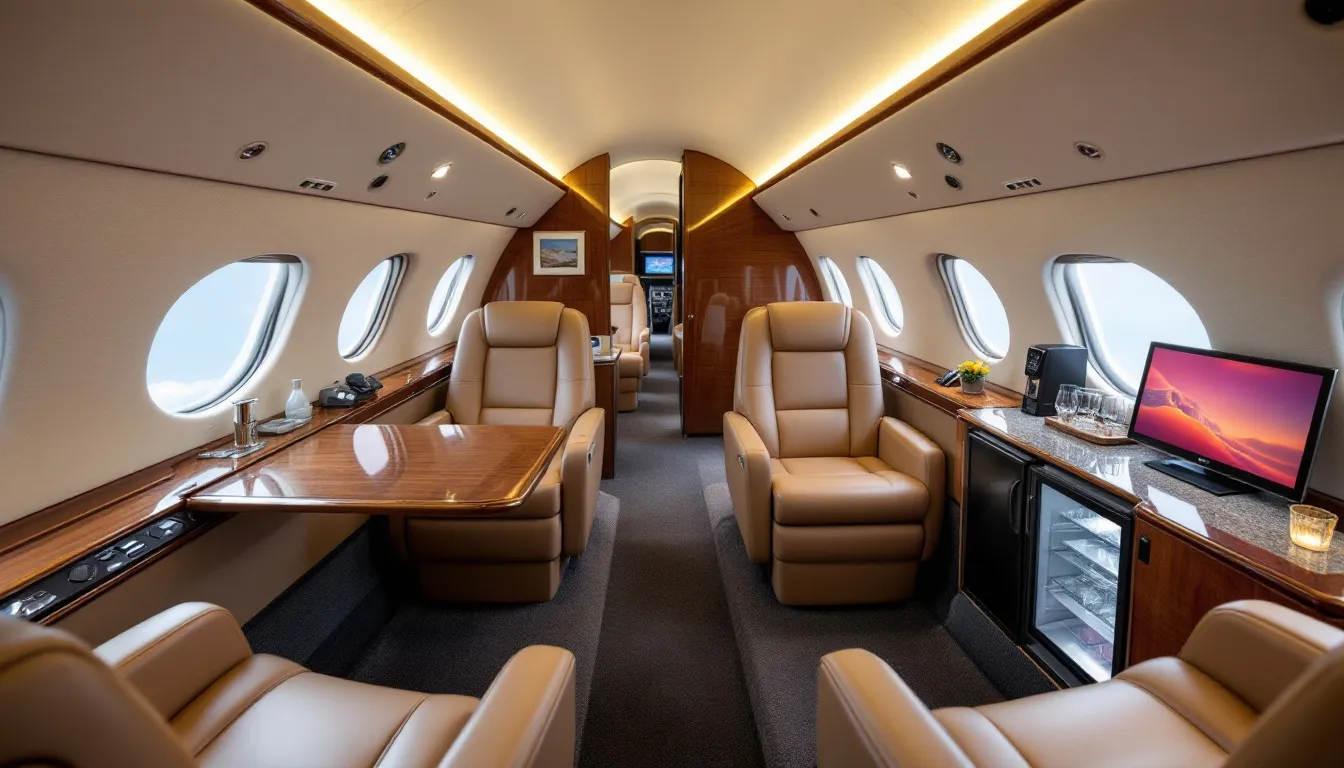
Operating costs are split between variable and fixed expenses. Crew costs are a significant component of operating expenses, including ongoing expenses for pilots and cabin crew. Crew and pilot salaries for private jets typically range from $85,000 to $300,000 annually per individual.
Variable costs include fuel, landing fees, and catering. Crew expenses, such as pilot salaries, can vary widely depending on experience and aircraft type, with more experienced pilots and larger or more complex aircraft typically commanding higher salaries. Additional costs may also arise beyond routine maintenance, such as cleaning, de-icing, major inspections, and unexpected repairs, all of which can significantly impact the total cost of ownership. Operational costs include fees for landing, handling, navigation, and catering, which can accumulate to significant amounts. Fuel expenses represent the largest variable cost in private aviation, typically accounting for 25-35% of operating costs. Midsize jets typically consume around 200 gallons of fuel per hour, with refueling costs ranging from approximately $520 to $600. Unexpected mechanical issues can result in five-figure repair bills for older aircraft.
Variable Costs
Fuel: Often the single largest factor. A midsize jet may burn fuel worth $500–$1,000 per flight hour, while heavy jets may double or triple that figure. Fluctuations in fuel prices can significantly impact overall operating expenses, making cost forecasting and management essential. The private jets range also plays a key role, as longer-range aircraft typically consume more fuel per hour, affecting total fuel costs. Choosing the most efficient models, those with modern engines and aerodynamic improvements, can help reduce fuel consumption and lower variable costs.
Maintenance: Typically 5–10% of aircraft value annually, covering inspections, engine reserves, and avionics updates.
Crew Salaries: Captains and co-pilots command six-figure annual salaries, and larger aircraft require additional crew.
Fixed Costs
Insurance: Annual premiums vary from $10,000–$200,000+, depending on aircraft type and liability coverage. These ongoing insurance expenses can easily reach several thousand dollars annually, depending on the aircraft and coverage required. Private jet insurance premiums range from $15,000 annually for very light jets to over $85,000 for ultra-long-range aircraft.
Hangar Fees: Range from $2,000–$10,000 per month, influenced by location and amenities. Hangar fees alone can add up to several thousand dollars each year, making them a significant recurring cost. Hangar fees for private jets can start at $30,000 and go up to over $200,000 annually, depending on location.
Administrative & Compliance: Accounting, scheduling software, regulatory filings, and legal oversight. These administrative and compliance costs can also total several thousand dollars annually, depending on the level of service and regulatory requirements.
Spotlight: Midsize Jets
Midsize jets like the Cessna Citation XLS+ and the Bombardier Challenger 350 offer a sweet spot between cost and capability:
Range: 2,000–3,000 nautical miles.
Seating: 6–8 passengers.
Hourly cost: $2,500 on average.
Known for aerodynamic efficiency and comfortable cabins. The Bombardier Challenger 350, in particular, is recognized for its fuel efficiency and cost-effectiveness, making it a popular choice for charters in this category.
Popular with executives managing national or transcontinental business itineraries, midsize jets deliver the flexibility of private aviation at a manageable cost profile.
Spotlight: Heavy Jets
For global travelers, heavy jets remain unmatched:
Range: 5,000–7,000 nautical miles.
Seating: 12–16 passengers.
Hourly cost: $6,000–$8,000.
Examples: Gulfstream G650, Boeing Business Jet (BBJ).
The aircraft's value, features, and condition, such as advanced avionics, luxury upgrades, or recent maintenance, can significantly influence the operating costs of heavy jets, especially for models like the Boeing BBJ.
Though expensive, their ability to connect New York to Tokyo or London to Los Angeles without stops makes them indispensable for multinational corporations and ultra-high-net-worth families.
Cost Per Hour: The Universal Metric
To evaluate true operating cost, owners often calculate cost per flight hour: Cost Per Hour=Total Annual Operating CostsAnnual Flight Hours\text{Cost Per Hour} = \frac{\text{Total Annual Operating Costs}}{\text{Annual Flight Hours}}Cost Per Hour=Annual Flight HoursTotal Annual Operating Costs. Owners should budget an additional 10-15% beyond calculated operating costs to handle contingencies.
Cost Per Hour=Total Annual Operating CostsAnnual Flight Hours\text{Cost Per Hour} = \frac{\text{Total Annual Operating Costs}}{\text{Annual Flight Hours}}Cost Per Hour=Annual Flight HoursTotal Annual Operating Costs
For example:
Midsize jet (Citation XLS+): ~$2,500 per hour.
Heavy jet (Gulfstream G650): ~$6,000 per hour.
Some light and midsize jets are recognized for having the lowest operating costs per hour, making them especially attractive for cost-conscious owners.
This figure helps compare ownership, fractional programs, and jet cards on equal footing.
The Impact of Fuel Efficiency
Fuel efficiency remains one of the largest variables in cost management. Modern aircraft like the Cessna Citation Latitude or Embraer Praetor 600 feature advanced aerodynamics and next-generation engines that lower fuel burn by double-digit percentages. In contrast, older aircraft typically have higher fuel consumption and increased maintenance costs, making them less economical over time.
Pilots and flight planners also play a role: optimized routing and altitude selection can reduce fuel costs, demonstrating how technology and expertise directly impact operating economics.
Maintenance and Safety
Beyond cost, maintenance is a safety imperative. Regular inspections, engine overhauls, and avionics upgrades are not optional; they are critical for compliance and passenger protection. Many new owners face unexpected expenses like maintenance surprises and navigation fees.
Owners often budget $50,000 annually for routine maintenance and $100,000+ for larger repairs or upgrades. These investments safeguard both asset value and passenger safety. Routine maintenance can cost about 2% of the original aircraft price per year for a pre-owned aircraft.
At BlackJet, we emphasize proprietary certification standards and partner exclusively with operators meeting or exceeding FAA, ARGUS, and Wyvern benchmarks.
Insurance and Liability
Insurance is both a financial and regulatory requirement. Premiums reflect aircraft type, pilot experience, and usage profile. A light jet might incur $10,000 annually, while a heavy jet may require $200,000+. Private jet insurance premiums generally fall between 1% and 3% of the aircraft's annual value.
Liability coverage provides protection in rare incidents, ensuring owners are shielded from claims while meeting global compliance standards.
Hangar and Storage Considerations
Aircraft storage protects against weather and environmental damage. While hangar storage can cost $5,000–$10,000 per month in major hubs, off-airport facilities offer lower-cost alternatives at the expense of convenience.
Regulatory Compliance
Owning and operating a jet demands strict compliance with FAA, EASA, and ICAO regulations. This involves pilot licensing, maintenance documentation, safety audits, and periodic inspections, all of which carry cost and administrative complexity.
Professional management companies often handle these tasks, ensuring uninterrupted operations while maintaining compliance.
Tax Implications
Private jet ownership can bring tax advantages, including depreciation, maintenance deductions, and fuel cost write-offs. However, tax codes are complex and vary by jurisdiction. Consulting aviation-focused tax advisors is essential to maximize benefits while avoiding regulatory pitfalls.
Cost Management Strategies
Effective cost management is at the heart of successful private jet ownership. With operating costs representing a significant ongoing investment, owners must be proactive in seeking ways to minimize expenses while maximizing the value and utility of their aircraft. One of the most impactful strategies is optimizing fuel costs. By purchasing fuel at airports with competitive pricing, leveraging fuel planning services, and selecting the most economical fuel stops along frequently traveled routes, owners can significantly reduce one of the largest variable expenses in private aviation.
Maintenance costs are another area where strategic planning pays dividends. Scheduling routine inspections and necessary repairs during planned aircraft downtime and coordinating multiple maintenance actions in a single visit can help avoid unnecessary aircraft downtime and reduce overall maintenance expenses. Partnering with experienced maintenance providers ensures that work is completed efficiently and to the highest safety standards, further protecting the aircraft’s value.
For those seeking a more cost-effective approach to private aviation, fractional ownership or chartering options can provide many of the benefits of jet ownership without the full financial commitment. These models allow owners to access private jet travel as needed, while sharing the burden of fixed and variable costs with other users. Fractional ownership generally offers lower upfront and fixed costs compared to full ownership.
By implementing these cost management strategies, private jet owners can better navigate the complexities of private aviation, control ongoing costs, and enjoy a more sustainable and rewarding ownership experience.
Administration and Management
The administration and management of a private jet involve a complex array of responsibilities, from regulatory compliance and insurance to maintenance oversight and crew management. Many owners find that partnering with a professional management company is the most efficient way to handle these demands. These companies bring specialized expertise and resources, helping to streamline operations, reduce costs, and ensure that every aspect of private aviation is handled with precision. Management fees for owners hiring a management company to handle logistics and compliance can cost anywhere from $50,000 to $200,000 annually. Full ownership means the owner is fully responsible for all operational expenses and maintenance. Regulatory compliance fees can add up to tens of thousands of dollars annually, particularly for aircraft operating on international routes.
Professional management companies can provide access to a pool of highly qualified pilots, ongoing training programs, and established maintenance networks, all of which contribute to safer and more reliable aircraft operations. They also manage regulatory requirements, ensuring that the aircraft remains compliant with all relevant aviation authorities and that documentation is always up to date. By efficiently scheduling maintenance and minimizing aircraft downtime, these companies help owners maximize the availability and performance of their jets. Aircraft downtime can lead to missed meetings and lost business opportunities.
For many owners, outsourcing administration and management tasks means they can focus on their core business or personal pursuits, confident that their private jet is being operated to the highest standards. This approach not only enhances the ownership experience but also helps control costs and maintain the long-term value of the aircraft.
Upgrades and Modifications
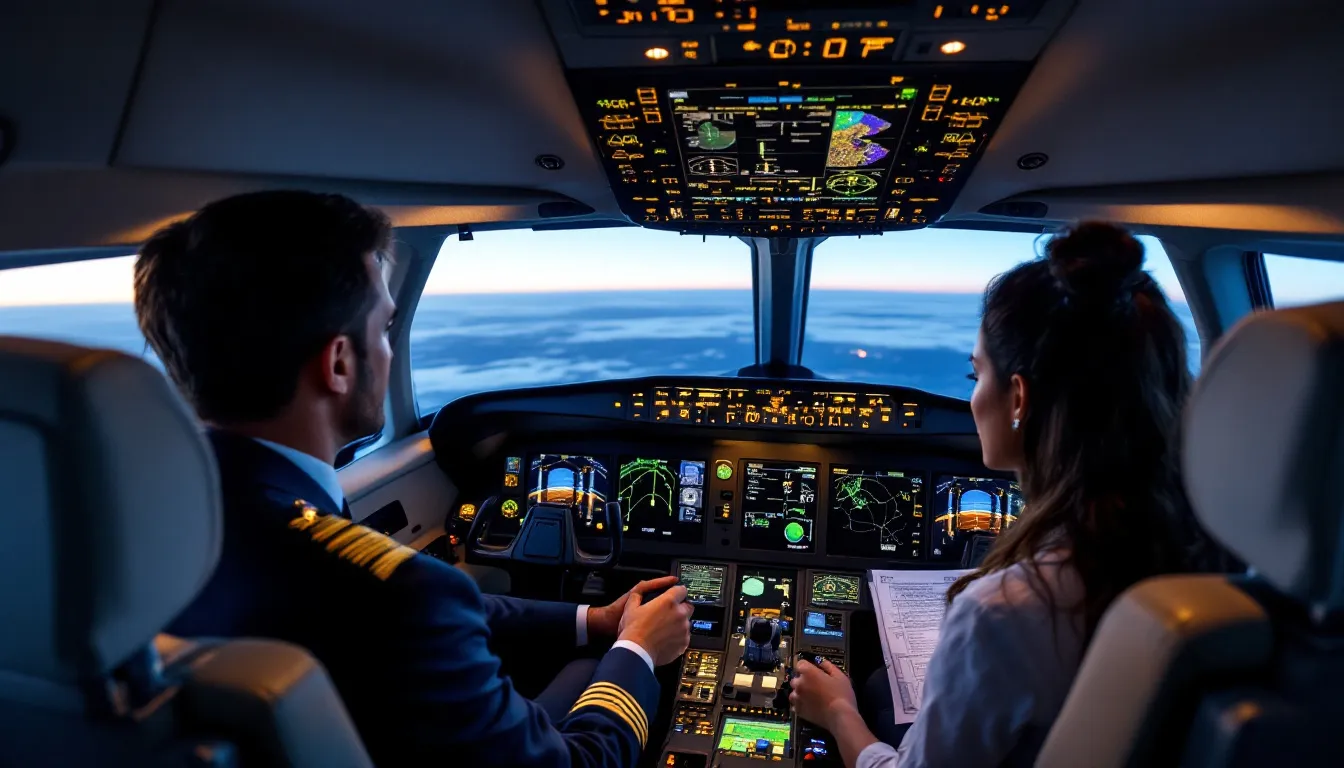
Investing in upgrades and modifications is a key strategy for private jet owners who want to maintain or enhance the value, safety, and performance of their aircraft. The private jets market is dynamic, with new technologies and features continually emerging. Upgrades can range from advanced avionics systems and more efficient engines to luxurious interior refurbishments and custom exterior paint schemes. Full ownership allows for bespoke customization according to the owner's preferences. Depreciation represents a significant annual loss in asset value for a private jet.
Popular modifications include installing high-speed Wi-Fi for seamless connectivity, upgrading to quieter and more fuel-efficient engines, and refreshing cabin interiors to reflect the latest in comfort and style. These enhancements not only improve the in-flight experience but can also extend the aircraft’s range and operational capabilities, making it more attractive to future buyers or charter clients.
When considering upgrades, owners should carefully evaluate the costs and potential return on investment, taking into account the aircraft’s age, condition, and current market demand. Working with experienced providers ensures that all modifications are completed efficiently, safely, and in compliance with regulatory standards.
By prioritizing strategic upgrades and modifications, private jet owners can protect their investment, enjoy a superior flying experience, and ensure their aircraft remains competitive in the evolving private aviation market.
Alternatives: Jet Cards and Managed Access
For many, the costs of ownership outweigh the benefits. Jet Cards, fractional programs, managed charter access, or utilizing executive jet management companies offer the convenience of private aviation without the fixed overhead. Executive jet management services can handle the complexities of private jet operation, including maintenance, scheduling, and operational oversight, providing an alternative to direct ownership.
With BlackJet’s Jet Card, travelers gain predictable access to a premier fleet, with carbon-neutral flights, strict safety protocols, and transparent pricing, eliminating the unpredictability of ownership costs.
FAQs on Private Jet Operating Costs
How much does it cost to operate a private jet per year?
Anywhere from $500,000 for a light jet to $4–6 million for a heavy jet, depending on usage and aircraft type.
Are private jets carbon neutral?
With BlackJet, yes. Every journey is carbon offset at no extra cost to our Jet Card members.
Is owning a jet cheaper than chartering?
Rarely. Unless flying 300+ hours per year, ownership often costs more than Jet Cards or fractional access.
What drives the largest expenses?
Fuel, crew salaries, maintenance, and insurance typically make up the bulk of annual costs.
Conclusion: The True Cost of Private Aviation
Private jet ownership delivers unparalleled freedom, status, and convenience, but at a price that extends far beyond acquisition. From multimillion-dollar operating budgets to the complexities of maintenance and compliance, ownership requires careful planning and significant resources.
For those seeking the benefits of private aviation without the burden of ownership, Jet Cards and managed access programs provide a compelling alternative. BlackJet redefines private travel by combining prestige, safety, sustainability, and technology into a seamless experience.
Discover how charter flights with BlackJet can reshape your travel experience: www.blackjet.com


 Sign up with google
 Sign up with Apple


