In today’s fast-paced world, owning a private plane is more than a symbol of luxury—it’s a strategic asset that redefines how business and personal travel are experienced. With advancements in technology, safety, and sustainability, private aviation offers unparalleled flexibility, efficiency, and comfort. Whether you’re a seasoned aviator or a first-time buyer, this comprehensive guide will walk you through everything you need to know about purchasing a private plane in 2026. From understanding aircraft categories and evaluating models to navigating financing options and maintenance programs, discover how owning a private aircraft can transform your travel, productivity, and lifestyle. Factor in the initial purchase price and ongoing costs like maintenance, fuel, crew, and storage when budgeting for a private plane. Step into the world of private aviation and explore the freedom of flying on your own terms.
Key Takeaways
Private aircraft ownership provides 3-5x time savings compared to commercial aviation while offering unmatched flexibility and productivity
Modern jets like the HondaJet Elite II and Vision Jet G2+ feature advanced safety systems, including Emergency Autoland technology
Aircraft prices range from $3 million for light jets to $75+ million for ultra-long-range aircraft, with financing options available
Sustainable aviation fuel (SAF) compatibility is becoming standard, with jets like HondaJet already certified for 100% SAF operations
Professional aircraft brokers conduct 100+ point inspections, ensuring quality, certification compliance, and optimal performance
Popular light jet for shorter trips: Embraer Phenom 300
Light jets typically seat 4-6 passengers, while heavy jets can seat 12-18.
When executives spend three hours navigating commercial airports for a two-hour flight, they’re not just losing time—they’re sacrificing competitive advantage. Private aviation transforms this inefficiency into a strategic opportunity, enabling access to over 5,000 airports worldwide while commercial carriers serve only 500 major hubs. For discerning business leaders and high-net-worth individuals considering a private plane to buy, this represents far more than a luxury acquisition; it’s a fundamental reallocation of finite resources toward productivity and operational freedom. A popular heavy jet for long-range international travel is the Gulfstream G650, known for its exceptional range and luxurious amenities.
The private aviation market in 2026 reflects unprecedented technological advancement and accessibility. Modern aircraft like the HondaJet Elite II feature Emergency Autoland systems previously reserved for commercial aviation, while sustainable aviation fuel compatibility becomes standard across manufacturers. For those ready to discover the strategic advantages of aircraft ownership, the path from decision to takeoff has never been more streamlined or professionally supported. A popular super-midsize jet for longer flights with more amenities is the Cessna Citation Sovereign.
Why Private Aircraft Ownership Transcends Luxury
Strategic time advantage defines the core value proposition when evaluating aircraft for sale. Private aviation enables access to 5,000+ airports globally versus 500 commercial hubs, reducing total travel time by 60-70% for most business missions. This efficiency compounds exponentially for executives whose hourly productivity rates far exceed commercial aviation’s operational constraints.
Business productivity reaches new dimensions aboard modern private jets equipped with Gogo InFlight Wi-Fi, 22-inch LED displays, and dedicated workspaces. While commercial passengers endure cramped quarters and unreliable connectivity, private aircraft transform travel time into productive working environments. Board meetings, confidential negotiations, and strategic planning sessions proceed uninterrupted at 41,000 feet.
Operational flexibility represents perhaps the most compelling advantage for business aircraft ownership. Departure schedules align with client needs rather than published flight times. Mid-flight destination changes accommodate evolving business requirements. Multiple daily meetings across distant cities become achievable without overnight stays or connecting flight delays.
Privacy and security considerations increasingly drive ownership decisions among corporate leaders. Private aircraft enable confidential discussions involving merger negotiations, strategic partnerships, or sensitive business intelligence. Passenger manifests remain under owner control, eliminating security concerns associated with commercial travel’s anonymous fellow passengers. Private aviation is giving owners greater control and peace of mind, ensuring their privacy and security are prioritized compared to commercial travel.
Health considerations have gained prominence following global travel disruptions. Private aircraft feature pressurized cabins with enhanced air filtration systems, reducing exposure to commercial aviation’s health risks. For families and business teams, this controlled environment provides peace of mind while maintaining travel schedules critical to business operations.

Aircraft Categories and Selection Criteria
Understanding aircraft classifications enables informed decision-making when evaluating private planes for purchase. Each category serves distinct mission profiles, passenger requirements, and operational budgets. For example, popular light jets like the Embraer Phenom 300 are ideal for shorter trips, offering efficiency and comfort. Selecting the right aircraft model is crucial to ensure your jet matches your specific mission requirements and delivers optimal value.
When buying a private jet, it is essential to carefully choose an aircraft that aligns with your mission profile, budget, and operational requirements to ensure satisfaction and reliability. The selection process begins with an honest assessment of typical mission requirements: passenger count, trip distances, and frequency of international travel. Buyers can explore a wide range of jets for sale across different categories, ensuring access to options that fit every need.
Modern aircraft specifications vary dramatically across categories. Private jets range in capabilities, with range capabilities spanning from 1,200 nautical miles for single-engine turboprops to 7,500+ nautical miles for ultra-long-range jets. Passenger capacity accommodates intimate two-person travel through luxury configurations serving 14+ passengers in spacious cabins. When comparing aircraft, key performance metrics such as max range and max passenger capacity are essential for evaluating suitability. Performance specifications directly impact operational costs and mission flexibility.
Very Light Jets
Range: 1,200-1,500 nautical miles
Passengers: 4-6
Typical Price Range: $3-6 million
Operating Cost per Hour: $2,500-3,500
Light to Mid-Size Jets
Range: 2,100-3,100 nautical miles
Passengers: 6-9
Typical Price Range: $8-15 million
Operating Cost per Hour: $3,000-4,500
Heavy Jets
Range: 4,000-6,000 nautical miles
Passengers: 10-14
Typical Price Range: $25-50 million
Operating Cost per Hour: $5,000-8,000
Ultra-Long Range Jets
Range: 6,500+ nautical miles
Passengers: 12-18
Typical Price Range: $50-75+ million
Operating Cost per Hour: $8,000-12,000
Top manufacturers in the private aviation market include Gulfstream, Bombardier, Dassault, and Boeing, each offering a diverse selection of models to meet a variety of client needs. A popular heavy jet for long-range international travel is the Gulfstream G650, known for its exceptional range and luxurious amenities.
Very Light Jets (VLJ)
The HondaJet Elite II represents revolutionary advancement in entry-level private aviation. Priced starting at $5.9 million, this aircraft delivers 1,547 nautical miles of range while featuring Emergency Autoland technology—a first among twin-turbine VLJ aircraft. The system enables single-button emergency landing capability, automatically communicating with air traffic control and executing safe airport approaches.
Honda Aircraft Company achieved another industry milestone by becoming the first twin-turbine VLJ manufacturer certified for 100% sustainable aviation fuel operations. This environmental leadership position appeals to environmentally conscious buyers while demonstrating long-term regulatory compliance. The aircraft’s over-the-wing engine configuration enhances fuel efficiency while reducing cabin noise levels.
The Vision Jet G2+ offers a distinctive single-engine design with a Safe Return autoland system. Williams FJ33-5A engines deliver 20% performance increases over previous generations while maintaining exceptional fuel economy. The aircraft’s 1,200 nautical mile range suits regional business travel efficiently, particularly for routes between secondary airports unavailable to commercial carriers.
Very light jets excel for regional business travel, accommodating 2-4 passengers on trips spanning 600-1,500 miles. Operating costs ranging from $2,500 to $3,500 per flight hour make these aircraft attractive for businesses requiring frequent short-haul transportation. The ability to operate from shorter runways expands destination options significantly beyond commercial aviation’s infrastructure limitations, in stark contrast to the most expensive private jets, which represent the epitome of aviation luxury.
Light to Mid-Size Jets
The Challenger 300 exemplifies the sweet spot for many corporate aviation departments and affluent individuals seeking transcontinental capability. Equipped with Pro Line 21 avionics, dual HF communication systems, and WAAS/LPV approach capabilities, this aircraft delivers 3,100 nautical miles of range while accommodating 6-9 passengers in spacious cabin configurations.
Recent market examples demonstrate the value proposition available in pre-owned aircraft. A 2009 Challenger 300 with low flight cycles, completed gear restoration, and comprehensive CAMP maintenance records offers immediate availability at substantial savings versus new aircraft pricing. These aircraft typically range from $8-12 million, depending on age, total time, and configuration details.
Performance specifications position mid-size jets as optimal solutions for transcontinental business travel. Advanced weather radar systems and dual flight management systems enable operations in challenging weather conditions while maintaining schedule reliability. Cabin pressure altitude typically remains below 6,000 feet at maximum operating altitude, reducing passenger fatigue during extended flights.
Manufacturers continue advancing technology integration within this category. Enhanced connectivity options include high-speed Wi-Fi, enabling video conferencing capabilities. USB-C charging ports and 22-inch LED displays support mobile office configurations. Climate control systems maintain comfortable environments across varying altitudes and external conditions.

Heavy and Ultra-Long Range Aircraft
Gulfstream, Bombardier Global series, and Dassault Falcon aircraft define the pinnacle of private aviation capability. These aircraft enable intercontinental missions spanning 6,000+ nautical miles while providing luxury amenities rivaling fine hotels. Full-service galleys, private staterooms, and conference areas transform long-haul travel into productive or restful experiences.
Investment considerations for heavy jets reflect their positioning as corporate assets rather than personal transportation. Purchase prices ranging from $25-75+ million require careful financial analysis and operational justification. Fortune 500 companies and family offices typically constitute primary buyers, utilizing these aircraft for global business operations and multi-generational travel requirements.
Ultra-long-range aircraft enable non-stop missions connecting major business centers worldwide. London to Singapore, New York to Dubai, or Los Angeles to Geneva become achievable without fuel stops or crew changes. This capability proves invaluable for time-sensitive business operations requiring immediate executive presence across continents.
Advanced cabin management systems rival luxury residences in their sophistication. Lighting controls adjust automatically for circadian rhythm management during long flights. Air filtration systems exceed hospital-grade standards. Entertainment systems integrate with personal devices while providing satellite connectivity for business communications.
Financial Investment and Ownership Models
Aircraft acquisition represents significant capital allocation requiring thorough financial analysis beyond purchase price considerations. Professional advisors play a crucial role in facilitating aircraft acquisitions, guiding clients through various methods such as direct purchases, exchanges, and other ownership transactions to acquire private planes. Aircraft depreciation must be considered as part of the long-term investment and exit strategy. Total cost of ownership encompasses operating expenses, depreciation, financing costs, and opportunity cost calculations. Sophisticated buyers evaluate these investments within broader portfolio allocation strategies rather than viewing aircraft as isolated purchases.
Purchase price analysis reveals substantial variation across aircraft categories and age profiles. New aircraft command premium pricing while offering the latest technology, full manufacturer warranties, and customization options. Pre-owned aircraft provide immediate availability and proven performance records while offering 30-50% cost savings versus comparable new aircraft.
Operating cost breakdown demonstrates the ongoing financial commitment aircraft ownership entails. Annual operating costs typically range from $800,000 for light jets to $3-5 million for heavy aircraft, encompassing fuel, scheduled maintenance, insurance premiums, crew salaries, and hangar fees. These costs scale roughly proportionally with aircraft capability and utilization rates.
Acquisition Financing Options
Traditional aircraft loans provide attractive financing structures for qualified buyers. Banks and specialized aviation finance companies offer up to 80% financing with 10-20 year terms at competitive interest rates. Aircraft serve as collateral while depreciation schedules align with loan amortization, creating predictable payment structures.
Lease structures offer operational flexibility while optimizing tax efficiency. Operating leases enable fleet flexibility without balance sheet capitalization, appealing to corporations requiring multiple aircraft or uncertain long-term requirements. Finance leases provide tax benefits through depreciation scheduling while building equity positions.
Partnership models address ownership costs through shared utilization arrangements. Fractional ownership programs distribute acquisition costs across multiple owners while providing guaranteed access rights. Jet card programs offer pre-purchased flight hour blocks without ownership responsibilities, suitable for intermittent users requiring guaranteed aircraft availability.
Tax benefits significantly impact total ownership costs for qualifying buyers. Section 179 deductions enable immediate expensing of aircraft purchases for business use. Bonus depreciation provisions accelerate depreciation schedules. State sales tax planning through proper registration jurisdiction selection reduces acquisition costs substantially.
Total Cost of Ownership Analysis
Annual operating costs encompass multiple expense categories requiring detailed budgeting and cost control. Fuel costs represent the largest variable expense, fluctuating with utilization rates and fuel prices. Modern aircraft feature advanced fuel management systems that optimize consumption rates while maintaining performance specifications.
Maintenance costs follow manufacturer-specified intervals and inspection requirements. Progressive maintenance programs spread costs evenly across operating hours while ensuring airworthiness compliance. Engine overhaul reserves typically require $500-1,500 per flight hour, depending on engine type and expected time between overhauls.
Depreciation patterns vary significantly between new and pre-owned aircraft. New aircraft typically depreciate 5-8% annually for the first five years before stabilizing at lower rates. Well-maintained pre-owned aircraft often demonstrate stronger value retention, particularly aircraft with desirable configurations or proven reliability records.
Break-even analysis typically demonstrates ownership advantages for users exceeding 150+ annual flight hours. Charter rates average $3,000-8,000 per flight hour, depending on aircraft category, making ownership economically attractive for high-utilization profiles. The calculation must include acquisition costs, financing expenses, and opportunity costs against charter alternatives.
Safety Standards and Certification Excellence
Safety protocols represent the foundation upon which private aviation’s reputation and insurance coverage depend. Rigorous 100+ point inspection processes conducted by certified aviation technicians verify airworthiness, compliance, and operational readiness before aircraft delivery. These inspections encompass structural examinations, avionics testing, and comprehensive logbook analysis. These thorough procedures ensure that every aircraft is fully prepared for safe and reliable operation. Additionally, it is crucial to ensure the aircraft meets all certifications and regulatory compliance, including appropriate crew licenses and training.
FAA maintenance standards mandate strict compliance with manufacturer-specified intervals and inspection requirements. Annual inspections verify continued airworthiness while 100-hour inspections monitor operational wear patterns. Progressive maintenance programs enable predictive maintenance approaches while ensuring regulatory compliance.
Professional aircraft brokers maintain relationships with authorized service centers and certified maintenance organizations. This network ensures access to qualified technicians familiar with specific aircraft types and their unique maintenance requirements. Factory-authorized service centers provide OEM parts availability and warranty compliance support.
Advanced Safety Technologies
Emergency Autoland systems represent breakthrough safety technology now available on modern private aircraft. The HondaJet Elite II becomes the first twin-turbine VLJ featuring this capability, enabling single-button emergency landing sequences when pilots become incapacitated. The system automatically communicates with air traffic control while executing stabilized approaches to suitable airports.
The Vision Jet’s Safe Return system demonstrates single-engine aircraft safety advancement through whole-aircraft parachute recovery systems. This technology provides ultimate safety backup when a conventional landing becomes impossible. Proven track record includes successful deployments saving aircraft and passenger lives in emergency situations.
Enhanced weather awareness systems integrate real-time weather data with advanced radar displays. Modern radar systems create real-time, detailed weather depictions, allowing pilots to see clearer and more comprehensive imagery than traditional systems. Garmin Auto Radar systems provide a 16-color palette weather imagery, enabling precise storm avoidance. Real-time composite imaging updates weather patterns continuously, supporting dynamic route adjustments for passenger comfort and safety.
TCAS II systems provide professional-grade traffic collision avoidance through automatic altitude and direction advisories. These systems integrate with air traffic control systems while providing independent safety backup. Advanced cockpit displays present traffic information clearly, enabling quick pilot response to potential conflicts.
Maintenance Excellence Programs
CAMP (Continuous Aircraft Maintenance Program) availability provides comprehensive maintenance tracking and cost prediction. These programs monitor component life limits, inspection intervals, and replacement schedules. Historical maintenance data enables accurate operating cost projections while ensuring airworthiness compliance. Comprehensive maintenance records and full CAMP reports can be provided to buyers upon request.
Factory-authorized service centers maintain OEM standards compliance through certified technician training and authentic parts availability. Honda Aircraft Company’s fourth consecutive FAA AMT Diamond Award demonstrates industry-leading maintenance standards. These achievements translate directly into aircraft reliability and value retention.
Predictive maintenance programs utilize advanced monitoring systems that track engine parameters, component performance, and operational patterns. Early warning systems alert operators to potential issues before failures occur, minimizing downtime and reducing emergency maintenance costs. These systems prove particularly valuable for aircraft operating internationally.

Sustainability and Environmental Leadership
Sustainable Aviation Fuel (SAF) compatibility represents the aviation industry’s primary environmental advancement strategy. Modern aircraft increasingly feature certification for SAF operations, reducing lifecycle carbon emissions by up to 80% compared to conventional jet fuel. This compatibility ensures regulatory compliance while appealing to environmentally conscious operators.
Honda Aircraft Company achieved industry milestone status by becoming the first twin-turbine VLJ manufacturer to complete flight operations using 100% sustainable aviation fuel. This achievement demonstrates environmental leadership while proving the operational viability of alternative fuel sources. The company’s commitment extends beyond compliance to industry advancement.
Engine efficiency improvements deliver environmental benefits through reduced fuel consumption rates. The Williams FJ33-5A engine powering updated Vision Jet models provides enhanced fuel economy while increasing performance. These improvements reduce operating costs while minimizing environmental impact per mission.
Carbon offset programs enable operators to neutralize their aircraft’s environmental footprint through verified emission reduction projects. Many operators integrate offset calculations into mission planning, ensuring environmental responsibility without operational constraints. These programs appeal to ESG-conscious investors and environmentally aware passengers.
Emerging electric and hybrid-electric aircraft represent future sustainability solutions currently in development. While not yet available for commercial purchase, these technologies promise revolutionary environmental improvements for short-range missions. Forward-thinking buyers monitor these developments for future fleet planning considerations.
Technology Integration and Connectivity
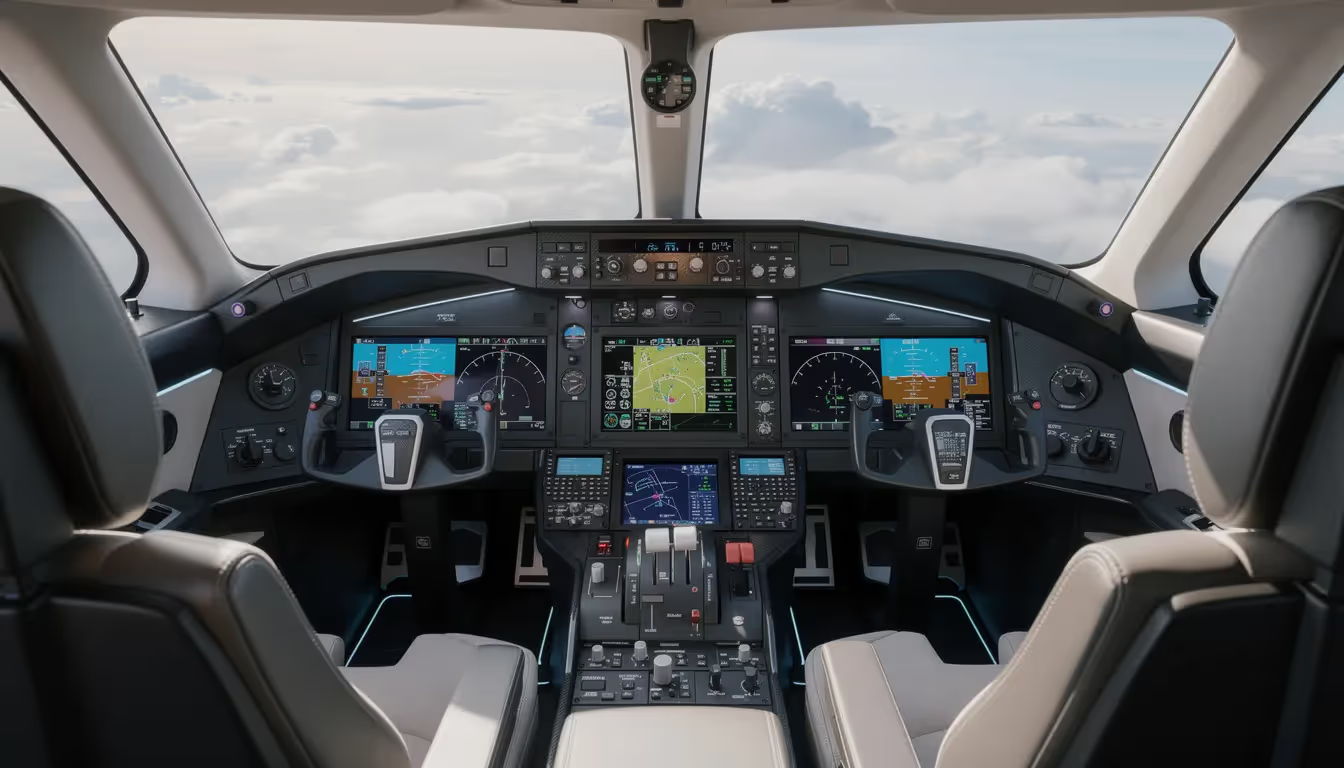
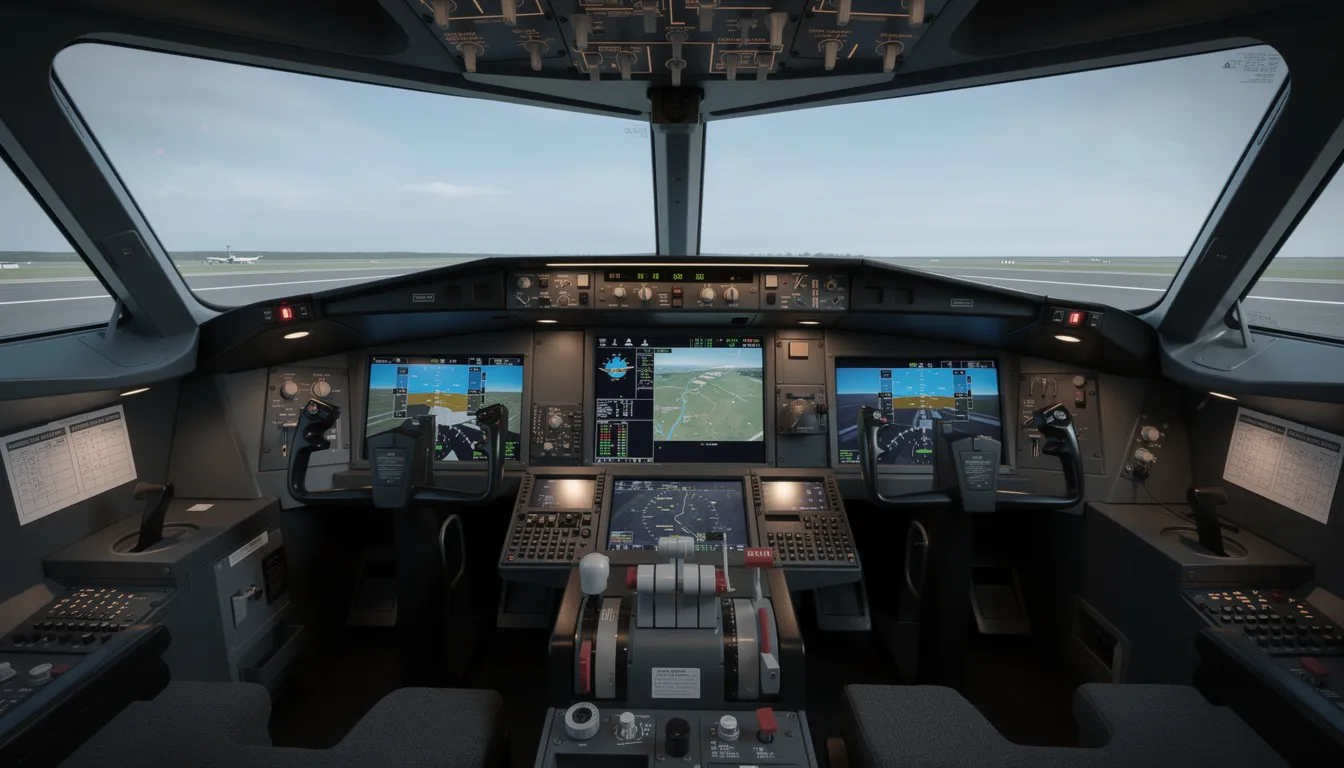
Advanced avionics systems transform modern cockpits into sophisticated flight management centers. Pro Line 21 and Perspective Touch+ systems provide intuitive interfaces enabling single-pilot operations while maintaining safety margins. These systems integrate navigation, communication, weather, and traffic information into unified displays.
In-flight connectivity enables business continuity during travel through Gogo In-Flight Wi-Fi, providing business-grade internet access. High-speed connections support video conferencing, file transfers, and real-time communications. Passengers maintain productivity levels comparable to ground-based offices while traveling at 500+ mph.
Cabin technology integration includes USB-C charging capabilities, 22-inch LED displays, and integrated entertainment systems. These amenities support mobile office configurations while providing comfort during extended flights. Lighting controls and climate management systems optimize passenger comfort across varying flight conditions.
Remote monitoring capabilities enable operators to track fuel levels, oxygen supplies, and maintenance intervals through smartphone applications. The Cirrus IQ app provides real-time aircraft status updates, enabling proactive maintenance scheduling and operational planning. These systems prove valuable for aircraft management companies and individual owners.
Aircraft Acquisition Process
Start your aircraft acquisition journey with professional guidance to ensure a smooth and successful experience.
Professional broker selection represents the critical first step in successful aircraft acquisition. Authorized representatives maintain relationships with manufacturers while providing market knowledge and negotiation expertise. Qualified brokers offer access to exclusive listings while protecting buyer interests throughout complex transactions. Work with a reputable aircraft broker or aviation consultant during the purchasing process to ensure a smooth and informed experience. Each private plane for sale on Avjet Global's site undergoes rigorous inspections by expert technicians and aircraft engineers, ensuring quality and reliability. Avjet Global ensures that each private plane for sale undergoes over 100 inspections before listing.
Pre-purchase inspection protocols verify technical condition and airworthiness before purchase completion. Certified maintenance organizations conduct comprehensive evaluations, including logbook reviews, structural examinations, and avionics testing. These inspections protect buyers from hidden defects while ensuring regulatory compliance. Always hire a qualified, independent mechanic for a pre-purchase inspection of the aircraft.
Market analysis provides pricing guidance based on comparable sales data and current market conditions. Recent transactions involving similar aircraft establish value baselines while considering age, total time, and configuration differences. Professional appraisals support financing applications while protecting purchase investments. CFS Jets has an impressive inventory of jets for sale, comprised of all popular brands, offering buyers a wide range of options to suit their needs.
Negotiation strategies account for aircraft condition, market demand, and seller motivation. Experienced brokers understand pricing flexibility while structuring offers, protecting buyer interests. Understanding the trade process and contractual negotiations is essential for a successful transaction. Contingencies addressing inspection results and financing approval provide transaction security throughout the closing process.
Visit our site to learn more about available aircraft and the entire acquisition process. For more information or personalized assistance, contact our sales team today.
Customization and Personalization Options
Interior design services enable aircraft personalization reflecting owner preferences and operational requirements. Xi Design Studio provides Vision Jet customization with direct access to factory design teams. These services range from material selection through complete cabin reconfigurations, optimizing space utilization.
Avionics upgrades enhance operational capability and safety margins. Third VHF radios provide communication redundancy while dual HF systems enable oceanic operations. WAAS/LPV approach capabilities expand destination airport options, particularly valuable for operations at smaller airports.
Comfort enhancements include rear climate controls, accent lighting systems, and panoramic windows, maximizing natural light. These features improve passenger experience during extended flights while creating inviting cabin environments. Premium materials and custom configurations reflect individual tastes and requirements.
Productivity packages optimize workspace functionality through enhanced connectivity, display systems, and work surface configurations. These modifications transform aircraft cabins into mobile offices, enabling business continuity during travel. Investment in productivity enhancements often pays dividends through increased time utilization efficiency.
Training and Support Programs
Cirrus Approach provides premier pilot training utilizing Level D flight simulators at the Vision Center Campus. These programs ensure safe aircraft operation through comprehensive initial and recurrent training requirements. Type rating programs prepare pilots for specific aircraft operations while maintaining insurance compliance.
Training requirements vary by aircraft complexity and operational scope. Single-engine aircraft like Vision Jet require specific type ratings, while turbine aircraft demand additional certifications. Insurance companies typically mandate initial and recurrent training as policy conditions, making professional training programs an essential ownership cost.
JetStream ownership programs provide comprehensive support, ensuring predictable ownership experiences. These services encompass maintenance scheduling, operational support, and regulatory compliance assistance. Dedicated account managers coordinate all ownership aspects, allowing owners to focus on business rather than aircraft management details.
Factory support networks include authorized service centers with certified technicians trained on specific aircraft types. These facilities provide warranty service, routine maintenance, and emergency support worldwide. Access to factory support proves particularly valuable for aircraft operating internationally or in remote locations.
For discerning buyers seeking to elevate their business operations through strategic aviation ownership, the path forward begins with professional guidance from experienced aviation specialists. Modern aircraft offer unprecedented safety, efficiency, and connectivity, while financing options accommodate diverse ownership structures. Whether your missions require regional flexibility or intercontinental range, today’s private aviation market provides solutions tailored to executive requirements.
The decision to purchase a private plane represents an investment in time, productivity, and operational freedom rather than a mere luxury acquisition. Professional brokers stand ready to assist qualified buyers in navigating the acquisition process efficiently, ensuring optimal aircraft selection and seamless ownership transition.
Frequently Asked Questions
What insurance requirements apply to private aircraft ownership?
Aircraft insurance typically includes liability coverage ($100+ million limits), hull coverage protecting against physical damage, and passenger liability protection. Insurance companies require pilot qualifications, including type ratings, minimum flight hours, and recurrent training compliance. Premiums range from $15,000-200,000+ annually, depending on aircraft value, pilot experience, and operational scope.
How do international operations affect aircraft registration and compliance?
International operations require careful registration jurisdiction selection, considering tax implications, operational scope, and maintenance access. Popular jurisdictions include Bermuda,the Cayman Islands, and various European locations offering operational flexibility. Each jurisdiction maintains specific insurance, maintenance, and operational requirements affecting total ownership costs.
What happens to aircraft value during economic downturns?
Aircraft values generally decline 10-30% during economic recessions, with luxury items typically experiencing greater volatility than essential business tools. Well-maintained aircraft with desirable configurations and low flight hours tend to retain value better. Market recovery typically occurs within 2-4 years as economic conditions improve and replacement costs increase.
Can private aircraft generate revenue through charter operations?
Private aircraft can generate charter revenue through Air Operator Certificate (AOC) programs, though this requires additional certifications, insurance, and operational procedures. Revenue potential varies by aircraft type and market demand, though most owners find charter income offsets only 20-40% of operating costs. Tax implications and insurance requirements differ significantly for revenue-generating operations.
What maintenance facilities and support exist for international travel?
Major aircraft manufacturers maintain global service networks with authorized facilities in primary business destinations. Mobile maintenance units provide support at remote locations, while AOG (Aircraft on Ground) services ensure rapid response to mechanical issues. Comprehensive service agreements often include global support coverage, parts availability, and emergency assistance coordination.
Conclusion
Owning a private plane in 2026 offers unparalleled advantages in time savings, flexibility, and productivity, transforming business and personal travel into a seamless experience. With advancements in safety technology, sustainable fuel compatibility, and sophisticated cabin amenities, modern private jets cater to discerning customers seeking efficiency and comfort. Whether selecting a very light jet for regional trips or an ultra-long-range aircraft for global missions, buyers can find tailored solutions to meet their unique needs. Avjet Global has excellent relationships with top manufacturers like Gulfstream, Boeing, Bombardier, and Dassault, ensuring access to premium aircraft options.
The aircraft acquisition process, as highlighted on BlackJet.com, is supported by professional brokers and comprehensive inspection programs, ensuring confidence and transparency from search to purchase. Financing options and ownership models provide flexibility, making private aviation accessible to a broader range of customers. As the industry continues to evolve with cutting-edge technology and environmental leadership, investing in a private plane is not just a luxury—it is a strategic decision that brings freedom, productivity, and prestige to


 Sign up with google
 Sign up with Apple