Curious about owning your own private plane? In this guide, we explore the different models, costs, benefits, and ownership options of privately owned planes. Discover what private aviation can offer you.
Key Takeaways
The private aviation sector in the U.S. comprises over 15,000 jets, catering to the diverse needs of wealthy individuals, corporations, and states seeking luxury and time efficiency.
Various categories of private jets, from Very Light to Ultra Long-Range Jets, serve distinct travel needs, offering flexibility, different capacities, and levels of luxury.
Ownership models include outright ownership, fractional ownership, and jet card programs, each presenting unique financial commitments and benefits tailored to different users’ needs.
Overview of Privately Owned Planes
Private aviation in the U.S. is booming, with over 15,000 private jets in operation, catering to a diverse range of owners and travel needs. The demand is driven by an increase in wealth among individuals who seek the convenience, privacy, and significant time savings that private jets offer. Whether for business or leisure, these aircraft provide a level of luxury and comfort that is unmatched by commercial flights. Post-pandemic travel preferences have led to more individuals opting for private jets for increased safety and control over their environment.
Owners of private jets come from various backgrounds, including high-net-worth individuals, corporations, and heads of state, each with unique preferences and requirements. High-net-worth individuals (HNWIs) are common owners of private jets, reflecting their ability to invest in such luxury assets. The diversity in ownership underscores the versatility of private jets, which are designed to cater to different travel needs, from short-haul business trips to long-range international flights. The US accounts for around two-thirds of all private jets worldwide. The European market has around 3,000 private jets.
The next sections will explore the various types of private jets available, highlighting their specific features and benefits.
Types of Privately Owned Planes

Private jets are categorized into several types, each designed for specific travel needs and capacities. These categories include: Most production business jets use two jet engines to balance operating economy and safety. The HondaJet features unique over-the-wing engine pods for better aerodynamics and noise reduction.
Each type serves distinct travel requirements, offering varying levels of cost-effectiveness, speed, and luxury amenities.
Each category offers unique benefits and features, which we’ll explore below.
Very Light Jets
Very Light Jets are the smallest category of private jets, designed for short-haul flights and typically seating 4 to 6 passengers. These smaller aircraft are perfect for quick trips, offering a range that suits short-distance travel. Very light jets (VLJ) are defined by a maximum take-off weight of less than 12,500 pounds. Most very light jets offer comfortable seating for a maximum of four passengers with a range of around 1,000 nm. They are particularly popular among owners who are also licensed pilots.
Their compact size enables access to smaller airports, offering owners enhanced flexibility and convenience.
Light Jets
Light Jets:
Can accommodate 6 to 8 passengers
They are ideal for business travel, allowing access to smaller airports
Often feature single-pilot operation, appealing to owners who prefer to fly themselves
Light jets have been popular in the business jet industry since the introduction of the Learjet 23 in the early 1960s.
With a greater capacity for passengers and baggage compared to Very Light Jets, Light Jets are versatile for various travel needs.
Mid-Size Jets
Mid-size jets are popular for medium-haul flights, offering spacious cabins with amenities such as: Mid-size jets generally offer greater range and larger cabin amenities than light jets. Mid-size jets usually have amenities such as a dedicated lavatory and a partial galley for comfort.
Onboard WiFi
Lavatory services. They typically feature:
Larger seats
Additional headroom
A partial galley for more comfort on longer flights. Super midsize jets provide an excellent option for those seeking a balance between performance and comfort. Super mid-size jets feature wide-body cabin space and transatlantic capability for long-range travel.
Some models, like the Bombardier Challenger 350, can fly coast-to-coast without a fuel stop, making them ideal for cross-country flying.
Large Cabin Aircraft
Large Cabin Aircraft are known for their luxurious amenities, making them a popular choice for discerning travelers. They can accommodate up to 19 passengers and are equipped with advanced entertainment options, offering the widest cabin experience. Large cabin jets typically feature separate cabin zones and full-service galleys for enhanced passenger experience. These aircraft provide significantly enhanced cabin amenities suitable for international travel. The Airbus A380 was intended to be customized as a private jet for Saudi Prince Al Waleed bin Talal, featuring amenities such as a concert hall and a garage for a Rolls-Royce.
Models like the Bombardier Global 6000 feature spacious three-zone cabins and large galleys suitable for fine dining, enhancing the travel experience in the world. Bombardier's Global 6000 is popular for providing access to remote areas of the world, featuring a spacious three-zone cabin and a large galley for dining.
Ultra Long-Range Jets
Ultra Long-Range Jets cater to trans-oceanic flights, providing extensive luxury fittings, including sleeping arrangements. These jets can cover distances of up to 10,000 km and have flight durations of up to 17 hours without refueling. Notable examples include the Bombardier Global 7500 and the Dassault aircraft, which offer an impressive range and comfort for long-haul travel. The Global 7500 is Bombardier's flagship ultra-long-range business jet, capable of flying 7,700 nautical miles nonstop. The largest private jets typically feature spacious cabins, offering very long-range capabilities and high levels of luxury.
Ownership Models
There are three primary ownership models for private planes: outright ownership, fractional ownership, and jet card programs. Each model offers different levels of investment, flexibility, and accessibility, catering to the unique needs of high-net-worth individuals, corporations, and other potential owners.
Let’s explore each model in detail to understand its benefits and plan its drawbacks.
Outright Ownership
Outright ownership requires a substantial initial investment, including the purchase price of the aircraft, which can range significantly depending on the make and model. This model provides complete control and personalization over the plane but entails ongoing maintenance costs to ensure safety and operability.
It’s ideal for those who frequently travel and can justify the high upfront and operational expenses.
Fractional Ownership
Fractional ownership allows multiple parties to share the costs of owning a private jet, including maintenance and operational expenses. This model benefits professionals, frequent travelers, and families who seek efficient travel options without the full financial burden of outright ownership.
Participants typically pay upfront for their share, along with monthly fees and additional hourly charges based on usage.
Jet Card Programs
Jet card programs offer prepaid flight hours with guaranteed access to aircraft, providing flexibility without the long-term commitment of fleet ownership. These programs are particularly appealing to occasional flyers, as they combine convenience with cost predictability.
Users can reserve flights as needed, making it a practical solution for those who value flexibility and cost transparency.
Benefits of Owning a Private Plane
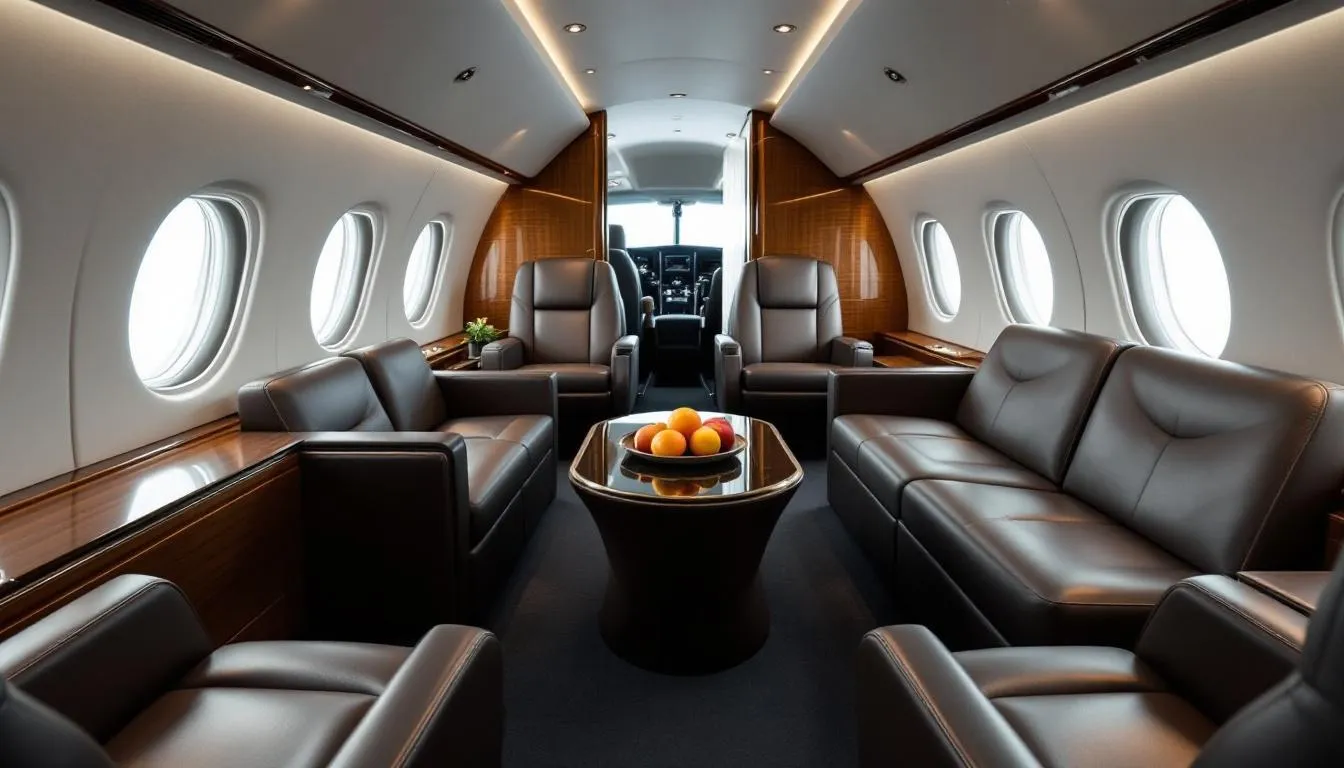
Owning a private plane offers numerous benefits, including significant time savings, enhanced privacy and security, and unparalleled comfort and customization. Private aviation allows for flexible scheduling and access to destinations that may not be reachable by commercial flights. Business jets are typically designed for faster air travel and more personal comfort than commercial aircraft.
Companies recognize the strategic advantages of private aviation, which can offer substantial returns on investment.
Time Efficiency
Private jets can significantly reduce travel time by enabling direct flights to smaller airports. They provide a more productive work environment, allowing travelers to hold meetings and complete tasks during flights that are flown by.
The ability to avoid layovers and delays enhances decision-making speed and allows executives to visit multiple locations in a single day.
Privacy and Security
Security in private aviation is heightened, with controlled access points and continuous oversight of baggage, reducing vulnerabilities seen in limited commercial systems. Travelers can avoid crowded terminals under clear skies, enhancing both security and privacy, ensuring secure flights.
This makes private aviation particularly appealing for high-profile individuals and corporations.
Customization and Comfort
Private jets offer several advantages:
Personalized interiors and bespoke in-flight services ensure a luxurious experience.
Families enjoy greater comfort and flexibility, accommodating last-minute travel plans and preferences.
The ability to tailor the aircraft to specific preferences enhances personal comfort and functionality.
These features make private jets suitable for a wide range of unique needs.
Costs Associated with Private Plane Ownership
Owning a private plane involves various costs that can significantly affect overall financial planning. These costs include the initial purchase price, maintenance and operational expenses, and additional fees such as storage and insurance.
Understanding these costs is essential for prospective owners to make well-informed decisions regarding their investment in private aviation.
Initial Purchase Price
The purchase price for a private jet can range significantly, typically between $2 million and $100 million, depending on the model and whether it’s new or pre-owned. This initial investment is a significant upfront cost that potential owners must carefully consider.
Maintenance and Operational Costs
Regular maintenance and operational costs are essential to keep a private plane airworthy. These include:
Fuel costs, in particular, can vary widely based on the aircraft type and local fuel prices.
Additional Fees and Expenses
Private plane ownership entails various additional fees and expenses, such as storage costs, which can range between $1,500 $3,000 each month, depending on the facility. Other expenses include insurance and salaries for crew members, all of which add to the overall cost of ownership.
Sustainability in Private Aviation
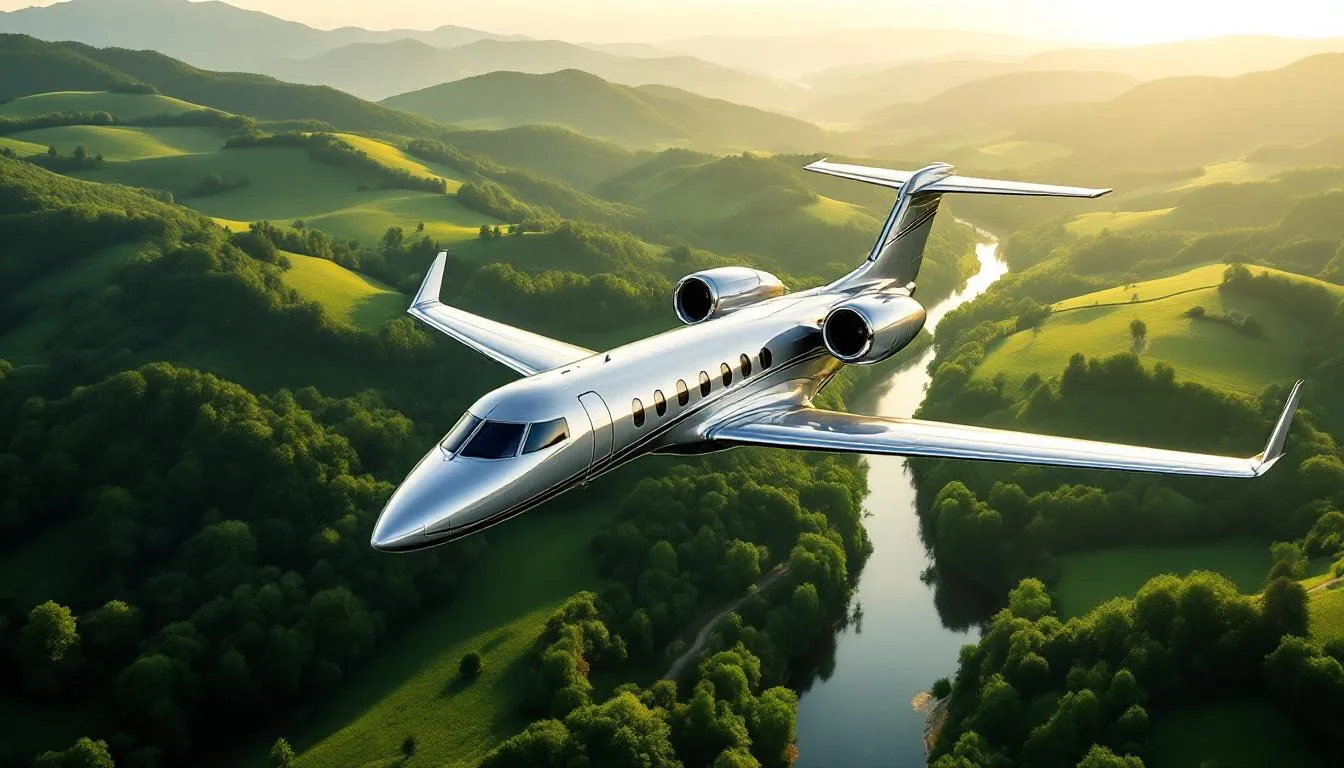
Private aviation is under scrutiny for its significant environmental impact, prompting the industry to pursue sustainability measures. Efforts include carbon offset programs and the adoption of fuel-efficient technologies to reduce emissions. The European Commission has set ambitious emissions reduction targets, pushing the industry toward more sustainable practices.
Carbon Offsets
Carbon offsetting is a method by which private jet owners can mitigate their environmental footprint by investing in projects aimed at reducing greenhouse gas emissions. By purchasing offsets, private jet operators can achieve carbon neutrality, funding initiatives that reduce emissions worldwide.
Participating in these programs not only helps the environment but also enhances the sustainable image of private jet owners.
Fuel-Efficient Technologies
Efficient aircraft designs focus on improving aerodynamics to lower fuel consumption and emissions. Advancements in engine technology, such as high-bypass turbofan engines, significantly enhance fuel efficiency in business jets, leading to reduced emissions and operational costs.
These innovations are crucial for reducing the environmental impact of private aviation.
Safety Standards and Certifications
Private jets must comply with strict safety regulations set by aviation authorities such as the Federal Aviation Administration in the U.S. and EASA in Europe. Private aviation standards often exceed those in the commercial airline sector, with operators adopting voluntary audit certifications like ARGUS and Wyvern to ensure the highest safety levels.
Regular audits and detailed pre-flight safety reports are essential practices for maintaining these high safety standards.
Case Studies and Use Cases
Private jets serve a variety of clients, including governments, corporations, and high-profile individuals. These private aircraft are appealing to larger groups due to their spacious cabins and intimate settings for group travel. Private jets are frequently used by sports teams and high-profile groups for travel to multiple locations.
Notable examples include Alisher Usmanov’s customized Airbus A340-300 and Joseph Lau’s Boeing 747-8 VIP, showcasing the trend of high-profile individuals owning private jets. Paul Allen was one of the first private individuals to purchase a Boeing 757 for personal and business use, which later became known as 'Trump Force One'. Russian billionaire Alisher Usmanov spent an additional $362 million on modifications to his Airbus A340-300 after its initial purchase price of $238 million. The Boeing 747-8 VIP is the largest private jet in the world, with a base price of $367 million, which can exceed $400 million when customized. The Boeing 787 Dreamliner, owned by Russian oligarch Roman Abramovich, has a value of approximately $350 million.
Business Executive Travel
Efficiency in business travel is crucial for maximizing productivity and ensuring executives can manage time effectively. Private jets help individuals arrive on time and ready to work, which is critical for executives.
The ability to book last-minute flights provides a significant advantage, allowing flexible meeting arrangements and timely flight time arrivals.
Family Leisure Trips
Private planes offer several benefits for families:
Allow travel directly to desired destinations without hassle
Reduce travel time significantly by bypassing long security lines
Avoid the boarding processes typical in commercial flights
Custom layouts and amenities cater to family needs, ensuring a comfortable travel experience.
Comparisons with Commercial Aviation

Private jets offer a level of convenience and luxury that commercial aviation simply cannot match. Their advantages include: * Avoiding the hassle of connecting flights and long drives, providing seamless travel experiences. * Flexibility to adapt to passengers’ schedules rather than the other way around, enhancing productivity and reducing stress. * Minimizing layovers and delays, allowing for quicker departures and arrivals. Private jet charter services allow for full customization of the travel experience, including scheduling and in-flight services.
Avoiding the hassle of connecting flights and long drives, providing seamless travel experiences.
Flexibility to adapt to passengers’ schedules rather than the other way around, enhancing productivity and reducing stress.
Minimizing layovers and delays, allowing for quicker departures and arrivals.
Many travelers, particularly affluent families, prioritize the privacy and security that private jets offer, making them a preferred choice over commercial flights for luxury air travel.
Summary
Owning a private plane offers unparalleled benefits, from significant time savings to enhanced privacy and security. The various types of private jets cater to different travel needs, whether for short-haul business trips or long-range international flights. Different ownership models, such as outright ownership, fractional ownership, and jet card programs, provide flexibility and accessibility, making private aviation a viable option for various users. However, prospective owners must consider the associated costs, including the initial purchase price, maintenance, and additional fees, to ensure a well-rounded investment.
Sustainability in private aviation is becoming increasingly important, with efforts such as carbon offset programs and fuel-efficient technologies aiming to reduce the environmental impact. The industry adheres to rigorous safety standards and certifications, ensuring a secure and reliable travel experience. Through case studies, it’s evident how private jets serve a wide range of clients, from business executives to families, offering a level of convenience and luxury that commercial aviation cannot match. Embrace the world of private aviation and elevate your travel experience to new heights.
Frequently Asked Questions
What are the primary ownership models for private jets?
The primary ownership models for private jets are outright ownership, fractional ownership, and jet card programs, each providing distinct levels of investment and flexibility tailored to varying user needs.
How do private jets enhance time efficiency?
Private jets enhance time efficiency by facilitating direct flights to smaller airports, thus avoiding layovers and delays, and providing a conducive work environment during travel. This streamlined approach allows for quicker and more productive journeys.
What measures are private jet operators taking to ensure sustainability?
Private jet operators are actively implementing carbon offset programs, utilizing fuel-efficient technologies, and transitioning to sustainable aviation fuels, thereby reducing their environmental impact. These measures reflect a growing commitment to sustainability in the aviation industry.
What safety standards do private jets adhere to?
Private jets adhere to strict safety regulations established by the FAA and EASA, and many operators voluntarily pursue audit certifications like ARGUS and Wyvern to enhance safety. This commitment ensures the highest levels of safety and compliance in private aviation.
What are the benefits of owning a private jet compared to commercial aviation?
Owning a private jet provides substantial advantages, including time savings, enhanced privacy, flexible travel schedules, and a luxurious experience that commercial aviation cannot replicate. These benefits make private jet ownership a superior option for discerning travelers.
Conclusion
Privately owned planes offer unparalleled convenience, luxury, and flexibility for a variety of travel needs, from business trips to leisure travel. Whether choosing outright ownership, fractional ownership, or jet card programs, private aviation provides tailored solutions that suit different budgets and lifestyles. Companies like BlackJet have played a pioneering role in making flying private more accessible, offering innovative booking platforms that simplify securing flights and enhance the private jet experience. Private jet charter services provide access to a fleet of aircraft owned by charter operators.
As the private aviation industry continues to evolve, embracing new technologies and sustainability efforts, privately owned planes remain a premier choice for those seeking efficiency, comfort, and exclusivity in air travel. Charter operators handle all aspects of aircraft operation and maintenance for private jets.


 Sign up with google
 Sign up with Apple