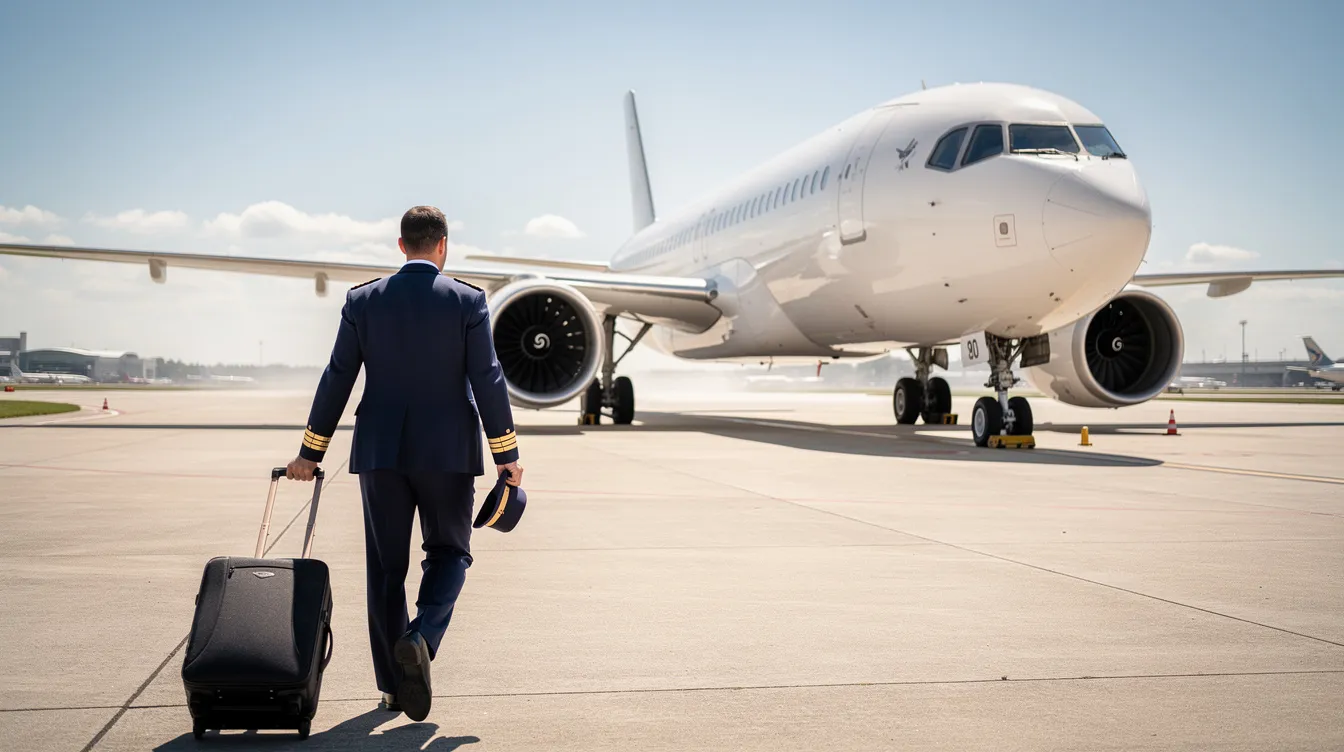
Few careers offer the combination of prestige, responsibility, and escalating income that professional aviation does. Whether you are an aspiring pilot mapping a career path or a private jet client who wants to understand the expertise behind every flight, knowing the salary of commercial pilot professionals reveals how training, flight hours, and certifications translate into real earning power.
This guide covers every angle of pilot pay in 2026, from entry-level flight instructors to senior widebody captain roles, and explains why those numbers matter to anyone who values safety and skill in the cockpit.
Commercial Pilot Salary Overview in 2026
The median annual salary for airline pilots, copilots, and flight engineers is $226,600, based on the latest data from the Bureau of Labor Statistics released in 2024. Commercial pilots, a separate BLS category covering charter, corporate, agricultural pilots, and other non-airline roles, earn a median annual wage of $122,670. Those two figures anchor a pay spectrum that stretches from roughly $30,000 to $60,000 for early-career pilots all the way past $400,000 for senior major airline captains and top cargo operators.
Why the gap? The BLS treats "airline pilots" and "commercial pilots" as distinct occupational groups. Commercial airline pilots fly scheduled Part 121 operations for regional and major carriers, hold an airline transport pilot certificate, and are subject to strict seniority-based pay scales. Commercial pilots encompass a broader set of roles, including flight instruction, banner towing, aerial survey, charter, and corporate flying, where pay structures, aircraft type, and employer size vary enormously.
In business aviation, corporate pilots flying large-cabin jets average around $139,500 per year, though senior captains on ultra-long-range aircraft like the Gulfstream G700 or Bombardier Global 7500 regularly exceed $200,000 to $300,000 or more. Pilot salaries range from $85,000 to $450,000 annually depending on operation type, seniority, and equipment.
Projected employment growth for pilots sits at 4% from 2024 to 2034, with the aviation industry needing hundreds of thousands of new pilots by 2040 to keep pace with fleet expansions and retirements.
How Airline and Commercial Pilot Pay Is Structured
Airline pilots are typically paid hourly based on flight hours, specifically "credit hours" that count time from gate departure to gate arrival. Pilot compensation is often based on hourly flight crediting rather than a fixed salary. Many commercial pilots outside airlines, such as charter pilots and corporate pilots, are compensated through annual salaries, day rates, or per-flight fees.
Credit hours differ from actual block time flown. A typical airline pilot logs 70 to 85 credit hours per month, though FAA regulations cap flight time at 100 hours in any calendar month and 1,000 flight hours per year under Part 121. Those caps effectively set a ceiling on how much income can come from flying time alone.
Total compensation includes multiple layers. Base pay is the hourly pay multiplied by monthly flight hours or the minimum guarantee, whichever is higher. On top of that come per diem allowances for meals and lodging away from base, plus bonuses such as sign-on payments, retention incentives, and profit sharing. Consider a mid-level first officer earning $110 per hour with 900 annual credit hours: that yields roughly $99,000 in base pay before per diem, overrides, or profit sharing push the total higher.
For context, first-year regional pilots typically receive minimum monthly guarantees that ensure a baseline income even during lighter flying months, and airlines guarantee these floors as part of their airline contract.
Salary Ranges by Airline Type and Operation
Pilots earn very different amounts depending on whether they fly for a regional airline, a major legacy carrier, a low-cost airline, a cargo operator, or in corporate and private aviation. Major commercial airlines generally offer higher compensation than regional carriers, but the landscape is more nuanced than a simple ranking.
Regional airline first officers now earn roughly $70,000 to $100,000 in their first year when factoring in bonuses and monthly minimums. Base hourly rates for regional first officers sit between $50 and $90 per hour, depending on carrier and contract. Regional captains commonly earn $120,000 to $180,000, with seniority and aircraft type determining where they fall in that range.
Legacy and major airline first officers at carriers like Delta, United, and American Airlines generally start around $110,000 and rise to $200,000 or more within three to five years, aided by equipment premiums and international route pay. Senior captains at major airlines can earn $350,000 or more, and major airline captains flying wide-body jets can earn up to $500,000 or more with profit sharing. Senior airline captains can earn up to $450,000 annually before premium flying pushes the total even higher.
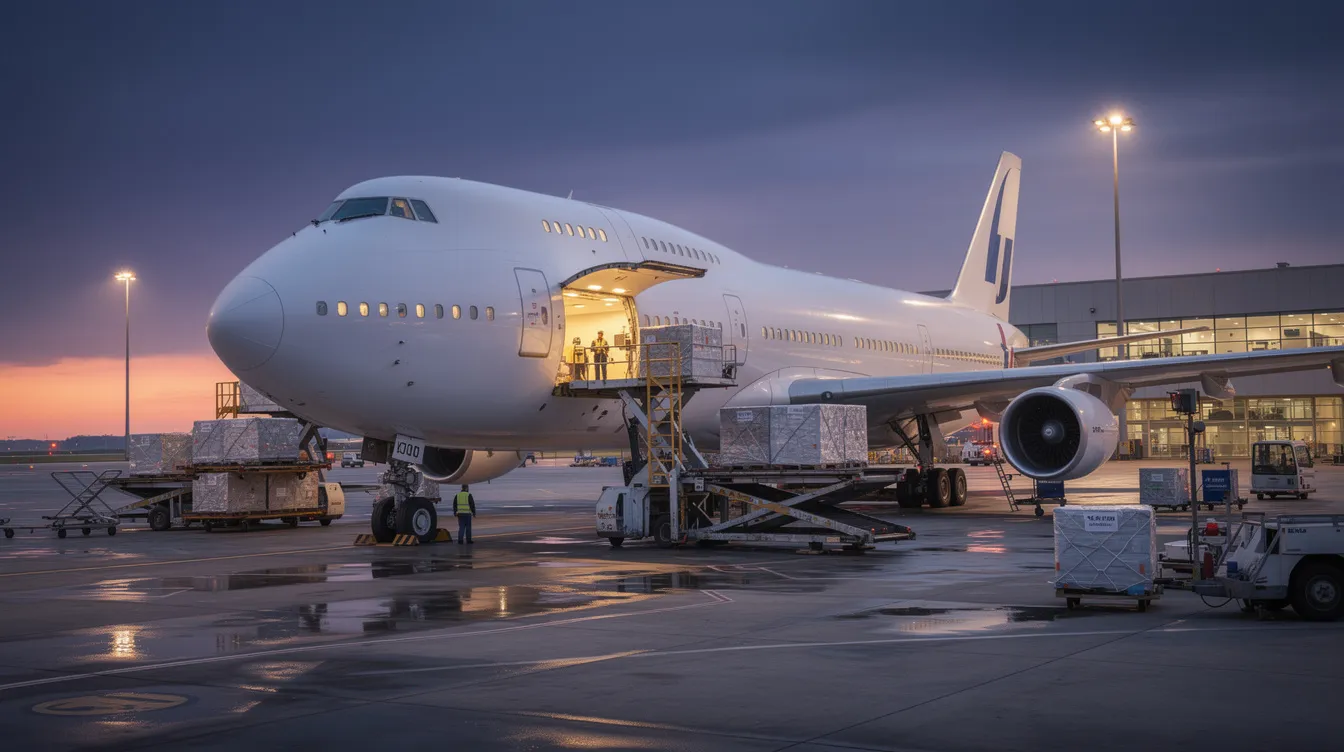
Cargo pilots at integrators like FedEx, UPS, and Amazon Air enter at roughly $90,000 to $140,000 as first officers. Senior widebody captain roles at these carriers regularly approach or exceed pay at passenger majors. Major freight carriers often pay comparable salaries to major passenger airlines, and in some fleet segments, cargo captains command the highest total compensation in the industry.
Low-cost and ultra-low-cost carriers may offer lower base pay initially but compensate with rapid upgrade timelines and aggressive bonus structures, making them an attractive stepping stone for many pilots.
Regional Airline vs Major Airline vs Cargo Pilot Pay
Most pilots start their airline careers at a regional airline, building flight time and seniority before pursuing positions at majors or top cargo carriers. The financial trajectory of each path differs dramatically.
Regional airline pay follows a clear progression. A regional airline pilot hired as a first officer today can expect first-year total compensation of approximately $70,000 to $90,000. Over five to seven years, upgrading to regional captain pushes earnings to $150,000 to $200,000, depending on carrier and equipment. Many regionals now offer flow-through agreements that provide a defined pathway to a major airline, accelerating career growth.
Major airline pay offers steep increases once a pilot gains seniority and upgrades to larger aircraft. A pilot joining a major at age 30 could realistically move from around $130,000 in the first few years to $300,000 or more over 10 to 15 years. Airline pilots' earnings vary significantly between first officers and captains, and widebody international captain seats represent the top of the scale. A senior widebody captain at a legacy carrier can earn $400,000 to $500,000 annually.
Cargo pilot pay rivals or exceeds passenger airline compensation, particularly at FedEx and UPS, where strong union contracts include night differentials, international premiums, and generous retirement contributions. Many pilots enter cargo mid-career once they have thousands of flight hours. A pilot who spends an entire career at a regional airline might peak around $200,000 to $250,000 as a regional captain, while the same pilot transitioning to a major or top cargo carrier could earn double or more at career peak.
Commercial Pilot vs Airline Pilot: Salary and License Differences
The terms "commercial pilot" and "airline pilot" are often used interchangeably, but they correspond to different certificates, different roles, and very different pay levels.
A commercial pilot certificate requires a minimum of 250 flight hours under FAA Part 61 and authorizes a pilot to be paid for flying, covering roles such as flight instruction, charter, aerial survey, and banner towing. An airline transport pilot certificate, the highest FAA credential, requires 1,500 flight hours minimum (with restricted ATP options for graduates of approved flight training programs) and is mandatory for first officer positions in Part 121 scheduled airline operations.
Commercial Pilots Earn entry-level salaries around $30,000 to $60,000, flying as certified flight instructor professionals, small charter pilots, or in specialized operations like agricultural spraying. Once a pilot holds an ATP and gains airline employment, compensation jumps to the BLS median of $226,600 for airline and commercial pilots in the airline category.
Different pilot licenses open different earning tiers. Without the ATP, a pilot cannot serve as a copilot at most scheduled airlines. With it, plus multi-engine and type ratings, doors open to the six-figure and eventually high-six-figure roles that define airline pilot pay and senior private jet pilot salary ranges.
Pilot Salary by Career Stage: From Student to Senior Captain
Pilot pay is a ladder. Salary rises with training milestones, flight hours, and increasing responsibility rather than staying at one fixed number.
Student pilot: This stage represents negative cash flow. A student pilot certificate is the starting point, and a full professional pilot training program covering private pilot license, instrument rating, multi-engine rating, and commercial pilot license typically costs $80,000 to $120,000 in the U.S. today.
New commercial pilot and flight instructor: After earning a commercial pilot license, many pilots work as flight instructors, earning roughly $35,000 to $60,000 per year while building the flight hours required for airline eligibility. Flight instruction is the primary path for accumulating PIC and instrument time.
Regional airline first officer: Once hired at a regional airline, first-year regional pilots earn between $70,000 and $90,000, including bonuses and guarantees. This stage typically begins two to four years after starting training, depending on hiring cycles.
Regional captain: Upgrading to captain at a regional occurs after several years, with pay commonly reaching $120,000 to $180,000.
Major airline first officer: A major airline first officer earns $140,000 to $220,000, depending on aircraft type and seniority. Pilots gain experience rapidly in this seat, often transitioning within five to seven years of joining a major.
Senior widebody captain: At the top, a senior widebody captain at a major airline or cargo carrier earns $300,000 to $450,000 or more. Pilot salaries typically increase with experience and hours flown, and this stage represents the culmination of 15 to 25 years of career building.
Key Factors That Affect a Pilot's Salary
Pilot salary depends on more than just licenses. Structural and personal factors create wide variation even among qualified pilots with identical certificates.
Airline type and operation: Pilot pay is influenced by airline type and seniority. Regional, legacy, low-cost, cargo, and corporate operators each have distinct pay scales. Commercial pilots' salaries vary based on experience and aircraft type, with compensation for pilots varying widely by aircraft type and complexity.
Aircraft size: In the U.S., pilots can earn substantially more by flying larger aircraft. A turboprop regional jet captain earns meaningfully less than a widebody international captain on the same airline's roster.
Rank and role: The gap between a first officer and a captain is often $100,000 or more at a major carrier. Check airmen, training captains, and crew members in specialized roles earn additional premiums.
Seniority and union contracts: Seniority significantly impacts pilot earnings and pay scales. Years at one carrier unlock higher hourly rates, better schedules, and access to premium equipment.
Geographic location: Geographic location plays a major role in pilot compensation, with pilots based at high-cost hubs often receiving domicile bonuses or higher demand-driven pay.
Schedule and route type: In many cases, international flights carry additional compensation for pilots, including overnight premiums, duty differentials, and extended per diem. Night cargo routes and transoceanic segments carry the highest premiums.
Economic cycles and airline profitability affect bonus potential and hiring pace but rarely reduce base pay once contracts are signed. Pilots in private and corporate aviation often negotiate individually, leading to wider compensation spreads than unionized airline pilots experience.
What Different Commercial Pilot Roles Earn (Instructor, Charter, Corporate, Cargo)
Not all commercial pilots fly for airlines. Many build rewarding careers in business aviation, charter, cargo, or specialized operations, each with its own compensation profile.
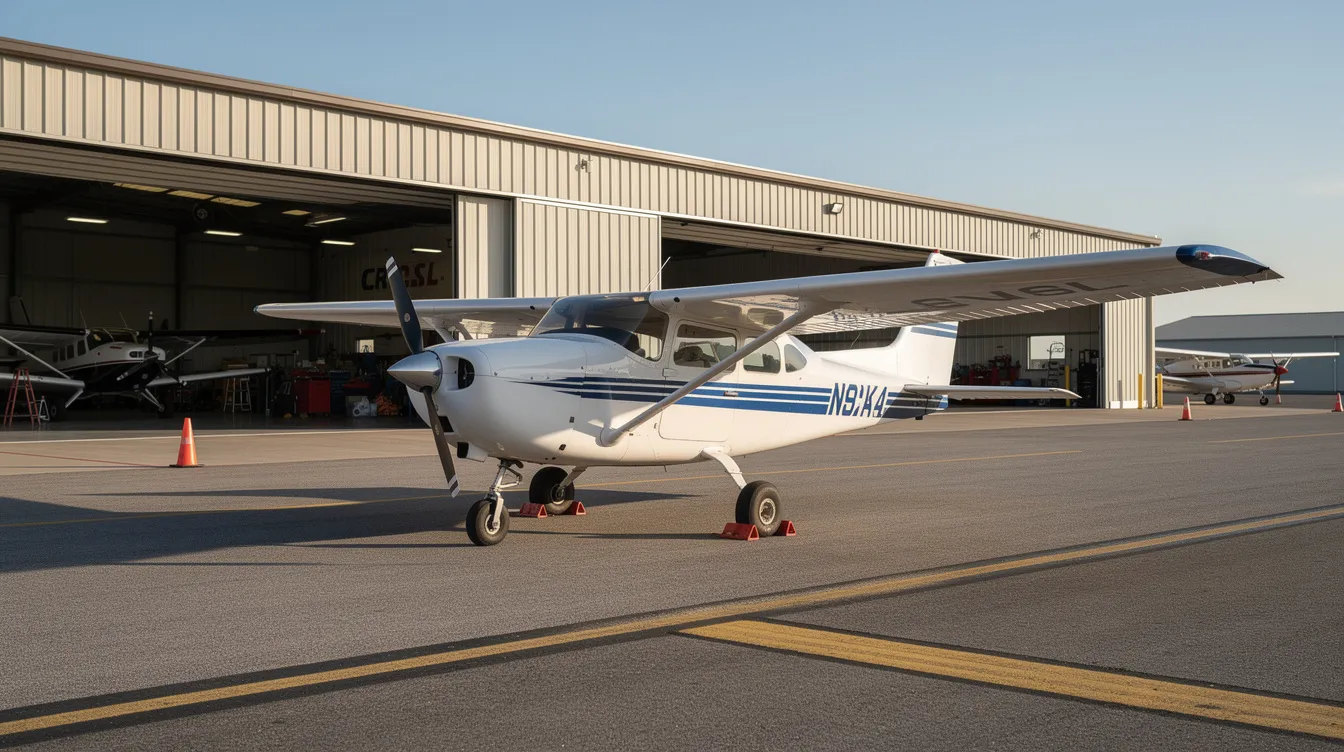
Flight instructors earn $35,000 to $60,000 per year depending on location, hours flown, and whether they work at a Part 61 or Part 141 flight school. The role is critical for aspiring pilots who need to build flight hours toward ATP minimums.
Charter and on-demand commercial pilots flying small piston or turboprop aircraft typically earn $45,000 to $90,000 early in their careers. Jet charter pilots on light and midsize jets frequently command $90,000 to $180,000, with pay scaling alongside aircraft complexity and client expectations.
Corporate and private jet pilots show the widest variance. Small-aircraft corporate pilots earn $80,000 to $140,000, while captains on large-cabin, long-range business jets at Fortune 500 flight departments or top charter operators earn $200,000 to $300,000 or more. Data from industry surveys show some large-cabin captains flying BBJ or Global 7500 aircraft exceeding $330,000 to $420,000 in total compensation.
Cargo pilots at smaller freight operators start lower, but those at global integrators like FedEx and UPS join a pay structure where senior widebody captain roles are among the best-compensated positions in all of aviation. As cargo carriers, these companies rival or exceed what many passenger airline captains earn.
Benefits, Perks, and Quality-of-Life Beyond a Pilot's Salary
Total compensation for airline and commercial pilots extends well beyond base pay. Compensation packages for pilots often include benefits like retirement contributions and per diem allowance, adding tens of thousands in annual value.
Key benefit categories include:
Health, dental, and vision insurance for pilots and dependents, typically heavily subsidized by the employer
Retirement plans including 401(k) with company match, defined-contribution pensions, and in some cases profit-sharing contributions that can add five figures annually
Travel privileges such as standby flights, reduced-rate tickets for family and friends, and positioning flexibility
Per diem allowances covering meals and incidental expenses during trips away from base
Training support where recurrent simulator sessions, check rides, and type-rating courses are fully employer-funded
In corporate and private aviation, benefits differ. Pilots may receive higher day rates, performance bonuses, or even equity participation instead of airline-style standby travel. At BlackJet, investing in experienced, well-compensated pilots and ensuring they fly modern, safety-certified aircraft directly supports a safer, more consistent experience for private jet clients.
How Many Flight Hours Do You Need, and How Do They Influence Pay
Flight hours are the core currency of a pilot's career and a primary driver of both employability and compensation.
Key benchmarks shape the progression. Earning a private pilot certificate requires roughly 40 to 70 hours of flight time, though most students average closer to 75. A commercial pilot license demands approximately 250 hours total under FAA Part 61. The standard airline transport pilot certificate requires 1,500 flight hours, including specified cross-country, night, and instrument time, with restricted ATP paths available through approved flight training programs.
Airlines and charter operators set minimum hour thresholds beyond regulatory requirements. Many major carriers want 3,000 to 5,000 hours of total time, with significant turbine PIC and complex aircraft experience, before considering applicants for widebody or international positions. Most pilots build these monthly flight hours as flight instructors, regional airline pilots, or in entry-level charter roles.
Reaching new hour brackets directly unlocks higher pay. At 1,500 hours, a pilot qualifies for regional airline first officer roles. At 3,000 to 5,000 hours with appropriate type ratings, doors open to major airline first officer, regional captain, or large-cabin corporate captain positions. BlackJet's network emphasizes pilots with substantial turbine and jet time, illustrating how high flight experience supports premium, safe operations in private aviation.
Long-Term Career Earnings: Can Pilot Salaries Reach Eight Figures?
A senior major airline captain or cargo pilot can plausibly accumulate total career income approaching or exceeding $8 to $10 million over a 25- to 30-year career, not counting retirement benefits or employer contributions.
Consider a simplified scenario: five years as a regional pilot averaging $100,000 per year yields $500,000. Ten years as a major airline first officer, averaging $200,000, produces $2 million. Fifteen years as a widebody captain averaging $350,000 to $400,000 adds $5.25 million to $6 million. The cumulative total reaches roughly $7.75 to $8.5 million before bonuses, profit sharing, and retirement contributions push the figure closer to $10 million.
High-end corporate and private jet captains flying large-cabin jets for major corporations or ultra-high-net-worth individuals can reach similar lifetime earnings, particularly when generous day rates, international allowances, and retention bonuses are factored in.
Stability and seniority are the accelerators. Pilots who remain with one carrier or operator through contract cycles tend to unlock the highest lifetime earnings, as switching airlines resets seniority and delays access to top pay bands. From a client's perspective, these salary levels reflect the responsibility, training, and decision-making entrusted to the professional pilots flying high-value aircraft.
Business and Private Aviation: What Corporate and Private Jet Pilots Earn
Business aviation operates distinctly from airline flying. It encompasses on-demand charter, corporate flight departments, fractional ownership programs, and membership models like BlackJet's Jet Card programs.
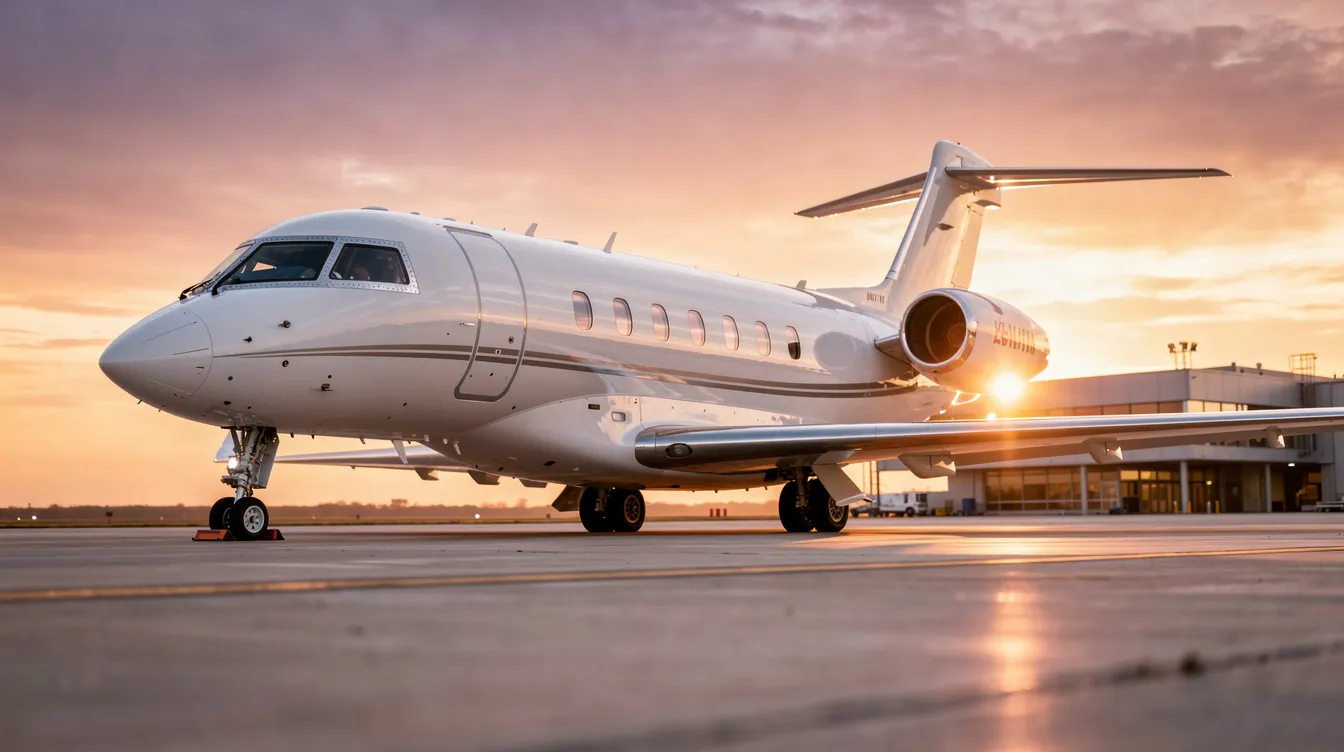
First officers on light and midsize business jets typically earn $70,000 to $130,000 depending on duty schedule, employer size, and base airport. Captains on midsize to super-midsize jets commonly earn $130,000 to $200,000 with competitive benefits. Captains on large-cabin, long-range jets such as the Gulfstream G650/700 or Bombardier Global series at Fortune 500 flight departments or premier charter operators earn $200,000 to $300,000 or more, with some exceeding Flexjet pilot pay benchmarks.
Duty schedules in business aviation differ from airline life. Rather than seniority-based bidding, corporate pilots often work client-driven schedules that require on-call availability, repositioning flights, and transatlantic business routes on short notice. This variability can increase compensation through day rates, overnight pay, and per diem, but it reduces schedule predictability.
Premier private aviation brands like BlackJet rely on highly experienced airline and corporate pilots. Competitive pilot salary levels are built into Jet Card and membership pricing to ensure consistent safety and service for every flight.
Return on Investment: Training Costs vs Commercial Pilot Salary
Becoming a professional pilot requires significant upfront investment. A fully integrated training path, covering private pilot through commercial pilot certificate with multi-engine and instrument ratings, typically costs $80,000 to $120,000 at modern U.S. flight schools.
Early career earnings are modest. A pilot earning $50,000 to $60,000 as a flight instructor for two years, then $90,000 to $100,000 at a regional airline, can reasonably recoup direct training expenses within five to eight years. Airline pathway programs, scholarships, and subsidized flight training programs can shorten this payback period substantially.
The long-term ROI is where the pilot career becomes compelling. A pilot who progresses to a major airline or top cargo carrier and eventually reaches captain on widebody equipment will earn cumulative income that makes the initial training investment look modest by comparison. Over a 25-year career, total earnings can rival or exceed those of graduates with professional degrees in medicine, law, or engineering, particularly because airline pilot salaries continue rising with seniority while many professional incomes plateau mid-career.
Safety, Certification, and How They Relate to Pilot Compensation
Higher pilot salaries are directly linked to increased responsibility, advanced certifications, and stricter safety oversight. Each additional qualification, from instrument rating to multi-engine rating to type ratings on complex aircraft, expands a pilot's access to better-compensated roles.
Safety culture is embedded in both airline and private aviation careers. Recurrent simulator training, check rides, and proficiency assessments are mandatory, and pilots are compensated for time spent in these activities. At the airline level, training captains and check airmen receive additional pay for their evaluative roles.
BlackJet works exclusively with operators and crew members who meet rigorous safety and certification standards, including third-party audits such as ARGUS ratings and Wyvern Wingman assessments. This level of professionalism is reflected in the pay scales of the captains and first officers flying BlackJet trips.
As a concrete example, a captain type-rated on a long-range large-cabin jet undergoes training that may cost the operator $30,000 to $50,000 per type rating. That investment is recouped through higher charter rates and the commensurate pilot salary required to attract and retain that expertise, and it ensures the caliber of crew that discerning private jet clients expect.
FAQ: Common Questions About Commercial Pilot Salaries
How much does a commercial pilot make in 2026? The BLS median for commercial pilots is $122,670, while airline pilots earn a median of $226,600. With recent contract increases, 2026 figures at top carriers are likely slightly higher.
How much do pilots earn in their first year? First-year regional pilots earn approximately $70,000 to $90,000, including bonuses and guarantees. Early commercial roles like flight instruction may pay $30,000 to $60,000.
What type of pilot makes the most money? Senior major airline captains and senior widebody captain roles at top cargo operators command the highest pay, often $350,000 to $500,000 or more. Some large-cabin corporate captains at major flight departments also reach these levels.
Do cargo pilots earn more than passenger airline pilots? At the senior captain level, cargo pilots at carriers like FedEx and UPS often match or exceed passenger airline peers, particularly on widebody international routes with night and duty premiums.
How many flight hours do you need to become an airline pilot? The standard ATP requirement is 1,500 flight hours, though restricted ATP paths exist for graduates of approved programs. Military pilots may also qualify through alternative pathways.
Is becoming a commercial pilot worth it financially? Yes, for most pilots who reach major airline or top corporate roles. While training costs $80,000 to $120,000 and early earnings are modest, lifetime career earnings can approach $8 to $10 million. About 18,200 pilot openings are expected each year on average, and airline pilot demand is driven by retirements and fleet expansions.
How do private jet pilot salaries compare to airline pilot salaries? Large-cabin corporate captains earn $200,000 to $300,000 or more, which overlaps with mid-to-senior airline captain ranges. For a deeper comparison, see our private jet pilot salary guide. Air traffic controllers, by contrast, occupy a separate compensation structure entirely despite working in related aviation roles.
How Pilot Pay Connects to the Value of Private Jet Travel with BlackJet
For high-net-worth individuals, executives, and frequent travelers who value safety, reliability, and discretion, understanding pilot compensation illuminates what stands behind every private flight.
When clients purchase private jet access through a Jet Card or membership, they are indirectly paying for top-tier pilot talent: captains and first officers with thousands of flight hours, advanced type ratings, and the judgment that comes from years of professional flying. BlackJet's Jet Card programs, available in 25-hour and 50-hour increments, bundle aircraft, crew, and operations into a predictable hourly rate. Every flight is carbon-neutral as standard, reflecting investment in sustainability alongside safety.
Competitive pilot salaries are essential to attract and retain experienced airline and commercial pilots in business aviation, maintain rigorous safety standards from preflight planning to en route decision-making, and deliver the consistent service level expected in luxury private travel.
Explore BlackJet Jet Cards to experience the caliber of crew that world-class pilot compensation attracts, or discover how BlackJet can provide seamless, carbon-neutral private jet access with crews drawn from the top tier of aviation.


 Sign up with google
 Sign up with Apple