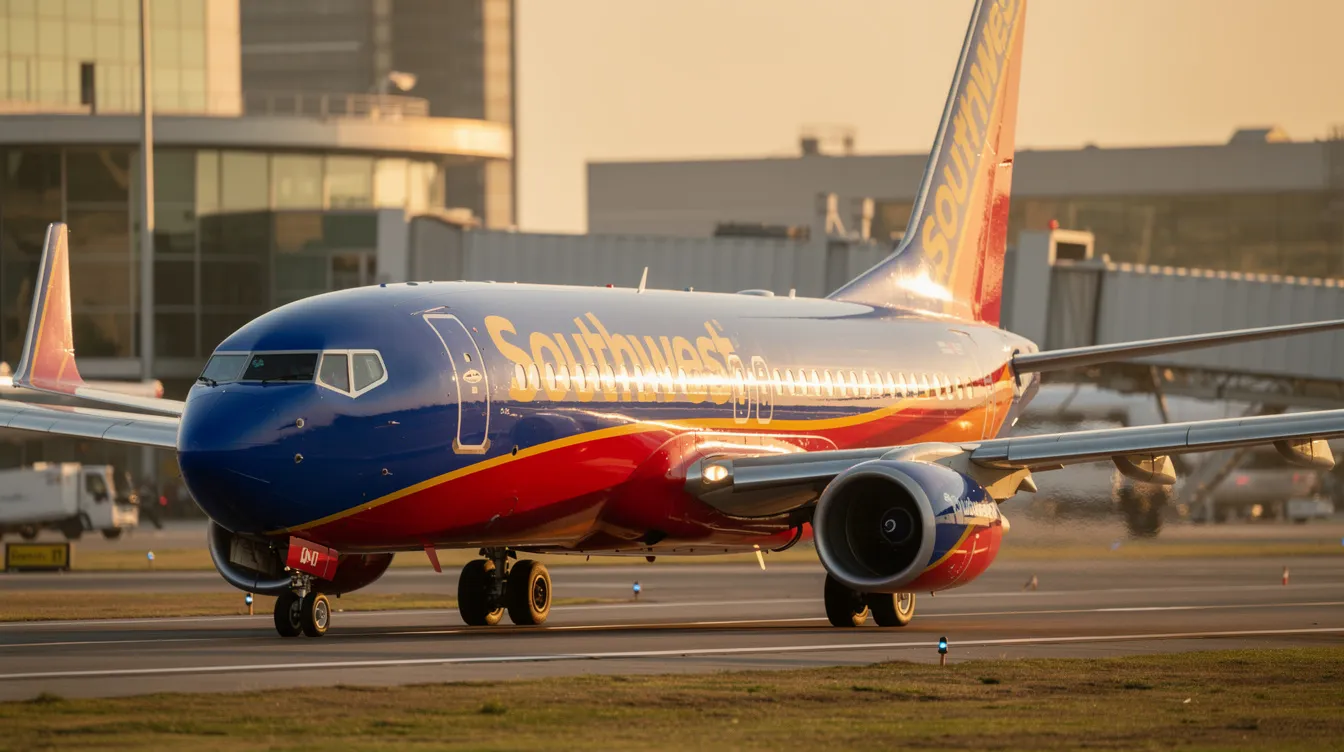
In the realm of air travel, access to the right aircraft can transform a routine journey into a strategic advantage. For high net worth individuals, corporate executives, and discerning travelers, the choice between commercial flights and private aviation is not merely about luxury—it’s about efficiency, privacy, and control. The Southwest Boeing 737-700, a stalwart of short-haul domestic flights, offers a reliable and cost-effective option for millions. However, when compared to private jet travel, especially through a Jet Card program like BlackJet’s, the differences in convenience, customization, and comfort become strikingly clear. This introduction sets the stage for a detailed exploration of the Southwest 737-700’s features, seating, and operational role, contrasted with the elevated experience of private jet access designed to meet the demanding needs of today’s elite travelers.
For millions of passengers each year, the Southwest Boeing 737-700 is the default way to fly short-haul across the United States. But what exactly are you getting when you board one? This guide breaks down the seat map, comfort metrics, amenities, and fleet context of the Southwest Airlines Boeing 737-700, then puts it side by side with what private jet travel through a Jet Card program actually delivers.
Key Takeaways
The Southwest Airlines Boeing 737-700 is the backbone of the carrier's short-haul network, typically configured with 143 economy class seats in a single cabin layout with no dedicated premium class.
Standard seat pitch measures about 31 inches with approximately 17 inches of seat width. Select exit row seats, like 15A and 15F, on many layouts, which offer the best extra legroom seats available on the plane.
Most Southwest aircraft in the 737-700 fleet still lack universal power outlets, and entertainment is streamed to personal devices via the Southwest app rather than through seatback screens.
This dense, high-capacity commercial configuration contrasts sharply with BlackJet's private jet cabin experience: fewer passengers, tailored seating, guaranteed privacy, and reliable access to power and connectivity at every seat.
Below, you will find a full walkthrough of the 737-700 seat map, the best and worst seats, and a framework for deciding when a private jet via a BlackJet Jet Card becomes the more strategic choice.
Why Aircraft Choice Matters for High-Value Travelers
For busy executives and high-net-worth travelers, the aircraft you fly determines far more than legroom. It shapes how much productive time you recover, how rested you arrive, and whether your schedule bends around the airline or the other way around.
Consider the math. A typical Southwest Airlines Boeing 737 flight requires arriving 45–60 minutes before departure, navigating security, walking through the terminal, and competing for a boarding position. A private jet departure from an FBO lets you arrive 20–30 minutes before takeoff, board directly, and configure the cabin as a workspace. Over 15–20 trips per year, those differences compound into days of recovered time.
From BlackJet's perspective, the 737-700 is efficient for mass travel. But when time, privacy, and flexibility drive value, private jet access via a 25+ Hour Jet Card program is often the better tool. The rest of this article dives into the details of the Southwest 737-700 so you can decide where that tipping point sits for you.
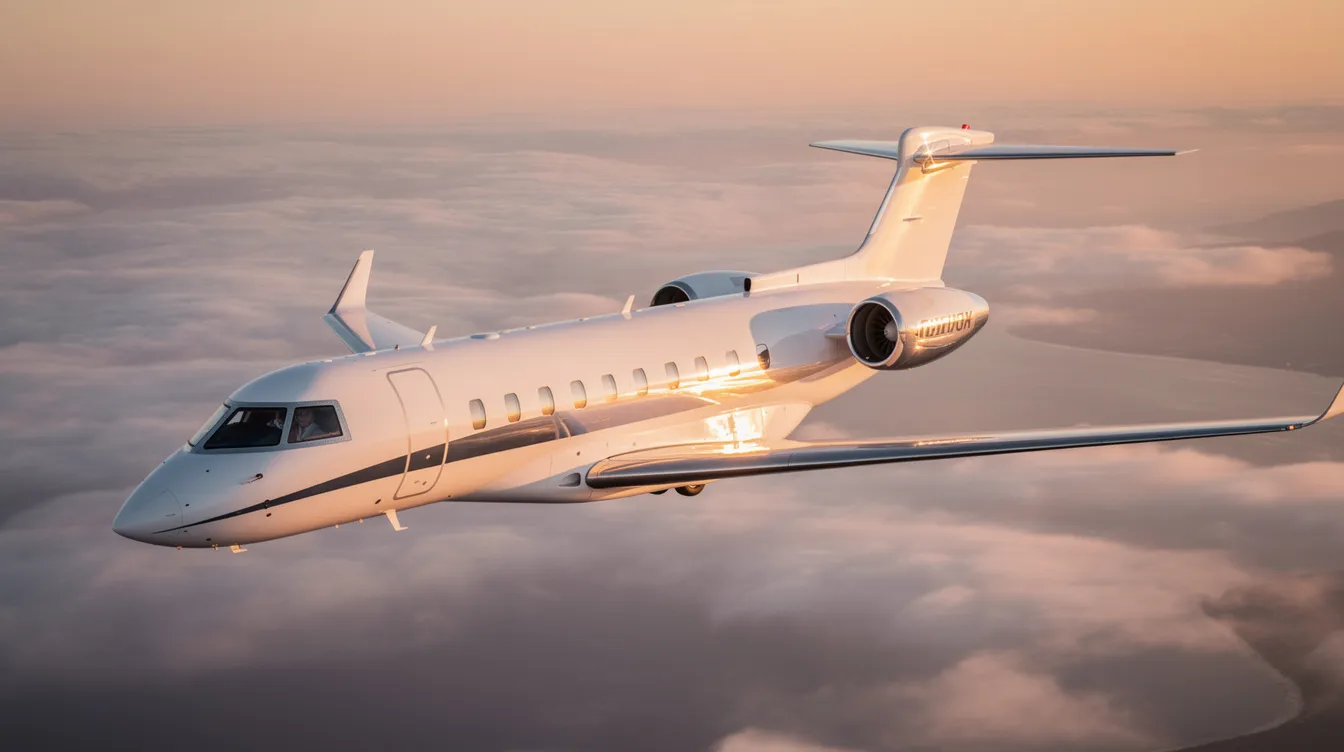
Southwest Airlines Boeing 737-700: Quick Overview
Southwest operates approximately 308 Boeing 737-700 aircraft across the US, Mexico, the Caribbean, and on short-haul routes, often on sectors under three hours. The Boeing 737-700 is the oldest aircraft in the airline's fleet and the workhorse of its point-to-point network.
The aircraft is part of the Boeing 737 Next Generation family, powered by two CFM56-7B turbofan engines. Its winglets improve aerodynamics and fuel efficiency, contributing to a maximum range of up to 3,440 nautical miles. Cruise speed sits near Mach 0.78, and it has a maximum certified ceiling of 41,000 feet. The Boeing 737-700 provides a dependable travel experience with features supporting operational reliability, and as a narrow-body jet airliner, it is known for its operational efficiency. It is well-suited for short- to medium-haul domestic routes.
While other airlines have largely retired or replaced their Boeing 737-700 fleets with larger 737-800 or MAX 8 models, Southwest has retained the type. Fewer passengers onboard (compared to larger narrowbodies) lead to faster boarding and deplaning processes, making it ideal for high-frequency operations.
Quick stats:
Feature | Southwest Boeing 737-700 | BlackJet Private Jet Experience |
|---|
Passenger Capacity | 143 seats (standard) / 137 seats (retrofitted) | 4–12 passengers depending on aircraft size |
Cabin Layout | Single cabin, all economy | Multiple cabin classes with tailored seating |
Seat Pitch | 31 inches (standard), 35 inches (extra legroom) | 30+ inches of personal space per seat |
Seat Width | Approx. 17 to 17.1 inches | Wider, sculpted seats with individual armrests |
Legroom | Best at exit row seats (15A, 15F) | Generous, no restrictions |
Power Outlets | Inconsistent, USB-C on some aircraft | Guaranteed at every seat |
Entertainment | Streaming via app, no seatback screens | Custom, on-demand onboard systems |
WiFi Quality | Basic browsing and streaming | High-bandwidth, reliable connectivity |
Boarding Process | Group boarding, 45–60 min early arrival | Direct boarding, 20–30 min early arrival |
Privacy | Shared cabin with 143 passengers | Guaranteed privacy, exclusive cabin |
Flight Flexibility | Fixed schedule, limited flexibility | On-demand scheduling, flexible routing |
Environmental Impact | Older aircraft, moderate efficiency | Carbon-neutral flights with offsets |
This comparison highlights how the Southwest 737-700's commercial design prioritizes capacity and efficiency, while BlackJet's private jets focus on personalized comfort, flexibility, and productivity.
Cabin Layout and Seat Map Basics
The typical Southwest 737-700 seat map shows a 3-3 layout across a single aisle, with seats labelled A-B-C on the left side and D-E-F on the right. The aircraft has around 23–24 rows, a single cabin, and two main entry doors.
Southwest uses open seating rather than assigned seats, but identifiable zones of better and worse seats still exist based on legroom, proximity to exits, and noise. Standard configuration runs at 31 inches of row pitch, measured from the same point on one seat to the next, about 17–17.1 inches of seat width, and approximately 2 inches of recline. The 737-700 has only 2 lavatories compared to 3 on the 737-800, positioned at the front and rear. Galleys sit at either end of the cabin. Per FAA regulations, one flight attendant is required for every 50 passenger seats.
Key cabin landmarks:
Forward galley and lavatory near the first row
Over-wing exit row at approximately row 15
Rear galley and lavatory near the last row
Overhead bins run the full length of the cabin
After 2025 retrofits, some aircraft had a row removed, bringing the total from 143 standard seats down to 137, with dedicated extra legroom seats in the forward section.
Seat Pitch, Seat Width, and Comfort Metrics
Standard seat pitch on the Southwest Boeing 737-700 is 31 inches. Seat width between armrests measures approximately 17 to 17.1 inches. Recline is limited to about 2 inches across most of the cabin.
On a two-hour flight, these numbers are manageable. On a four-hour sector, they become noticeably constraining, especially for taller passengers or anyone trying to work on a laptop, rest, or hold a confidential call. The tray table provides a small work surface, but personal space is minimal when the seat directly in front reclines.
Contrast this with the different types of private jet cabins BlackJet offers: even a light jet features club seating with 30+ inches of personal space, wider seats with individual armrests, and meaningful recline. For some travelers, upgrading from dense economy to private aviation is less about luxury and more about maintaining productivity and health across many years of frequent travel.
Exit Row and Extra Legroom Seats on the 737-700
The prize seats on most Southwest 737-700 layouts are the over-wing exit row seats, particularly 15A and 15F. Row 15 has the best legroom with no seat directly in front, offering an unobstructed forward view and significantly more space. Extra legroom seats provide 35 inches of pitch, roughly five inches more than standard rows. The 737-700 offers the best Extra Legroom pitch at 35 inches across Southwest's fleet.
To sit in an exit row, passengers must be able-bodied, English-speaking, and willing to assist in an emergency. This can affect family travel with young children or elderly passengers.
Seats to target in the exit row: 15A and 15F (window seats with maximum space). Seats to approach carefully: row 14, which sits immediately forward of the exit and has limited or no recline due to regulations.
In a private jet, every seat is effectively an exit row in terms of legroom and personal space. There is no competition for position, no eligibility rules, and no compromise.
Best and Worst Seats on Southwest's 737-700
Top picks:
Rows 2–4 (window or aisle): quick deplaning, good forward legroom, quieter cabin
Row 15A / 15F: maximum legroom, no seat in front
Over-wing seats: generally a smoother ride, less turbulence
Seats to avoid:
Last row and second-to-last row near lavatories: noise, odors, limited recline, last to deplane
Row 14: restricted or no recline
Middle seats throughout the entire row of any section
Seats near the rear galley, where proximity to drink service and crew movement adds noise
On flights that are less than half full, open middle and aisle seats can make even standard rows feel more comfortable.
Seat rating tools score these positions based on legroom, proximity to lavatories, window alignment, and recline limitations. Checking your seat map before boarding through the Southwest app or third-party tools is always worth the two minutes.
In-Flight Amenities: WiFi, Entertainment, and Power Outlets
No seatback screens are available on the 737-700. Streaming entertainment is available via the Southwest app, including complimentary live TV and movies. WiFi is provided for free to Rapid Rewards members, with messaging and email working reliably and web browsing usually fine. Video calls are not guaranteed.
USB-C charging ports are available at every seat on retrofitted aircraft, though many older 737-700s in the fleet still lack universal AC power outlets. Travelers should not rely on in-seat charging and should bring fully charged devices or power banks.
Feature | Southwest 737-700 | Private Jet (BlackJet) |
|---|
Power outlets | Inconsistent across the fleet | Guaranteed at every seat |
WiFi quality | Browsing/email; streaming variable | Higher-bandwidth solutions |
Entertainment | Personal device streaming | Custom, on-demand |
Noise level | Shared cabin, 143 passengers | Quiet, 4–12 passengers |
Confidential calls | Not practical | Standard |
How the 737-700 Fits into Southwest's Fleet Strategy
Southwest Airlines is the launch customer for the Boeing 737-700, receiving its first delivery in 1997. For many years, the type has been a cornerstone of the airline's single-type fleet approach, simplifying pilot training, maintenance, and spare parts across operations.
The 737-700 is efficient for high-frequency service on thinner routes and serves shorter routes between smaller cities where larger jets might not fill. The 737-700 has 137 seats in its retrofitted configuration, fewer than the 737-800's 175, making it better suited for secondary airports.
Southwest has ordered Boeing 737 MAX 7 aircraft as the longer-term replacement, with the MAX 7 entering service expected in 2027. The newer aircraft types deliver approximately 14% greater fuel efficiency. By 2031, Southwest intends to phase out all 737-700 and 737-800 aircraft, transitioning to an all-MAX fleet.
This big-airline fleet strategy contrasts with BlackJet's approach, where the fleet is tailored flight by flight to client needs across multiple private jet size categories.
737-700 vs Other Airlines' Narrowbody Cabins
Other airlines configure similar narrowbodies, including the Airbus A319/A320 and Boeing 737-800, with multi-class cabins featuring reserved seating, premium economy, or even domestic first class. Southwest keeps a pure economy layout and open seating policy, paired with perks like the companion pass and no change fees.
This means competitive pricing and simplified boarding, but no guaranteed seat selection, no dedicated business class, and no lie-flat options. Frequent premium travelers often find that even the best domestic first-class seats on narrowbodies fall short when schedule pressure, privacy, or long legs demand more.
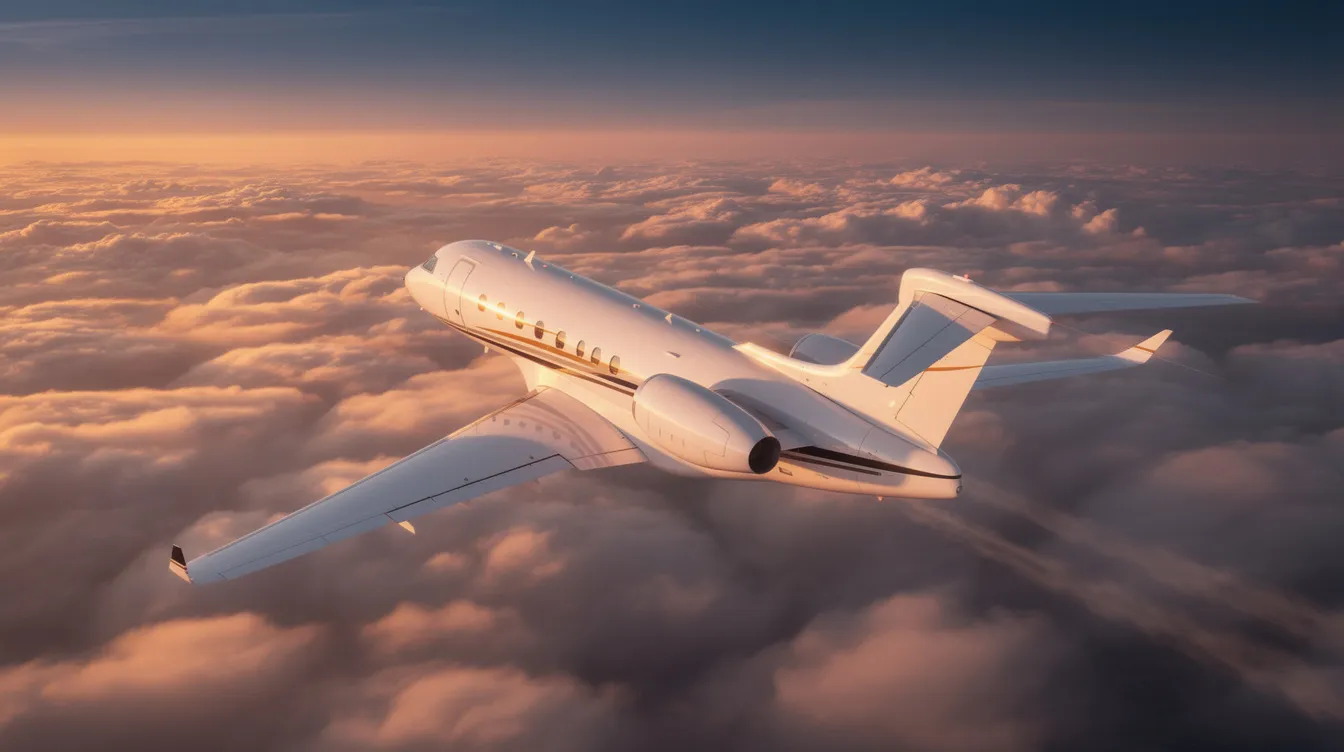
From 737-700 Economy to Private Jet: When the Upgrade Makes Sense
Picture a founder flying from Dallas to San Diego for investor meetings in a single day, or a legal team shuttling between Phoenix and Denver for depositions. Saving two to three hours per trip via BlackJet private aviation services changes what is possible before landing.
When a client or small family of three to six people flies 15+ times per year in high-fare windows, a Jet Card with predictable costs can compete with last-minute commercial fares plus hotels and lost productivity. Contrast scrambling for an exit row on a crowded Southwest 737-700 with driving up to a private terminal, boarding directly, and working through the flight uninterrupted. BlackJet's Jet Card model, with predictable hourly rates and guaranteed access, turns what sat in the "luxury" category into a strategic business tool.
Safety, Certification, and Reliability: Airline vs Private Jet
Southwest maintains a strong safety record, and the Boeing 737 family operates under rigorous FAA oversight covering maintenance intervals, pilot training, and flight operations.
Top-tier private aviation providers match or exceed these standards. BlackJet curates operators through proprietary certification that includes:
Minimum ARGUS, Wyvern, or IS-BAO safety ratings
Pilot hour thresholds and recurrent training requirements
Modern avionics and maintenance oversight comparable to major airlines
Third-party audits and continuous monitoring
The choice between Southwest and a private jet is not between safe and unsafe. It is between mass-market reliability and bespoke, high-control operations.
Sustainability and Carbon-Neutral Flying
The Boeing 737-700 is relatively fuel-efficient for a traditional jet, but its age means higher emissions compared with the latest MAX or Airbus neo models. Private aviation is often criticized for its carbon footprint, but the gap narrows with rigorous offset programs.
BlackJet ensures every journey is carbon neutral through automatic offsetting of emissions, partnerships with verified environmental projects, and ongoing impact monitoring. The process is concrete: calculate emissions per flight, reduce where possible through newer aircraft and route optimization, then offset the remainder through accredited programs, while also exploring more economical private aircraft options that can further optimize fuel burn and cost.
Technology and Booking Experience: App vs Jet Card Platform
Southwest's booking experience includes a mobile app, online seat map views, and digital boarding passes. Travelers can check in 24 hours before departure to secure a higher boarding group, and the wifi portal provides in-flight entertainment access.
BlackJet's digital-first platform offers 24/7 booking access for private jets, instant pricing, aircraft type selection by cabin category, and real-time flight support. Travelers used to the Southwest app often find private jet booking surprisingly straightforward, with far more flexibility on timing, airports, and cabin size.
How BlackJet Complements (Not Replaces) Your Southwest Flying
Most BlackJet clients still fly Southwest and other carriers for routine trips, reserving private jets for high-impact journeys. Use a Southwest 737-700 for a non-critical leisure trip to a forward operating base like Nashville. Switch to a BlackJet Jet Card for same-day turnarounds, board meetings, or travel under time pressure.
You do not need to abandon commercial airlines entirely. Private jet access through BlackJet is an additional tool in your travel portfolio, one that ensures the cost of your time never exceeds the cost of the ticket.
Elevate your travel, effortlessly. Explore BlackJet's Jet Card programs to discover which routes you currently operate on 737-700s that would benefit most from a private alternative.
FAQ
Is every Southwest Boeing 737-700 configured the same way?
Most share a common single-cabin layout, but minor variations exist. Some aircraft retain 143 seats in the original configuration, while retrofitted units carry 137 seats with dedicated extra legroom rows in the forward section. Seat pitch and width are broadly consistent, but specific best seats can differ by tail number. You can verify the latest seat map in the Southwest app before departure. BlackJet clients, by contrast, choose from consistent cabin categories (light, midsize, super-midsize, large cabin) tailored to each trip.
How can I check if my Southwest flight is on a 737-700?
During booking or in your reservation details, Southwest lists aircraft type, often as "Boeing 737-700" or IATA code "73W." Flight-tracking apps like FlightAware or Flightradar24 confirm the specific plane closer to departure. If you frequently see 73W on your core routes and find the experience limiting, that may be a signal to evaluate where a private alternative would improve your schedule.
Does Southwest's 737-700 have power outlets at every seat?
Many 737-700s still lack universal AC power outlets. Some newer retrofits include USB-A or USB-C ports, but availability varies by tail number. Travelers should bring fully charged devices or portable power banks. In BlackJet's network, private jets are specified with accessible outlets and charging solutions so passengers can work uninterrupted throughout the flight.
What is the typical seat width on a Southwest 737-700, and how does it compare to private jets?
Economy seats on the Southwest Boeing 737-700 are typically around 17 to 17.1 inches wide, with shared armrests and limited personal space, especially in middle seats. Private jet seats are generally wider and more sculpted, with individual armrests and greater separation, making them more suitable for working, sleeping, or holding confidential conversations.
When does it make financial sense to use a Jet Card instead of flying Southwest?
Jet Cards become attractive when a traveler or small team flies frequently on high-value, time-sensitive routes, particularly when last-minute fares, hotel nights, and lost productivity add up. A practical rule of thumb: executives flying 15–20 or more high-stakes trips per year, often on routes currently served by 737-700s, should run a side-by-side comparison with a BlackJet advisor to see whether Jet Card access delivers a better overall return.
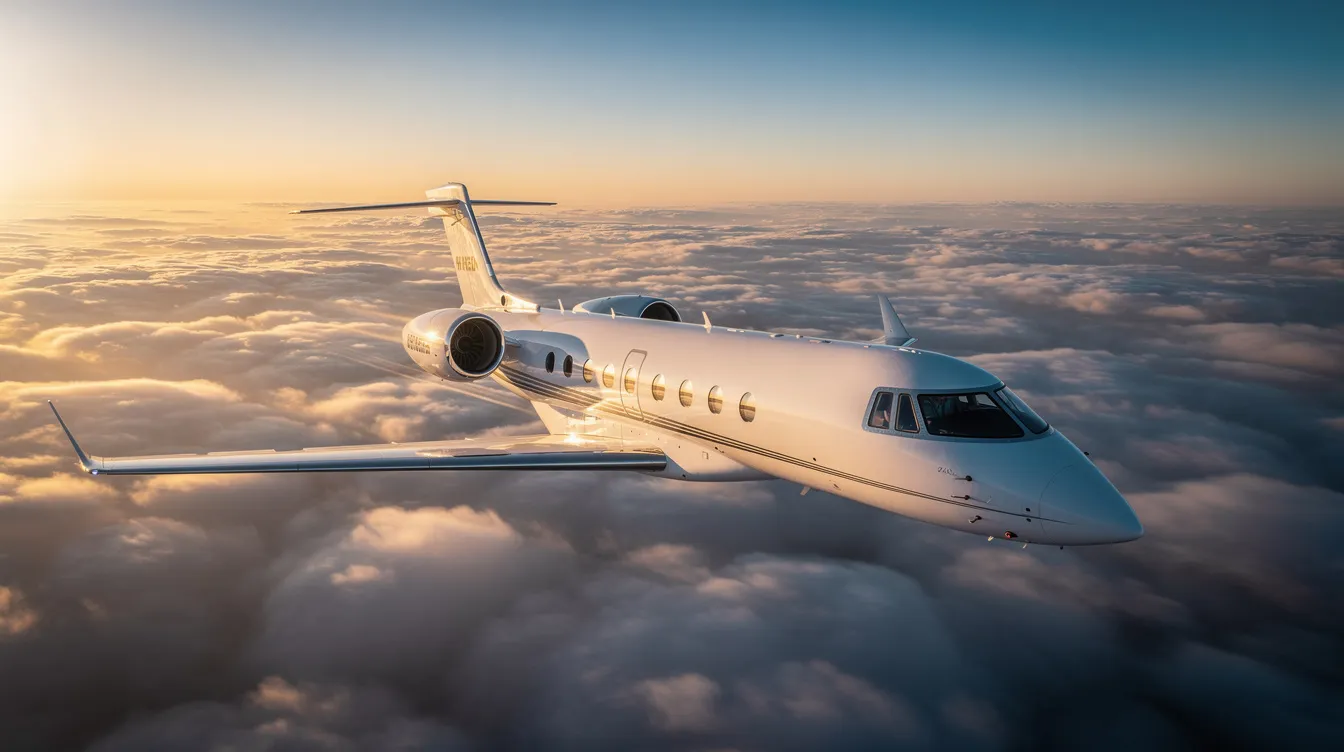
Conclusion: Elevate Your Travel Beyond the Southwest 737-700
While the Southwest Boeing 737-700 remains a dependable workhorse for short-haul travel, its commercial configuration—with dense seating, limited legroom, and fixed schedules—can constrain the high-value traveler’s experience. For executives, entrepreneurs, and discerning individuals who prioritize time, privacy, and comfort, private jet access through BlackJet offers a transformative alternative.
BlackJet’s Jet Card programs provide seamless, flexible access to a curated fleet of private jets, ensuring every journey is tailored to your needs. With guaranteed power at every seat, spacious interiors, and carbon-neutral flights, BlackJet elevates travel from a routine necessity to a strategic advantage. Whether flying regionally or internationally, the convenience of direct boarding, personalized service, and bespoke scheduling can save hours and preserve productivity on every trip.
Discover how BlackJet can reshape your travel experience. Visit www.blackjet.com to explore premium Jet Card options and unlock effortless access to private aviation that complements your lifestyle and business demands.
Elevate your travel—effortlessly and intelligently—with BlackJet.


 Sign up with google
 Sign up with Apple