Private jet ownership is more than an opulent indulgence — it’s a calculated asset for those who see time as capital and privacy as currency. For ultra-high-net-worth individuals, family offices, and corporate decision-makers, understanding the cost of a private jet is essential for making informed, strategic travel choices.
This article is designed for discerning travelers evaluating the purchase or long-term use of private aircraft — whether as sole owners, fractional stakeholders, or prospective jet card members.
We’ll break down purchase price categories, ongoing operating costs, and ownership models, and explore cost-efficient alternatives such as jet cards and on-demand charter. Let’s begin with an overview of the real costs.
Overview of Private Jet Costs
Defining the Two Major Categories
Private jet expenses fall into two primary categories:
Purchase Price – the upfront acquisition cost of the airplane, which varies by size, model, and age.
Ongoing Costs – the annual fixed and variable expenses required to operate, maintain, and house the jet.
A useful way to think about it: the more you fly, the lower your cost-per-flight-hour becomes — but only if your annual usage justifies ownership.
Private Jet Purchase Price
New vs. Pre-Owned
New aircraft offer the latest technology, pristine interiors, and full warranties — but they command a premium. Pre-owned jets can cost 30–50% less, depending on flight hours, condition, and cabin-upgrade level, making them a smart entry point for many jet owners.
Advanced cockpit systems and customized interiors with luxury amenities can add millions to the base price, while maintenance history and total airframe hours significantly impact the price of pre-owned private jets. High-end brands such as Gulfstream, Bombardier, and Dassault generally command premium prices due to their reputation and quality.
Purchase Price Ranges by Aircraft Class
Very Light Jets (VLJs): Typically seat 4–7 guests and are suited for short regional hops and short-haul flights up to about three hours. New models range from $3.5 million to $5.7 million, while used VLJs can start at less than $1 million.
Light Jets: Accommodate 6–8 passengers, often including a bathroom, and are popular entry points into private aviation for personal or business use. New light jets range from $5 million to over $75 million for larger models, with used prices between approximately $1.8 million and $4.7 million.
Midsize to Super-Midsize Jets: Offer enhanced cabin space and the ability to fly longer distances coast-to-coast. Prices range from $2.1 million for older midsize jets to $30 million for newer models.
Heavy Business Jets: These long-range jets hold at least ten passengers and cost between $15 million and $30 million on average.
Ultra Long Range Heavy Jets: Capable of flying up to 6,500 miles, these jets cost between $20 million and $30 million for used models and up to $65 million for new ones.
Airliners: The priciest private jets, with new models selling for upwards of $442 million, often converted from commercial aircraft to offer spacious cabins and luxury amenities.
Notable Examples
The Cirrus Vision Jet is recognized for its affordability as a very light jet, with a purchase price around $2 million.
The Embraer Phenom 100, priced around $4.5 million new, offers a premium yet accessible option in the very light jet category, well-suited for short regional flights with one of the best interiors in its class.
Light jets like the Cessna Citation CJ3+ (~$8 million), Embraer Phenom 300 (~$10 million), and Learjet 75 Liberty (~$11 million) are ideal for executives flying regionally under 1,000 miles, delivering concierge-level service in efficient cabins.
Depreciation and Used Jet Pricing
Private jets typically lose 20%–33% of their value over the first five years, with depreciation for new jets sometimes reaching 35% to 50%. Used jets can be purchased for as low as $250,000, depending on factors such as age, size, and maintenance history. Buyers should consider potential additional costs for maintenance, upgrades, and refurbishment when evaluating used models.
Operating Costs and Ongoing Costs for Private Jets
Owning a jet involves more than acquisition — it’s a commitment to operational excellence and to managing annual costs that can range from hundreds of thousands to millions of dollars.
Fixed vs. Variable Costs
Fixed costs include:
Crew salaries and training typically range from $150,000 to over $600,000 annually.
Hangar rental and fees.
Insurance premiums, which can cost between $10,000 and $500,000 per year depending on aircraft type, region, pilot experience, and liability limits.
Annual inspections and regulatory compliance.
Variable costs include:
Fuel burn, the highest variable cost, often accounts for 25-35% of total operating expenses and fluctuates significantly based on market prices.
Maintenance by hour flown, with scheduled and unscheduled maintenance costs varying by aircraft size.
Airport and Fixed Base Operator (FBO) fees, including landing and handling fees that can range from $500 to over $10,000 per landing.
Catering, cleaning, and repositioning expenses.
Annual Operating Cost Estimates
Very Light Jets: $300,000–$500,000
Light Jets: $500,000–$750,000
Midsize Jets: $800,000–$1.2 million
Heavy Jets: $2 million+ per year
Ongoing costs for owning a jet are roughly $500,000 to $2 million+ annually, irrespective of usage, with total annual operating costs for private jets typically ranging from $500,000 to over $4 million.
Very Light Jets Operating Costs
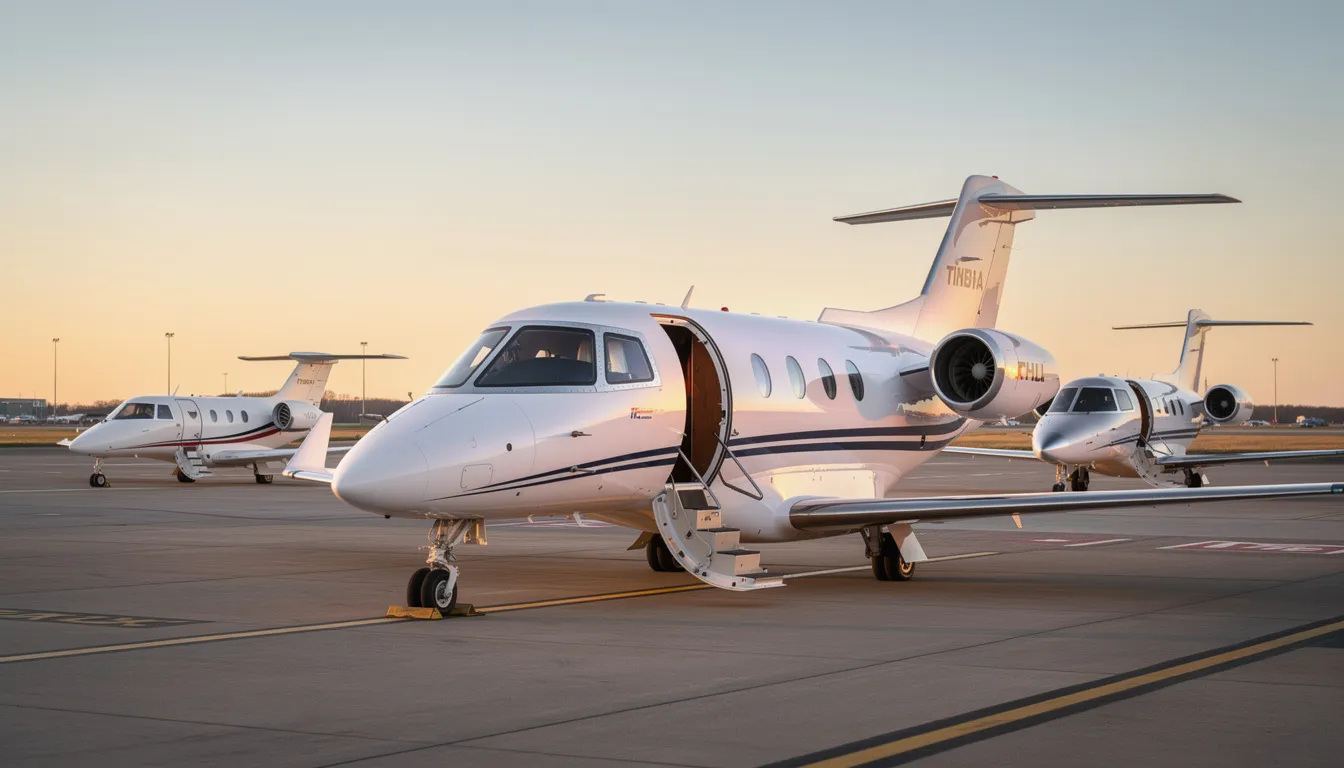
VLJs are lean and efficient:
Operating Cost Estimate: Approximately $1,000 per flight hour
Fuel Burn: 60–90 gallons per hour
Savings: Single-pilot operation often avoids the need for a dual crew
Ideal For: Owners flying under 300 hours per year, regionally
Owning a Private Jet: Ownership Models for Private Jet Owners
Sole Ownership
Pros: Total control, full availability
Cons: Highest cost and administrative burden
Fractional Ownership
Buy a share (e.g., 1/16th) in an aircraft managed by a provider like NetJets.
Pros: Predictable costs, access to a fleet of aircraft
Cons: Limited scheduling flexibility, hourly limits
Jet Card & Charter Alternatives
Jet card programs provide prepaid access to private jets at fixed hourly rates, offering flexibility without the commitment of ownership. Jet cards offer guaranteed availability and predictable pricing, making them a popular choice for those who fly frequently but want to avoid ownership responsibilities.
Chartering a private jet can eliminate the congestion and delays associated with commercial flight terminals. Charter costs vary significantly based on aircraft type, flight distance, and other factors. Fixed expenses such as crew positioning and landing fees can make short-haul flights more expensive per mile.
Recommendation: Only pursue ownership if you fly more than approximately 250 hours per year.
Purchase Process and Financing for Private Aircraft
Pre-Purchase Inspection
Always commission a detailed inspection, including:
Financing Options
Aviation loans with 5–10 year terms
Down payments of 15–25% typical
Leasing structures available via aviation finance specialists
Tax & Depreciation Considerations
Bonus depreciation may be available in the U.S.
Aircraft often depreciate 5–10% annually
Consult a tax advisor early in the process
Hire an Aviation Advisor
A broker can assist with:
Comparing Buy vs Charter vs Jet Card
Cost Per Hour Comparison
Ownership (Light Jet): $3,000–$5,000 per hour
Charter: $4,000–$8,000 per hour
Jet Card: $5,000–$7,500 per hour (all-in)
Model Annual Flight Time Costs
100 hours: Jet Card or charter is more cost-effective
250+ hours: Ownership may become viable
500+ hours: Fractional or whole ownership is often optimal
Charter Price Factors
Aircraft class, flight distance, availability
Positioning costs and hourly minimums
Empty Leg Savings
Last-minute, one-way repositioning flights can be 30–70% cheaper, making private jet travel more economical for flexible travelers.
Tips to Reduce Private Jet Costs
Choose Light Jets for regional travel
Enroll Engines in maintenance programs to avoid cost spikes
Share Flights with business partners or family
Negotiate Contracts for hangar and management fees annually
Private Jet Flight Cost Variables
Airport Fees
Landing, handling, and ramp fees vary by airport size and FBO.
Flight Distance
Seasonal Surcharges
Winter operations: de-icing, increased fuel burn, delays.
Fuel prices often spike during summer and holidays.
Next Steps for Prospective Jet Owners and Users
Schedule a Consultation with an aviation broker or aircraft management company
Run a Sample Cost Model for a 100-hour jet card, 250, or 500 hours per year
Request Jet Card Quotes to compare cost vs ownership
Explore Hybrid Jet Card Programs for flexible, carbon-neutral jet access with no ownership hassle
Frequently Asked Questions (FAQs) About Private Jet Costs
What is the cost of a private jet?
The cost of a private jet varies widely depending on the type, size, age, and customization. New private jets can range from around $2 million for very light jets to over $100 million for large jets or airliners. Pre-owned jets are often 30-50% less expensive, depending on condition and flight hours.
What are the ongoing annual costs of owning a private jet?
Annual costs include fuel, maintenance, crew salaries, insurance, hangar fees, and other operational expenses. These can range from $300,000 for very light jets up to several million dollars for large jets.
How do empty leg flights affect private jet costs?
Empty-leg flights are discounted, one-way repositioning flights that can save passengers 50-70% on regular charter prices, making private aviation more cost-effective for flexible travelers.
Is it more economical to charter or own a private jet?
Chartering or using jet cards is generally more cost-effective for those flying fewer than 250 hours per year. Ownership becomes more viable with higher annual usage because fixed costs are spread over more flight hours.
What factors influence the purchase price of a private jet?
Key factors include aircraft type, age, cabin size, range, avionics, maintenance history, and customization. Larger aircraft with longer ranges and luxurious interiors command higher prices.
What are the benefits of fractional ownership and jet cards?
Fractional ownership allows buyers to own a share of a jet, reducing upfront costs and sharing operating expenses. Jet cards offer prepaid flight hours with guaranteed availability, providing flexibility without the full ownership responsibilities of owning a jet.
How do landing fees and hangar fees impact overall costs?
Landing fees vary by airport and can range from a few hundred to several thousand dollars per landing. Hangar fees depend on location and size and typically range from $3,000 to $15,000 per month, contributing significantly to annual operating costs.
What is the typical range and passenger capacity of very light jets?
Very light jets typically seat 4-7 passengers and are ideal for short regional flights up to about 1,000 miles, making them a lower-cost and efficient option for private flights.
How does fuel consumption vary between different types of private jets?
Fuel burn ranges from under 100 gallons per hour for very light jets to over 300 gallons per hour for large, heavy jets, significantly affecting operating costs based on flight duration and aircraft size.
Can pre-owned private jets be a more affordable option?
Yes, used aircraft can be purchased at significantly lower prices than new jets. However, buyers should consider potential additional costs for maintenance, storage, upgrades, and refurbishment when evaluating used models.
Final Thoughts
Understanding the cost of a private jet involves more than just the initial purchase price. Private jet ownership requires a significant financial commitment, including ongoing expenses such as fuel, maintenance, crew salaries, insurance, and hangar fees. While the upfront investment can range from a few million dollars for very light jets to hundreds of millions for large aircraft, the total cost of ownership depends heavily on your travel needs and usage patterns.
For many, flying private offers unparalleled convenience, privacy, and flexibility that justify the costs. However, for those who fly less frequently, more cost-effective options such as chartering, jet cards, or fractional ownership can provide access to private aviation without the full burden of ownership costs.
Ultimately, whether you choose to own or charter, understanding the full scope of costs—including initial purchase price, ongoing operating costs, and other factors—is essential to making informed decisions that align with your lifestyle and business goals. Private jet ownership remains a symbol of luxury and efficiency, but with careful planning and expert guidance, it can also be a smart investment tailored to your unique travel requirements.
Ready to elevate your travel strategy?
Discover how BlackJet can reshape your access to the sky — seamlessly, securely, and sustainably.
Explore Jet Card Membership →


 Sign up with google
 Sign up with Apple