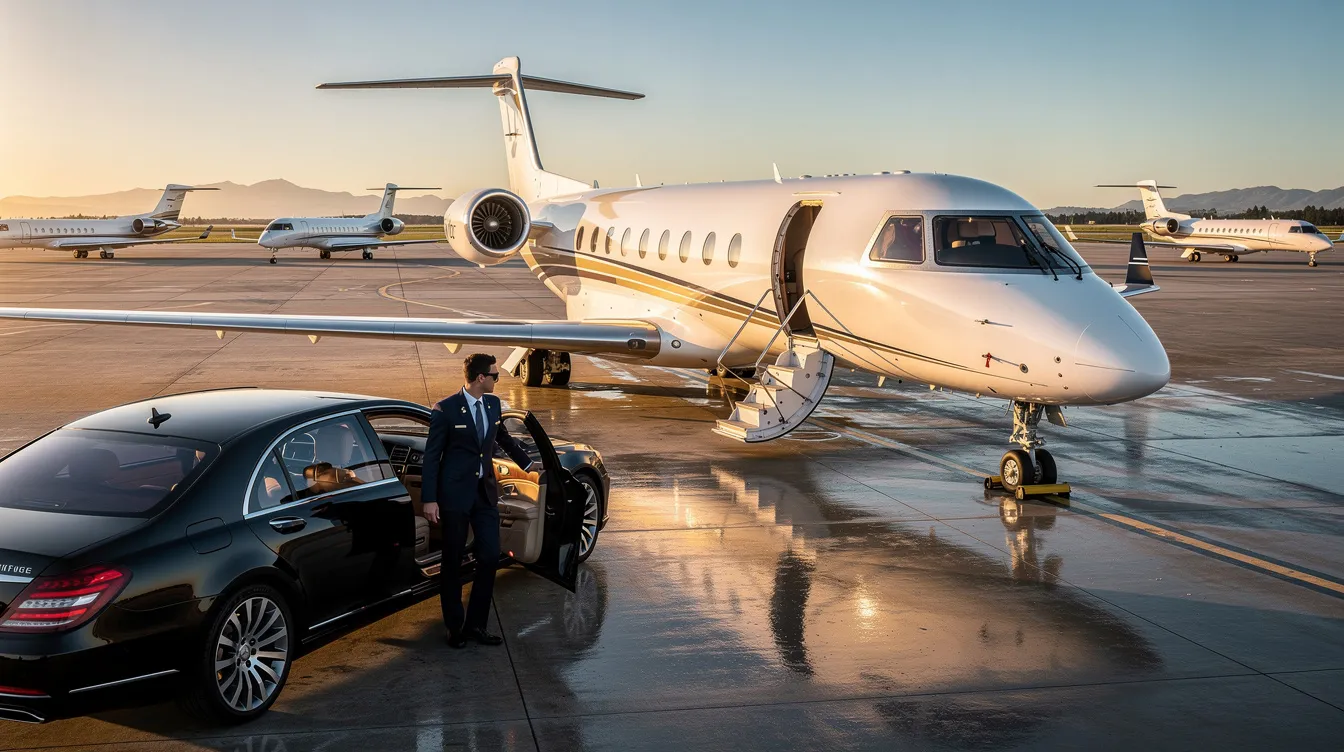
For executives, leadership teams, and high-net-worth families, group travel is not simply about moving people—it’s about maintaining momentum. When commercial aviation introduces delays, fragmented seating, and rigid schedules, the cost is more than inconvenience. It’s lost time, reduced productivity, and missed opportunities.
Aircraft availability plays a crucial role in maintaining service reliability and scheduling flexibility, especially during periods of peak demand or when specific operational needs must be met. It is also vital to only use operators with verified third-party safety audits, such as ARGUS Platinum or Wyvern Wingman, to ensure the highest standards of safety and reliability.
This is where large-cabin private jets designed for up to 16 passengers redefine what travel can look like. These aircraft are not just larger—they are purpose-built for seamless group mobility, combining range, performance, and onboard environments that function as extensions of the office, the home, or both.
Many charter operators maintain a diverse fleet of 16-seat private jets, which enhances service flexibility, airport access, and operational reliability for clients with varying group sizes and travel requirements.
For organizations evaluating private jet access through a jet card or charter program, understanding jet card cost and pricing and the capabilities of 16-seat aircraft is essential.
Booking a private jet charter is a common way to utilize 16-seat private jets for group travel, providing flexibility and convenience, though some travelers also consider buying a seat on a private jet through shared or semi-private options; understanding whether chartering a private jet is worth it can help clarify when this approach makes sense compared to commercial travel.
Overview of What Defines a 16-Seat Private Jet
A 16-seat private jet typically falls within the large-cabin or ultra-long-range category, designed to carry groups efficiently across regional, transcontinental, and intercontinental routes. Passenger capacity is a key factor in these aircraft, as 16-seat private jets are designed to maximize it while adhering to regulatory constraints, such as Part 135 and Part 121 rules.
Seating vs Sleeping Configurations
While many aircraft are marketed as “16-passenger jets,” the distinction between daytime seating and overnight capability matters:
This balance is critical for buyers evaluating long-haul travel versus short, high-density shuttle missions.
Typical Use Cases
These aircraft are commonly deployed across:
Corporate shuttle programs for executive teams
Professional sports teams and support staff
Multi-generational family travel
Charter operators managing high-capacity group demand
In each scenario, the aircraft must deliver both capacity and consistency, not just luxury.
Corporate executives frequently utilize 16-passenger aircraft for board meetings and strategic planning sessions, valuing the ability to conduct confidential discussions while traveling. Extended families planning luxury vacations find 16-seat aircraft perfect for multi-generational trips, benefiting from spacious cabins and multiple living areas.
From Light Jets to Long Range Jets: Categories and Use Cases
Light Jets
Light jet aircraft, including small private jets, are optimized for short missions under 1,500 nautical miles, offering:
However, they are not suitable for 16-passenger missions due to space and payload limitations.
Midsize Jets
Midsize aircraft, including midsize and super-midsize jets, bridge the gap between efficiency and capability by offering a balance of comfort, capacity, and range, and they sit between different private jet sizes in terms of cabin space and range:
Extended range for regional and transcontinental routes
Improved cabin height and comfort
Typical seating: 6–10 passengers
While more capable than light jets, they still fall short of true group travel requirements.
Long Range Jets
Large-cabin, long-range aircraft and ultra-long-range aircraft define the 16-seat category, offering:
Nonstop intercontinental range (4,500–7,700 nm)
Full stand-up cabins with cabin heights over 6 feet
Multiple living zones for work, dining, and rest
Compared to smaller jets, larger aircraft provide superior cabin space, enhanced amenities, and exceptional long-range performance, making them ideal for long-distance, high-capacity travel.
These aircraft are the backbone of global corporate mobility and high-capacity private aviation.
Key Aircraft Families for 16-Seat Private Jet Configurations
Gulfstream Aircraft
Gulfstream has long been synonymous with speed, range, and passenger comfort. Their aircraft are engineered for long-haul missions where fatigue reduction and time efficiency matter most.
Bombardier Aircraft
Bombardier’s Global and Challenger families balance wide-cabin comfort with long-range capability, making them highly versatile for both corporate and leisure missions.
Embraer Lineage Jets
The Embraer Lineage series stands out for its exceptionally spacious cabin layouts, often featuring multiple distinct zones that feel more like a flying residence than a traditional aircraft.
Gulfstream Aircraft
Gulfstream jets are engineered for high-speed, long-distance travel, with cruise speeds approaching Mach 0.90.
Key Characteristics
Ultra-low cabin altitude to reduce jet lag
Advanced avionics and safety systems for enhanced operational safety
Multiple cabin zones for productivity and rest
Their interiors are designed to accommodate 16 passengers in daytime configurations, with private suites and galley space supporting extended missions.
Gulfstream G550
The Gulfstream G550 remains one of the most proven aircraft in its class.
Performance and Range
Approximate range: 6,750 nautical miles with flight times over 12 hours, enabling nonstop flights from New York to Dubai
Ideal for transcontinental and transoceanic routes such as nonstop flights from New York to Dubai
Cabin Design
Typical cabin dimensions for 16-passenger jets range from 40 to over 50 feet in length, 7 to 8.5 feet in width, and offer stand-up cabin heights of 6 feet or more, creating spacious and comfortable interiors ideal for long-haul flights.
Group Travel Suitability
The G550 can comfortably seat 14–16 passengers and offers sufficient baggage capacity for extended trips—making it a reliable option for corporate teams and international travel.
Gulfstream G650 and G650ER
The Gulfstream G650 and G650ER rank among the most capable aircraft in the 16-seat category, delivering exceptional range and performance.
Range: Approximately 7,500 nautical miles, enabling nonstop flights from New York to Hong Kong or Los Angeles to Sydney
Seating capacity: Typically 13 to 16 passengers
High cruise speeds up to Mach 0.90
Spacious cabins with multiple living zones and private staterooms
Bombardier Global Series
Bombardier Global jets are designed for long-haul performance and wide-cabin comfort, making them ideal for 16-passenger missions.
The Bombardier Global 7500 can fly nonstop from San Francisco to Sydney, accommodating up to 17 passengers in its maximum configuration and positioning it among the most expensive private jet options for ultra-high-net-worth travelers.
Core Advantages
Spacious cabins with multiple defined zones
Advanced avionics and vision systems
Enhanced stability for long-duration flights
These aircraft are often selected for international group travel, where comfort over long distances becomes critical.
Bombardier Global 7500
The Global 7500 represents one of the most advanced long-range jets available today.
Range and Capability
Up to 7,700 nautical miles, the longest range available in 16-passenger private jets
Enables nonstop ultra-long-haul routes
Cabin Configuration
Spacious three-zone cabin layout offering separate lounging, dining, and sleeping areas for enhanced comfort and privacy
Private stateroom with a full bed
Dedicated crew rest area
Passenger Experience
The aircraft comfortably accommodates up to 16 passengers, offering a balance of productivity, privacy, and rest unmatched in most categories.
Bombardier Challenger (Including Challenger 850)
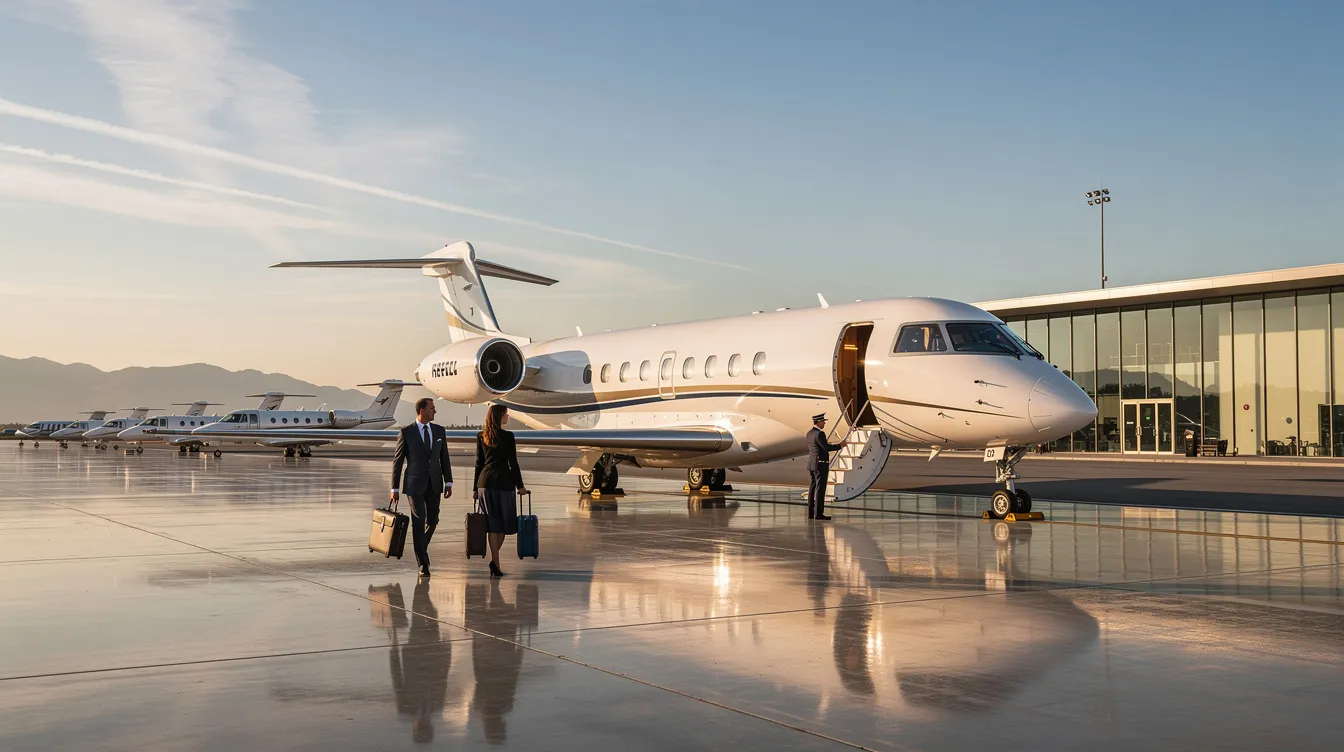
The Challenger family offers a more cost-efficient entry point into large-cabin travel. The Challenger 850, in particular, stands out as an economical choice that balances performance, comfort, and operating costs for regional and transcontinental travel.
Challenger 850 Overview
Large-cabin layout derived from regional jet platforms, with a cabin identical in size and luxury to the Bombardier Global 6000
Ideal for regional and transcontinental missions
Competitive operating economics
Flexibility
These aircraft often provide flexible interior configurations, making them suitable for corporate shuttles and group charters where efficiency is a priority.
Embraer Lineage 1000E
The Lineage 1000E is one of the most spacious aircraft available for 16-passenger travel. As part of the VIP airliners category, it is known for its high-end, luxurious private jet, designed for comfort and customizable interiors.
Cabin and Layout
Exceptionally long cabin space with multiple zones
Full galley and private suite options
Designed for extended onboard living
Range
Group Travel Advantage
With its expansive interior, the Lineage is particularly well-suited for family travel or executive groups requiring distinct onboard environments.
Dassault Falcon 900
The Dassault Falcon 900 can seat between 12 and 19 passengers and is known for its spacious cabin, advanced technology, and luxurious amenities, making it a strong contender in the 16-seat private jet market.
Aircraft Features and Amenities: What to Expect
Full Galley and Catering
Large-cabin jets typically feature full galley installations, enabling:
Gourmet meal service with meals served by dedicated flight attendants, ensuring a premium in-flight experience
Customized catering for long-haul flights
Cabin Design
Connectivity
Modern aircraft support:
High-speed international Wi-Fi and Bluetooth connectivity
In-flight entertainment systems
Real-time business connectivity with USB charging ports to stay connected and productive
For corporate users, this ensures continuity of operations even at 40,000 feet.
Cabin Height, Layouts, and Comfort Considerations
Cabin height plays a major role in perceived comfort. Most 16-seat jets offer:
6+ feet of stand-up cabin height headroom
Wide aisles for easy movement
Defined zones for work, dining, and rest
Cabin attendants play a key role in providing personalized passenger care and ensuring overall comfort during flights.
Layout Considerations
Conference-style seating for meetings
Lounge areas for relaxation
Convertible seating for overnight flights
The trade-off between seating density and sleeping comfort is key when selecting the right aircraft.
Most 16-passenger aircraft feature a private stateroom, offering a peaceful space for rest and relaxation during extended flights.
Performance Metrics: Range, Cruise Speed, and Flight Time
Range and Flight Duration
Ultra-long-range jets can support flights of up to 17 hours, depending on routing and conditions.
Cruise Speed
Top-tier jets operate between:
This significantly reduces travel time compared to commercial alternatives.
Operational Factors
Passenger load
Weather conditions
Fuel reserves
All influences real-world performance and must be factored into planning.
16-seat private jets possess performance capabilities that allow them to reach virtually any global destination with necessary fuel stops, and many routes can be flown nonstop.
The ability to carry sufficient fuel for transcontinental and intercontinental flights eliminates positioning costs and delays associated with intermediate stops, which is a key factor when comparing charter solutions to programs like NetJets jet card costs and other membership models.
Operational Considerations: Runway Access, Baggage, and Regulations
Runway Performance
16-seat private jets offer excellent runway performance, allowing them to access smaller airports that are typically off-limits to commercial airlines. Typical runway requirements are:
Takeoff: 5,000-6,000 feet
Landing: 2,500-3,000 feet
This access to more airports, including smaller regional airports, provides enhanced convenience and flexibility for travelers.
Baggage Capacity
Baggage volume varies significantly. For group travel:
Regulatory Considerations
Aircraft configured for 16 passengers remain under Part 135 charter rules, maintaining operational flexibility compared to higher-capacity aircraft, while still adhering to stringent safety protocols that address concerns such as turbulence on private jets.
Private Jet Maintenance and Safety
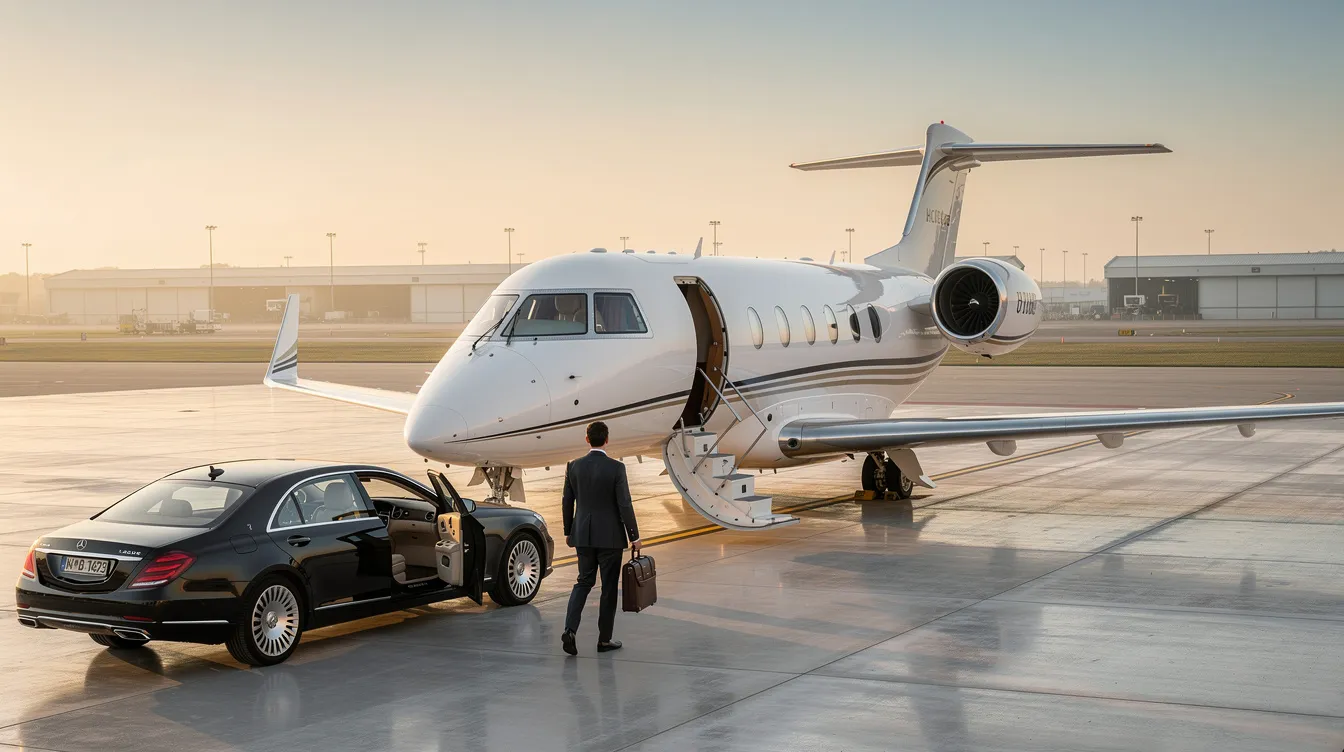
Ensuring the safety and reliability of private jets is a cornerstone of private aviation. For group travel, where the stakes are high and expectations even higher, rigorous maintenance and uncompromising safety standards are non-negotiable. From pre-flight checks to ongoing system monitoring, every aspect of private jet operation is designed to protect passengers and deliver a seamless, worry-free experience.
Maintenance Protocols
Maintenance protocols for private jets are among the most stringent in the aviation industry. Each aircraft undergoes regular inspections, comprehensive system checks, and preventive maintenance on everything from engines and avionics to cabin systems. Highly trained technicians—often certified by the aircraft manufacturer—ensure that every jet meets or exceeds airworthiness standards before each flight. Gulfstream aircraft, for example, benefit from a global service network that provides rapid access to parts and expert support, underscoring the brand’s commitment to safety and reliability in private aviation. This meticulous attention to detail ensures that jets remain in peak condition, offering passengers a safe and comfortable cabin environment on every journey.
Safety Standards and Records
Private jet operators are held to the highest safety standards, adhering to regulations set by authorities such as the Federal Aviation Administration (FAA) and the International Civil Aviation Organization (ICAO). These standards cover everything from pilot training and operational procedures to aircraft maintenance and emergency preparedness. Safety records are carefully maintained, with every incident or irregularity thoroughly investigated to drive continuous improvement. Bombardier aircraft, including the renowned Bombardier Challenger series, are recognized for their outstanding safety records and reliability, making them a trusted choice for discerning travelers who prioritize peace of mind alongside performance.
Reliability for Group Travel
Reliability is especially critical when flying larger groups on long-haul or international flights. Ultra-long-range jets like the Gulfstream G650 and Bombardier Global 7500 are engineered to deliver not only unparalleled luxury but also consistent, dependable performance. These aircraft feature spacious three-zone cabins, ample room for passengers to work, dine, or relax, and luxurious amenities such as fine dining and private staterooms—ensuring maximum comfort throughout the journey. Operators prioritize regular maintenance and strict safety protocols to guarantee that each flight departs on time and arrives safely, providing personalized service that meets the highest expectations.
Operational flexibility is another key advantage of private aviation. Many jets, including the Embraer Lineage 1000E, are capable of accessing more airports—including smaller airports with shorter runways—than commercial airliners. This allows passengers to fly closer to their final destinations, saving valuable time and enhancing productivity, whether for business meetings or leisure travel. With a focus on reliability, safety, and an exceptional in-flight experience, private jets offer a level of convenience and luxury unmatched in aviation.
By prioritizing maintenance, adhering to rigorous safety standards, and delivering operational flexibility, private jet operators ensure that every journey is as safe as it is luxurious. For those seeking the ultimate in group travel—whether for business or pleasure—private jets provide the peace of mind, comfort, and personalized service that define the very best in global travel.
Pricing, Charter Rates, and Operating Costs
Hourly Rates
Charter costs for 16-seat private jets generally fall between $3,000 and $8,000+ per flight hour, varying based on the specific aircraft model, route, and seasonal demand. Understanding private jet charter pricing clarifies how these figures are calculated.
Ultra-long-range models like the Gulfstream G650 or Global 7500 typically command hourly rates of $6,000-8,000+, while mid-range aircraft may be available for $3,000-5,000 per hour; a detailed look at how much it costs to rent a private jet can provide route-specific examples and savings strategies.
Overall, hourly rates for 16-seat private jet charter typically range from $8,000 to $14,000, based on aircraft model and manufacturer.
Additional Costs
Additional costs for chartering a 16-seat private jet include:
Positioning fees
Catering and gourmet meal service
International handling charges
Potential crew overnight expenses
Peak Travel Periods
Peak travel periods, such as holidays and major events, often lead to notable increases in charter rates, sometimes rising by 25-50% above the usual pricing.
Ownership Considerations
Ownership costs for a heavy jet accommodating 16 passengers can exceed $1.2 million annually for 200 hours of flying, prompting some buyers to explore alternative funding methods such as purchasing a private jet with cryptocurrency.
For most travelers, jet cards or charter programs offer greater flexibility without a long-term capital commitment, whether through broader membership options or a more structured 100-hour jet card cost structure, while others may explore leasing a private jet for more sustained use with customized terms.
How to Choose the Right 16-Seat Private Jet
Match Range to Mission
Start by identifying the required flight distance, then evaluate cabin features and consider different types of private jets and 50-hour jet card pricing and value that align with your capacity and comfort needs.
Prioritize Comfort for Group Travel
Cabin height
Layout flexibility
Onboard amenities
These factors directly impact passenger experience.
Evaluate Operating Economics
For shorter missions, a large-cabin jet may not always be the most efficient option. Balance capacity with cost by exploring strategies to fly private more affordably through options like empty legs, shared charters, or membership programs.
Typical Configurations and Amenities for Group Travel
Corporate Layouts
Leisure and Family Layouts
Charter-Oriented Interiors
Redefining Group Travel Through Private Aviation
Choosing the right 16-seat private jet is about more than capacity—it’s about aligning aircraft capability with mission objectives. Whether transporting an executive team across continents or coordinating a multi-family getaway, these aircraft deliver efficiency, privacy, and control that commercial aviation cannot replicate. For your next trip, consider the convenience and luxury of a 16-seat private jet, ensuring a seamless, comfortable journey tailored to your needs.
For those seeking a more strategic approach to private aviation, access matters just as much as aircraft selection, and some frequent flyers even consider unlimited private jet flight memberships when evaluating long-term solutions.
Discover how BlackJet can reshape your travel. Explore seamless, carbon-neutral private jet access designed for those who value time, precision, and performance.
Conclusion: Elevate Your Group Travel Experience
A 16-seat private jet offers unparalleled luxury, flexibility, and operational excellence for group travel, whether for business or leisure. By choosing aircraft that combine outstanding performance, spacious cabins, and personalized service, travelers gain the freedom to fly on their own terms—accessing more airports, enjoying gourmet dining, and staying connected throughout the journey. Partnering with trusted providers like BlackJet’s premium private jet services ensures not only exceptional aircraft availability but also a commitment to sustainability and safety, elevating every aspect of your travel experience. Embrace the future of private aviation and transform your next group trip into an effortless, sophisticated adventure.


 Sign up with google
 Sign up with Apple