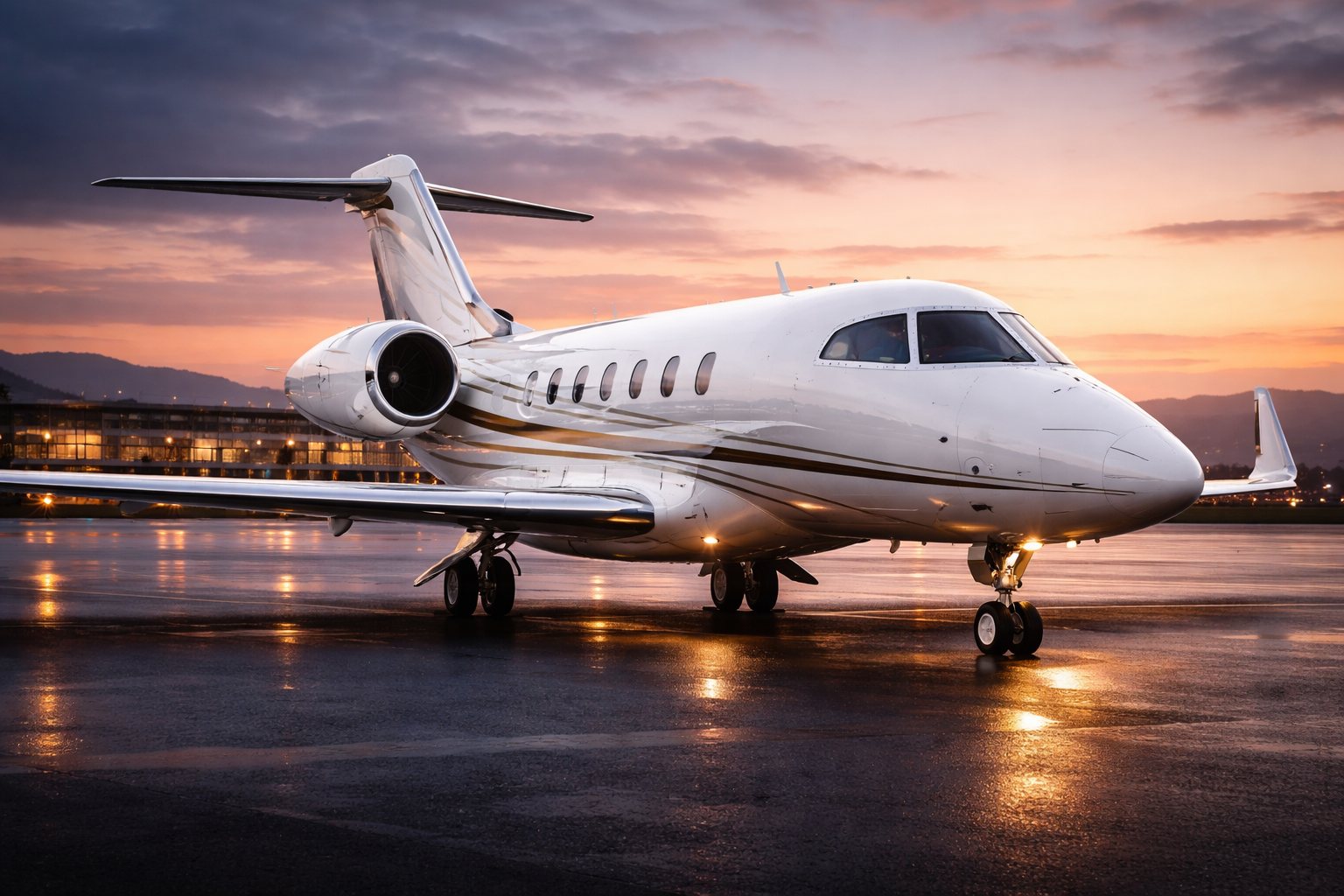
In the world of private aviation, aircraft are more than machines—they’re strategic assets. For high-net-worth individuals, business leaders, and performance-driven travelers, the aircraft they fly defines not only their journey, but their priorities: efficiency, innovation, and experience. The appeal of the airplane extends beyond private use, playing a significant role in both commercial and personal aviation due to its versatility and historical significance.
While most people measure time in hours, private jet flyers measure it in missed opportunities avoided. A modern aircraft doesn’t just get you from A to B. It gives you control over your schedule, comfort, and carbon footprint—all without compromise.
As we step into 2026, the aviation industry continues to innovate across both military and commercial sectors, with every new model pushing the boundaries of what’s possible. Here’s a guided tour through the most remarkable aircraft of 2026—each one representing the future of flight.
Aviation History: Milestones That Shaped Modern Flight
Aviation history is a tapestry woven with innovation, ambition, and the relentless pursuit of the skies. From the earliest days of powered flight to the cutting-edge jets in service today, each era has introduced aircraft that redefined what was possible—both in the air and on the ground.
The quest for air superiority has driven the development of legendary fighter jets. The Lockheed Martin F-22 Raptor, for example, stands as a pinnacle of air superiority fighter design, blending stealth technology, supersonic speeds, and unmatched agility. Its introduction set a new benchmark for fighter jet performance, influencing aircraft development worldwide.
Jumbo jets have also left an indelible mark on aviation history. The Boeing 747, often called the “Queen of the Skies,” revolutionized air travel by enabling airlines to carry hundreds of passengers across continents and oceans. This leap in capacity and range enabled longer flights and made global travel accessible to millions. The Airbus A380, with its double-decker design, pushed these boundaries even further, offering airlines and passengers a new class of comfort and efficiency.
Experimental aircraft have always been at the forefront of technological progress. The North American X-15, a rocket-powered plane, shattered records for speed and altitude, paving the way for future space shuttle development and high-speed reconnaissance missions. The Lockheed SR-71 Blackbird, another icon, proved the value of supersonic reconnaissance, flying at altitudes and speeds that made it nearly untouchable, reaching speeds over Mach 3—the fastest air-breathing manned aircraft ever built.
The evolution of stealth technology has transformed air force strategy and aircraft design. The Lockheed Martin F-35 Lightning II, a fifth-generation multirole fighter, exemplifies this shift with its advanced sensors, networked systems, and radar-evading profile. Other planes, like the Boeing F-15EX Eagle II and Russia’s Sukhoi Su-57 Felon, have incorporated stealth features to remain competitive in the world’s most advanced air forces. Notably, the Sukhoi Su-57 is ranked as the best fighter jet in the world in 2025 due to its agility, stealth capabilities, and cost-effectiveness at around $50 million per unit.
Major military operations, such as Operation Desert Storm, have showcased the versatility and power of modern aircraft. During this campaign, a diverse fleet—including bombers, fighter jets, and support planes—demonstrated the critical role of air superiority and precision in achieving mission objectives. These real-world tests have driven further development and refinement of both technology and tactics.
On the commercial side, airlines continue to invest in new aircraft that offer more range, better fuel efficiency, and enhanced passenger experience. The Airbus A350, featuring curved wingtips that improve aerodynamic efficiency and speed, and the Boeing 787 Dreamliner are prime examples. These advancements have not only changed how we travel but have also set new standards for sustainability and operational costs. The Boeing 777 remains a testament to durability and efficiency, recognized for its incredible range and solid economics, having remained in service for over 30 years.
From the cockpit of a pioneering experimental aircraft to the window seat of a modern airliner, aviation history is a story of constant evolution. Each milestone—whether a breakthrough in speed, range, or stealth—has shaped the world we fly in today. As new aircraft enter service and technology continues to advance, the legacy of these aviation milestones ensures that the skies remain a place of wonder, innovation, and limitless possibility.
Military Aviation: Speed, Stealth, and Superiority
How Modern Fighter Jets Define Global Power
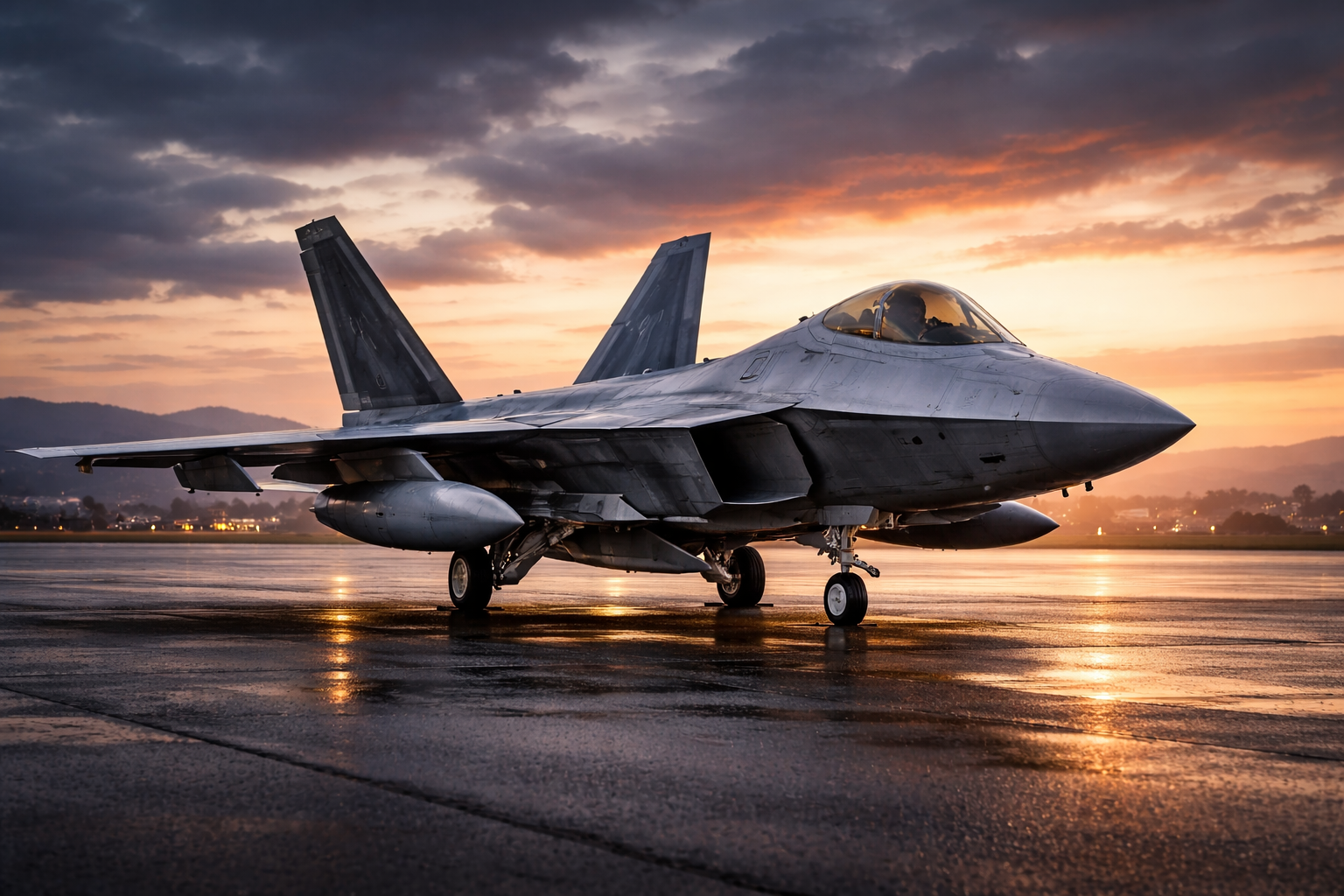
Military aviation remains the proving ground for some of the world’s most advanced technologies—many of which eventually influence private and commercial travel. From next-gen stealth coatings to adaptive flight systems, military innovations set the tone for the industry.
The following list highlights the best fighter jets of 2026, each evaluated as a best fighter jet based on agility, technology, payload, and operational status:
Lockheed Martin F-22 Raptor: Still an icon, the Raptor’s unmatched maneuverability and top speed make it a benchmark in air dominance. It is considered the most advanced fighter jet currently in service, featuring stealth technology and supercruise capabilities, and is also one of the most expensive fighter jets ever developed.
F-35 Lightning II: A versatile multirole aircraft used by multiple nations, offering stealth, digital integration, and vertical landing capabilities. The F-35 is the second-best fighter jet in the world, known for its exceptional stealth and multirole capabilities. It is also a key asset despite its high cost, thanks to its active service and widespread deployment.
Boeing F-15EX Eagle II: Combining legacy power with digital cockpit upgrades and future-ready systems. The F-15EX boasts a weapons payload of nearly 30,000 lbs, making it the world's most heavily armed fighter jet, and earns a high point score in comparative rankings due to its firepower and versatility.
Sukhoi Su-57: Ranked as the best fighter jet in the world in 2025 for its agility, stealth, and cost-effectiveness at $50 million per unit. The Su-57 transitioned from prototype to operational status, marking a significant milestone in Russian aviation.
Chengdu J-20: As China's first 5th-generation stealth fighter, the J-20 is one of only four operational stealth fighters in the world today.
General Dynamics F-16 Fighting Falcon: The most widely used fighter jet in the world, with over 2,084 units in operation.
Sukhoi Su-35: Known for its exceptional agility and carrying a weapons load of over 17,000 lbs.
Eurofighter Typhoon: A multirole fighter that has been systematically upgraded over the years to enhance its capabilities.
Boeing F/A-18E/F Super Hornet: A carrier-capable fighter jet that has been in service since 1978 and has undergone significant upgrades.
Dassault Rafale: Designed for 'omnirole' capabilities, allowing it to perform multiple mission types simultaneously.
These jets represent not just national defense, but airborne intelligence, adaptability, and decisive power, much like what BlackJet offers at the executive level.
Fighter Jets of 2026: Excellence at Mach Speed
Top Picks for Aviation Enthusiasts
Few machines capture the imagination like a fighter jet.
Sukhoi Su-57 Felon: Russia’s flagship fifth-gen fighter pairs speed and stealth with aggressive aerodynamics and supersonic cruise.
Eurofighter Typhoon: A cooperative European jet that balances cost, performance, and reliability.
Dassault Rafale: France’s elegant multirole combat aircraft with impressive range, precision, and advanced ground attack capabilities.
Boeing F/A-18 Super Hornet: A carrier-capable jet widely used by the Navy, excelling in both air superiority and strike missions.
North American P-51 Mustang: This legendary WWII fighter played a crucial role by escorting bombers and engaging enemy fighters.
Each of these jets demonstrates what’s possible when performance and control converge—echoing the values high-net-worth travelers seek in their private flight solutions.
Advanced Fighter Jets: Sixth Generation on the Horizon
The next chapter in aerial combat is being written now. Sixth-generation programs like the NGAD (Next Generation Air Dominance) and FCAS (Future Combat Air System) are already in development.
These platforms promise:
The takeaway? Future aircraft will act more like flying supercomputers than traditional jets—a vision that parallels BlackJet's approach to leveraging technology to create seamless, intelligent travel experiences.
Aviation: Bigger, Smarter, Greener
The Titans of the Skies—Now and Future
In commercial aviation, efficiency, comfort, and sustainability are top priorities for 2026.
Boeing 747 (Jumbo Jet): Often referred to as the "queen of the skies," this iconic jumbo jet is celebrated for its history, size, and aerodynamic design. It played a significant role in the history of commercial aviation as one of the largest and fastest commercial aircraft ever built.
Airbus A380: Known for its exceptionally wide cabin and superior comfort, making it a favorite among passengers.
Airbus A350-1000: Praised for its modern design and passenger experience, often compared favorably to the Boeing 787. Features curved wingtips that improve aerodynamic efficiency and speed, lightweight advanced composites like carbon fiber that reduce weight and improve fuel efficiency and structural strength, and lower cabin pressure to improve passenger comfort.
Boeing 787 Dreamliner: Composite structure, advanced humidity control, and long-haul efficiency.
Boeing 777X: Recognized for its incredible range, solid economics, and over 30 years of service. Features folding wing tips, GE9X engines, and is the largest twin-engine jet in the sky.
Airbus A220: Considered one of the most comfortable narrow-body jets, featuring a 2-3 seating configuration.
Embraer E175: Favored among regional jets for its spacious cabin and comfortable seating layout.
Dassault Falcon 10X: Features the widest cabin in business aviation at over 9 feet, offering unmatched comfort and luxury for private flyers.
Gulfstream G700: Represents the pinnacle of speed and range in private aviation, capable of Mach 0.935, making it one of the fastest and longest-range business jets available.
Bombardier Global 8000: Known for having the longest range of any purpose-built business jet and recognized as the world's fastest civilian aircraft, reaching a top speed of Mach 0.95.
Cirrus SR22T G6: Known for its Garmin avionics and built-in safety parachute, exemplifying advances in safety and avionics in light aircraft.
C-5M Super Galaxy: The leading military transport for massive intercontinental payloads, capable of carrying double rows of vehicles, illustrating the scale and capability of modern military airlift.
HY4 Hydrogen Plane: Uses a hydrogen fuel cell system to produce electricity for zero-emission flight, showcasing innovations toward eco-friendly aviation.
What unites these models? A commitment to smarter energy use, enhanced experience, and technological excellence—qualities that inform BlackJet’s own aircraft partnerships.
Space Exploration & Suborbital Innovation
From Fighter Jet to Spacecraft
2026 marks a new era in aerospace, with crossover tech reshaping both aviation and space:
SpaceX Starship: Designed for planetary transport, cargo, and eventually high-speed Earth-to-Earth travel, offering capabilities far beyond any other plane.
Blue Origin’s New Shepard: Targeting suborbital tourism with full reusability.
Virgin Galactic: Aimed at making space travel accessible to high-net-worth explorers.
Private spaceflight is becoming an extension of premium air travel, offering ultra-fast mobility with an unmatched perspective. It’s no longer just fantasy—it’s on the horizon for those who demand the extraordinary. For reference, the Concorde was the world's only supersonic commercial passenger aircraft, renowned for its technical achievements and unique design, but even it cannot match the speed and altitude of these new spacecraft.
Aircraft Manufacturers to Watch
Where Innovation Begins
The industry’s major players continue to define the landscape:
Boeing & Airbus: Commercial giants in an arms race for efficiency and global reach, producing capable aircraft with advanced features.
Lockheed Martin: At the forefront of stealth, defense systems, and next-gen capabilities, known for highly capable and versatile fighter jets.
Embraer & Bombardier: Making waves in the midsize and private jet categories with capable designs that emphasize innovation and adaptability.
For BlackJet, partnering with trusted OEMs provides access to aircraft with verifiable safety records, consistent performance, and sustainability frameworks.
Future of Aviation: Where We’re Headed
Sustainability, Speed & Urban Air Mobility
Electric propulsion is becoming viable for short-haul flights and regional hops.
Urban air mobility (UAM), including eVTOLs from Joby Aviation and Archer, is preparing for launch.
Hydrogen fuel cells may power future airliners within the next two decades.
These shifts represent a rethinking of mobility, similar to how BlackJet has reimagined private jet access—not just with comfort, but conscience.
BlackJet’s Pillars in the Aircraft Conversation
What Our Jet Card Clients Prioritize
Every new aircraft trend reinforces the pillars that define BlackJet:
Safety & Certification
We fly only aircraft that meet or exceed FAA Part 135 and third-party certifications (e.g., ARGUS Platinum, Wyvern Wingman). Safety isn’t a promise—it’s a protocol.
Sustainability
All BlackJet flights are 100% carbon-neutral, offset through verified third-party environmental programs.
Seamless Technology
From booking to boarding, our proprietary system makes flight planning frictionless—no clunky apps or intermediaries.
Frequently Asked Questions
How does BlackJet ensure aircraft safety?
Every aircraft in our network is operated by certified crews under strict FAA or global regulatory oversight. We go beyond required checks with third-party audits.
Are all BlackJet flights carbon neutral?
Yes. Carbon offsetting is built into every flight, at no extra cost to the client.
What aircraft can I access with a BlackJet Jet Card?
We offer access to a range of aircraft—light jets (e.g., Phenom 300), midsize (e.g., Citation XLS+), and long-range (e.g., Gulfstream G500)—tailored to your needs.
How far in advance can I book?
With a Jet Card, you can book as little as 8–12 hours in advance, depending on aircraft class and location.
Conclusion: Why 2026 Is a Pivotal Year for Aircraft Enthusiasts
From stealth fighters to sustainable airliners, 2026 is poised to be a showcase of aerospace excellence. For private flyers, these innovations aren’t just fascinating—they signal a new standard for what air travel can be.
BlackJet clients are not just passengers; they’re participants in a movement toward faster, safer, cleaner, and smarter flight. Whether you’re exploring the latest jet tech or simply want to travel without compromise, your access starts here.
Discover What’s Next
Explore premium jet access with BlackJet.
Where others chase innovation, you’re already flying it.
Join the Jet Card Program →


 Sign up with google
 Sign up with Apple