Personal aviation opens up a world of freedom and flexibility, allowing individuals to take to the skies for recreation, business, or building valuable flight hours. At its core, personal aviation involves using aircraft for private purposes, whether you’re flying solo for pleasure, traveling for business, or working toward advanced pilot certifications. The range of personal aircraft available today is vast, from classic single-engine piston aircraft to high-performance models equipped with the latest technology. Personal aircraft come in a variety of shapes and sizes, with different performance envelopes, catering to diverse pilot needs and preferences.
For example, the Cirrus SR22T is a standout in the world of personal aircraft, offering not only impressive performance and range but also innovative safety features like the Cirrus Airframe Parachute System (CAPS), a whole-plane ballistic recovery parachute standard in Cirrus aircraft. This system provides pilots with an added layer of security, underscoring the advancements in safety that define the modern era of aviation.
The Cirrus SR22T is a perennial favorite known for its blend of speed, safety, and operational simplicity. The Cirrus SR series has consistently been the best-selling personal aircraft every year since 2003. Whether you’re a seasoned pilot seeking a high-performance airplane for cross-country flights or a newcomer eager to experience the thrill of flying, understanding the different types of personal planes and their unique features is essential. With options tailored to every mission and budget, personal aviation empowers pilots to choose the aircraft that best matches their flying goals and lifestyle.
Looking for the best personal plane tailored to your flying needs? In this article, we break down the top personal aircraft currently on the market. You’ll find detailed reviews of planes that shine in performance, safety, and user satisfaction, helping you make an informed decision. Whether you’re a new pilot, a business traveler, or an aviation enthusiast, discover your ideal plane here.
Key Takeaways
The top personal planes of 2025 include options like the Cirrus SR22T, Cessna 182 Skylane, and Beechcraft G36 Bonanza, each catering to different pilot needs and budgets.
Key factors to consider when choosing a personal plane include affordability, maximum range, passenger capacity, cruising speed, and comfort.
Modern personal aircraft feature advanced safety systems, innovative avionics, and efficiency enhancements that significantly improve the flying experience.
The modern era of aviation has introduced faster, more efficient, and technologically advanced personal planes, meeting the evolving needs of today’s pilots. The Beechcraft Bonanza has been in continuous production longer than any other aircraft in history, showcasing its enduring appeal and reliability. The Cessna 172 Skyhawk is priced around $450,000, making it a popular and accessible choice for many pilots.
Top 10 Personal Planes of 2025
Choosing the best personal airplane is no small feat. Real-world experience and manufacturer data have been meticulously analyzed to present the top 10 personal planes of 2025. This list features great airplanes that stand out for their unique strengths and suitability for a variety of personal flying needs. These airplanes have been selected for their performance, safety, and overall user satisfaction, meeting the diverse needs of pilots and aviation enthusiasts. We also consider the best options currently on the market and how they compare to other current aircraft in terms of features and value.
From single-engine piston aircraft to versatile utility planes, each model offers unique features. However, many personal aircraft cannot fill seats with passengers and luggage and still carry adequate fuel, which is an important consideration for pilots planning long-distance trips or carrying heavy loads.
Cirrus SR22T
The Cirrus SR22T stands out for its advanced features, ease of use, and exceptional safety systems. Priced around $940,000, this single-engine piston aircraft is a favorite among recreational pilots and aviation enthusiasts. It offers modern avionics, a pressurized cabin, and the renowned Cirrus Airframe Parachute System (CAPS) for added safety. The advanced Garmin Perspective Touch cockpit with an electronic stability system is included in the Cirrus aircraft, enhancing pilot confidence and operational efficiency. The cockpit features a modern, uncluttered layout designed for ease of use, with intuitive controls and a sporty, automotive-inspired appearance that appeals to recreational pilots. The Cirrus SR22T has a turbocharged engine delivering 315 horsepower and operates efficiently at higher altitudes, making it a versatile choice for various flying conditions. The cruising speed of the Cirrus SR22 is 183 knots, making it a reliable option for cross-country travel.
Its maximum range of 1,021 nautical miles makes it ideal for cross-country flying and general aviation.
Cessna 182 Skylane
Renowned for its reliability and versatility, the Cessna 182 Skylane is a top choice for both newer pilots and seasoned aviators. At $575,000, it offers a maximum range of 900 nautical miles and can accommodate one pilot and three passengers. The Cessna T206 Turbo Stationair HD is often hailed as the 'SUV of the skies' for its legendary durability and reliability, making it a favorite for utility and heavy-hauling purposes.
Its carrying capacity of 1,110 lbs suits various flying needs, from recreational trips to flight school training.
Piper Archer LX
The Piper Archer LX, priced around $475,000, is an excellent aircraft for those on a budget. It can comfortably carry one pilot and three passengers, making it a popular choice among aviation enthusiasts. A maximum range of 522 nautical miles offers a good balance between affordability and performance, making it a go-to option for many pilots. However, comfort is sometimes an afterthought in personal aircraft design, which can be a consideration for those prioritizing passenger experience.
Diamond DA40 NG
Known for its fuel efficiency and composite design, the Diamond DA40 NG is priced between $390,000 and $500,000. With a maximum range of 940 nautical miles, it is a cost-effective option for pilots seeking a modern, efficient aircraft. The Diamond DA40 NG sips on fuel as little as 5.1 gallons per hour, making it very efficient. Its innovative construction materials contribute to its lightweight and fuel-efficient performance, making it a standout in general aviation.
Beechcraft G36 Bonanza
Priced at $920,000, the Beechcraft G36 Bonanza combines luxury and performance with a maximum range of 920 nautical miles. Accommodating one pilot and five passengers, the Bonanza is perfect for bringing along friends or family on your journeys, and it is ideal for those who prioritize comfort and style. A high-wing aircraft like the Cessna 210 offers ease of access for passengers compared to low-wing planes. The spacious cabin of the Honda Jet Elite II, by comparison, can seat up to seven passengers in a luxurious setting, showcasing the range of options available for those seeking premium flying experiences. The Honda Jet Elite II can cruise at speeds up to 422 knots and reach a maximum altitude of 43,000 feet, further emphasizing its high-performance capabilities.
Its high performance and spacious cabin make it a top choice for both recreational and business use.
ICON A5
Priced at $359,000, the ICON A5 offers an exciting flying experience with its amphibious capabilities. It can accommodate one pilot and one passenger, with a maximum range of 427 nautical miles. There are very few amphibious options available in personal aircraft, making the ICON A5 a unique and versatile choice for pilots seeking diverse flying experiences.
This versatile aircraft accommodates both land and water landings, exemplifying innovative design in modern aviation.
CubCrafters CarbonCub SS
The CubCrafters CarbonCub SS is a premier bush plane priced around $350,000. Designed for backcountry flying, it features a powerful engine that enhances off-road performance. Ideal for aviation enthusiasts exploring remote areas, it offers exceptional capabilities and a rugged build.
Texas Aircraft Colt
Priced around $140,000, the Texas Aircraft Colt is one of the most affordable personal planes. It includes a ballistic airframe parachute for added safety and accommodates one pilot and one passenger.
With a maximum range of 831 nautical miles, this aircraft offers a great balance between price and performance, making it an attractive option for new pilots and recreational flyers.
Cessna 206 Turbo Stationair HD
The Cessna 206 Turbo Stationair HD is a rugged and versatile aircraft, priced at $760,000. It can handle a maximum useful load of 1,441 lbs and has a maximum range of 703 nautical miles. The cruising speed of the Cessna Turbo Stationair HD is 161 knots, making it a practical choice for pilots who need a balance of speed and utility.
Accommodating up to six passengers, this aircraft is perfect for heavy hauling and utility purposes, making it a favorite in general aviation.
Diamond DA50 RG
The Diamond DA50 RG is the epitome of luxury and efficiency in single-engine planes. Its timeless design combines classic aesthetics with modern engineering, ensuring enduring appeal. Retractable gear enhances aerodynamics, contributing to high performance and fuel efficiency.
Known for its luxurious features, this aircraft offers an unparalleled flying experience, making it a formidable contender as the top-rated single-engine plane of 2025.
Factors to Consider When Choosing a Personal Plane
Choosing the right personal aircraft involves more than just aesthetics. Factors to consider include:
Affordability
Maximum range
Passenger capacity
Cruising speed
Comfort
It’s also important to determine if the aircraft is primarily intended for personal use, such as recreational flying or private travel, to ensure it matches your specific requirements.
These factors must be considered to ensure the aircraft meets your needs.
These factors, along with technological advancements and individual needs, play a crucial role in production and value in making an informed decision.
Affordability
Balancing cost with features is crucial when selecting a personal plane. Consider the following price points:
New models can start around $274,900.
Used airplanes can be found for as low as $30,000.
The Texas Aircraft Colt, priced at $140,000, offers affordability without compromising essential features.
However, owning a plane involves ongoing expenses like maintenance, insurance, and storage fees, which can collectively amount to thousands annually.
Keep in mind that many operating costs, such as fuel and maintenance, are calculated on a per-hour basis, which can significantly impact your overall budget.
Maximum Range
Maximum range is crucial for cross-country and long-distance travel. While maximum range is important, considering the aircraft’s top speed can also help you estimate travel times and plan more efficient routes. It should align with your most frequently traveled routes to optimize performance and ensure you reach destinations with full fuel without frequent refueling.
This is vital for pilots planning extensive journeys or business air trips, including a detailed flight plan that showcases the power of effective preparation.
Passenger Capacity
Passenger capacity is a significant factor. For instance, the Diamond DA40 NG and Cessna 182 can accommodate one pilot and three passengers, making them suitable for small groups. High-wing planes are generally more passenger-friendly, offering better visibility and comfort.
Aircraft like the Cessna 206 Turbo Stationair HD are designed to handle heavy loads, catering to both utility and functionality.
Cruising Speed
Cruising speed is critical, especially for business flights where time efficiency is paramount. It’s also important to consider the aircraft’s ability to maintain optimal cruising speed at higher altitudes, which can impact overall performance and efficiency. A higher cruise speed can significantly reduce travel time, making it valuable for corporate travel. For instance, the Mooney Acclaim Ultra boasts a cruising speed of 242 knots, making it one of the fastest single-engine piston aircraft available. However, higher speeds often come with increased operating costs. Balancing speed with fuel efficiency and operational expenses is crucial for an informed decision.
However, higher speeds often come with increased operating costs. Balancing speed with fuel efficiency and operational expenses is crucial for an informed decision.
Comfort and Amenities
Comfort and amenities in personal aircraft can greatly enhance the flying experience. While limited space often prioritizes function over comfort, more spacious aircraft with additional amenities can significantly improve passenger experience.
However, these added conveniences typically come with trade-offs, such as increased weight, which can affect performance and efficiency. Ensuring easier access and better views for passengers is also important for accessibility factors.
Flight Planning and Navigation
Effective flight planning and navigation are at the heart of safe and enjoyable personal flying. Before every flight, pilots create a detailed flight plan that outlines the route, cruising speed, fuel requirements, weather considerations, and alternate airports. Modern avionics have revolutionized this process, offering advanced features like real-time weather updates, GPS navigation, and automated flight management systems that make cross-country flying more accessible and efficient than ever.
Today’s personal aircraft often come equipped with cutting-edge technology, such as touchscreen displays and integrated autopilot systems, which help pilots maintain situational awareness and manage complex airspace with ease. These tools are especially valuable for newer pilots, providing added confidence and safety during every phase of flight. Whether you’re planning a quick local hop or a long-range journey, leveraging advanced navigation systems ensures you stay on course, optimize your cruise speed, and make the most of your aircraft’s maximum range. With these innovations, flight planning has become a streamlined process, allowing pilots to focus on the joy of flying while maintaining the highest standards of safety and efficiency.
Best Planes for Specific Needs
Different pilots have different needs, and the best aircraft for one purpose may not be ideal for another. Whether you’re a recreational pilot, a business traveler, or a flight student, understanding which aircraft suits your needs is essential.
The following subsections explore top choices for various flying purposes, helping you find the perfect match for your aviation goals as an aviation enthusiast.
Best for Recreational Pilots
For recreational pilots, the Texas Aircraft Colt and ICON A5 are standout choices. The Texas Aircraft Colt prioritizes safety and ease of handling, making it perfect for leisure flying.
The ICON A5, with its amphibious capabilities, offers versatile flying experiences, allowing enjoyment of both land and water landings. These aircraft cater to aviation enthusiasts seeking fun and flexibility in their flying adventures.
Best for Business Use
Business travelers need aircraft that combine luxury, performance, and efficiency. The Beechcraft G36 Bonanza and Cirrus SR22T are top choices. The Beechcraft G36 Bonanza offers a luxurious cabin and high performance, ideal for corporate travel.
The Cirrus SR22T, known for its advanced safety features and impressive range, ensures quick and safe travel to business meetings and events.
Best for Training
Training aircraft must offer stability, user-friendliness, and excellent visibility. The Piper Archer LX and Cessna 172 Skyhawk are highly regarded in flight schools for these reasons. The Piper Archer LX provides smooth handling and stability, while the Cessna 172 Skyhawk is favored for its predictable handling and safety record. The Cessna 172 Skyhawk is the most popular training airplane in the world and one of the most popular personal aircraft ever, a testament to its reliability and suitability for student pilots. Additionally, the Cessna 150/152, a simple and reliable two-seat aircraft, is often considered a good starting point for new pilots due to its ease of use and affordability. The cruising speed of the Cessna 172 Skyhawk is around 120 knots, making it a practical choice for training and recreational flying. The Diamond DA40 and DA50 are popular choices among pilots for training and personal use due to their safety record and efficiency.
Both models are excellent choices for flight training, helping students build confidence and hone skills in class.
These airplanes are also excellent choices for students aiming to build hours efficiently as they work toward advanced certifications or commercial pilot careers.
Advanced Features in Modern Personal Planes
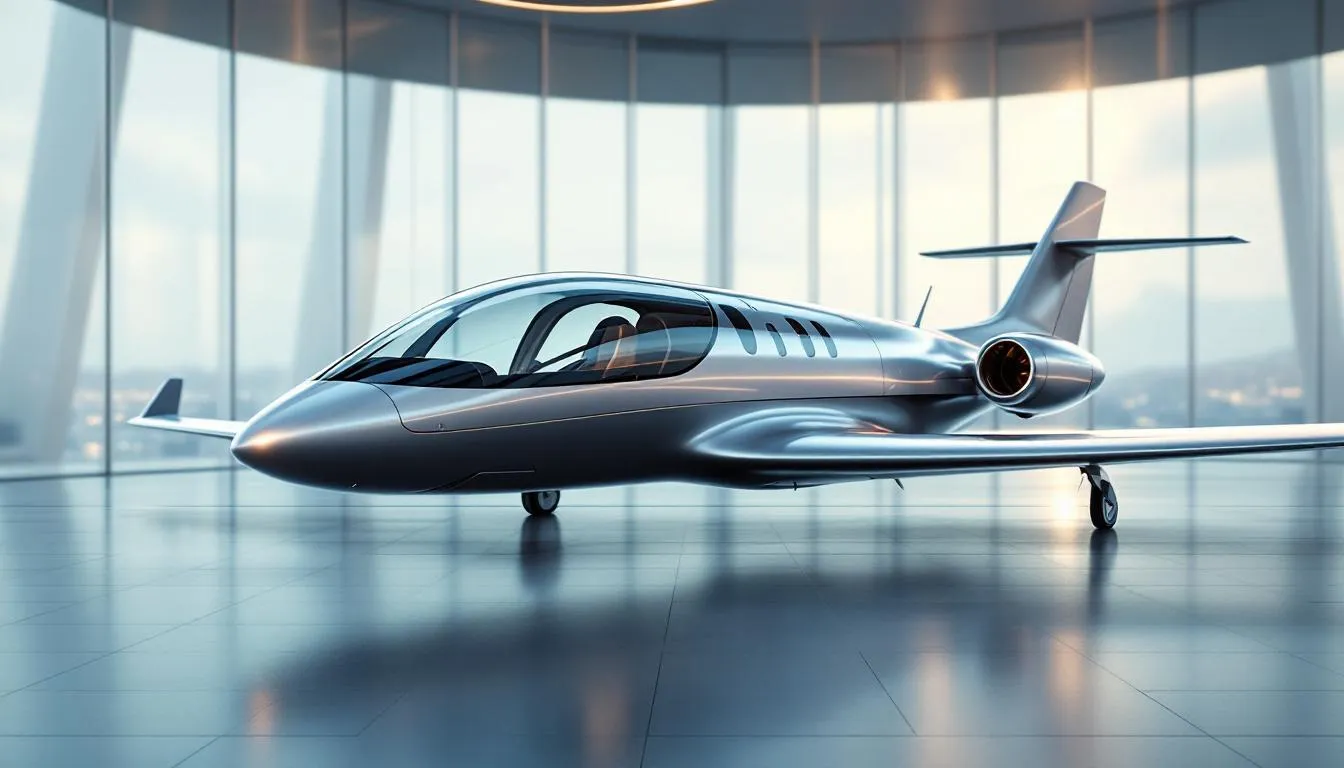
Modern personal planes come with advanced features that enhance safety, performance, and the overall flight experience. Innovative safety systems, state-of-the-art avionics, and efficiency enhancements make flying safer, more efficient, and enjoyable. Safety features such as full-aircraft parachute systems are becoming common in new single-engine planes, further emphasizing the industry's commitment to pilot and passenger security. Additionally, BasicMed allows pilots to fly light sport aircraft without a flight physical, making personal aviation more accessible to a broader range of enthusiasts.
Let’s delve into the cutting-edge technology features that set today’s personal aircraft apart from their predecessors.
Safety Systems
Safety is paramount in aviation, and modern aircraft incorporate several advanced systems. The Cirrus Airframe Parachute System (CAPS) is a prime example, offering a whole-airframe parachute for controlled descent in emergencies.
Emergency autoland systems can automatically land an aircraft without pilot intervention. Automated flight control systems help:
Artificial intelligence integration further enhances safety by:
Optimizing flight routes
Identifying hazards.
Avionics
Modern avionics have revolutionized navigation and situational awareness with the following features:
Digital tools that streamline navigation
Automated database updates via Wi-Fi to ensure pilots always have the latest data
Advanced radar technology that allows for 3D visualization of weather conditions
High-end navigational systems with touchscreen interfaces provide real-time updates on weather and nearby aircraft positions.
These advancements significantly enhance flying safety and efficiency, powered by innovative technology.
Efficiency Enhancements
Efficiency is crucial in modern aircraft design. The use of composite materials, like in the Diamond DA40 NG, reduces weight and enhances fuel efficiency. The Diamond DA50 RG’s retractable gear improves aerodynamics, further boosting performance. Innovations in design and materials lead to lower fuel consumption and reduced operational costs.
Automation in flight systems reduces pilot workload, allowing for more efficient aircraft management during operations.
Budget-Friendly Options
For many aspiring pilots and aviation enthusiasts, finding a budget-friendly personal aircraft is a top priority. Fortunately, there are several great airplanes on the market that deliver excellent value without sacrificing performance or safety. Models like the Texas Aircraft Colt and the Piper Archer LX are prime examples, offering fuel-efficient engines, lower operating costs, and essential features at a more accessible price point. Buying a simpler aircraft like the Cessna Skyhawk can be the most affordable option, providing a reliable and cost-effective entry into personal aviation.
These aircraft are designed to use less fuel while still providing reliable performance, making them ideal for recreational pilots or those building hours toward advanced ratings. Opting for a budget-friendly plane doesn’t mean compromising on safety or comfort—many of these models include modern avionics, comfortable cabins, and even advanced safety systems. Additionally, considering used airplanes can further reduce costs, allowing pilots to enjoy the benefits of personal aviation without a hefty upfront investment. By focusing on fuel efficiency, maintenance costs, and overall value, pilots can find the perfect aircraft to match their individual needs and financial goals.
Used Aircraft Options
Exploring the used aircraft market is a smart way for pilots to maximize value and access a wider range of personal planes. Used airplanes often come with a lower purchase price, making them an attractive option for those looking to enter general aviation or upgrade to a higher class of aircraft without breaking the bank. When evaluating used models, it’s important to consider factors like basic empty weight, useful load, maintenance history, and any upgrades or modifications that may affect performance and reliability.
A thorough pre-purchase inspection by a qualified mechanic is essential to ensure the aircraft meets safety standards and mission requirements. Many used airplanes offer timeless design and proven reliability, making them formidable contenders for both recreational and business use. By carefully assessing the condition and value of a pre-owned aircraft, pilots can find great airplanes that deliver excellent performance, efficiency, and long-term satisfaction.
Accessories and Upgrades
Enhancing your personal aircraft with the right accessories and upgrades can significantly improve your flying experience. From advanced avionics packages that offer cutting-edge technology and real-time data, to comfort features like upgraded seating and climate control, there are countless ways to customize your airplane for added convenience and performance. Popular upgrades include modern glass cockpit displays, improved lighting systems, and enhanced safety features such as traffic alert and terrain awareness systems. A fixed-pitch, fixed-gear monoplane usually offers lower operating costs, making it an attractive option for pilots seeking simplicity and affordability.
For pilots seeking even greater efficiency, options like lightweight composite propellers or aerodynamic fairings can help reduce drag and boost cruise speed. Investing in these modern era enhancements not only increases the value of your aircraft but also ensures you’re flying with the latest advancements in aviation technology. Whether you’re outfitting a new model or updating a trusted used airplane, the right accessories and upgrades can transform your aircraft into a truly personalized flying machine, tailored to your unique needs and preferences.
Owning vs. Renting a Personal Plane

Deciding whether to own or rent a personal plane depends on factors like flying frequency and financial considerations. Ownership involves substantial upfront costs and ongoing expenses but offers the freedom and convenience of having a plane at your disposal.
Renting provides flexibility and cost savings, particularly for infrequent flyers. Understanding the costs and benefits of each option can help make an informed decision.
Costs of Ownership
Owning an aircraft involves significant financial commitments. Beyond the initial purchase price, owners must account for maintenance, insurance, and storage costs. Predictive maintenance software can help identify potential issues early, leading to more efficient operation. Innovations in aircraft design and fuel management systems also contribute to lower operational costs by enhancing fuel efficiency and reducing consumption.
However, these ongoing expenses can add up, making ownership a substantial long-term investment.
Benefits of Renting
Renting a personal plane offers several advantages, especially for those who fly infrequently:
It avoids the high upfront costs and ongoing expenses associated with ownership.
Renters can choose from different aircraft models based on specific needs for each trip, providing flexibility without long-term financial commitments.
You only pay for the hours you fly, making it a more economical choice for occasional flyers.
Renting also eliminates the need for maintenance and storage, further reducing costs.
Summary
In summary, 2025 offers an exciting range of personal aircraft, each with unique features and capabilities. From the luxurious Diamond DA50 RG to the affordable Texas Aircraft Colt, there’s a plane for every pilot’s needs. The Honda Jet Elite 2 blends performance, luxury, and efficiency, making it a top contender in the single-pilot jet market. When choosing a personal plane, consider factors like affordability, range, passenger capacity, and comfort to ensure you make the best decision for your flying goals. The Cirrus Vision SF50 emphasizes safety with an innovative airframe parachute system and autoland technology, making it a standout option for those prioritizing advanced safety features.
Whether you opt for ownership or renting, modern advancements in aviation technology provide safer, more efficient, and enjoyable flying experiences. The journey of selecting the perfect personal aircraft is a thrilling adventure – one that promises to elevate your flying experiences to new heights.
Frequently Asked Questions
What are the top personal planes of 2025?
The top personal planes of 2025 are the Cirrus SR22T, Cessna 182 Skylane, and Piper Archer LX, among others like the Diamond DA40 NG and Beechcraft G36 Bonanza. If you're looking to fly in style and comfort, these models are definitely worth considering!
What factors should I consider when choosing a personal plane?
When choosing a personal plane, it's essential to think about your budget, how far you need to fly, how many passengers you'll carry, and the level of comfort you want. Prioritizing these factors will help you make the best choice for your needs.
What are some advanced features in modern personal planes?
Modern personal planes now come with high-tech safety features like the Cirrus Airframe Parachute System and user-friendly touchscreen avionics, alongside materials that boost efficiency and retractable gear for better performance. These advancements make flying safer and more enjoyable than ever! The Embraer Phenom 100EV is a very light jet known for efficiency and modern avionics, certified for single-pilot use, further showcasing the strides in aviation technology. The Embraer Phenom 300E, on the other hand, is recognized for its high performance, luxury, and a spacious cabin, making it a standout in the light jet category.
Is it better to own or rent a personal plane?
It’s generally better to rent a personal plane if you fly infrequently, as it offers more flexibility and saves you from high ownership costs. However, if you fly often, owning might be more convenient despite the higher expenses.
Which planes are best for specific needs like recreational flying, business use, and training?
For recreational flying, consider the Texas Aircraft Colt or ICON A5. If you need a plane for business, the Beechcraft G36 Bonanza or Cirrus SR22T are top picks, while the Piper Archer LX and Cessna 172 Skyhawk are perfect for training.
Conclusion
Choosing the best personal plane ultimately depends on your individual mission requirements, budget, and flying preferences. Whether you prioritize maximum range for cross-country flying, a fuel-efficient and reliable airplane for recreational use, or advanced safety features like the Cirrus Airframe Parachute System, there is a personal aircraft tailored to your needs. From affordable options like the Texas Aircraft Colt to luxurious and high-performance models like the Diamond DA50 RG, the market offers great airplanes for every type of pilot.
For those seeking an elevated experience beyond piston aircraft, services like BlackJet provide an exclusive private jet membership, offering the convenience and luxury of private jet travel without the responsibilities of ownership. BlackJet is a formidable contender for business travelers and aviation enthusiasts who value time efficiency and comfort. The Pilatus PC-24 combines the versatility of a turboprop with the speed of a light jet, making it another excellent option for those seeking high performance and flexibility in their flying experience.
With cutting-edge technology, modern avionics, and a range of aircraft options available, personal aviation in 2025 is more accessible and enjoyable than ever. Whether you choose to own, rent, or utilize private jet services like BlackJet, the sky is truly the limit for your flying adventures.


 Sign up with google
 Sign up with Apple