Introduction to Private Jets
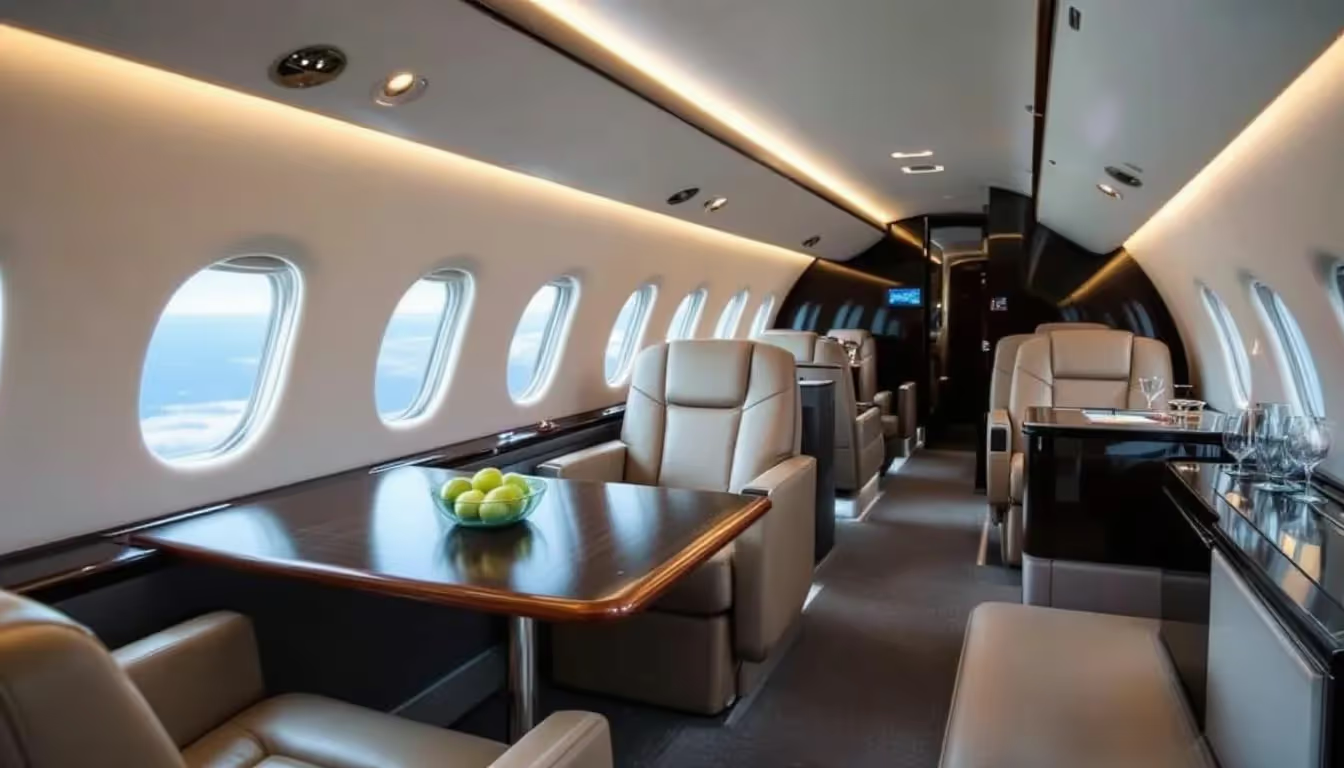
Private jets redefine the travel experience, offering a level of exclusivity, comfort, and flexibility that commercial airlines simply cannot match. Whether you’re flying for business or leisure, private jets provide a tailored solution for every journey, from quick regional hops to intercontinental adventures. The private aviation industry boasts a diverse fleet, including very light jets for efficient short-haul flights, light jets for small groups, and executive liners for those seeking the ultimate in luxury and space.
Models like the Embraer Phenom 300E have set new standards in the industry, combining advanced safety features, impressive range, and a spacious cabin that rivals larger aircraft. For pilots, private jet pilots also present valuable opportunities to build hours and gain experience on sophisticated avionics and modern flight decks. Midsize jets generally have enough room for two pilots, a flight attendant, a service galley, and an on-board lavatory. With a focus on safety, performance, and passenger comfort, today’s private jets are engineered to meet the highest expectations, making them the preferred choice for discerning travelers and aviation professionals alike.
Key Takeaways
Ultra-long-range jets like the Gulfstream G650ER and Bombardier Global 7500 offer the best combination of range, comfort, and reliability for frequent business travelers
Mid-size jets such as the Cessna Citation Latitude provide optimal value for regional travel with 4-6 passengers, offering 2,700+ nautical mile range
Jet card programs and fractional ownership provide strategic access to private aviation without full ownership costs, starting from $100,000 annually
Modern private jets save 2-4 hours per trip compared to commercial aviation through direct routing and time efficiency at smaller airports
Carbon-neutral flight options are now available through sustainable aviation fuel and carbon offset programs with leading operators
Why Private Aviation Represents a Strategic Advantage Over Commercial Travel
Private jet travel transcends luxury—it represents a fundamental strategic advantage for high-net-worth individuals and corporate executives who understand that time is their most valuable asset. When evaluating the best private plane for travel, the decision extends far beyond comfort to encompass productivity, efficiency, and competitive advantage in today’s fast-paced business world.

The numbers tell a compelling story. Private jets save an average of 3.5 hours per trip versus commercial flights through direct routing and reduced ground time. For example, a business executive flying from New York to a regional city can depart after a morning meeting, arrive in time for an afternoon presentation, and return home the same evening—something nearly impossible with commercial schedules. While commercial airlines serve approximately 500 airports globally, private aircraft can access over 5,000 airports worldwide, typically landing within 30 minutes of your final destination rather than the 1-2 hours required from major commercial hubs.
Ultra-[LINK 1] like the Gulfstream G650ER and Bombardier Global 7500 offer the best combination of range, comfort, and reliability for frequent business travelers
[LINK 2] such as the Cessna Citation Latitude provides optimal value for regional travel with 4-6 passengers, offering 2,700+ nautical miles range
[LINK 3] and fractional ownership provide strategic access to private aviation without full ownership costs, starting from $100,000 annually
Modern private jets save 2-4 hours per trip compared to commercial aviation through direct routing and time efficiency at smaller airports
Carbon-neutral flight options are now available through sustainable aviation fuel and carbon offset programs with leading operators
Advanced cabin pressurization and lighting systems in modern jets help reduce jet lag and fatigue on long-haul flights, enhancing passenger well-being
Heavy Jets can easily accommodate two flight attendants to manage full in-flight catering.
The schedule flexibility alone transforms business operations. Same-day multi-city trips become routine rather than impossible. Last-minute itinerary changes accommodate urgent client meetings or family obligations. For executives whose time is valued at $500+ per hour, the math becomes straightforward: private aviation pays for itself through productivity gains and time savings.
Modern fleet operators understand this value proposition. Leading companies report that frequent private jet users can reclaim 2-3 days per month compared to commercial alternatives—time that translates directly into revenue generation, strategic planning, and personal well-being.
Ultra-Long-Range Jets: The Gold Standard for Global Travel
For transcontinental business travel and international operations, ultra-long-range jets represent the pinnacle of private aviation capability. These aircraft redefine what’s possible in global connectivity, offering the range to connect distant city pairs non-stop while maintaining the highest standards of comfort and safety. Super Midsize Jets can fly up to seven hours, covering an average of 3,500 miles, making them a versatile choice for extended journeys. An aircraft with a 3,500 nautical mile range offers the lowest operating costs in its class with a stand-up, flat-floor cabin. Embraer Praetor 600 offers a best-in-class cabin altitude to reduce fatigue and has a range capable of non-stop travel from London to New York. Luxury private jets may include features like full-sized master bedrooms, gourmet kitchens, and entertainment rooms, turning them into luxury hotels in the sky. As the world’s most luxurious planes, they are intended for long-range, luxury travel and are often owned by high-profile individuals or corporations who invest significant money to ensure every amenity is available on board. Ultra-Long-Range Heavy Jets generally have a capacity to accommodate 14 to 17 passengers, ensuring ample space and comfort for extended journeys. These jets can fly up to seven hours, covering an average of 3,500 miles, making them ideal for long-haul flights. One aircraft has a range of 7,750 nautical miles and a high-speed cruise of Mach 0.925, powered by Rolls-Royce Pearl 700 engines. These are among the world's top and most prestigious private jets, recognized for their elite status and appeal to those seeking the ultimate in exclusivity.
The Gulfstream G650ER stands as the flagship of this category, delivering an impressive 7,500 nautical mile range that connects New York to Dubai non-stop. With seating for up to 19 passengers and a purchase price exceeding $70 million, this aircraft features the industry’s fastest cruise speed at Mach 0.925 and advanced safety systems, including Enhanced Flight Vision Systems for low-visibility operations. The advanced cockpit is designed to enhance situational awareness and efficiency, contributing to safer flights for both owner and passengers. Powered by Rolls-Royce Pearl 700 engines, it achieves a high-speed cruise of Mach 0.925, further solidifying its position as a leader in the ultra-long-range category.
Bombardier’s Global 7500 counters with the largest cabin in business aviation, featuring four distinct living spaces across its 54-foot-long interior. Its 7,700 nautical mile range slightly exceeds the G650ER, while its Ka-band connectivity ensures seamless global communications. The spacious cabin of this aircraft can be configured with up to five living areas, featuring 20 large panoramic windows and a low cabin altitude. The aircraft’s Nuage seats convert to flat beds, and the dedicated crew rest area ensures fresh pilots for long-haul flights. A full service galley on board provides gourmet dining, further elevating the luxury experience. The aircraft features a private bedroom with a stand-up shower and Bombardier's Nuage seating, offering unparalleled comfort and convenience for extended journeys.
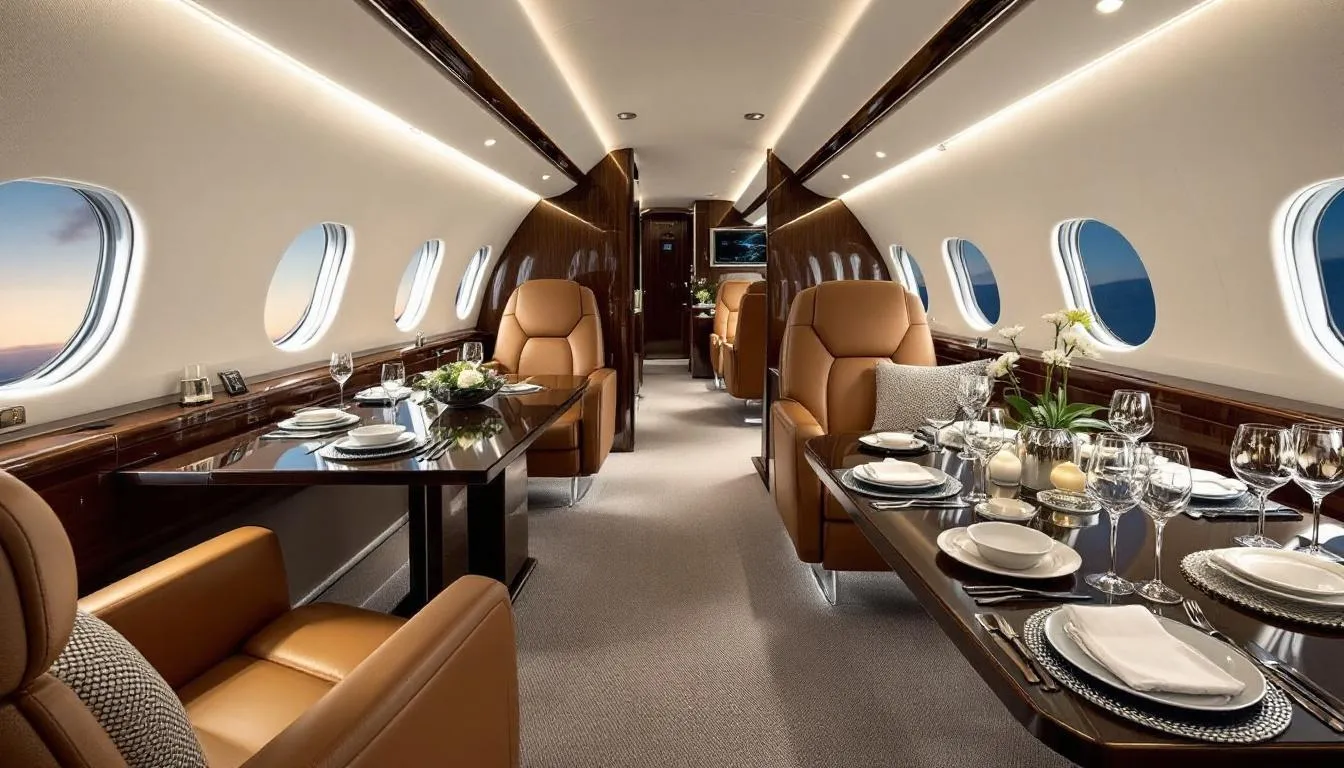
The Dassault Falcon 8X brings European engineering excellence with its 6,450 nautical mile range and remarkable fuel efficiency—35% better than previous generation aircraft. Its tri-engine configuration provides redundancy for oceanic crossings, while the EASy III flight deck reduces pilot workload through advanced automation in the cockpit, enhancing both safety and operational efficiency. The gross weight of these executive liners directly impacts their maximum range and ability to carry full amenities, such as en-suite bathrooms and a full-service galley, without compromising performance.
Operating costs for these ultra-long range jets typically range from $5,000 to $8,000 per flight hour, including crew, fuel, and maintenance. While substantial, this investment proves cost-effective for executives requiring regular transcontinental travel, multi-destination international trips, or the ability to reach remote points inaccessible to commercial aviation. Owners have paid significant sums to customize these jets, and owning such an aircraft requires a major financial commitment, but the benefits for the owner are unmatched in terms of flexibility and prestige.
These aircraft excel in connecting global business centers: London to Los Angeles, Singapore to San Francisco, or Moscow to Miami—all accomplished non-stop with full passenger loads and generous baggage capacity. For multinational corporations and ultra-high net worth families, these jets eliminate the complexity and time loss associated with international commercial connections, making them the world’s premier choice for reaching key points around the globe.
Executive Liners: Ultimate Luxury and Space in the Sky
For those who demand nothing but the best, executive liners represent the pinnacle of private jet travel. These are the most expensive private jets in the world, often converted from commercial airliners like the Boeing Business Jet (BBJ) or Airbus Corporate Jet (ACJ), and customized to deliver a flying experience that rivals five-star hotels. Among the most notable examples is the Boeing 747-200B, known as Air Force One, which is one of the world's most expensive private jets, costing around $4 billion. The Airbus A319, owned by Indian businessman Mukesh Ambani, features luxurious amenities that make it reported as a birthday gift worth around $73 million. Luxury private jets often feature palatial interiors with extravagant furnishings such as gold, diamond, and cashmere finishes, ensuring every flight is as comfortable and productive as possible. Operational costs for luxury private jets increase with their size and the level of amenities, requiring a team of staff including pilots, attendants, and possibly a chef.
Designed to accommodate larger groups, these aircraft are ideal for heads of state, celebrities, and corporate teams who require additional space and privacy. With gross weights and useful loads far exceeding those of other aircraft, executive liners are equipped to handle long-range flights with full amenities and baggage. A typical executive liner is operated by two pilots and a dedicated flight attendant, ensuring top-tier service and safety throughout the journey. Luxury private jets can include specialized amenities like a full-service bar and onboard gyms, catering to the extravagant needs of their owners. If you’re seeking the ultimate in private travel, executive liners deliver a truly world-class experience in the sky.
Super Mid-Size Jets: The Sweet Spot for Regional Business Travel
Super mid-size jets occupy the optimal balance point in private aviation, delivering impressive range and cabin comfort while maintaining reasonable operating costs. These aircraft represent the best private plane for travel for executives who need coast-to-coast capability without the expense of ultra-long-range jets. Light to midsize jets are ideal for short-haul flights of up to 2,500 miles, while super midsize or ultra-long-range jets are necessary for flights over 4,000 miles. This category is also set to evolve with the introduction of the world's fastest purpose-built business jet, capable of near-supersonic speeds and entering service in late 2025, promising to redefine performance standards in private aviation.
The Cessna Citation Latitude exemplifies this class with its 2,700 nautical mile range and flat-floor cabin design. The aircraft’s advanced Garmin G5000 avionics create a modern cockpit environment that reduces pilot workload and enhances safety features, improving situational awareness and ergonomics for a safer, more efficient flying experience. Its cabin altitude of just 6,000 feet at 45,000 feet flight level reduces passenger fatigue on longer flights, while the generous baggage compartment accommodates extended business trips. The Diamond DA40 NG uses jet-A or alternative fuels and is designed for efficiency, burning as little as 5.1 gallons per hour, making it a standout option for those prioritizing operational cost savings.
Bombardier’s Challenger 350 offers the widest cabin in its class at 7.7 feet, combined with a 3,200 nautical mile range. The aircraft’s Ka-band Wi-Fi ensures connectivity throughout flight, while its Nuage seats provide luxury-class comfort. The Challenger can comfortably connect New York to London or Los Angeles to Hawaii with full passenger loads. Medium-sized private jets, like the Challenger 350, have an average range of 2,200 nautical miles, making them versatile for a variety of travel needs.

The Gulfstream G280 brings the manufacturer’s ultra-long-range expertise to the super mid-size category. Its 3,600 nautical mile range and lowest-in-class cabin altitude of 6,000 feet enhance passenger comfort. The aircraft’s steep approach capability allows it to land at challenging airports like London City and Aspen, increasing operational flexibility and safety.
Operating costs for super mid-size jets range from $3,000 to $4,500 per flight hour, with typical seating for 8-10 passengers. This category proves perfect for coast-to-coast US travel, European regional trips, and corporate shuttle services. Larger private jets typically incur higher operational costs due to increased staffing requirements and maintenance needs. The aircraft can access shorter runways than its larger counterparts while maintaining impressive range capabilities. Averages for super light jets indicate they can accommodate an average of eight passengers in guaranteed comfort.
The productivity advantages become apparent on routes like New York to Los Angeles, where these jets complete the journey in 5.5 hours compared to 6+ hours on commercial flights, while offering complete schedule flexibility and privacy for sensitive business discussions. For example, a business team can depart New York in the morning, conduct meetings in Los Angeles, and return the same evening—saving valuable time and maximizing efficiency. Many corporate flight departments rely on super mid-size jets as their primary workhorses, providing optimal utility for the majority of business travel requirements.
Light Jets: Efficient Solutions for Short to Medium-Haul Travel
Light jets prove that efficiency and luxury aren’t mutually exclusive. These airplanes are designed for efficient regional travel, excelling at business trips by offering jet speed and convenience at costs approaching turboprop operations. For the best private plane for travel on shorter routes, light jets deliver exceptional value while maintaining professional capabilities. The ICON A5 is an amphibious aircraft designed for recreational pilots who want to fly on land or water, adding versatility to personal aviation options.
The Embraer Phenom 300E holds the distinction of being the best-selling light jet for 12 consecutive years, a testament to its balanced design. With a 2,010 nautical mile range and seating for up to 8 passengers, it features advanced Garmin G3000 avionics and the fastest single-pilot certification in its class. The aircraft’s elongated cabin maximizes space efficiency while maintaining operational flexibility. Additionally, it is equipped with a runway overrun awareness and alerting system to enhance landing safety, further solidifying its reputation as a leader in its category. Similarly, the Cirrus SR22T has been the best-selling personal aircraft every year since 2003, with more than 8,000 units produced, showcasing its enduring popularity and reliability.
Cessna’s Citation CJ4 offers impressive range at 2,165 nautical miles with excellent runway performance. Its single-pilot capability reduces operational costs while maintaining safety through advanced avionics. The aircraft can access challenging airports with runways as short as 3,560 feet, opening destinations unavailable to larger jets. Very Light Jets typically accommodate four to seven passengers, making them an efficient and practical choice for regional travel. The Cessna 172 Skyhawk is one of the most popular personal aircraft ever, with more than 44,000 units produced since 1955, showcasing its enduring appeal and reliability.
The HondaJet Elite S represents innovative engineering with its unique over-wing engine design, delivering the most fuel-efficient performance in the light jet category. Sitting at the forefront of the very light jet market, the HondaJet Elite S continues to lead with its advanced features and reliability. Its 1,437 nautical mile range suits regional operations perfectly, while the distinctive design reduces cabin noise and increases fuel efficiency. The unique Over-the-Wing Engine Mount design also allows for a top speed of 422 knots and a range of 1,547 nautical miles, further enhancing its appeal for efficient and comfortable travel. The Cessna 182 Skylane has a maximum range of 900 nautical miles, making it a reliable option for personal and regional flights.
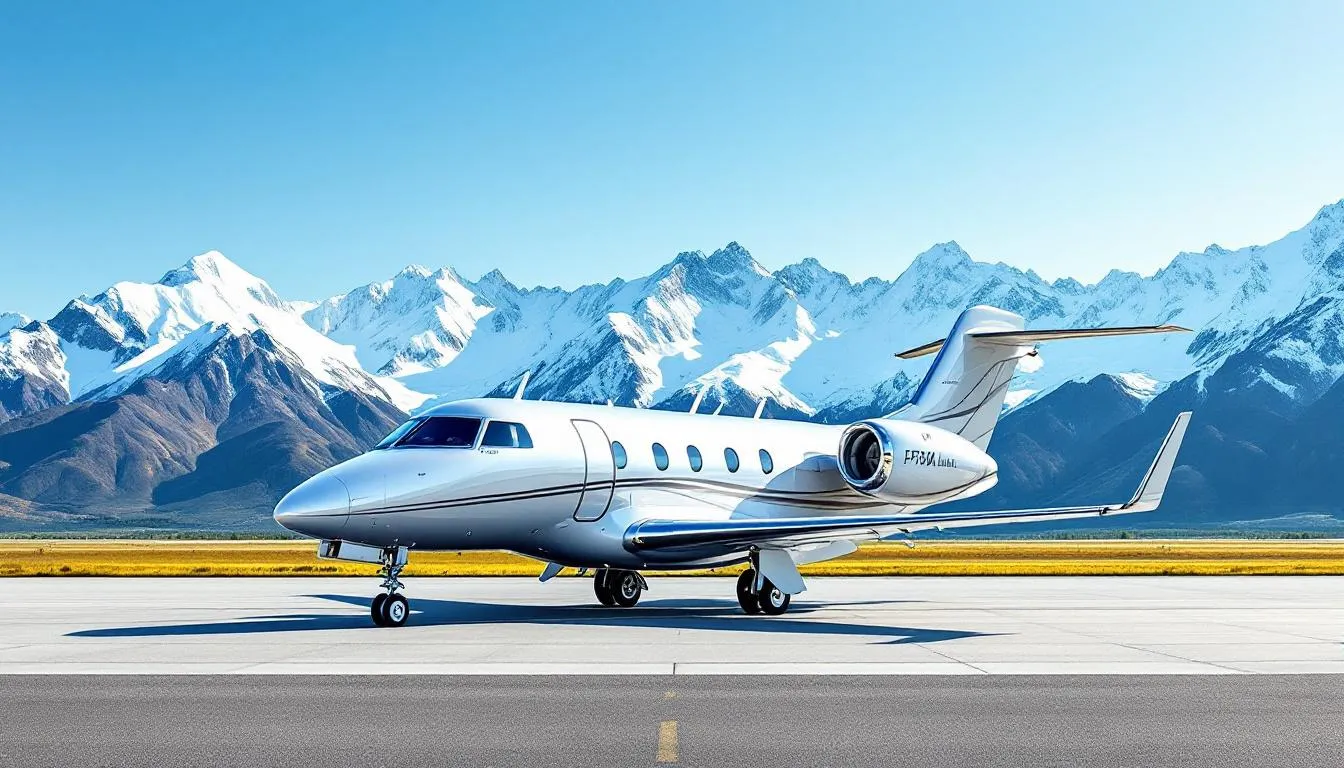
Operating costs for light jets range from $2,000 to $3,500 per flight hour, making them cost-effective for regular regional travel. These aircraft typically seat 6-8 passengers comfortably, with enough space for business meetings while maintaining efficient operations.
Light jets excel on routes like Chicago to New York (2.5 hours), Dallas to Denver (2 hours), or Miami to Atlanta (1.5 hours). They provide the speed advantage of jet aircraft while maintaining access to smaller airports, often landing closer to final destinations than commercial alternatives. For sales teams, regional executives, or personal travel, light jets offer the perfect entry point into private aviation without the expense of larger aircraft.
The very light jet category has democratized private aviation access, allowing businesses to justify aircraft ownership or fractional shares based on time savings and operational efficiency rather than pure luxury considerations. The Cirrus Vision Jet features a parachute system for emergency landings, enhancing flight safety and making it a standout option in this category. The Cessna 206 Turbo Stationair HD can seat six adults and has a useful load of approximately 1,441 pounds, making it a practical choice for backcountry and utility operations. It is widely recognized for its extensive use as a backcountry airplane, offering reliability and versatility in challenging environments.
Popular Private Jet Models
The private jet market features a wide array of great airplanes, each designed to meet specific travel needs and preferences. Among very light jets, the Cirrus Vision Jet stands out for its innovative design and cost-effective operation, making private flying more accessible than ever. In the light jets category, the Embraer Phenom 300E is renowned for its blend of speed, range, and advanced safety features, consistently ranking as one of the world’s best-selling business jets. The Beechcraft Bonanza has been in continuous production longer than any other aircraft in history, with over 17,000 units produced, highlighting its legacy in aviation. For those seeking an affordable entry into aviation, the Texas Aircraft Colt is priced around $140,000, making it an attractive option for new pilots or recreational use.
For those needing more space and range, super mid-size jets like the Gulfstream G280 offer impressive performance, with spacious cabins and the ability to fly coast-to-coast nonstop. At the top end, long-range jets such as the Dassault Falcon 8X combine cutting-edge avionics, luxurious interiors, and the ability to connect distant cities without refueling. Each of these models exemplifies the innovation and versatility that define modern private jets, ensuring there’s an ideal aircraft for every mission and budget.
Key Travel Considerations When Selecting Your Private Aircraft
Selecting the best private plane for travel requires careful analysis of your specific mission requirements, operational patterns, and strategic objectives. The decision extends beyond aircraft specifications to encompass how the aircraft integrates with your business operations and lifestyle requirements.
Range requirements form the foundation of aircraft selection. Map your most frequent routes and add a 200 nautical mile buffer for weather diversions and alternate airports. An aircraft perfectly suited for East Coast operations may prove inadequate for transcontinental flights, while an ultra-long-range jet represents overkill for regional missions.
Passenger capacity considerations must account for maximum load with full fuel on your longest typical trip. While an aircraft might seat 8 passengers, that capacity may reduce to 6 when carrying fuel for maximum range flights. Consider your typical passenger loads and any growth in travel requirements over the aircraft’s expected service life.

Baggage requirements often prove underestimated in aircraft selection. Account for golf clubs, ski equipment, extended trip luggage, and business materials. International travel may require additional baggage capacity for longer trips, while sporting equipment demands specific storage capabilities.
Airport access capabilities determine destination flexibility. Verify your preferred aircraft can operate from your most frequent departure and arrival airports, including runway length, weight restrictions, and noise limitations. Some airports restrict certain aircraft types or limit operating hours.
Weather capabilities ensure year-round reliability in your operating environment. Consider anti-icing systems for winter operations, weather radar for storm avoidance, and enhanced vision systems for low-visibility approaches. These safety features prove essential for maintaining schedule reliability regardless of weather conditions.
The useful load calculation balances passengers, baggage, and fuel requirements. An aircraft with impressive range may sacrifice payload, while models optimized for payload may limit range. Gross weight directly impacts the aircraft's maximum range and payload capacity, as increased gross weight can reduce efficiency and limit how much fuel or baggage can be carried for long-distance flights. Understanding these trade-offs ensures realistic mission planning and avoids operational disappointments.
Flight Planning and Management for Private Jet Travelers
Flight planning for private jet travelers is a highly personalized process, designed to maximize efficiency, safety, and convenience. Unlike commercial airlines, private jet operators tailor each flight plan to the passenger’s schedule and preferences, selecting the most direct routes and optimal departure times. Advanced flight planning software takes into account weather conditions, air traffic, and aircraft performance to ensure a smooth and timely journey.
Private jet management teams handle every detail, from coordinating ground transportation and catering to scheduling maintenance and crew assignments. This full-service approach means travelers can focus on their business or relaxation, knowing that every aspect of their trip is expertly managed with the ability to bypass crowded terminals and avoid lengthy security lines. Private jet flights offer a seamless experience from start to finish, making them the preferred choice for those who value time, privacy, and personalized service.
Private Jet Access Options: Ownership vs. Jet Cards vs. Charter
The modern private aviation market offers multiple access strategies, each tailored to different usage patterns and financial objectives. Understanding these options ensures optimal alignment between your travel requirements and cost structure while maintaining operational flexibility.
Full ownership provides maximum control and customization opportunities for operators exceeding 200 flight hours annually. Owning a private jet involves careful consideration of the purchase price, ongoing operational expenses, and the responsibilities of aircraft management. Ongoing operational costs for private jet owners can include fuel, maintenance, insurance, storage, and staffing. Ownership delivers guaranteed availability, personalized aircraft configuration, and potential tax advantages through depreciation and operational expense deductions. However, ownership requires significant capital investment—$10 million to $70+ million depending on aircraft class—plus annual operating costs of $1-4 million including crew, maintenance, insurance, and hangar fees. Prospective owners must be prepared to invest substantial resources when acquiring a private jet.
Fractional ownership programs suit travelers requiring 50-200 hours annually, sharing acquisition and operating costs among multiple owners. Companies like NetJets pioneered this model, providing guaranteed availability with 4-10 hours' notice while eliminating maintenance responsibilities. Fractional shares typically cost 1/16th to 1/2 of full ownership, with monthly management fees and occupied hourly rates.
Jet card programs offer fixed hourly rates with guaranteed availability for travelers using the 25 Hour Jet Card program annually. These prepaid programs eliminate repositioning fees and provide consistent aircraft standards. Entry-level cards start at $100,000 for 25 hours, with mid-size jets averaging $5,000-6,500 per flight hour, including all fees. Leading programs include NetJets, Flexjet, and Sentient Jet, each offering different aircraft classes and service standards.
On-demand charter suits occasional travelers, providing pay-per-trip flexibility with variable pricing based on aircraft availability and routing. While lacking guaranteed availability, charter offers access to specific aircraft types for particular missions. Rates fluctuate based on demand, seasonality, and positioning requirements.
Membership programs represent emerging access models, featuring annual fees starting around $100,000 that provide access to vetted operators and preferential pricing. These programs combine charter flexibility with quality assurance and simplified booking processes.
The optimal choice depends on annual flight hours, desired aircraft consistency, budget considerations, and operational flexibility requirements. Many sophisticated travelers combine multiple access methods—maintaining fractional shares for regular travel while using charter for specific aircraft requirements or peak periods.
For immediate assistance or to discuss your private jet access options, contact our team today.
Private Aviation Safety Standards and Certifications
Safety remains paramount in private aviation, with modern aircraft and operators meeting stringent standards that often exceed regulatory requirements. The safest private jets are operated by operators audited by third-party safety rating companies. Understanding these safety frameworks helps ensure your chosen operator maintains the highest professional standards while providing peace of mind for passengers and families.
IS-BAO (International Standard for Business Aircraft Operations) certification ensures operators meet comprehensive safety management standards. This voluntary program covers everything from pilot training and aircraft maintenance to operational procedures and safety culture. IS-BAO registered operators demonstrate commitment to continuous safety improvement through regular audits and standardized procedures.
Third-party safety auditing through ARGUS and Wyvern provides independent verification of operator capabilities. These organizations maintain databases of pilot experience, aircraft maintenance records, and operational history. ARGUS ratings range from Gold to Platinum, while Wyvern Wingman certification indicates operators meeting or exceeding industry best practices.

Modern safety features in contemporary aircraft include Enhanced Vision Systems (EVS) for low-visibility operations, Traffic Collision Avoidance Systems (TCAS), and advanced weather radar. The cockpit in these aircraft is equipped with state-of-the-art avionics, providing pilots with enhanced situational awareness and advanced safety features that contribute to safer and more efficient flights. The Dassault Falcon 8X includes a Combined Vision System for enhanced situational awareness during low-visibility conditions. Fly-by-wire flight controls in newer jets provide envelope protection, preventing pilots from inadvertently exceeding aircraft limitations during emergency situations. The Bombardier Global 7500, for instance, has advanced cockpit technology that further enhances flight safety, making it a standout in its class.
Pilot training requirements under Part 135 operations mandate type-specific training every 12 months, simulator-based proficiency checks, and recurrent emergency procedure training. Many operators require two pilots even when aircraft are certified for single-pilot operations, providing additional safety margins during challenging conditions.
Maintenance standards for commercial operators follow Part 135 protocols, requiring more frequent inspections and stricter record-keeping than private operations. Progressive maintenance programs spread required inspections throughout the year, minimizing aircraft downtime while maintaining airworthiness standards.
The safety record of modern business jets continues to improve through technological advancement and operational excellence. An older private jet can be just as safe as a newer model based on crew experience and operator safety culture. Accident rates for professionally operated business aircraft remain significantly lower than general aviation, approaching commercial airline safety levels while maintaining operational flexibility.
Security and Privacy in Private Aviation
Security and privacy are paramount in the world of private aviation, setting private jets apart from commercial airlines. Travelers benefit from discreet boarding procedures, private terminals, and exclusive lounges, ensuring a confidential and stress-free experience. High-profile passengers, including business executives and celebrities, rely on private jets to maintain confidentiality and avoid unwanted attention.
Private jet operators adhere to rigorous industry standards and often collaborate with air force and security professionals to implement advanced safety protocols. Aircraft are equipped with state-of-the-art security features, and flight crews receive specialized training to handle sensitive situations. Whether you’re conducting confidential business meetings or simply seeking peace of mind, private jet travel offers a level of security and privacy that is unmatched in the aviation industry.
Carbon Neutral Private Aviation and Sustainability
Environmental sustainability has emerged as a critical consideration in private aviation, driven by regulatory pressure, client environmental mandates, and corporate social responsibility initiatives. Leading operators now offer comprehensive carbon-neutral flight options through innovative fuel technologies and verified offset programs.
Sustainable Aviation Fuel (SAF) represents the most significant advancement in reducing private aviation’s environmental impact. Made from renewable sources like waste oils, agricultural residues, and dedicated energy crops, SAF reduces carbon emissions by up to 80% compared to traditional jet fuel across its lifecycle. Modern engines from Rolls-Royce and Pratt & Whitney accept up to 100% SAF without modification, enabling immediate emissions reductions.
Companies like NetJets and Flexjet now provide automatic carbon offsetting for all flights, while others offer SAF options at premium pricing. Bombardier’s Challenger 3500 became the first business jet to receive Environmental Product Declaration (EPD) certification, signaling industry movement toward transparency and carbon accounting.
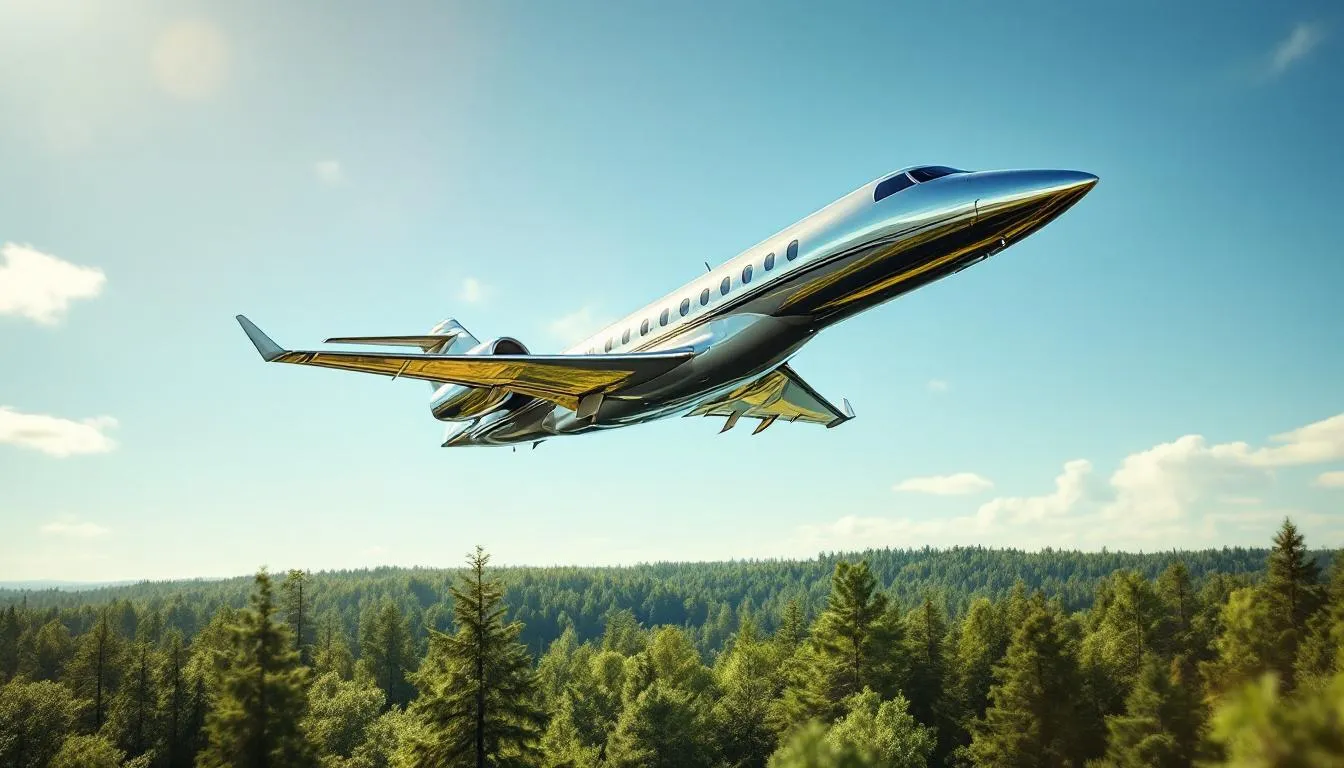
Carbon offset programs through verified forestry and renewable energy projects provide immediate neutrality while sustainable technologies develop. Leading operators partner with organizations like 4AIR and Sustainable Aviation to ensure offset projects meet rigorous verification standards and deliver genuine environmental benefits.
Next-generation aircraft development focuses on efficiency improvements, with new models featuring 20-30% better fuel efficiency than their predecessors. Electric and hybrid aircraft development progresses for short-range flights, with companies like Eviation and Heart Aerospace targeting commercial operations by 2030.
Flight optimization software reduces fuel burn through efficient routing, altitude selection, and weight management. These systems consider weather patterns, air traffic control constraints, and aircraft performance to minimize environmental impact while maintaining schedule reliability.
The industry acknowledges that private aviation faces scrutiny for disproportionately high emissions per passenger compared to commercial airlines. However, technological advancement and operational improvements continue to reduce this impact while maintaining the strategic advantages that make private aviation essential for global business operations.
Cost Analysis: True Value of Private Aviation for Business Travel
Understanding the true cost of private aviation requires a comprehensive analysis beyond simple hourly rates, incorporating time value, productivity gains, and total trip costs compared to commercial alternatives. For business travelers, this analysis often reveals surprising cost effectiveness when all factors are considered. The significant amount of money required for private aviation is often justified by the unique benefits it provides, especially when compared to the total costs paid for commercial alternatives.
Direct cost comparisons show private jets ranging from $4,000 to $8,000 per hour versus first-class commercial tickets costing $3,000 to $15,000 per person round-trip on popular routes. However, these numbers miss the complete picture. Multi-passenger efficiency often reaches cost parity with commercial first-class when traveling with 4+ passengers, while eliminating the uncertainty and inconvenience of commercial schedules.
Time value calculations prove compelling for high-earning executives. An executive earning $500 per hour saves approximately $1,750 in productivity per trip through eliminated wait times, direct routing, and productive flight time. Over 50 annual trips, this represents $87,500 in additional productivity—often exceeding the incremental cost of private aviation.
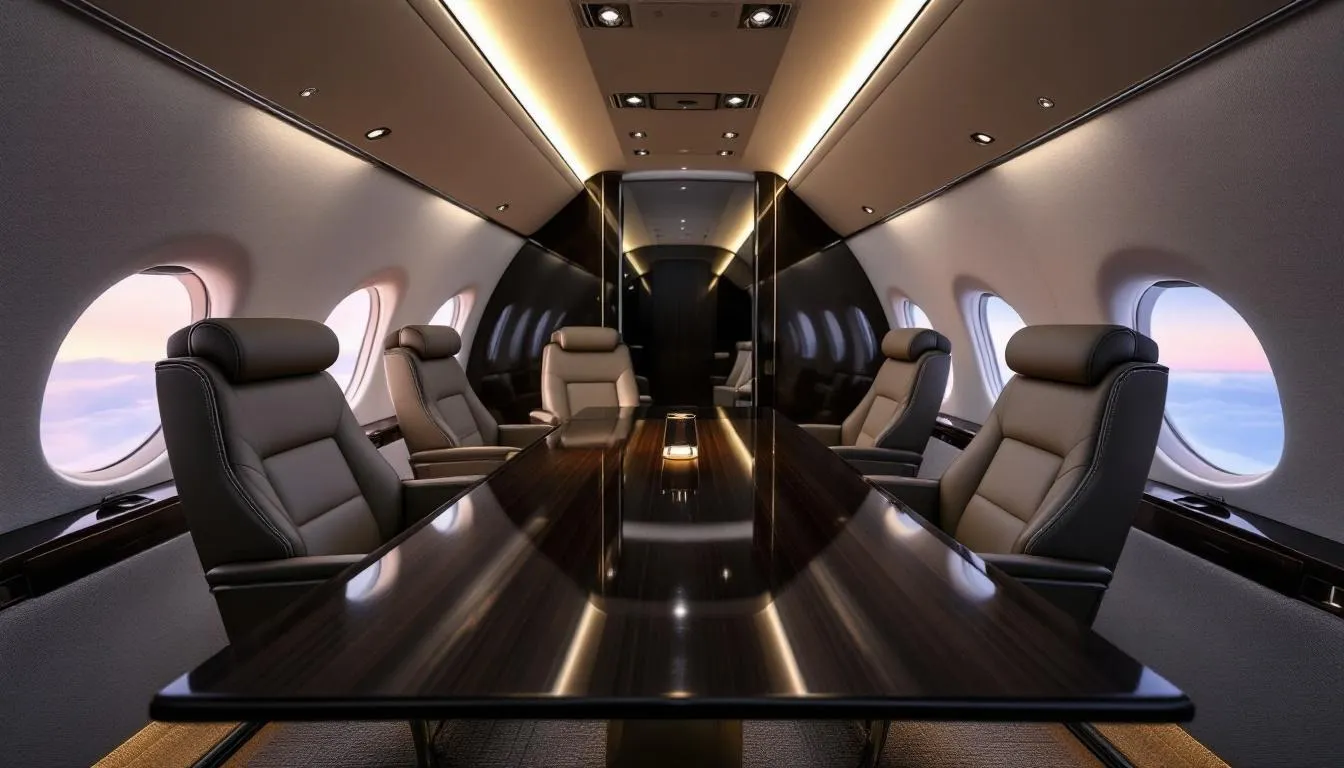
Hidden commercial costs often escape initial analysis but significantly impact total trip expenses. Airport parking at major hubs costs $25-50 daily, ground transportation adds $100-200 per trip, and overnight stays due to limited commercial scheduling can add $500+ per trip. Private aviation eliminates most of these ancillary costs while providing schedule flexibility. In addition, private jet owners have paid substantial amounts for luxury features and personalized services on board, further increasing the total investment in private aviation.
Tax advantages for business use include depreciation benefits and operational expense deductions. Aircraft used primarily for business qualify for accelerated depreciation schedules, while operational costs, including fuel, crew, maintenance, and insurance, qualify as deductible business expenses. These benefits can significantly reduce the net cost of private aviation for qualifying businesses.
Insurance costs vary based on aircraft value, pilot experience, and operational patterns. Annual insurance typically costs 0.5-1.5% of aircraft value, with additional coverage for crew and passengers. Many operators include comprehensive insurance in their hourly rates, simplifying cost calculations for users.
The cost-effective analysis extends beyond pure economics to strategic considerations. The ability to conduct confidential meetings, visit multiple cities in one day, or respond immediately to business opportunities often generates value that exceeds transportation costs. For companies where timing drives competitive advantage, private aviation becomes a strategic necessity rather than a luxury expense.
FAQ
What is the most reliable private jet for frequent travel?
The Gulfstream G650ER leads in reliability with 99.3% dispatch reliability and global service network coverage. Its proven Rolls-Royce engines and advanced avionics minimize maintenance delays, making it ideal for time-critical business travel. The aircraft’s worldwide service network ensures support at international destinations, while its robust design handles frequent operations without compromising safety or performance. The Gulfstream G650 is also known for its luxurious interior and is owned by celebrity figures like Kim Kardashian and Oprah Winfrey, with renovations increasing its final cost.
How much does private jet access cost annually for business travelers?
Annual private jet access ranges from $100,000 for jet card programs (25 hours) to $3-5 million for full ownership of ultra-long-range aircraft. Most business travelers find value in jet cards costing $200,000-500,000 annually for 50-100 flight hours. The optimal choice depends on flight frequency, desired aircraft class, and operational flexibility requirements.
Can private jets access smaller airports that commercial airlines cannot reach?
Yes, private jets can access over 5,000 airports globally compared to approximately 500 served by commercial airlines. Light and mid-size jets can operate from runways as short as 3,000 feet, reaching destinations within 30 minutes of your final location versus 1-2 hours from major commercial hubs. This capability proves especially valuable for reaching resort destinations, smaller cities, or specialized business locations.
What jet card program offers the best value for occasional business travel?
Programs like NetJets, Flexjet, and Sentient Jet offer competitive value with fixed hourly rates, guaranteed availability, and no repositioning fees. Entry-level cards start at $100,000 for 25 hours annually, with mid-size jets averaging $5,000-6,500 per flight hour, including all fees. The best program depends on your preferred aircraft class, geographic coverage requirements, and desired service standards.
Are carbon-neutral flight options available for private aviation?
Yes, leading operators now offer carbon-neutral flights through Sustainable Aviation Fuel (SAF) and verified carbon offset programs. Companies like NetJets and Flexjet provide automatic carbon offsetting, while others offer SAF options, reducing emissions by up to 80% compared to conventional jet fuel. These programs enable environmentally conscious travelers to maintain the benefits of private aviation while addressing sustainability concerns.
Customization and Personalization: Tailoring Your Private Jet Experience
When it comes to private jets, customization and personalization are at the heart of creating a truly unique travel experience. Whether you’re investing in a cost-effective, very light jet for efficient business travel or opting for one of the world’s most expensive private jets as an executive liner, the ability to tailor every detail of your aircraft sets private aviation apart from commercial airlines.
Owners and operators can personalize nearly every aspect of their private jet, starting with the interior. From bespoke seating arrangements and luxurious materials to custom lighting and entertainment systems, the cabin can be designed to reflect your personal style or corporate branding. For example, the Embraer Phenom 300E, a leading light jet, offers a range of interior design options, allowing owners to select everything from seat fabrics to wood finishes. The Dassault Falcon 8X, a super mid-size jet, takes customization even further with a flexible cabin layout, enabling configurations for private bedrooms, conference areas, or spacious lounges—ideal for both business meetings and relaxation during long-range flights. The level of onboard luxury and features varies by aircraft size and type, with larger jets providing extensive customization and wellness features.
Avionics and safety features are another area where private jets excel in personalization. Modern fleets can be equipped with the latest cockpit technology, including enhanced vision systems, synthetic vision, and advanced weather radar, ensuring a safe and smooth flight regardless of conditions. Owners can also choose to add features like automatic dependent surveillance-broadcast (ADS-B) for improved situational awareness and compliance with global airspace requirements. These upgrades not only enhance safety but also contribute to a more efficient and enjoyable flying experience for both pilots and passengers.
Cabin layout customization is especially important for those who require additional space or specific amenities. Whether you need a full-service galley for gourmet dining, a dedicated workspace for business travel, or extra seating for family and guests, private jets can be configured to meet your exact needs. Executive liners, for example, offer enough space for private suites, showers, and even boardrooms, making them the ultimate choice for those who demand the highest level of comfort and functionality.
The exterior of your private jet can also be a canvas for personalization. Unique paint schemes, custom logos, and distinctive designs ensure your aircraft stands out on the ground and in the air. This attention to detail extends to performance upgrades as well—owners interested in maximizing efficiency can invest in engine modifications or aerodynamic enhancements to improve range, fuel economy, and overall performance.
Beyond the aircraft itself, the private jet experience can be further tailored with the choice of crew and services. Maintenance and crew experience significantly impact the safety margin of private jets, ensuring that every flight is as safe and comfortable as possible. Owners may opt for a dedicated flight attendant or two pilots to ensure every flight is as safe and comfortable as possible. Professional flight planning services can create a customized flight plan that takes into account weather, air traffic, and fuel efficiency, ensuring each trip is optimized for your schedule and preferences.
Ultimately, the possibilities for customization and personalization in private aviation are virtually limitless. Whether you’re interested in a cost-effective, very light jet like the Vision Jet or looking to invest in an executive liner with every conceivable amenity, private jet ownership allows you to create an aircraft and travel experience that is truly your own. With a modern fleet of jets to choose from and a wide array of features and upgrades available, you can ensure that every flight reflects your unique needs, tastes, and ambitions.
Conclusion: Elevate Your Travel Experience with BlackJet
Choosing the best private plane for travel is a decision that balances performance, comfort, safety, and cost. Whether you opt for a very light jet for quick regional trips, a super mid-size jet for coast-to-coast flights, or an executive liner for ultimate luxury or small private jets, private aviation offers unparalleled advantages over commercial airlines. It maximizes your productivity, enhances your travel flexibility, and provides a secure, personalized environment tailored to your needs.
BlackJet stands out as a premier provider in the private aviation market, offering access to a modern fleet of private jets that cater to diverse travel requirements. With BlackJet, travelers benefit from seamless booking, exceptional service, and a commitment to safety and privacy. Their offerings include everything from cost-effective, very light jets to luxurious executive liners, ensuring that every journey is optimized for comfort and efficiency.
By partnering with BlackJet, you gain access to the best private plane for travel, supported by expert flight planning, experienced crews, and a dedication to exceeding your expectations. Whether you are a business executive seeking to save time or a discerning traveler desiring the utmost in luxury and convenience, BlackJet provides the perfect solution to elevate your private aviation experience.
Contact the BlackJet team today to explore your options and embark on a new level of private travel excellence.


 Sign up with google
 Sign up with Apple