
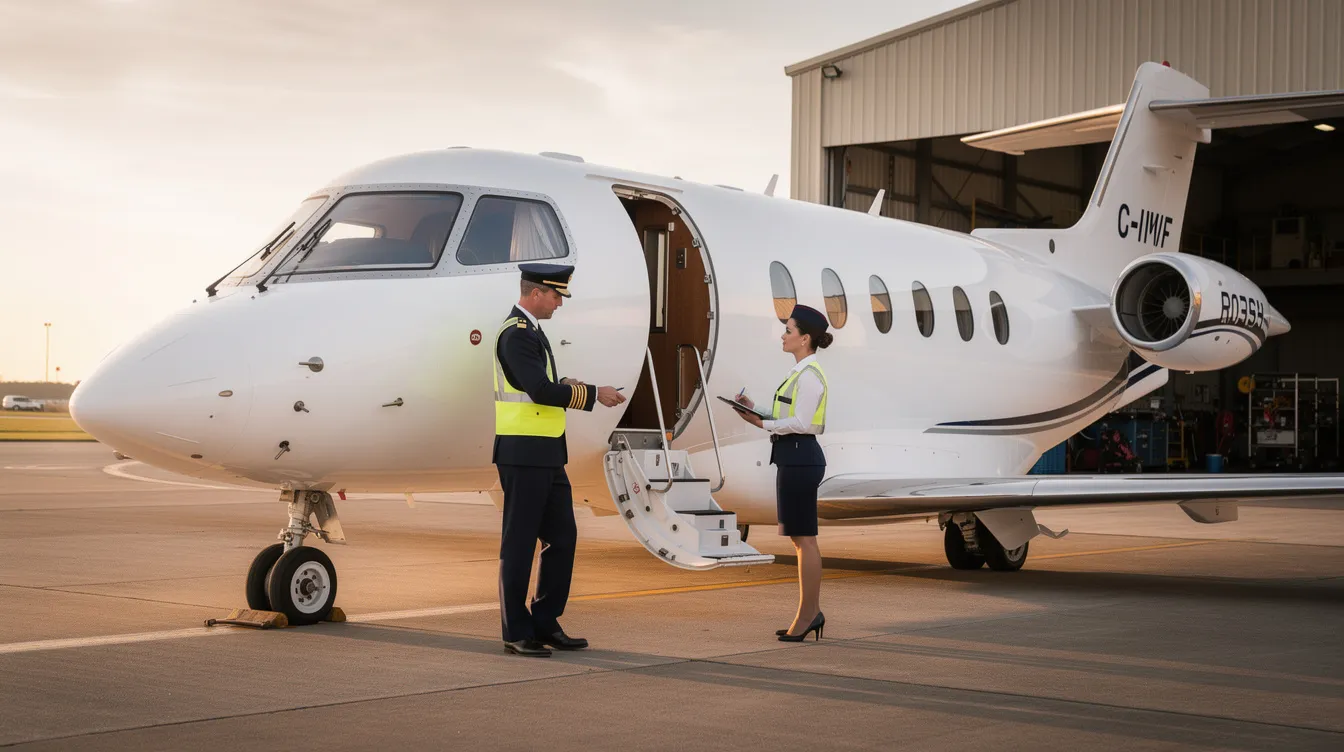
Private air travel is no longer a conversation about indulgence. In 2027, selecting the right aircraft is a strategic decision that determines how much time you reclaim, how much you spend per mile, and whether you arrive ready to perform. This guide breaks down the best small jets by category, model, and mission-and shows you how to access them without the burden of ownership.
Why "Best Small Jets" Matter for Serious Business Travelers
Small private jets-specifically very light jets and light jets-occupy a strategic sweet spot that neither commercial airlines nor heavy jets can match on regional routes. Industry forecasts project approximately 167 VLJ deliveries and 200 light jet deliveries in 2027, confirming that discerning travelers and corporations are doubling down on this category.
The time savings are concrete. On a route like New York to Washington, D.C. or Los Angeles to San Francisco, flying a small jet through secondary airports cuts 60 to 90 minutes of door-to-door travel time compared to commercial flights in business or first class. Skip the long lines, skip the connections, skip the drive to a major hub. On European legs like London to Geneva, private planes through dedicated terminals eliminate the ground delays that make commercial premium travel feel anything but premium.
Choosing the right small jet directly impacts cost efficiency and fuel efficiency on short trips under two to three hours. Smaller, modern aircraft burn far less fuel per hour than midsize jets or heavy jets, and that non-linear scaling means you're not paying for unused capacity. For business travelers flying 30 to 60 hours per year, this matters enormously.
BlackJet's Jet Card programs let members lock in predictable, per-hour pricing across light jets and midsize jets-no aircraft ownership, no hangar fees, no crew management. This article covers the best small jets by type and model, who they serve best, and how to access them cost-effectively through a Jet Card instead of full ownership.
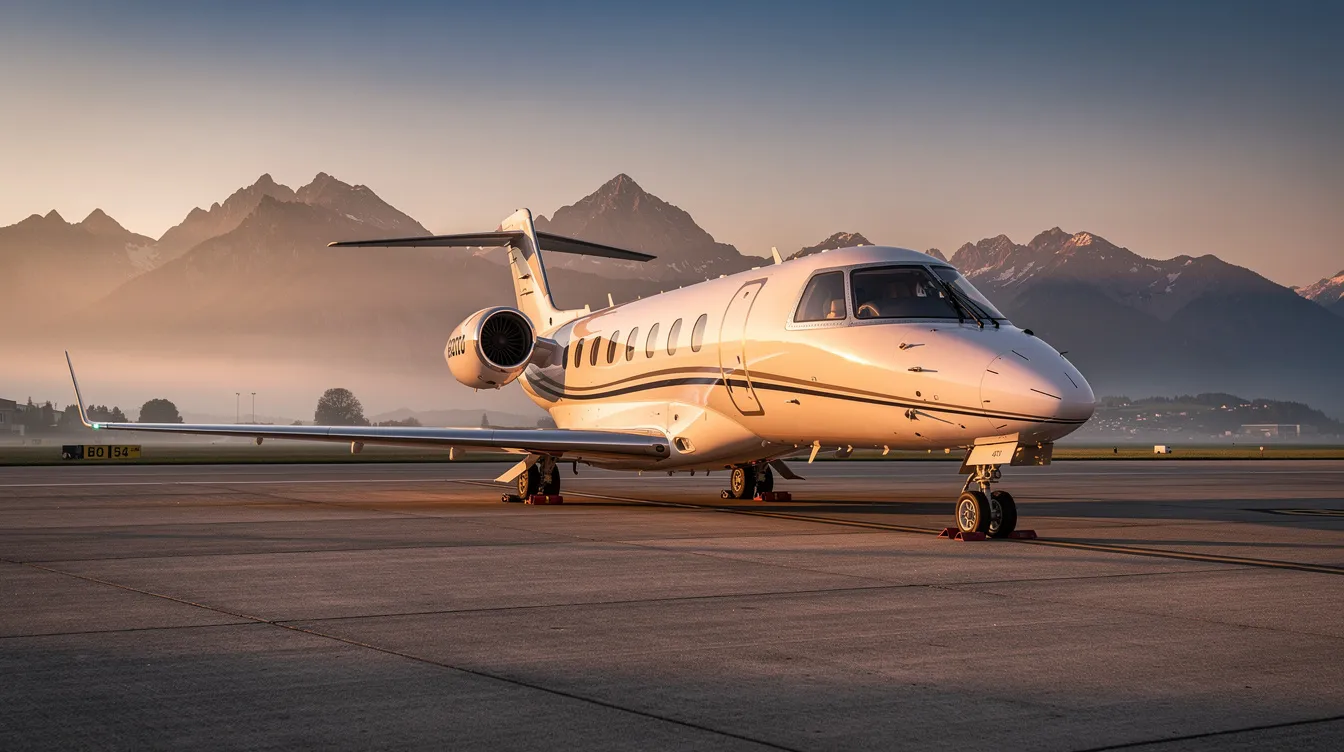
What Counts as a "Small Jet"? Categories and Where They Fit
Small private jets are divided into very light jets and light jets, with super light jets forming a bridge to the midsize category. Here's how each class breaks down for business travelers and frequent leisure users:
Very light jets (VLJs): Typically seat four to seven passengers. Range is approximately 600 to 1,200 nautical miles. Cruise speeds of 350 to 420 knots. Often single-pilot capable, making them ideal for short trips between regional hubs. Minimal cabin space, but efficient and nimble.
Light jets: Typically accommodate six to nine passengers. Range of 1,200 to 2,100 nautical miles. Cruise around 400 to 470 knots. Enclosed onboard lavatory, more cabin space, and room for a reasonable amount of luggage. Light jets are suited for faster, longer-range business missions.
Super light jets: Can travel distances of 2,000 to 2,500 miles with enhanced range, bridging the gap to midsize. More spacious cabin and amenities, while retaining access to smaller airports.
For context, midsize jets can fly up to 2,200 nautical miles non-stop, Super Mid-Size Cabin Jets can cover up to 3,500 miles, and heavy jets can accommodate up to 10 passengers comfortably for intercontinental flights. But for the majority of regional and cross-country business trips, light jets and VLJs deliver the right balance.
BlackJet's Jet Card gives access to multiple cabin classes-very light jet, light jet, midsize jets-so travelers can right-size each trip instead of overpaying for a wide-body aircraft type they don't need.
Key Criteria for Choosing the Best Small Jet
The best jet depends on your mission profile, not luxury branding. Here's what actually drives the decision:
Passenger Capacity
For two to four travelers, a VLJ is typically the most cost-effective choice. Groups of five to seven passengers benefit from light jets. If you're carrying up to nine people or significant baggage, consider a larger light jet or step up to a midsize option.
Range and Maximum Speed
Light jets with cruising speeds of 400 to 470 knots and ranges of 1,200 to 1,800 nautical miles cover most North American and intra-European business routes comfortably. If your distance regularly exceeds that, midsize jets enter the picture.
Fuel Efficiency
Smaller, modern jets burn less fuel per mile on segments under 2.5 hours. Small jets consume around 100 to 250 gallons of fuel per hour, and lightweight composite materials enhance fuel efficiency further in newer models. Advanced avionics improve operational efficiency by optimizing routing and engine management.
Cabin Comfort
Pressurization level determines cabin altitude-lower cabin altitude means less fatigue on arrival. Noise levels, seating layout (club versus forward-facing), enclosed lavatory, and baggage hold size for golf bags, skis, or carry-on rollers all matter for productivity.
Airport Access
Private jets can often access shorter regional runways, offering greater flexibility. Short runways at small airports near city centers and resorts save hours versus driving to major hubs.
BlackJet's Private Flight Advisors assist in matching jets to missions, helping members select the right aircraft category for both cost efficiency and cabin comfort on every leg.
Very Light Jets: Ultimate Efficiency for 2–4 Passengers
VLJs are the entry point to jet travel-highly fuel efficient, cost-effective, and ideal for short segments under approximately 1,000 nautical miles. Very light jets typically seat four to seven passengers, carry limited baggage, and usually operate without a cabin attendant. Many are single-pilot capable, and that single-pilot capability can reduce costs significantly for operators.
Ideal use cases include executives hopping between regional hubs for same-day out-and-back business trips, or leisure hops to secondary vacation airports inaccessible to larger aircraft. Common operating costs for very light jets range from $1,200 to $2,500 per hour at the aircraft level, making them substantially more affordable than larger categories.
While cabin comfort is simpler than midsize jets, quiet cabins, wi fi connectivity to stay connected in flight, and modern avionics make VLJs serious tools for business travelers in 2027. For Jet Card members, selecting VLJ class on appropriate routes is one of the most effective strategies for minimizing costs without sacrificing speed.
Top Very Light Jet Models for 2027
These are the most sought-after VLJs in charter and Jet Card programs, prized for reliability, cabin design, and fuel efficiency.
Embraer Phenom 100EV: Seats four in a club configuration, expandable to six passengers with side-facing belted seats. Range of approximately 1,178 nautical miles with NBAA IFR reserves. Maximum cruising speed is around 406 knots. Takeoff field length is roughly 3,190 feet, enabling access to smaller airports that larger jets simply can't reach. Its cabin feels notably larger than many in its class.
HondaJet HA-420: The distinctive over-the-wing engine design frees up interior volume and reduces cabin noise. Seats five to six passengers. Range is around 1,206 nautical miles. Impressive fuel efficiency and a service ceiling of 43,000 feet make it a standout for short-range flying.
Cessna Citation M2 Gen2: Accommodates six passengers with refreshed cabin appointments. Enhanced range of approximately 1,550 nautical miles. Garmin G3000 avionics suite with autothrottles-advanced avionics that elevate safety and reduce pilot workload. Strong performance from short runways at around 3,210 feet takeoff distance.
Citation Mustang: Though out of production, many remain active in charter fleets. Seats four to five passengers with a typical mission profile under 600 nautical miles. It remains a highly cost-effective platform for ultra-short hops.
BlackJet sources these aircraft types through its vetted operator network, giving Jet Card members access to top models without single-aircraft dependency.
Light Jets: The Sweet Spot for Regional Business and Leisure
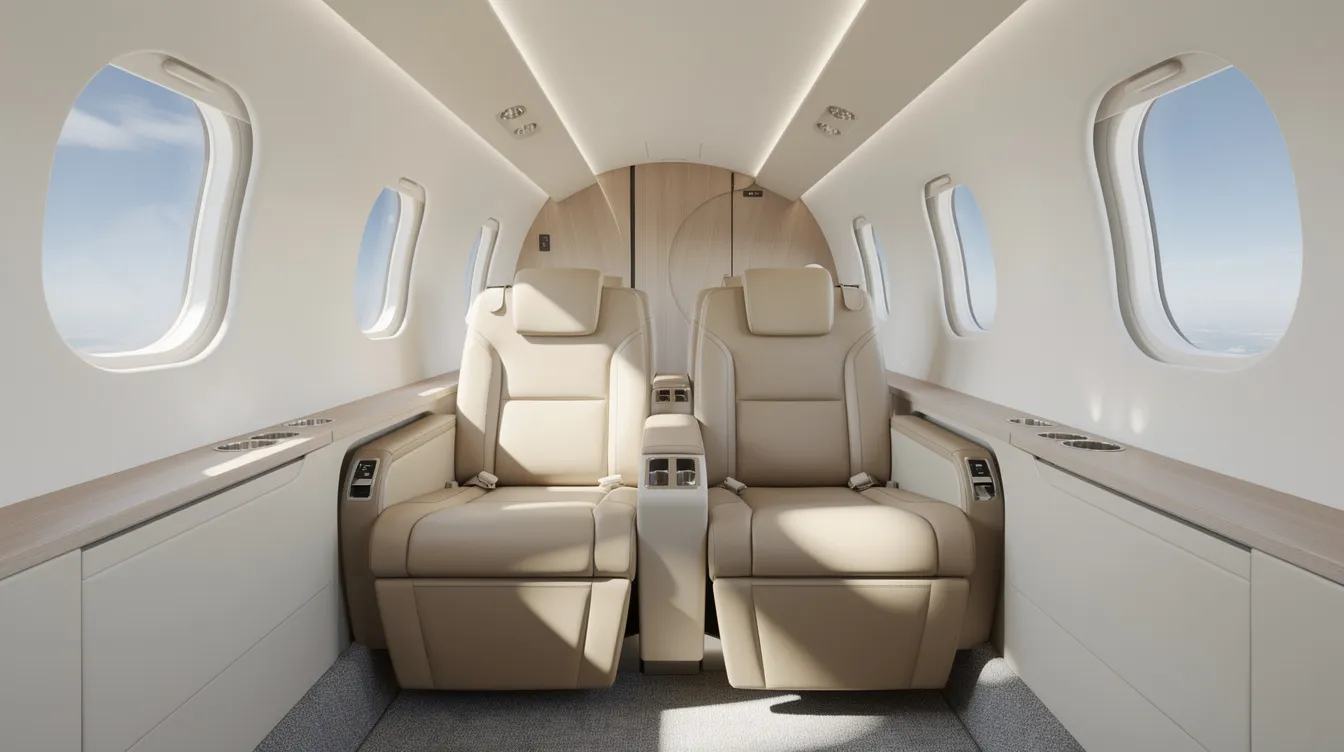
Light jets form the backbone of private aviation for regional missions, balancing cost efficiency, cabin comfort, and range in a way no other category matches. Small light jets can accommodate up to eight passengers, with typical ranges of 1,200 to 2,100 nautical miles and cruising speeds of 400 to 470 knots. Standard features include an enclosed lavatory, refreshment center, and a spacious cabin designed for productivity.
For three to five executives or a family traveling 1.5 to 3 hours, light jets offer significantly more cabin space than VLJs while remaining far more fuel-efficient than midsize jets on short hops. Leather seats, in-seat power, and wi fi availability make them functional workspaces at altitude.
When might you upgrade to midsize jets? Longer legs beyond 2,000 nautical miles, more luggage, or the need for a true stand-up cabin. But for the vast majority of regional business trips, light jets remain the more cost-effective option. BlackJet's Jet Card lets members book light jets at a fixed per-hour rate- ideal for budgeting annual regional travel across multiple cabin classes.
Best Light Jets on the Market Today
These models consistently rank among the best small jets for business travelers in 2027 due to reliability, cabin design, and overall cost profile.
Cessna Citation CJ3+/CJ4: Seats seven passengers comfortably, with enhanced range bands of approximately 1,875 to 2,165 nautical miles. Strong runway performance and a workhorse reputation across charter fleets make these a staple for regional and cross-country flights.
Cessna Citation Excel/XLS/XLS+: Sometimes labeled "super light" or "small midsize," these aircraft offer a meaningful step up in cabin space while retaining short-field ability. Passenger capacity of up to eight passengers. A favorite among operators for reliability and versatility.
Embraer Phenom 300E: Seats seven to nine passengers. Range of approximately 2,010 nautical miles. Best-in-class maximum cruising speed of roughly 453 knots-the fastest light jet in production. Widely praised for cabin comfort, baggage volume, and long flights without fatigue.
Bombardier Learjet 45XR/75: Renowned for speed and a business-oriented cabin layout, with a range of approximately 1,900 to 2,000 nautical miles. A go-to for executives shuttling between financial centers where both prestige and performance matter.
These aircraft types are commonly available within BlackJet's partner network, giving Jet Card members priority access across the right jet for each mission.
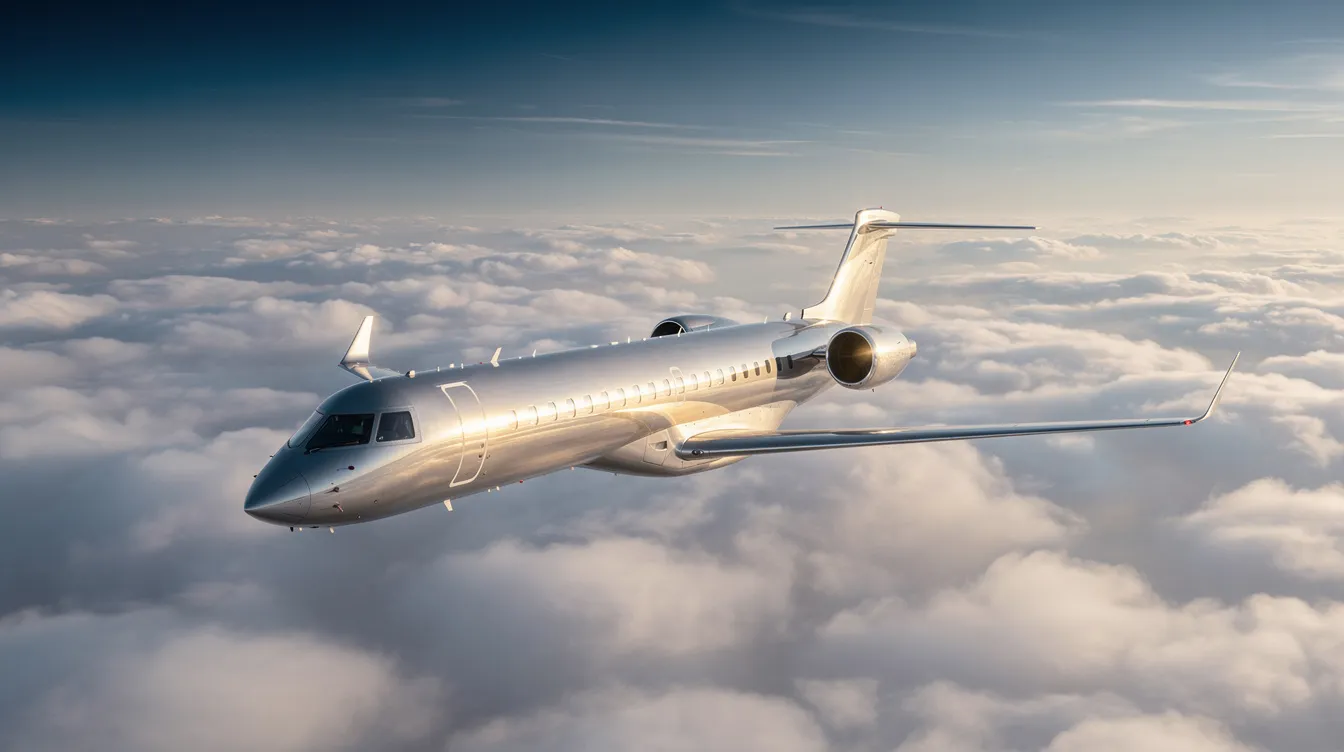
Cirrus Vision Jet and Other Standout Niche Small Jets
Some small jets offer unique value propositions-especially for solo travelers, couples, or very small teams.
The Cirrus Vision Jet is a single-engine personal jet seating five passengers with a range around 1,275 nautical miles and cruise speed of approximately 300 to 315 knots. Its defining feature is the whole-aircraft parachute system (CAPS), an innovative safety system unmatched in its class. Where the Vision Jet fits in a charter context: ultra-short business hops or private leisure flights where cost and airport access trump cabin size.
The Eclipse 500/550 serves hyper-short routes and smaller runways, though availability is limited. Its role is niche but valuable for sub-400 nautical mile segments.
BlackJet focuses on multi-crew members, professionally operated private planes for Jet Card flying, while still being able to arrange access to specialty models through vetted partners when appropriate.
Cabin Comfort and Onboard Experience in Small Jets
Reframe "small" not as a compromise but as focused, efficient luxury for short missions. Here's what shapes the onboard experience:
Cabin Layouts
Club seating allows face-to-face conversation and work. Forward-facing layouts maximize passenger count. In practice, four people can work comfortably in most light jet cabins. Design directly impacts perceived cabin space.
Pressurization and Noise
Lower cabin altitude-around 6,000 to 8,000 feet at cruise-reduces fatigue so you land meeting-ready. Modern soundproofing in jets like the Phenom 300E and HondaJet makes a significant difference versus older airframes.
Amenities
Wi fi, in-seat power, refreshment centers, and enclosed onboard lavatory expectations scale by category. Even VLJs now offer connectivity to stay connected during flight.
Sample BlackJet Trip
Four executives board a Citation CJ3 at Westchester County Airport bound for Chicago Midway. No long lines. Boarding takes five minutes. In the cabin, each traveler has power and wi fi. Travel time gate-to-gate: under two hours. Crew members handle ground coordination. They arrive downtown 90 minutes faster than commercial first class would have delivered them.
BlackJet selects operators and aircraft that meet strict cabin comfort and safety standards-not just price.
Fuel Efficiency, Cost Efficiency, and Hourly Rates
Fuel efficiency links directly to cost efficiency and environmental impact for private aviation in 2027. VLJs and light jets burn significantly less fuel per hour than midsize jets or heavy jets, especially on segments under 900 nautical miles. Small jets consume around 100 to 250 gallons of fuel per hour-a fraction of what larger aircraft require.
Charter and Jet Card pricing is typically set per hour, and flying a smaller, right-sized jet often cuts total trip cost without sacrificing speed or distance coverage. Here's how hourly rates break down by category:
Category | Jet Card Rate Range (Per Hour) | Operating Cost Range (Per Hour) |
|---|---|---|
Turboprops | $5,946–$7,268 | Varies |
Very light jets | $5,648–$6,903 | $1,200–$2,500 |
Light jets | ~$8,400–$8,500 | $2,000–$3,500 |
Heavy jets | $12,318–$15,056 | Significantly higher |
Pilot salaries and training are high operational costs, as is maintenance that includes routine inspections and parts replacement. Higher utilization increases annual ownership costs, and cost efficiency in ownership is often driven by flight hours exceeding 200 per year; below that threshold, Jet Cards or charter become more economical. Booking empty legs can reduce travel costs significantly for flexible travelers.
BlackJet's Jet Card locks in per-hour rates across cabin types, protecting members from seasonal market spikes. And because more fuel-efficient small jets reduce baseline emissions before offsets are even applied, right-sizing your aircraft is also the most practical sustainability move.
Safety, Certification, and Sustainability in Small Jet Operations
For BlackJet clients, performance is meaningless without rigorous safety and sustainability standards. Here's what underpins every flight:
Regulatory Framework
The Federal Aviation Administration sets strict rules for small jet operations in the U.S. under Part 135 certification. EASA regulates small jets in Europe with similar safety standards. Small jets must meet the same safety standards as commercial airlines. Pilot training includes specific licenses and periodic checks.
Advanced Avionics
Modern very light jets and light jets incorporate synthetic vision, enhanced weather radar, and auto-throttle on some aircraft types-improving situational awareness and safety. Small jets have an excellent safety record comparable to airlines.
Operator Vetting
Safety certification is a significant consideration in private aviation. BlackJet requires ARGUS Platinum or Wyvern Wingman credentials, insurance verification, maintenance record checks, and continuous performance monitoring before aircraft are made available to Jet Card members.
Sustainability
Carbon-offset programs are becoming more prevalent in private aviation. Many private jets are adopting biofuels to reduce carbon footprints. Sustainable aviation practices are evolving to minimize environmental impact. BlackJet ensures every journey is carbon neutral-at no extra cost to you-integrating carbon offsetting and emerging sustainable aviation fuel (SAF) programs with small jet operations.
Small, fuel-efficient jets represent an intelligent step toward more responsible private aviation for frequent flyers in a world increasingly focused on accountability.
How to Access the Best Small Jets with a BlackJet Jet Card
Three models dominate private aviation access: full ownership, ad-hoc charter, and Jet Cards. For frequent flyers who value flexibility and predictability without idle-asset risk, Jet Cards win.
Membership Structure
BlackJet offers 25-hour and 50-hour Jet Card options. Hours can be used across light jets, midsize jets, and other cabin classes. Customers can choose from multiple cabin types in jet card programs.
Digital Booking
Jet card programs include 24/7 digital booking tools. Real-time support is available during the booking process. Booking small jets can be done via mobile apps, and digital booking tools operate 24/7 for convenience. Members select an aircraft category-light jet versus midsize- and request specific models where available.
Case Study
A client flying 40 hours per year on regional routes like Dallas to Nashville and London to Zurich. Light jets via Jet Card beat both commercial premium (time savings of 60+ minutes per trip) and owning a small plane (eliminating $200K+ in annual fixed costs for hangar, crew members, insurance, and maintenance costs).
Transparency
Guaranteed availability windows, transparent per-hour pricing, and zero exposure to aircraft maintenance, crew hiring, or hangar costs. Jet card programs offer prepaid access to private jets and provide flexibility for frequent travelers.
Elevate your travel-effortlessly. With BlackJet, private flight isn't reserved for a few. It's accessible on your terms through Jet Card programs complete with rigorous safety, carbon-neutral performance, and unmatched flexibility. Explore BlackJet's offerings and discover how refined, meaningful travel becomes your new standard.
FAQs About the Best Small Jets and Jet Card Access
What is the most cost-effective small jet for short business trips?
For trips under 800 nautical miles with two to four passengers, very light jets like the Embraer Phenom 100EV or Citation M2 Gen2 deliver the lowest cost per hour. For groups of five to seven passengers on slightly longer legs, light jets such as the Citation CJ3+ offer better value per seat.
How many passengers can a light jet really carry comfortably?
Light jets typically accommodate six to eight passengers with luggage. Seven passengers is a comfortable maximum in most configurations. Beyond that, baggage trade-offs begin. If you need true room for eight passengers with full bags, consider a super light or midsize cabin.
Are small jets safe compared to larger private jets?
Yes. Small jets have an excellent safety record comparable to airlines. They must meet the same certification standards, and all crew undergo specific pilot training with periodic checks. BlackJet adds third-party safety audits on top of regulatory requirements.
How does pricing per hour work on small jets with a BlackJet Jet Card?
Hours are debited based on actual flight time in your selected cabin class. Rates are locked in at purchase, shielding you from seasonal spikes. Peak versus non-peak distinctions may apply, and most fees—fuel, crew, standard landing—are included. For a detailed breakdown, see our jet card pricing guide.
When should I choose a midsize jet instead of a light jet?
When your distance exceeds roughly 2,000 nautical miles, your group exceeds eight passengers, or you need a stand-up cabin for long flights and transcontinental legs. For most regional business trips under three hours, light jets remain the right aircraft choice.
How does BlackJet handle carbon-neutral flights on small jets?
Every BlackJet flight includes carbon offsets built into the program at no additional cost. Combined with the inherently lower fuel burn of small jets and emerging SAF sourcing, this makes choosing a smaller, right-sized aircraft the most practical path to responsible private aviation.
Conclusion: Choose the Right Small Jet for Your Mission
The best small jet is the one that fits your route, passenger count, luggage, and schedule—not simply the aircraft with the longest range or most impressive cabin. Very light jets can make short regional trips efficient for smaller groups, while light jets offer more room and range for longer business missions. When a journey calls for added cabin space or nonstop capability, stepping up to a midsize option may be the more practical choice. Explore our guide to types of private jets to compare cabin classes and missions.
For frequent travelers, access matters as much as aircraft selection. A BlackJet Jet Card provides prepaid access across multiple cabin classes, supported by 24/7 digital booking, real-time assistance, rigorous private jet safety standards, and carbon-neutral flights. It offers a flexible alternative to ownership, without the responsibility of managing an aircraft, crew, maintenance, or hangar.
In 2027, private jet access is a strategic way to reclaim time and travel on your terms. Match each flight to the right aircraft, then let experienced advisors help coordinate the details. Explore BlackJet’s Jet Card programs and discover a more seamless approach to private travel.