Understanding the true small private jet price in 2026 requires looking far beyond a sticker on the windshield. This guide is designed for executives, entrepreneurs, and high-net-worth individuals considering private jet travel or ownership. Making an informed decision can save hundreds of thousands of dollars and ensure the right fit for your travel needs. Whether you're weighing aircraft ownership against a jet card or simply pricing your next charter flight, the numbers shift dramatically depending on how many hours you fly, which aircraft category you choose, and how much hidden cost you're willing to absorb. This guide breaks down every layer—purchase prices, fixed expenses, variable costs, and the alternatives that often make more financial sense.
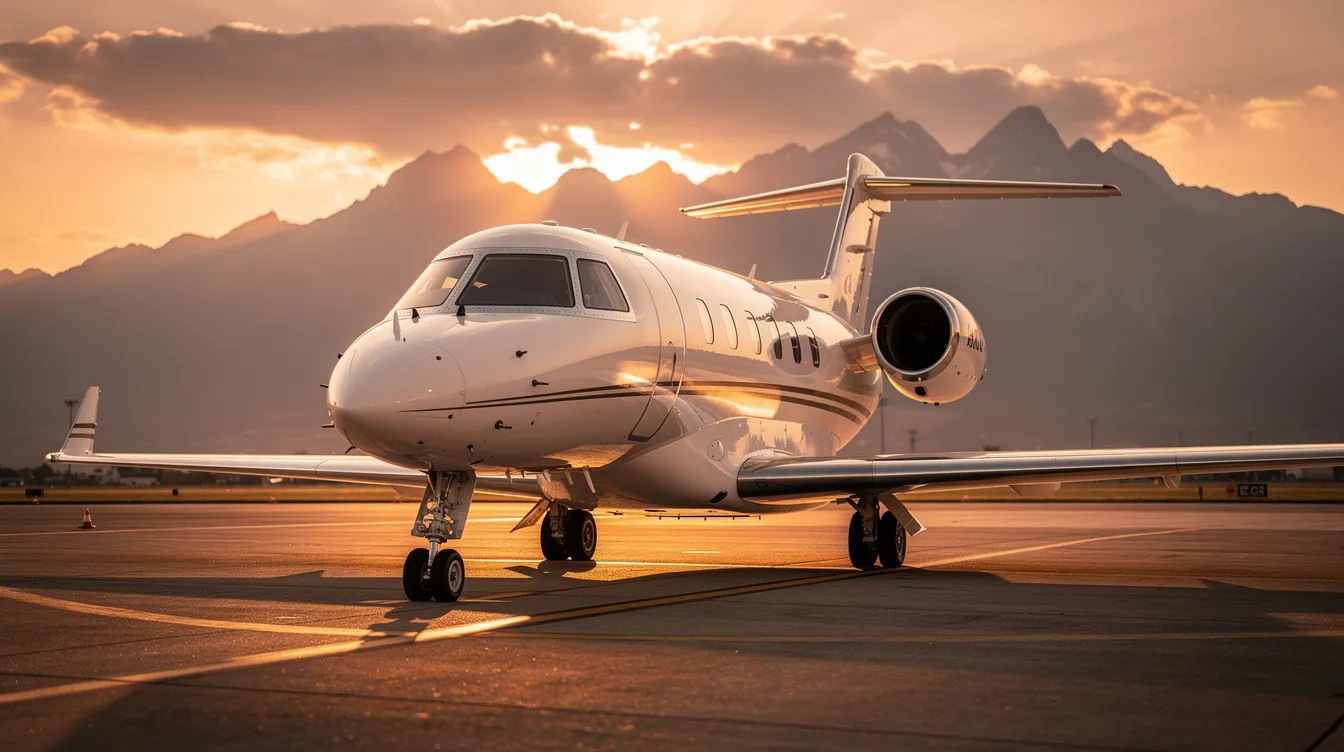
Small private jet price at a glance in 2026
For executives and high-net-worth travelers, understanding small private jet prices is a strategic capital allocation decision. The choice between buying, chartering, or accessing a private jet through a premium private jet card program shapes cash flow, risk exposure, and operational flexibility for years.
Here are the 2026 price bands you need to know:
Very light jet purchase price (new): ~$2.0 million to $4.0 million. Models like the Cirrus Vision Jet, HondaJet Elite II, and Embraer Phenom 100EV fall in this range. Small private jets typically cost between $2 million and $9 million for new models across both VLJ and light jet categories.
Light jet purchase price (new): ~$5.0 million to $12.0 million+. The Citation CJ3+, Learjet 75 Liberty, and similar business jets anchor this segment.
Charter costs for small private jets:
VLJs: ~$1,500–$3,000 per flight hour
Light jets: ~$2,800–$5,000+ per flight hour on typical U.S. routes
Chartering is ideal for those flying fewer than 100 hours annually-the fixed cost burden of ownership rarely pencils out below that threshold. Whole aircraft ownership is often financially competitive only around 200 to 400 flight hours per year.
The "headline hourly rate" you see advertised rarely tells the full story. Total trip cost can increase by 20–40% once you factor in aircraft positioning fees, Federal Excise Tax (7.5% on domestic segments), crew overnight costs, and annual fixed costs for owners. Private jet charter costs range from $2,000 to $14,000 per hour, depending on aircraft category and route.
BlackJet offers a carbon-neutral, safety-certified jet card and on-demand solution that removes ownership complexity while preserving flexibility for frequent flyers and occasional travelers alike.
What counts as a "small" private jet? (Very light jets vs. light jets)
In private aviation, a "small private jet" refers to the very light jet and light jet categories-aircraft typically seating 4–8 passengers with ranges up to approximately 2,000 nautical miles. These are the workhorses of domestic and near-international private jet travel.
Very light jets (VLJs): Seat 4 to 6 passengers. Many are certified forsingle-pilott operation, with a typical range of ~1,000–1,300 nm. Examples include the Cirrus Vision Jet G2+, HondaJet Elite II, Embraer Phenom 100EV, and Cessna Citation Mustang. VLJs represent the most affordable entry point into jet ownership or charter.
Light jets: Typically seat 6 to 8 passengers with two-pilot flight crew configurations and a range of ~1,500–2,000 nm. Popular models include the Cessna Citation CJ3+, CJ4 Gen2, Learjet 75 Liberty, and Hawker 400XP.
Mission profiles: VLJs excel at short regional flights-Los Angeles to Las Vegas, Dallas to Houston-where speed and privacy on quick hops matter most. Light jets cover longer stage lengths like New York to Miami, Chicago to Denver, or similar routes where more cabin space and range are essential, and choosing the best small private aircraft for each mission is critical to balancing comfort and cost.
For context, midsize jets can accommodate 8 to 10 passengers, heavy jets carry 10 to 16 passengers with full stand-up cabins (a new Gulfstream G650ER, a heavy jet, can cost up to $75 million), and 20 million dollar private jets and VIP airliners can transport 30 to 50+ passengers. The small jet segment is where value-conscious private flyers concentrate.
Feature | Very Light Jet | Light Jet |
|---|
Seats | 4–6 | 6–8 |
Typical Range | 1,000–1,300 nm | 1,500–2,000 nm |
Cruise Speed | 350–400 ktas | 400–480 ktas |
Charter Cost/Hour | $1,500–$3,000 | $2,800–$5,000+ |
Purchase Price (New) | $2.0M–$4.0M | $5.0M–$12.0M+ |
These smaller aircraft are the most relevant categories for BlackJet clients who value time savings and privacy on domestic routes, accessing smaller regional airports that commercial flights simply cannot reach.
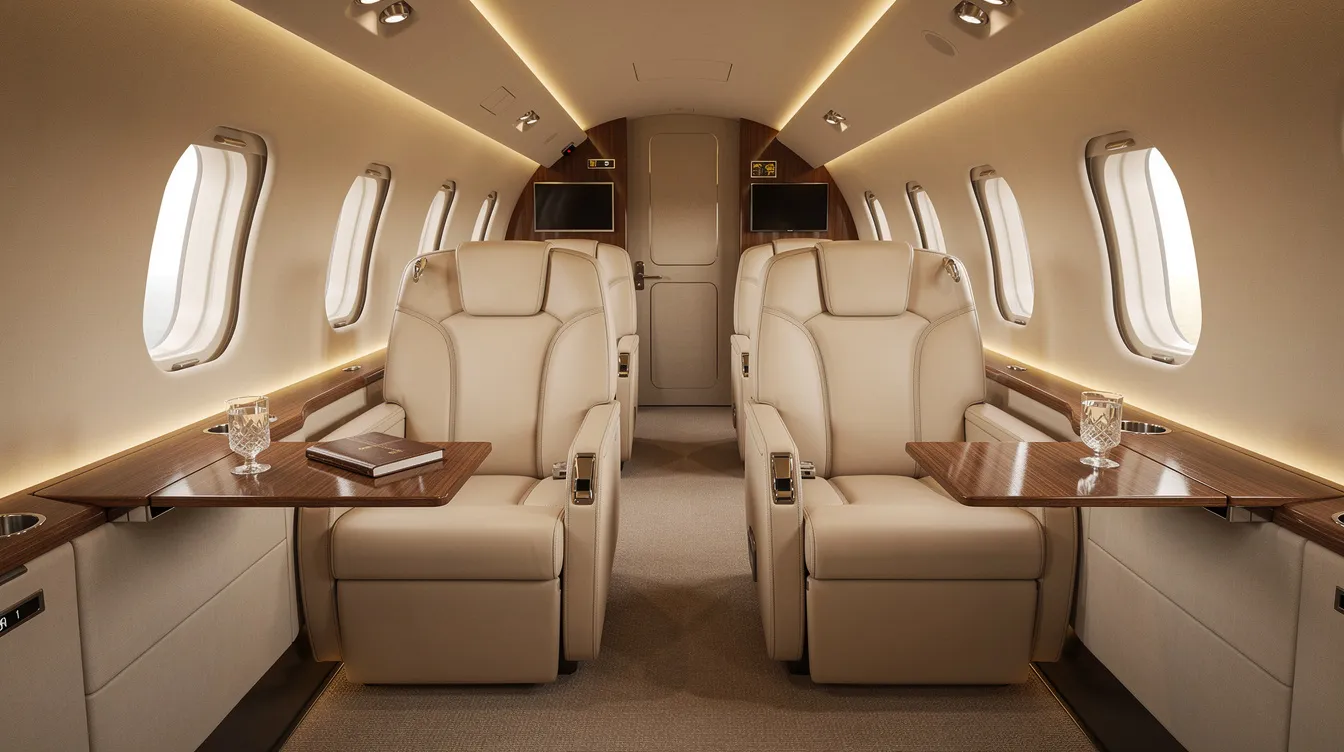
How much does it cost to buy a small private jet in 2026?
The purchase price is just the entry ticket. It doesn't include operational costs, depreciation, or the annual fixed expenses that begin accumulating the moment you take delivery. Purchase prices of small private jets are influenced by age and maintenance history, and market conditions such as demand and financing costs also influence aircraft prices. Demand for business jets has increased significantly from technology entrepreneurs, tightening supply on popular models.
VLJ purchase prices:
Cirrus Vision Jet G2+/G3: ~$3.0–$3.5 million new; earlier units sometimes available under $3.0 million
HondaJet Elite II: ~$5.0–$7.0 million new; pre-owned aircraft at 5–7 years old trade ~$3.0–$4.0 million
Embraer Phenom 100EV: ~$4.5–$4.8 million new; early Phenom 100s (2009–2012) around $2.0–$2.8 million
Light jet purchase prices:
Cessna Citation CJ3+: ~$9–$11 million new; mid-2000s CJ3s around $5–$6 million
Learjet 75 Liberty: ~$13–$14 million new; older Learjet 45XRs in the $3–$5 million range
Hawker 400XP on the pre-owned market: ~$2.0–$3.5 million depending on hours and avionics upgrades
Pre-owned small private jets generally range from $1 million to $4 million across categories. Older aircraft with higher flight hours generally have lower market prices. Key price drivers include year of manufacture, total airframe hours and engine cycles, engine time to overhaul, avionics suite quality (Garmin G3000 vs. legacy), and cabin refurbishment date. Upgraded avionics and interior configurations can increase a jet's market value substantially, and understanding the broader private jet price list across categories helps benchmark whether an asking price is reasonable.
Shopping scenarios: An entrepreneur comparing a 2010 Phenom 100 at ~$2.4 million versus a new Cirrus Vision Jet at ~$3.3 million must weigh the used aircraft's potential need for avionics upgrades and engine work against the new jet's warranty and fuel efficiency. Another buyer considering a new CJ3+ at $10 million versus a decade-old CJ3 at $5.5 million faces inspection costs and upcoming overhaul reserves.
For many BlackJet members, tying up $3 million to $8 million in a depreciating asset-aircraft depreciation can be a high long-term cost and is less attractive than pre-purchasing 25–50 hours on a Jet Card with zero asset risk, and a detailed guide to jet card cost and pricing can further clarify that trade-off.
Annual fixed costs of owning a small private jet
Fixed costs are the expenses you pay whether the aircraft flies 5 hours or 500 hours per year. They are often the most underestimated component of aircraft ownership.
Key annual fixed expenses include hangar fees, hull and liability insurance, crew salaries and recurrent training (for light jets requiring two pilots), navigation and data subscriptions, and management company fees.
VLJ (owner-flown, e.g., HondaJet or Cirrus Vision):
Hangar fees: ~$25,000–$50,000/year at major U.S. airports (hangar fees typically cost around $36,000 per year on average)
Insurance: $15,000–$30,000/year depending on pilot experience
Navigation/data subscriptions and miscellaneous: $5,000–$10,000/year
Owning even a small plane incurs annual costs of $16,000 to $30,000 in baseline fixed expenses before hangar or insurance
Crewed light jet (e.g., Citation CJ3+ under management):
Hangar: $40,000–$80,000/year at busy metro airports
Hull and liability insurance: $25,000–$50,000/year
Crew salaries and training: $180,000–$300,000/year for captain + first officer + recurrent checks. Crew salaries can cost around $200,000 per year for small private jets.
Management fee: $60,000–$120,000/year
Annual fixed costs for a professionally managed light jet routinely exceed $300,000–$500,000 before a single hour is flown. Fixed annual costs for operating a small private jet can range from $300,000 to $800,000 depending on aircraft type and base location. Operating costs for a private jet can exceed $30,000 annually even for the smallest, simplest configurations.
A BlackJet Jet Card client accesses similar aircraft with zero annual fixed costs-all spend is tied directly to actual flight hours, eliminating the fixed cost burden entirely.
Variable operating costs per flight hour
Variable costs scale with each hour the aircraft flies: fuel costs, maintenance reserves, engine reserves toward future overhauls, landing fees, in-flight catering, and carbon offsets (unless bundled, as with BlackJet).
VLJ (e.g., Phenom 100EV) hourly operating costs:
Fuel and oil: ~$800–$1,100 per hour
Routine maintenance and parts reserves: ~$500–$800 per hour
Engine reserves toward overhauls: ~$300–$500 per hour
Total: roughly $1,600–$2,400 per flight hour (excluding depreciation)
Light jet (e.g., Citation CJ3+) hourly operating costs:
Fuel: ~$1,300–$1,800 per hour
Airframe and engine reserves: ~$800–$1,200 per hour
Miscellaneous (consumables, landing and handling fees averaged): ~$300–$500 per hour
Total: roughly $2,400–$3,500 per flight hour
Fuel can be a major expense, exceeding $300,000 annually for frequent flights on even an efficient aircraft. Fuel surcharges apply when Jet-A prices exceed a baseline threshold, adding unpredictability for owners. Landing fees range from $100 to $500 depending on the airport, and crew overnight fees typically range from $150 to $500 per crew member on trips requiring overnight stays.
All-in owner cost example: A light jet flown 150 hours per year at $3,000/hour variable plus $400,000 in fixed expenses equals approximately $850,000–$900,000 in annual spend before depreciation or financing. Annual operating costs for a small private jet can exceed $500,000 even at moderate utilization.
BlackJet's fixed all-inclusive hourly Jet Card rates roll fuel, standard catering, landing fees at many airports, and carbon offsets into a single predictable figure, insulating clients from these variable swings.
New vs. pre-owned small private jets
The classic trade-off: a new private aircraft offers warranty protection, the latest technology, and better fuel efficiency-but commands a premium purchase price and steeper early depreciation. A pre-owned aircraft costs less upfront but demands rigorous due diligence and potential investment in upgrades.
New jet advantages:
Full factory warranty (typically 3–5 years on major components)
Latest avionics suites: Garmin G3000, Pro Line Fusion, synthetic vision
Best fuel efficiency and cabin noise levels from the most efficient aircraft in each class
Custom interior specifications from day one
Pre-owned jet advantages:
20–50% lower purchase price versus new, representing an affordable entry point
Much of the steepest early depreciation has already been absorbed by the first owner
Broad supply of 10–15-year-old light jets: earlier Citation CJ series, Hawker 400XP, older Phenom 100s
Key pre-buy checks: A mandatory pre-purchase inspection (PPI) at a type-rated service center, exhaustive review of maintenance logs and engine programs (Williams TAP, Pratt & Whitney ESP), and assessment of remaining engine time to overhaul and upcoming expensive inspections are non-negotiable. Federal Aviation Administration airworthiness directive compliance must be verified.
Example: A 2009 Phenom 100 purchased for ~$2.3 million might require $300,000–$500,000 in immediate upgrades-avionics modernization, interior refresh, paint, and engine component work-pushing the real acquisition cost to $2.6–$2.8 million.
Whether new or used, ownership still carries significant fixed expenses and ongoing costs. BlackJet members avoid both by opting for jet cards or charter access, gaining the same aircraft without the balance sheet burden.
Alternatives to full ownership: fractional ownership, leasing, jet cards, and on-demand charter
Many high-net-worth travelers prefer flexible access to private aviation without buying a private jet outright. Several models exist, each with distinct trade-offs in cost, commitment, and flexibility.
Fractional ownership: Purchase a share (fractional ownership allows sharing costs with 1/16 to 50% shares), entitling you to \~50–200 flight hours per year. Initial buy-in often exceeds $400,000 for a share in a light jet, plus monthly management and hourly occupied fees. Contracts run 3–5 years with residual value risk at exit. A fractional ownership program suits moderate-to-high usage but still exposes you to asset depreciation, and understanding fractional jet ownership depreciation is critical before committing capital.
Leasing: A dry lease provides the aircraft only-the lessee arranges crew, maintenance, and insurance across 12–60-month terms. A wet lease includes aircraft plus crew plus maintenance from the operator at higher hourly rates, more common for corporate operators than individuals. For deeper analysis, explore leasing vs. buying a private jet.
Jet cards (BlackJet focus): Prepay 25–50 flight hours across aircraft categories at fixed hourly rates. Jet cards offer fixed hourly rates for frequent flyers with guaranteed aircraft availability and defined notice windows (24–72 hours). No acquisition cost, no depreciation, and no annual fixed costs. Jet card programs are ideal for travelers flying 25–100+ hours per year, and a comparison of the best jet cards for frequent flyers can help you see how different programs stack up.
On-demand charter: Pay-as-you-go, flight by flight. Rates fluctuate with market demand, the same aircraft type, and positioning. Best for travelers flying private fewer than \~25–30 hours per year. Booking outside peak times can reduce costs by 20–50%. Empty leg flights can save up to 75% on charter costs, offering a budget-friendly option for flexible travelers-though leg flights depend on availability and route alignment; a deeper dive into whether chartering a private jet is worth it can clarify when this model makes sense.
Turboprop aircraft represent another tier below VLJs, offering even lower hourly charter rates for short-haul flights under 500 miles, though with less cabin space and speed, and are often highlighted among the cheapest private aircraft options for budget-conscious flyers.
Factor | Full Ownership | Fractional | Jet Card | On-Demand Charter |
|---|
Upfront Capital | $2M–$14M+ | $400K–$3M+ | Deposit only | None |
Commitment | Indefinite | 3–5 years | Per card block | Per flight |
Annual Fixed Costs | $300K–$800K+ | Shared (still significant) | Zero | Zero |
Price Predictability | Low (variable costs fluctuate) | Moderate | High (fixed rates) | Low |
Best For | 250+ hrs/year | 100–200 hrs/year | 25–100+ hrs/year | Under 25 hrs/year |
How much does it cost to charter a small private jet?
Chartering a private jet converts the complex matrix of ownership into a simpler per-trip or per-hour price, though it's still not as simple as a single number suggests.
2026 U.S. charter rates for small aircraft: for a broader context on what influences these numbers, see how small plane charter costs are typically structured.
Very light jets: ~$1,500–$3,000 per flight hour
Light jets: chartering a light jet typically costs $2,500 to $4,000 per hour; a broader range extends to $5,000+ for newer configurations
Concrete trip examples:
Los Angeles to Las Vegas same-day round trip on a light jet: ~$9,000–$14,000 all-in
New York to Miami one-way on a light jet: ~$15,000–$22,000 including positioning and fees airports charge
Dallas to Nashville day trip on a VLJ: ~$8,000–$12,000 total trip cost
Common add-on charges that inflate the final cost:
Federal Excise Tax: 7.5% on domestic charter flight segments
Landing and handling fees: $200–$800 per stop for smaller aircraft at fees airports assess, and when you look at how much it costs to rent a private jet by the hour, you'll see these charges are often layered on top of the base rate
Crew overnight costs when applicable ($150–$500 per crew member), plus de-icing and overnight fees in winter climates.
Positioning/dead-head fees when an aircraft flies empty to reach your departure point
Charter operators often charge a minimum booking of two flight hours.
Private jet charter costs-chartering a private jet costs $2,500 to $4,000 per hour on average for light categories-are highly variable. A charter via broker may quote an attractive base rate only to layer on fuel surcharges, overnight costs, and peak-period markups. A charter via a Jet Card like BlackJet locks in fixed hourly pricing, includes carbon neutrality, and provides guaranteed aircraft availability-insulating clients from the market fluctuations that define pure on-demand charter.
Sample cost scenarios: ownership vs. BlackJet Jet Card vs. on-demand charter
The best way to evaluate your options is through real numbers applied to realistic travel patterns. Here are three profiles.
Scenario 1 – Business founder flying 60 hours/year (New York area domestic legs)
A founder based near Teterboro regularly flies to Chicago, Miami, and Washington. Owning a light jet (~$8–$10M purchase) would cost roughly $350,000–$500,000 in annual fixed costs plus 60 hours × $3,000 variable ≈ $180,000. Total before depreciation: ~$550,000–$700,000. With depreciation, the annual cost could approach $800,000–$1,000,000.
A BlackJet 50-hour light jet Jet Card at fixed hourly rates of ~$6,500–$7,500 yields total spend of ~$390,000–$450,000 with no asset risk, no hangar, and no crew costs.
On-demand charter for 60 hours at ~$4,500/hour averages ~$270,000 in occupied time, but add-ons typically push the total past $330,000 with less schedule certainty.
Scenario 2 – Ultra-frequent flyer logging 250+ hours/year
At this utilization, fractional or full ownership becomes cost-competitive. Fixed expenses spread across more hours, and the effective cost per hour drops materially. But management overhead, safety oversight, fuel volatility, and sustainability compliance remain the owner's responsibility. The entire aircraft is yours to manage-or to worry about, which is why some ultra-frequent travelers instead evaluate a 100-hour jet card cost structure as a flexible alternative.
Scenario 3 – Family entrepreneur flying 20–30 hours/year
On-demand charter or a BlackJet 25-hour Jet Card is the natural fit. Annual spend: ~$60,000–$175,000 depending on aircraft category. Ownership would impose fixed expenses of $300,000+ annually for flying fewer than 30 hours-an untenable ratio.
Beyond price, BlackJet's 24/7 digital booking and real-time flight support add strategic value for last-minute schedule changes, multi-stop days, and access to smaller airports that commercial flights cannot serve.
Safety, technology, and sustainability: cost factors that shouldn't be ignored
The cheapest private jet option is not always the wisest. When evaluating any private flight, the hourly rate should be weighed alongside safety standards, operational technology, and environmental impact.
Safety: Operators vetted through ARGUS, Wyvern, or IS-BAO Stage 3+ certifications invest heavily in audit compliance, crew training, and maintenance oversight-costs that responsible operators absorb. Cutting corners on maintenance or crew training may appear cheaper short-term but carries unacceptable risk. BlackJet works exclusively with operators that meet or exceed rigorous Part 135 safety certification standards.
Technology: Newer small jets equipped with advanced avionics-synthetic vision, autothrottle, enhanced situational awareness systems like Garmin Perspective Touch+ on the Cirrus Vision or G3000 on the CJ3+-reduce weather-related delays, improve fuel efficiency, and enhance safety. Larger aircraft in the midsize jets and heavy jet categories carry similar avionics advantages at higher price points.
Sustainability: Private jets produce higher CO₂ emissions per passenger than commercial flights, especially on short legs. Carbon offset programs and sustainable aviation fuel (SAF) add incremental cost but materially improve the environmental footprint.
BlackJet includes carbon neutrality as standard on all Jet Card flights-300% carbon and emissions offsets at no additional charge. This isn't an optional add-on; it's built into every hour, and understanding overall jet card pricing structures and benefits can help you see how sustainability fits into the total value proposition.
How BlackJet's Jet Cards simplify small private jet pricing
Jet cards occupy the strategic middle ground: the rate predictability that ownership promises (but rarely delivers) without the capital intensity of buying a private jet outright. For travelers who value transparency over complexity, it's a fundamentally different model when accessing small private jets for luxury travel.
How BlackJet Jet Cards work:
Clients prepay for 25- or 50-hour blocks across multiple aircraft categories-very light jets, light jets, midsize, super midsize, and large cabin via programs like the BlackJet 25+ Hour Jet Card
Fixed hourly rates include fuel, standard catering, and most handling fees, with transparent surcharges where applicable
Hours never expire, eliminating rollover pressure
Key advantages:
Guaranteed aircraft availability with defined advance notice
No acquisition cost, no hangar fees, no crew costs, no insurance-zero fixed expenses
24/7 digital booking platform plus dedicated human support for complex international routes and multi-leg itineraries
Example: A BlackJet member using a 25-hour light jet Jet Card for a bi-weekly New York to Chicago rotation pays a fixed rate per hour-no positioning surprises, no seasonal markups. Compared to equivalent ad-hoc hourly charter rates or the proportionate share of ownership operating costs, the Jet Card delivers predictability that neither alternative can match.
3 reasons high-frequency travelers choose BlackJet over ownership:
Predictability: Locked all-in hourly rates and non-expiring hours
Safety: Certified operators with modern avionics and rigorous oversight
Sustainability: Carbon neutrality built into every private flight-no separate offset administration
FAQ: Small private jet price, ownership, and flying with BlackJet
How much does it cost per year to own a small private jet? For a professionally managed light jet flying 150–200 hours per year, total annual cost-including fixed expenses, variable operating costs, and depreciation-typically ranges from $500,000 to over $1,000,000. At lower utilization, the per-hour cost climbs steeply.
Is it cheaper to buy a very light jet and pilot it myself? Owner-pilots eliminate crew costs but still face significant pilot training and licensing expenses, higher insurance premiums for private pilot operations, and all maintenance and compliance obligations. For those flying fewer than ~150 hours per year, the all-in cost often still favors charter or a Jet Card over the cheapest private jet you could buy.
How much does it cost to fly private on a light jet for a 2-hour trip? In 2026, a 2-hour light jet charter typically runs $7,000–$10,000 in flight time alone. Add positioning, landing fees, tax, and fuel surcharges, and the realistic range is $8,000–$14,000 total. Jet Card pricing smooths these add-ons into a predictable per-hour rate.
What are annual fixed costs, and how does BlackJet help me avoid them? Owners pay for hangars, crew salaries, insurance, management, and subscriptions whether they fly or not. A BlackJet Jet Card member pays only when flying, with zero fixed expense an zero asset obligations when not traveling.
Can businesses deduct the cost of flying private through BlackJet? Many corporations treat Jet Card and private jet charter flights as deductible business expenses when used for legitimate business travel under IRS guidelines. However, the split between business and personal use matters, and we recommend consulting a tax professional for compliance specifics.
For a tailored cost comparison based on your actual travel pattern-hours per year, favorite routes, cabin preferences-contact BlackJet for a personalized analysis.
Choosing the right small private jet solution for your budget and lifestyle
The "best" small private jet price isn't the lowest number on a spec sheet. It's the one aligned with your actual utilization, capital strategy, risk tolerance, and service expectations. A private aircraft is a tool-and the smartest tool is the one that fits the job.
Key comparisons at a glance:
Ownership: Maximum control, potentially best value at 250+ hours/year, but highest purchase price and annual fixed costs
Fractional ownership: Middle ground with long-term contracts and substantial buy-in that can be attractive when you fully understand the tax benefits of fractional jet ownership
BlackJet Jet Cards: Fixed hourly rates, zero ownership obligations, ideal for \~25–100+ hours per year, and worth comparing against NetJets jet card costs and structures if you're surveying the broader market
On-demand charter: Full flexibility, best for under \~25 hours per year, while larger groups might instead analyze charter plane cost for 100 passengers when flying teams or event guests together
Non-financial returns matter: The hours saved versus commercial flying, access to smaller airports closer to your destination, privacy for executive teams, and the ability to combine meetings across multiple cities in a single day-these returns often exceed any measurable cost difference.
If you're evaluating how to access private aviation in 2026, the next step is straightforward: speak with a BlackJet advisor. Share your travel profile-routes, frequency, passenger counts-and receive a discreet, data-driven comparison of whether a Jet Card, on-demand charter, or another strategy best matches your needs. No obligation, just clarity.
Every pricing conversation at BlackJet starts from the same foundation: safety that meets the highest certification standards, technology-enabled simplicity, and carbon-neutral flights on every journey-whether you're eyeing small jets or monitoring broader billionaire private jet price trends at the top of the market. These aren't add-ons. They're the baseline.
Explore premium jet access with BlackJet-and discover what flying private should actually feel like.


 Sign up with google
 Sign up with Apple