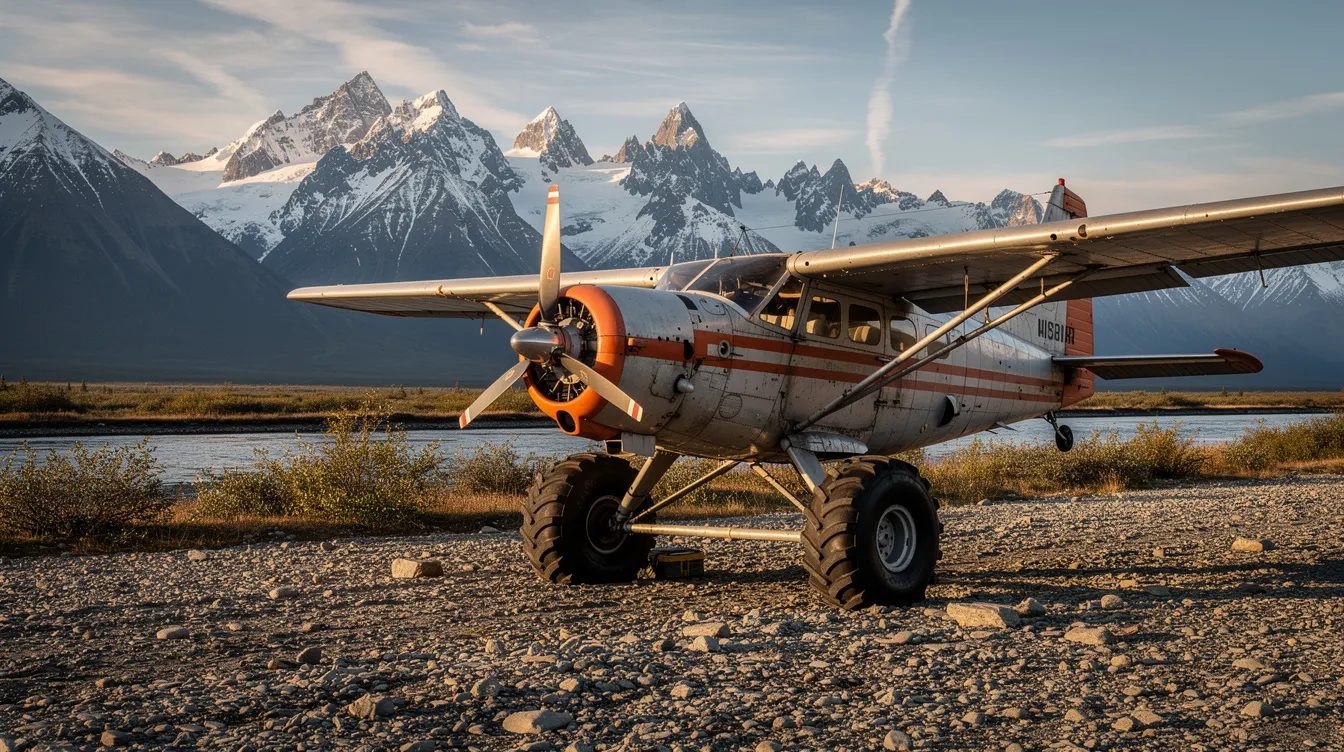
For a certain kind of traveler, the final destination isn't a major airport terminal. It's a gravel bar in the Alaskan interior, a frozen lake in the Yukon, or a narrow grass strip carved into an Idaho canyon. Getting there requires a special category of aircraft that most people have heard of but few truly understand: the bush plane.
This post explores the history, design, and operational realities of bush planes, then connects the dots to modern private aviation — showing how high-net-worth travelers can combine the speed and comfort of a private jet with the rugged access that only a bush plane can provide.
What Is a Bush Plane? (Fast Answer Up Front)
A bush plane is a specialized aircraft designed to operate in rugged, undeveloped regions — places where traditional infrastructure is lacking, roads don't exist, and paved runways are nowhere in sight. We're talking about the wilderness areas of Alaska, Northern Canada, Idaho's backcountry, and the African savannah, where these planes serve as the only reliable lifeline between civilization and the remote communities, mines, lodges, and survey sites scattered across vast landscapes.
Bush planes enabled year-round access to these outposts long before highways arrived, especially from the 1930s through the 1980s. They provided critical services such as cargo delivery and medical evacuations, and they remain essential for backcountry tourism and exploration to this day.
Here's what sets them apart:
High-wing configuration. Bush planes typically have a high-wing layout for better ground clearance over rocks, brush, and uneven terrain, plus superior downward visibility when scouting landing sites from the air.
Oversized tundra tires, floats, or skis. Many bush planes have oversized tundra tires for rough terrain. They are also adaptable to various landing gear options like skis for snowfields and floats for lakes and rivers.
Tailwheel design. They commonly utilize a tailwheel configuration instead of a nosewheel design, which provides better prop clearance on uneven ground.
STOL performance. Bush planes often feature Short Takeoff and Landing capabilities, allowing them to take off and land on unprepared surfaces — gravel bars, frozen lakes, meadows — often within 500 to 1,000 feet.
Simple, durable construction. Tube-and-fabric or all-metal airframes built to absorb punishment, repaired with basic tools in the field rather than in a certified hangar.
Concrete examples include the de Havilland DHC-2 Beaver, first flown in 1947 and widely regarded as the greatest bush plane ever built. The PA-18 is a popular bush plane model — the Piper PA-18 Super Cub, first flown in 1949, remains a two-seat favorite for backcountry operations. And the Cessna 180 Skywagon, first flown on May 26, 1952, carried lots of cargo into remote strips for decades.
How does this connect to modern private aviation? The same design principles — rugged access, flexible terrain capability, minimal infrastructure requirements — still matter when discerning travelers want to reach destinations beyond major airports. BlackJet doesn't operate bush planes directly, but its Jet Card programs are designed to get clients efficiently to regional hubs where vetted bush or floatplane operators handle the final leg into the wilderness.
History of Bush Planes and Backcountry Flying
Early bush flying emerged in the 1920s and 1930s across Alaska, Northern Canada, and the mountainous backcountry of Idaho and Montana. Pilots decided to push into territory where no one else would go, using rivers, sandbars, frozen lakes, or short meadows — often under 1,000 feet — as their runways. The challenge was immense: extreme geography, brutal weather, and virtually no infrastructure meant every flight was a test of skill and nerve.
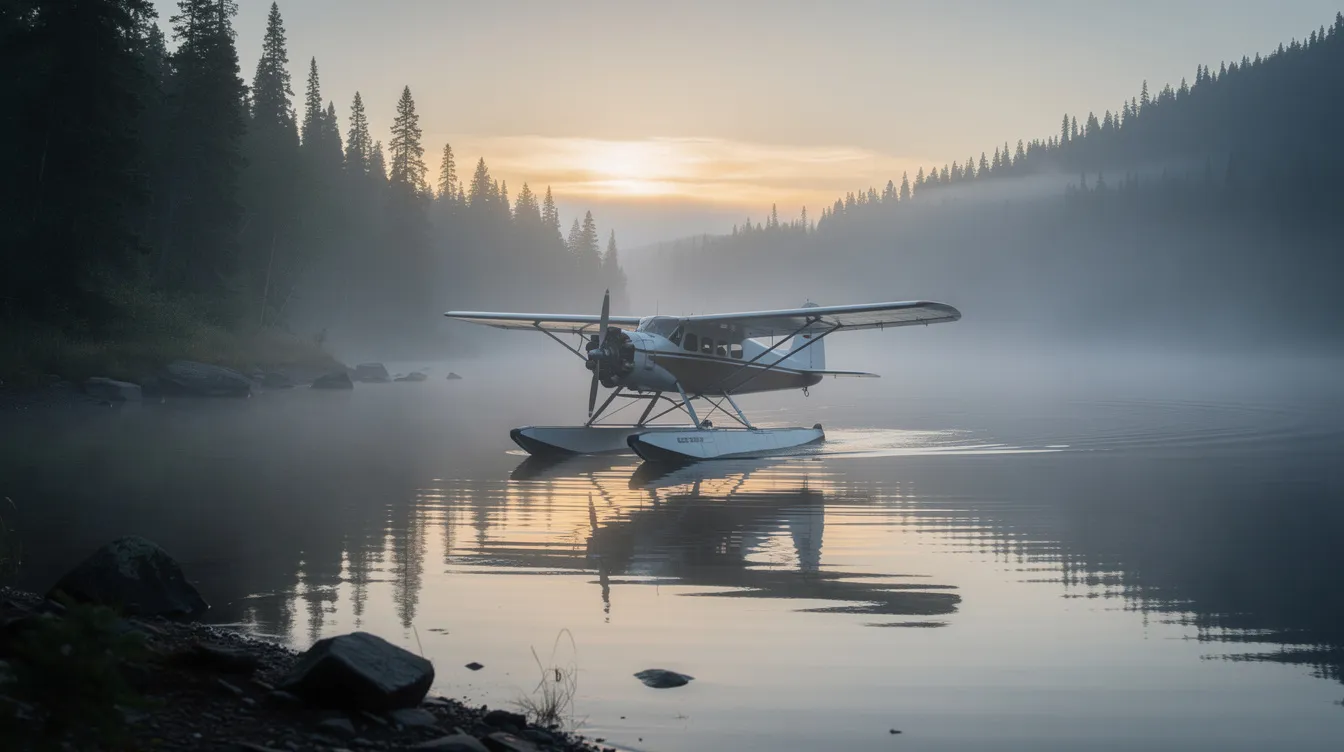
During the interwar and WWII eras, surplus military aircraft found second lives in the bush. Multi-engine trainers were used in the British Commonwealth Air Training Plan, and after the war, planes like the Avro Anson V were repurposed for civilian duty. Canadian operators such as Kenting Aviation and Spartan Air Services used Anson Vs for Arctic survey and mapping missions, flying photography runs over terrain no road would ever reach. The Beech Staggerwing was used in backcountry aviation throughout this era as well, its distinctive reverse-stagger biplane design carrying mail, passengers, and freight into remote settlements.
A couple of specific operations illustrate the scope. In 1947, Grumman Mallard amphibians — including early registrations like NC2957 — began serving lakeside lodges and fisheries in Quebec's wilderness. The Grumman Mallard was used for field repairs in wilderness areas, its rugged construction tolerating conditions that would ground less durable aircraft. Meanwhile, post-war expansion in Idaho saw the creation of backcountry strips like Johnson Creek and Cabin Creek (the latter barely 700 feet long), catering to hunters, anglers, and ranchers who had no other way in or out.
The evolution toward purpose-built bush aircraft reflected what operators actually needed. The de Havilland Beaver (first flight 1947) and its larger sibling the Otter (1951) offered the payload capacity and STOL performance that heavier multi-engine types like the Anson simply couldn't match on short, rough strips. Later, the single-engine Cessna Skywagon series — the 180 in 1952, the 185 in 1961 — gave pilots lighter weight, better power-to-weight ratios, and lower fuel consumption. Pilots could fly lower, slower, and safer while carrying meaningful loads.
Cultural aspects of bush flying are worth a note. Vintage photos from the 1970s reveal flamboyant paint schemes on Tri-Pacers and Luscombe T8F aircraft, pilots in leather jackets and wool scarves, and the camaraderie that formed around remote airstrips. Family archives from this era read like adventure novels — emergency landings, packhorse supply drops, and improvised repairs with whatever was on hand.
Today, these aircraft and their stories are preserved in museums like the Canada Aviation and Space Museum and in private collections around the world. If you watch documentary footage or browse any aviation forum, you'll find passionate communities keeping the legacy alive. These planes shaped the broader ecosystem of regional aviation that modern private aviation companies — including BlackJet — rely on for onward connections to remote destinations, a network that also underpins many of the advantages discussed when weighing whether chartering a private jet is worth it.
Key decades and iconic aircraft:
1940s–1950s: Beaver, Otter, early Cessna high-wings; amphibians like the Mallard; floatplanes begin widespread use across Alaska and Canada.
1960s–1970s: Bush-modified Cessnas proliferate; upgrades like tundra tires and extended-range tanks; growth of backcountry strips in Idaho and Montana.
1980s–1990s: Turboprop conversions, glass cockpit retrofits, floatplane tourism boom.
Today: Legacy aircraft meticulously restored; modern bush-capable planes with improved engines and avionics; continued operational use alongside museum preservation.
Key Characteristics of a Bush Plane
What makes a bush plane a bush plane? It comes down to a specific combination of performance, structure, payload capability, avionics, and cabin configuration. Where a private or business jet is optimized for speed, altitude, pressurization, and luxury, bush planes prioritize rugged versatility, low-speed handling, and field adaptability. Understanding these traits helps explain why different types of planes exist for different missions.
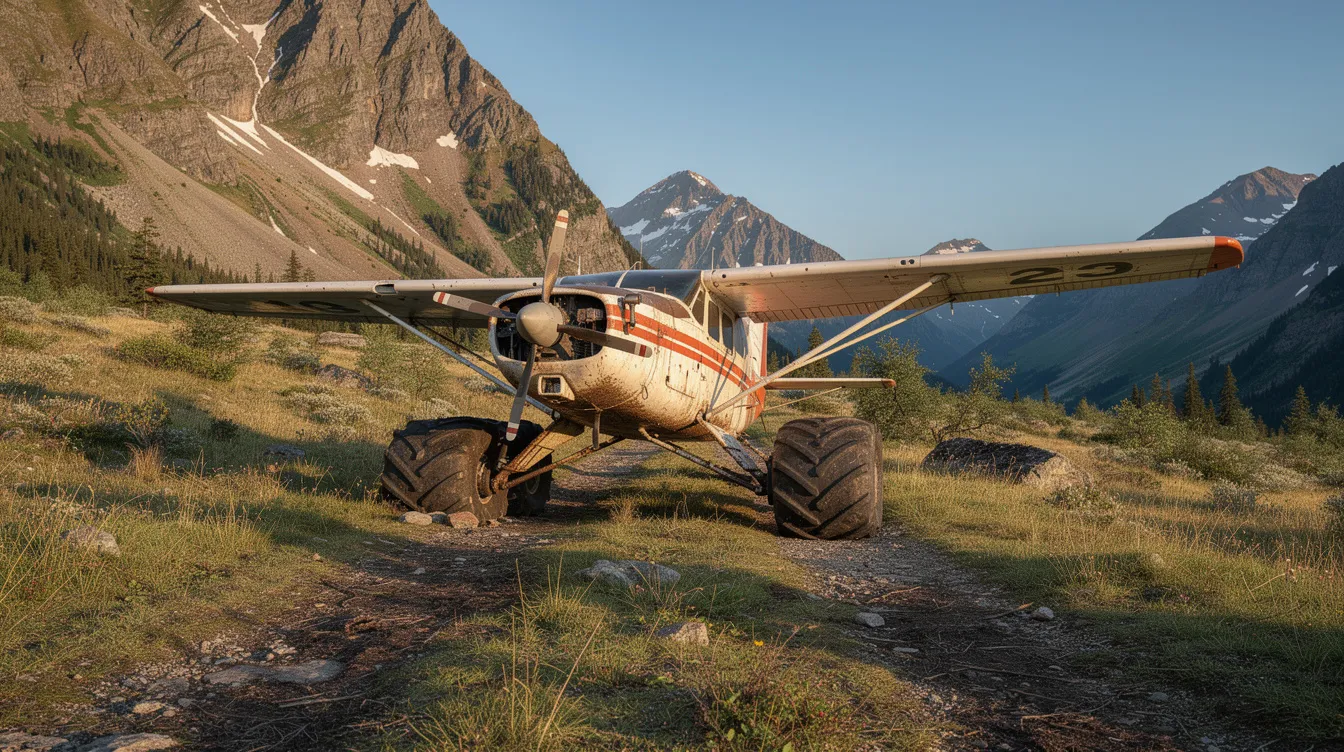
Flight performance. Bush planes are designed for rough terrain landings and STOL operations. Takeoff and landing distances often fall under 1,000 feet at light weights — sometimes under 500 feet with modifications. The Piper PA-18 Super Cub, for instance, can achieve takeoff rolls as short as 200 feet with engine upgrades, and its stall speed sits around 38–42 mph. Steep climb rates to clear obstacles and strong power-to-weight ratios are essential. Pilots train specifically in soft-field operations and short-field approaches, managing energy on approach in ways that general aviation training barely touches.
Airframe design. The high-wing configuration is nearly universal among bush planes. It keeps the wings above obstacles like rocks and brush, allows loading and unloading from beneath the fuselage, and gives the pilot unobstructed downward visibility for scouting river bars and gravel strips. Fixed, rugged landing gear — no retractable mechanisms to jam or fail — is standard. Alternatives include skis for snowfields and floats for lake and river operations, which is why amphibious aircraft remain so popular in bush aviation.
Payload and range. Bush planes are built for durability to survive tough landings on uneven ground, but they must also carry meaningful loads. The Beaver's useful load sits around 1,000–1,200 kg depending on configuration, enough to carry supplies, fuel drums, hunters, or survey teams. The Super Cub's gross weight is roughly 1,500 lb with a useful load of approximately 650–700 lb. There's always a trade-off: a heavier load cuts into STOL performance and climb rate, especially at high density altitude. Conservative planning is non-negotiable. They provide critical services such as cargo delivery and medical evacuations — missions where payload reliability can be a matter of life and death.
Avionics and reliability. Historically, bush planes carried minimalist instrumentation: a compass, altimeter, airspeed indicator, basic radio. Everything was designed to be fixable in the field with limited tools. Modern restorations and upgrades now include glass cockpits, GPS, satellite communications, and ADS-B transponders — dramatically improving situational awareness without sacrificing ruggedness. This parallels how BlackJet prioritizes advanced avionics and real-time safety standards across its jet fleet.
Cabin and configuration. Interiors are utilitarian by design: large cargo doors, removable seats, tie-down points for freight, and sometimes external cargo pods. There's no pressurization, minimal insulation, and lots of vibration. Compare this with the pressurized, climate-controlled cabins of private jets available through programs like BlackJet's Jet Card. Bush planes are mission-first tools, not comfort-first aircraft — a distinction that matters when planning multi-leg itineraries.
Operational Realities: Challenge, Safety, and Modern Standards
Flying bush planes remains one of the most demanding forms of aviation. Every flight is a challenge: remote terrain, unpredictable weather, limited infrastructure, and high pilot workload combine to make bush operations inherently higher-risk than standard general aviation or business jet travel. But modern safety standards, technology, and regulatory oversight have evolved significantly.
Environmental and terrain challenges. Operators routinely contend with gravel bars, snowfields, and high-density-altitude mountain strips — Idaho backcountry fields sit at 5,000–7,500 feet elevation, where thin air reduces engine and wing performance. Soft surfaces risk sudden deceleration and prop strikes. Crosswinds in narrow valleys, wildlife on runways, and rapidly changing Arctic or alpine weather add layers of complexity. Many of these strips have limited or no weather reporting, which suggests that pilots must rely heavily on personal observation and experience.
Pilot skill and training. Specialized training is essential. Mountain flying, off-airport procedures, density altitude awareness, and advanced energy management on approach are all part of the playlist for any serious bush pilot. Pilots undergo rigorous training and certification processes before they're trusted with passengers in these environments. Historical incidents often trace back to inexperience — misjudging density altitude, rushing approaches, or overloading aircraft. Stories from DEW Line operations in the Arctic describe gear repairs attempted in blizzard conditions, a reminder of why rushed field maintenance under pressure can be hazardous.
Maintenance and airworthiness. Vintage bush planes — many now 50 to 70 years old — present real maintenance challenges. Parts scarcity, corrosion, aging engine components, and the temptation to fly "one more trip" with minor damage have historically contributed to incidents. Aircraft are subject to regular maintenance checks for safety, and modern regulatory frameworks under FAA Part 135 and Transport Canada enforce stricter inspection regimes even for backcountry operators. In Alaska, operators like Hageland maintain computerized systems tracking every aircraft's maintenance status in real time.
Modern safety expectations. The FAA's DYAASI initiative (Don Young Alaska Aviation Safety Initiative) is working to improve remote aviation infrastructure — weather observing stations, surveillance systems, charting, and communications — to reduce the accident rate in bush operations. Safety certifications are essential for private aviation operations, whether we're talking about a floatplane in the Yukon or a large-cabin jet departing Teterboro. Many bush operators now integrate satellite tracking, weather uplinks, and standardized procedures into daily operations.
Risk management for travelers. For high-net-worth or adventure travelers considering bush flights, due diligence matters enormously. Verify operator credentials: FAA Part 135 certification, aircraft maintenance history and time since overhaul, pilot experience specific to the region and terrain, and the operator's safety record. Private jets must comply with FAA safety regulations, and the same scrutiny should apply to bush and regional operators. Choosing reputable operators through curated networks — such as those used or recommended in conjunction with BlackJet's charter and Jet Card trips — dramatically reduces risk compared with booking unknown operators found through a random online forum or local recommendation.
The bottom line: operational context - terrain, weather, pilot quality, maintenance discipline - matters far more than aircraft make or model when it comes to bush flying safety.
Bush Planes, Private Jets, and How BlackJet Fits In
Bush planes and private jets occupy opposite ends of the aviation spectrum. Bush planes are slow, unpressurized, and rugged. Private jets are pressurized, fast, smooth, and luxurious. For travelers who want to combine long-distance speed with access to remote lodges, fly-in experiences, or wilderness destinations, the journey often involves multiple segments: a major leg by private jet, then a final leg via bush plane or floatplane. BlackJet bridges these worlds through its premium private jet card programs, ensuring clients experience seamless transitions without compromising on safety or time.
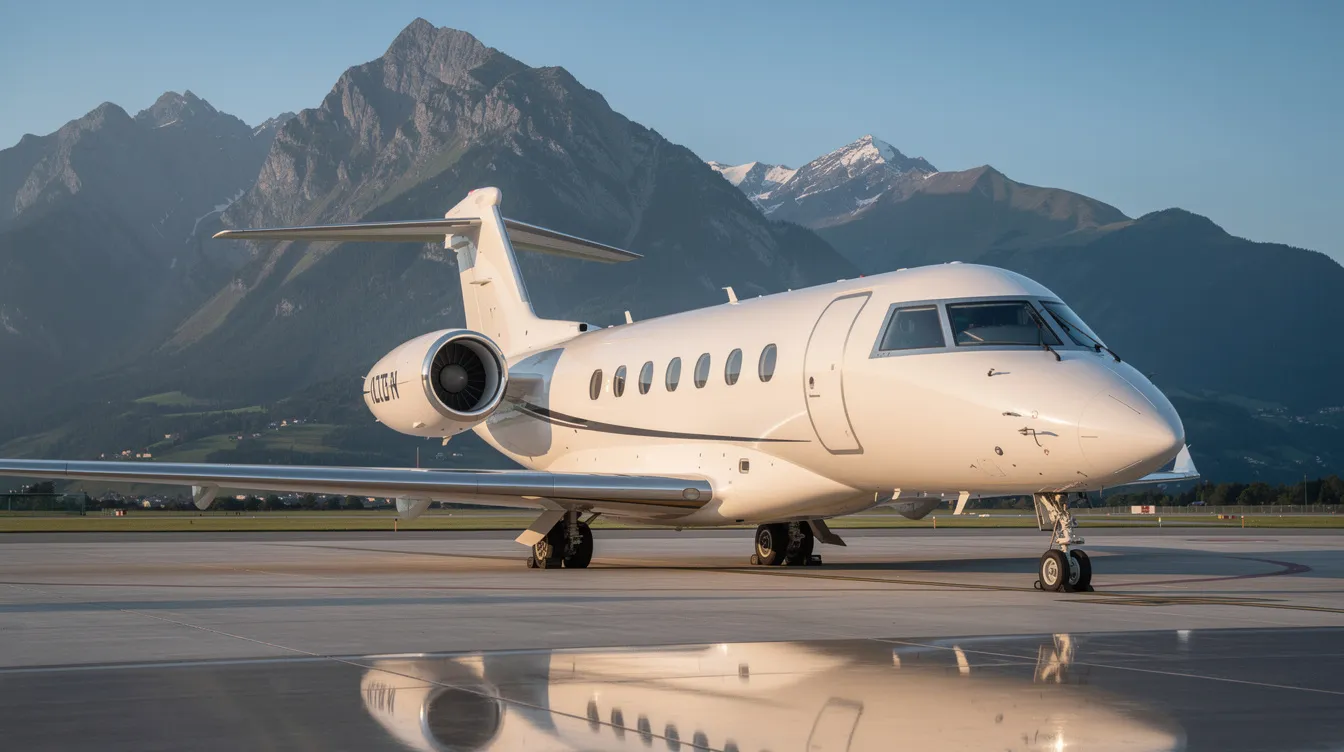
Use-case scenarios. Consider a BlackJet Jet Card member flying from New York to Anchorage on a super-midsize jet — four hours of productive, comfortable travel in a pressurized cabin. Upon arrival, a vetted local operator is waiting with a de Havilland Beaver on floats to deliver the client to a remote Alaskan lodge accessible only by air. Another scenario: an executive team flies privately into Boise or Missoula, then transfers to a Cessna 185 or turbine Otter for a short hop into backcountry strips like Johnson Creek (3,400-foot turf runway at roughly 4,930 feet MSL). These aren't hypothetical — this is how experienced adventure travelers and corporate retreat planners actually move through remote regions.
Jet Cards vs. owning or chartering bush planes. Jet cards offer prepaid access to private jets, and BlackJet's programs typically include 25-hour or 50-hour options across multiple cabin types, similar in structure to other 25-hour jet card guides. Jet card users value flexibility and privacy in travel — they want predictable access without the complexity and liability of owning specialized aircraft. Owning or chartering bush planes adds layers of complication: operator licensing, ongoing maintenance, pilot availability, weather dependency, and lower speed and comfort. For most high-net-worth travelers, leveraging a Jet Card for the long-range, time-critical legs and partnering with vetted regional operators for the bush segment delivers far better value than trying to manage an entire fleet, especially when compared with piecing together trips on the cheapest private aircraft options purely on a cost basis.
Comfort, speed, and safety trade-offs. The contrast is stark. Light jets, midsize, and large-cabin jets offer pressurized cabins, high-altitude cruise, speeds of 400–500+ knots, and refined interiors. Classic bush planes fly lower (often unpressurized), slower (cruise speeds of 100–150 knots), with more vibration and less noise insulation. BlackJet ensures high safety and certification standards on every private jet flight. When an itinerary requires a bush or float segment, BlackJet works only with reputable, properly certified operators — the kind that treat safety as non-negotiable rather than aspirational. You can learn more about how BlackJet compares to commercial options in destinations like Alaska, or explore broader strategies for buying a seat on a private jet when a full aircraft charter isn't necessary.
Sustainability and carbon-neutral travel. Sustainable aviation aims to reduce carbon emissions across all flight segments, not just the jet portion. Repeated backcountry flying does carry environmental costs — fuel burn per passenger, noise impact on wilderness areas. Carbon offset options are available for aviation travel, and sustainable aviation fuels can reduce lifecycle emissions by 80%. BlackJet is committed to carbon-neutral private flights through verified offset programs, and this commitment can extend to entire itineraries that combine jet segments with regional or bush operations, even when clients are flying on some of the top private jets in the world. It's not just about talking the talk — it's about measurable accountability across every leg.
Technology and real-time support. They include 24/7 digital booking tools for convenience, and BlackJet's real-time support teams coordinate complex multi-leg journeys — including timing connections with regional and bush operators to avoid delays or weather-related complications. This integrated planning eliminates the operational challenge for the traveler, who benefits from a single point of contact for a sophisticated, multi-aircraft itinerary. Jet cards provide access to multiple cabin types, so whether the main leg calls for a light jet or a large-cabin aircraft, the booking process remains seamless.
For those curious about what bush airplanes cost to own or operate, the economics reinforce why a Jet Card model makes sense for the primary journey, especially when you compare them with a larger 100-hour jet card cost framework. Ownership of even a single bush plane involves annual maintenance costs, hangar fees, insurance, and pilot retainers — a financial load that's hard to justify unless you're flying into the backcountry every week.
Frequently Asked Questions About Bush Planes
What is a bush plane used for?
Bush planes are used to access remote and rugged areas where conventional aircraft cannot operate. They deliver cargo, transport passengers, support medical evacuations, and enable tourism in wilderness regions.
What makes a bush plane different from other aircraft?
Bush planes feature high wings, oversized tundra tires or floats, tailwheel landing gear, and Short Takeoff and Landing (STOL) capabilities that allow them to operate on unprepared surfaces like gravel bars, frozen lakes, and grass strips.
Are bush planes safe to fly?
Yes, when operated by experienced pilots and certified operators who follow rigorous maintenance and safety standards, bush planes are safe. However, flying in remote terrain carries inherent risks that require specialized training and risk management.
Can I combine bush plane travel with private jets?
Absolutely. Many travelers use private jet services like BlackJet’s Jet Card programs for long-haul flights to regional hubs, then connect with vetted bush plane operators for the final leg to remote destinations.
What types of landing gear do bush planes use?
Bush planes can be equipped with tundra tires for rough terrain, floats for water landings, or skis for snow and ice, depending on the environment.
Are bush planes pressurized?
Most bush planes are unpressurized to keep weight and complexity low, which limits their typical cruising altitude compared to private jets.
How do bush planes handle extreme weather?
Pilots undergo specialized training for mountain and remote weather conditions. Operators use weather reports, personal observation, and experience to safely navigate challenging environments.
Do bush planes have modern avionics?
While traditional bush planes had minimal instrumentation, many are now upgraded with GPS, satellite communications, and glass cockpits to improve safety and situational awareness.
What is the cost of operating a bush plane compared to private jets?
Operating costs for bush planes include maintenance, fuel, and pilot fees, but owning and managing a bush plane fleet is complex. Jet Card programs offer a more flexible and cost-effective solution for travelers needing access to both remote and major airports.
How does BlackJet ensure safety when incorporating bush plane travel?
BlackJet partners only with certified and reputable bush plane operators, ensuring all flights meet strict safety and maintenance standards, providing clients with secure multi-leg itineraries.
Bush planes aren't relics of a bygone era. They remain indispensable tools for reaching places where no road, no terminal, and no paved runway will ever exist. From gravel bars in Alaska to frozen lakes in the Yukon to narrow canyon strips in Idaho, these aircraft continue to deliver people, supplies, and possibilities into the world's most remote corners.
Conclusion: The Strategic Advantage of Combining Bush Planes and Private Jets
For travelers who demand more than just luxury—who seek access to the most remote and challenging destinations—bush planes and private jets together offer an unmatched strategic advantage. Bush planes provide the rugged versatility necessary to land where few others can, while private jets deliver speed, comfort, and safety for the long-haul journey. BlackJet’s Jet Card programs seamlessly integrate these worlds, offering high-net-worth and corporate travelers a turnkey solution that respects their time, privacy, and safety.
This combination is not merely about transportation; it’s about unlocking possibilities—whether for business, exploration, or leisure. By leveraging the strengths of both aircraft types and partnering with vetted operators, travelers gain effortless access to wilderness lodges, remote camps, and backcountry retreats without sacrificing the premier experience expected from private aviation.
As sustainability and technology continue to evolve, so too will the options for responsible, carbon-neutral travel that spans from urban centers to the wildest frontiers. BlackJet stands at the forefront, committed to innovation, safety, and environmental stewardship across every leg of your journey.
For the discerning traveler, the smartest approach isn't choosing between a private jet and a bush plane — it's combining them. A Jet Card handles the long-haul legs with speed, comfort, and safety, delivering many of the benefits outlined in broader overviews of the best jet cards for frequent flyers. A vetted bush operator handles the final miles with the kind of rugged expertise that only decades of backcountry flying can produce.
Explore how BlackJet can design your next itinerary — from runway to riverbank — by discovering our Jet Card programs and dedicated BlackJet 25+ Hour Jet Card solutions today.


 Sign up with google
 Sign up with Apple