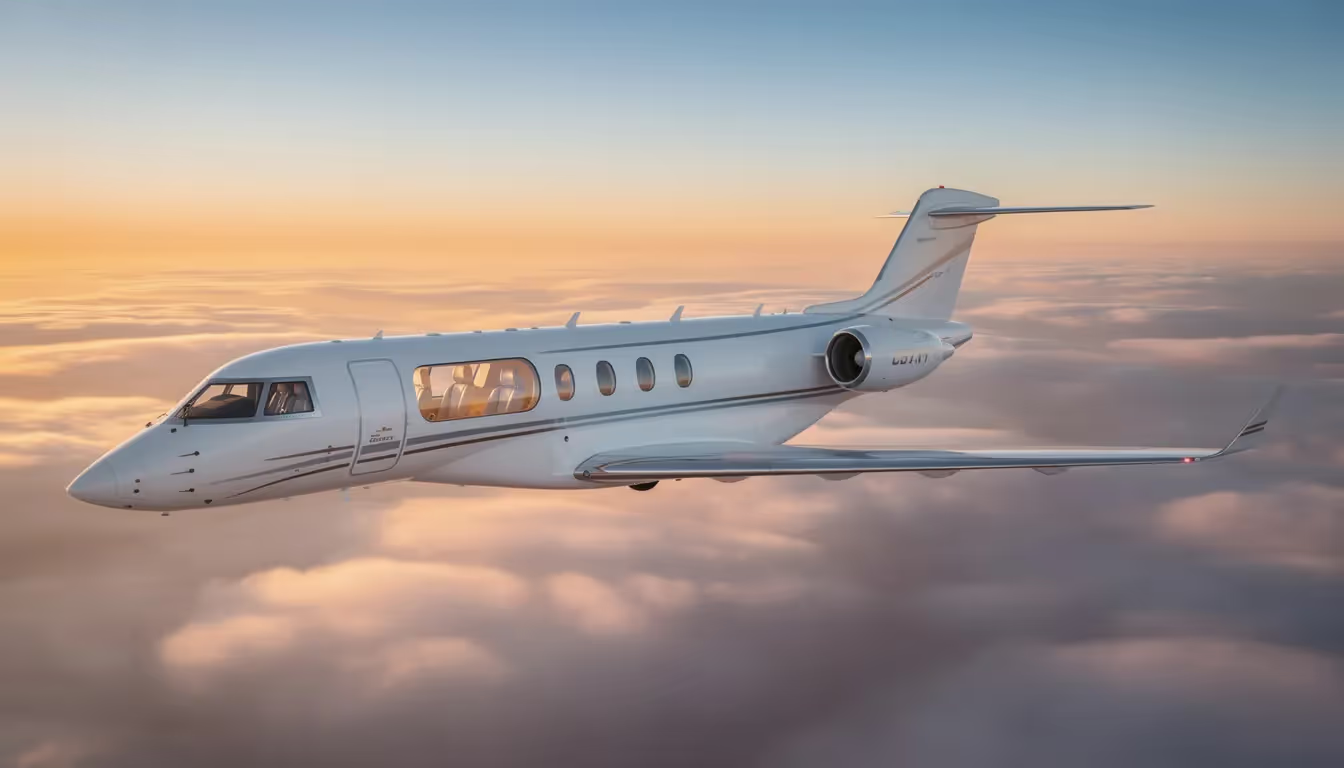
In the world of private aviation, single-pilot jets represent something unique: not just freedom, but freedom on your terms. These aircraft allow pilots to fly solo, avoid the overhead of crewing, and enjoy streamlined operating costs without compromising comfort, performance, or prestige. Jets in the air today showcase some of the most cost-effective options for private air travel, but it's important to note that while single-pilot jets are more accessible, most people still cannot afford the high costs of ownership and operation.
What was once considered out of reach—owning a private jet—has become surprisingly accessible for those who know where to look. In fact, some entry-level private jets are priced at the same level as luxury homes or supercars. However, while some jets may seem cheap compared to other luxury items, the total money required for ownership—including maintenance, fuel, and inspections—adds up quickly and can far exceed the initial purchase price.
And the demand is growing. Driven by efficiency and flexibility, single-pilot jets are increasingly sought after by seasoned pilots, entrepreneurs, and aviation enthusiasts. Whether it’s for business or leisure, single-pilot jets are emerging as the gateway to personal aviation. For most people with a typical job, though, the ongoing costs make private jet ownership financially impractical.
Let’s explore the top affordable options—and what it takes to truly own one. Be sure to research all costs involved, not just the purchase price, as the initial purchase price is just the beginning of the financial commitment.
The Rise of Single-Pilot Jet Ownership
Why They're Gaining Traction
Single-pilot jets appeal to business travelers, aviation hobbyists, and high-net-worth individuals alike for one reason: independence. You don’t need a co-pilot. You don’t need a full crew. You control the schedule.
This level of autonomy makes them ideal for:
In short, they’re the strategic private jet—lower in cost, rich in convenience, and powerful enough for most domestic and short-haul international missions.
Top Cheapest Single-Pilot Jets
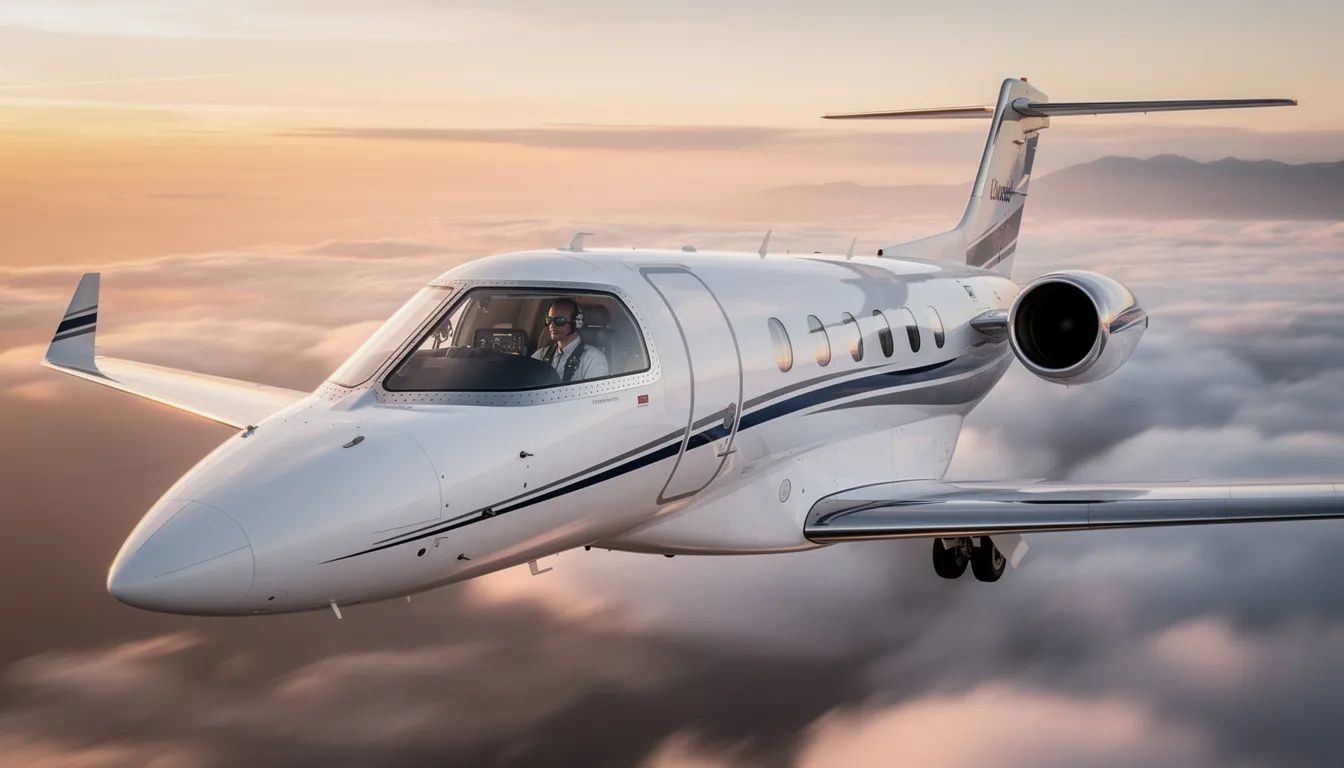
When searching for the cheapest single-pilot jets, it's important to look at real-world examples of aircraft that combine affordability with performance. The following jets are prime examples of affordable single-pilot options available to private pilots. This list is the answer to the common question: which jets are the most cost-effective for private pilots seeking to minimize expenses without sacrificing capability?
Cirrus Vision Jet G2+
Price: Around $3 million new, $1.9 million used
Seats: Up to 7
Range: 1,275 nautical miles
Cruise Speed: 345 knots
The Cirrus Vision Jet G2+ is widely considered one of the most affordable private jets on the market. Its advanced avionics and luxurious cabin accommodate up to seven passengers, making it a standout for both safety and comfort. It is also the only certified single-engine jet with a whole-airframe parachute system, enhancing pilot confidence and passenger safety.
Cessna Citation Mustang
The Citation Mustang is a popular and reliable choice among single-pilot jets, known for its remarkable performance and luxurious interior. Though discontinued, it remains sought after in the used market, offering jet-class speed and comfort for pilots transitioning from piston aircraft. The Mustang requires a type rating, reflecting its complexity and performance capabilities.
Eclipse Jet 550
The Eclipse Jet 550 is noted for its fuel efficiency and compact size, making it a cost-effective option in the single-pilot jet category. As one of the most affordable twin-engine jets, it offers low operating costs, ideal for short business trips. Used Eclipse 500 models are readily available in this price range, appealing to budget-conscious buyers.
HondaJet Elite
Honda, as a company with a strong reputation in the aviation industry, has established the HondaJet as a standout in the market. The HondaJet is recognized for its innovative over-the-wing engines, which enhance the airplane's fuel efficiency, reduce cabin noise, and contribute significantly to its overall value and performance. It offers premium features and sleek performance, competing with Phenom-class jets. The upcoming HondaJet Echelon, expected to begin flight testing in 2026, aims to be the first single-pilot light jet airplane with a transcontinental range of 2,625 nautical miles, further expanding the company's presence in the private jet market.
Embraer Phenom 100 and 100EV
Price: Starting around $4.5 million for the new 100EV variant
Seats: 4–7
Range: Approximately 1,178 nautical miles
Cruise Speed: 390 knots
The Embraer Phenom 100 is known for its reliability and efficiency, making it a favorite among cost-effective single-pilot jets. As a small jet, the newer 100EV variant, along with the HondaJet, offers greater speed and range for those willing to invest at a higher price point, appealing to pilots seeking enhanced performance.
Embraer Phenom 300E
The Phenom 300E offers a spacious cabin and high performance, delivering a refined travel experience with room for up to nine passengers. It blends luxury with professionalism and requires a type rating, making it a popular step-up jet for owner-operators.
Pilatus PC-24
The Pilatus PC-24 is renowned for its versatility, capable of accessing remote airports thanks to its rugged design and short-field performance. Though not the cheapest, it offers unique operational flexibility for pilots needing access beyond standard airports.
Understanding the True Cost of Ownership
While the initial purchase price of a private jet may seem like the primary expense, it is only the tip of the iceberg. The true cost of airplane ownership includes not just upfront costs, but also ongoing expenses for inspections, maintenance, and repairs. Many new owners underestimate the significant ongoing costs associated with aircraft ownership, which can lead to financial strain.
Operational Costs to Expect
Fuel: Private jets can burn hundreds of gallons per hour, with fuel costs often running into thousands of dollars per flight. While some operational costs, such as fuel for certain military or surplus jets, may seem surprisingly cheap per hour, the total money spent on maintenance and repairs can be substantial. Fuel efficiency varies by model, with jets like the Eclipse 550 and HondaJet offering more economical consumption.
Maintenance and Inspections: Regular maintenance inspections can cost tens of thousands of dollars, especially for older aircraft that may require expensive repairs or compliance with airworthiness directives. Engine overhauls are a major expense, and the quality of the engines plays a critical role in both operational reliability and long-term value. Maintaining a jet is a complex job that requires skilled professionals, and these costs often exceed the initial purchase price over time.
Hangar Fees and Insurance: Secure storage and insurance premiums add to the yearly expenses.
Pilot Training and Recertification: Maintaining certifications, including type ratings and recurrent safety training, is essential for safe operation and adds to the cost.
Very Light Jets (VLJs)
VLJs, designed for fewer passengers (4-6), help reduce fuel and operational expenses, making them attractive for owners focused on efficiency and lower costs. For those considering alternatives, King Airs are a popular and affordable turboprop option, offering practical and maintainable aircraft for cost-conscious buyers seeking reliability and lower operating expenses.
Certification and Training: What You Need to Fly Solo
To operate single-pilot jets safely and legally, pilots typically follow a certification path:
Private Pilot License (PPL): The foundation covering basic flight skills.
Instrument Rating (IFR): Enables flying in low-visibility conditions.
Multi-Engine Rating: Required for twin-engine jets like the Eclipse 550 or Phenom 300.
Type Rating: Mandatory for jets over 12,500 lbs or complex aircraft such as the Citation Mustang and Phenom models.
Recurrency & Safety Training: Regular simulator sessions and check rides maintain proficiency.
Certification and type rating requirements can vary by country, so pilots must comply with the regulations of the specific country where the aircraft is registered or operated. In the United States, the FAA sets the standards for pilot certification and training.
Flying military surplus jets may require additional training and certification due to their unique characteristics and the specific regulatory requirements that often apply to military-origin aircraft.
Alternatives to Full Ownership
Full ownership isn’t the only way to enjoy private aviation. Alternatives include:
Chartering: Ideal for infrequent flyers, this pay-as-you-go model allows travelers to avoid high upfront costs, only paying per flight without the need for a significant initial investment.
Fractional Ownership: Buying a share in an aircraft reduces cost and management responsibilities but limits flexibility.
Jet Cards: These plans offer prepaid flight hours on specific fleets, providing concierge-level access and flexibility without the need for a long-term financial commitment or ownership burdens.
Conclusion: Redefining Affordable Private Jet Ownership
Single-pilot jets combine technology, comfort, and performance to redefine the flying experience. From the affordable Cirrus Vision Jet and Citation Mustang to the luxurious Phenom 300E and innovative HondaJet, there’s a model for every mission and budget.
However, prospective owners must consider the full scope of ownership costs and certifications to ensure their investment remains sustainable and enjoyable.
For those seeking seamless access without ownership hassles, programs like BlackJet’s Jet Card offer a smart alternative to traditional ownership.
Explore smarter private access and discover how single-pilot jets can elevate your aviation experience.


 Sign up with google
 Sign up with Apple