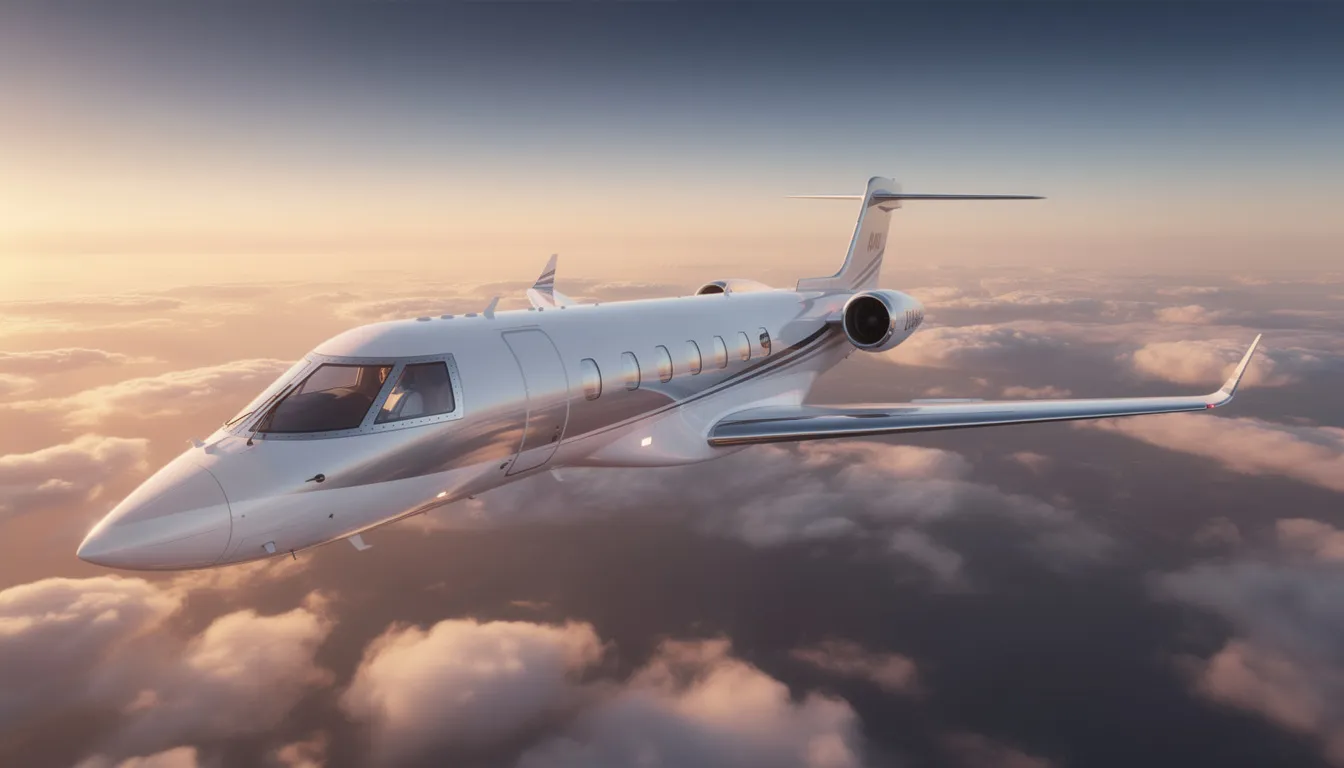
For discerning travelers, corporate executives, and ultra-high-net-worth individuals, private jet travel isn’t just about luxury—it’s a strategic asset. Whether shaving hours off transcontinental schedules or accessing remote destinations commercial routes can’t reach, the efficiency and control offered by private aviation are unparalleled.
But with efficiency comes responsibility—how much fuel a private jet uses is a critical consideration affecting operational costs, environmental impact, and aircraft selection. In this comprehensive guide, we’ll explore private jet fuel usage, fuel burn rates, private jet fuel cost** per hour**, and how factors such as weight, altitude, flight distance, and operational strategies affect fuel economy.
Let’s start by defining the units and terminology used to measure fuel consumption.
Private Jet Fuel Fundamentals
Understanding Jet A and Jet A-1: Conventional Fuel Types
Most private jets worldwide operate on Jet A or Jet A-1, kerosene-based aviation fuels. Jet A-1 has a lower freezing point and is standard outside the U.S., while Jet A is prevalent domestically. Both are considered conventional fuel options with well-established performance characteristics.
Jet Fuel Weight and Its Impact on Fuel Expenses
Jet fuel weighs approximately 6.7–6.8 pounds per gallon (lb/gal), a key factor in calculating takeoff weight, fuel load, and reserves. This weight affects the jet's fuel capacity planning and overall fuel consumption per hour.
Block Time vs. Cruise Burn: Understanding Fuel Consumption Ranges
Fuel consumption is measured in two main ways:
Cruise burn: fuel consumed per hour during steady, high-altitude cruise, representing the core fuel consumption per hour.
Block fuel: total fuel used from engine start to engine shutdown, including taxiing, climb, descent, and delays.
Knowing the difference helps estimate hourly fuel costs versus total trip fuel expenses.
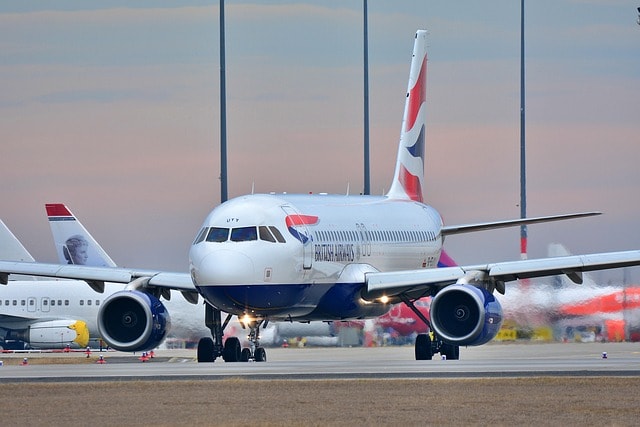
How Many Gallons of Fuel Do Private Jets Use by Aircraft Type?
Fuel consumption ranges widely depending on aircraft type, size, and mission profile. Here’s a breakdown of typical fuel per hour burn rates by jet category:
Jet Categories by Size and Typical Fuel Consumption Per Hour
Very Light Jets (VLJs): 60–95 gallons per hour
Light Jets: 90–200 gallons per hour (e.g., Embraer Phenom 300 gulps about 183 gallons per hour)
Midsize Jets: 220–350 gallons per hour
Heavy Jets: 340–500 gallons per hour
Ultra-Long-Range Jets: 330–540 gallons per hour (e.g., Bombardier Global 7500 burns about 528 gallons per hour)
These figures are based on manufacturer cruise-burn data but may vary by 5–15% in actual burn due to operational factors.
Light Jets: Fuel Efficiency and Usage
Light jets offer the best fuel economy for private jet travel under 3 hours, ideal for small groups and regional hops.
Common Light Jets and Their Fuel Consumption
On a typical 2.5-hour flight, these jets consume less than 1,000 gallons, making them cost-effective for quick domestic trips with lower fuel expenses.
Midsize and Heavy Jets: Increased Fuel Consumption
Midsize Jet Fuel Burn Rates
Typical Range: 220–350 gallons per hour
Examples: Hawker 800XP (~210 gal/hr), Citation Latitude (~190 gal/hr)
Midsize jets are optimal for coast-to-coast U.S. flights or medium-length international routes, balancing range and fuel efficiency.
Heavy Jet Fuel Consumption
Typical Range: 340–500 gallons per hour
Examples: Gulfstream G450 (~330 gal/hr), Falcon 900LX (~280 gal/hr)
Ultra-Long-Range Jet Fuel Usage
Flights such as New York to Tokyo or Dubai can burn 7,000–8,000 gallons or more per leg, highlighting the importance of fuel planning.
Cruise Speed, Altitude, and Their Effects on Fuel Consumption
Speed and Fuel Burn
Flying faster increases fuel consumption disproportionately. A 10% increase in cruise speed can raise fuel burn by 20% or more. Operators often prefer long-range cruise speeds to optimize fuel economy.
Altitude Effects on Fuel Efficiency
Flying at higher altitudes generally improves fuel efficiency due to reduced air resistance. Higher altitudes (above FL400) reduce drag, improving fuel economy. However, climbing initially burns more fuel. Long-haul flights use step-climbs—gradual altitude increases—to balance fuel burn and performance.
Weight, Load, and Their Impact on Fuel Usage
Increased Weight Means Higher Fuel Consumption
Every extra 100 pounds of weight can increase fuel burn by roughly 1–2%. Adding 5 passengers can raise fuel burn by 3–8%. Managing weight by reducing excess baggage and limiting cargo helps minimize unnecessary fuel consumption. Flying fully loaded with fuel and cargo may prevent reaching optimal altitude, reducing fuel efficiency.
Fuel Reserves vs. Usable Fuel
Operators load extra fuel for contingencies like alternate airports, weather delays, and holding patterns. Only usable fuel counts toward flight planning and performance calculations.
Factors Influencing Fuel Consumption
Private jet fuel consumption depends on several key factors including:
Aircraft weight and passenger load
Speed and altitude
Weather conditions such as strong headwinds which increase fuel usage
Aerodynamic efficiency, determined by aircraft design and maintenance
Flight distance, as shorter flights often use more fuel due to energy-intensive takeoffs and landings typical in private jet operations
Operational variables such as taxiing, climb, and descent profiles
Private Jet Fuel Cost: Current Per Gallon Prices and Hourly Costs
Jet Fuel Pricing Overview
Jet-A fuel prices vary widely:
Small regional airports: $4.00–$5.50 per gallon
Major Fixed Base Operators (FBOs), e.g., Teterboro: $7.00–$9.50 per gallon
Fuel costs can vary significantly based on timing and location, with higher prices often seen in Europe due to taxes and regulations. Fueling a large, long-range jet like a Gulfstream G550 might require $20,000–$30,000 for a single refueling.
Estimating Hourly Fuel Costs
Example: Gulfstream G450 burns 330 gallons/hour at $7.50/gallon → $2,475 per hour in fuel alone.
Fuel accounts for a significant portion of private jet operating costs, with annual expenses often ranging from $200,000 to over $1 million. Private jet fuel costs are generally higher per passenger than commercial flights due to smaller passenger counts and custom flight paths.
Fuel Surcharges by Charter Operators
Due to volatile fuel markets, providers may apply fuel surcharges ranging from $500 to $2,000 per trip, depending on jet size and flight duration.
Strategies to Improve Private Jet Fuel Efficiency
Choose the Right Jet for the Route
Avoid using a heavy jet like the Global 6000 for a short regional hop. Light jets can be 3x more fuel efficient for short missions.
Reduce Weight to Save Fuel
Every pound counts. Limit cargo and passenger loads, or opt for partial fuel loads, with strategic refueling stops.
Cruise Smart and Optimize Speed
Flying at long-range cruise speed instead of maximum cruise speed can save hundreds of gallons on long flights.
Plan Efficient Routes
Strategic route planning can optimize fuel usage during private jet flights. Utilizing flight planning software helps balance savings with flight time, leading to reduced fuel costs. Efficient routing, direct flight paths, and updated weather data minimize fuel waste.
Fly at Optimal Altitudes
Flying at higher altitudes reduces air resistance and improves fuel efficiency. Step climbs on long flights balance fuel burn and performance.
Adjust Scheduling and Airports
Flying outside peak periods can lead to more competitive pricing and improved fuel efficiency. Using secondary airports can also contribute to lower fuel costs and improved efficiency. Adjusting departure schedules helps manage fuel costs effectively.
Maintain Aircraft Properly
Regular maintenance and careful planning are essential for ensuring optimum performance and fuel efficiency. Well-maintained aircraft reduce drag and improve aerodynamic efficiency.
Environmental Impact and Sustainable Fuel Options
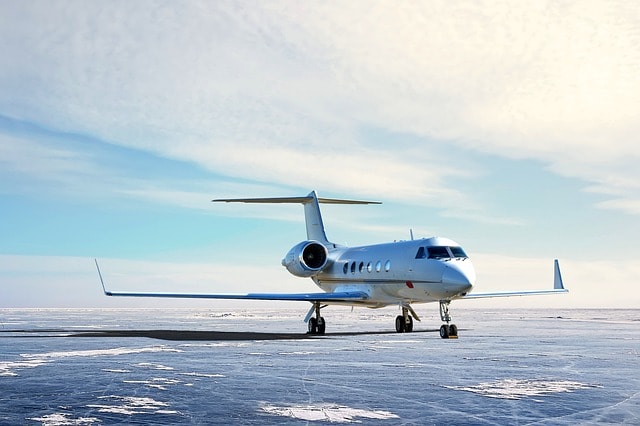
Carbon Emissions from Jet Fuel
Burning one gallon of Jet-A produces approximately 21.1 pounds of CO₂. A 4-hour heavy jet flight can emit over 25,000 pounds of CO₂. In addition to CO₂, nitrogen oxides (NOx) are emitted, impacting local air quality and contributing to global warming.
Altitude and Climate Change Effects
Flying at high altitudes can magnify the warming effect of jet fuel emissions due to contrail and cirrus cloud formation, increasing climate impact beyond CO₂ alone.
Sustainable Aviation Fuel (SAF)
A drop-in replacement for conventional Jet-A
Can reduce life-cycle carbon emissions by up to 80%
Increasingly available at major FBOs, supported by many private aviation providers and fractional jet ownership programs
Carbon Offsets and Green Initiatives
Some operators offer carbon-neutral flights through real-time offsets for CO₂ and non-CO₂ effects, promoting sustainable private jet travel.
Methodology, Variables, and Data Sources
This article references:
Manufacturer specs (Gulfstream, Bombardier, Embraer, etc.)
Industry databases: Conklin & de Decker, JetNet
FAA operational averages
Assumptions include cruise burn at a typical long-range cruise, ISA conditions, and standard payloads. Always verify with your operator’s specific aircraft logs for actual burn data.
FAQ: Quick Answers on Private Jet Fuel Use
How much fuel does a private jet use per hour?
Ranges from 60 to 540 gallons per hour, depending on aircraft size and type. Light jets burn the least; ultra-long-range jets burn the most.
What does jet fuel cost currently?
Prices range from $4 to $10 per gallon, depending on location and supplier agreements.
What is the difference between hourly burn and total trip burn?
Hourly burn refers to the cruise phase only. Total trip burn includes taxi, climb, descent, and reserves—usually 10–25% higher.
Discover a More Efficient Way to Fly
At BlackJet, we don’t just fly you faster—we fly smarter. From strategically matched aircraft to carbon-neutral journeys and transparent fuel planning, our Jet Card members experience private aviation as it should be: seamless, sustainable, and precision-driven.
Explore premium jet access with BlackJet.
Join our Jet Card program →


 Sign up with google
 Sign up with Apple