Private aviation represents the pinnacle of travel freedom, offering discerning travelers an experience that is both exclusive and highly personalized. Unlike commercial airlines, private jets provide passengers with the ability to fly on their own schedule, access a vast range of airports—including those not served by commercial carriers—and enjoy a level of comfort and privacy that is simply unmatched.
The private aviation industry is dedicated to delivering the highest quality of service, with a focus on safety, reliability, and attention to detail. Whether traveling for business or leisure, passengers benefit from a tailored environment that enhances productivity, allowing them to work, relax, or connect with others in a setting designed specifically for their needs.
By choosing private aviation, individuals unlock the freedom to discover new destinations, maximize their time, and enjoy an experience that elevates every journey. Ownership of a private jet provides maximum control and personalization but incurs higher financial responsibilities. The result is a seamless blend of efficiency, luxury, and convenience that redefines what it means to travel.
Key Takeaways
This comprehensive guide examines the strategic framework for private jet acquisition, addressing critical evaluation criteria, financial modeling, and operational considerations that distinguish sophisticated purchasers from impulse buyers. When buying a private jet, it is essential to carefully consider the process and select reputable sources to ensure you acquire a high-quality, inspected, and reliable aircraft. Whether you’re a corporate executive seeking operational flexibility or an ultra-wealthy individual prioritizing family security and convenience, understanding the seven-step acquisition process ensures informed decision-making aligned with your strategic objectives. For infrequent flyers, chartering a private jet offers flexibility and cost-effectiveness, avoiding the maintenance hassles associated with ownership.
Why Private Jet Ownership Represents a Strategic Advantage
Time Efficiency Analysis: Commercial vs. Private Aviation Door-to-Door Travel Times
The productivity advantages of private aviation become immediately apparent when analyzing door-to-door travel times. Consider a New York to Los Angeles business trip: commercial aviation requires arriving at the airport 90 minutes before departure, potential delays averaging 45 minutes, a 6-hour flight, 30 minutes for baggage claim, and ground transportation to the final destination. Total elapsed time: approximately 9 hours. Private aviation enables departure from Teterboro Airport in New Jersey with a 15-minute arrival time, immediate boarding, a direct flight in 5.5 hours, and landing at Van Nuys Airport—often closer to final destinations than LAX.
Total door-to-door time: 6.5 hours, saving 2.5 hours per trip. For multinational corporations managing operations across dispersed geographic markets, this time compression enables executives to visit multiple locations within a single day rather than multi-day trips required by commercial schedules. A Fortune 500 CFO can inspect manufacturing facilities in three different states within one business day, conduct acquisition due diligence visits without overnight stays, and respond to time-critical opportunities that would be impossible with commercial flight constraints.
Access to Exclusive Destinations Unreachable by Commercial Airlines
Private aviation provides access to over 5,000 airports globally compared to approximately 500 commercial destinations, enabling direct point-to-point travel that eliminates connection delays and geographic limitations. This access advantage proves particularly valuable for:
Mountain destinations: Aspen, Jackson Hole, Sun Valley, and Telluride require commercial passengers to fly into Denver or Salt Lake City, then drive 2-4 hours through mountain terrain
Island locations: Caribbean islands, Martha’s Vineyard, and Nantucket often lack reliable commercial service during peak seasons
International secondary markets: European ski resorts, Mediterranean coastal destinations, and Asian business centers are poorly served by commercial airlines
Emergency accessibility: Medical facilities, family emergencies, or business crises requiring immediate travel regardless of commercial schedules
Enhanced Productivity Through Mobile Offices at 41,000 Feet
Modern private jets function as mobile executive offices equipped with high-speed internet, conference calling capability, and secure communication systems, enabling productive work during flight. Unlike commercial aviation, where passengers face cramped seating, noise distractions, and limited privacy, private cabin environments support sensitive business discussions, confidential document review, and strategic planning sessions.
Corporate boards increasingly utilize private aviation for strategic retreats, enabling discussion of mergers, acquisitions, and executive decisions in secure airspace without risk of eavesdropping. The ability to conduct business while traveling effectively doubles the productive value of travel time, transforming transportation from necessary downtime into strategic work sessions.
Real-World Scenario: New York to Aspen in 3 Hours vs. 8+ Hours Commercially
A practical example demonstrates the operational transformation private aviation provides. A Manhattan-based investment banker planning a weekend ski trip to Aspen faces these commercial options:
Commercial Aviation: LaGuardia to Denver (4 hours) + 45-minute connection + Denver to Aspen (45 minutes) + ground transportation (30 minutes) = 6+ hours each direction, requiring Friday afternoon departure and Sunday evening return, consuming three full days.
Private Aviation: Teterboro to Aspen/Pitkin County Airport (3.5 hours direct) enables Friday evening departure after market close and Sunday afternoon return, preserving two full work days while providing equivalent ski time. The executive recovers 16 working hours per weekend trip—time that can be dedicated to client meetings, deal structuring, or family commitments.
For executives earning $500+ per hour in billable time value, the productivity preservation justifies substantial private aviation costs while improving work-life balance and reducing travel-related stress.
Aircraft Categories and Selection Criteria
Selecting the appropriate aircraft category requires detailed analysis of mission profiles, passenger requirements, and range specifications. To make the best choice, explore the different aircraft categories and find the best fit for your unique travel needs. Comprehensive listings of private jets for sale are available for review, allowing buyers to compare options and select the ideal aircraft. Buyers can browse aircraft for sale on a dedicated site, using the site to efficiently filter and compare available aircraft for sale to find the best deals. Avjet Global offers advanced features to filter listings by manufacturer and model. Each private plane for sale on Avjet Global undergoes rigorous inspections by expert technicians and aircraft engineers, ensuring quality and reliability.
Light Jets (4-8 Passengers)
Light jets represent the most accessible entry point for private jet buy decisions, offering regional travel capability at relatively manageable operating costs. Leading models include:
Cessna Citation CJ4: Priced at approximately $9.2 million new, the CJ4 accommodates up to 8 max passengers with a max range of 2,165 nautical miles. The aircraft measures 53.3 ft in length and has a wingspan of 50.9 ft. It features a forward galley design enabling catering service, modern avionics with advanced weather detection, and cabin pressurization maintaining 6,000-foot cabin altitude at 41,000 feet cruise. Ideal mission profiles include New York to Miami (2.5 hours), Chicago to Denver (2 hours), or Los Angeles to Phoenix (1.5 hours). Avjet Global specializes in high-quality private and business aircraft for sale, offering a range of options for discerning buyers.
Embraer Phenom 300E: The best-selling light jet globally, the Phenom 300E offers a max range of 2,010 nautical miles with seating for up to 9 max passengers. The aircraft has a length of 51.4 ft and a wingspan of 52.2 ft. The Advanced Prodigy Touch flight deck provides an intuitive pilot interface, while the cabin features a BMW Group DesignworksUSA interior with lie-flat seating options. Operating costs average $2,800-3,200 per flight hour, making it cost-effective for 100+ annual flight hours.
Light jets excel for:
Regional business travel within 3-4 hour flight times
Weekend recreational trips to ski resorts or coastal destinations
Corporate shuttle service between company facilities
Time-sensitive trips where commercial schedules prove inadequate
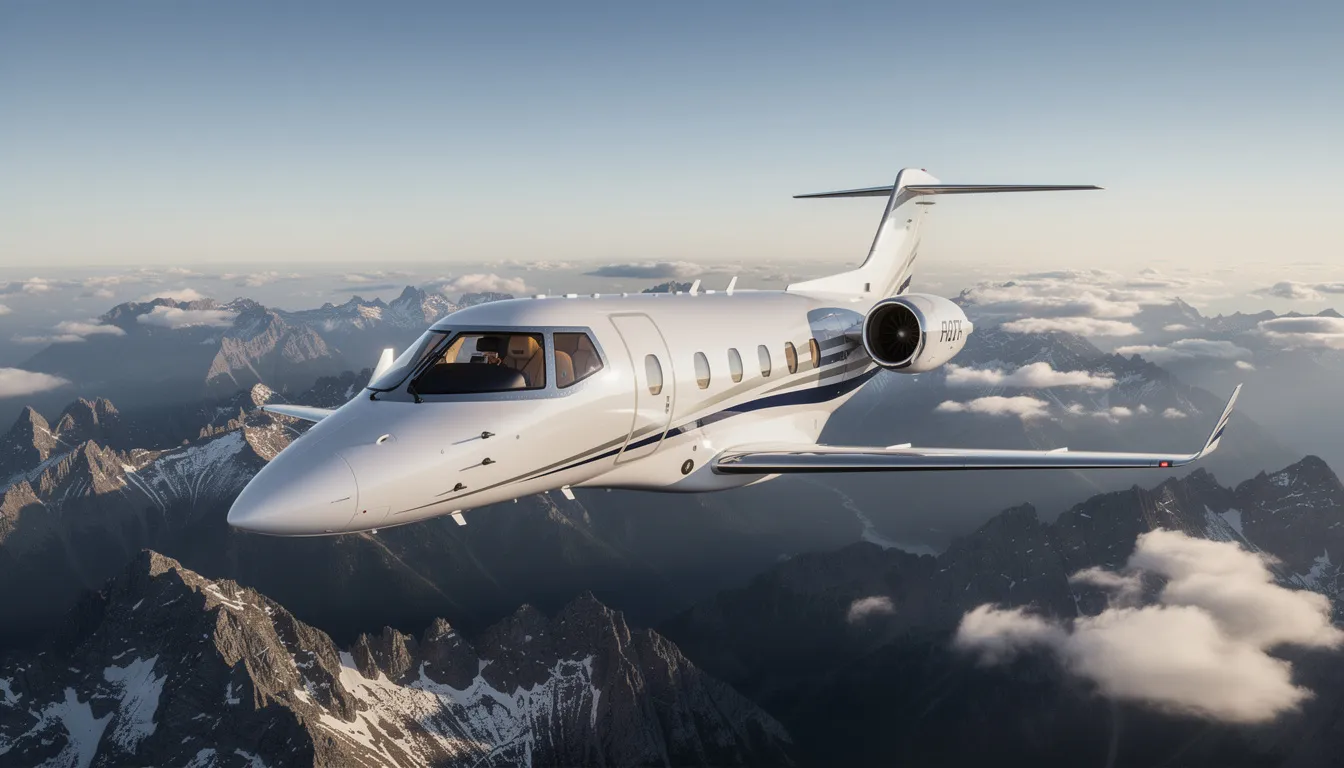
Midsize Jets (6-10 Passengers)
Midsize aircraft provide transcontinental capability while maintaining reasonable operating costs, representing the optimal balance between range and efficiency for many corporate users.
Bombardier Challenger 350: With 3,200 nautical miles range and seating for up to 10 passengers, the Challenger 350 enables coast-to-coast US travel with single-stop international flights. The aircraft features a flat-floor cabin design maximizing interior space, advanced Collins Pro Line 21 avionics, and Category II ILS approach capability, enabling operations in reduced visibility conditions. Operating costs range from $3,800 to $4,200 per flight hour.
Gulfstream G280: Combining 3,600 nautical mile range with exceptional fuel efficiency, the G280 represents advanced technology and operational economics. The aircraft features the industry’s lowest cabin altitude (6,000 feet at maximum cruise altitude), PlaneView 280 flight deck with synthetic vision technology, and enhanced weather radar capability. Typical mission profiles include New York to London (7 hours), Los Angeles to Hawaii (5.5 hours), or Miami to São Paulo (8 hours).
Midsize jets optimize for:
Transcontinental US business travel
International regional flights to the Caribbean, Central America, or Europe
Corporate teams requiring additional cabin space for meetings
Family travel demands comfort during 4-6 hour flights
Super Midsize and Large Cabin Jets (8-16 Passengers)
Large cabin aircraft provide intercontinental range with airline-quality cabin amenities, appealing to ultra-wealthy individuals and multinational corporations requiring global reach.
Gulfstream G650ER: The flagship of business aviation, the G650ER offers 7,500 nautical miles range, enabling non-stop flights from New York to Dubai or Los Angeles to Sydney. The maximum cruise speed of Mach 0.925 provides time savings on long-distance flights, while the cabin accommodates up to 19 passengers in four distinct living areas. Advanced avionics include Enhanced Vision System (EVS), enabling low-visibility approaches, and Synthetic Vision System (SVS), providing intuitive terrain awareness. The Gulfstream G700, another standout model, extends the range to 7,750 nautical miles, further enhancing its intercontinental capabilities. The G700 is powered by Rolls-Royce Pearl 700 engines, ensuring fuel-efficient flight performance. Additionally, the Gulfstream G700 cabin is designed for peak wellness with 100% fresh air replenished every two to three minutes, enhancing passenger comfort and reducing fatigue.
Bombardier Global 7500: With an industry-leading 7,700 nautical mile range, the Global 7500 connects any two cities globally with single-stop capability. The aircraft features four cabin zones, including a bedroom suite, a shower, and a dedicated crew rest area. Operating costs range from $6,500 to $7,500 per flight hour, justified by unmatched capability and passenger comfort.
Dassault Falcon 8X: Offering 6,450 nautical mile range with exceptional fuel efficiency, the Falcon 8X provides a flexible cabin configuration accommodating 12-16 passengers. The aircraft’s unique tri-jet design enables operations from shorter runways, including challenging airports like London City or Lugano, Switzerland. The Gulfstream G700 cabin is designed with up to five living areas, including a grand suite with a shower, ensuring unparalleled comfort and luxury for long-haul flights. Additionally, the G700 cabin maintains the lowest cabin altitudes at high elevations, enhancing passenger comfort and reducing fatigue.
Large cabin jets excel for:
International business travel requires a non-stop capability
Family groups demanding airline-quality amenities
Corporate boards conducting strategic retreats
High-profile individuals prioritizing security and privacy
Critical Evaluation Factors
Performance and Range Analysis
Aircraft selection requires a comprehensive mission profile assessment, examining typical trip distances, passenger loads, and operational requirements. Key performance metrics include:
Range Specifications: Manufacturers publish maximum range figures under optimal conditions (light passenger loads, favorable winds, minimal fuel reserves). Practical range calculations should account for:
Full passenger loads reduce available fuel capacity
Regulatory fuel reserves (45 minutes for domestic, 2 hours for international flights)
Adverse weather conditions require alternate airports
Payload-range trade-offs affecting passenger/baggage capacity
Airport Performance: Runway length requirements vary significantly between aircraft categories. Light jets typically require 3,500-4,500 feet for takeoff, while large cabin jets may need 6,000+ feet, limiting airport access. Critical considerations include options for your private flying needs:
Home base runway specifications
Frequently visited destinations with runway limitations
High-altitude airports (Denver, Aspen, Mexico City) require enhanced performance
Short runways at exclusive destinations (Teterboro, Jackson Hole, Nantucket)
Weather Capabilities: Advanced avionics enable operations in challenging weather conditions, but certification levels vary between aircraft. Category II/III ILS approach capability enables landings in visibility as low as 1,200 feet (Category II) or 700 feet (Category III), significantly improving operational reliability during winter months or adverse weather.
Cabin Configuration and Comfort
Cabin design profoundly affects passenger experience and aircraft utility for different mission types.
Living Space Optimization: Modern aircraft feature flexible seating arrangements accommodating various passenger loads. Club seating arrangements facilitate business meetings, while divan configurations provide sleeping accommodation for overnight flights. Forward galley placement enables catering service without disturbing passengers, while aft galley designs maximize cabin space for passenger seating.
Technology Integration: High-speed internet connectivity enables productive work during flight, while advanced entertainment systems provide passenger amenities rivaling luxury hotels. Cabin management systems allow individual control of lighting, temperature, window shades, and audio systems from personal devices or seat-mounted controls. The Vision Jet includes a premier pilot training experience at the Vision Center Campus, ensuring operators are equipped with the highest level of expertise and safety knowledge.
Environmental Systems: Cabin pressurization affects passenger comfort during high-altitude flight. Advanced systems maintain cabin altitude equivalent to 6,000 feet while cruising at 41,000+ feet, reducing fatigue and improving arrival comfort. HEPA air filtration systems remove 99.97% of particles, providing clean air circulation essential for health-conscious passengers.
Financial Investment Strategy
Acquisition Costs and Market Analysis
The private jet market presents diverse pricing structures reflecting aircraft age, condition, equipment specifications, and current market dynamics. Understanding these variables enables informed negotiation and strategic timing of purchase decisions.
New Aircraft Pricing: Manufacturer pricing reflects current production costs, technology integration, and market demand. 2024 market rates include:
Light Jets: Citation CJ4, priced between $9.2M and $11.5M, typically configured for 8 passengers with a range of 2,165 nautical miles.
Midsize Jets: Challenger 350, priced between $18M and $22M, typically configured for 10 passengers with a range of 3,200 nautical miles.
Super Midsize Jets: Gulfstream G280, priced between $25M and $28M, typically configured for 10 passengers with a range of 3,600 nautical miles.
Large Cabin Jets: Gulfstream G650ER, priced between $70M and $75M, typically configured for 19 passengers with a range of 7,500 nautical miles.
Ultra Long Range Jets: Global 7500, priced between $75M and $80M, typically configured for 19 passengers with a range of 7,700 nautical miles.
Pre-Owned Market Opportunities: The pre-owned market offers significant cost savings, particularly for aircraft manufactured 2019-2022 with low flight hours. Well-maintained aircraft typically trade at 20-40% discounts to new pricing while providing immediate availability and proven operational history.
Market analysis reveals optimal purchase timing occurs during economic downturns when corporate flight departments reduce fleet sizes, creating inventory increases and buyer-favorable pricing. Conversely, economic expansion periods create seller advantages through reduced inventory and increased demand from newly wealthy buyers.
Depreciation Curves: Private jets experience front-loaded depreciation similar to luxury automobiles, with new aircraft losing 15-20% of value during the first year, then stabilizing at 5-8% annual depreciation rates. However, well-maintained aircraft from premium manufacturers (Gulfstream, Bombardier, Dassault) demonstrate superior value retention compared to entry-level brands.
Ten-year value retention analysis shows:
Gulfstream aircraft: 45-55% of original purchase price
Bombardier business jets: 40-50% of original value
Citation jets: 35-45% of original pricing
Light jets: 30-40% of original cost
Operational Cost Structure
Beyond acquisition price, aircraft ownership requires comprehensive financial modeling of ongoing operational expenses. These costs are divided into fixed expenses (incurred regardless of usage) and variable costs (proportional to flight hours). Maintenance costs for a private jet can vary significantly, but they typically include routine inspections, repairs, and parts replacement. The total cost of ownership for a private jet includes the purchase price, annual operating costs, and potential depreciation. Taxes on private jet ownership can include sales tax, property tax, and use tax, which vary by jurisdiction.
Fixed Annual Costs:
Hangar rental: $2,000-8,000 monthly, depending on location and aircraft size
Insurance premiums: $15,000-50,000 annually based on pilot experience, coverage limits, and aircraft value. Insurance costs for private jets can range from $10,000 to $50,000 annually, depending on the aircraft's value and usage.
Crew salaries: $120,000-300,000 for captain/first officer, depending on aircraft complexity and geographic market
Annual inspections: $25,000-75,000 for required regulatory compliance
Management fees: 6-12% of operating costs when utilizing professional management companies
Registration fees: Annual registration fees for private jets can range from $1,000 to $5,000, depending on the state and aircraft type.
The average annual operating cost of owning a private jet can range from $500,000 to $4 million, depending on the aircraft type and usage.
Total fixed costs typically range from $200,000 to $800,000 annually, even when aircraft are sitting idle, creating a substantial financial commitment independent of utilization levels. Hangar fees can add to the overall cost of ownership, with prices varying based on location and facility amenities.
Variable Operating Costs:
Fuel expenses: $2,000-5,000 per flight hour, depending on aircraft size and fuel prices. Fuel costs are a significant expense for private jet owners, with prices fluctuating based on market conditions and aircraft fuel efficiency.
Maintenance reserves: $500-2,000 per flight hour, accumulating funds for major component overhauls
Catering and ground services: $200-800 per flight, depending on passenger count and service level
Landing fees: $100-500 per airport, depending on aircraft weight and facility type
Crew expenses: $300-600 per trip covering hotel, meals, and transportation
Total variable costs range $2,800 to $8,000 per flight hour across different aircraft categories, with larger jets incurring proportionally higher expenses due to fuel consumption and maintenance complexity.
Break-Even Analysis: Financial modeling reveals ownership becomes cost-competitive with charter alternatives at approximately 100-200 annual flight hours, depending on aircraft category and regional market rates. Frequent flyers (over 200 hours annually) might find full ownership more practical and cost-effective compared to chartering. Below this threshold, jet cards or charter services typically provide superior economics while preserving capital flexibility.
For business use, the Section 179 tax deduction allows immediate expensing of up to $1.16 million of aircraft purchase cost, while the bonus depreciation provisions enable accelerated depreciation of the remaining value. These tax strategies can reduce the effective after-tax cost of ownership by 30-40% for qualified business use.

The Acquisition Process
Pre-Purchase Due Diligence
Professional aircraft acquisition requires rigorous technical and legal due diligence comparable to commercial aircraft transactions. This process protects buyers from costly post-purchase discoveries while ensuring regulatory compliance and operational safety. It is crucial to work with experts and understand the aircraft's history and specifications during the purchasing process. The purchasing process involves defining requirements, finding an aircraft, conducting a pre-purchase inspection, and navigating legal and financial closing.
Comprehensive Aircraft Inspection: Pre-purchase inspection (PPI) involves a detailed examination of the airframe structure, engine condition, avionics functionality, and interior systems by qualified aviation technicians. Inspection scope should include: A pre-purchase inspection conducted by an independent technician is a critical step in the aircraft buying process.
Airframe assessment: Corrosion inspection, structural crack detection, pressurization system integrity
Engine evaluation: Borescope inspection of internal components, oil analysis, compression testing
Avionics testing: Navigation system accuracy, communication equipment functionality, flight management system operation
Interior examination: Seat mechanism operation, galley equipment function, and entertainment system testing
Maintenance record review: Documentation of all service intervals, component replacements, and regulatory compliance
Professional inspection facilities charge $15,000-35,000 for a comprehensive PPI, but this investment often identifies issues justifying $100,000+ price reductions or seller-funded repairs.
Maintenance Record Analysis: Aircraft logbooks document complete operational history, including flight hours, maintenance events, component replacements, and regulatory inspections. Critical review elements include:
Compliance with manufacturer maintenance programs, ensuring warranty coverage
Documentation of major component overhauls (engines, landing gear, avionics)
Resolution of service bulletins and airworthiness directives
Maintenance quality through authorized service centers versus independent shops
Title Search and Lien Verification: Aviation attorneys conduct title searches through FAA registrations and international databases, verifying clear ownership and absence of liens or encumbrances. This process uncovers:
Outstanding loans or security interests
Lease obligations or operating agreements
International registration complications
Pending legal claims or litigation
Professional Support Team Assembly
Successful aircraft acquisition requires specialized expertise across legal, technical, and financial disciplines. Building this professional team before beginning aircraft search ensures coordinated transaction management and buyer protection. Engaging an aviation consultant, dealer/broker, and attorney is recommended to navigate the complexities of the private jet market.
Aviation Attorney: Specialized legal counsel familiar with FAA regulations, international aircraft transactions, and aviation finance structures. Services include:
Purchase agreement drafting and negotiation
Title search and registration transfer
Regulatory compliance verification
Escrow services and closing coordination
International transaction structuring for cross-border operations
Aircraft Appraiser: Professional valuation services provide market analysis supporting informed pricing negotiations and insurance coverage decisions. Appraisers utilize:
Comparable sales analysis of similar aircraft
Condition-adjusted pricing based on inspection findings
Market trend analysis affecting future values
Equipment specifications and optional features valuation
Pre-Purchase Inspection Facility: Selecting qualified inspection facilities with appropriate certifications and equipment ensures a thorough technical evaluation. Preferred facilities offer:
Manufacturer authorization for warranty work
Advanced diagnostic equipment and tooling
Experienced technicians familiar with the target aircraft model
Comprehensive written reports with photographic documentation
Insurance Broker: Aviation insurance requires specialized coverage addressing unique risks and regulatory requirements. Professional brokers provide:
Coverage analysis for hull and liability protection
Pilot qualification requirements and training mandates
International operation permissions and limitations
Claims management and risk reduction consulting
Aircraft Management Company: Professional management provides operational support, regulatory compliance, and potential charter revenue. Evaluation criteria include:
Safety certifications and insurance ratings
Pilot training programs and crew qualifications
Maintenance capabilities and facility locations
Charter management programs and revenue potential
Advanced Safety and Technology Features
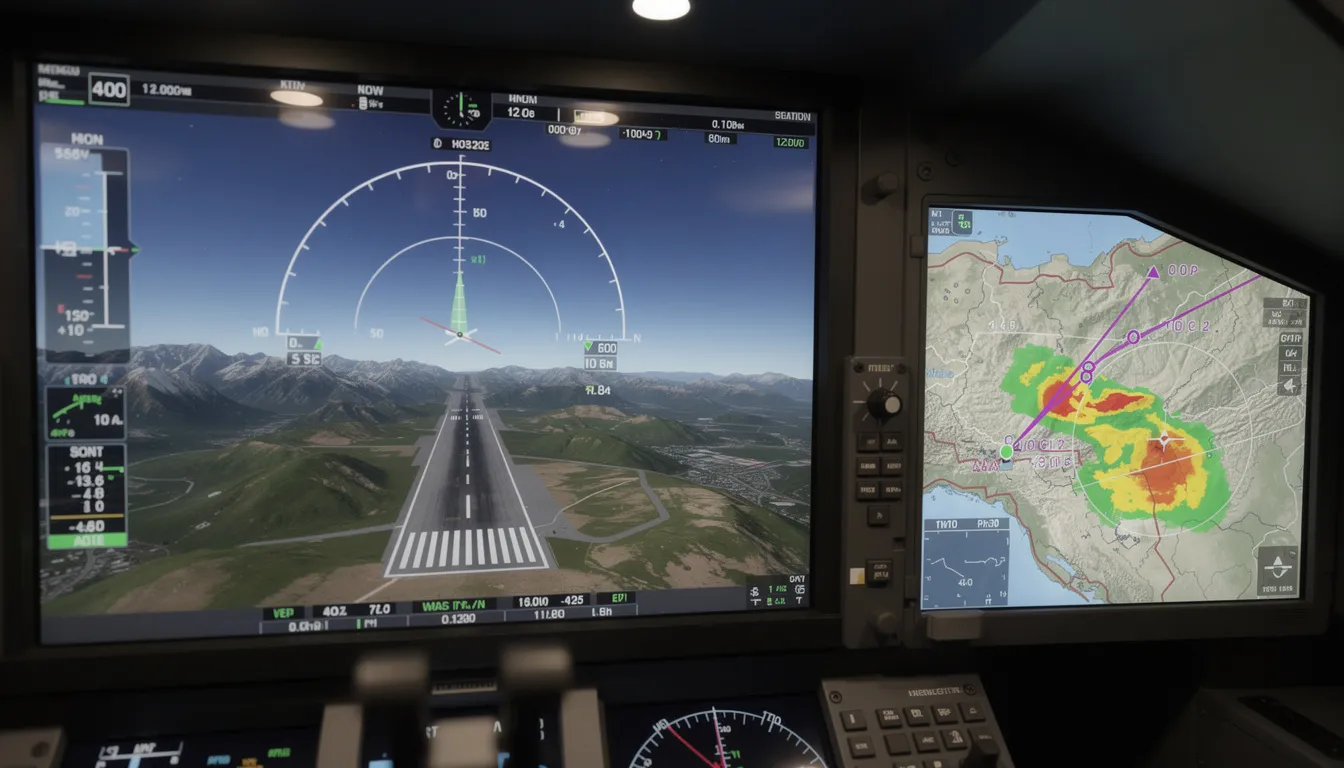
Modern private jets incorporate sophisticated safety systems and technological innovations that exceed many commercial aircraft capabilities. Understanding these features enables informed evaluation of aircraft options while appreciating the operational advantages private aviation provides. Contemporary flight decks feature integrated glass cockpit displays, synthetic vision systems, and predictive weather detection that fundamentally enhance operational safety and pilot situational awareness. The Gulfstream G700 features the largest panoramic oval windows in business aviation, with twenty oval windows providing unmatched natural light and visibility for passengers.
Next-Generation Avionics Systems
Contemporary flight decks feature integrated glass cockpit displays, synthetic vision systems, and predictive weather detection that fundamentally enhance operational safety and pilot situational awareness. The Gulfstream G700 features the largest panoramic oval windows in business aviation, providing unmatched natural light and visibility for passengers.
Garmin G5000/G6000: These integrated flight deck systems combine primary flight displays, multifunction displays, and flight management systems in intuitive glass cockpit layouts. Key features include:
Synthetic Vision Technology provides 3D terrain representation even in zero visibility
Traffic Collision Avoidance System (TCAS) with resolution advisories
Enhanced Ground Proximity Warning System (EGPWS) prevents controlled flight into terrain
DataComm capability for digital communication with air traffic control
Collins Pro Line Fusion: Advanced avionics suite featuring integrated flight displays, weather radar, and navigation systems. Notable capabilities include:
MultiScan weather radar detecting turbulence, windshear, and lightning
Combined Vision System integrating infrared and synthetic vision
Flight Stream wireless connectivity enables tablet integration
Automated emergency descent mode activates during cabin pressurization loss
Honeywell Primus Epic: Sophisticated avionics featuring predictive technology and enhanced weather detection. Advanced features include:
SmartView synthetic vision with pathway guidance
SmartRunway runway monitoring, preventing takeoff/landing errors
SmartTraffic surveillance provides traffic awareness beyond radar coverage
IntuVue weather radar offering a 320-nautical-mile detection range
Revolutionary Safety Innovations
Private aviation leads commercial aviation in adopting breakthrough safety technologies that provide unprecedented protection during emergency situations.
Cirrus Safe Return Autoland Technology: This revolutionary system enables automatic emergency landing when pilots become incapacitated. Upon activation, the system:
Evaluates weather conditions and fuel remaining
Selects the optimal airport within range, considering runway length and services
Communicates with air traffic control via data link
Configures aircraft for approach and landing automatically
Brings the aircraft to a complete stop and shuts down engines safely
Gulfstream Enhanced Vision System (EVS): Infrared technology providing enhanced visibility during low-visibility approaches. EVS capabilities include:
Forward-looking infrared camera displaying runway environment
Pilot head-up display integration showing flight path guidance
Synthetic vision overlay combining infrared and terrain data
Reduced approach minimums, enabling operations in challenging weather
Combined Vision Systems: Integration of infrared sensors, synthetic vision, and real-time weather data creates comprehensive situational awareness. These systems enable:
Operations in visibility conditions previously requiring flight cancellation
Enhanced terrain awareness prevents controlled flight into terrain accidents
Traffic detection beyond traditional radar limitations
Weather penetration capability reduces weather-related delays
Predictive Maintenance Systems: Real-time engine monitoring transmits operational data to maintenance facilities, enabling predictive component replacement before failures occur. Benefits include:
Reduced unexpected maintenance events
Optimized maintenance scheduling during convenient downtime
Extended component life through condition-based replacement
Lower long-term maintenance costs through predictive planning
Sustainability and Environmental Considerations
Environmental consciousness increasingly influences private aviation decisions among high-net-worth individuals and corporate entities committed to reducing carbon footprints. The industry responds through technological advancement, sustainable fuel adoption, and carbon offset programs.
Sustainable Aviation Fuel (SAF) Compatibility and Availability
Sustainable Aviation Fuel represents the most immediately viable pathway for reducing private aviation’s environmental impact. SAF utilizes renewable feedstock, including agricultural waste, municipal solid waste, and algae-derived oils, processed into fuel chemically compatible with existing aircraft engines, requiring no hardware modifications.
Environmental Impact: SAF reduces lifecycle carbon emissions by 50-80% compared to conventional jet fuel while maintaining identical performance characteristics. The fuel burns cleaner, producing fewer particulate emissions and reducing local air quality impact around airports.
Availability and Infrastructure: SAF availability remains concentrated in major markets, including Los Angeles, San Francisco, Seattle, and select European airports. Limited production capacity creates pricing premiums of 30-50% above conventional jet fuel, though environmental benefits justify costs for sustainability-conscious operators.
Industry Adoption: Leading private aviation operators, including NetJets, Flexjet, and VistaJet, have committed to SAF integration across their fleets. Manufacturers, including Gulfstream, Bombardier, and Dassault, certify new aircraft for 100% SAF operation, ensuring compatibility as fuel availability expands.
Next-Generation Engines and Efficiency Improvements
Advanced engine technology provides substantial efficiency improvements, reducing both operating costs and environmental impact compared to previous-generation power plants.
Rolls-Royce Pearl Engine Family: These advanced turbofan engines power the Gulfstream G500/G600 series and Bombardier Global 5500/6500, delivering:
13% improved fuel efficiency versus previous generation engines
15% reduction in nitrogen oxide emissions
30% noise reduction for community-friendly operations
Enhanced durability extends the time between overhauls
Pratt & Whitney GTF Engines: Geared turbofan technology featured on select aircraft provides:
20% fuel consumption reduction through optimized pressure ratios
50% noise footprint reduction through advanced acoustic design
Lower maintenance costs through improved component durability
Reduced environmental impact through cleaner combustion
Carbon Offset Programs and Environmental Impact Mitigation
Comprehensive carbon management enables private aviation participants to achieve carbon-neutral or net-negative operational profiles, aligning with corporate ESG commitments.
Direct Carbon Offsets: High-quality offset programs invest in verified emission reduction projects, including:
Renewable energy development (wind, solar, hydroelectric)
Reforestation and afforestation initiatives
Methane capture and destruction projects
Industrial process optimization, reducing manufacturing emissions
Lifecycle Environmental Analysis: Sophisticated environmental accounting examines the complete aircraft lifecycle, including:
Manufacturing energy consumption and material sourcing
Operational fuel consumption and emissions
Maintenance activities and component replacement
End-of-life recycling and responsible disposal
Regulatory Environment: Emerging environmental regulations including CORSIA (Carbon Offsetting and Reduction Scheme for International Aviation) create mandatory carbon offset requirements for international flights. Progressive operators proactively implement carbon management programs, anticipating regulatory expansion.
Case Study: Executive Travel Transformation
Fortune 500 CEO Scenario: 150 Annual Travel Days, Multiple Cities Weekly
Consider a multinational corporation CEO managing operations across North America, Europe, and Asia with headquarters in New York and manufacturing facilities in Detroit, Houston, Seattle, London, Frankfurt, Singapore, and Tokyo. Commercial aviation constraints create significant operational limitations affecting strategic decision-making and executive effectiveness.
Commercial Aviation Constraints:
London Business Trip: JFK to Heathrow (7 hours) + airport processing time (3+ hours) + ground transportation (2 hours) = 12+ hours each direction
Multi-City Requirements: Detroit facility visit + Houston petrochemical review + Seattle technology center meeting requires 3 separate commercial flights with overnight stays
Emergency Response: Facility accident or crisis requiring immediate executive presence faces 8-12 hour commercial flight delays
Board Meeting Logistics: Quarterly board retreats at Kiawah Island require commercial flights to Charleston, plus a 45-minute drive
Private Jet Solution: Gulfstream G650ER Direct Flight Transformation
The acquisition of a Gulfstream G650ER fundamentally transforms executive travel capability and operational flexibility:
London Direct Access: For those considering fractional jet ownership depreciation, Teterboro to London Luton (7.5 hours) with 15-minute departure processing and direct ground transportation to central London meetings. Total time savings: 4+ hours each direction.
Multi-City Efficiency: Detroit-Houston-Seattle visits completed in a single day through:
Teterboro to Detroit City Airport (1.5 hours)
Facility inspection and management meetings (3 hours)
Detroit to Houston Hobby Airport (2.5 hours)
Petrochemical facility review (3 hours)
Houston to Seattle Boeing Field (3 hours)
Technology center meetings (4 hours)
Seattle to Teterboro (4.5 hours)
Total elapsed time: 22 hours versus a 3-day commercial itinerary requiring 2 overnight hotel stays.
Emergency Response Capability: Crisis response time reduced from 12+ hours (commercial) to 4-6 hours (private), enabling immediate executive presence during facility emergencies, acquisition negotiations, or strategic opportunities requiring rapid response.
Productivity Gains and Cost-Benefit Analysis
Quantified Time Recovery: 150 annual travel days utilizing private aviation versus commercial alternatives:
Average time savings: 4 hours per trip
Annual time recovery: 600 hours (15 additional working weeks)
Executive productive time value: $1,000 per hour (conservative estimate)
Annual productivity value: $600,000
Enhanced Decision-Making Capability: Private aviation enables:
Same-day facility visits facilitating informed strategic decisions
Confidential board discussions during flight without commercial eavesdropping risks
Immediate response to acquisition opportunities or competitive threats
Direct access to secondary markets underserved by commercial aviation
Risk Mitigation Benefits: Operational advantages extend beyond time savings:
Enhanced personal security through a controlled passenger environment
Reduced health exposure during pandemic conditions
Weather flexibility through access to alternative airports
Schedule reliability independent of commercial aviation disruptions
Total Economic Impact: Annual operating cost of $1.8 million (G650ER, 200 flight hours) justified through:
$600,000 recovered executive productivity
$400,000 avoided hotel, meal, and ground transportation costs
$300,000 reduced commercial aviation costs for the executive team
$200,000 enhanced deal velocity and strategic opportunity capture
$500,000 risk mitigation value (security, reliability, health protection)
Net annual benefit: $1.2 million versus operating costs, providing 67% return on operational investment while delivering substantial qualitative improvements in executive effectiveness and family quality of life.

Exclusive Ownership Programs and Support
Manufacturer Warranty Programs and Technical Support
Leading aircraft manufacturers provide comprehensive warranty coverage and technical support programs, ensuring operational reliability and protecting owners from unexpected maintenance costs.
Gulfstream PlaneView: Comprehensive aircraft monitoring providing real-time operational data, predictive maintenance alerts, and 24/7 technical support. Program benefits include:
Continuous engine monitoring, transmitting data to Gulfstream service centers
Predictive maintenance scheduling, optimizing component replacement timing
Priority parts availability through the global distribution network
Technical support hotline staffed by manufacturer engineers
Bombardier Smart Services: Integrated support platform combining predictive analytics, parts availability, and technical expertise. Features include:
Smart Parts program guarantees component availability
AVANT advisory services provide operational optimization consulting
24/7 aircraft on ground (AOG) support, minimizing downtime
Enhanced warranty coverage extending manufacturer protection
Dassault FalconCare: Comprehensive maintenance and support program designed specifically for business aviation operators. Services include:
Maintenance tracking through proprietary software systems
Global service center network providing consistent service quality
Parts pooling programs are reducing inventory costs for owners
Technical training for pilot and maintenance crews
24/7 Technical Support and AOG Assistance
Aircraft on Ground (AOG) situations require immediate resolution to minimize operational disruptions and associated costs. Professional support programs provide rapid response capability and technical expertise.
Immediate Response Protocol: Leading manufacturers maintain 24/7 operations centers staffed by experienced technicians capable of:
Remote diagnostics through aircraft data systems
Technical consultation for maintenance personnel
Parts expediting and emergency delivery coordination
Alternative aircraft arrangements through partner networks
Global Service Network: International operations require service support across multiple time zones and jurisdictions. Comprehensive programs offer:
Authorized service centers in major international destinations
Traveling technician services for remote locations
Parts availability through regional distribution centers
Customs and logistics coordination for international AOG events
Pilot Training Partnerships and Crew Management
Professional flight operations require ongoing pilot training, ensuring currency with aircraft systems, regulatory requirements, and emergency procedures. Owners and crew can learn through ground school courses or advanced training programs, highlighting the importance of continuous learning in aviation.
FlightSafety International: Industry-leading training organization providing:
Type rating training for aircraft certification
Recurrent training maintaining pilot currency
Simulator-based emergency procedure training
International operations training for cross-border flight
CAE Training Services: Advanced simulation technology combined with experienced instructors delivering: For those who travel frequently for training or business, understanding the best jet cards for frequent flyers can help optimize your travel experience.
Initial and recurrent pilot training programs
Maintenance technician training for aircraft systems
Cabin safety training for flight attendants
Custom training programs tailored to specific operational requirements
Professional Crew Management: Sourcing, training, and managing professional flight crews requires specialized expertise, including staying informed about innovative solutions like buying private jets with cryptocurrency, which are transforming the luxury aviation industry:
Pilot recruitment and background verification
Ongoing training coordination and currency tracking
Scheduling management, ensuring regulatory compliance
Performance monitoring and safety program implementation
Resale Value Protection Programs and Trade-In Guarantees
Aircraft ownership involves substantial capital commitment requiring protection against adverse market conditions and depreciation beyond normal expectations.
Manufacturer Buy-Back Programs: Select manufacturers offer guaranteed repurchase programs providing:
Minimum value guarantees for specific time periods
Trade-in credits toward newer aircraft purchases
Market value protection during economic downturns
Simplified aircraft disposal processes
Professional Remarketing Services: Specialized aviation brokers provide comprehensive aircraft sales support, including:
Market analysis and pricing guidance
Marketing and advertising coordination
Buyer qualification and transaction management
Closing coordination and documentation
Depreciation Insurance: Emerging insurance products protect against excessive depreciation through:
Guaranteed value floors after specified ownership periods
Market volatility protection during economic uncertainty
Technology obsolescence coverage for avionics systems
Casualty replacement cost protection
Frequently Asked Questions (FAQ)
What financing options are available for those looking to buy a private jet?
Traditional aircraft financing typically requires 15-20% down payment with loan terms spanning 15-20 years at current interest rates ranging 7-9% depending on creditworthiness and aircraft age. Operating leases preserve working capital while providing tax advantages through monthly payment deductions. Some manufacturers offer attractive financing through captive finance companies with promotional rates as low as 5.5% for qualified buyers. Additionally, business owners can utilize the Section 179 tax deduction, allowing immediate expensing of up to $1.16 million of aircraft purchase price, while bonus depreciation provisions enable accelerated depreciation of the remaining value over subsequent years.
How does the total cost of aircraft ownership compare across different jet categories?
Light jets typically cost $200,000-400,000 annually in fixed expenses plus $2,800-3,500 per flight hour in variable costs, making them economical for 100+ annual flight hours. Midsize jets range $300,000-600,000 in annual fixed costs plus $3,800-4,800 per hour variable, optimizing for 125+ hours annually. Large cabin jets require $500,000-1,200,000 fixed costs plus $5,500-8,000 hourly variables, becoming cost-effective above 150-200 annual hours. These figures include hangar rental, insurance, crew salaries, maintenance reserves, fuel, and management fees but exclude acquisition financing costs.
What factors most significantly affect aircraft resale values?
Manufacturer reputation proves most critical, with Gulfstream, Bombardier Global series, and Dassault Falcon jets demonstrating superior value retention compared to entry-level brands. Total flight hours matter less than maintenance quality—aircraft maintained through manufacturer-authorized service centers following recommended maintenance programs retain higher values than those with deferred maintenance or off-brand service. Avionics currency significantly impacts values, as aircraft with modern glass cockpits and advanced weather systems command premiums over those requiring expensive upgrades. Market timing affects values substantially, with economic downturns creating buyer opportunities while expansion periods favor sellers through inventory scarcity.
How do international operations affect aircraft ownership considerations?
International flight operations require specialized permits, customs procedures, and regulatory compliance varying by destination country. Aircraft must obtain overflight and landing permits for each jurisdiction, sometimes requiring advance diplomatic clearance. Insurance coverage must include international liability limits and war risk protection for certain regions. Crew training requirements expand to include international navigation procedures, customs protocols, and foreign airport operations. Many owners utilize professional management companies with international expertise to handle permit applications, customs documentation, and regulatory compliance rather than managing these complexities internally.
What role does aircraft age play in purchase decisions for pre-owned jets?
Aircraft age matters less than total flight hours, maintenance history, and avionics currency when evaluating pre-owned options. A well-maintained 8-year-old aircraft with current avionics and comprehensive maintenance records often provides superior value to a 15-year-old jet requiring expensive upgrades. However, aircraft approaching major inspection intervals (8-year, 12-year structural checks) may require substantial near-term maintenance investment. Technology becomes critical as aircraft with analog cockpits face increasing operational limitations and reduced resale appeal. Focus evaluation on upcoming maintenance requirements, remaining warranty coverage, and compliance with current safety standards rather than calendar age alone.
Conclusion
Purchasing a private jet is a strategic investment that offers unparalleled advantages in time efficiency, operational flexibility, and executive productivity. By carefully evaluating aircraft categories, performance capabilities, and financial considerations, discerning travelers can select the ideal model that aligns with their unique mission profiles and lifestyle needs.
The integration of advanced safety technologies and sustainable aviation solutions further enhances the value and responsibility of private jet ownership. Whether for business or personal use, owning a private jet transforms travel from a logistical challenge into a seamless, productive, and enjoyable experience.
Post-closing arrangements should include aircraft delivery, registration, and the establishment of maintenance and operational plans to ensure a smooth transition into ownership. With the right professional support and thorough due diligence, your private jet buy can unlock a new level of freedom and success in the world of private aviation. For expert guidance and access to premium listings, visit BlackJet.com, your trusted partner in private jet acquisition. Start your journey toward private jet ownership today by following the next steps outlined in this guide.


 Sign up with google
 Sign up with Apple