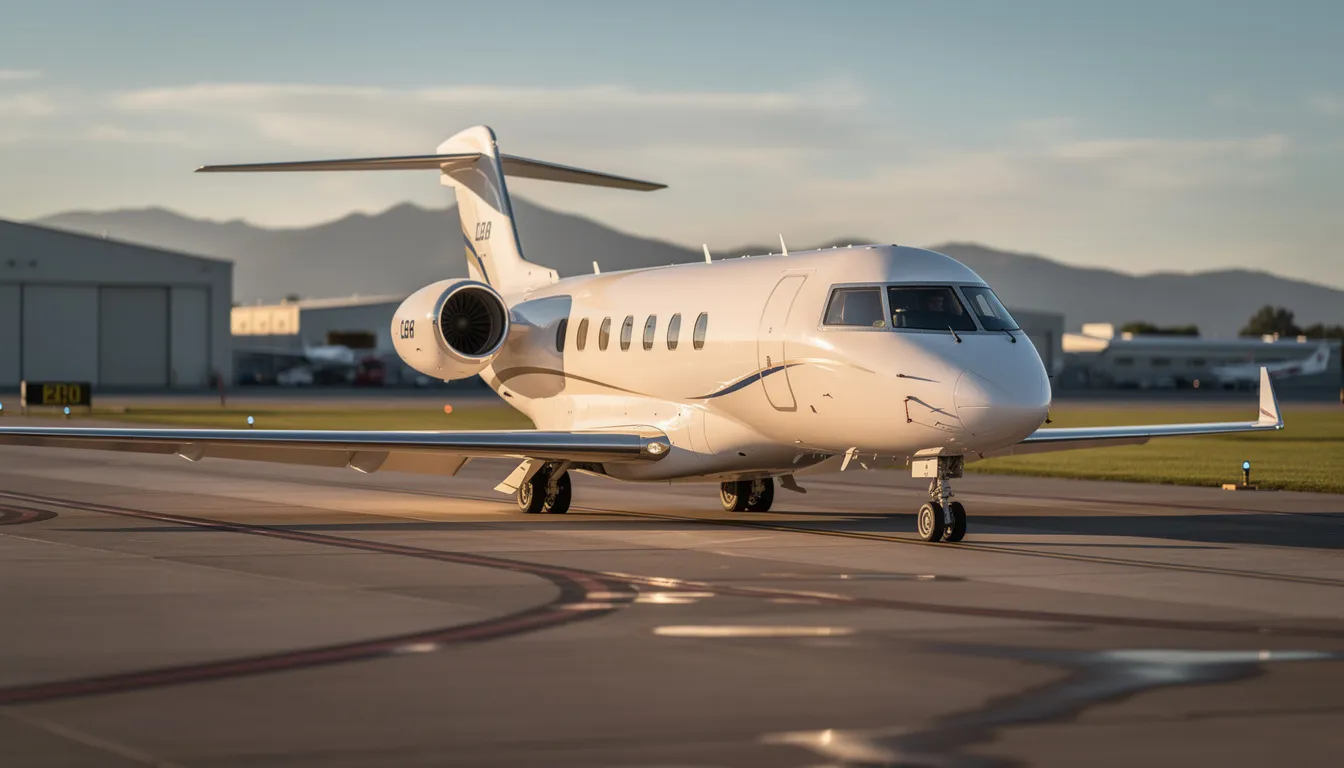
In a world where corporate agility is critical to competitive advantage, access to private aviation is no longer a luxury—it’s a strategic lever. As global commerce decentralizes, geopolitical events destabilize supply chains, and hybrid work demands fluid mobility, private jets provide seamless, secure, and time-saving access to global opportunities.
Commercial aviation—plagued by delays, capacity caps, and inflexible routes—no longer serves the demands of ultra-mobile executives or wealthy individuals. The private jet market, by contrast, is redefining global connectivity, asset management, and time efficiency.
This article delivers a comprehensive analysis of current and future private jet demand, with a lens on business aviation’s economic drivers, regional growth, and investor implications.
Executive Summary: Business Aviation Demand Drivers
What’s Fueling the Surge?
Time Efficiency: Executives save 3–5 hours per trip compared with commercial flying, highlighting the growing demand for private flights.
Corporate Resilience: Decentralized teams and global subsidiaries demand flexible, point-to-point mobility that only business aviation operators can provide.
HNW Lifestyle Preferences: From pandemic-era health concerns to comfort and discretion, private aviation remains appealing to high-net-worth individuals.
Market Impact and Growth Projections
The global private jet market was valued at $95.57 billion in 2024 and is projected to nearly double to $173.99 billion by 2034, reflecting robust market demand. Honeywell Aerospace Technologies forecasts a record-setting 8,500 new business jet deliveries over the next decade, valued at approximately $283 billion, with an average annual growth rate of 3%. Despite ongoing macroeconomic and geopolitical uncertainties, private jet demand remains strong, supported by a steady cadence of aircraft development and technology upgrades.
The North American market continues to dominate, accounting for 64% of global business jet deliveries during the pandemic and maintaining private jet activity levels 10% above those of 2019 as of 2025. This region remains the largest hub for private jet flights, particularly in major business centers.
Business Jets Supply: New Business Jet Deliveries & OEM Backlogs
Current OEM Capacity and Backlogs
Leading manufacturers such as Gulfstream, Bombardier, Dassault, and Embraer are operating at near-capacity, with delivery pipelines extending into 2026 and beyond. The private jet market is experiencing unprecedented backlogs due to a surge in demand during the pandemic, driven by both corporate and individual buyers. Supply constraints caused by labor shortages, parts delays, and certification timelines for next-generation jets are pushing list prices higher and sustaining aircraft values.
Supply Constraints and Pricing Effects
OEMs face:
This is pushing list prices higher, sustaining aircraft values, and keeping resale values resilient amid continued demand.
Business Jet Deliveries Forecasts
Honeywell’s 2023 Global Business Aviation Outlook and Cirium data project:
8,500–9,000 new jets delivered globally by 2033
North America: 60% share of new business jet deliveries and private jet flights
Europe: 15–18% share
APAC & LATAM: Fastest growth rates off smaller bases, driven by emerging markets and rising wealthy individuals
Sustained corporate and individual demand, combined with aging fleets, will drive upgrades and replacements. Demand is currently outpacing supply, leading to a 5% increase in new jet deliveries compared to last year.
Demand Mechanisms: Fractional Ownership, Jet Cards, Subscription Models

Fractional Ownership
Ideal for businesses or individuals flying 50–400 hours/year. Provides ownership benefits without full capital investment.
Providers: NetJets, Flexjet, with Flexjet securing $800 million in new financing to expand fractional ownership and jet card services.
Use Case: Consistent regional travel with access to a global fleet.
Jet Cards vs. Subscription Models
Jet Cards: Prepaid access to guaranteed hours, typically by aircraft category.
BlackJet Jet Card: Offers fixed hourly rates, premium aircraft selection, and carbon-neutral flights.
Subscription Models: Monthly/annual fees for access to discounted hourly pricing, favored by companies that fly regularly but prefer asset-light models. VistaJet has pioneered the subscription model, with over 85% of its customers now corporations choosing charter and subscription solutions.
Customer Profiles
Fractional: Corporate flight departments, multi-market executives.
Jet Cards: UHNWIs, finance professionals, luxury travelers.
Subscription: Startups, regional businesses, tech VPs.
Today's customers increasingly prefer these flexible, asset-light models, which allow companies and individuals to pay only for the time they fly, enhancing financial agility and operational control.
Market Segments: Corporate Travel, HNWIs, Charter Operations
Corporate Travel
Multinationals are increasingly using private jets for:
Multi-city investor roadshows
Crisis response and board meetings
Managing distributed supply chains with time savings and increased control
High-Net-Worth Individuals (HNWIs)
HNWIs seek:
Requests for "wellness-configured" jets featuring hospital-grade air purification and circadian lighting rose 6% year-over-year by early 2025. They increasingly prefer jet cards over ownership to reduce management burden and optimize aircraft sales value.
Charter Operations
Operators serve both corporate overflow and leisure travelers, especially during peak holidays and events (e.g., Art Basel, Davos, Cannes), meeting record demand for charter flights. Corporate requests for private charters have tripled compared to the previous year.
Regional Trends: Emerging Markets, Middle East, Latin America
Global Outlook
Emerging economies are increasing their business jet fleets due to:
But infrastructure gaps, regulatory constraints, and airport access remain limiting factors.
Asia-Pacific & India: Emerging Markets Momentum
The Asia-Pacific region is the fastest-growing hub for private jets, with a projected 8% compound annual growth rate through 2030. Asia-Pacific is experiencing record levels of new entrants to the private aviation market. Southeast Asia is demonstrating the most rapid growth and transformation in private aviation, with the aviation market in this region expected to grow fastest between 2025 and 2034, driven by economic growth and increased business activity.
India's private jet fleet has grown 25% since 2019, reflecting rising corporate demand and wealth expansion. The demand for flexibility and time savings is leading to widespread adoption of private jet travel in large countries like India. Operators are focusing on secondary airport operations and providing light and super-light jets for domestic hops.
Middle East: Luxury Hub And Strategic Routes
Key hubs such as Dubai (OMDW), Riyadh (OERK), and Doha (OTHH) serve as midpoints between Europe, Asia, and Africa, making them essential nodes for private aviation. Demand is driven by family offices, sovereign wealth entities, strategic oil & gas travel routes, and religious pilgrimage.
Latin America: Jet Cards And Fractional Growth
Latin America is expected to record the fastest regional growth in demand for private aviation in the coming years. U.S.-based jet card use is rising among Latin American clients, alongside growing interest in fractional programs with shared aircraft domiciled in Miami or Mexico. Challenges include regulatory hurdles, infrastructure limitations, and safety standards variation.
Global Business Impact: Jet Market Connectivity And Trade
Strategic Role
Private jets aren’t just about convenience—they underpin global decision-making.
They compress international travel timeframes from days to hours, reshaping corporate velocity. Private jets allow travelers to arrive just 15–20 minutes before departure and fly point-to-point into smaller airports, bypassing crowded airports and inflexible commercial routes.
There is high demand for ultra-long-range jets capable of flying 12 to 16 hours nonstop, particularly for intercontinental business routes. Corporate clients use private jets for confidential meetings, allowing for secure environments not provided by commercial business class.
Private aviation has surpassed luxury yachts and high-end property as the top status symbol of modern wealth.
Pricing, Values, And Pre-Owned Market Dynamics
Market Trends
New Jet Pricing: Up 10–15% since 2021 due to backlog pressures and continued demand.
Pre-Owned Market: Inventory remains tight; aircraft under 10 years are highly competitive with strong aircraft values.
Tax Incentives
In the U.S., bonus depreciation rules have made year-end purchases more favorable, spiking Q4 activity each year and encouraging operators to place firm orders.
Valuation Metrics
Investors and operators often evaluate:
Price per hour flown
Asset depreciation curve
Residual value forecasts
Implications For Operators, OEMs, And Investors
Operators
OEMs
Investors
Sustainability and Future Trends
The increasing demand for sustainable aviation fuel (SAF) is influencing buying decisions among travelers and operators, reflecting a growing commitment to reducing the carbon footprint of business aircraft.
Recommendations: Responding To Rising Private Jet Demand

For Market Entrants
For Marketers
For Operators
Build capacity in mid-size, short-runway-capable jets
Offer localized jet card variants for regional users
Data Appendix & Sources: Jet Deliveries And Market Reports
Honeywell Global Business Aviation Outlook (2023)
Cirium Fleet Forecast (2024)
WingX Reports on Business Jet Activity
Aircraft OEM Annual Reports: Bombardier, Gulfstream, Embraer
JetNet Pre-Owned Market Intelligence
BlackJet Internal Market Analysis (2026)
Frequently Asked Questions (FAQs) about Private Jet Demand
What is driving the current surge in private jet demand?
The surge is driven by several key factors, including time efficiency, corporate resilience with decentralized teams, health and privacy concerns, and the growing preference for flexible, point-to-point travel. Additionally, economic growth and increasing demand for fractional ownership and subscription models contribute significantly.
How many new business jets are expected to be delivered in the next decade?
Honeywell Aerospace Technologies forecasts a record-setting 8,500 new business jet deliveries globally over the next ten years, reflecting an average annual growth rate of about 3%.
Which regions are experiencing the fastest growth in private jet demand?
Asia-Pacific, Latin America, and the Middle East are among the fastest-growing regions, driven by rising high-net-worth populations, expanding corporate travel demand, and emerging-market investments.
What are the benefits of fractional ownership and jet card programs?
Fractional ownership offers the benefits of aircraft ownership without the full capital investment, making it ideal for those flying 50–400 hours per year. Jet cards provide prepaid access to guaranteed flight hours, offering flexibility and convenience without the responsibilities of ownership.
How has the COVID-19 pandemic influenced private jet travel?
The pandemic accelerated demand amid health and safety concerns, resulting in a permanent increase in private jet activity. Travelers sought to avoid crowded airports and commercial flights, valuing privacy and flexibility.
Are there any tax incentives affecting private jet purchases?
Yes, in the U.S., the return of 100% bonus depreciation under the Big Beautiful Bill Act allows businesses to immediately write off the full cost of business aircraft, encouraging increased purchases.
What challenges do manufacturers face in meeting private jet demand?
OEMs face supply chain disruptions, labor shortages, and certification delays, resulting in backlogs and higher prices for both new and pre-owned aircraft.
How is sustainability impacting the private aviation industry?
There is growing interest in sustainable aviation fuel (SAF) and technology upgrades to reduce the carbon footprint of business aircraft, with operators increasingly adopting these solutions.
What types of jets are most in demand?
There is strong demand for midsize jets and super-midsize jets capable of operating from secondary airports, as well as ultra-long-range jets for intercontinental travel.
How do private jets enhance productivity for business travelers?
Private jets provide secure, mobile office environments with privacy and high-speed connectivity, enabling executives to hold confidential meetings and work efficiently during flights.
Explore Seamless Access to Premier Jet Travel
Rising demand is reshaping the skies. At BlackJet, we provide carbon-neutral, safety-certified private jet access through our premier Jet Card program—giving you control, privacy, and performance with every mile.
Discover how BlackJet can reshape your travel.
Explore Premium Jet Access


 Sign up with google
 Sign up with Apple