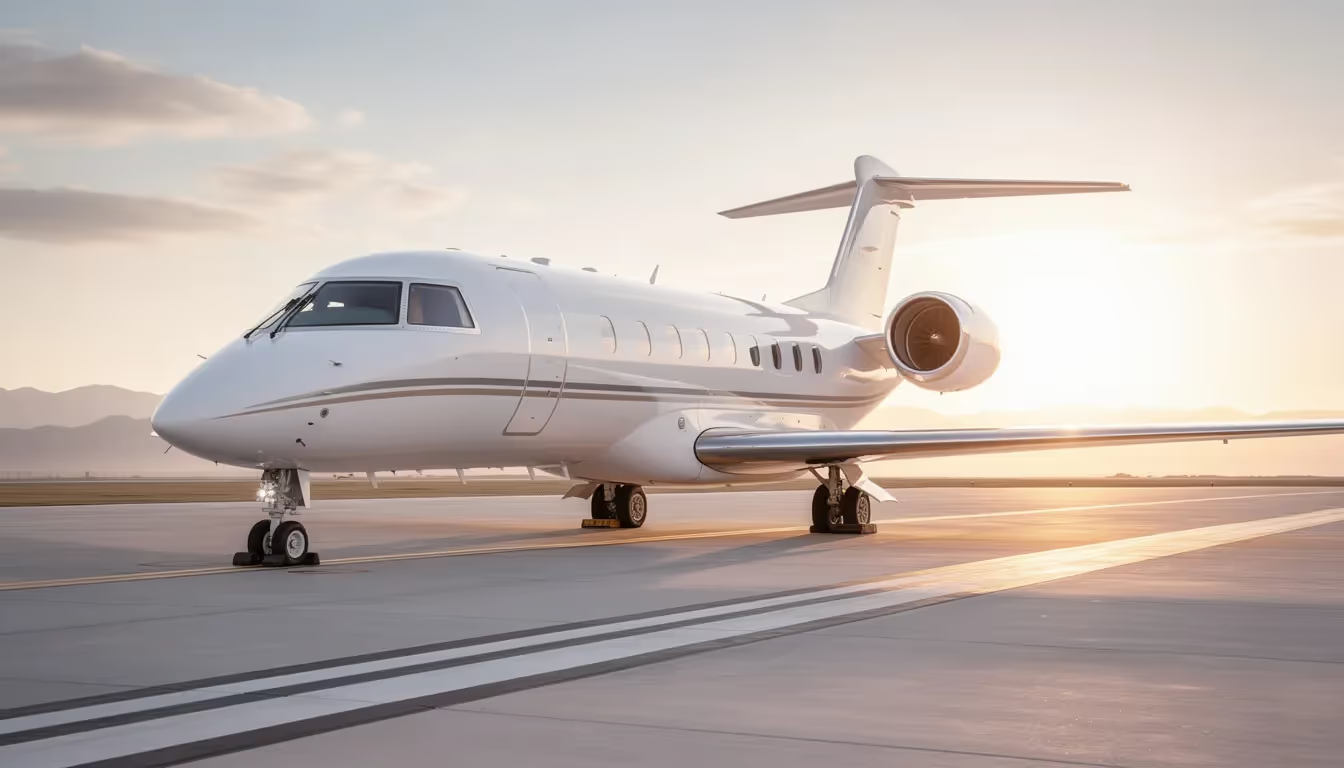
In today’s high-stakes global economy, access to a private jet is more than a matter of indulgence—it’s a matter of precision, control, and time. While commercial flights continue to face delays, rigid schedules, and overcrowded terminals, private aviation offers something far more valuable: total autonomy. You’re not just skipping the security line; you’re reshaping your schedule around opportunity, not inconvenience.
The beginning of new features and model availability in the latest private jets marks a significant evolution in the industry, with advanced technology and comfort now standard in many offerings. The expertise and reputation of the company behind each jet play a crucial role in ensuring quality, innovation, and reliability for discerning buyers.
With next-generation aircraft entering the skies—from high-speed light jets to ultra-long-range intercontinental flagships—modern private jets have become mobile command centers for executives and luxury sanctuaries for those who refuse to compromise on comfort or efficiency.
Following the pandemic, the private jet market is experiencing a significant recovery, with record-high flight activity reported by fractional ownership companies. Demand for private jets is surging as more individuals seek to acquire aircraft, and the market now features a diverse range of aircraft types, including large-cabin, long-range jets and super-midsize jets.
It is important to note that the price of private jets can vary significantly based on model, age, and condition, giving buyers a spectrum of options to fit their budget and needs.
Let’s explore the newest aircraft reshaping elite travel—and why private aviation remains one of the most intelligent, most strategic decisions high-net-worth individuals and companies can make today.
The Modern Private Jet Landscape
A New Class of Aircraft for a New Class of Traveler
Today’s private jets go far beyond plush interiors. They are feats of aerospace engineering, delivering exceptional range, speed, and performance wrapped in handcrafted interiors and technological brilliance.
Buyers of a private jet can create customized cabin interiors, specify unique configurations, select optional equipment, and choose paint schemes to suit their personal preferences.
Next-gen avionics in new jets provide superior situational awareness and improved connectivity, enhancing safety and passenger experience. For example, the Cessna Citation CJ4 Gen3 includes the Garmin G3000 PRIME avionics suite with Emergency Autoland technology, offering an extra layer of security.
From the forward galley to the grand suite, the aircraft in today’s market combine comfort with unmatched technical sophistication—making each journey as seamless as it is impressive.
Buying New vs. Used: Choices and Considerations
The private jet market is booming, with major manufacturers like Bombardier, Gulfstream, and Textron reporting strong sales as demand surges. This growth includes both new and used jets, with the used market described as a ‘feeding frenzy’ due to high demand. Purchasing a used jet can lower acquisition costs by 30-50% compared to new jets, offering buyers a wide range of options across various platforms.
However, buying a private jet—new or used—typically involves thorough inspections, including airframe inspections and overhauls, review of maintenance records, and consideration of potential upgrades. Older jets generally incur higher maintenance costs due to component life limits and may need costly upgrades to comply with regulations. Selling a jet requires proper documentation and often collaboration with brokers or dealers. New jets come with comprehensive manufacturer warranties covering parts, avionics, and labor for the first few years, along with advanced technologies that enhance safety and connectivity. New aircraft face less unscheduled maintenance and fewer major inspections for the first 5-10 years, ensuring higher availability for missions.
Additionally, under the One Big Beautiful Bill Act (OBBBA), qualifying business aircraft placed in service in 2026 are eligible for 100% bonus depreciation, offering significant tax advantages to buyers.
Business Jet Comparison: How the Top Models Stack Up
In the world of business aviation, choosing the right private jet means weighing a host of performance and comfort factors. The top contenders each bring unique strengths to the table, making it essential to compare their features side by side. For instance, the Gulfstream G700 stands out with a maximum range of 7,750 nautical miles and a cruise speed of Mach 0.90, making it ideal for intercontinental journeys without refueling stops. Meanwhile, the Bombardier Global 8000 pushes the envelope with a top speed of Mach 0.95 and an impressive 8,000 nautical mile range, perfect for those who demand both speed and distance.
The Gulfstream G800 also merits mention with a record range of 8,200 nautical miles and its advanced Symmetry Flight Deck, which enhances pilot control and situational awareness.
Cabin altitude is another critical consideration—lower cabin altitudes, as found in the latest models, help reduce fatigue and ensure passengers arrive refreshed. The Bombardier Global 8000 features the industry's lowest cabin altitude, designed specifically to combat jet lag with wellness-based features and technologies.
The Dassault Falcon 10X takes cockpit technology to the next level with its dual head-up display and enhanced vision system, significantly reducing pilot workload and enhancing safety, especially in challenging weather conditions. It also boasts the widest cabin in business aviation at over 9 feet wide, offering unmatched spaciousness.
Both the Gulfstream G700 and Bombardier Global 8000 provide advanced cabin air quality systems that enhance passenger comfort, alongside high-speed internet connectivity options for business and entertainment needs. They also feature large windows that provide abundant natural light and sweeping views, creating a bright and inviting cabin environment.
Each private jet in this elite class is engineered for optimal speed, range, and safety, but the right choice ultimately depends on your specific travel needs and preferences. By understanding these distinctions, buyers can select an aircraft that perfectly aligns with their business and lifestyle ambitions.
Top Private Jet Models Redefining Luxury Travel
Bombardier Global 7500
A flagship in ultra-long-range travel, the Global 7500 is designed for high performance and ultimate cabin luxury.
Top Speed: Mach 0.925
Range: 7,700 nautical miles
Cabin Features: Four distinct living spaces, a full-size kitchen, and a dedicated crew suite
This model offers transpacific range with ease—ideal for coast-to-coast business itineraries or global lifestyle flexibility.
Gulfstream G700
The G700 delivers both technical brilliance and design elegance.
Top Speed: Mach 0.925
Range: 7,750 nm
Highlights: The largest cabin in business aviation, accommodating up to five living areas and up to 19 passengers, an advanced fly-by-wire system, and smart lighting that mimics natural circadian rhythms
Its whisper-quiet cabin features 100% fresh air replenished every two to three minutes and ultra-low cabin altitude, reducing fatigue during long-haul flights. High-speed internet connectivity supports both business and entertainment needs.
Dassault Falcon 10X
Dassault brings French aerospace precision to the forefront with the Falcon 10X.
Top Speed: Mach 0.925
Range: 7,500 nm
Features: The widest cabin in business aviation at over 9 feet wide, a modular grand suite, center-console workspace, and dual head-up displays with enhanced vision systems
Designed for both business and lifestyle travelers who expect next-generation cockpit technology alongside best-in-class comfort.
Bombardier Global 8000
Known as the world's fastest business jet, the Global 8000 offers a top speed of Mach 0.95 and a maximum range of 8,000 nautical miles.
Cabin: Four true living spaces with the industry's lowest cabin altitude to combat jet lag and enhance wellness.
Comfort: Advanced cabin air quality systems, spacious interiors, and high-speed internet connectivity.
Technology: Equipped with advanced avionics to enhance pilot situational awareness and safety.
Cessna Citation Longitude
For regional executives or mid-range business trips, the Longitude offers reliability and reach.
Top Speed: 483 knots
Range: 3,500 nm
Advantages: Fuel efficiency, real-time diagnostics, spacious cabin for a super-midsize jet
Its forward galley and reduced pilot workload make it ideal for time-sensitive domestic travel. It also includes the Garmin G3000 PRIME avionics suite with Emergency Autoland technology.
HondaJet Elite S
A bold step forward in light-jet innovation, the HondaJet Elite S delivers aerodynamic efficiency and advanced features.
Top Speed: 422 knots
Range: 1,432 nm
Differentiators: Over-the-wing engine design, high-speed wing, and compact luxury interior
It’s a wise choice for quick hops between metropolitan cities, with reduced operating costs and surprising cabin comfort.
Other Notable Models
Beechcraft King Air 360: Range of 1,806 nautical miles.
Daher TBM 940: Range of 1,730 nautical miles.
Dassault Falcon 6X: Range of 5,500 nautical miles.
Gulfstream G400: Expected to enter service in late 2025 or early 2026, offering a range of 4,200 nautical miles.
HondaJet Echelon: Aiming to be the first single-pilot-certified light jet with transcontinental range, set to begin flight testing in 2026.
Cabin Design & Comfort: Where Privacy Meets Performance
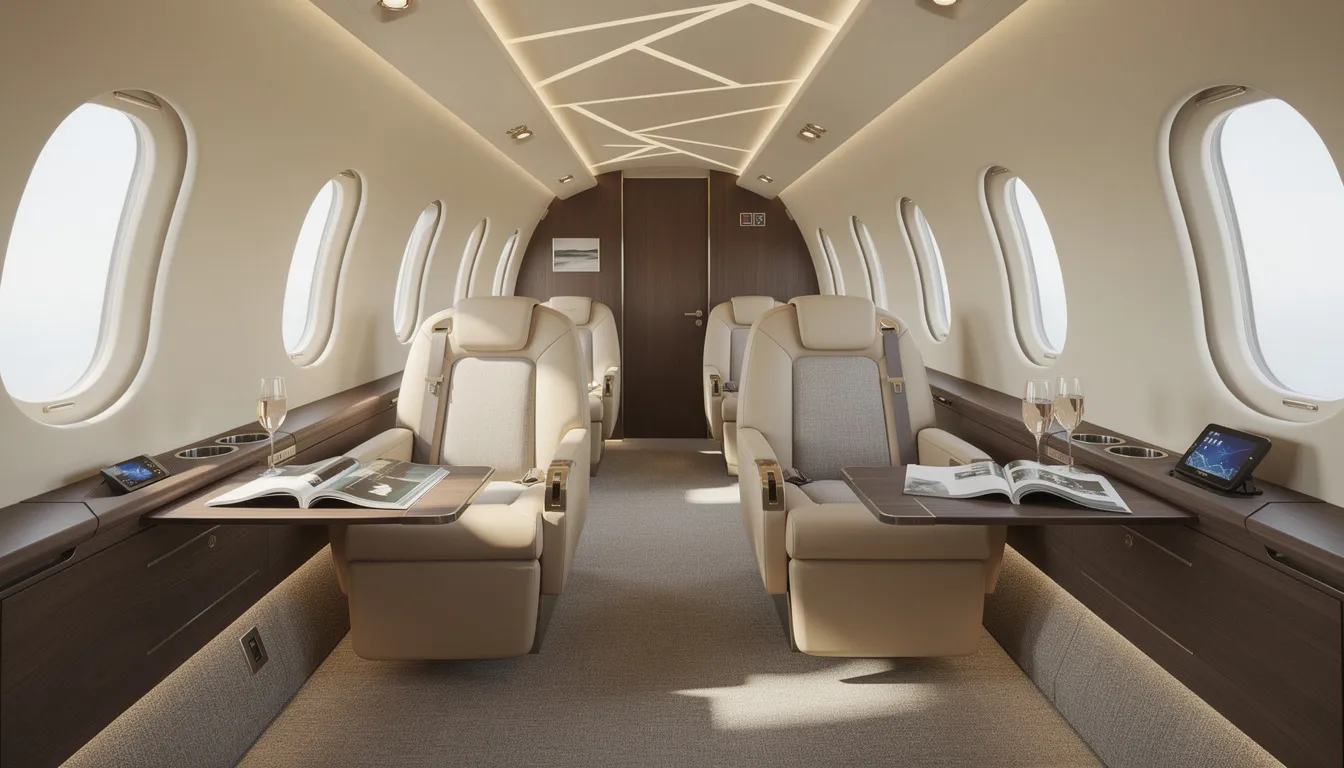
The private jet new cabin design prioritizes generous space, providing a roomy interior for passengers and ample baggage storage. In addition to comfort, the aircraft offers impressive cargo capacity, with configurations available that allow for both passenger and cargo transport, enhancing the jet's versatility and functionality.
Thoughtful Design for the Discerning Traveler
Private jet cabins are not just aesthetic statements—they are optimized for productivity, rest, and personalized experiences.
Grand Suites & Modular Interiors
Today’s aircraft, like the Falcon 10X and Global 7500, offer separate living zones, including entertainment lounges, private sleeping quarters, and meeting-ready spaces.
Reduced Cabin Altitude
Many models operate with a cabin altitude under 4,500 feet, compared to over 8,000 feet in most commercial planes. The result? Less fatigue, better oxygenation, and a more comfortable arrival.
Enhanced Amenities
Whether it’s an RRCC APU-enrolled system or MSP Gold-certified reliability, elite travelers enjoy in-flight Wi-Fi, in-flight entertainment, gourmet catering, and integrated cabin control from personal devices.
Performance & Speed: Reclaim Your Most Valuable Asset
Speed, Range, and Freedom Combined
Private aviation isn’t just about where you go—it’s how fast and efficiently you get there.
Modern private jets feature integrated avionics systems that allow for detailed flight plan uploading, real-time updates, and enhanced navigation, improving both safety and efficiency during your journey.
Additionally, modern engines in new jets are significantly more fuel-efficient and quieter than older models, leading to lower operational costs and a more sustainable flight experience.
A new private jet offers manufacturer warranties, advanced technology, and lower initial maintenance costs.
Uninterrupted Flight Plans
Avoid the long-haul layovers. With aircraft like the G700 and Global 7500, passengers can fly nonstop from Los Angeles to Dubai or New York to Hong Kong, arriving refreshed and on schedule.
Flexible Scheduling
Private jet travel gives you total control over your departure time, route, and destination, a major upgrade from commercial timetables and overbooked flights.
Aircraft Capabilities
HondaJet Elite S: Compact, high-speed regional missions
Cessna Longitude: Mid-range business commutes
Global 7500 & G700: Intercontinental strategy meetings made seamless
Safety and Certification: Why Protocols Matter at Altitude
Built-In Reassurance with Every Flight
BlackJet only partners with operators and aircraft that meet or exceed the highest safety certifications in private aviation.
Enhanced Vision Systems & Dual Head-Up Displays
Aircraft such as the Falcon 10X use technology similar to fighter jets, offering greater visibility in adverse weather and runway conditions.
Weather Radar and Terrain Warning
Modern jets come standard with terrain awareness systems, predictive windshear monitoring, and advanced autopilot features.
Emergency Automation
Select models include Safe Return systems that automatically land the aircraft if the pilot becomes incapacitated, ensuring passengers are always protected.
Pilot Training & Maintenance Protocols
All BlackJet operators maintain rigorous ARGUS and Wyvern certifications and undergo routine audits to ensure operational excellence.
Sustainability in Private Aviation: Flying Smart and Clean
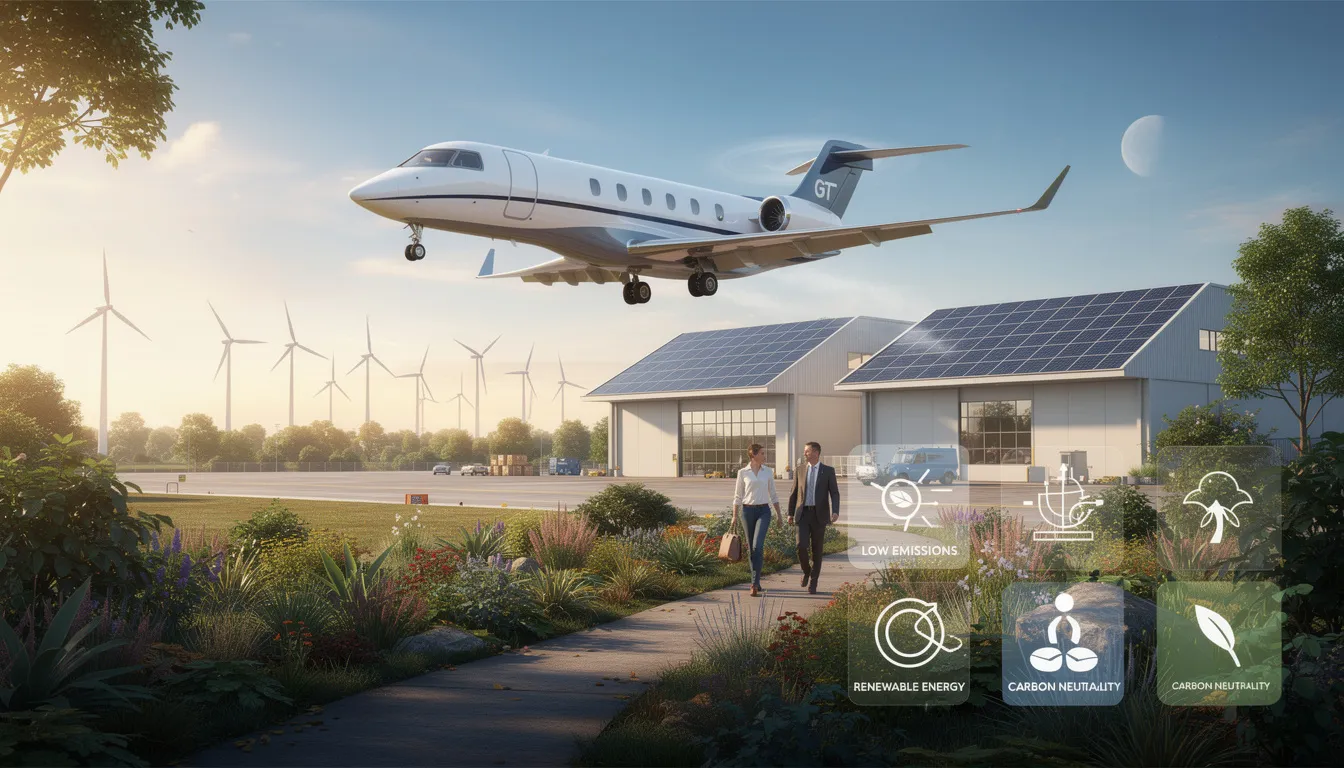
Yes, Private Jets Can Be Carbon Neutral
While the carbon footprint of private jets is a valid concern, modern aviation is evolving—and BlackJet is leading the way.
Aircraft Efficiency
The Gulfstream G700 and HondaJet Elite S use fuel-efficient engines and lighter airframes to reduce emissions without compromising range.
Certified Carbon Offsets
BlackJet offers carbon-neutral flights by default, investing in reputable global projects that offset every ton of CO2 emitted.
Modern Fleets
By prioritizing newer, cleaner aircraft, BlackJet clients fly on jets with lower noise levels, improved emissions control, and cabin materials made from recyclable materials.
Private Jet Ownership: What to Know Before You Buy
Owning a private jet is a significant commitment that goes far beyond the initial purchase price. Prospective owners should carefully evaluate the total cost of ownership, factoring in ongoing maintenance, insurance, fuel, and storage expenses. Maintenance is a key consideration, as regular inspections and servicing are essential to keep the aircraft in peak condition and ensure safety. Insurance costs can vary based on the jet’s maximum takeoff weight, usage, and value, so it’s important to budget accordingly.
Buyers should also explore different ownership models, such as full ownership, fractional ownership, or charter membership, to find the best fit for their flying habits and financial goals. When selecting an aircraft, pay close attention to specifications like cabin layout, avionics suite, and features such as a forward galley—ideal for those who frequently host guests or require in-flight catering. Understanding these details will help ensure your private jet not only meets your travel requirements but also delivers the comfort and performance you expect from a world-class aviation experience.
Private Jet Management: Ensuring Seamless Operations
Managing a private jet involves much more than simply scheduling flights—it’s about ensuring every journey is safe, efficient, and stress-free. Many owners turn to professional management companies to handle the complexities of flight operations, from hiring experienced pilots and crew to overseeing regular maintenance and fuel management. These experts also take care of critical tasks like flight planning, weather radar monitoring, and compliance with FAA regulations, providing peace of mind and allowing owners to focus on their business or leisure pursuits.
Advanced support options, such as RRCC APU enrollment, offer additional protection and reliability, ensuring auxiliary power units are always ready when needed. Performance modification groups can further enhance the aircraft’s capabilities, optimizing everything from fuel efficiency to in-flight comfort. With the right management in place, private jet owners can enjoy all the benefits of ownership—without the operational headaches.
Private Jet Market: Trends and Insights
The private jet market is in a state of rapid evolution, driven by technological innovation and changing traveler expectations. Sustainability is at the forefront, with a growing emphasis on sustainable aviation fuels and the development of electric and hybrid-electric propulsion systems. Advanced avionics and flight control technologies are becoming standard, offering features like safe return automation and enhanced vision systems that elevate both safety and convenience.
Digital transformation is also reshaping the industry, with online marketplaces and virtual tours making it easier than ever to explore and purchase aircraft. As buyers seek out jets with grand suites, maximum range, and high cruise speeds, manufacturers are responding with models that blend luxury, performance, and cutting-edge safety features. Staying informed about these trends ensures that owners and operators can make smart, future-proof investments in their aviation assets.
Real-World Use Cases: How Travelers Are Using These Jets
Scenario 1: Global Executive
Client: Investment partner managing deals across Asia and Europe
Flight: New York → London → Dubai (G700)
Outcome: Attended three in-person board meetings in 48 hours, slept 8 hours in a cabin suite
Scenario 2: Entrepreneur Couple
Client: Founders celebrating IPO milestone
Flight: San Francisco → Aspen (HondaJet Elite S)
Outcome: Flew out Friday morning, returned Sunday night—zero airport lines, total privacy
Scenario 3: Corporate Team Charter
Client: Product launch team heading to CES
Flight: Chicago → Las Vegas (Cessna Longitude)
Outcome: Seamless multi-day agenda execution with built-in workspace on board
The Future of Private Jets: What’s Next in Luxury Aviation
The next era of private jets promises to be more innovative, efficient, and luxurious than ever before. Electric and hybrid-electric propulsion systems are on the horizon, offering the potential for quieter flights, lower emissions, and reduced operating costs. Aircraft manufacturers are experimenting with advanced materials and manufacturing techniques, resulting in lighter, stronger airframes that boost range and speed.
The integration of artificial intelligence, machine learning, and IoT technologies is set to revolutionize everything from flight planning to in-cabin comfort, enhancing both safety and the overall passenger experience. Expect to see next-generation features like high-speed wings, advanced weather radar, and customizable interiors that rival the world’s finest hotels. Industry leaders such as Bombardier, Boeing, and HondaJet are at the forefront of these advancements, continually pushing the boundaries of what’s possible in business aviation. As these innovations take flight, the future of private jet travel will be defined by unprecedented levels of performance, safety, and luxury.
Frequently Asked Questions
What is a Jet Card and how does it work?
A Jet Card offers prepaid private flight hours with guaranteed availability and fixed hourly rates. BlackJet’s program includes access to premium aircraft with simplified booking.
Are BlackJet flights carbon neutral?
Yes, all flights are automatically offset through vetted sustainability initiatives. There’s no need to request or pay extra—it’s part of your elevated experience.
How safe is private aviation compared to commercial?
Private aviation maintains equal or higher safety standards, thanks to FAA oversight, third-party audits (ARGUS/Wyvern), and cutting-edge onboard systems.
Which aircraft are best for long-distance flights?
The Global 7500, G700, and Falcon 10X are optimal for intercontinental routes, offering >7,500 nm range with exceptional comfort.
Can I customize the cabin or onboard experience?
Absolutely. From catering to cabin layout, BlackJet ensures every journey is tailored to your preferences—with concierge-level service built in.
Conclusion: Access the New Standard in Private Aviation
The best private jet models of today don’t just fly—they perform, protect, and elevate your life. Whether you’re crossing continents or escaping for the weekend, the aircraft in the modern luxury fleet deliver everything from seamless schedules to carbon-neutral comfort.
And with BlackJet’s commitment to safety, certification, sustainability, and technology, each trip becomes more than transportation—it becomes an advantage.
Discover Your Jet Access Today
Explore how BlackJet’s Jet Card program can provide effortless access to the world’s best aircraft, with a tailored, certified, and sustainable experience—on your terms.
How to buy a seat on a private jet
Join our Jet Card program
Explore premium jet access
Discover how BlackJet can reshape your travel


 Sign up with google
 Sign up with Apple