Private jets represent the pinnacle of flexibility, convenience, and luxury in modern travel, offering a level of freedom that commercial aviation simply can’t match. As an aircraft owner, you gain the ability to set your own schedule, access thousands of airports, and travel directly to your chosen destinations—without the delays and inconveniences of traditional air travel. Whether you’re flying for business or leisure, private aviation allows you to maximize your time and productivity, all while enjoying a comfortable and secure environment. Deciding on desired amenities includes features such as Wi-Fi, entertainment systems, galley space, or private lavatories, which further enhance the travel experience. Consulting aviation experts can help align specific needs with the right aircraft, ensuring that your investment meets both your operational and personal requirements.
The world of private jets is diverse, with options ranging from nimble light jets perfect for quick regional hops to larger aircraft designed for intercontinental journeys. Private jets are categorized by size, performance, and passenger capacity, from Very Light Jets to Heavy Jets. This variety means you can select an aircraft that fits your specific needs, whether you prioritize range, cabin comfort, or operational efficiency. Long-range jets like the Dassault Falcon 8X and Bombardier Global 7500 provide luxury and performance, making them ideal for extended international travel. The Federal Aviation Administration (FAA) plays a crucial role in regulating private aviation, ensuring that every aircraft meets rigorous safety standards and that owners and operators adhere to best practices. Maintenance costs for a private jet can range from $300,000 to $500,000 annually, making it essential to factor these expenses into ownership decisions.
Additionally, understanding crew requirements is crucial, as many jets require type-rated pilots who command high salaries. Midsize jets typically require two pilots for operation, and salaries for experienced captains can range from $150,000 to $250,000 per year. Ongoing costs of owning a private jet include fuel, maintenance, pilot salaries, and insurance, which require careful financial planning. By understanding the benefits and responsibilities of private jet ownership, you can make informed decisions that enhance your travel experience and support your personal or business goals.
Key Takeaways
Private jet ownership becomes cost-effective at 200+ annual flight hours, offering 75% time savings over commercial aviation
Entry-level ownership starts at $2-3M for light jets, while $5-8M provides access to midsize aircraft with transcontinental range
Total operating costs range from $1-2M annually, including maintenance, crew, hangar, and insurance beyond purchase price
Pre-owned aircraft offer 40-60% more cabin space and range versus new jets at the same price point
Modern safety systems like TCAS II, enhanced weather radar, and emergency autoland provide commercial-grade protection
Buyers can expect features, comfort, and technology to vary significantly by price range, with higher costs generally bringing more advanced amenities and increased maintenance expenses. At the $5 million price point, buyers can expect modern avionics, Wi-Fi connectivity, a private lavatory, and a galley suitable for light meal prep.
The Phenom 300, Citation XLS+, and Hawker 800XP are noted for delivering a blend of advanced navigation, reasonable range, modern design, and cabin comfort in the $5 million range. The Embraer Phenom 300 is a popular choice for medium-range travel.
When buying a private jet, thorough inspection and due diligence are essential to ensure the aircraft matches your operational needs and is in optimal condition.
The ongoing cost to operate a private jet often shocks first-time buyers, as they may underestimate the financial commitment required. Many buyers discover that purchasing the jet is just the beginning of their financial commitment.
Why Private Jet Ownership Is a Strategic Investment, Not Just Luxury
For executives managing multi-city operations or families coordinating complex logistics across time zones, the decision to buy a private jet represents far more than luxury consumption. It’s a strategic investment in operational efficiency and business continuity that delivers measurable returns through time optimization and enhanced productivity. Typical financing methods for purchasing private jets include traditional loans, leases, fractional ownership, and cash purchases. Chartering a private jet offers flexibility without the overhead costs associated with ownership. Financing options for a private jet purchase can vary depending on the buyer's financial situation and tax strategy. Hangar fees for a private jet can vary from $40,000 to over $100,000 per year, depending on location, adding another layer of cost consideration for prospective buyers.
The time value analysis reveals compelling advantages: executives save 150+ hours annually versus commercial travel when accounting for security delays, layover connections, and fixed airline schedules. Commercial aviation requires arrival 2-3 hours prior to departure, adds unpredictable layover times, and subjects passengers to routes dictated by airline hub systems rather than direct point-to-point efficiency.
Private aviation provides access to over 5,000 airports worldwide compared to roughly 500 commercial destinations, fundamentally expanding operational flexibility. This network advantage enables direct access to smaller cities, remote locations, and specialized facilities that commercial carriers cannot reach efficiently. For corporations conducting due diligence visits, real estate acquisitions, or manufacturing facility inspections, this accessibility translates to compressed travel timelines and enhanced business agility.
The Pilatus PC-12 is known for its ruggedness and ability to operate from shorter, unpaved runways, further expanding the range of accessible destinations. The Vision Jet features a Safe Return emergency autoland system that allows passengers to land the aircraft in an emergency with the touch of a button. Additionally, the Vision Jet includes Gogo In-Flight Wi-Fi for connectivity and USB-C ports for charging devices. The G2+ Vision Jet's Williams FJ33-5A engine provides up to 20% increased performance during take-off, enhancing its operational capabilities.
Business continuity advantages become particularly evident during airline disruptions, weather delays, and schedule changes that can derail critical business operations. Private jet owners control departure times, routing decisions, and passenger composition, eliminating the operational uncertainty that characterizes commercial aviation. In addition, private jet ownership requires ongoing operational management and professional oversight to ensure efficiency and reliability, making the jet a true business asset rather than just a product.
Insurance premiums for mid-size jets can start at $30,000 to $60,000 per year, adding to the operational costs but ensuring peace of mind. When merger negotiations, board meetings, or family emergencies require immediate travel flexibility, private aircraft provide guaranteed availability that no commercial alternative can match. Most midsize jets require two pilots, with salaries ranging from $150,000 to $250,000 per year, adding to the operational costs but ensuring safety and reliability.
Privacy and confidentiality considerations add another strategic dimension, particularly for sensitive business discussions, competitive intelligence, or high-profile family situations. The controlled environment of private aviation enables confidential conversations, document review, and strategic planning that would be impossible in commercial settings where competitors, media, or unauthorized parties might overhear crucial business information.
Understanding Aircraft Categories and Price Points
The private aviation market segments aircraft into distinct categories based on cabin size, range capabilities, and operational performance, with each class serving specific mission requirements and financial parameters.
Very Light Jets ($2-3 Million): Entry-Level Ownership
Very light jets represent the entry point for first-time aircraft owners, with models like the Cessna Citation Mustang, Eclipse 500, and Embraer Phenom 100 providing efficient regional travel capabilities. These aircraft typically accommodate 4-6 passengers in compact cabins while delivering 1,200-1,500 nautical mile range performance sufficient for most domestic business travel. Light jets like the Embraer Phenom 100 and Citation Mustang are budget-friendly options for short trips, making them an attractive choice for those entering the private aviation market.
Single-pilot certification options available on select very light jets significantly reduce ongoing crew expense, which includes crew pay, benefits, and related costs involved in operating the aircraft. This makes this category particularly attractive for owner-operators or smaller flight departments. The simplified operational requirements, combined with lower fuel consumption and maintenance costs, create an accessible ownership model for executives with consistent regional travel patterns.
Operating costs for very light jets typically range from $1,500-2,000 per flight hour, making them cost-competitive with jet card programs for owners flying 100+ hours annually. The cabin comfort, while more compact than larger aircraft, incorporates modern amenities including leather seating, climate control, and basic entertainment systems sufficient for short to medium-duration flights.
Light Jets ($3-5 Million): Balanced Performance
Light jets occupy the sweet spot for many first-time buyers, with aircraft like the Citation CJ series, Phenom 300, and Learjet 75 offering enhanced cabin space and extended range capabilities. These jets typically seat 6-8 passengers in comfortable configurations while achieving 2,000-2,500 nautical mile range performance, enabling transcontinental private jet travel from New York to Los Angeles or Chicago to Miami.
The cabin environments feature full stand-up headroom, dedicated baggage compartments, and advanced avionics, including synthetic vision systems and enhanced weather radar. Modern light jets incorporate fuel-efficient engines that reduce operating costs while maintaining cruise speeds of 400-500 mph, optimizing the balance between performance and operational economy.
Two-pilot operations become standard in this category, requiring professional flight crew management but providing enhanced safety margins and operational capability. The additional crew costs, typically $200-300K annually, are offset by improved scheduling flexibility and reduced insurance premiums compared to single-pilot operations.
Midsize Jets ($5-8 Million): Premium Capability
Midsize jets like the Hawker 800XP, Citation XLS+, and Learjet 60XR deliver significantly enhanced cabin space and range performance, typically accommodating 8-10 passengers with 3,000+ nautical mile capabilities. This range enables coast-to-coast travel with full passenger loads, international trips to the Caribbean and Mexico, and transcontinental routes to Europe with single fuel stops. Midsize and light jets typically accommodate 6 to 10 passengers and have a range of 2,000 to 3,500 nautical miles, offering flexibility for various travel needs.
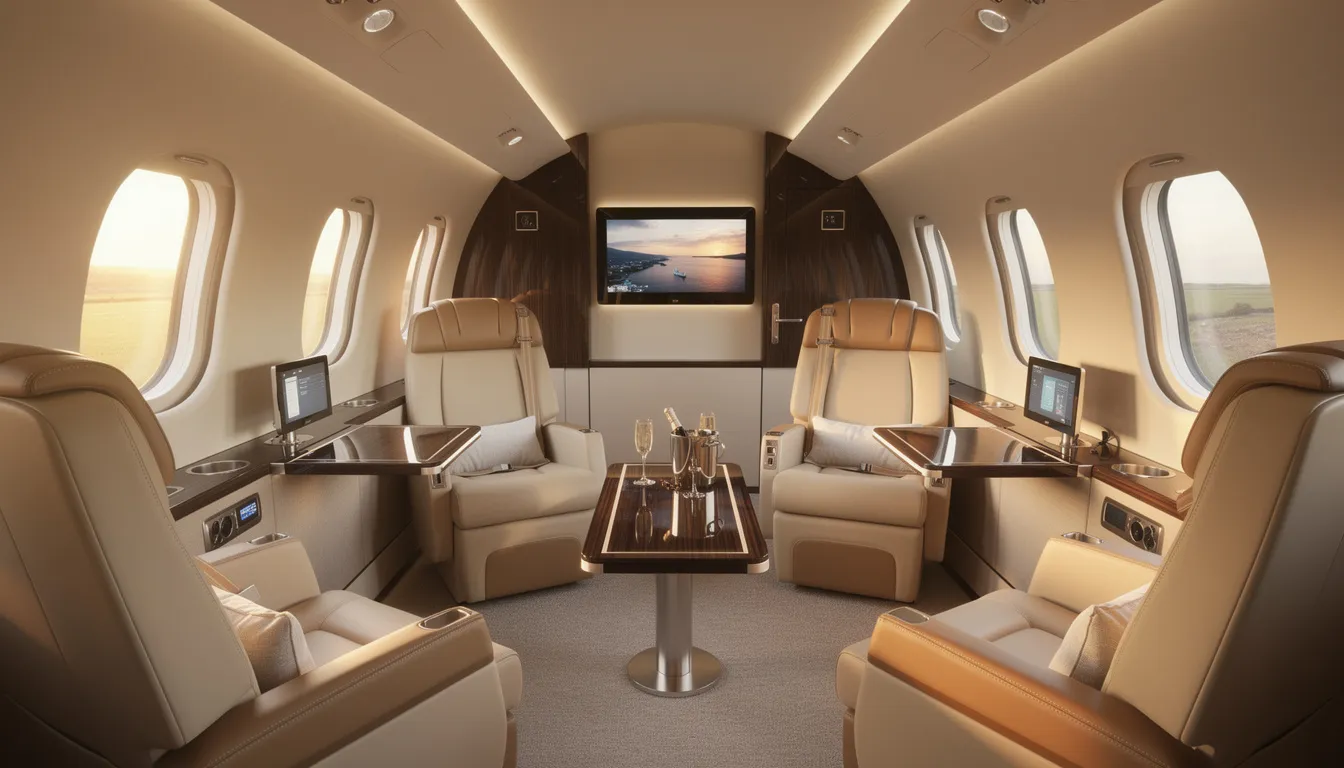
The expanded cabin space allows for diverse seating configurations, including club arrangements, divans, and dedicated work areas that support productive flight time. Enhanced baggage capacity accommodates extended travel requirements, while improved cabin pressurization systems maintain lower cabin altitudes for enhanced passenger comfort during longer flights.
Operating costs increase proportionally with capability, typically ranging from $2,500 to $3,500 per flight hour, including fuel, maintenance reserves, and crew expenses. However, the enhanced productivity potential and operational flexibility often justify these costs for executives requiring reliable transcontinental and limited international capabilities.
New vs Pre-Owned: Strategic Considerations
New aircraft incorporate the latest fuel-efficient engines delivering 15-20% improved fuel economy compared to previous generation models, translating to meaningful operating cost reductions over annual utilization periods. Advanced engine technology also extends overhaul intervals, reducing long-term maintenance reserve requirements. However, new jets can lose 15-20% of their value within the first year of ownership, making it essential for buyers to weigh the benefits of advanced technology against potential depreciation.
Pre-Owned Aircraft Advantages
Pre-owned aircraft markets offer compelling value propositions, particularly for buyers prioritizing cabin space and range capabilities over the latest technology features. A $5 million budget accessing pre-owned midsize jets typically provides 40-60% larger cabin space and extended range compared to new light jets at equivalent price points. Used jets can offer savings of 30-60% compared to new models, making them an attractive option for cost-conscious buyers. New jets generally come with the latest technology and warranties but are more expensive than pre-owned jets, making it essential for buyers to weigh the benefits of advanced technology against potential depreciation. This trade-off highlights the importance of aligning purchase decisions with operational needs and financial goals.
Immediate availability represents a significant advantage for buyers with urgent operational requirements. While new aircraft deliveries often require 12-24 month lead times, quality pre-owned aircraft can be acquired and delivered within 30-90 days following completion of due diligence and financing arrangements. The Challenger 300 is available for immediate delivery and has excellent maintenance status with only 64 flight hours since fresh heavy inspections, making it an appealing option for buyers seeking reliability and quick acquisition. Additionally, the Challenger 300 features a Pro Line 21 Advanced Avionics Upgrade, which includes Dual Collins GPS 4000S and TCAS II, enhancing its navigation and safety capabilities.
Proven maintenance history and known operational costs provide financial predictability that new aircraft cannot offer. Pre-owned aircraft with complete logbook documentation enable accurate projections of ongoing maintenance requirements, upgrade necessities, and operational expense patterns based on actual flight hour data rather than manufacturer estimates.
Customization opportunities through interior refurbishment and avionics upgrades allow buyers to modernize pre-owned aircraft while maintaining significant cost advantages versus new purchases. A comprehensive interior renovation typically costs $150-400K, still providing substantial savings compared to new aircraft premiums while achieving personalized cabin configurations.
Depreciation curve analysis shows aircraft values stabilizing after 5-7 years, meaning pre-owned aircraft in this age range offer improved residual value protection compared to new aircraft facing initial depreciation rates of 10-15% annually.
New Aircraft Benefits
New aircraft incorporate the latest fuel-efficient engines delivering 15-20% improved fuel economy compared to previous generation models, translating to meaningful operating cost reductions over annual utilization periods. Advanced engine technology also extends overhaul intervals, reducing long-term maintenance reserve requirements.
Factory warranties covering major systems for 2-5 years provide financial protection against unexpected maintenance costs during initial ownership periods. Comprehensive warranty coverage typically includes engines, avionics, and airframe systems, offering peace of mind for buyers concerned about maintenance cost volatility.
Modern safety systems, including synthetic vision technology, enhanced weather radar, and emergency autoland capabilities, provide operational advantages and improved insurance profiles. Latest-generation aircraft often qualify for preferential insurance rates based on advanced safety technology integration.
Updated cabin technology incorporates high-speed WiFi, advanced entertainment systems, and enhanced connectivity, enabling productive flight time equivalent to office environments. Integration with mobile devices and cloud-based business applications supports seamless workflow continuation during travel.
Customization from the factory ensures exact specification compliance, optimal system integration, and comprehensive testing protocols that retrofit modifications cannot replicate. Factory customization also maintains full warranty coverage across all systems and modifications.
Total Cost of Ownership Analysis
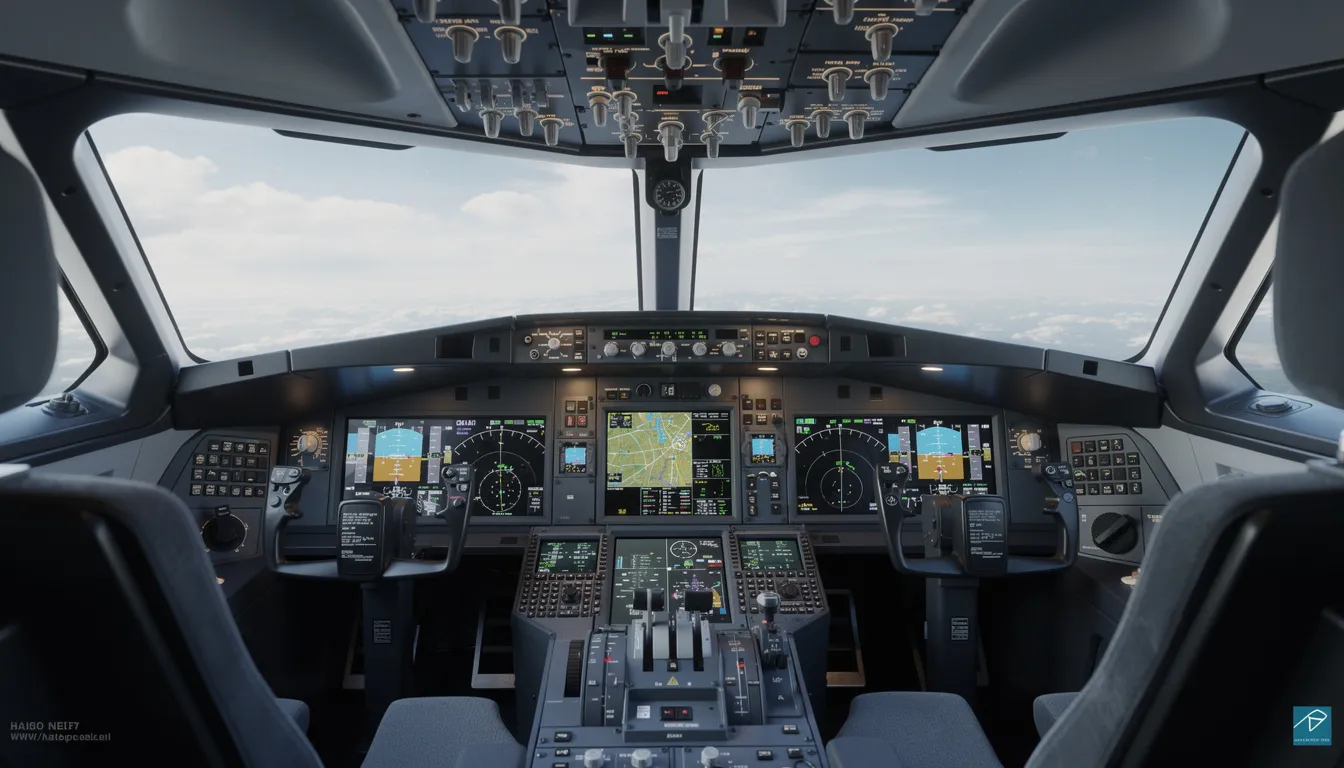
Understanding total ownership costs requires a comprehensive analysis extending far beyond purchase price, encompassing fixed annual expenses and variable operational costs that determine actual ownership economics. Many cost calculations are based on a standard utilization of 400 hours per year (a common typographical error for 'hours'), which serves as a typical benchmark for private jet ownership cost analysis. Type ratings and insurance-mandated training can cost an additional $30,000 to $50,000 per pilot annually, further emphasizing the importance of thorough financial planning. A down payment of 15-20% is commonly required when using traditional loans for financing a private jet.
Fixed Annual Costs
Professional flight crew represents the largest fixed cost component, with pilot and co-pilot salaries ranging from $200-400K annually, depending on experience levels, geographic location, and aircraft complexity. Crew pay is a major part of these expenses, as it includes not only base salaries but also additional crew-related costs such as benefits, training, and travel allowances, which typically add 25-30% to base salary costs.
Hangar fees vary dramatically by location and aircraft size, ranging from $40K annually at smaller regional airports to $150K+ at major metropolitan locations. Heated hangar space, essential for protecting aircraft systems and maintaining operational readiness, commands premium rates but provides crucial asset protection for multi-million dollar investments.
Insurance premiums reflect aircraft value, pilot experience, and operational patterns, typically ranging from $30-80K annually. New aircraft owners and pilots with limited experience face higher premiums, creating incentives for investing in additional pilot training and maintaining strong safety records.
Annual inspections and mandatory maintenance create predictable fixed costs ranging from $100-200K , depending on aircraft type and utilization patterns. These costs persist regardless of flight activity and include required inspections, regulatory compliance, and preventive maintenance protocols.
Training and recurrency requirements mandate ongoing pilot education, typically costing $50-75K per pilot annually. Type rating maintenance, instrument proficiency, and safety training represent non-negotiable expenses essential for operational certification and insurance compliance.
Variable Operating Costs
Fuel consumption drives the largest variable expense, ranging from $1,500 to $3,500 per flight hour depending on aircraft type, cruise altitude, and operational efficiency. Jet fuel prices fluctuate based on global energy markets, creating cost volatility that owners must account for in financial planning.
Engine reserve funds accumulate $500-1,200 per flight hour to cover eventual overhauls at 3,000-5,000 hour intervals. These mandatory overhauls, costing $800K-1.5M per engine, represent unavoidable expenses that must be reserved throughout the operational lifecycle.
Parts and unscheduled maintenance average $300-800 per flight hour, covering component replacements, system repairs, and unexpected mechanical issues. Older aircraft typically require higher maintenance reserves due to increased component failure rates and parts availability challenges.
Landing and handling fees charged by airports range from $200 to $500 per trip segment, with international destinations and major metropolitan airports commanding premium rates. Ground handling services, customs clearance, and overnight fees add incremental costs to operational budgets.
Hidden Costs and Surprise Expenses
The Federal Aviation Administration mandates periodic avionics upgrades costing $50-200K to maintain operational certification. ADS-B compliance, NextGen navigation systems, and communication equipment upgrades represent unavoidable regulatory expenses occurring unpredictably throughout ownership periods. Many new owners only realize the full scope of these hidden costs after their first year of ownership.
Major airframe inspections required every 8-12 years involve comprehensive structural analysis, component testing, and system overhauls costing $200-500K. These extensive maintenance events cannot be deferred and often reveal additional airworthiness issues requiring rectification.
Engine overhauls at 3,000-5,000 hour intervals represent the largest single maintenance expense, typically costing $800K-1.5M per engine depending on aircraft type and service history. Overhaul timing cannot be delayed without compromising operational certification and safety standards.
Interior refurbishment, maintaining competitive resale value, requires periodic updates costing $150-400K, depending on aircraft size and customization scope. While not mandatory, interior modernization becomes necessary to preserve asset value and passenger appeal over extended ownership periods.
When Ownership Makes Financial Sense
Private jet ownership economics depend primarily on annual utilization levels, with break-even analysis comparing ownership costs against charter, jet card, and fractional alternatives across different flight hour scenarios. Some fractional programs allow buyers to own a half share of a jet, offering flexibility and cost management for those who do not require full ownership.
The 200+ annual flight hours threshold typically represents the break-even point where ownership becomes cost-effective compared to alternative access models. At this utilization level, fixed ownership costs spread across sufficient flight activity to achieve per-hour costs competitive with jet card programs while providing superior operational control and asset appreciation potential.
Business use cases justifying ownership include multi-location companies requiring frequent executive travel between facilities, investment firms conducting due diligence across geographic markets, and family offices coordinating complex logistics for multiple family members. These scenarios generate consistent flight demand exceeding 200 hours annually while requiring schedule flexibility that commercial aviation cannot accommodate.
Tax advantages through Section 179 depreciation allow qualifying business aircraft purchases to be expensed immediately rather than depreciated over time, creating substantial tax benefits for profitable companies. Businesses use deductions for operational expenses, including crew salaries, fuel costs, and maintenance expenses, to provide additional tax optimization opportunities.
At 100 annual flight hours, ownership cost per hour is approximately $8,500, compared to jet card cost per hour of $6,500 and charter cost per hour of $8,000.
At 200 annual flight hours, ownership cost per hour decreases to about $5,250, while jet card and charter costs remain at $6,500 and $8,000, respectively.
At 300 annual flight hours, ownership cost per hour further reduces to $4,100, with jet card and charter costs steady at $6,500 and $8,000.
At 400 annual flight hours, ownership cost per hour is approximately $3,400, compared to $6,500 for a jet card and $8,000 for charter.
Corporate aviation programs demonstrate clear value propositions for Fortune 500 companies where CEO and executive teams require reliable transportation supporting time-sensitive business operations. Internal cost allocation systems distribute flight expenses to benefiting departments, ensuring transparent budget management while providing operational capabilities that commercial aviation cannot match.
Family use cases involve coordinating travel for multiple family members, maintaining residences across different locations, seasonal property movements, and regular leisure travel requiring flexible scheduling. When family utilization patterns aggregate to 150+ hours annually, ownership often provides superior economics and convenience compared to charter alternatives.
Safety Standards and Certification Requirements
Private aviation operates under comprehensive safety frameworks established by regulatory authorities, with modern aircraft incorporating advanced technology systems providing commercial-grade protection for passengers and crew.

Modern Safety Technology
Traffic Collision Avoidance Systems (TCAS II) represent standard equipment on midsize and larger aircraft, providing automatic conflict detection and resolution guidance when other aircraft pose potential collision threats. These systems monitor the surrounding airspace continuously, issuing timely warnings and escape maneuvers that prevent mid-air collisions even in congested airspace.
Enhanced weather radar systems incorporate predictive windshear detection, turbulence mapping, and precipitation intensity analysis, enabling pilots to navigate safely around hazardous weather conditions. Latest-generation radar provides real-time atmospheric analysis supporting informed routing decisions that maintain passenger comfort while avoiding dangerous meteorological phenomena.
Synthetic vision technology creates three-dimensional terrain displays combining GPS navigation with detailed geographic databases, providing pilots with enhanced situational awareness during low-visibility approaches and challenging terrain navigation. This technology virtually eliminates controlled flight into terrain accidents, historically a leading cause of general aviation incidents. For those interested in optimizing the financial aspects of aircraft use, understanding fractional jet ownership depreciation can provide valuable insights into maximizing investment and reducing operational costs.
Emergency autoland systems, featured on select aircraft like the Cirrus Vision Jet, provide autonomous landing capability when pilots become incapacitated. These systems automatically navigate to nearby airports, communicate with air traffic control, and execute safe landings without pilot intervention, representing breakthrough safety technology protecting passengers in extreme emergency scenarios. The Vision Jet also offers a premier pilot training experience at the Vision Center Campus, including training in a full-motion Level D flight simulator, ensuring pilots are well-prepared for various operational scenarios.
Runway approach and landing safety systems, including enhanced flight vision, heads-up displays, and precision approach capabilities, reduce pilot workload during critical flight phases. These technologies improve landing safety margins, particularly at challenging airports with short runways or difficult terrain approaches.
Pilot Training and Certification
Type rating requirements vary by aircraft complexity and weight, with larger jets requiring specialized training and testing to ensure pilot competency for specific aircraft systems. Type ratings mandate comprehensive ground school, simulator training, and flight testing demonstrating proficiency in normal and emergency procedures.
Recurrent training mandates occur every 6-12 months, depending on operational requirements, ensuring pilots maintain current proficiency and stay updated on regulatory changes, safety procedures, and aircraft system modifications. This ongoing training represents essential safety infrastructure that distinguishes professional aviation operations from recreational flying.
Single-pilot versus two-pilot operations create important safety and insurance considerations. While some light jets can be operated by single pilots, two-pilot operations provide enhanced safety margins through cross-checking procedures, workload distribution, and backup capabilities during emergency situations.
Professional flight departments employing dedicated pilots typically achieve superior safety records compared to owner-operators who may lack recurrent training discipline or currency requirements. The investment in professional crew management often provides insurance premium reductions that partially offset additional salary costs.
Sustainability in Private Aviation
Environmental responsibility in private aviation has evolved beyond regulatory compliance to encompass strategic initiatives addressing climate concerns while maintaining operational efficiency and business utility.
Sustainable aviation fuel (SAF) represents the most significant near-term opportunity for carbon emission reductions, with SAF blends reducing lifecycle carbon emissions 50-80% compared to conventional jet fuel. Major fuel suppliers now offer SAF at many airports, though pricing typically carries 20-50% premiums over conventional fuel that decline as production scales increase.
Carbon offset programs enable operators to neutralize flight emissions through verified environmental projects, including renewable energy development, reforestation initiatives, and direct air capture technology. Reputable offset protocols such as the Voluntary Carbon Standard and the Gold Standard provide credible emissions reductions, though these programs supplement rather than replace direct emission reduction efforts.
Next-generation engines demonstrate measurably improved fuel efficiency over previous generation models, with newer aircraft achieving 20-30% better fuel economy through advanced combustion technology, lightweight materials, and optimized aerodynamics. These efficiency improvements reduce both operational costs and environmental impact across typical utilization patterns.
Electric and hybrid aircraft development progresses rapidly, with manufacturers targeting short-range electric flights within the next decade and hybrid systems for regional applications. While current battery technology limits electric aircraft to training and short regional flights, advancing energy storage capabilities will gradually expand electric aviation’s operational envelope.
Industry sustainability initiatives include fleet modernization programs, operational efficiency improvements, and collaborative research into alternative propulsion technologies. Leading operators increasingly integrate sustainability metrics into aircraft acquisition decisions, recognizing environmental responsibility as both a reputational imperative and an operational differentiator.
Aircraft Acquisition Process
Successfully acquiring private aircraft requires a systematic approach encompassing market research, due diligence, and transaction management through specialized professional teams experienced in aviation acquisitions. The acquisition process requires professional guidance from a broker and legal or financial experts to navigate complexities and ensure a smooth transaction. Understanding the buying process is crucial, including conducting a thorough inspection and ensuring the aircraft matches the buyer’s needs before making a purchase.
When conducting market research, it’s important to analyze the number of jets available for sale and their sale prices to understand current market availability and pricing. Many buyers start by searching or browsing listings of jets for sale to get a sense of the market.
Evaluating aircraft for sale allows buyers to compare available options and determine which models best fit their requirements and budget.
Selecting the right broker is essential, as brokers help buyers secure the best deal and navigate any complexities that may arise after the deal is finalized.
Market Research and Selection
Mission analysis determines fundamental aircraft requirements, including destinations, passenger capacity, baggage needs, and operational geography. This analysis prevents over-specification, resulting in unnecessary costs, or under-specification, creating inadequate capability for intended operations.
Market analysis examines available inventory, pricing trends, and seller motivations to identify optimal acquisition opportunities. Pre-owned markets offer diverse options across price ranges, while new aircraft provide the latest technology at premium pricing with extended delivery timelines.
Professional broker selection provides access to exclusive inventory, market intelligence, and transaction expertise that individual buyers cannot replicate. Qualified brokers typically recover their fees through price negotiations, market knowledge, and transaction efficiency that saves buyers time and money.
Initial aircraft evaluation involves reviewing maintenance records, operational history, and physical condition to develop shortlists of viable candidates. Technical advisers provide specialized expertise in evaluating aircraft systems, airworthiness status, and potential maintenance requirements.
Due Diligence and Pre-Purchase
Comprehensive logbook review examines complete maintenance history from aircraft delivery through current status, identifying compliance with required inspections, proper documentation, and any historical damage or major repairs that could affect ongoing operations or resale value. Maintaining a meticulous aircraft history is crucial for safety and resale value, as it ensures transparency and builds buyer confidence during future transactions.
Physical inspection includes detailed examination of the aircraft exterior, interior, and systems functionality by qualified technicians. Borescope engine analysis provides an internal engine condition assessment without disassembly, revealing potential issues requiring attention before purchase completion.
Test flight procedures enable operational assessment of aircraft performance, systems functionality, and handling characteristics under actual flight conditions. These flights often reveal operational issues not apparent during static inspections, providing crucial information for purchase decisions.
Title search and lien verification through aircraft registries confirm clear ownership and identify any financial encumbrances that could complicate transaction completion. Aviation attorneys provide specialized expertise in navigating complex ownership structures and registration requirements.
Insurance and financing pre-approval ensures transaction completion capability before committing to purchase agreements. Aviation lenders and insurance carriers require detailed aircraft information, pilot qualifications, and operational plans before providing formal approvals.
Purchase Completion and Delivery
Purchase agreement negotiation establishes transaction terms, including price, closing conditions, seller representations, and cost allocation for various transaction components. Aviation attorneys ensure proper contract structure protecting buyer interests while facilitating smooth transaction completion.
Final inspection and test flight procedures immediately precede closing, providing an opportunity to identify any changes in aircraft condition since initial evaluation. Buyers retain the right to reject the aircraft if material discrepancies are discovered during the final inspection.
Registration transfer and import/export documentation varies by aircraft location and intended registration jurisdiction. International transactions require additional complexity, including customs clearance, airworthiness transfers, and regulatory compliance verification.
Initial crew training ensures pilots receive proper instruction on aircraft systems, emergency procedures, and operational characteristics before beginning passenger operations. Factory training programs provide comprehensive instruction, optimizing safety and operational efficiency.
Ongoing maintenance program establishment includes enrollment in manufacturer-recommended maintenance plans, selection of qualified service providers, and scheduling required inspections to maintain airworthiness certification and warranty compliance.
Alternatives to Full Ownership
Alternative access models provide private aviation benefits without ownership responsibilities, offering solutions for buyers with moderate utilization or a preference for operational simplicity over asset control.
Jet Card Programs
Jet card programs function as prepaid access providing fixed hourly rates with guaranteed availability, typically requiring 10-25 hours advance notice for flight scheduling. These programs eliminate maintenance responsibilities, crew management, and aircraft positioning costs while providing fleet access across different aircraft categories.
Fixed hourly rates range from $3,000-10,000+, depending on aircraft class and program structure, with pricing typically higher than ownership on a per-hour basis but offering operational simplicity and predictable costs. Premium pricing reflects program management, aircraft positioning, and guaranteed availability regardless of demand fluctuations.
Fleet access enables aircraft type flexibility matching specific mission requirements, allowing users to select light jets for short regional trips and larger aircraft for transcontinental or international travel. This flexibility provides optimal aircraft sizing without commitment to a single aircraft type.
Jet card programs appeal to users flying 25-150 annual hours with predictable scheduling needs who value operational simplicity over cost optimization. The absence of fixed costs and management responsibilities makes jet cards attractive for executives with variable travel patterns or those preferring to avoid aircraft asset management.
Fractional Ownership
Fractional ownership programs enable multiple parties to purchase percentage interests in aircraft, typically ranging from 1/16 to 1/2 shares, providing 50-400 annual flight hours, respectively. Professional management companies handle all operational aspects, including maintenance, crew management, scheduling, and regulatory compliance.
Share pricing reflects aircraft type and ownership percentage, with 1/8 shares in midsize jets typically costing $800K-1.2M plus monthly management fees and hourly operating charges. This model distributes fixed costs across multiple owners while maintaining priority scheduling and operational control.
Fleet interchange programs allow fractional owners to access different aircraft types based on mission requirements, upgrading to larger aircraft for international trips or downsizing for regional travel. Interchange capabilities provide operational flexibility beyond single-aircraft ownership.
Professional maintenance and crew management eliminate owner responsibilities while ensuring commercial-grade safety standards and regulatory compliance. Fractional programs typically achieve superior safety records through standardized procedures, recurrent training, and professional oversight.
Technology and Connectivity Features
Modern private aircraft incorporate advanced technology systems, enhancing productivity, safety, and operational efficiency while providing connectivity capabilities rivaling ground-based office environments.
High-speed satellite WiFi enables video conferencing, real-time communications, and cloud application access throughout flight operations. Latest-generation connectivity systems provide bandwidth sufficient for multiple simultaneous users conducting business activities without operational limitations.
Advanced flight management systems optimize routes and fuel efficiency through real-time weather analysis, air traffic coordination, and performance calculation. These systems reduce operational costs while improving schedule reliability through dynamic route optimization and efficient altitude management.
Cabin management systems provide comprehensive environmental control, including lighting, temperature, entertainment, and communication systems through intuitive touchscreen interfaces. Passengers can customize cabin environments, access entertainment libraries, and maintain connectivity with ground-based operations throughout the flight duration.
Real-time aircraft monitoring systems provide continuous system status reporting, predictive maintenance alerts, and operational data transmission, enabling proactive maintenance management. These systems improve dispatch reliability while reducing unexpected maintenance delays through early problem identification.
Integration with mobile devices and cloud-based business applications enables seamless workflow continuation during travel, with aircraft systems supporting document sharing, video conferencing, and real-time collaboration tools. Advanced connectivity transforms flight time into productive business hours rather than transportation downtime.
Frequently Asked Questions
What are the minimum flight hours needed to justify private jet ownership versus charter options?
Private jet ownership typically becomes cost-effective at 200+ annual flight hours when comparing total costs against charter and jet card alternatives. Below this threshold, jet cards or charter programs often provide better value, while higher utilization levels favor ownership through fixed cost amortization across more flight hours. The exact break-even point varies based on aircraft type, operational costs, and alternative program pricing.
How do I verify an aircraft’s maintenance history and avoid costly surprises after purchase?
A comprehensive logbook review by qualified technicians represents the essential verification process, examining all maintenance records from delivery through the current status. Professional pre-purchase inspections, including borescope engine analysis, avionics testing, and airframe examination, identify potential issues before purchase completion. Engaging aviation-experienced attorneys and technical advisers provides additional protection against hidden maintenance requirements or compliance issues. Buyers who skip pre-buy inspections often face significant maintenance surprises within the first year, underscoring the importance of thorough due diligence.
What safety certifications should I look for when evaluating different aircraft models?
Look for aircraft with current airworthiness certificates, recent annual inspections, and compliance with applicable Airworthiness Directives. Modern safety systems, including TCAS II, enhanced weather radar, synthetic vision, and emergency autoland (where available), provide additional safety margins. Pilot qualifications, including current type ratings, recurrent training, and experience levels, often matter more than aircraft specifications for overall safety performance.
Can I operate my aircraft with carbon-neutral flights, and what are the cost implications?
Carbon-neutral operations can be achieved through sustainable aviation fuel (SAF) use or carbon offset programs. SAF typically costs 20-50% more than conventional fuel but reduces lifecycle emissions 50-80%. Carbon offset programs cost approximately $15-50 per ton of CO2, adding roughly 2-5% to typical operating costs. Many operators combine efficiency improvements, SAF use, and offset programs to achieve comprehensive sustainability goals.
What happens if my aircraft needs major maintenance? Do I need backup transportation arrangements?
Major maintenance events, including scheduled inspections, avionics upgrades, or engine overhauls, can require 2-6 weeks of downtime. Many owners establish relationships with charter companies, maintain jet card accounts, or negotiate maintenance loaner arrangements through service providers. Professional flight departments often coordinate backup transportation as part of standard service offerings, ensuring travel continuity during maintenance periods.
Conclusion
Owning a private jet offers unparalleled advantages in flexibility, efficiency, and privacy for those with demanding travel needs. While the initial purchase price is significant, the true cost of ownership encompasses maintenance, crew, insurance, and operational expenses that require careful financial planning. For frequent flyers exceeding 200 hours annually, owning a private jet can deliver substantial time savings and operational control that charter or fractional options cannot match. However, first-time buyers often underestimate the operational complexities involved in owning a private jet, including the need for ongoing management and compliance with regulatory requirements.
Whether opting for a new or pre-owned aircraft, understanding the full scope of costs, safety standards, and certification requirements is essential to making an informed decision. The private jet purchasing process typically takes several months, especially for used aircraft, or longer for custom-built jets. For comprehensive resources, expert advice, and detailed market listings, platforms like BlackJet.com offer invaluable support throughout the ownership journey. Ultimately, private jet ownership is a strategic investment that supports business continuity, enhances productivity, and elevates travel comfort for discerning aircraft owners.
We hope this guide has provided valuable insights for readers considering private jet ownership.


 Sign up with google
 Sign up with Apple