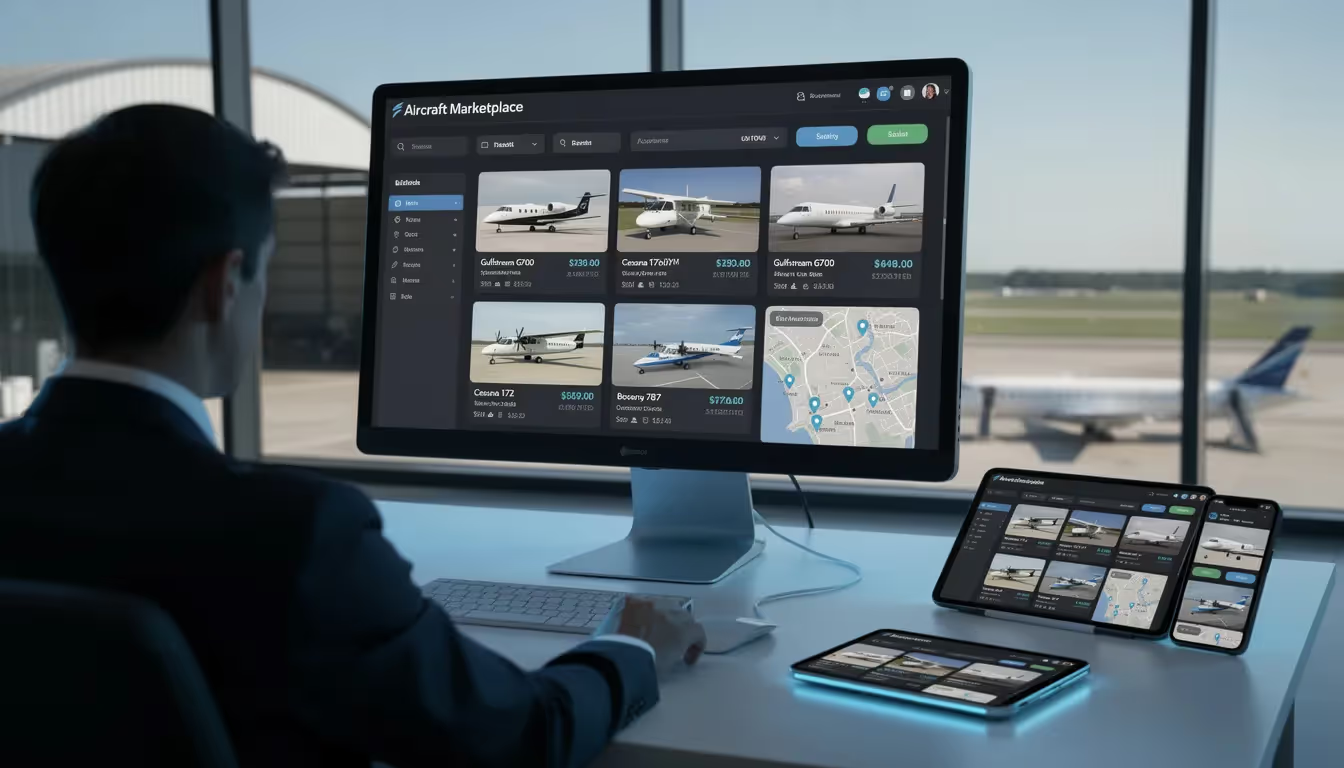
Private aviation stands as the ultimate symbol of flexibility and efficiency for high-net-worth individuals, offering a level of convenience and personalization that commercial airlines simply cannot match. Whether you are considering outright ownership or exploring fractional ownership options, investing in a private jet is a significant decision that goes far beyond the initial purchase price. The world of private jet ownership encompasses a wide range of aircraft, from nimble light jets ideal for short hops to luxurious business jets designed for long-haul flights, each presenting its own set of benefits and considerations.
Owning a private jet means gaining control over your travel schedule, accessing remote destinations, and enjoying unparalleled convenience and privacy. However, this privilege comes with a host of responsibilities and ongoing costs, including hangar fees, maintenance plans, insurance, and crew salaries. Hangar fees for private jets can start from $30,000 and go up to over $200,000 annually, depending on location and aircraft size. Annual maintenance costs for private jets typically range from 5% to 10% of the aircraft's value, making it a significant factor in ownership expenses. Additionally, the annual cost of insuring a private jet generally falls between 1% and 3% of the aircraft's value, adding to the total expenses involved in ownership. Operating costs for a private jet include fuel, maintenance, pilot salaries, insurance, hangar rental, and landing fees. The private aviation market is dynamic, with trends and regulations evolving rapidly, making it essential for prospective owners to stay informed through the latest private jet news and industry updates.
For those seeking a more cost-effective approach, fractional ownership allows you to share the costs and benefits of jet ownership with other like-minded individuals, reducing the financial burden while still enjoying many of the advantages of private aviation. Leasing a private jet offers many of the same benefits as ownership without the long-term financial commitment, providing flexibility for those who may not require full ownership. Dry-leasing refers to leasing an aircraft without pilots or crew, while wet-leasing includes these services. Chartering a private jet is another cost-effective option for infrequent travelers, offering luxury and convenience without the fixed costs associated with ownership. Regardless of the ownership model, it is crucial to carefully evaluate all aspects of the investment, from operating costs to long-term maintenance, to ensure that your private jet continues to deliver value and satisfaction for years to come.
Key Takeaways
Private jet ownership delivers measurable time savings of 2-4 hours per trip compared to commercial aviation, translating to strategic business advantages for executives flying 150+ hours annually
Aircraft purchase prices range from $3 million for light jets like the Cessna Citation CJ3+ to $75 million for ultra-long-range jets like the Gulfstream G700, with pre-owned aircraft offering 20-50% savings
The 2009 Challenger 300 is available for immediate delivery at a price of $10.995 million USD
Total acquisition costs extend beyond purchase price to include pre-purchase inspections ($25,000-$75,000), legal fees, insurance deposits, and immediate operational setup costs—the real cost of ownership also factors in ongoing and hidden expenses such as maintenance, crew salaries, hangar fees, and depreciation
Due diligence requires comprehensive technical inspections, maintenance record audits, and certification verification to avoid costly post-purchase surprises. Evaluating the aircraft's condition and history by reviewing maintenance records, total flight hours, and past damage is essential to ensure a sound investment.
Financing options include traditional aircraft loans (10-20% down, 6-8% interest rates) and innovative structures like sale-leaseback arrangements for tax optimization
Used private jets typically cost 20% to 50% less than new models, making them an attractive option for buyers seeking immediate availability and cost savings.
When your time is valued at $1,000+ per hour, commercial aviation’s scheduling constraints and operational inefficiencies represent measurable business losses. The decision to purchase or lease a private jet transcends luxury acquisition—it constitutes strategic asset allocation that enables global business expansion, protects competitive intelligence, and delivers quantifiable productivity gains. However, it is important to note that private jets have a larger carbon footprint per passenger than commercial flights, raising environmental considerations for prospective buyers.
Private aviation provides access to over 5,000 airports worldwide versus the 500 served by commercial carriers, enabling direct routing to destinations unreachable through traditional airline networks. Business jet flight activity increased 3.5% in the first half of 2025 compared to 2024, demonstrating sustained confidence in private aviation as an essential business tool despite economic variability.

For high-net-worth individuals and corporate executives, purchasing a private jet represents a fundamental shift from time-constrained commercial travel to complete operational autonomy. Outright ownership of a private jet provides full control over the flying experience, allowing owners to customize every aspect of their travel. This comprehensive guide examines every aspect of aircraft acquisition, from initial requirements assessment through post-purchase operational setup, providing the strategic framework necessary for informed decision-making. Regular maintenance is critical for the safety and airworthiness of an aircraft, ensuring that it remains reliable and compliant with aviation standards. Depreciation rates for private aircraft typically affect resale value and have tax implications, with jets depreciating 10% to 15% in the first year and 5% to 10% annually thereafter.
Why Private Jet Ownership Represents Strategic Asset Allocation
Private jet access delivers measurable competitive advantages that extend far beyond convenience. Executive productivity increases dramatically when business meetings can be conducted across multiple cities in a single day without commercial hub constraints. Time efficiency gains of 2-4 hours per trip become particularly significant for executives whose hourly value approaches or exceeds $1,000.
The strategic value proposition encompasses multiple dimensions: privacy protection for sensitive business discussions, security enhancement for high-profile individuals, and operational flexibility impossible through commercial aviation. Private aircraft enable executives to maintain confidential negotiations without public exposure, conduct board meetings in secure cabin environments, and customize travel schedules around deal-making opportunities rather than airline timetables.
Direct routing capabilities represent a fundamental operational advantage. Where commercial aviation requires hub-and-spoke routing through major metropolitan centers, private aviation enables point-to-point travel between any two airports with adequate runway length. This routing flexibility proves particularly valuable for international business expansion, enabling access to emerging markets and investment opportunities in regions poorly served by commercial carriers.
Access control extends beyond passenger selection to cargo capabilities, enabling executives to transport sensitive documents, product prototypes, or specialized equipment without commercial airline restrictions. For corporations managing time-sensitive transactions or competitive intelligence protection, these capabilities represent measurable strategic assets rather than luxury amenities.
The productivity multiplier effect becomes apparent when considering annual flight hour accumulation. Executives flying 150+ hours annually realize time savings approaching 300-600 hours compared to commercial alternatives—equivalent to 7-15 additional business weeks. This recovered time enables expanded business development activities, enhanced client relationship management, and improved work-life integration, which is impossible under commercial aviation constraints.
Assessing Your Aircraft Requirements
Successful aircraft acquisition begins with rigorous analysis of actual operational requirements rather than aspirational travel desires. Mission profile assessment must examine annual flight hours, typical passenger loads, average trip distances, and frequently accessed destinations to determine optimal aircraft category and configuration.
Annual flight hour analysis establishes the foundation for ownership versus alternative access decisions. Industry data suggests that owning a private jet becomes cost-effective compared to charter or fractional ownership at approximately 150-200 annual flight hours, though this threshold varies based on specific aircraft type and routing requirements.
Range requirements directly determine aircraft category selection. Light jets typically provide 1,000-2,500 nautical miles of range, suitable for regional business travel and short-haul domestic operations. Mid-size jets extend this capability to 2,500-3,500 nautical miles, enabling transcontinental operations and limited international routing. Super-mid-size aircraft offer 3,500-4,500 nautical miles of range, while heavy jets exceed 4,500 nautical miles with intercontinental capability.
Payload considerations affect real-world operational capacity. While manufacturers specify maximum passenger counts, actual mission capability depends on baggage requirements, fuel loads for specific routes, and cabin configuration preferences. A mid-size jet rated for 8 passengers may effectively accommodate only 5-6 passengers with luggage on maximum-range flights due to weight limitations.
Runway performance requirements influence airport accessibility and operational flexibility. Light jets typically require 3,000-4,000 feet of runway length, enabling access to smaller regional airports. Heavy jets may require 5,000-6,000+ feet, limiting operations to airports with substantial infrastructure. This operational constraint affects routing options and ground transportation requirements at destination airports.
Cabin configuration preferences should reflect actual usage patterns rather than maximum capacity scenarios. Business-focused missions may prioritize workspace configurations with conference tables and connectivity infrastructure, while family-oriented travel emphasizes comfort seating and entertainment systems. Consider growth projections for travel patterns and business expansion when evaluating long-term requirements.
Light Jets vs. Mid-Size vs. Heavy Jets: Capability Comparison
Aircraft category selection represents the most critical decision in the acquisition process, with long-term implications for operational costs, mission capability, and user satisfaction. Each category delivers distinct performance characteristics optimized for specific mission profiles.
Light jets excel in cost efficiency and operational simplicity, with aircraft like the Cessna Citation CJ4 offering 4-7 passenger capacity and operating costs around $2,500-3,500 per hour. These aircraft provide excellent short-haul capability with access to smaller airports, making them ideal for regional business travel or serving as entry-level aircraft for first-time owners. The smallest jets typically carry four passengers with a range of 2,000 to 3,000 miles, making them suitable for short to medium-range trips. However, cabin space remains constrained, with limited baggage capacity and basic amenity configurations.
Mid-size jets, exemplified by the Bombardier Challenger 350, bridge the gap between efficiency and capability with 6-9 passenger capacity and operating costs of $3,500-4,500 per hour. These aircraft offer meaningful cabin improvements, including separate lavatory facilities, enhanced galley capabilities, and workspace configurations suitable for productive business travel. Range capability enables transcontinental operations and limited international routing.
Heavy jets like the Gulfstream G650ER provide luxury cabin environments rivaling private residences, accommodating 10-18 passengers with operating costs of $5,000-8,000 per hour. These aircraft feature multiple staterooms, full-size beds, shower facilities, and sophisticated entertainment systems. Range capabilities exceeding 5,500 nautical miles enable intercontinental routing with polar navigation authority for time-optimized long-distance missions.
Light Jet: Representative Model - Cessna Citation CJ4; Passengers - 4 to 7; Range - 2,165 nautical miles; Operating Cost per Hour - $2,500 to $3,500
Mid-Size Jet: Representative Model - Challenger 350; Passengers - 6 to 9; Range - 3,200 nautical miles; Operating Cost per Hour - $3,500 to $4,500
Heavy Jet: Representative Model - Gulfstream G650ER; Passengers - 10 to 18; Range - 7,500 nautical miles; Operating Cost per Hour - $5,000 to $8,000
The critical insight involves matching aircraft capability precisely to actual mission requirements. Purchasing heavy jet capacity for primarily domestic short-range operations represents substantial waste in acquisition and operating costs. Conversely, selecting light jet capability when frequent international operations are anticipated creates operational limitations that compromise the strategic benefits of private aviation.
Navigating the Aircraft Marketplace
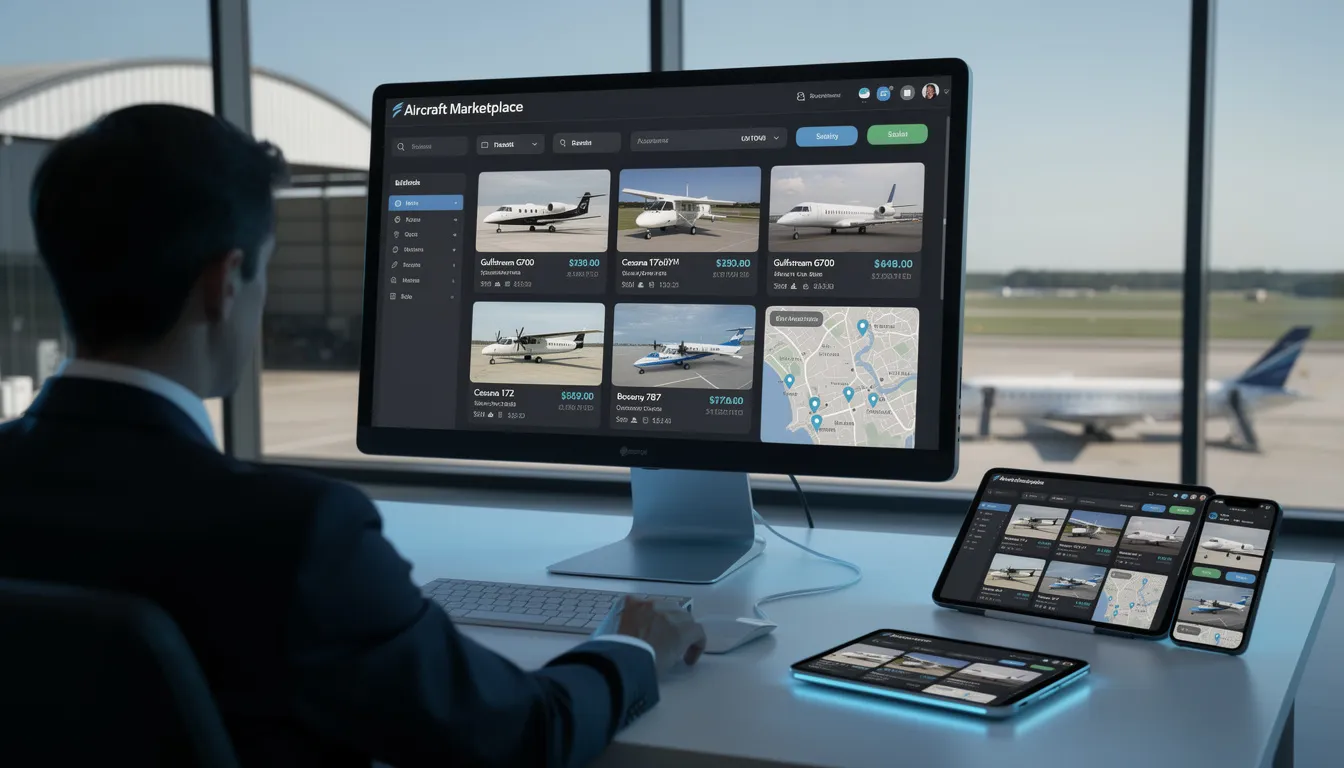
The aircraft marketplace in 2025 reflects post-pandemic stabilization with elevated valuations and extended delivery timelines, creating complex decision dynamics for prospective buyers. Aircraft sales play a crucial role in the private aviation market, facilitating transactions and providing buyers with access to a range of available models. Understanding market conditions, sourcing strategies, and timing considerations enables more effective acquisition planning and cost optimization.
New aircraft delivery timelines present significant challenges for buyers with immediate operational needs. Popular models like the Gulfstream G650 or Bombardier Global 7500 typically require 24-48 months from order to delivery due to production backlogs and supply chain constraints. Manufacturers cleared much white-tail inventory during 2020-2023, but sustained demand has recreated extended delivery queues for most aircraft categories.
The pre-owned market offers immediate availability advantages with price discounts of 20-50% compared to new equivalents, though quality assessment becomes critical. Used jets, in particular, provide significant cost savings, but buyers must carefully consider potential maintenance and upgrade challenges when choosing a pre-owned aircraft. Market analysis indicates that aircraft remaining listed for extended periods often carry maintenance liabilities or specification issues that complicate acquisition.
The Challenger 300 has been maintained in excellent condition with impeccable logs and records, making it a standout option for buyers seeking reliability and value. Notably, the Challenger 300 has only 64 flight hours since its last heavy inspection, further enhancing its appeal for prospective buyers. Professional aircraft brokers provide essential expertise in identifying quality opportunities and avoiding problem aircraft.
Seasonal market patterns influence both availability and pricing, with winter months typically offering better buyer conditions as owners seek to complete transactions before year-end for tax optimization. Spring and summer months see increased activity as new buyers enter the market and operational demand peaks for vacation and business travel.
Reputable sourcing channels include original equipment manufacturer (OEM) certified pre-owned programs, established aircraft brokers, and dealer networks specializing in specific aircraft categories. OEM programs provide enhanced warranties and inspection protocols but command premium pricing. Independent brokers offer broader market access and competitive pricing but require careful qualification to ensure professional competence and ethical practices.
Market timing considerations extend beyond immediate purchase decisions to long-term value protection. Aircraft models approaching production end-of-life or technology obsolescence face accelerated depreciation, while newer models with advanced avionics and efficiency improvements tend to retain value more effectively.
New vs. Pre-Owned Aircraft: Total Cost Analysis
The financial comparison between new and pre-owned aircraft involves analysis extending far beyond initial purchase price to encompass depreciation, maintenance costs, technology obsolescence, and operational capabilities over the ownership period.
New aircraft acquisition provides complete specification control, enabling buyers to customize interior configurations, avionics packages, and performance options to exact requirements. Manufacturer warranties typically cover major components for 2-5 years, reducing unexpected maintenance exposure. Tax implications may favor new aircraft through bonus depreciation benefits, though specific advantages require professional tax advisory review.
Purchase prices for new aircraft start at approximately $3 million for light jets, $15-35 million for mid-size aircraft, and $40-60 million for heavy jets. Delivery timelines of 24-48 months require careful planning but enable specification optimization and quality assurance through manufacturer oversight.
Pre-owned aircraft offer immediate availability and substantial cost savings, with quality examples available at 20-50% discounts to new equivalents. A pre-owned light jet might cost $2.5 million versus $4+ million new, while pre-owned heavy jets range from $15-45 million, depending on age and condition. However, pre-owned acquisition introduces significant due diligence requirements and potential hidden costs.
Five-year total ownership cost analysis reveals more nuanced comparisons. New aircraft experience steep initial depreciation but benefit from warranty coverage and the latest technology. Pre-owned aircraft avoid initial depreciation but may require substantial avionics upgrades or deferred maintenance catch-up. Professional analysis suggests that well-maintained pre-owned aircraft typically provide superior total value for buyers planning 5+ year ownership periods.
Technology considerations affect long-term value retention and operational capability. Older aircraft may require avionics upgrades costing $500,000-2,000,000+ to maintain regulatory compliance and operational efficiency. Future regulatory requirements for data link communications, improved weather radar, and enhanced navigation systems favor newer aircraft with integrated advanced avionics.
Financial Structuring and Acquisition Costs
Aircraft acquisition involves substantial financial commitments extending far beyond the headline purchase price, requiring comprehensive cost modeling and optimal financing structure analysis to achieve tax efficiency and operational objectives.
Total acquisition costs typically add 5-15% to the aircraft purchase price through required services and immediate setup expenses. Pre-purchase inspection costs range from $25,000-$75,000, depending on aircraft complexity and inspection depth. Legal and escrow fees add $15,000-$50,000 for transaction documentation and title transfer. Initial insurance deposits, maintenance reserves, and immediate operational setup costs contribute additional hundreds of thousands of dollars. These recurring financial obligations are collectively referred to as operational costs, encompassing routine maintenance, crew salaries, insurance, and hangaring, all of which significantly impact the total cost of private jet ownership.
Traditional aircraft financing typically requires a 10-20% down payment with 15-20 year terms at interest rates of 6-8% for qualified borrowers. Lender underwriting examines personal or corporate financial strength, pilot qualifications, and intended aircraft usage. Loan-to-value ratios rarely exceed 80-85% due to aircraft depreciation characteristics and specialized asset nature. Financing a private jet usually requires a 10% to 20% down payment, with the remainder financed for up to 20 years, making it essential to evaluate long-term financial commitments carefully.
Alternative financing structures provide tax optimization and liquidity management opportunities. Sale-leaseback arrangements enable buyers to purchase aircraft and then immediately lease them back to specialized entities, capturing tax benefits while maintaining operational control. Operating leases reduce balance sheet impact for corporate buyers while preserving upgrade flexibility.
International financing options may offer favorable rates for qualified buyers, particularly for aircraft registered in jurisdictions with beneficial tax treaties. However, international structures introduce complexity requiring specialized legal and tax advisory support to ensure compliance and optimization.
Aircraft ownership entities require careful structuring for liability protection and tax efficiency. Limited liability companies, trusts, and corporate structures each offer distinct advantages depending on owner objectives and financial circumstances. Professional tax advisory becomes essential given the significant financial commitments and complex regulatory environment.
Tax Optimization Strategies for Aircraft Purchases
Tax implications of aircraft ownership represent both significant opportunities and potential complications requiring professional advisory support to navigate effectively. Current tax codes provide substantial depreciation benefits for qualifying business aircraft while creating complexities for mixed personal-business usage.
Bonus depreciation under Section 168(k) enables qualifying aircraft buyers to deduct 100% of the aircraft cost in the first year, subject to business usage requirements and other limitations. This benefit applies to both new and pre-owned aircraft placed in service for qualifying business purposes, though personal usage may limit deduction eligibility.
Sales tax optimization requires careful planning across state jurisdictions with varying tax rates and exemptions. Aircraft purchased in states without sales tax or with beneficial use-based exemptions can generate savings of 6-10% of the purchase price. Professional legal counsel experienced in aircraft transactions ensures compliance with complex multi-state tax requirements. Sales and use taxes on the initial purchase of a private jet can be substantial, sometimes reaching millions of dollars for larger jets, making tax planning a critical component of the acquisition process.
International registration considerations enable tax optimization for qualifying buyers, particularly for aircraft operating internationally or based outside the United States. Foreign registration may provide operational benefits and tax advantages, but it introduces regulatory complexities requiring specialized expertise.
Depreciation recapture and like-kind exchange strategies affect aircraft disposition planning and long-term tax implications. Section 1031 exchanges enable aircraft owners to defer capital gains taxes when upgrading to different aircraft, though specific requirements and timelines must be carefully managed.
The ownership structure significantly affects tax treatment, with direct individual ownership, corporate ownership, trust-based ownership, and leasing arrangements each creating different tax consequences. Professional tax advisory becomes essential given the magnitude of potential benefits and the severe penalties for non-compliance.
Due Diligence and Pre-Purchase Inspection Process
Aircraft acquisition due diligence requires a comprehensive technical, legal, and financial assessment to identify potential issues and ensure airworthiness, title clarity, and regulatory compliance. This process typically requires 30-45 days and professional expertise across multiple disciplines. A thorough pre-purchase inspection by an independent expert is essential to evaluate the aircraft's true condition, ensuring that buyers avoid costly surprises and make informed decisions.
Technical inspection represents the most critical component of due diligence, involving a detailed examination of the airframe, engines, avionics, and all aircraft systems. Professional inspection teams typically include certified mechanics specializing in the specific aircraft type, avionics technicians, and, in some cases, engineering consultants for complex issues.
Maintenance record review examines complete logbook documentation from aircraft manufacture through the current date, identifying maintenance patterns, compliance with mandatory service bulletins, and deferred maintenance items. This review requires expertise in regulatory requirements and aircraft-specific maintenance protocols to assess hidden liabilities.
Pre-purchase inspection depth varies from basic visual examination to comprehensive disassembly inspection involving borescope examination of engine internals and detailed structural assessment. Inspection costs range from $25,000 for basic light jet assessment to $75,000+ for comprehensive heavy jet evaluation, but frequently identify issues saving buyers multiples of the inspection cost.
Title and lien search verification ensures clear ownership transfer and identifies any security interests, judgments, or encumbrances affecting the aircraft. Aviation-specialized legal counsel conducts this review, as aircraft liens and title issues involve federal aviation regulations distinct from typical personal property laws.
Regulatory compliance verification confirms current airworthiness certification, registration validity, and compliance with applicable airworthiness directives and service bulletins. The aircraft owner is ultimately responsible for ensuring the aircraft meets all FAA regulations and safety standards, both at acquisition and throughout ownership. Non-compliance issues can create substantial costs and operational restrictions requiring disclosure and resolution prior to purchase.
Test flights enable functional assessment of aircraft systems, handling characteristics, and performance verification. Comprehensive test flights include systems verification, performance monitoring, and pilot assessment of aircraft condition. Costs for test flights, including positioning, fuel, and crew expenses, are typically allocated between buyer and seller in the purchase agreement.
Technology and Avionics Evaluation
Modern aircraft rely heavily on sophisticated avionics systems for navigation, communication, weather detection, and flight management. Avionics evaluation during pre-purchase inspection requires assessment of current capabilities, regulatory compliance, and upgrade requirements to ensure long-term operational viability.
Current regulatory requirements mandate ADS-B (Automatic Dependent Surveillance-Broadcast) capability for operations in controlled airspace, with future requirements likely to include Controller-Pilot Data Link Communications (CPDLC) and enhanced weather radar capabilities. Older aircraft may require substantial avionics upgrades costing $500,000-2,000,000+ to maintain operational capability.
Connectivity systems enable passenger productivity and communication during flight, with options including Gogo, Viasat, and Inmarsat satellite systems providing varying levels of bandwidth and global coverage. Evaluation should consider current system capability, upgrade potential, and recurring service costs.
Flight management systems and autopilot capabilities directly affect operational safety and pilot workload. Advanced systems with synthetic vision, enhanced flight vision systems, and sophisticated autopilot capabilities provide superior safety margins and operational capability in challenging weather conditions.
Cabin management systems control lighting, entertainment, communication, and environmental systems, with sophisticated installations rivaling luxury residences. Evaluation should assess system integration, reliability history, and upgrade potential to ensure long-term satisfaction and value retention.
Future technology considerations include electric and hybrid-electric propulsion development, sustainable aviation fuel compatibility, and enhanced automation systems. While current aircraft rely on conventional jet fuel and traditional avionics, emerging technologies may affect long-term value retention and operational costs.
Finding the Right Broker
Navigating the private aviation market can be a complex and high-stakes endeavor, making the choice of an aircraft broker one of the most important decisions in the purchasing process. A reputable aircraft broker brings invaluable expertise to the table, guiding buyers through every stage of acquiring a private jet—from the initial search and pre-purchase inspection to negotiating the final sale. With hundreds of thousands, if not millions, of dollars on the line, working with a trusted broker ensures that your investment is protected and that you secure the best possible aircraft for your needs.
An experienced broker has deep knowledge of both new and pre-owned aircraft, understands current market trends, and can identify opportunities that align with your travel requirements and budget. They can also help you avoid common pitfalls, such as overpaying for a plane or overlooking critical maintenance issues that could lead to costly repairs down the line. During the pre-purchase inspection, a skilled broker will coordinate with technical experts to thoroughly assess the aircraft’s condition, ensuring that you are fully informed before committing to the purchase.
Whether you are looking to buy your first private jet or expand your existing fleet, partnering with a knowledgeable aircraft broker streamlines the process and adds a layer of confidence to your investment. Their market insights, negotiation skills, and industry connections can make the difference between a smooth transaction and a costly mistake, helping you secure the right jet at the right price.
Determining Ownership Structure
Choosing the optimal ownership structure is a foundational step in private jet ownership, with far-reaching implications for both costs and operational flexibility. Outright ownership offers the highest level of control, allowing you to customize your aircraft, set your own schedule, and manage every aspect of its operation. However, this approach also involves a substantial initial purchase price and ongoing costs, including crew salaries, insurance, maintenance, and regulatory compliance. Owners must be prepared for the long-term financial commitment and the responsibilities that come with managing a high-value asset.
For those seeking a more cost-effective solution, fractional ownership provides an attractive alternative. By sharing the aircraft with other owners, you can significantly reduce your upfront investment and ongoing expenses while still enjoying many of the benefits of private jet travel. Fractional ownership programs often include comprehensive aircraft management services, covering everything from maintenance planning and crew management to ensuring regulatory compliance, which can simplify the ownership experience and provide peace of mind.
Aircraft management companies play a pivotal role in supporting both outright and fractional owners. These firms handle the day-to-day operations of your jet, including scheduling, maintenance, and compliance, allowing you to focus on your travel needs without getting bogged down in administrative details. To navigate the purchase process effectively, it is highly recommended to hire specialists such as an aircraft broker and an aviation attorney. These professionals bring invaluable expertise, ensuring that every aspect of the transaction is handled with precision and care. The right ownership structure will depend on your individual circumstances, such as your typical travel patterns, financial situation, and personal preferences. By carefully weighing the costs, benefits, and long-term commitments associated with each option, you can select an ownership model that maximizes the value of your investment and aligns with your lifestyle and business objectives.
Ownership vs. Alternative Access Models
The decision between outright ownership and alternative access models depends on annual flight hours, routing flexibility requirements, scheduling control preferences, and total cost considerations. Each approach delivers distinct advantages and limitations requiring careful analysis.
Outright ownership provides maximum scheduling flexibility, complete customization capability, and potential charter revenue generation to offset operating costs. Ownership becomes cost-effective compared to alternatives at approximately 150-200 annual flight hours, though this threshold varies based on specific aircraft type and mission requirements.
Annual ownership costs for mid-size jets typically range from $1.5-2.5 million, including crew, maintenance, insurance, hangar, and operational expenses. Heavy jets may require $2.5-4+ million annually, depending on utilization and operational complexity. These fixed costs must be absorbed regardless of actual flight hours, making ownership expensive for low-utilization operators.
Fractional ownership programs like NetJets and Flexjet provide access to professional flight departments and diverse aircraft fleets through share ownership typically ranging from 1/16th to 1/2 ownership stakes. Fractional programs eliminate crew management, maintenance oversight, and regulatory compliance responsibilities while providing priority access and consistent service quality.
Jet card programs offer pre-purchased flight hours, providing access to specific aircraft categories without capital investment or fixed costs. Programs typically require 25-100 hours minimums with rates ranging from $5,000-15,000+ per hour depending on aircraft category and service level. Jet cards provide operational simplicity but lack scheduling priority and customization capability.
Charter services enable per-trip aircraft access with complete flexibility but involve higher hourly rates, availability uncertainty, and variable service quality. Charter rates typically range from $3,000-12,000+ per hour, depending on aircraft type, routing, and market conditions.
Outright Ownership: Capital required ranges from $3 million to $75 million, with an annual commitment of $1.5 million to over $4 million. This option offers maximum flexibility and complete control.
Fractional Ownership (1/8 Share): Capital required ranges from $1 million to $8 million, with an annual commitment between $400,000 and $800,000. This option provides high flexibility but limited control.
Jet Card (50 hours): Requires a capital investment between $250,000 and $750,000, with no annual commitment. Flexibility is moderate, with minimal control.
Charter: No capital required and no annual commitment. This option offers low flexibility and no control.
The strategic decision requires an honest assessment of actual travel patterns, control requirements, and cost sensitivity. Buyers anticipating irregular usage or uncertain long-term travel needs may benefit from fractional or jet card programs, while those requiring maximum flexibility and customization typically find ownership most satisfactory.
Sustainability Considerations in Aircraft Selection
Environmental impact assessment increasingly influences aircraft selection decisions as regulatory requirements and corporate sustainability commitments drive demand for fuel-efficient operations and carbon footprint reduction.
Fuel efficiency varies significantly across aircraft categories and specific models, with newer aircraft typically providing 15-25% improved efficiency compared to previous generation equivalents. Modern turbofan engines with advanced materials and design optimization deliver superior performance while reducing emissions and operating costs.
Sustainable Aviation Fuel (SAF) compatibility enables operators to reduce carbon emissions by 50-80% compared to conventional jet fuel, though availability remains limited and pricing premiums of 100-300% create substantial operating cost implications. Aircraft selection should consider SAF compatibility and infrastructure development at frequently used airports.
Carbon offset programs provide mechanisms for emissions mitigation through verified environmental projects, enabling operators to achieve carbon-neutral operations through market-based measures. Integration of carbon offsetting into aircraft operations typically adds $200-500 per flight hour, depending on routing and offset program selection.
Future regulatory trends suggest increasing emphasis on environmental performance through potential carbon taxation, emissions limits, or operational restrictions for older, less efficient aircraft. Buyers should consider long-term regulatory trends when evaluating aircraft that may remain in service for 15- 20+ years.
Electric and hybrid-electric propulsion development promises substantial emissions reduction for short-range operations, though current technology limitations restrict applications to aircraft with under 19 passengers with a range of under 500 miles. Monitoring emerging technology development enables informed decisions about fleet modernization timing.

Closing Process and Post-Purchase Setup
Aircraft acquisition closing involves complex documentation, regulatory compliance, and immediate operational setup requiring coordination across multiple professional disciplines and regulatory authorities. Proper planning ensures smooth ownership transfer and immediate operational capability.
Escrow procedures protect both buyer and seller interests through neutral third-party holding of funds and documentation until all conditions precedent are satisfied. Aviation-specialized escrow companies understand aircraft-specific requirements, including lien clearance, title transfer, and regulatory registration procedures.
Title transfer requires precise documentation filed with appropriate regulatory authorities, typically the Federal Aviation Administration for U.S.-registered aircraft or equivalent foreign authorities for international registration. Title transfer timing affects insurance coverage, operational authority, and liability exposure, requiring careful coordination.
Aircraft registration and certification transfer must occur simultaneously with title transfer to maintain operational authority and regulatory compliance. Registration requirements vary by jurisdiction but typically involve documentation of airworthiness, insurance coverage, and owner qualification.
Immediate operational setup encompasses crew hiring or assignment, management company selection, insurance activation, and hangar reservation. Professional aircraft management companies provide comprehensive services including crew management, maintenance oversight, and regulatory compliance, typically charging 10-15% of operating budget.
Insurance activation requires proof of coverage before aircraft operation, with underwriting considering pilot qualifications, aircraft condition, and intended operations. Aviation insurance specialists provide essential expertise in coverage selection and carrier qualification. Arrange comprehensive insurance coverage that addresses accidents and injuries associated with the aircraft to ensure full protection for both passengers and crew.
First-flight preparation involves crew training, aircraft familiarization, and operational planning for initial positioning or mission flights. Professional management companies typically coordinate these activities, ensuring regulatory compliance and operational safety.
Aircraft Management vs. Self-Operation
The decision between professional management and self-operation involves analysis of operational complexity, cost considerations, and control preferences. Each approach delivers distinct advantages requiring careful evaluation based on owner objectives and resources.
Professional aircraft management companies provide comprehensive services including crew management, maintenance oversight, regulatory compliance, trip planning, and charter revenue generation. Management fees typically range from 10-15% of operating budget plus markup on direct expenses, but professional management frequently generates cost savings through vendor relationships and operational expertise.
Crew management represents the most complex aspect of self-operation, requiring hiring qualified pilots, managing training requirements, maintaining regulatory compliance, and ensuring adequate scheduling coverage. Pilot salaries vary widely depending on experience and aircraft type, with captain salaries typically ranging from $80,000 to $150,000 annually and first officers earning $60,000 to $120,000, plus benefits, training costs, and travel expenses. Crew and pilot salaries for private jets typically range from $85,000 to $300,000 annually per individual, depending on the type of aircraft and the complexity of operations. Working with management companies can help optimize pilot salaries and reduce overall crew expenses.
Maintenance oversight requires specialized expertise to ensure regulatory compliance, optimize costs, and maintain aircraft value. Professional management companies provide access to experienced maintenance personnel, vendor relationships, and regulatory expertise that is difficult to replicate through self-operation.
Charter revenue generation enables owners to offset operating costs through aircraft availability during non-use periods, though charter operations require Part 135 certification, enhanced regulatory compliance, and professional crew management. Management companies typically retain 10-15% of charter revenue while handling operational complexity.
Regulatory compliance encompasses numerous federal requirements, including pilot currency, aircraft inspections, operational authorizations, and safety management systems. Professional management companies maintain compliance expertise and systems, reducing owner liability and ensuring operational authority.
The strategic decision depends on operational complexity, desired control level, and cost sensitivity. Owners flying 200+ hours annually with complex operations typically benefit from professional management, while simple operations with lower utilization may justify self-operation for maximum control and cost reduction.
Frequently Asked Questions
How long does the aircraft purchase process typically take?
The complete acquisition process usually requires 60-90 days from initial offer to delivery, including 30-45 days for due diligence, financing approval, and pre-purchase inspection. New aircraft orders involve 24-48 month delivery timelines for popular models. The timeline can be shortened for cash purchases of pre-owned aircraft in exceptional condition, but rushing due diligence increases the risk of costly post-purchase surprises.
What are the hidden costs in aircraft acquisition that buyers often overlook?
Beyond the purchase price, budget for pre-purchase inspection ($25,000-$75,000), legal and escrow fees ($15,000-$50,000), initial insurance deposits, immediate maintenance reserves, and potential avionics upgrades. These can add 5-10% to the total acquisition cost. Many first-time buyers also underestimate ongoing costs like crew salaries, hangar fees, and maintenance plans, which can total 50-60% of the aircraft’s purchase price annually.
How do I determine if I need a light jet versus a mid-size or heavy jet?
Your decision should be based primarily on typical mission profiles: light jets for trips under 2,500 miles with 4-6 passengers, mid-size jets for 2,500-3,500 miles with 6-8 passengers, and heavy jets for international travel exceeding 4,500 miles with larger groups and enhanced comfort requirements. Consider your actual travel patterns over the past 2-3 years rather than aspirational travel desires, as aircraft selection mismatches represent expensive mistakes.
What financing options are available for private aircraft purchases?
Traditional aircraft loans typically require a 10-20% down payment with 15-20 year terms at 6-8% interest rates. Alternative structures include operating leases, sale-leaseback arrangements for immediate liquidity, and portfolio financing for multiple aircraft. International buyers may access more favorable rates through offshore financing structures. The significant investment requires specialized aviation lenders familiar with aircraft collateral and depreciation characteristics.
Should I buy a new or pre-owned aircraft for my first purchase?
Pre-owned aircraft offer immediate availability and 20-50% cost savings, making them ideal for first-time buyers wanting to enter the market quickly. New aircraft provide the latest technology, full warranties, and customization options, but require longer delivery times and higher capital investment. For buyers flying 150+ hours annually, pre-owned often provides better initial value, though a comprehensive pre-purchase inspection is essential to avoid costly maintenance surprises.
The decision to purchase a private jet represents a strategic asset allocation that extends far beyond luxury acquisition. For high-net-worth individuals and corporate executives whose time commands premium valuations, private aviation delivers measurable productivity gains, operational flexibility, and competitive advantages impossible through commercial travel.
Successful aircraft acquisition requires rigorous analysis of mission requirements, comprehensive due diligence, and professional advisory support across legal, technical, and financial disciplines. The substantial investment demands careful consideration of total ownership costs, alternative access models, and long-term operational objectives to ensure optimal value realization.
The elevated complexity of purchasing a private jet necessitates engagement with experienced professionals who understand the specialized requirements of aircraft transactions. From initial aircraft selection through post-purchase operational setup, expert guidance consistently outweighs advisory costs through deal optimization and cost avoidance.
Transform your global mobility strategy and access unparalleled convenience through strategic aircraft ownership. Contact our aviation specialists to explore how private jet acquisition can elevate your business operations and personal travel experience.
Conclusion
Purchasing a private jet is a significant and strategic investment that offers unparalleled convenience, flexibility, and privacy for high-net-worth individuals and corporate executives. Beyond the initial purchase price, understanding the full scope of ownership costs—including crew salaries, maintenance, insurance, and hangar fees—is essential for making an informed decision that aligns with your financial situation and travel needs. Whether opting for a light, mid-size, or heavy jet, matching the aircraft capabilities to your mission profile ensures operational efficiency and cost-effectiveness.
Engaging experienced professionals such as aircraft brokers, maintenance experts, and financial advisors can streamline the acquisition process and help navigate complex regulatory and tax considerations. Trusted resources like BlackJet.com provide valuable insights, up-to-date private jet news, and expert guidance to support buyers throughout the purchasing journey. For those uncertain about full ownership, alternative access models like fractional ownership or chartering provide flexibility without long-term financial commitment.
Ultimately, owning a private jet empowers you to control your travel schedule, access remote destinations, and enhance productivity in ways commercial aviation cannot match. With careful planning, expert guidance, and resources such as BlackJet.com, purchasing a private jet can become a valuable asset that supports your lifestyle and business objectives for years to come.


 Sign up with google
 Sign up with Apple