Private jet access represents far more than luxury travel—it’s a strategic business tool that can reclaim hundreds of hours annually while providing unmatched flexibility and privacy. In 2025’s rapidly evolving private aviation market, obtaining an accurate quote for private jet services requires understanding complex pricing structures, hidden costs, and value propositions that extend well beyond hourly rates. Smaller aircraft generally have more affordable hourly rates compared to larger jets. Charter brokers act as intermediaries, giving access to a wider range of aircraft and competitive pricing. Private jets are categorized into several types based on size and purpose, including turboprops, light jets, midsize jets, large jets, and ultra-long-range jets.
The private aviation industry has undergone a dramatic transformation, with technological advances enabling instant quote generation and real-time aircraft availability. Unlike commercial air travel with its standardized pricing and limited flexibility, private jet charters offer dynamic pricing models that reflect true market conditions while delivering strategic advantages worth their premium cost. Very Light Jets (VLJs) are ideal for short day trips and can typically fly 3 to 4 passengers for around 3 hours. Light Jets and Super Light Jets have varied passenger capacities and are ideal for short to medium trips, offering flexibility for different travel needs.
Modern executives understand that time represents their most valuable asset. When commercial flights require 2-4 hours for security, connections, and ground transportation, private jets enable door-to-door travel in a fraction of the time. This efficiency translates directly to competitive advantage, enabling same-day business meetings across continents and confidential discussions without commercial aviation’s inherent security risks. Heavy jets, like the Bombardier Challenger 605, can seat up to 12 passengers and are designed for extended journeys with high comfort levels. Popular models of light jets, like the Cessna Citation Mustang, provide solid performance and reliability, making them a preferred choice for regional business travel.
Key Takeaways
Private jet quotes range from $2,000 to $18,000+ per flight hour, depending on aircraft category, with transparent pricing calculators providing instant estimates. Rental costs for private jets range from about $2,000 to over $15,000 per flight hour, depending on the aircraft type. Private jet charter costs typically range from $1,800 to $18,000 per billable flight hour, offering flexibility based on aircraft type and service level. Approximate costs of private jet rentals per flight hour vary by group size: Medium Group (5–9 seats): $3,500 – $5,500, Large Group (10–16 seats): $5,500 – $12,000, and Ultra-Large Group (17+ seats): $12,000 to $18,000.
Comprehensive quotes include base hourly rates plus positioning fees, landing charges, crew costs, and potential seasonal surcharges that can add 20-40% to base pricing. Different fixed charges, such as landing and handling fees, vary by airport and aircraft size, further influencing the total cost.
Modern quote platforms leverage real-time data from 20,000+ aircraft globally, enabling comparison shopping and immediate booking confirmation
Strategic private jet access saves executives an average of 2-4 hours per trip compared to commercial aviation, while providing access to 5,000+ airports versus 500 commercial hubs
Sustainable Aviation Fuel (SAF) options and carbon offset programs are increasingly integrated into quote platforms, with eco-conscious travelers driving 15% premium acceptance rates
Understanding Private Jet Quote Components
Base hourly rates serve as the foundation, multiplied by total flight time, including positioning and minimum daily requirements. However, these published rates represent only the starting point for comprehensive private jet charter cost calculations and provide an approximate cost for your trip. The final quote may include additional fees and taxes. Understanding each component, including potential additional costs such as repositioning, crew expenses, and taxes, ensures accurate budgeting and prevents unexpected charges that can significantly impact your final cost. Requests for additional services, like in-flight catering, can increase the total charter cost, making it essential to clarify all preferences during the booking process. Short leg fees may apply to offset fuel burn if the flight distance is less than the aircraft's average route. Fuel surcharges are applicable when market fuel prices increase, starting at around $300 per hour. The total price of chartering a private jet includes additional costs such as repositioning fees, crew overnight expenses, airport handling charges, and applicable taxes. Transparency about these additional costs is essential for making informed decisions.
Positioning fees apply when aircraft must relocate to your departure airport, typically ranging from $1,500-$8,000 depending on distance. These costs occur when your preferred aircraft operates from a different base than your departure destination. Smart scheduling can minimize positioning by selecting aircraft already located near your departure point or coordinating with operators maintaining hubs at your preferred airports.
Daily minimums ensure aircraft operators cover fixed costs, usually 2 hours for light jets and 3+ hours for large cabin aircraft. These requirements exist because operators incur crew salaries, insurance, and hangar fees regardless of actual flight hours. During charter flights spanning multiple days, daily minimums accumulate even when the aircraft remains parked.
Federal Excise Tax of 7.5% applies to all domestic U.S. flights, while international routes incur additional customs and overflight permits. A 7.5% Federal Excise Tax applies to all domestic private jet flights within the US, making it an essential consideration for budgeting. International fees can add $2,000-$10,000 to transcontinental journeys, particularly when crossing multiple airspace boundaries. These charges often fluctuate based on fuel prices and current geopolitical situations affecting overflight permissions.
Seasonal demand fluctuations can increase quotes by 25-50% during peak periods like Thanksgiving week or Art Basel Miami. Private aviation experiences dramatic pricing spikes during major sporting events, holidays, and cultural gatherings when aircraft availability becomes constrained. Understanding these patterns enables strategic travelers to achieve significant savings through flexible scheduling.
Airport fees represent another crucial component, varying dramatically between locations. Landing fees at Teterboro Airport near New York City differ substantially from those at smaller regional facilities. Landing at smaller, regional airports is typically less expensive than flying into major international hubs due to higher fees. Airport landing fees vary significantly by location, typically ranging from $100 to $1,500 per flight. International flights face additional immigration fees, customs processing charges, and overnight expenses for crew members when trips require extended stays. In-flight catering and other services may also be available for an additional fee, which varies depending on the service requested.
Fuel surcharges have become increasingly common as operators protect against volatile energy costs. These charges typically range from 3-8% of base charter costs and adjust monthly based on regional fuel price indices. Some operators include fuel costs in hourly rates while others itemize them separately, making quote comparisons challenging without careful analysis. Short leg fees, incurred during multiple take-offs, add to the overall flight expense.
Strategic Advantages of Private Aviation Access
Time optimization delivers 300% efficiency gains over commercial travel on routes under 1,000 miles, according to NBAA studies. This advantage stems from private aviation’s ability to access more airports, eliminate long security lines, and provide flexible departure times aligned with business schedules rather than airline timetables. Executives routinely complete same-day round-trips that would require overnight stays using commercial flights. When you fly private, you experience a premium level of efficiency and luxury that is simply not possible with commercial flying.
Security and confidentiality protect sensitive business discussions, with 89% of Fortune 500 CEOs citing privacy as the primary value driver. Private jets eliminate eavesdropping risks inherent in commercial air travel, enabling board discussions, merger negotiations, and strategic planning during flight time. This confidentiality extends to passenger manifests, which remain private, unlike commercial airline records subject to various disclosure requirements.
Flexible scheduling accommodates last-minute changes without commercial airline penalties or availability constraints. Business opportunities often emerge with minimal notice, requiring immediate travel to secure deals or address crises. Private jet charter provides the agility to adjust departure times, add destinations, or modify passenger lists without rebooking fees that can exceed thousands of dollars on commercial carriers.
Access to remote destinations includes oil rigs, private islands, and secondary airports unreachable by commercial carriers. This capability proves invaluable for energy executives visiting offshore facilities, family offices managing diverse properties, or entrepreneurs pursuing opportunities in emerging markets. Commercial aviation serves approximately 500 airports globally, while private jets access over 5,000 facilities worldwide.
Productivity enhancement through mobile offices enables deal closure and strategic planning during flight time. Modern aircraft feature high-speed internet, conference capabilities, and workspace configurations supporting productive meetings at 40,000 feet. Studies indicate executives accomplish 85% more work per hour during private flights compared to commercial travel, where interruptions and cramped conditions limit productivity.
Ground transportation coordination streamlines door-to-door travel times by positioning aircraft at airports closest to final destinations. Private aviation operators typically coordinate luxury ground transport, ensuring seamless transitions between aircraft and meetings. This integration eliminates uncertainties about transportation availability and reduces total travel time significantly.

Aircraft Categories and Pricing Structure
Light Jets and Very Light Jets
Citation CJ3+ and Phenom 300E represent this category with $2,500-$4,200 per hour rates for 4-7 passengers. These aircraft excel in regional business travel, providing cost-effective access to private aviation benefits without the expense of larger aircraft. Light jets typically have a cruising speed of 400-450 knots, allowing them to fly efficiently and reduce travel time on most domestic U.S. routes without fuel stops.
Ideal for trips under 1,500 nautical miles with 2.5-4 hour flight capabilities, light jet charter offers optimal value for shorter routes where larger aircraft would waste capacity. The flight distance of your trip directly impacts aircraft selection and cost, as shorter distances are more economical with light jets, while longer distances may require larger, more expensive aircraft. Popular routes include New York to Chicago, Los Angeles to San Francisco, or Dallas to Houston—distances where commercial aviation’s inefficiencies become most apparent.
Lower positioning costs and access to shorter runways provide operational flexibility unavailable to larger aircraft. Very light jets can operate from 3,000-foot runways, accessing small municipal airports that dramatically reduce ground transportation times to final destinations. This capability proves particularly valuable for reaching corporate headquarters, private estates, or resort destinations lacking major airport infrastructure.
Perfect for regional business travel between major metropolitan areas, light jets serve executives requiring frequent travel within geographic regions. Private jet rental prices for light aircraft remain competitive with first-class commercial tickets when factoring in time savings and productivity gains, making them accessible to a broader range of business travelers.
Midsize and Super Midsize Aircraft
Challenger 350 and Citation Latitude command $4,500-$7,500 hourly with 8-10 passenger capacity. These aircraft represent the sweet spot for corporate teams and family travel, requiring a balance between space, range, and operating costs. Super Midsize jets often offer longer ranges compared to standard midsize jets, accommodating more passengers. Midsize jets typically feature stand-up cabins, dedicated lavatory facilities, and baggage compartments supporting extended trips. Super midsize jets, a larger category, offer increased range and cabin size, making them suitable for medium-length journeys and accommodating larger groups of up to 10 passengers.
Transcontinental range enables coast-to-coast flights with a single fuel stop capability, making them ideal for cross-country business trips or family vacations. Routes like New York to Los Angeles become feasible with one technical stop, eliminating the complexity of commercial connections while maintaining reasonable charter flight costs.
Stand-up cabins and dedicated lavatory facilities enhance passenger comfort on longer journeys, supporting productive meetings and relaxation during extended flights. These aircraft often feature conference seating arrangements, enabling team discussions and collaborative work during travel time. Enhanced cabin pressure systems reduce fatigue compared to commercial aviation.
Popular for corporate teams and family travel requiring space and range balance, midsize jets accommodate diverse passenger needs without excessive costs. Business aviation operators frequently position these aircraft for company retreats, client entertainment, or family vacations, where group travel benefits justify premium pricing over individual commercial tickets.
Large Cabin and Ultra-Long Range Jets
Global 7500 and Gulfstream G650ER represent pinnacle pricing at $8,000-$15,000+ per hour. These ultra-long-range jets enable intercontinental travel without fuel stops, accessing destinations worldwide within a single flight segment. Operating costs reflect sophisticated systems, larger crews, and premium amenities, justifying their position as flagship aircraft for private aviation fleets. VIP Airliners can accommodate between 16 and 80 passengers and are intended for high-capacity flights over long distances. At the very top of private aviation, VIP airliners offer even greater capacity, extended range, and unmatched luxury features, including multiple private suites, lounges, and advanced entertainment systems. The Airbus A340 can accommodate 40 to 100 passengers and offers a range of 8,500 nautical miles, making it ideal for long-haul flights.
Intercontinental capabilities include New York to Hong Kong nonstop flights, eliminating the fatigue and time loss associated with commercial connections. These aircraft routinely complete transcontinental and transoceanic routes, enabling global business executives to maintain impossible schedules through commercial aviation. Flight range capabilities exceed 7,500 nautical miles in optimal conditions.
Multiple cabin zones with bedroom and conference areas support extended flights requiring rest and productivity during long international travel. Large jets, often referred to as executive jets, feature private sleeping quarters, full-service galleys, and conference rooms, enabling seamless transitions between work and rest during extended journeys. Some aircraft include shower facilities for arrival freshness after transcontinental flights.
Advanced avionics and weather radar systems ensure safety and comfort in challenging conditions, providing superior capability for international flights crossing multiple weather systems and airspace boundaries. These systems enable operations in conditions that might ground smaller aircraft, ensuring schedule reliability for critical business travel.
Technology-Driven Quote Transparency
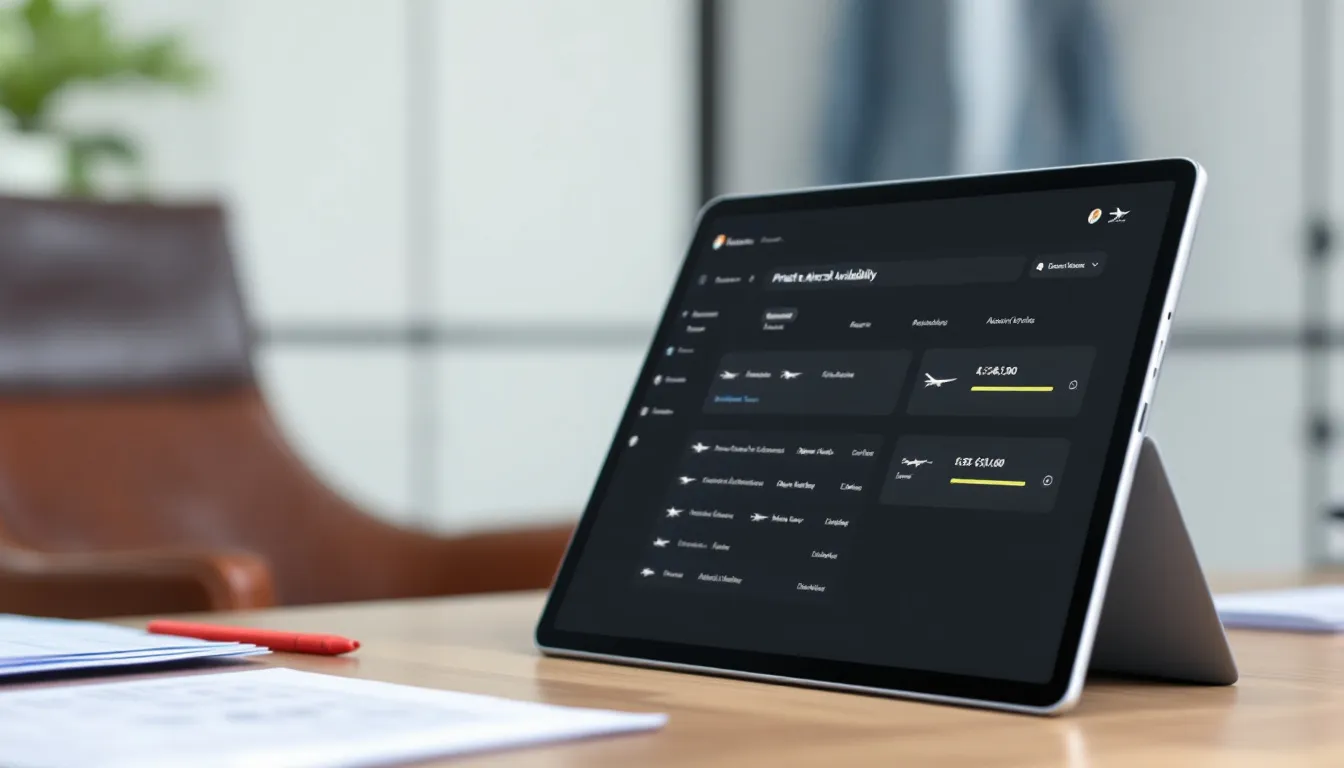
Real-time pricing platforms integrate with operator systems for instant availability confirmation and dynamic pricing. Modern quote for private jet platforms connect directly to aircraft scheduling systems, providing immediate confirmation of availability and accurate pricing based on current market conditions. The charter flight cost calculator allows real-time, preliminary aircraft and flight searches, enabling travelers to explore options efficiently. This integration eliminates the traditional delays and uncertainties associated with manual quote generation.
Mobile applications enable quote comparisons across multiple operators within 60 seconds of inquiry. Smartphone apps now provide instant access to thousands of aircraft worldwide, enabling travelers to compare private jet charter service options, amenities, and pricing simultaneously. Features such as in-flight entertainment can also be compared, as they may influence both the overall private jet cost and the passenger experience. These platforms democratize access to private aviation by eliminating traditional broker relationships required for quote generation.
Blockchain verification ensures quote accuracy and prevents pricing manipulation or hidden fees. Advanced platforms utilize distributed ledger technology to verify operator credentials, aircraft certifications, and pricing integrity. This transparency builds confidence in quote accuracy while preventing fraudulent operators from accessing legitimate booking platforms.
AI-powered algorithms analyze historical data to predict demand surges and optimize pricing strategies. Machine learning systems process millions of data points, including seasonal patterns, event schedules, and route popularity, to provide accurate pricing predictions. These systems enable operators to optimize aircraft positioning while helping travelers secure optimal pricing through predictive booking.
Integration with flight tracking systems provides live updates on aircraft positioning and availability, enabling accurate positioning cost calculations and realistic departure time estimates. Real-time tracking prevents quotes based on outdated aircraft locations that could result in unexpected positioning fees or schedule delays.
Jet charter cost estimator tools now provide preliminary pricing within seconds of route input, though final quotes require operator confirmation and aircraft selection. These estimators utilize historical pricing data and current market conditions to provide realistic cost ranges, enabling budget planning before formal quote requests. Understanding all components of private jet cost, including amenities and additional services, is essential for travelers to make informed decisions and avoid unexpected expenses.
Comparing Quote Options: Charter vs. Jet Cards vs. Fractional
On-Demand Charter Quotes
Maximum flexibility with access to a global fleet of 23,000+ aircraft through broker networks provides an unmatched variety in aircraft selection and routing options. On-demand chartering a private jet enables access to specialized aircraft for unique missions, from cargo-configured jets for equipment transport to ultra-long range aircraft for intercontinental travel. For corporate travelers, selecting a business jet is often preferred due to its advanced features, superior performance, and spacious cabin, making it ideal for executive travel and meetings in the air.
Variable pricing based on real-time market conditions and aircraft availability can result in significant cost savings during low-demand periods while potentially increasing costs during peak seasons. Savvy travelers monitor market conditions and maintain flexibility to capture favorable pricing when demand decreases or empty leg opportunities arise.
No upfront commitments, but potential for premium pricing during peak demand periods means travelers pay market rates without guaranteed availability during high-demand periods. This structure works well for occasional travelers who can adjust schedules to avoid peak pricing, but may frustrate frequent flyers requiring guaranteed access.
Best suited for occasional travelers with unpredictable schedules, on-demand charter provides ultimate flexibility without ongoing financial commitments. Travelers using private aviation fewer than 25 hours annually typically find on-demand charters more cost-effective than jet cards or fractional ownership programs.
Jet Card Program Pricing
Fixed hourly rates provide budget certainty with guaranteed availability during 95% of requested timeframes. Jet cards eliminate pricing uncertainty by establishing predetermined hourly rates for specific aircraft categories, enabling accurate trip budgeting without market fluctuation risks. Peak day surcharges may apply during holidays and major events.
Prepaid deposits of $100,000-$1,000,000 secure preferred pricing and priority booking, representing significant upfront investment requiring careful utilization planning. Jet card programs typically require minimum purchase commitments of 25-50 hours annually, making them suitable for regular private aviation users seeking predictable costs.
Standardized aircraft categories eliminate guesswork in quote comparisons by grouping similar aircraft into defined categories with consistent pricing and performance characteristics. This standardization simplifies planning while ensuring aircraft meet specific performance criteria for range, capacity, and amenities.
Ideal for consistent travelers requiring 25-100 flight hours annually, jet cards provide an optimal balance between flexibility and cost predictability. Corporate flight departments frequently utilize jet cards to supplement owned aircraft or provide guaranteed backup capacity for executive travel programs. A flat rate membership option can offer predictable pricing for frequent travelers, ensuring budget stability and simplifying trip planning.
Fractional Ownership Economics
Ownership percentages starting at 1/16 share provide 50 hours of annual usage with predictable monthly costs, representing a significant upfront investment offset by guaranteed availability and consistent aircraft quality. Fractional programs typically require 5-year minimum commitments with specific usage allocations and upgrade/downgrade options.
Fixed operating costs plus variable fuel and trip expenses create a transparent pricing structure while building equity through aircraft ownership. Monthly management fees cover crew, maintenance, insurance, and hangar costs, while variable charges include fuel, landing fees, and catering based on actual usage.
Depreciation benefits and tax advantages offset higher upfront investment for qualified buyers, particularly corporations able to utilize accelerated depreciation schedules. Tax benefits vary significantly based on business usage percentages and applicable regulations, requiring professional tax guidance for optimization.
Most cost-effective for travelers requiring 100+ hours annually with consistent route patterns, fractional ownership provides the closest approximation to aircraft ownership without full acquisition costs. Fractional programs offer access to newer aircraft with guaranteed replacement when the primary aircraft requires maintenance.
How to Book a Private Jet: Step-by-Step Guide
Booking a private jet is a streamlined process that puts you in control of your travel experience, whether you’re flying for business or leisure. With the right approach, you can enjoy the flexibility, comfort, and efficiency that private jet charter offers—often with less hassle than commercial air travel. Many private jet charter services offer 24/7 customer support to assist travelers throughout their journey. Here’s how to navigate the process from start to finish:
Determine Your Travel Needs. Begin by outlining your departure and arrival destinations, preferred travel dates, and the number of passengers. Consider your priorities—do you need a light jet for a quick regional trip, a midsize jet for a family vacation, or an ultra-long-range jet for international flights? Knowing your required flight range, aircraft size, and any special requests (such as in-flight catering or entertainment) will help you target the right private jet charter service.
Choose a Private Jet Charter Service. Research reputable private jet charter companies, such as Monarch Air Group, that offer a wide selection of aircraft options and a reputation for personalized service. Look for providers with transparent pricing, a robust safety record, and the ability to accommodate your specific needs, from ground transportation to concierge services.
Get a Quote: Use a jet charter cost estimator or reach out directly to your chosen charter company to request a detailed quote. Be prepared to provide your flight details, including departure and arrival destinations, travel dates, passenger count, and any additional services you require. This is the stage where you’ll see how factors like flight hour, aircraft type, landing fees, and fuel surcharges impact your private jet charter cost.
Select Your Aircraft. Review the aircraft options presented in your quote. Consider the aircraft’s size, flight range, amenities, and overall value. Whether you’re interested in the efficiency of light jets, the comfort of midsize jets, or the capabilities of ultra-long-range jets, choose the private plane that best matches your travel profile and budget.
Book Your Flight. Once you’ve selected your preferred aircraft, confirm your booking by signing a charter agreement and submitting a deposit. Carefully review the terms and conditions, paying attention to any additional fees such as hangar fees, overnight expenses, or fuel surcharges that may affect your final cost.
Arrange for Ground Transportation. Enhance your door-to-door experience by coordinating ground transportation through your charter provider or a trusted car service. Many private jet charter services offer seamless ground transport as part of their concierge services, ensuring a smooth transition from your home or office to the airport and your final arrival destination.
Prepare for Your Flight: Before your departure date, ensure you have all necessary travel documents, including a valid passport and any required visas for international travel. If you have special requests—like in-flight catering, entertainment, or pet accommodations—communicate these to your charter company in advance to personalize your private jet flight.
Enjoy Your FlightOn. On the day of your journey, arrive at the designated private terminal, bypass long security lines, and board your aircraft at your convenience. Enjoy the luxury, privacy, and efficiency of flying private, with a dedicated crew and tailored services designed to make your trip exceptional.
Private Jet Charter Cost Estimator: For the most accurate private jet charter cost, leverage online cost estimators or consult directly with your charter provider. These tools factor in variables such as flight hour, aircraft type, landing fees, and additional services, giving you a clear picture of your expected investment before you commit.
Safety and Certification Standards in Quote Evaluation
ARG/US Platinum and Wyvern Wingman certifications indicate operators meeting the highest safety standards, representing third-party verification of safety management systems, pilot training, and maintenance protocols. Safety ratings, such as ARGUS ratings, should be inquired about to ensure aircraft adhere to international standards. These certifications require annual audits and continuous monitoring, providing passengers with objective safety assessments beyond operator claims.
IS-BAO Stage III certification demonstrates the implementation of Safety Management Systems (SMS) meeting international standards for business aviation operators. This certification indicates operators maintain formal safety management processes, risk assessment procedures, and continuous improvement programs exceeding basic regulatory requirements.
NBAA Professional Development Program (PDP) certified pilots command premium rates but ensure superior safety records through enhanced training requirements and recurrent proficiency checks. PDP certification indicates pilots receive training beyond regulatory minimums and maintain currency in advanced safety procedures.
Aircraft age and maintenance history significantly impact quote reliability and potential trip disruptions, with newer aircraft offering superior dispatch reliability and reduced maintenance delays. Operators maintaining younger fleets typically command premium pricing but provide greater schedule reliability for time-sensitive travel.
Insurance coverage verification protects passengers with a minimum $1 billion liability protection, though coverage limits vary significantly between operators. Comprehensive insurance includes passenger liability, hull coverage, and war risk protection for international flights, with higher coverage levels available for an additional premium.
Flight crew qualifications directly impact safety and service quality, with experienced crews commanding higher compensation reflected in charter pricing. Professional crew members typically hold airline transport pilot licenses, maintain current medical certificates, and complete recurrent training programs exceeding basic regulatory requirements.
Sustainability Integration in Modern Private Jet Quotes
Sustainable Aviation Fuel (SAF) options reduce lifecycle carbon emissions by 50-80% with a 5-15% cost premium over conventional jet fuel. Leading operators increasingly offer SAF blending options, enabling environmentally conscious travelers to reduce their carbon footprint while maintaining private aviation benefits. SAF availability varies by region and requires advance coordination.
Carbon offset programs integrated into booking platforms enable immediate environmental impact mitigation through verified offset purchases. Modern platforms calculate flight-specific emissions and offer offset options ranging from reforestation projects to renewable energy investments. Offset costs typically add $200-$800 per flight, depending on distance and aircraft type.
Next-generation aircraft like Gulfstream G700 and Bombardier Global 8000 offer 15-20% fuel efficiency improvements over previous generations through advanced engines, aerodynamic designs, and lightweight materials. These improvements reduce operating costs while minimizing environmental impact, though newer aircraft command premium hourly rates.
Electric and hybrid propulsion systems under development promise zero-emission short-haul flights by 2030, with several manufacturers testing electric aircraft for regional routes under 500 miles. Early electric aircraft will likely serve the very light jets market initially, expanding to larger aircraft as battery technology advances.
Corporate ESG mandates increasingly drive sustainable aviation choices despite higher initial quotes, with companies willing to pay premium pricing for demonstrable environmental responsibility. ESG-focused corporations often require carbon offset inclusion and SAF usage when available, viewing sustainability costs as necessary business expenses.

International Quote Considerations
Overflight permits and landing fees add $2,000-$10,000 to international quotes, depending on route complexity and countries traversed. Each nation charges unique fees for airspace usage and airport access, with some countries requiring advance permits that take several days to process. Complex routings crossing multiple countries accumulate substantial permit costs.
Customs and immigration handling requires advanced coordination and specialized ground support, with fees varying dramatically between destinations. Some countries require specialized handling agents, customs bond postings, or advance passenger manifests submitted days before arrival. These requirements can significantly impact quote timing and costs.
Currency fluctuations impact international quotes with fuel and handling fees denominated in local currencies, creating uncertainty in final pricing between quote generation and trip completion. Operators may hedge currency exposure or pass fluctuation risks to clients, requiring a clear understanding of exchange rate responsibilities.
APIS (Advanced Passenger Information System) compliance is mandatory for international flights, with potential penalties for incomplete or inaccurate submissions. APIS requirements vary by destination and may require passenger passport information, travel purposes, and detailed itineraries submitted hours before departure.
Political risk and airspace closures may necessitate route changes affecting final quote accuracy, particularly for flights crossing regions with unstable political situations. Operators typically include force majeure provisions protecting against costs from airspace closures, though passengers bear risks of itinerary changes.
International fees, including customs processing, immigration charges, and security screenings, vary dramatically between countries and can add thousands to international flight costs. Some destinations require advance deposits for government services, while others assess fees upon arrival.
Peak Season and Dynamic Pricing Factors
Super Bowl, Formula 1 races, and major sporting events create 200-300% pricing spikes in destination markets as aircraft demand dramatically exceeds availability. Event-driven demand often requires advance booking and premium pricing, with operators positioning aircraft weeks in advance to serve anticipated demand.
Hurricane season and severe weather patterns trigger repositioning costs and availability constraints as operators move aircraft away from threatened areas. Weather-related repositioning can add substantial costs to quotes while reducing available aircraft in affected regions.
Holiday periods, including Thanksgiving, Christmas, and New Year, see 40-75% rate increases due to concentrated demand during limited timeframes. Holiday pricing often includes minimum flight requirements and advance booking deposits to secure aircraft availability during peak periods.
Economic summits and political conventions restrict airspace and increase security-related costs, with temporary flight restrictions limiting airport access and requiring alternative routings. Security-related restrictions can add hours to flight times and thousands to charter costs through required routing changes.
Art fairs, fashion weeks, and cultural events in major cities impact regional aircraft availability as high-net-worth individuals concentrate travel during specific periods. Cultural events often combine with seasonal demand to create perfect storms of limited availability and premium pricing.
Peak season pricing typically requires advance deposits and minimum hour commitments to secure aircraft during high-demand periods. Operators may require 30-50% deposits months in advance for holiday travel, with final payments due before departure.
FAQ
How far in advance should I request a private jet quote to ensure accuracy?
Peak season pricing typically requires advance deposits and minimum hour commitments to secure aircraft during high-demand periods. Operators may require 30-50% deposits months in advance for holiday travel, with final payments due before departure. Peak demand scheduling can increase luxury private jet costs, especially during major events or holiday periods when availability is limited and demand surges.
What information do I need to provide for an accurate private jet quote?
Essential details include departure and arrival destinations, travel dates and times, passenger count, baggage requirements, and any special needs like medical equipment or pet transportation. Flexibility on departure times can reduce costs by 15-30% depending on aircraft positioning. Additional considerations include catering preferences, ground transportation needs, and international travel document requirements.
Are private jet quotes guaranteed, or can they change before booking?
Most quotes remain valid for 24-48 hours, though fuel price fluctuations, aircraft mechanical issues, or crew scheduling changes may require adjustments. Confirmed bookings with deposits typically lock in pricing except for unforeseen operational costs like deicing or international permit fees. Force majeure events, including weather, airspace closures, or security restrictions, may necessitate route changes affecting final pricing.
How do empty leg flights affect private jet quote pricing?
Empty leg opportunities can reduce standard charter costs by 25-75% when your travel dates align with aircraft positioning flights. These discounted options typically become available 1-14 days before departure with limited flexibility on departure times and potential last-minute cancellations. Empty legs work best for travelers with flexible schedules willing to adjust plans for significant savings.
What hidden costs should I watch for when comparing private jet quotes?
Common additional charges include crew overnight fees ($200-$600 per crew member), deicing costs ($1,500-$15,000 in winter), international handling fees ($500-$5,000), and fuel surcharges during price volatility periods. Always request all-inclusive quotes to avoid unexpected charges at trip completion. Additional fees may include short leg fees, hangar fees during extended stays, and immigration fees for international travel.
Conclusion
Obtaining a precise quote for private jet travel in 2025 involves understanding a variety of factors, from base hourly rates and aircraft type to additional fees such as positioning, landing, and concierge services. Whether you are seeking private jet charter flights for business or leisure travel, leveraging technology-driven platforms and transparent pricing models ensures you get the best value and personalized service tailored to your needs.
One notable provider in the private aviation market is BlackJet, which offers a seamless booking experience with access to a diverse fleet of aircraft and competitive pricing. BlackJet’s commitment to personalized service and flexible options makes it an excellent choice for travelers who value efficiency, comfort, and discretion. By partnering with trusted operators like BlackJet, you can confidently navigate the complexities of private jet chartering and enjoy the unparalleled benefits of flying private.
In summary, a well-informed approach to chartering a private jet—supported by reliable services like BlackJet—allows you to maximize the advantages of private aviation, from saving time and enhancing productivity to experiencing unmatched luxury and convenience on every flight.


 Sign up with google
 Sign up with Apple


