Private aviation spans everything from single-engine trainers to intercontinental business jets. While much of the conversation around aviation focuses on corporate travel and the many types of private jets available to travelers, the foundation of the entire industry still rests on small aircraft. These aircraft train the world’s pilots, support personal flying, and serve specialized missions across industries.
For aircraft owners, flight schools, and aviation enthusiasts, understanding the landscape of small plane manufacturers provides valuable insight into the broader aviation ecosystem. From legendary models like the Cessna 172 to cutting-edge single-engine aircraft with advanced avionics, the sector continues to evolve through technology, safety innovation, and growing demand for efficient personal aviation.
In this guide, we explore the leading manufacturers, pilot training ecosystems, aircraft technology trends, and the next generation of single-engine aircraft shaping the future of aviation.
Market Overview of Small Plane Manufacturers
The global market for small aircraft focuses heavily on three primary missions: personal ownership, flight training, and light-utility operations.
Small plane manufacturers produce a variety of aircraft including training and personal piston planes, as well as light jets. Single-engine aircraft remain the backbone of the general aviation industry due to their accessibility, reliability, and relatively low operating costs. These aircraft allow new pilots to learn fundamental skills while providing experienced aviators with flexible travel options.
Global Demand for Light Aircraft
Demand for small aircraft concentrates around:
Flight training fleets operated by aviation schools
Personal aircraft ownership among private pilots
Utility operations such as aerial survey, pipeline inspection, and agricultural monitoring
Flight schools represent a particularly large share of new aircraft purchases, since student demand directly influences fleet expansion.
Certification Pathways and Manufacturer Timelines
One of the most important influences on aircraft manufacturing is regulatory certification.
Aircraft manufacturers must obtain certification from authorities such as:
Certification requirements determine how quickly new aircraft models reach the market. Development cycles for new aircraft can span five to ten years, especially when introducing new propulsion technologies or avionics systems.
MRO Networks and Lifecycle Value
Maintenance, repair, and overhaul (MRO) infrastructure plays a critical role in aircraft ownership.
Factory-authorized service centers influence:
Maintenance costs
Aircraft reliability
Resale values
Manufacturers with strong service networks often see higher resale values because owners can rely on consistent maintenance support throughout the aircraft’s lifecycle.
Leading Manufacturers and Brand Profiles
Small aircraft manufacturers compete across several categories, including:
Market leaders often maintain legacy aircraft models while introducing new designs with improved avionics and safety systems.
Brand reputation typically hinges on several factors:
Manufacturers that combine modern technology with strong support networks tend to dominate the general aviation market.
Cessna Aircraft Company
The Legacy of the Cessna 172
Few aircraft have shaped aviation like the Cessna 172 Skyhawk. First introduced in 1956, it remains the most produced aircraft in aviation history, with more than 44,000 units built. The Cessna 172 has become synonymous with flight training around the world thanks to its forgiving flight characteristics and reliability. The aircraft’s popularity stems from its simplicity. Its high-wing configuration offers excellent visibility and stable handling, making it ideal for beginner pilots.
The Cessna 172 Skyhawk continues to lead the industry as the most popular aircraft in the world and has been in service for 70 years.
Textron Aviation Ownership and Expanding Portfolio
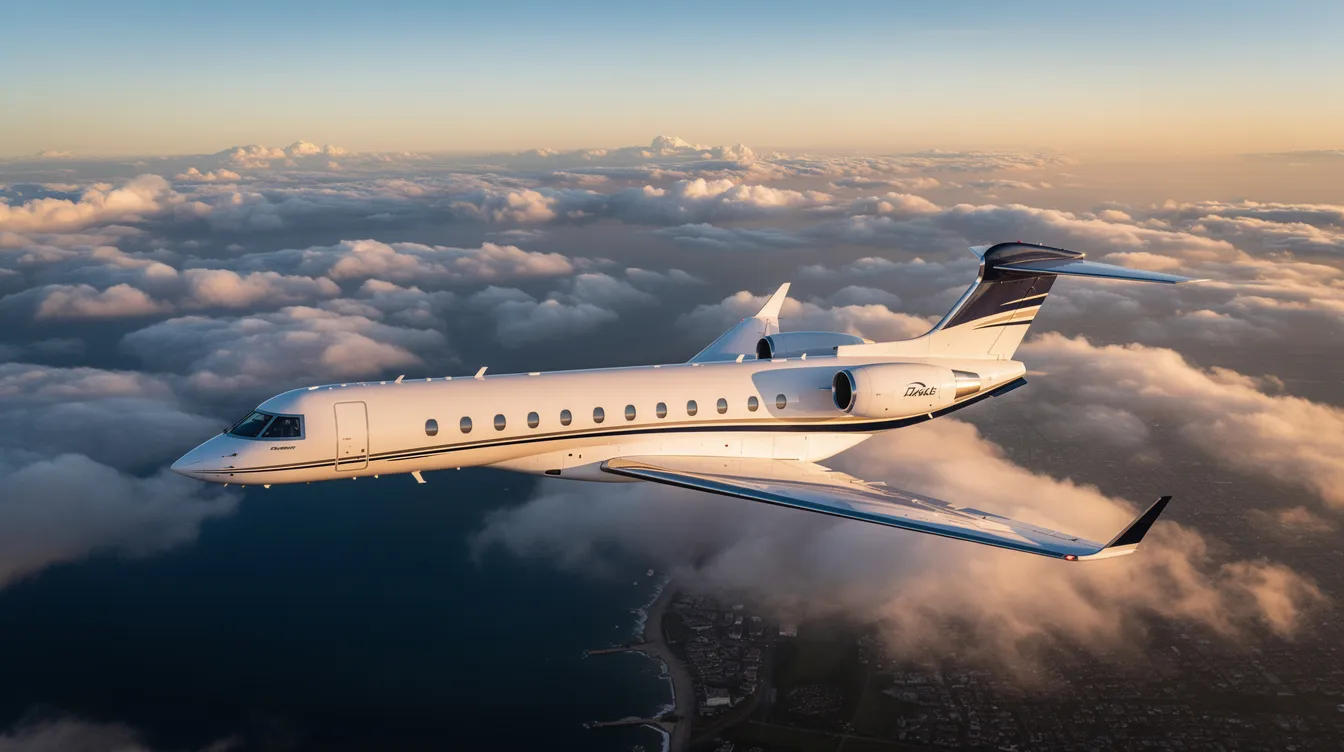
Cessna operates under Textron Aviation, which also manages Beechcraft and Hawker aircraft programs.
While Cessna continues producing piston aircraft like the 172 and 182 Skylane—the latter noted for its higher payload capabilities—Textron Aviation has expanded the brand into:
Utility turboprops such as the Cessna Caravan and the clean-sheet Cessna SkyCourier, a twin-engine, high-wing utility turboprop aircraft that recently celebrated the five-year anniversary of its first flight.
Business jets including the Citation series, highlighted by the Cessna Citation Ascend, which recently achieved a major milestone as the first customer took delivery of the midsize business jet, marking its entry into service.
This diversification allows the company to serve both entry-level pilots and corporate aviation markets that rely on different private jet sizes tailored to specific mission profiles.
Service Networks and Pilot Training
Cessna’s global service network includes factory service centers and authorized maintenance providers. These networks support:
Maintenance inspections
Parts distribution
Aircraft upgrades
The availability of parts and trained technicians ensures long-term support for the large fleet of Cessna aircraft still flying today.
Additionally, Cessna provides a leading aviation training experience in their pilot training centers, offering flight training classes and other necessary services to pilots, reinforcing the brand’s commitment to supporting pilot development and aircraft operation.
Piper Aircraft
The PA-28 Family and Flight Training
Piper Aircraft has long competed with Cessna in the training aircraft market. The PA-28 series, including the Cherokee and Archer models, has become a staple for flight schools worldwide. The aircraft’s low-wing design offers a different flying experience than high-wing trainers, providing students exposure to multiple aircraft configurations.
Many flight schools adopt Piper aircraft because of their:
Piper has a reputation for being both cost-effective and efficient, making their aircraft attractive for flight training, personal ownership, and as a stepping stone toward understanding small private jet luxury travel options.
Product Mix for Owner-Pilots
Beyond training aircraft, Piper maintains a broader product portfolio, including:
Light single-engine aircraft
Twin-engine piston aircraft such as the Piper Seminole trainer
Turboprop aircraft such as the Piper M600 and M350 models, which offer pressurized cabins and high performance.
These aircraft appeal to owner-pilots seeking greater speed and range while retaining manageable operating costs, and they often inspire interest in more flexible options like leasing a private jet through customized programs.
Aftermarket Support and Avionics Upgrades
Piper supports legacy aircraft through aftermarket upgrade programs. Avionics modernization allows older aircraft to integrate:
These upgrades extend the operational life of aging aircraft fleets while maintaining regulatory compliance.
Cirrus Aircraft
Innovation and Safety Leadership
Cirrus Aircraft, based in Duluth, Minnesota, specializes in the design and manufacture of light, high-performance single- and four-seat piston, turboprop, and jet aircraft. Since its inception in 1984, Cirrus has delivered over 17,000 aircraft, reshaping the single-engine market with models like the SR20—the first aircraft they created ready to fly right out of the box—and the SR22.
The SR20/22 series features a four-seat single-engine light piston aircraft with an all-composite airframe and a range of approximately 1,454 km. The Cirrus SR22T Turbine Jet has received over 1,000 orders to date, underscoring the brand’s success in combining performance with safety.
Safety Innovations and Training
Cirrus introduced the Cirrus Airframe Parachute System (CAPS), a whole-aircraft parachute designed to deploy in emergencies, which has become one of the most recognizable safety innovations in general aviation.
The company also offers the Cirrus Approach program, a comprehensive training ecosystem that supports transition training for new aircraft owners, advanced avionics management, and risk-management techniques to help pilots adapt to modern cockpit systems and automation, all of which reinforces the emphasis on private jet safety, risk management, and operational best practices.
Modern Avionics
Cirrus aircraft feature fully integrated Garmin flight displays, including synthetic vision technology, digital autopilot systems, and real-time traffic and weather data, significantly improving situational awareness for single-pilot operations.
Beechcraft, Mooney, and Other Notable Makers
Beechcraft Utility and Performance Models
Beechcraft, a subsidiary of Textron Aviation, produces a range of aircraft including the well-known Beechcraft Bonanza G36, a high-performance six-seat piston aircraft, and the King Air turboprop series, popular for corporate transport and regional missions.
Mooney’s Emphasis on Speed
Mooney aircraft are recognized for their aerodynamic efficiency and cruise performance, with models like the Mooney M20 series appealing to pilots seeking speed and efficiency.
Emerging and European Manufacturers
European manufacturers like Diamond Aircraft focus on composite-frame aircraft such as the DA40 and DA42, many equipped with fuel-efficient diesel engines. Tecnam offers a wide range of cost-effective models including the P92 and P-Mentor, with over 7,500 aircraft flying worldwide and operations in more than 65 countries. Tecnam emphasizes safety and provides models suitable for every level of pilot training.
Specialized Manufacturers and Aircraft Types
Van's Aircraft and Kit Planes
Van's Aircraft leads the kit aircraft market with its RV-series, known for performance and versatility.
STOL Aircraft
CubCrafters specializes in STOL (Short Takeoff and Landing) aircraft, including the CC11-160 Carbon Cub, designed for rugged utility and adventure flying.
Utility and Comfort Combined
The Turbo Stationair HD is designed to fit mission needs, combining utility with passenger comfort, making it a versatile option for diverse operations.
Single-Engine Aircraft
Dominance in Private Ownership
Single-engine aircraft dominate general aviation ownership because they balance performance and affordability, even as higher-end travelers explore a range of private jet sizes suited to different trip lengths and passenger counts and private jet categories tailored to every type of traveler. Compared with multi-engine aircraft, they offer:
These factors make them ideal for both training operations and personal travel, and they also serve as a gateway for pilots who later explore how to buy a seat on a private jet for occasional trips.
Engine Technologies and Avionics
Traditional single-engine aircraft rely on avgas piston engines, but modern designs increasingly explore alternatives such as diesel engines, Rotax powerplants, and hybrid propulsion concepts aimed at reducing fuel consumption and emissions.
Avionics systems now commonly include ADS-B, integrated flight displays, and synthetic vision navigation, enhancing pilot awareness and reducing workload.
Pilot Training and Flight Training
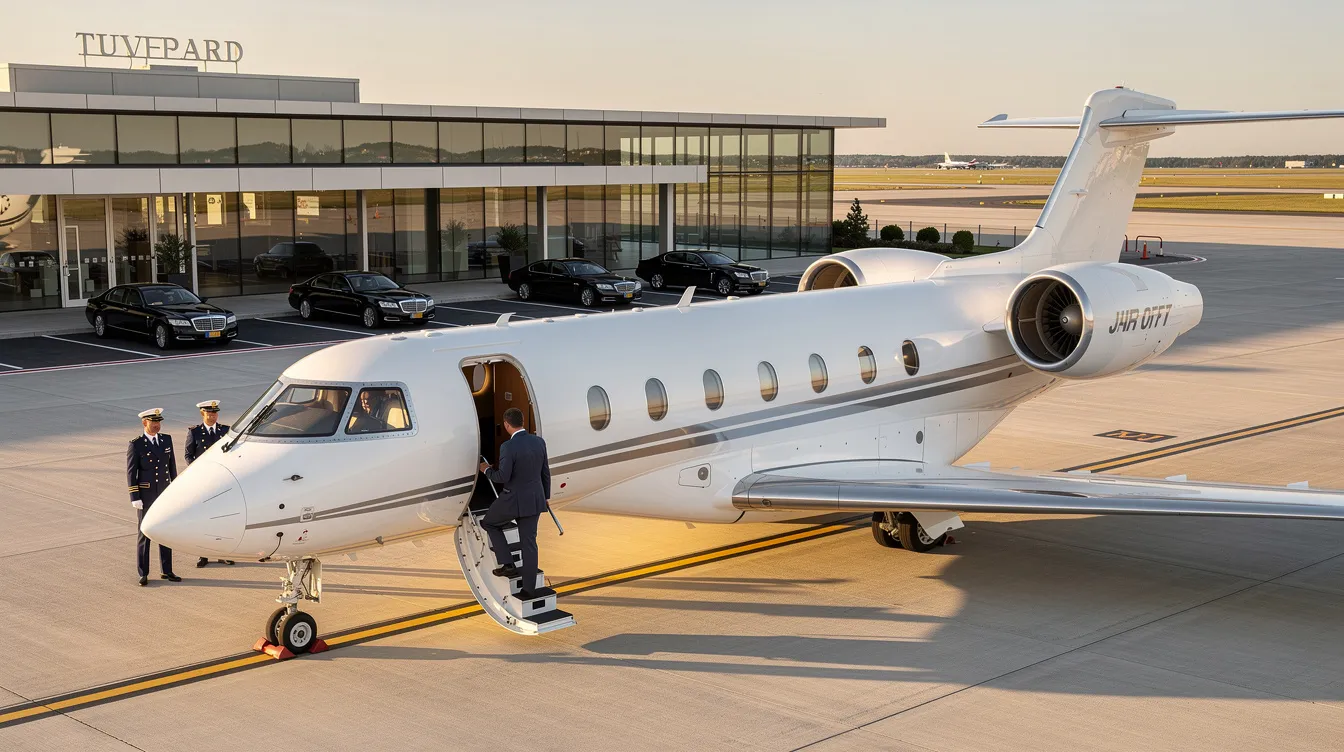
The global pilot shortage has renewed demand for flight training programs. Airlines, corporate operators, and private aviation companies require steady pipelines of trained pilots.
Flight Training Aircraft Demand
Flight schools prioritize aircraft that deliver:
High utilization rates
Low maintenance costs
Strong reliability
Aircraft like the Cessna 172 and Piper Archer remain ideal training platforms because they withstand heavy daily use.
The Alpha Trainer exemplifies the perfect flight training aircraft, combining performance and efficiency, while the PC-21 offers an efficient training solution that allows pilots destined to fly fighter aircraft to transition to jets later than those flying conventional trainer aircraft.
Simulator and Blended Learning
Flight simulators increasingly complement aircraft training, allowing students to practice instrument procedures, emergency scenarios, and navigation training, reducing aircraft flight hours while improving proficiency.
Flight Training and Manufacturer Support
Aircraft manufacturers often offer training programs to support new aircraft owners, helping pilots transition to complex avionics, advanced aircraft performance, and modern safety procedures. Strong training networks are particularly important for aircraft with advanced automation features.
Flight Training Aircraft Selection
Flight schools evaluate aircraft purchases based on operational factors including fuel burn rates, maintenance intervals, and student throughput potential, similar to how frequent travelers analyze jet card costs and private jet membership pricing when optimizing their long-term flying budgets. Aircraft that minimize downtime and maximize flight hours per day deliver the best training economics. Modern training aircraft emphasize fuel efficiency and extended maintenance intervals, reducing the cost per training hour.
San Francisco Regional Demand and Training Hubs
The San Francisco Bay Area represents one of the busiest training environments in the United States. Local demand supports aircraft used for pilot training, corporate commuting, and aerial mapping missions. The region’s coastal weather and dense airspace require pilots to develop strong situational awareness and adaptability, making it an ideal location for advanced flight training programs.
Conclusion: Embracing the New Era of Small Plane Manufacturing and Training
The landscape of small plane manufacturers continues to evolve, driven by innovation, safety, and pilot training excellence. Brands like Cessna, Piper, Cirrus, and Tecnam lead the industry by combining decades of expertise with cutting-edge technology, delivering aircraft that meet the diverse needs of personal owners, flight schools, and specialized missions. As the demand for efficient, reliable, and certified aircraft grows worldwide, manufacturers are pushing the boundaries of performance, handling qualities, and range to create the perfect plane for every pilot.
For those seeking tailored aviation solutions, services like BlackJet’s premium private jet cards and membership programs provide on-demand private jet membership programs that complement the accessibility of small aircraft by offering seamless travel options for business and leisure. This integration of small plane manufacturing with innovative flight services marks a new era in aviation, where quality, safety, and convenience stand at the forefront.
Together, industry leaders and service providers form a dynamic team committed to advancing aviation, supporting pilots, and expanding the possibilities of flight in the years to come, whether through innovative small-aircraft design, unlimited private jet flight memberships for frequent travelers, or flexible options like the BlackJet 25+ Hour Jet Card for predictable private jet access.


 Sign up with google
 Sign up with Apple