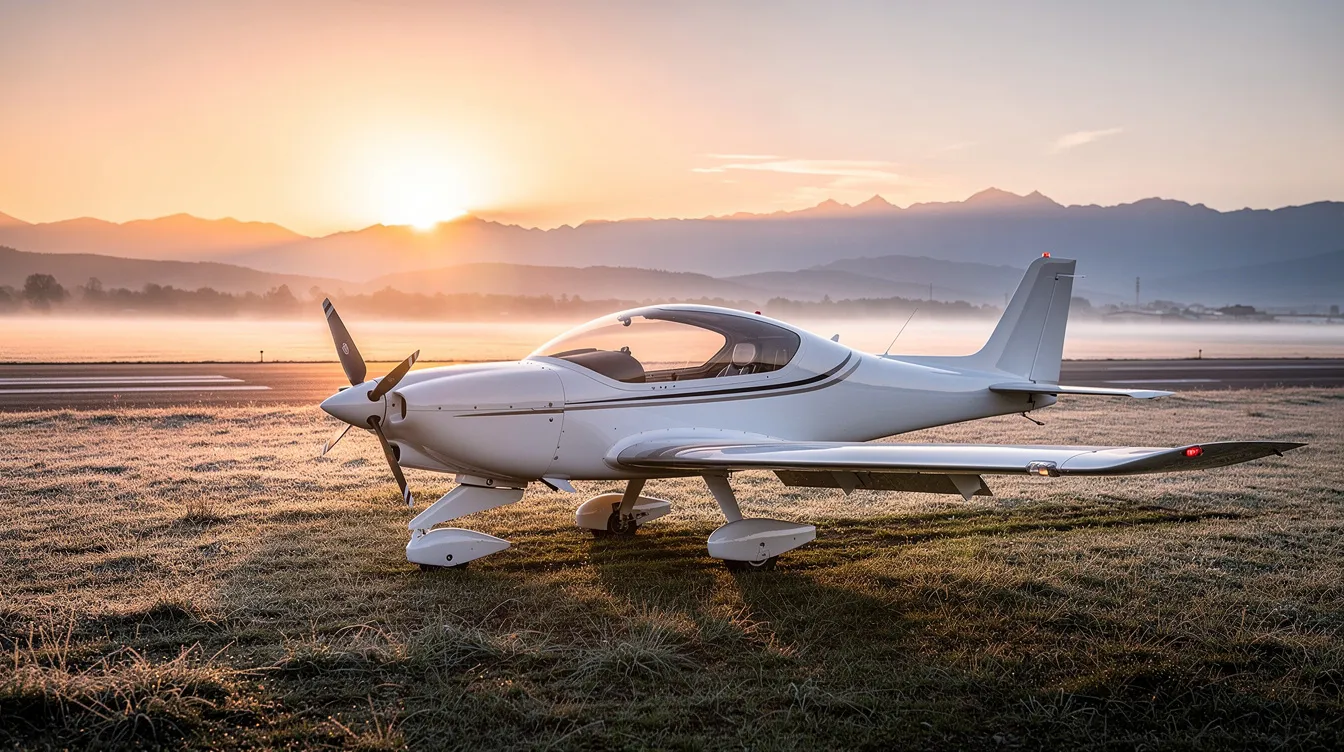
For many who travel by private jet, aviation is more than logistics-it is a way of life. Ultralight sport aircraft represent the purest expression of that life: minimal machine, maximum sky. This guide breaks down everything a discerning flyer needs to know about ultralights and light sport aircraft, from regulatory frameworks and pilot pathways to ownership economics and how these nimble machines complement a premium jet card program.
Ultralight vs. Light Sport Aircraft: Quick Answer & Why It Matters for Private Flyers
The distinction is straightforward but consequential. Ultralight aircraft are single-seat, minimally regulated vehicles governed by FAA Part 103. A light sport aircraft is a broader, more capable category introduced by the FAA in 2004 that permits two seats, higher weights, and real cross-country capability-but demands at least a sport pilot certificate.
Under Part 103, a powered ultralight must weigh less than 254 pounds excluding safety equipment, carry no more than 5 U.S. gallons of fuel, hold a maximum speed of 55 knots calibrated airspeed in level flight, and maintain a maximum stalling speed at or below 24 knots. No pilot certificate, medical certificate, or FAA registration is required. Ultralight aircraft are designed for recreation and sport only in the U.S., and ultralights provide a visceral flying experience due to low speeds and open cockpits.
Light sport aircraft, by contrast, have a maximum gross weight of 1,320 pounds, can carry a passenger (two seats maximum as defined by the FAA), and allow a stall speed up to 45 knots. Light sport aircraft must have a fixed landing gear, except gliders, and LSA can include powered parachutes and weight-shift-control aircraft alongside conventional airplanes.
The term "ultralight sport aircraft" is used informally to describe very light, recreational airplanes sitting at the intersection of Part 103 ultralights and factory-built or kit-built LSAs. For high-net-worth travelers, these aircraft provide a personal freedom flyer for short, local hops-while private jets accessed through a BlackJet Jet Card handle business and long-range lifestyle missions. BlackJet operates in certified business aviation, yet many of its members own or are exploring ultralight and light sport aircraft as the hobby end of their aviation portfolio.
Regulatory Foundations: FAA Part 103, LSA Rules, and Global Variations
Understanding the regulatory landscape is essential before any purchase or flight training decision. Rules differ not only between ultralights and LSAs within the U.S. but also across international boundaries.
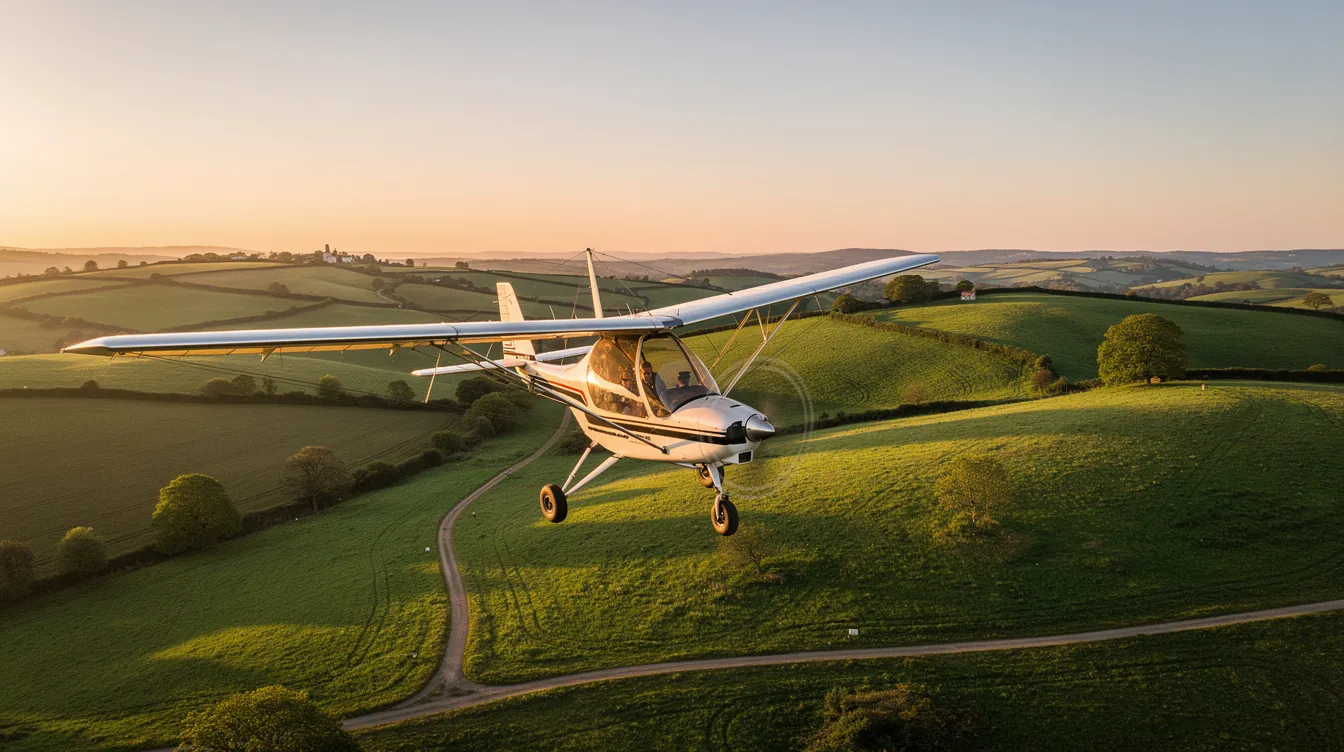
FAA regulations classify ultralights under Part 103 in the U.S. The rules permit single-occupant operation only, for recreational purposes. Ultralights do not require FAA registration or standard airworthiness certificates. Common ultralight designs include fixed-wing airplanes and powered parachutes. Ultralight flights are limited in range due to fuel capacity and speed restrictions. Typical ultralight operations are restricted to daylight hours and specific weather conditions, and ultralights cannot fly at night or in controlled airspace without permission.
The light sport aircraft category allows considerably more capability. An LSA airplane must use a single reciprocating engine (non-turbine), feature a fixed-pitch or ground-adjustable propeller, maintain an unpressurized cabin, and keep cruise speed at or below 120 knots CAS in level flight. Light sport aircraft include planes, gliders, and gyroplanes. LSA must have a maximum gross weight of 1,320 pounds for landplanes. Seaplanes have a maximum gross weight of 1,430 lbs-the FAA allows 110 lbs more gross weight for seaplanes-and seaplane LSAs can land on water, increasing landing options. Seaplanes can have amphibious gear for versatility, and seaplane LSAs can take off from various water bodies.
Within the light sport aircraft category, a special light sport aircraft (s lsa) is factory-built to ASTM consensus standards and may be used for rental and flight instruction. An e lsa (experimental light sport aircraft) is typically kit-built or converted, with more freedom in design but limited commercial use. LSAs can be factory-built or kit-built aircraft, giving buyers flexibility in how their sport aircraft comes to life.
Globally, definitions vary. Europe's EASA treats light sport aeroplanes at roughly 600 kg MTOW with similar stall limits. Australia's RA-Aus permits MTOW bands around 560–650 kg. "Ultralight" is not a single global definition-what Americans call a light sport airplane might qualify as an ultralight in Europe.
The FAA's MOSAIC initiative (Modernization of Special Airworthiness Certification) reshapes this landscape. MOSAIC was entered into the Federal Register on July 22, 2025, and MOSAIC regulations became effective on October 22, 2025. MOSAIC expands the light sport aircraft category significantly: it allows aircraft with up to four seats, raises the maximum stalling speed under MOSAIC to 61 knots, and opens the door to repositionable landing gear, electric powertrains, and turbine power. These changes blur the line between today's LSAs and larger personal powered aircraft.
Pilot Pathways: Sport Pilots, Private Pilots, and Ultralight Flyers
The path into the cockpit depends on what you intend to fly and how you plan to use it. Three distinct tracks serve different ambitions and regulatory realities.
A sport pilot certificate requires a minimum of 20 flight hours-at least 15 dual and 5 solo-along with ground training focused on light sport operations. Sport pilots can only fly light sport aircraft with one passenger. No medical certificate is required for sport pilots with valid driver's licenses, reducing the barrier to entry compared with a full private pilot certificate, which demands a minimum of 40 hours, night training, and a formal FAA medical examination.
Operational limitations keep sport pilots within defined boundaries. Sport pilots must fly during daylight and use visual flight rules. They cannot operate above 10,000 ft MSL (or 2,000 ft AGL, whichever is higher), cannot enter Class A airspace, and cannot fly for compensation or hire. Sport pilots can operate at non-towered airports only, unless they receive additional endorsements. Some holders of private or commercial pilot certificates may exercise sport pilot privileges when they wish to fly a light sport aircraft under these simpler rules.
Ultralight operations under Part 103 require no formal credentials at all. No pilot's license or medical certificate is required to fly ultralights. Ultralights operate under strict solo occupation constraints-no passengers, no compensation, and pilots must avoid congested areas and controlled airspace without prior authorization. Flight training is not legally mandated, but responsible operators seek instruction through EAA ultralight chapters or local flight schools before flying solo.
For BlackJet members who are already frequent travelers, the sport pilot pathway is particularly compelling: reduced training hours, lower medical burden, and a faster route to enjoying a personal light sport aircraft on weekends-while relying on BlackJet's fleet for business and long-range family trips.
Ultralight and Light Sport Aircraft Types: From Minimalist Wings to Refined LSAs
The spectrum of aircraft intended for sport and recreational flying is remarkably broad.
Fixed-wing ultralights like the Quicksilver MX and CGS Hawk variants are tube-and-fabric, single-seat airplanes optimized for low-speed, low-altitude sky cruising. They are simple, light, and fun to fly-pure adventure machines with minimal useful load and short endurance.
Weight shift control trikes pair a delta wing with a tricycle undercarriage, offering open-cockpit visibility and mechanical simplicity. Brands like Airborne and North Wing build both Part 103 and two-seat LSA versions. A glider or motorglider variant extends flight time by exploiting thermals.
Powered parachutes and powered paragliders represent the slowest end of the powered aircraft spectrum. A single-seat powered parachute qualifies under Part 103 in the U.S., combining extremely short takeoff and landing rolls with compact, trailerable equipment-ideal for aerial photography and scenic flying over water or open land.
Factory-built LSAs occupy a different world entirely. The Evektor Harmony is a next-generation light sport aircraft with composite structure, enclosed cabin, and glass cockpit avionics. The Jabiru J-230D is a popular light sport aircraft model known for its roomy cabin and docile handling. TL Ultralight produces the Sirius and Sparker, both equipped with modern Rotax engines and performance close to traditional four-seat trainers. These are refined airplanes that can be flown comfortably at 100–120 knots over meaningful distances.
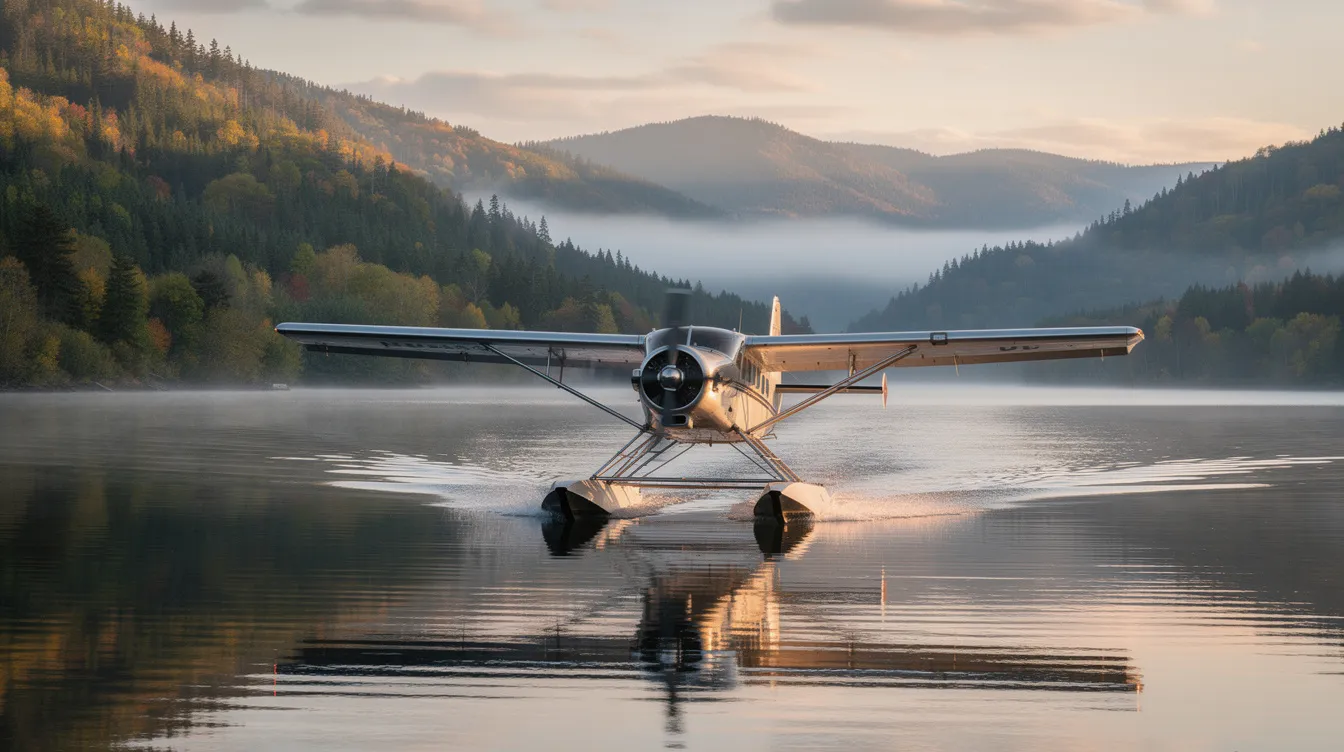
Amphibious LSAs and seaplanes like the Vickers Wave and Scoda Super Petrel XP attract lifestyle-oriented owners who may already use private jets for international travel but want water-accessible recreation at lakeside or island properties. Ultralight aircraft are affected by weather and can be dangerous in turbulence, making mission selection and weather discipline critical regardless of type.
Kit-Built vs. Factory-Built: Choosing How Your Sport Aircraft Comes to Life
The decision between building and buying shapes not just cost but the entire ownership experience.
Kit-built experimental aircraft require the builder to complete at least 51% of fabrication and assembly, earning an amateur-built experimental airworthiness certificate. Many light sport designs are available in both kit (E-LSA or E-AB) and factory-built S-LSA forms, letting the buyer choose based on budget and appetite for hands-on work.
Popular kit-built designs include the Van's RV-12iS, RANS S-21 Outbound in LSA configuration, and the Lockwood AirCam for low-and-slow adventure flying. Some builders pursue custom-designed panels and interiors, selecting avionics suites and engine options-sometimes a fixed-pitch propeller for simplicity, other times an upgrade that extracts more performance from a stock airframe.
Advantages of building include lower acquisition price, deep mechanical knowledge of the airplane, and the ability to tailor every detail. However, a multi-year build demands time that many professionals simply do not have.
Factory-built s lsa models such as the TL Ultralight Sparker, Sting S4, or Evektor Harmony arrive ready to fly with full manufacturer support, standardized build quality meeting ASTM-accepted LSA requirements, and eligibility for revenue use in flight schools or rentals. For an owner whose schedule mirrors that of a BlackJet Jet Card holder-someone who values time above all-a factory-built LSA avoids the complexity of a build project, just as a Jet Card avoids the burden of owning and managing a business jet while still granting access to private aviation.
Aircraft sale and sales listings for both kit and factory models are available through major aviation marketplaces, with price transparency improving each year.
Performance, Avionics, and Comfort: How Modern Sport Aircraft Have Evolved
Two decades of engineering progress have transformed light sport aircraft from bare-bones experimental machines into refined, data-rich platforms that rival legacy trainers in capability.
Ultralights cruise between 35–60 knots with very short takeoff and landing distances, ideal for operation from private strips near sea level or at moderate density altitudes. Light sport aircraft cruise 100–120 knots with useful loads sufficient for two adults and light baggage-enough for meaningful cross-country flying at a fraction of jet operating costs.
Modern engines drive this performance. The Rotax 912 iS (100 hp) and turbocharged Rotax 915 iS (141 hp) power many premium LSAs, delivering impressive climb rates, fuel efficiency on unleaded mogas, and reliability that has earned them a reputation as the gold standard in propeller-driven aircraft. These are mature reciprocating engine designs with electronic fuel injection and extended time between overhauls.
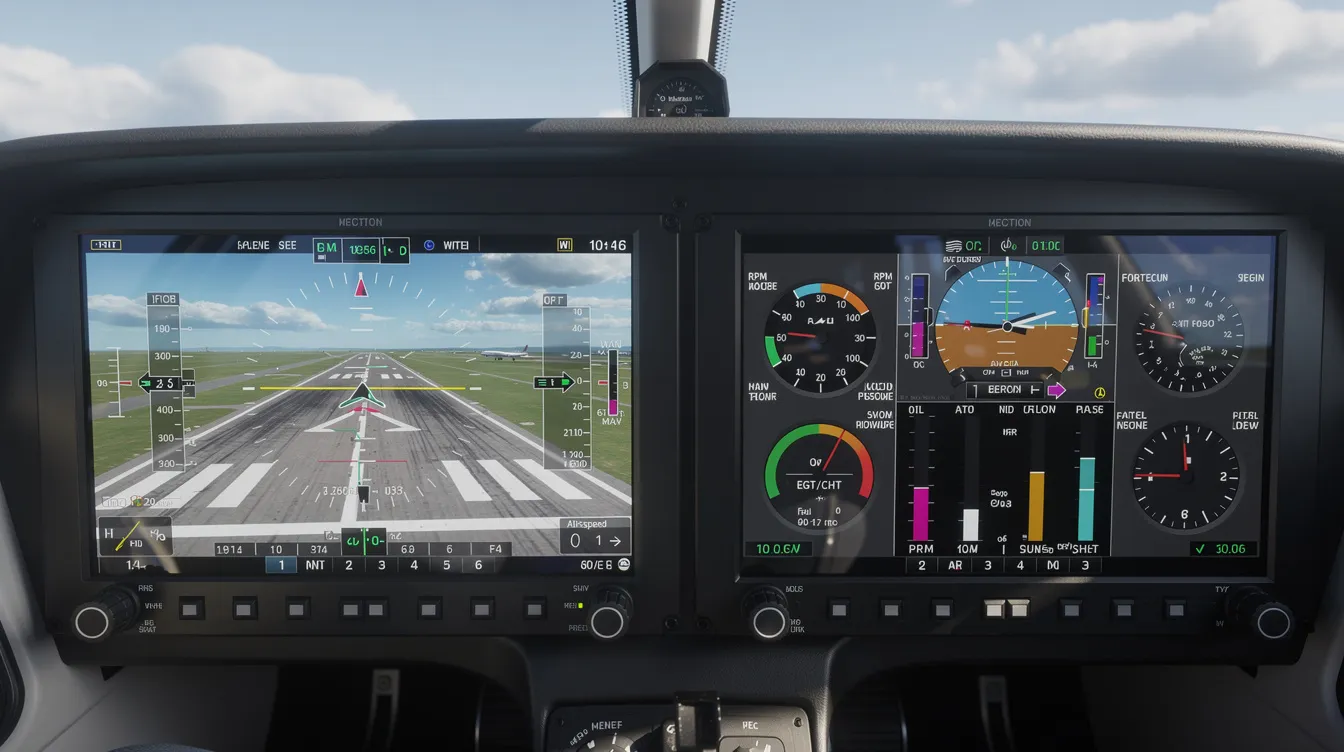
The cockpit transformation is equally dramatic. Integrated glass systems like the Garmin G3X Touch and Dynon SkyView provide synthetic vision, moving maps, ADS-B traffic and weather, and full engine monitoring-features that were exclusive to business jets a generation ago. Even the smallest light sport airplane can now be equipped with autopilot and flight envelope protections.
Comfort improvements round out the picture: wider cabins (in some cases roomier than a Cessna 172), ergonomic seats, advanced noise insulation, and climate ventilation. A pilot accustomed to the digital, data-rich environment inside a BlackJet chartered jet will feel technologically at home stepping into a current-generation light sport cockpit.
Ownership Economics: Cost, Value, and How Ultralights Fit Beside a Jet Card
The financial profile of ultralight and LSA ownership looks nothing like business jet economics-or even the entry tier of the cheapest private aircraft options-and that is precisely the point.
Category | Typical Price Range (mid-2020s) |
|---|
Used ultralight airplanes | $10,000–$30,000 |
New Part 103 ultralights | $25,000–$60,000 |
Mid-range kit-built LSAs | $80,000–$160,000 |
Premium factory-built S-LSAs | $180,000–$280,000 |
Ongoing costs remain modest. Hangar or tie-down fees at U.S. GA airports range from roughly $150–$600 per month depending on location. Insurance varies by pilot experience, aircraft value, and hull coverage level. Annual condition inspections are required for S-LSAs under FAA-accepted standards. Fuel burn runs 2–5 gallons per hour for ultralights and 4–7 gallons per hour for many Rotax-powered LSAs-a fraction of what even the most fuel-efficient airplanes in the jet world consume. Ultralight aircraft are simpler to maintain than traditional aircraft due to fewer regulatory requirements.
Contrast this with full business jet ownership, which can involve multimillion-dollar acquisitions on assets such as a 5 million private jet and six-figure annual fixed costs. Many high-net-worth individuals instead combine modest ownership of a light sport aircraft with a Jet Card membership for predictable private jet pricing for professional and long-haul travel.
Consider an entrepreneur based in Dallas who owns a TL Sparker for weekend morning flights within 50–150 miles-breakfast fly-ins, small-town exploring, and the pure fun of stick-and-rudder flying. For quarterly transcontinental meetings and annual Europe trips, she turns to BlackJet's 25-hour Jet Card, accessing midsize or heavy jets with guaranteed availability and carbon-neutral operation inspired by the flexible model of the BlackJet 25+ Hour Jet Card. The result: the best of both recreational and strategic travel worlds at a combined cost far below fractional jet ownership.
Safety and Training Culture in Ultralight and Light Sport Aviation
Safety is non-negotiable at every altitude. The same discipline that BlackJet applies to its operator vetting and certification standards belongs in every ultralight and LSA hangar.
While Part 103 does not mandate formal flight training, responsible ultralight pilots seek instruction through EAA Ultralight Chapters, local flight instructors, and transition training in similar LSAs before flying solo. The culture of mentorship in ultralight aviation is strong, and ignoring it invites unnecessary risk.
Structured training for sport pilots includes dual flight instruction in S-LSAs, use of simulators with Garmin or Dynon glass cockpit emulation, and aircraft-specific checkouts when transitioning between types-from weight shift control trikes to low-wing composite LSAs. Each model handles differently, and discipline in currency and proficiency matters.
Maintenance culture mirrors the inspection rigor found in Part 135 charter operations: S-LSAs require annual condition inspections by appropriately rated mechanics or LSA repairmen, and owner-performed maintenance follows FAA guidelines. For kit builders, factory-provided training ensures long-term structural integrity.
Weather discipline deserves special emphasis. Ultralights and light LSAs are far more sensitive to turbulence, density altitude, and wind shear than large jets. Conservative decision-making-the willingness to cancel a flight rather than push into marginal conditions-is the single most important safety habit a pilot can develop. Luxury in aviation always starts with rigorous safety.
Recreational Missions and Use Cases: How Owners Actually Fly Ultralights and LSAs
The missions that draw people to ultralight sport aircraft are as varied as the landscapes they fly over.
Dawn and sunset joyrides from small GA airports or private strips remain the core experience. An ultralight orbiting at 500–1,000 ft AGL over farmland, coastline, or desert offers a sensory immersion in the air that no airline cabin-or even a private jet-can replicate. Operating costs per hour are negligible, and the plane can often be trailered home after flying.
A sport pilot in an Evektor Harmony or TL Sting S4 might fly 100–200 nautical miles for a breakfast fly-in at a grass strip, an aviation meetup, or a weekend getaway to a regional airport that no commercial airline serves. These are the missions that make light sport flying irresistibly fun.
Seaplane LSA scenarios illustrate another dimension: a Vickers Wave or Super Petrel XP owner commuting from a lakeside home to a nearby regional airport, then connecting to a BlackJet-arranged private jet for a same-day business trip. The light sport plane solves the "first 50 miles" while the jet handles the rest. Any flown segment over water adds an element of adventure that land-based flying simply cannot match.
Aerial photography, wildlife observation, and community fly-in events round out the use cases-each relying on the slow-flight capability and short-field operation that ultralights and LSAs deliver. This is the pure joy side of aviation, complementing the efficiency and productivity focus of private jet travel.
Sustainability and Efficiency: Light Aircraft and Carbon-Neutral Private Jet Travel
Ultralight and light sport aircraft are among the most fuel-efficient powered flying machines in the world, often burning just 2–5 gallons of unleaded auto fuel (mogas) per hour, sitting alongside some of the best cheap light aircraft for budget-friendly flying in terms of operating cost. Their CO₂ emissions per flight hour are a fraction of what larger general aviation or business jets produce.
Electric and hybrid-electric powertrains are gaining traction in the LSA and ultralight space. European electric trainers are already in operation, and MOSAIC's allowance for new propulsion types accelerates development in the U.S. under evolving EASA and FAA frameworks.
At the other end of the spectrum, BlackJet ensures carbon-neutral flights across its business jet network through certified carbon offset programs and promotion of newer, more fuel-efficient jet types. The philosophy connects: a pilot who chooses a low-fuel-burn ultralight for recreational flying and a carbon-neutral private jet solution for business travel builds an aviation lifestyle that respects both time and environmental impact.
Frequently Asked Questions About Ultralight and Light Sport Aircraft
What is the difference between an ultralight and a light sport aircraft?
Ultralight aircraft are single-seat, very lightweight planes regulated under FAA Part 103, with strict limits on weight, speed, and fuel capacity, requiring no pilot license. Light sport aircraft (LSA) allow two seats, higher weight limits (up to 1,320 pounds), fixed landing gear, and require at least a sport pilot certificate.
Do I need a pilot’s license to fly an ultralight or LSA?
No pilot’s license or medical certificate is required to fly ultralights under Part 103. However, flying a light sport aircraft requires a sport pilot certificate, which involves a minimum of 20 flight hours and no medical exam if you hold a valid driver’s license.
Can ultralights and LSAs be used for commercial purposes?
Ultralights cannot be used for commercial operations. Special Light Sport Aircraft (S-LSA) can be used for flight instruction and rental, while Experimental Light Sport Aircraft (E-LSA), typically kit-built, are limited to personal use and training if owned by the student.
How do ultralight and LSA ownership costs compare to private jets?
Ultralight and LSA ownership costs are significantly lower, with purchase prices ranging from $10,000 to $280,000 and modest ongoing expenses for hangar, insurance, and fuel. In contrast, private jets involve multimillion-dollar acquisitions and high fixed costs. Many owners combine LSAs with Jet Card access for business travel.
What safety considerations are unique to ultralight and light sport flying?
Ultralights and LSAs are more sensitive to weather conditions, turbulence, and wind shear than larger aircraft. Responsible training, currency, maintenance, and conservative weather decision-making are essential. BlackJet emphasizes rigorous safety standards in all aviation segments, including sport flying.
How does MOSAIC affect the light sport aircraft category?
MOSAIC expands the LSA category to include aircraft with up to four seats, higher stall speeds (up to 61 knots), and new technologies like electric and turbine power. This broadens the range of aircraft eligible as LSAs and enhances safety and comfort options.
Can I fly an LSA at night or in controlled airspace?
Sport pilots flying LSAs are restricted to daylight operations under visual flight rules and cannot enter controlled airspace without prior authorization or additional endorsements.
Are there seaplane options within the light sport aircraft category?
Yes, seaplane LSAs have a higher maximum gross weight (1,430 pounds), can feature amphibious gear, and allow water landings and takeoffs, offering versatile recreational and access options.
Integrating Ultralight Sport Flying with BlackJet's Private Aviation Solutions
A well-structured aviation portfolio might include ownership of an ultralight or light sport aircraft at a home or vacation property for short personal flights, occasional turboprop charters for regional family trips, and a BlackJet Jet Card for predictable, high-value business or international travel.
The mission profiles are complementary. Ultralights and LSAs handle 30–300-mile, fair-weather flights with one companion at most. BlackJet's access to midsize and large-cabin jets supports multi-passenger, all-weather operation across continents, overlapping with the mission profiles of the largest private jets for sale and charter. Shared pillars connect both domains: rigorous pilot training, adherence to safety standards, smart use of technology, and a respect for schedules and risk management.
Conclusion: Elevate Your Aviation Lifestyle with Ultralight Sport Aircraft and BlackJet
Ultralight sport aircraft embody the essence of personal freedom in the skies—offering exhilarating, cost-effective flying experiences that complement the strategic advantages of private jet travel. For discerning travelers, owning or flying an ultralight or light sport aircraft provides unmatched joy and flexibility for short-range missions, while BlackJet’s Jet Card program delivers seamless, carbon-neutral access to a global fleet of midsize and large-cabin jets for business and long-haul journeys.
This dual approach blends the thrill of hands-on flying with the sophistication and reliability of certified business aviation. Whether soaring low over scenic landscapes in a nimble ultralight or boarding a BlackJet private jet for a transcontinental meeting, you enjoy the best of both worlds—effortless convenience, premier safety protocols, and a commitment to sustainability.
Discover how integrating ultralight sport flying into your aviation portfolio can elevate your lifestyle and complement your professional travel needs. Explore premium jet access with BlackJet and unlock a new dimension of freedom and efficiency in the air through our carbon-neutral flights, private aviation safety standards, and aircraft categories insights. Learn more about the largest private jets for sale and charter to understand how BlackJet supports your full spectrum of travel requirements.


 Sign up with google
 Sign up with Apple