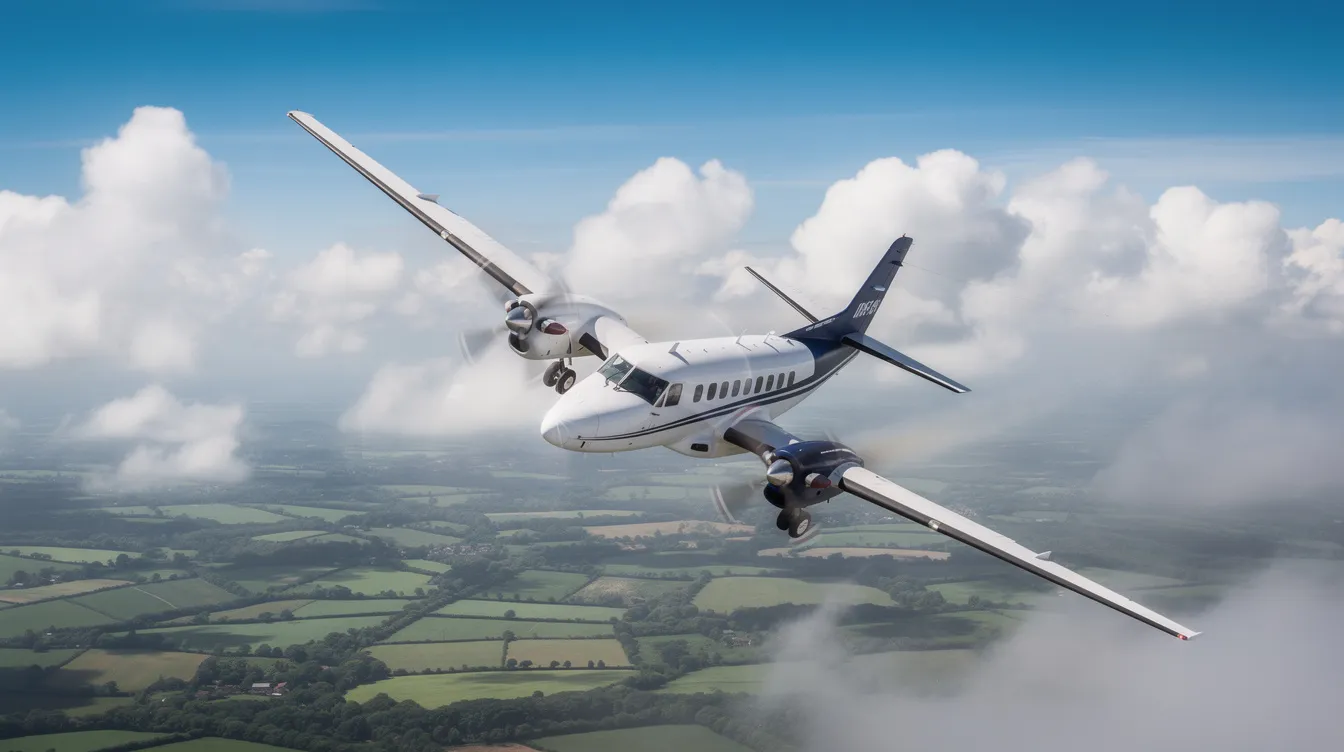
Introduction: Why Pilot Qualifications Matter in Modern Aviation
To answer the question “What qualification is needed to be a pilot” directly: in the United States, you follow an FAA-regulated certification path that starts with a private pilot certificate at age 17, advances to a commercial pilot certificate at 18, and reaches the airline transport pilot certificate at 23, with specific medical and flight-hour requirements at each step. Pilot qualifications exist because aviation tolerates zero ambiguity about who sits in the flight deck, and each certificate adds defined privileges, responsibilities, and minimum experience.
The path looks different depending on whether you want to fly privately, build a career in commercial aviation, or qualify for airline and business-jet cockpit roles. For aspiring pilots, aviation professionals, and anyone comparing the requirements for private, commercial, or airline flying, the details matter: the Federal Aviation Administration sets the age, training, medical, and experience standards that determine what aircraft you can fly and when.
This article breaks down those FAA requirements, the step-by-step route from first solo to airline captain, the pilot jobs tied to each certificate, and the core skills expected in airline and business aviation. With pilot demand rising across both sectors and safety standards remaining uncompromising, understanding these qualifications is essential for anyone planning a flight career—or evaluating the level of training behind the crews trusted to operate private and commercial aircraft.
What Does a Pilot Actually Do? (Private, Commercial, Airline & Business Aviation)
A private pilot flies for personal travel. A commercial pilot can earn money flying charter, cargo, or aerial work. An airline pilot operates scheduled routes under Part 121 regulations. A corporate or business aviation pilot flies private jets on demand for clients.
Regardless of category, every pilot handles:
Preflight planning: route selection, weather review, fuel and weight calculations
Aircraft inspection and systems checks
Communication with air traffic control, dispatchers, and ground handlers
Adherence to standard operating procedures during every phase of flight
Coordination with cabin crew on passenger safety and service
Airline pilots work fixed rotations on published schedules. Pilots in private jet charter fly on-demand itineraries, sometimes repositioning aircraft between legs and adapting to last-minute client requests. Short-haul operations involve more takeoffs and landings per day; long-haul flights demand fatigue management across time zones and night operations.
Basic Eligibility: Age, Education, Medical, and Background Requirements
Before pursuing an airline transport pilot certificate, you must clear personal and legal thresholds set by the Federal Aviation Administration.
Age minimums (FAA):
Certificate / Milestone | Minimum Age |
|---|
Fly solo | 16 |
Private pilot licence | 17 |
Commercial pilot license | 18 |
Restricted ATP | 21 |
Full airline transport pilot | 23 |
To become a pilot in the USA, age requirements vary by license type. Airline transport pilots must be at least 23 years old for the unrestricted certificate; pilots must be at least 21 years old for restricted ATP certification.
Education
A college degree is not necessarily required to become a pilot in the USA. Most flight training paths accept a high school diploma as the baseline. That said, a particular airline or major airline may still prefer or require a bachelor's degree, though it need not be an aviation degree.
Medical Fitness
You must pass a medical exam conducted by an FAA-designated aviation medical examiner (aero medical examiner). The FAA issues three classes of medical certificates:
A first-class medical certificate is mandatory for airline transport pilots serving as pilot in command under Part 121 operations
A second-class medical covers commercial pilot operations
A third-class medical suffices for a private pilot
Vision must be correctable to 20/20 for first and second class. Color vision screening follows updated FAA computer-based testing standards.
Background Checks
Pilots undergo TSA vetting, fingerprinting, drug and alcohol testing, and 10-year employment history reviews. DUI convictions and felonies can limit eligibility for airline pilot and international operations roles.
Language
You must be able to read, speak, write, and understand English for aviation purposes, per both ICAO and FAA requirements.
Step 1 – Private Pilot Certificate: Your First Gateway to the Skies
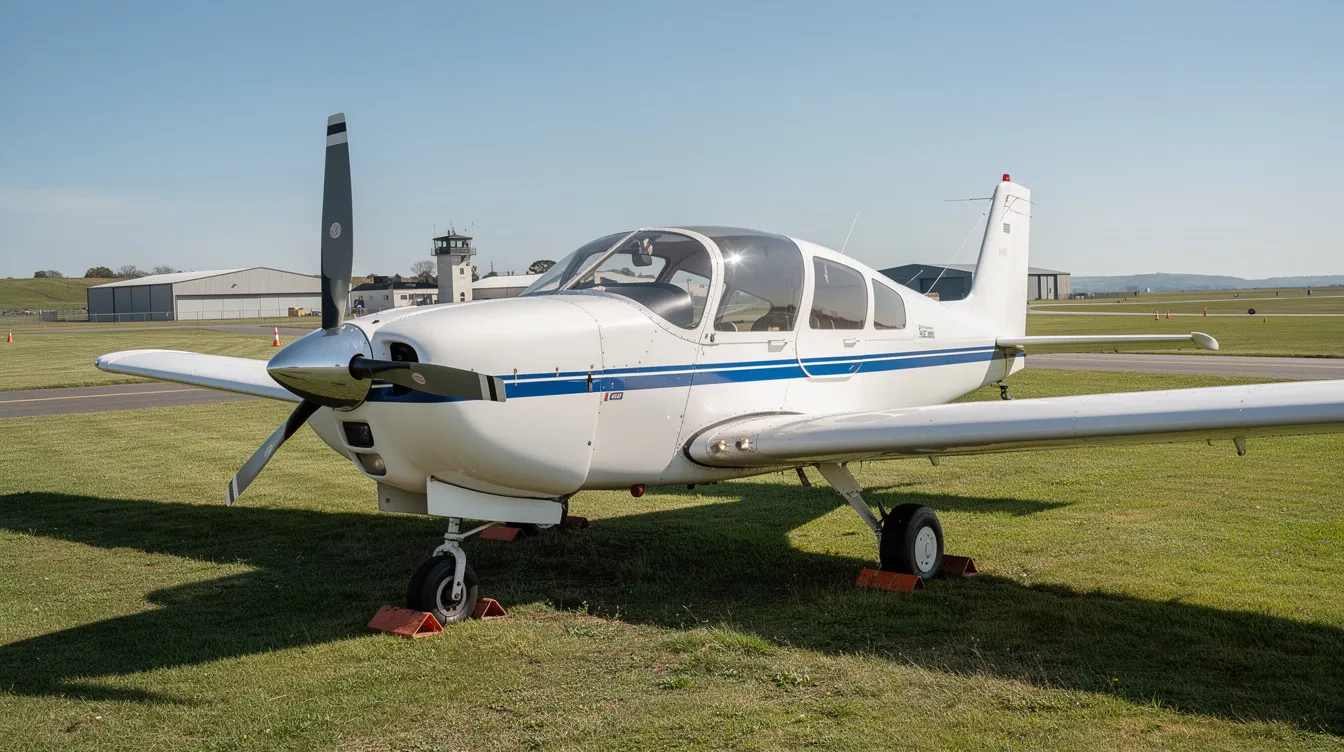
The private pilot certificate is the universal starting point for most people who want to start flying. You can begin flight training with a certified flight instructor without having a pilot certificate; no prior flying experience is needed.
You must be at least 16 years old to solo an aircraft and 17 to obtain a private pilot license. A private pilot certificate requires at least 40 flight hours, though typical students log 60 to 75 hours before their checkride. Those 40 hours must include at least 20 hours of dual instruction and 10 hours solo, covering cross-country navigation, night tasks, and specific maneuvers.
Core skills learned: basic aircraft control, takeoffs and landings, radio communication, navigation using VOR and GPS, emergency procedures, and fundamental aerodynamics. You will need a checkride with an FAA-designated pilot examiner to pass flight training, consisting of a written FAA knowledge test, oral examination, and practical flight test.
PPL holders cannot be paid to fly. They can act as pilot-in-command for personal and business travel at their own pace, understanding the investment involved in reaching this first milestone and the broader costs of private jet pilots and operations.
Step 2 – Instrument Rating: Flying Safely in Cloud and Low Visibility
The instrument rating is essential for any serious aviation career. Without it, you cannot fly under instrument flight rules, which is how airline pilots and business jet crews operate daily in controlled airspace and low-visibility conditions.
Prerequisites: hold a private pilot certificate, an appropriate class medical, and complete the FAA knowledge test. Training covers instrument scan, IFR departures and arrivals, precision approaches (ILS, RNAV, VOR), holding patterns, and managing emergencies solely by reference to instruments.
FAA Part 61 requires a minimum of 40 hours of actual or simulated instrument time, including cross-country requirements and specific dual instruction with a flight instructor. Approved simulators can count toward a portion of this time.
This rating expands privileges to operate in clouds, low ceilings, and busy terminal airspace. Instrument proficiency is a core safety standard for BlackJet partner crews, who routinely fly at high altitudes and into congested airports worldwide.
Step 3 – Commercial Pilot Certificate: Getting Paid to Fly
A Commercial Pilot Certificate allows you to be paid to fly. The commercial pilot certificate is the threshold at which you can legally earn money flying. A commercial certificate allows you to be paid to fly, turning pilot studies into a true career path.
FAA minimums: pilots must be at least 18 years old to hold a commercial pilot license, hold at least a second-class medical, and carry both a private pilot certificate and an instrument rating for most professional roles. To obtain a commercial pilot license, pilots must meet specific experience requirements: 250 total flight hours, including specified pilot-in-command time, cross-country hours, and night flying hours. Commercial pilots must pass multiple written exams with a 75% pass mark.
Training focuses on advanced maneuvers (steep turns, chandelles, lazy eights), precision power management, and professional airmanship. Commercial pilot training prepares you for real-world operations: aerial photography, banner towing, cargo runs, pipeline patrol, and entry-level charter work under Part 135 operations. Commercial pilots can work in various sectors, including military and corporate aviation.
A commercial certificate plus appropriate ratings is the foundation for jobs in charter and private jets, before reaching full airline transport pilot level and unlocking a competitive private jet pilot salary range.
Step 4 – Multi-Engine Rating & Building Time as a Certified Flight Instructor
Modern airline pilots and private jet captains fly multi-engine aircraft. A multiengine rating is required to fly aircraft with multiple engines, and training covers asymmetric thrust, engine-out procedures, and single-engine performance planning. A multi-engine rating is a prerequisite for virtually every professional pilot job in jets.
Many aspiring pilots build the bulk of their flying hours as a certified flight instructor. The CFI, CFII (instrument instructor), and MEI (multi-engine instructor) path lets aspiring pilots accumulate 1,000+ hours of flight experience while earning income and sharpening skills. This intensive training phase is where previous experience in basic certificates translates into real command ability.
Alternative hour-building routes include small cargo operations, right-hand seat roles in corporate flight departments, banner towing, and Part 135 charter jobs. Each path provides varied weather and airspace exposure, often involving higher cruise levels where private jets fly above most commercial traffic. This phase is where aspiring pilots accumulate the bulk of flying hours needed for ATP certification and competitive hiring minimums at regional airlines or business aviation operators.
Step 5 – Airline Transport Pilot Certificate (ATP): Highest Level of Pilot Qualification
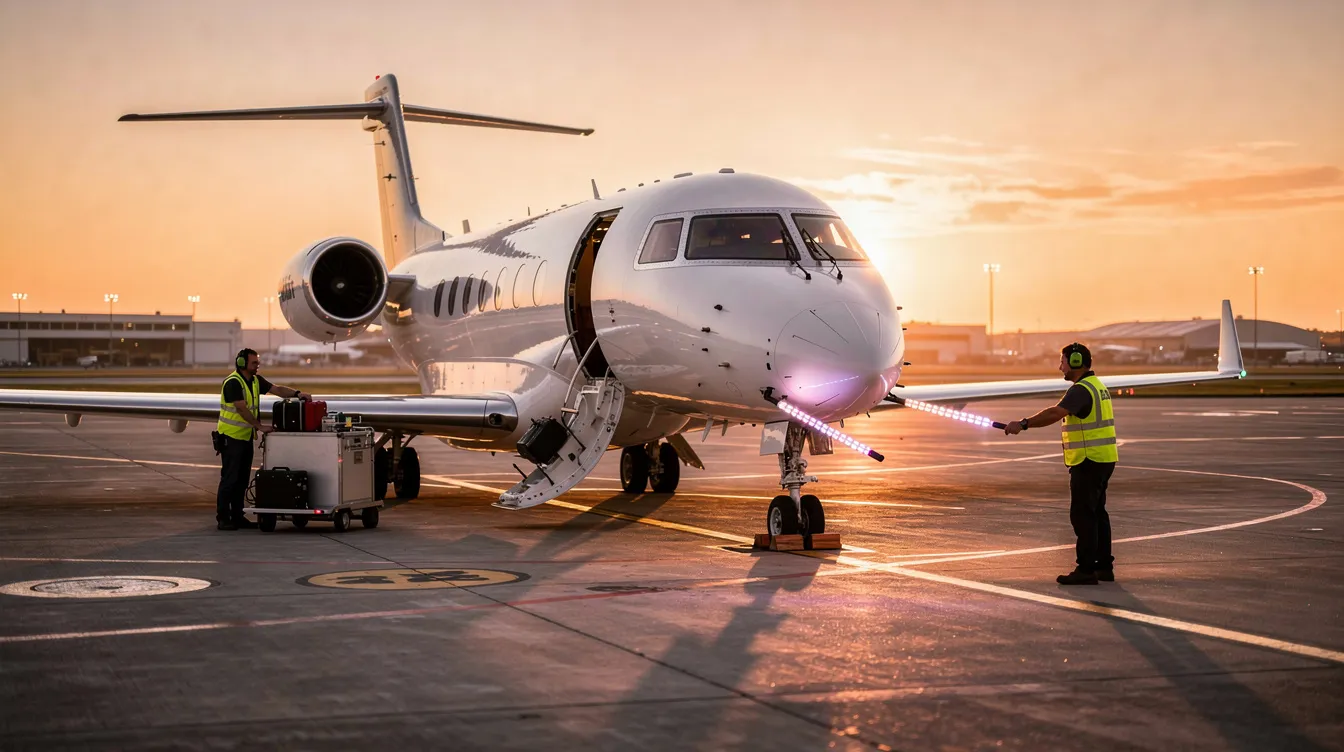
An ATP certificate is required for airline pilot positions. The airline transport pilot certificate is the top FAA qualification. An ATP certificate is required for airline pilot positions, both for captains and, under the First Officer Qualification rule, for first officers in Part 121 operations.
Pilots need a minimum of 1,500 flight hours for ATP certification. The breakdown includes:
500 hours of cross-country flight time
100 hours of night flying
250 hours as pilot in command
50 hours in the class of aircraft sought
Pilots must complete an ATP certification training program (ATP-CTP) before testing. This course covers high-altitude operations, advanced aerodynamics, crew resource management, and jet handling in full flight simulators. An ATP certificate requires passing both a knowledge and a practical test.
The restricted ATP pathway allows candidates at age 21 to qualify with reduced hours: graduates of FAA-authorized 4-year aviation degree programs can sit at 1,000 hours; 2-year program graduates at 1,250 hours; military pilots at 750 hours. R-ATP holders serve as first officers in the right-hand seat until meeting full requirements.
Most high-end business aviation operators, including BlackJet Certified partners, prefer or require ATP-level captains to fly jet card members, since experienced crews are best equipped to manage factors like turbulence on private jet flights.
Education Routes: Aviation Degree vs Vocational Training and Military Experience
Three main routes lead to a successful aviation career:
Aviation degree programs at FAA-authorized universities combine academic coursework with flight training over 3 to 4 years. Graduates of approved programs gain R-ATP eligibility at 1,000 to 1,250 hours, cutting the best route to the airlines by hundreds of hours. An aviation degree is helpful but not the only path.
Vocational flight school programs follow modular training or integrated tracks at dedicated academies. An ATP flight school-style program focuses purely on flight ratings, letting students progress at their own pace. No college degree is required. The standard pathway to ATP for these students requires the full 1,500 flight hours. It takes roughly 2½ years to become an airline pilot through accelerated programs, though timelines vary with weather, financing, and training tempo.
Military service produces pilots with thousands of hours and combat-tested decision-making. Armed forces pilots can convert their flying experience into civilian ATP certification; under R-ATP rules, military pilots qualify with 750 total hours. This pathway reflects that military service provides some of the most rigorous pilot training available.
A civil aviation authority in each country sets its own standards; in the U.S., the FAA governs all pathways. A multi-crew pilot licence, common in European training, follows a different regulatory framework but targets the same outcome.
Key Skills and Personal Qualities Airlines and Private Jet Operators Look For
Technical Competence
Mastery of aircraft systems, avionics suites, FMS programming, and performance planning. Advanced training in type-specific aircraft is standard before a pilot commands any jet.
Non-Technical Skills
Communication, leadership, situational awareness, and crew resource management in a multi-crew environment where decisions happen in seconds.
Professionalism
Punctuality, procedure adherence, conservative risk management, and continuous learning. Successful completion of recurrent training every 6 to 12 months is mandatory.
Physical and Mental Resilience
Irregular schedules, jet lag, night operations, and long-duty days require sustained focus. Pilots must successfully complete medical renewals on schedule.
Customer Focus in Business Aviation
Frequently Asked Questions (FAQs) About Pilot Qualifications
What is the minimum age to become a pilot?
You must be at least 16 years old to fly solo, 17 to obtain a private pilot license, 18 for a commercial pilot license, 21 for a restricted ATP certificate, and 23 for a full airline transport pilot certificate.
Do I need a college degree to become a professional pilot?
A college degree is not required to become a pilot in the USA, though some airlines may prefer or require one. Vocational training, flight school, or military experience are common routes.
How many flight hours are needed for an Airline Transport Pilot (ATP) certificate?
Pilots need a minimum of 1,500 flight hours for the ATP certificate, including 500 hours cross-country, 100 hours night flying, and 250 hours as pilot in command.
What medical certification is required to be a pilot?
A first-class medical certificate is required for airline transport pilots, a second-class for commercial pilots, and a third-class for private pilots. All medicals must be obtained through FAA-designated Aviation Medical Examiners.
What is the difference between a commercial pilot and an airline transport pilot?
A commercial pilot certificate allows you to be paid to fly, while an airline transport pilot certificate is the highest level, required to serve as captain or first officer in airline operations.
Can I start flight training without any prior experience?
Yes, you can begin flight training with a certified flight instructor without having a pilot certificate or previous flying experience.
What is the restricted ATP (R-ATP) certificate?
The R-ATP allows pilots aged 21 or older with reduced flight hours, such as graduates of approved aviation degree programs or military pilots, to qualify for airline first officer roles before meeting the full 1,500-hour requirement.
How long does it typically take to become an airline pilot?
Through accelerated programs, it takes about 2½ years to progress from zero experience to commercial airline pilot, depending on training pace, weather, and financing.
What skills do airlines and private jet operators look for in pilots?
Technical competence, communication, leadership, professionalism, mental and physical resilience, and customer focus are key qualities sought by employers.
Can military flying experience count toward civilian pilot qualifications?
Yes, military pilots can convert their experience to civilian ATP certification and may qualify for the restricted ATP certificate with fewer total hours.
These FAQs provide clear, concise answers to common questions about pilot qualifications, helping aspiring pilots and travelers understand the rigorous standards behind professional and private aviation.
Career Paths: From First Officer to Captain, Airline vs Business & Private Jet Flying
Once you hold a commercial pilot and an airline transport pilot certificate, multiple career opportunities open. Airline pilots typically start as first officers before becoming captains. The final step to airline captain takes 4 to 8 years, depending on seniority, fleet type, and the pilot shortage at a given carrier.
Airline progression: Cadet or first officer at regional airlines, then upgrade to captain, then possible transition to a major airline. It takes roughly 2½ years to become a commercial airline pilot from zero experience through accelerated programs, with a captain upgrade following years of line flying.
Business and private aviation: Captain and first officer roles in charter, corporate flight departments, fractional ownership, and jet card programs. Many of these roles support clients using premium private jet cards and jet card programs that guarantee access to aircraft on demand. Career opportunities here reward flexibility, discretion, and the ability to manage varied aircraft types.
Cabin crew vs pilot: These are distinct roles. Cabin crew manage passenger safety and service in the cabin; pilots command the aircraft from the flight deck. Both require specific training and certification, but the qualification pathways differ entirely, especially for private plane stewardess careers in business aviation.
Long-term roles: Training captain, simulator instructor, safety and standards manager, or transitions between airlines and business aviation, and even adjacent paths such as becoming an airplane broker in private aviation. Whatever path you choose, ATP-level training, rigorous safety culture, and ongoing proficiency checks remain the qualifications that keep modern aviation safe.
Whether you are building a flying career from scratch or selecting who flies you across continents, the same standards apply. Every pilot who commands a BlackJet flight holds the credentials, the flight time, and the recurrent proficiency to meet the highest benchmarks in the industry. Explore how BlackJet's safety certification protects every journey you take.


 Sign up with google
 Sign up with Apple