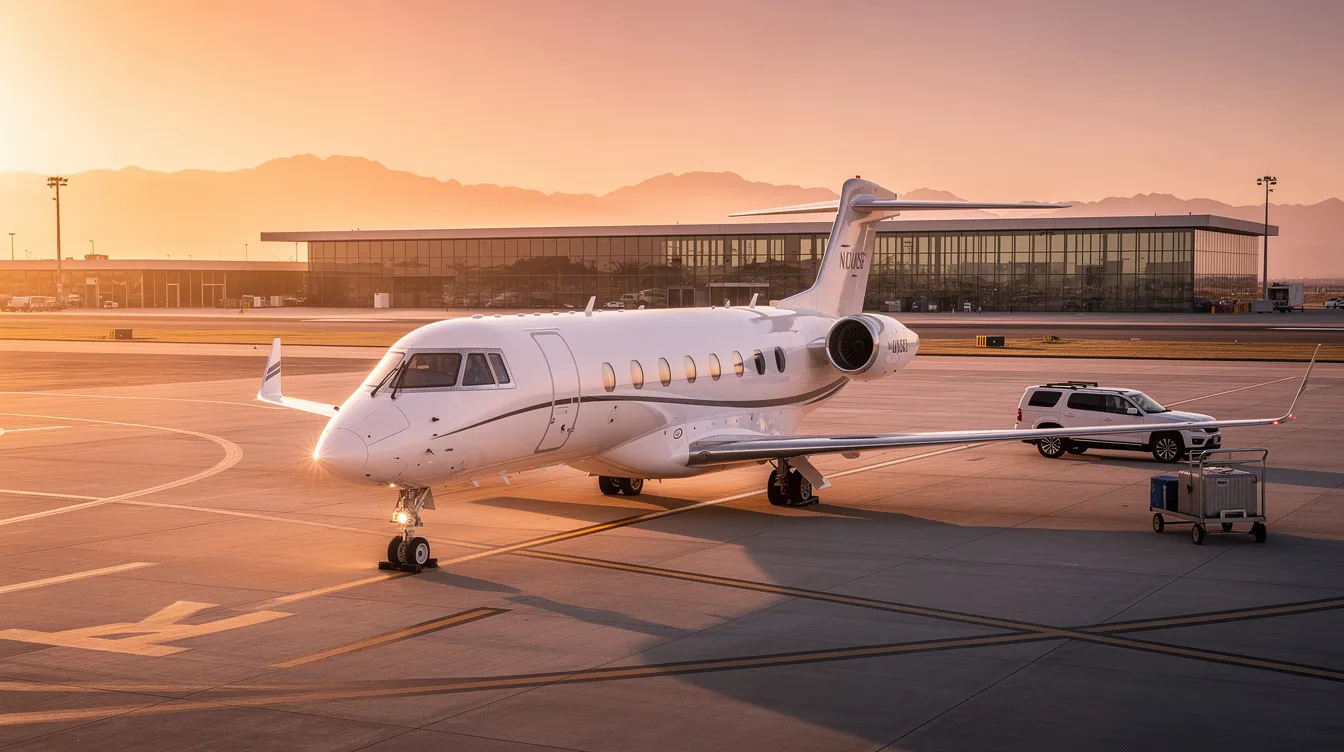
For corporate leaders, government officials, and ultra-high-net-worth individuals, private aviation is no longer just about exclusivity. It is about control, time compression, and operational precision. When a leadership team can move across continents without delays, missed connections, or rigid airline schedules, the value extends far beyond comfort.
These larger aircraft offer ample room and an expansive cabin, providing ultimate luxury and comfort for larger groups on long-haul flights.
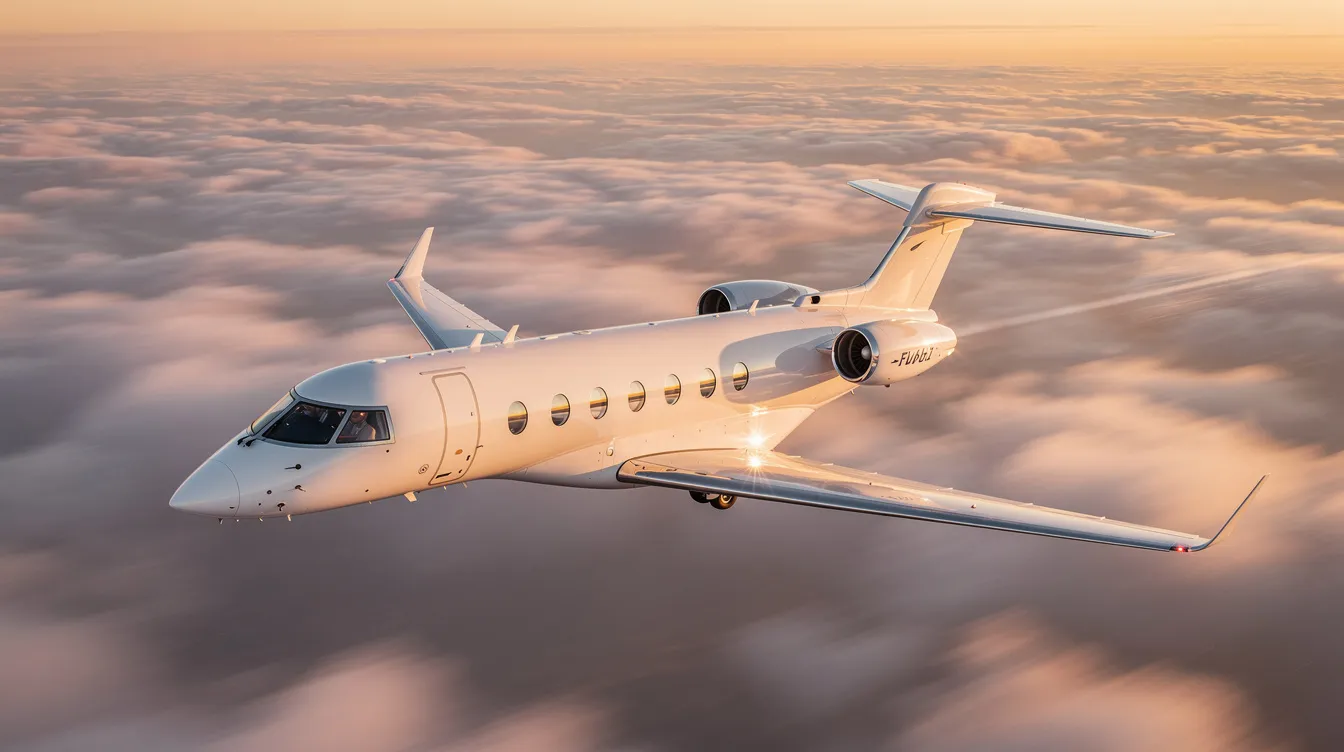
This is where 18-passenger heavy jets define the upper tier of private aviation. These ultra-long-range, large-cabin aircraft are designed for 10-12+ hour flights, combining group capacity, intercontinental range, and fully functional onboard environments—transforming travel time into productive time.
Compared to commercial first class, where even premium cabins are constrained by schedules and shared space, large-cabin private jets offer direct routing, complete privacy, and tailored in-flight experiences. These jets are popular among corporations, governments, and ultra-high-net-worth individuals for group travel, thanks to their luxury, ample space, and suitability for larger groups. For organizations and families traveling together, the strategic advantage is immediate.
Business Aviation Context
Business aviation has evolved into a critical infrastructure layer for global organizations, supported by a global fleet of tens of thousands of aircraft, as detailed in analyses of how many private jets operate worldwide. It prioritizes:
Flexibility: Depart on your schedule, not the airline’s
Privacy: Conduct meetings or travel discreetly
Direct Routing: Fly closer to your final destination without layovers
Within this ecosystem, 18-passenger jets occupy the large-cabin segment, offering a balance between capacity and long-range performance. These aircraft are frequently used by:
Corporate executive teams
Business executives
Government delegations
Charter brokers serving VIP clients
Families and private groups traveling internationally
Aviation providers maintain a dedicated fleet of large-cabin jets to meet the needs of business executives and other high-profile clients, ensuring availability, operational flexibility, and comfort for long-range journeys. Rather than splitting teams across multiple flights, these jets allow entire groups to move together, efficiently, and securely.
Heavy Jets and the 18-Passenger Segment
Heavy jets are designed for missions that extend beyond regional or transcontinental travel. These aircraft are purpose-built for long-range, high-capacity missions, offering more space and passenger comfort than super midsize jets, which typically provide less capacity and range, while complementing the role of small private jets in shorter, lower-capacity missions.
Cabin Space and Layout
These aircraft typically feature:
Spacious cabin with distinct cabin zones and flexible cabin configurations, often arranged as a spacious three-zone cabin for work, dining, and rest
Full-service galleys capable of supporting onboard catering and serving all onboard meals
Dedicated lavatories, often more than one
Most 18-passenger private jets have interiors divided into 3-5 distinct zones, with multiple living areas configured for business meetings and overnight flights, including private sleeping areas that accommodate 7-9+ passengers. Cabin dimensions typically allow most passengers to stand comfortably between 6'2" and 6'5" in height. Baggage capacity often ranges from 150 to 195 cubic feet, supporting long-haul group travel.
This transforms the aircraft into a flying office or private residence, rather than just a means of transport.
Crew and Service
Flights often include:
Two pilots, whose compensation and career paths are shaped by aircraft size, mission profile, and operator type, as outlined in a comprehensive private jet pilot salary guide
One or two flight attendants
With full galley facilities onboard, flight attendants can serve all onboard meals and attend to other service needs, enabling fine-dining services during the flight. This allows for restaurant-level dining service, meeting preparation, and personalized passenger care.
Airport Infrastructure Considerations
While heavy jets provide access to a wide network of airports, they:
However, compared to commercial aviation, they still provide access to thousands more airports globally, significantly reducing ground travel. Most 18-passenger private jets can operate from runways as short as 5,000 to 6,000 feet, granting access to far more airports than commercial aircraft, which generally require runways of 8,000 feet or longer.
Long Range Performance and Nautical Miles
Range is one of the defining characteristics of 18-passenger heavy jets. These ultra-long-range jets are specifically designed for intercontinental travel, capable of covering long distances with impressive and exceptional range. Typically, 18-passenger private jets boast an intercontinental range of 4,600 to 7,500 nautical miles and cruise at speeds from Mach 0.82 to Mach 0.925, enabling nonstop transcontinental flights. Service ceilings for these aircraft consistently range from 41,000 to 51,000 feet, allowing them to fly above significant weather systems and commercial traffic lanes. This combination of ultra-long range performance and high-altitude capability makes them ideal for nonstop flights between major global city pairs, maximizing comfort and efficiency for extended journeys.
Typical Range Capabilities
Most aircraft in this category achieve between:
Non-stop flight time for these jets can reach up to 17 hours, as seen in the Bombardier Global 7500, which also offers the largest cabin with four separate living spaces.
This enables nonstop routes such as:
New York to London
Los Angeles to Tokyo
Dubai to Paris
Notable Models and Capacities
The Gulfstream G550 can accommodate up to 18 passengers and 4 crew members, with a maximum range of approximately 6,750 nautical miles, enabling nonstop routing between major global city pairs.
The Gulfstream G650ER offers a maximum range of 7,500 nautical miles and seats up to 18 passengers, representing the pinnacle of speed and range.
The Embraer Lineage 1000E can accommodate up to 19 passengers and offers a range of 4,600 nautical miles, featuring one of the largest cabins in private aviation, making it ideal for long group journeys.
The Gulfstream G700 accommodates up to 19 passengers and boasts the largest cabin in its class.
The Bombardier Challenger 850 offers a cabin that matches the size and luxury of the Bombardier Global 6000, delivering exceptional comfort and premium amenities.
Payload-Range Tradeoffs
Range is not static. It depends on:
Number of passengers
Baggage weight
Weather conditions
For example, a fully loaded aircraft may need to reduce range slightly or plan for a technical stop, and understanding the core drivers behind private jet charter pricing helps clarify how these operational factors translate into total trip cost.
Ferry Range vs Operational Range
Understanding this distinction is critical when planning long-haul missions.
High Speed Advantages
Speed is another major advantage of large-cabin jets. 18-passenger private jets deliver outstanding performance and maximum comfort at high speed, thanks to advanced technology such as AI-powered cabin controls, circadian lighting systems, and advanced soundproofing. The typical cruise speed for 18-passenger private jets ranges from Mach 0.82 to Mach 0.925.
Cruise Speeds
Most heavy jets cruise between:
This is significantly faster than many commercial aircraft.
Time Savings
On long-haul routes, higher cruise speeds can:
Reduce flight time by 1–2 hours or more
Improve scheduling flexibility
Allow same-day international business trips
Private jet travel is about saving valuable time—passengers can enjoy reduced check-in times, often arriving just 10-15 minutes before departure, maximizing efficiency.
While faster speeds increase fuel burn, the time value for executives often outweighs the incremental cost.
Cabin Design: Comfortable Configurations and Forward Galley Options
The cabin is where heavy jets truly differentiate themselves. 18-passenger private jets offer ultimate comfort and luxury, with cabins designed to provide comfort and privacy for every traveler. The cabin environment is meticulously designed for comfort, featuring multiple living areas for various activities and a range of materials, including bespoke leather, handcrafted wood veneers, and high-end finishes. These jets provide a private cabin environment that allows for confidential discussions and a peaceful travel experience, making them the epitome of luxury and convenience for group travel.
Multi-Zone Living Areas
Typical configurations include:
A forward lounge or meeting area
A mid-cabin dining or conference space
A private aft suite with beds
This allows passengers to work, dine, and rest simultaneously.
Forward Galley Design
The galley location plays a key role in:
Service efficiency
Crew movement
Noise management
Forward galleys keep service operations separate from passenger relaxation zones.
Seating and Sleeping Flexibility
Seats convert into fully flat beds
Privacy partitions create separate rooms
Advanced entertainment systems provide personalized experiences, including the latest audiovisual systems
Ergonomic leather club seats swivel 360°, and divans convert into lie-flat beds
Amenities and Technology
Baggage and Storage
Large baggage compartments:
Cabin dimensions typically allow most passengers to stand comfortably between 6'2" and 6'5" in height. Sleeping arrangements usually accommodate 7-9+ passengers, with multiple living areas configured for both business meetings and overnight flights.
Notable Manufacturers and Models
For some ultra-high-net-worth individuals, exploring the most expensive private jets and their bespoke features provides context on just how far luxury and customization can go at the very top of the market.
Gulfstream G550
The G550 is a benchmark in long-range private aviation.
Configured for 14–18 passengers
Range of approximately 6,750 nautical miles
Three cabin zones with flexible layouts
Its large oval windows and refined cabin design enhance passenger comfort on long journeys.
Gulfstream G650ER
The G650ER represents the pinnacle of speed and range.
Range up to 7,500 nautical miles
Cruise speeds approaching Mach 0.925
Cabin capacity up to 18 passengers
This aircraft enables true nonstop global travel, connecting major cities without compromise.
Embraer Lineage 1000E
The Embraer Lineage 1000E offers a distinctive option in the 18-passenger category, with a range of 4,600 nautical miles and seating for up to 19 passengers across five cabin zones. This aircraft seamlessly blends style, efficiency, and comfort, featuring amenities typically found only in much larger jets, making it ideal for long-distance group travel.
Bombardier Challenger Family
Challenger jets offer a balance of performance and efficiency.
Range between 4,600 and 4,800 nautical miles
Spacious cabins with forward galley layouts
Strong baggage capacity
Models like the Challenger 650 are widely used for corporate and group travel.
Dassault Falcon Series
Falcon jets emphasize versatility and efficiency.
Range between 5,000 and 6,000 nautical miles
Strong short-field performance
Access to more challenging airports
Their aerodynamic efficiency supports lower operating costs relative to size.
International Travel Use Cases
18-passenger jets unlock a range of high-value travel scenarios. These jets are ideal for business meetings and confidential discussions during international travel, offering a private cabin environment that ensures privacy and a peaceful travel experience for groups.
Corporate Delegations
Entire executive teams can travel together, enabling:
Government and Diplomatic Travel
These jets provide:
Sports Teams and Group Travel
Teams and staff can travel:
Family and Private Group Travel
For families, the experience becomes:
Operations, Costs, and Charter Considerations
Frequent long-range travelers may also consider structured jet card commitments, and understanding a 50-hour jet card cost breakdown and value analysis, alongside how to evaluate jet card cost per hour across different programs, can be a key part of this evaluation.
Acquisition Costs
New large-cabin jets typically range from:
Pre-owned heavy jets range from $15 million to $30 million, offering options for various budgets.
Charter Pricing
For travelers new to on-demand private flying, it helps to first understand what charter flights are and how they work.
As a baseline, many prospective flyers start by researching how much it costs to rent a private jet, then refine those expectations for larger aircraft.
Hourly charter rates vary widely:
Typically range from $3,500 to over $18,000 per hour, depending on aircraft model, route, and demand.
Ultra-Long-Range Jets or VIP Airliners for 18 passengers may command $8,000 to $15,000 per flight hour, with some reports ranging up to $25,000 per hour.
One-way trip costs for 18-passenger private jets can range from $10,000 to over $45,000, depending on route and aircraft.
Booking must be made through an FAA Part 135-certified carrier to ensure safety and regulatory compliance, and travelers often take comfort in knowing that private jets operate under rigorous safety standards and oversight.
Operating Costs
Key cost components include:
Fuel consumption of 4,000-5,000+ gallons per hour at cruise power settings.
Annual operating costs range from $500,000 to over $2 million.
Insurance costs typically range from 1-2% of the aircraft's acquisition value annually.
Ownership vs Charter
The break-even analysis for ownership versus charter typically occurs around 200-300 annual flight hours. For those exploring alternatives between full ownership and on-demand charter, both the depreciation dynamics of fractional jet ownership, including how fractional jet ownership depreciation works in practice, and the broader tax benefits of fractional jet ownership become important parts of the financial equation. Chartering offers flexibility without the burden of ownership, while ownership provides control and customization; understanding the practical cost comparison between chartering a private jet and strategies to fly private more affordably through empty legs and shared charters can help refine this analysis.
Environmental Impact of 18-Passenger Private Jets
While 18-passenger private jets offer exceptional luxury and convenience, they also have a significant environmental footprint. A single private flight on a Gulfstream G550 can emit up to 20 times more CO2 per passenger than a comparable commercial flight. Heavy jets contribute disproportionately to aviation emissions, especially on long-haul flights, due to high fuel consumption and lower occupancy rates.
The business aviation industry is actively investing in sustainable aviation fuel (SAF), which has the potential to reduce lifecycle emissions by up to 80% compared to traditional jet fuel. Leading manufacturers such as Gulfstream and Bombardier are developing new aircraft with more efficient engines and aerodynamic designs to reduce environmental impact.
Despite advancements in efficiency, even the most efficient models still produce significant emissions during operation. Reducing the environmental impact of 18-passenger private jets requires collaboration among manufacturers, operators, and travelers to balance luxury and sustainability.
Choosing the Right 18-Passenger Business Jet
Selecting the right aircraft depends on aligning mission requirements with capabilities. Some models, like the Bombardier Challenger 850, offer a cabin identical in size and luxury to larger flagship jets, such as the Bombardier Global 6000, providing exceptional comfort and amenities. For a broader context on how 18-passenger heavy jets compare with other types of private jets for different travelers, it’s helpful to understand the full spectrum of categories and missions. The ability to customize cabin configurations enhances the experience for both business and leisure travelers, allowing for tailored layouts and features. Additionally, the operational capabilities of 18-passenger private jets make them well-suited to specific route types and travel needs, capitalizing on their impressive range, capacity, and luxurious features.
Match Range to Mission
Ensure the aircraft can handle your typical nonstop routes with full payload, selecting from different private jet sizes and categories that align with your mission profile.
Prioritize Cabin Layout
Consider:
Evaluate Airport Access
Some jets perform better on shorter runways, enabling access to more destinations; similarly, comparing NetJets jet card costs and program structures and reviewing Flexjet jet card pricing and options can clarify how different access models align with your preferred airports and routing flexibility.
Consider Long-Term Value
Factor in:
Private Jet Access vs Ownership: A Strategic Perspective
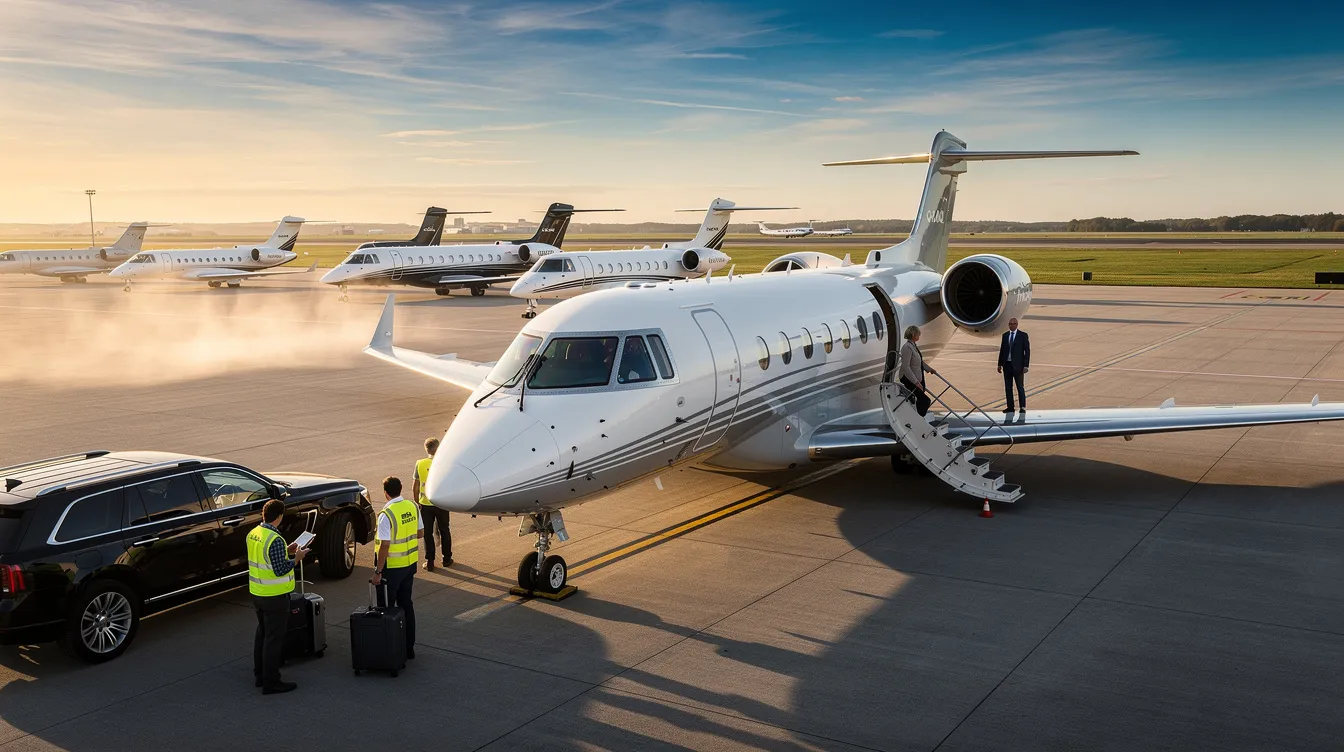
For many travelers, owning a heavy jet is not always the most efficient solution. Modern private jet programs often waive or minimize membership fees, making luxury travel more accessible and cost-effective by using structured jet card pricing models and benefit structures, and some even offer unlimited private jet flight memberships for ultra-frequent travelers. Additionally, shared ownership and membership programs are becoming popular strategies to decrease the number of flights and overall emissions within private aviation.
Ownership Considerations
Jet Card and On-Demand Access
Depending on flight frequency, travelers often compare 25-hour jet card features and costs with larger 100-hour jet card program structures, and may also evaluate potential jet card tax deductions and planning strategies.
Programs like BlackJet provide:
This approach allows travelers to match aircraft to mission, rather than being tied to a single platform, and can complement options for buying individual seats on private jets when full-aircraft charter isn’t required.
The Future of Large-Cabin Private Aviation
The next generation of heavy jets is being shaped by:
Sustainability Initiatives
Technology Integration
Advanced flight planning systems
Real-time aircraft availability
Seamless booking platforms
Safety Advancements
These pillars are redefining what it means to fly private—not just better, but smarter and more responsible.
FAQs: 18-Passenger Private Jets
How far can 18-passenger jets fly nonstop?
Most heavy jets in this category can travel between 4,600 and 7,750 nautical miles, enabling intercontinental routes.
Are heavy jets faster than commercial aircraft?
Yes. Many cruise at higher speeds, reducing long-haul flight times.
How many crew members are on board?
Typically, two pilots and one or two flight attendants, depending on flight duration and service level.
Can these jets access smaller airports?
Yes. Most 18-passenger private jets can operate from runways as short as 5,000-6,000 feet, allowing access to significantly more airports than commercial jets.
What is the best option for frequent travelers?
Jet card programs or on-demand access provide flexibility and cost efficiency without ownership commitments, and comparing the best jet cards for frequent flyers and their benefits can help identify the right fit.
Discover Elevated Private Jet Access
18-passenger private jets represent the highest level of capability in business aviation—combining range, speed, and space to move people globally with precision.
But the real advantage lies in how you access them.
With BlackJet, you gain:
Discover how BlackJet can reshape your travel.
Explore premium private jet access designed for those who value time, precision, and possibility.
Conclusion
Choosing an 18-passenger private jet offers unmatched luxury, flexibility, and efficiency for group travel across continents. Whether for corporate delegations, government missions, or private family journeys, these aircraft provide spacious cabins, advanced technology, and exceptional range to ensure comfort and productivity throughout the flight. Accessing these jets through trusted providers like BlackJet enhances the experience by offering seamless booking, strict safety standards, and environmentally conscious options such as carbon-neutral flights. As business aviation continues to evolve, BlackJet stands at the forefront, making elevated private jet travel accessible and tailored to your unique needs. Experience the future of private aviation with BlackJet—where ultimate luxury meets unparalleled convenience.


 Sign up with google
 Sign up with Apple