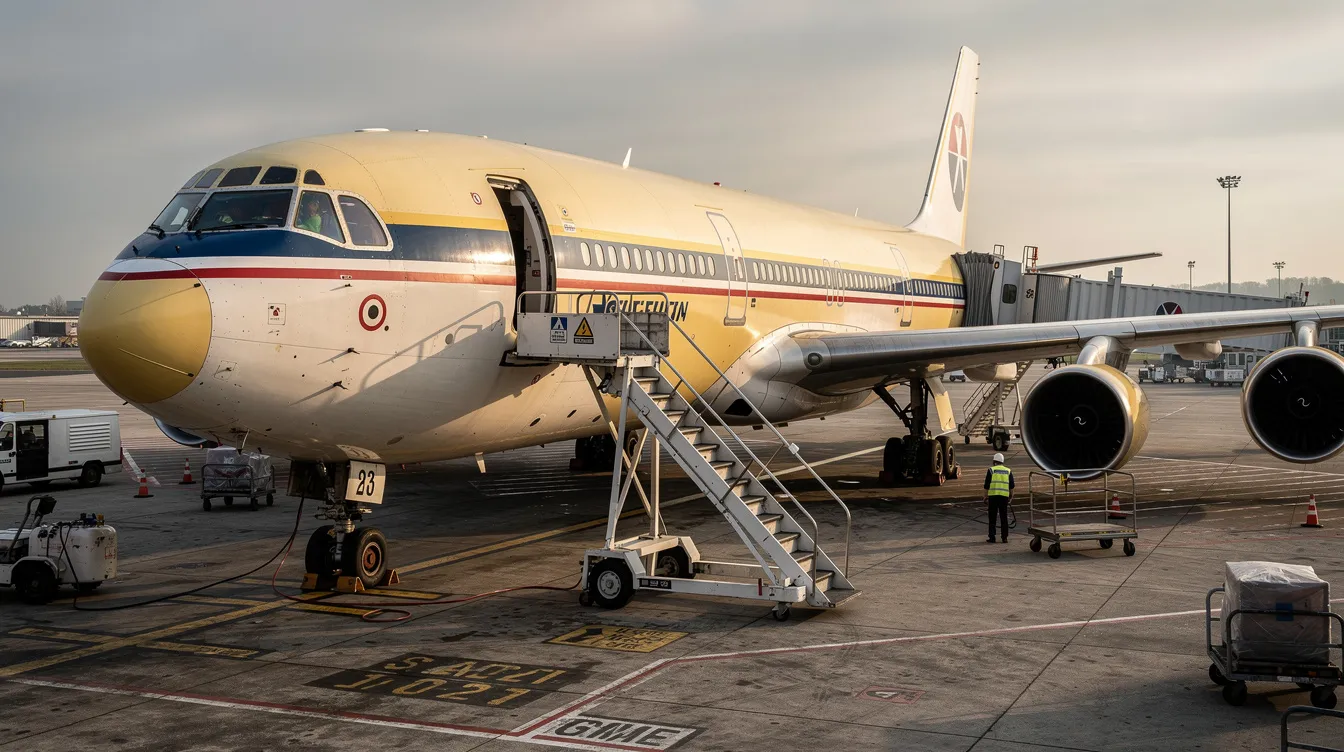
Introduction: What Was American Airlines AirPass and Why Does It Matter?
American Airlines AirPass is a name that still fascinates frequent flyers, business travelers, and aviation enthusiasts. AirPass, launched in 1981, was American Airlines' unlimited lifetime first-class pass. AirPass, a later prepaid membership program, was discontinued in 2024. This article explores the full history of American Airlines' AirPass programs, profiles of notable users, legal controversies, and how these offerings compare to modern private jet memberships. It's designed for frequent flyers, business travelers, and anyone interested in the evolution of premium air travel.
Why does this topic matter? The AirPass programs occupy a unique place in airline history, offering lessons for the future of premium travel. They reveal how bold ideas can reshape loyalty, pricing, and the very concept of first-class access—while also exposing the risks and legal complexities of unlimited travel products.
Why the American Airlines AirPass Still Fascinates Frequent Flyers
In 1981, American Airlines launched the AAirpass, a product that offered unlimited first-class flights for life on a single carrier for a one-time purchase of $250,000. A companion pass could be added for $150,000. The idea was bold: sell a handful of lifetime memberships to generate immediate cash, then absorb the travel costs over decades. AAirpass holders earned frequent flyer miles on every trip and received lifetime membership to the Admirals Club.
The economics collapsed. American Airlines estimated losses of $1 million per AAirpass holder annually once heavy users maximized the program. The airline discontinued the unlimited AAirpass, replaced it with a modern, prepaid AirPass program tied to credits and elite status, then sunset that version too. For travelers who still want the feeling of unrestricted first-class travel without being locked into one carrier's schedule, private jet membership through programs like BlackJet's Jet Card offers a structural alternative: fixed hourly rates, no seat availability gambles, and access to thousands of airports on your own timeline.
This article covers the full history of the AAirpass, how the modern AirPass program worked before its end, real cases of holders who flew millions of miles, and how private jet cards compare for today's high-frequency traveler.
The Origin Story: American Airlines' Lifetime AAirpass in the 1980s
American Airlines launched AAirpass in 1981 during a period of airline deregulation, volatile fuel prices, and industry consolidation. The carrier needed cash. The concept: sell a small number of lifetime passes granting unlimited first-class travel on any American Airlines aircraft, worldwide, for a flat fee.
The initial cost was $250,000 for the pass itself, with an optional companion pass for $150,000. American Airlines offered these passes from 1981 through the mid-1990s. Prices climbed; by 1990, the unlimited AAirpass plus companion cost $600,000, and by 1993 the combined price reached approximately $1.01 million. Only 28 AAirpasses were sold before the program ended in 1994. Steven Rothstein's agreement was dated October 1, 1987.
What made the deal attractive was its scope. Holders could book multiple flights per day, cancel without penalty, and access a dedicated booking line that bypassed standard customer service queues. Transatlantic first-class fares in the 1980s regularly exceeded several thousand dollars per segment. For a Dallas-based marketing executive or corporate traveler flying weekly between Chicago, London, and Los Angeles, the AAirpass investment paid for itself within a few years. American Airlines raised $16.5 million from AAirpass sales, money the struggling financially airline needed immediately.
Life With Unlimited First Class: How AAirpass Holders Used Their Lifetime Pass
Unlimited flights in first class, with no restrictions, created a travel life that most passengers could only imagine.
Steven Rothstein: The Ultimate Frequent Flyer
Steven Rothstein purchased his AAirpass in 1987 for $250,000 and added a companion pass in 1989 for $150,000. Over the next two decades, Steven Rothstein took over 10,000 flights using his AAirpass. He used it to fly to Paris for dinner, to Chicago for lunch, and sometimes booked flights just to sit in first class and read. He carried extra carry-on luggage in the companion seat and occasionally used fictitious names for bookings. Rothstein's AAirpass usage cost American Airlines an estimated $21 million.
Jacques Vroom: 38 Million Miles
Jacques Vroom, sometimes referenced as Vroom Jr., purchased his unlimited AAirpass plus companion pass on December 28, 1989, for roughly $356,000. Jacques Vroom traveled nearly 38 million miles with his AAirpass, sometimes logging 2 million miles per year. He used the pass for both business and family travel, flying to London, Ontario, and across the world with near-total freedom.
Both AAirpass holder profiles illustrate the gap between what the airline expected and what happened. Priority booking, flexible cancellations, and a personal letter of confirmation for each trip gave holders perks that today's AAdvantage Gold or even Executive Platinum members cannot match. The airline sold these passes expecting moderate use; instead, a small group treated them as all-access keys to global first class cabins.
Profitability Problems and Investigations: When the Numbers Stopped Working
The Cost of Unlimited Travel
By 2007, American Airlines' revenue integrity unit flagged the program's cost. AAirpass holders cost American Airlines over $1 million annually each in lost ticket sales, taxes, fees, and loyalty miles that displaced paying passengers from premium cabins.
The structural problem was clear: unlimited first class travel and revenue management are incompatible. Every seat reserved for an AAirpass member was a seat that could not be sold at market price. Rothstein canceled 84% of his reservations from 2005 to 2008, meaning the airline held seats that went empty while turning away full-fare passengers.
Allegations and Investigations
American Airlines accused Rothstein of booking fraudulent flights, including companion reservations under fictitious names.
The airline sued Vroom for allegedly selling companion seats to strangers, violating Tariff Rule 744.
The broader lesson for the airline industry: truly unlimited products invite adverse selection. The travelers who buy them are precisely the ones who will use them most. The AAirpass was discontinued in 2004 due to financial losses, though existing holders retained their passes. American Airlines had collected $16.5 million in sales but absorbed tens of millions in cumulative costs from its most active members.
Legal Fallout and the End of the Unlimited AAirpass Era
American Airlines terminated Rothstein's AAirpass on December 13, 2008, handing him a letter at a Chicago O'Hare check-in counter citing fraudulent activity. Rothstein sued American Airlines for $7 million in 2009, claiming breach of contract and arguing the airline had promised to honor the agreement far into the future.
Key legal actions and outcomes:
The court granted summary judgment to American Airlines in 2011, finding that speculative bookings and false companion names constituted fraud under the contract's terms.
A confidential settlement followed during American's bankruptcy proceedings.
Vroom's AAirpass was terminated on July 30, 2008, at London Heathrow's check-in desk. The airline sued Vroom for pass misuse; Vroom countersued American Airlines for slander in 2011.
As of late 2024, litigation regarding AAirpass is still ongoing in some form.
Two AAirpass holders had their passes revoked in 2008; others, including reportedly Mark Cuban, retained valid passes under closer oversight.
The company learned that contractual ambiguity around a lifetime pass, combined with evolving rule changes like Tariff Rule 744, creates litigation risk that outlasts the program itself. Ken Bensinger of the Los Angeles Times covered these cases in detail, and the stories became a reference point for how the airline industry prices risk. The American Airlines CEO at the time acknowledged the program's unsustainability, despite Bob Crandall's earlier assurance that the company was solid. The deal was over; the court battles were not.

The Modern American Airlines AirPass Program: How It Works Today
After the unlimited AAirpass era ended, American Airlines launched a redesigned AirPass program built for business travelers and corporate accounts. The modern AirPass functioned as a prepaid flight bank or travel card. Contracts required a substantial upfront cash deposit for AirPass membership, with minimums around $10,000, and committing to AirPass required members to pre-pay significant amounts annually.
The AirPass program was designed for business travelers and corporate accounts. Key features included:
Feature | Description |
|---|
Predictable Pricing | Insulated from last-minute fare spikes |
Flexibility | Allowed last-minute changes without fees |
Admirals Club Access | Complimentary for members |
Advantage Miles | Accrued miles and elite status qualification metrics |
Priority Services | Priority check-in, baggage delivery, and complimentary meals |
Corporate Management | Companies could manage travel for multiple employees efficiently |
Partner Airline Access | Travel on select oneworld partner airlines |
Participants in AirPass managed their accounts through online portals, and the program included stringent contractual restrictions on fund utilization. AirPass could not be used to book flights on non-partner airlines. Travelers could utilize AirPass funds for flights on American Airlines and its partners, but the AirPass account was not a lifetime pass and carried expiration terms.
American Airlines discontinued new AirPass sales on November 30, 2022. American Airlines terminated the AirPass program in early 2024, citing integration difficulties with partner airlines and manual processes that did not scale. The company honored commitments to remaining lifetime AirPass members under their original contracts.
AirPass vs. Commercial First Class vs. Private Jet Access
For a high-net-worth individual or executive flying 50+ segments per year, the question extends beyond any single airline's membership. The real comparison is between commercial products and private aviation, including the best jet cards for frequent flyers that compete directly with programs like AirPass.
AirPass: Predictable Pricing and Flexibility
AirPass smoothed pricing and added flexibility, but the traveler still faced commercial terminal crowds, TSA lines, fixed departure schedules, and the risk of overbooked first-class cabins, which is why many high-frequency travelers explore affordable private plane options as an alternative. Buying regular tickets on American Airlines provides the same route network without the upfront cash commitment, though at variable prices.
Commercial First Class: Traditional Premium Travel
Flying first class on commercial airlines offers premium service, lounge access, and elite status benefits, but travelers are still subject to airline schedules, airport congestion, and the unpredictability of seat availability. While first class remains the gold standard for many, it lacks the flexibility and privacy of private aviation.
Private Jet Cards: The Modern Alternative
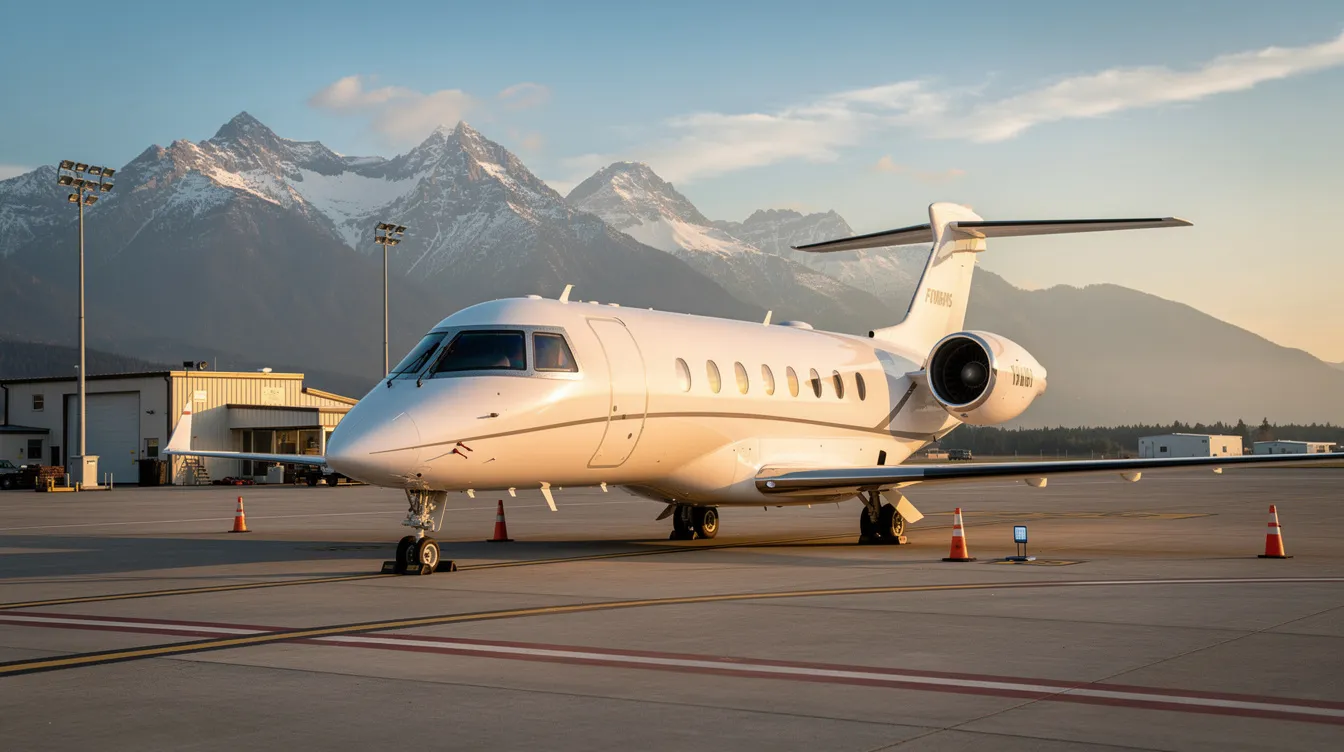
A jet card is a fundamentally different product: a prepaid block of flight hours across aircraft categories (light, midsize, super-midsize, large cabin) with fixed hourly rates, and travelers comparing options need to understand jet card pricing structures and fees. Unlike AirPass, a jet card is not tied to one airline's schedule. BlackJet's Jet Card programs, such as the BlackJet 25+ Hour Jet Card available in 25-hour and 50-hour structures, provide guaranteed access to vetted aircraft, direct routing to secondary airports, and the ability to depart on the traveler's schedule. Hours never expire. Every BlackJet flight is carbon neutral at no extra cost to the member.
For the traveler who once coveted the unlimited AAirpass, the value proposition has shifted: instead of unlimited seats on one carrier, the modern equivalent is controlled, flexible access across thousands of airports with privacy, time savings, and consistent cabin quality through BlackJet private jet card membership.
Where Safety, Technology, and Sustainability Diverge
American Airlines operates under FAA oversight and internal safety management systems covering its entire fleet. Private aviation providers like BlackJet add proprietary safety certifications on top of regulatory requirements, including third-party audits through ARGUS, IS-BAO, and Wyvern. Every aircraft in BlackJet's network operates under Part 135 and is BlackJet Certified.
On sustainability, large carriers pursue fleet renewal and fuel efficiency programs measured in aggregate. BlackJet commits to carbon-neutral operations on every individual flight, offsetting emissions at no additional cost to the client.
Consider a concrete scenario: a business executive flying from New York to Dallas via AirPass boards at JFK, clears security, waits for a fixed departure, and arrives at DFW. The same executive using a BlackJet 25-hour Jet Card departs from Teterboro on their own schedule, conducts a meeting in flight, and lands at Dallas Love Field, closer to downtown. The time difference across boarding, flight, and ground transit can exceed two hours each way.
Frequently Asked Questions About American Airlines AirPass
What was the original American Airlines AAirpass?
The original AAirpass, launched in 1981, was a lifetime unlimited first-class pass on American Airlines for a one-time fee of $250,000. It allowed holders unlimited first-class travel with no restrictions, plus an optional companion pass for $150,000.
Why was the unlimited AAirpass discontinued?
American Airlines discontinued the unlimited AAirpass in 1994 due to financial losses. Heavy users cost the airline over $1 million annually each in lost revenue, fees, and taxes, making the program unsustainable.
What legal issues arose from the AAirpass program?
Several AAirpass holders, including Steven Rothstein and Jacques Vroom, had their passes revoked in 2008 due to alleged fraudulent activities such as speculative bookings and misuse of companion passes. Legal battles ensued, some still ongoing as of 2024.
How did the modern AirPass differ from the original AAirpass?
The modern AirPass was a prepaid flight bank for business travelers and corporate accounts, offering predictable pricing, priority services, Admirals Club access, and elite status qualification. It required a substantial upfront deposit and was discontinued in early 2024.
Is private jet membership a better alternative to AirPass?
For travelers seeking flexibility, privacy, and time savings beyond a single airline’s network, private jet memberships like BlackJet's Jet Card programs offer fixed hourly rates, access to multiple aircraft categories, and carbon-neutral flights.
Can I still buy an American Airlines AirPass?
No, American Airlines discontinued new AirPass sales on November 30, 2022, and terminated the program in early 2024. Existing commitments were honored until the program ended.
What benefits did AAirpass holders receive?
Besides unlimited first-class travel, AAirpass holders earned frequent flyer miles, enjoyed lifetime Admirals Club membership, priority check-in, priority baggage delivery, and complimentary meals.
How many AAirpasses were sold?
Only 28 lifetime unlimited AAirpasses were sold before the program ended in 1994.
What lessons does the AAirpass story teach about airline loyalty programs?
The AAirpass highlights the risks of unlimited travel products, contractual ambiguities, and the importance of balancing customer value with sustainable revenue management in loyalty programs.
How does BlackJet ensure safety and sustainability?
BlackJet requires all aircraft to meet Part 135 certification and undergo third-party audits like ARGUS and Wyvern. Every flight is carbon neutral at no extra cost, offsetting emissions to support sustainability.
Is AirPass Right for You, or Is It Time to Consider Private Jet Membership?
The AirPass program served a specific profile well: travelers loyal to American Airlines, flying between major hubs, who preferred earning AAdvantage miles and elite status within one network. For that use case, it delivered value through predictable pricing, perks, and services like priority boarding and lounge access.
A different profile benefits more from private jet membership:
Executives visiting multiple cities in a single day
Families traveling to resort or secondary airports not served by major carriers
Travelers who calculate the total cost of travel time, not just the ticket price
Eliminating two-hour airport buffers, overnight layovers, and connection windows can make private aviation financially rational for anyone flying 15+ hours per year, especially when you compare jet card cost per hour and overall jet card pricing to the total cost of commercial premium cabins and lost time. BlackJet's Jet Card programs deliver this through fixed hourly rates, 24/7 booking via app or text, and access to four aircraft categories, alongside on-demand options for travelers who prefer to buy a seat on a private jet rather than reserve the entire aircraft.
The unlimited AAirpass is gone. The modern AirPass program is discontinued. But the underlying desire for unrestricted, frictionless travel on one's own terms is very much alive. That demand is increasingly met through private aviation membership models built on safety, carbon-neutral performance, and flexible access.
Explore BlackJet's Jet Card programs and discover how private jet access becomes your new standard for travel.


 Sign up with google
 Sign up with Apple