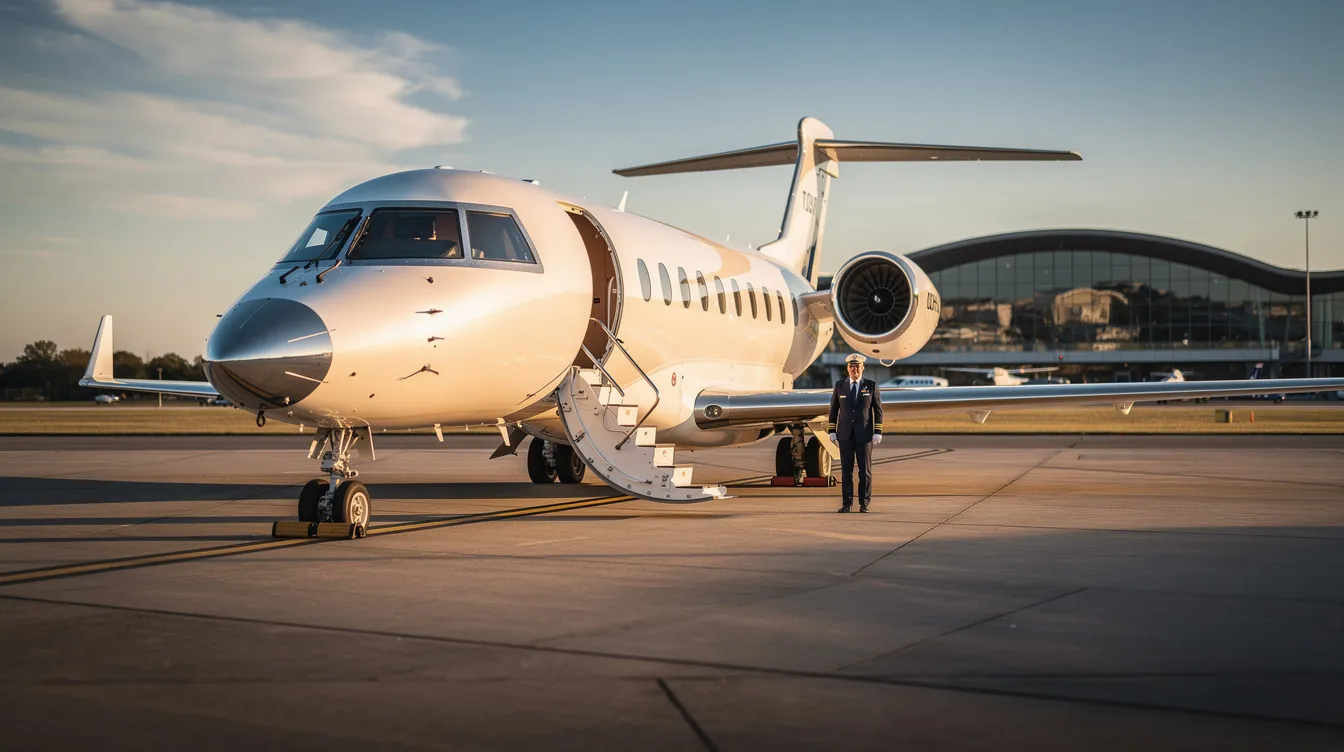
For families who value time, privacy, and control over their travel experience, aviation is no longer reserved for corporate executives or ultra-high-net-worth individuals. Whether through ownership, charter, or premium jet card access, flying private transforms family travel into something far more efficient and predictable than commercial alternatives. Space is non-negotiable when flying with multiple passengers—families should look for aircraft with a roomy cabin and comfortable seating for at least four adults to ensure family comfort.
For a family of four, the right aircraft is not about luxury alone. A spacious cabin is a key factor in ensuring family comfort and an enjoyable travel experience.Factors such as cabin size, ventilation, seat quality, and noise levels significantly contribute to making flights comfortable and pleasant for every family member.Small touches like air conditioning, adjustable seats, and cabin soundproofing go a long way in enhancing the flight experience. Private aviation offers distinct advantages for family travel plans, such as flexibility, customization, and convenience that align with your family's unique needs. It is about choosing a platform that balances range, comfort, safety, and cost-effectiveness while supporting real-world travel needs. From weekend getaways to cross-country trips, selecting the right aircraft defines not just the journey, but the entire experience.
When selecting an aircraft, families should prioritize features like cabin comfort, performance, and handling to ensure a pleasant flying experience. For families flying into different terrain, look for aircraft with impressive performance in terms of speed, range, and handling. Retractable gear planes such as the Bonanza provide higher speeds but incur higher maintenance costs than fixed-gear planes. Modern family jets feature advanced safety systems and customizable cabins designed for multi-generational comfort, including cabin management systems that allow personalized control over lighting, temperature, and entertainment, creating customized comfort zones for each family member. Advanced entertainment systems featuring large displays and wireless connectivity turn flight time into opportunities for meaningful family interaction or personal relaxation. Understanding the safety of private jets helps families make informed decisions with confidence. Additionally, onboard flight attendants provide added convenience and service, assisting with everything from meal preparation to caring for young children.
Overview: Why a Dedicated Family Plane Matters
Private aviation introduces a level of flexibility that commercial travel simply cannot match. Families can save 2-4 hours per trip by choosing private aviation over commercial flying. Small families avoid long security lines, delays, and rigid airline schedules. Instead, they operate on their own timeline, choosing departure times that align with school schedules, work commitments, and family routines. Private jets can access over 5,000 airports worldwide, compared to just 500 served by commercial carriers, providing greater travel options for families. Additionally, private jets often feature spacious cabins and advanced technology, enhancing comfort and safety for family travel. Private jets also provide unmatched privacy and security for high-profile families, allowing for customized flight plans and access to remote or exclusive destinations.
A four-seat family aircraft is typically configured for two adults and two children, making it ideal for small families. This four seats setup offers a practical balance of affordability, efficiency, and comfort for family travel. Personal aircraft are especially practical for small families seeking flexible, private, and cost-effective transportation for every family member.
Many highly rated aircraft feature club seating, where passengers face one another, making it easier for every family member to engage and interact during the flight.
The most important starting point is defining your mission profile:
Short regional hops for weekend trips
Cross-country flights for extended vacations
International travel requiring pressurization and higher speeds
Each mission profile naturally leads to a different class of aircraft. Family aircraft are typically selected based on the particular missions they are intended to fulfill, such as family vacations or lifestyle-driven travel.
Key Criteria When Evaluating Family Planes
Cabin Size and Seating Layout
Comfort is critical when traveling with children. Ample cabin space and a wide cabin are essential for family comfort, allowing for easy supervision, movement, and in some cases, the installation of child seats. Wider cabins and flexible seating layouts improve the overall experience significantly. Club seating arrangements provide comfortable seating and enough room for each passenger, making family interaction easier during flights. Extra space and dedicated baggage compartments or fold-down rear seating offer more flexibility for family gear and cargo, ensuring you have sufficient cargo space for all your needs.
Useful Load and Payload
Useful load determines how much weight the aircraft can safely carry, including passengers, fuel, and baggage. For families, this becomes a limiting factor quickly, especially when traveling with luggage, strollers, or sports equipment, and it should be considered alongside private jet size and cabin class to find the right fit for your missions.
Cruise Speed and Range
Speed affects total travel time, while range determines how many stops are required. For families, a greater range is important for covering long distances and longer trips without frequent stops. Minimizing fuel stops can reduce stress and simplify logistics. Families should consider the range of the aircraft, as a longer range reduces the need for refueling stops and ensures a smoother journey, especially on longer flights.
Fuel Efficiency
Fuel burn directly impacts operating costs, and fuel costs are a major consideration for families. More efficient aircraft can extend range and reduce hourly costs, making them more practical for frequent use. Some aircraft consume less fuel and are known for better fuel burn rates, which can significantly reduce the cost per hour of operation. Fuel costs can add up quickly, so choosing a plane that uses less fuel gives you more miles per gallon and helps keep overall expenses down, especially when you compare different types of private jets for family travel.
Avionics and Autopilot Capabilities
Modern avionics, cutting edge technology, and advanced avionics are increasingly common in family aircraft. Modern avionics improve situational awareness and reduce pilot workload. For family travel, this translates to safer, smoother flights.Today’s small planes are equipped with advanced technologies such as GPS navigation and autopilot systems, providing clear benefits for family flying. Many small private jets designed for luxury travel also come standard with these features. Essential safety elements like advanced avionics and crashworthy seats contribute to a secure and family-friendly travel experience.
Maintenance and Parts Availability
Aircraft with widely available parts and straightforward maintenance requirements tend to be more cost-effective over time. Regular inspection and timely repair are the backbone of safe and enjoyable family flying.
Safety Record
Families should evaluate the safety record of their chosen aircraft, as some models are known for their reliability and strong safety history.Many families have confidently piloted their own planes for hundreds of hours over many years, enjoying numerous trips without any incidents.. Modern private jets surpass commercial aviation safety standards through stringent certification processes and the integration of advanced technologies. Statistical data highlights private aviation's outstanding safety record, with accident rates significantly lower than those in commercial aviation when comparing similar aircraft categories and operating environments.
Flight Plan Essentials for Family Travel

Planning becomes even more important when flying with children.
Always file a flight plan and identify alternates in case of changing weather conditions.
Optimize routes for fuel efficiency and fewer stops.
Schedule flights around children’s routines, including meals and sleep.
Choose airports with family-friendly facilities and minimal ground transfer times.
Efficient planning reduces stress and ensures a smoother experience for everyone onboard. Effective flight planning is crucial for every family journey, whether you're embarking on a cross-country adventure or a quick weekend trip.
Safety, Emergency Procedures, and Child Restraints
Safety is foundational in private aviation, especially for family travel. Both new pilots and experienced pilots must prioritize safety features and emergency procedures to ensure every flight is as safe as possible for families.
Conduct pre-flight safety briefings tailored to children.
Use FAA-approved child restraint systems where applicable.
Carry appropriate survival equipment, especially for overwater flights and backcountry flying.
Invest in additional safety gear like oxygen systems and survival kits for remote area travel.
Built-in safety features like shoulder harnesses and crashworthy seats help protect everyone on board.
It is important for pilots and families to be thoroughly familiar with emergency procedures, including evacuation drills, the use of fire extinguishers, and administering first aid.
Regularly practice emergency procedures to ensure readiness.
These practices reinforce confidence and preparedness for every journey.
Ownership Costs and Cost-Effective Considerations
Owning an aircraft involves both upfront and ongoing costs. The purchase price is a major factor when selecting the best plane for a family of 4, as it can vary significantly between models, with some offering similar features and performance for half the price of others. Full ownership of a plane means higher upfront and ongoing expenses, but provides maximum flexibility and control. Alternatively, fractional ownership or leasing a private jet offers a more affordable option, allowing families to purchase a share of an aircraft or commit to a lease and share maintenance costs, making it a cost-efficient middle ground, especially when combined with strategies to fly private more affordably. The used market also provides cost-effective options for families, with pre-owned planes often available at lower prices.
Key ownership costs to consider include:
Routine maintenance, which can cost about $2,000 to $5,000+ annually depending on the aircraft.
Hangar space, which varies by region and can range from $250 to $1,000+ per month.
The full cost of ownership, including liability and hull insurance, financing rates for private aircraft loans, and down payment requirements (often 15–30%).
Fractional ownership or aviation co-ops, which can help reduce the upfront costs of owning a family plane.
Maintenance costs for used single-engine planes, which typically range from $3,000 to $7,000 annually.
The wide range in purchase prices for family planes, making it important to compare models for value and features.
Aircraft that are well-maintained, with clean logbooks and updated avionics, typically retain their value better in the resale market.
Acquisition Cost
Entry-level four-seat aircraft are the most accessible, while turboprops and jets require significantly higher investment.
Hourly Operating Costs
Costs are driven by:
Fuel consumption
Engine maintenance
Avionics upkeep
Hangar fees
Insurance Premiums
Insurance depends on pilot experience, aircraft value, and usage patterns.
Charter Costs
The cost of chartering a private jet for a family of five can range from approximately $3,500 to $4,500 per hour, depending on aircraft category, route, and additional services, aligning with broader private jet rental cost ranges and pricing factors.
Best Family Planes by Category
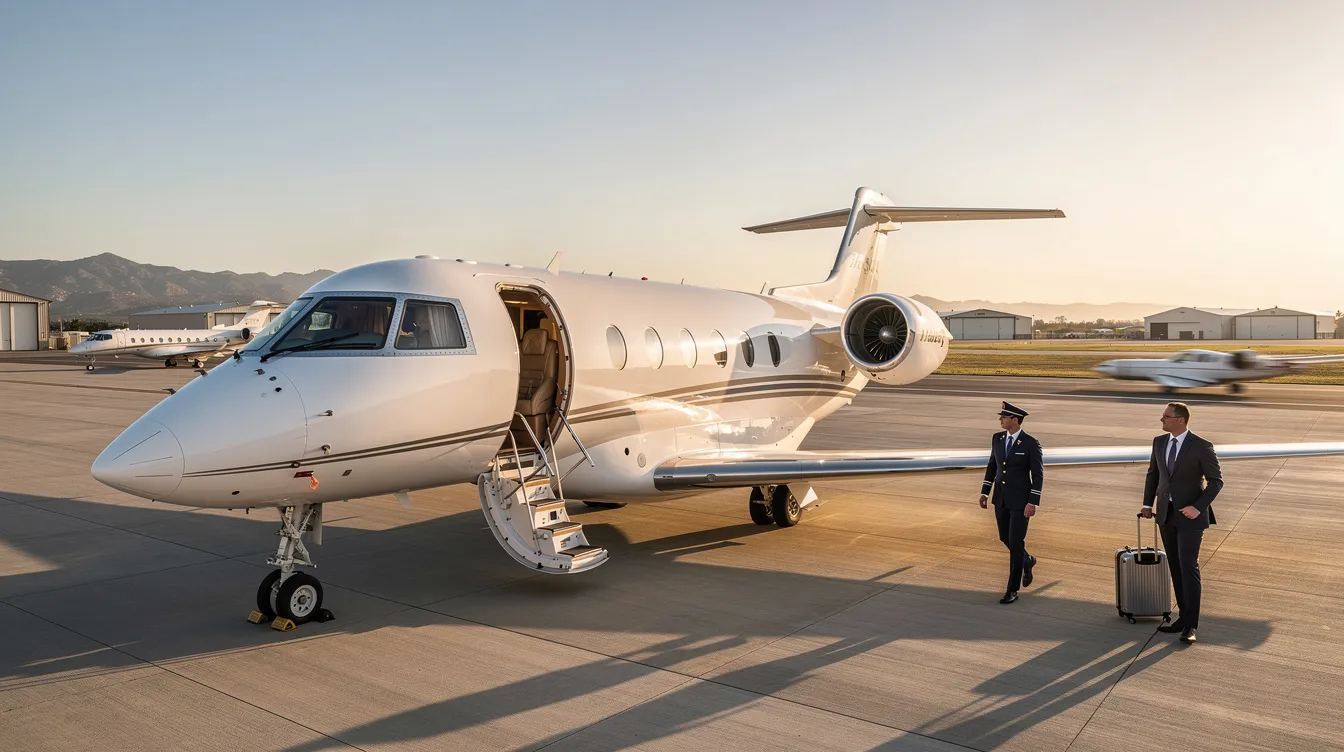
Selecting the right category depends on your travel needs. General aviation offers a wide range of family-appropriate aircraft, many of which are particularly well suited for family travel thanks to their comfort, safety, and spaciousness. For example, selecting a six-seat aircraft like the Piper Saratoga ensures ample room for families and luggage. It's also important that the aircraft has a useful load capable of carrying four people, luggage, and full fuel.
Single-engine pistons: Best for local and regional trips
Pressurized singles and turboprops: Ideal for longer cross-country travel
Light jets: Designed for speed, comfort, and time efficiency
Families with growing needs may also consider six-seat aircraft for additional flexibility.
Piper Cherokee (PA-28): Affordable, Simple, Proven
The Piper Cherokee remains one of the most accessible family aircraft. The Piper Cherokee Six remains a popular choice among larger families, thanks to its spacious cabin and capacity to accommodate up to six passengers.
Practical Advantages:
Cruise speeds around 110 to 130 knots
Enough payload for a small family and moderate baggage
Straightforward systems and easy handling
Cost Efficiency:
Its widespread use ensures strong parts availability and lower maintenance costs, making it a practical entry point into aviation ownership.
Cessna 182 Skylane: Sturdy Four-Seat Workhorse for Family Aviation
The Cessna 182 Skylane is widely regarded as one of the most reliable family aircraft. It offers a reliable and budget-friendly option for families, albeit with tighter cabin space.
Performance and Capability:
Cruise speed near 140 knots
Range of 500 to 700 nautical miles
Higher useful load than many competitors
Safety and Reliability:
Its stable handling and simple systems contribute to a strong safety reputation, making it a preferred choice for family missions. The Cessna 172 is often considered one of the safest and most popular family-friendly planes on the used market.
Piper PA-32 / Cherokee Six: Spacious Option When Extra Room Matters
For families needing more space, the PA-32 offers significant advantages with its wide cabin and spacious cabin, making it ideal for families who value comfort and ease of movement during flights. The Piper PA-32 Saratoga/Cherokee Six is also noted for its affordability and ample space for a family of four.
Cabin and Payload:
Trade-Offs:
Higher acquisition and operating costs are balanced by greater versatility and comfort.
Beechcraft A36 Bonanza and High-Performance Singles
The A36 Bonanza represents a step up in speed and comfort, featuring an aft cabin that provides additional space and privacy for passengers. As an evolution of an earlier model, the A36 improves upon the Model 33 with enhanced cabin space and comfort. The A36 Bonanza is known for its refined cabin and speed, and often features club seating for family interaction. It also offers significant cabin space and a good payload for up to six passengers.
Performance Benefits:
Considerations:
Higher costs are offset by reduced travel time and increased flexibility for growing families.
Cessna 206 Stationair: Cargo-Friendly Family Plane for Gear-Heavy Trips
The Stationair is ideal for families with active lifestyles.
Key Strengths:
Use Case:
Perfect for trips involving outdoor gear, such as skiing or camping.
Cirrus SR22: Modern Safety Features for Family Travel
The Cirrus SR22 is known for its advanced safety systems, including a whole-airframe parachute system, which provides significant peace of mind for family-focused pilots. It boasts a contemporary cabin design with generous legroom for both passengers and the pilot, making it well-suited for extended flights.
Safety Innovation:
Comfort and Performance:
Light Jets and Very Light Jets: When Speed and Time Savings Matter
Light jets elevate family travel by significantly reducing travel time and offering added convenience for families seeking speed and comfort. The Embraer Phenom 100 is a light jet that provides a comfortable and efficient private travel experience for small groups. Similarly, the Cessna Citation CJ1 is well-suited for short to medium-range flights accommodating up to four passengers, offering a cost-effective travel option.. For those seeking the ultimate in luxury private air travel, the Bombardier Global 7500 and Gulfstream G700 are premier choices, and exploring the most expensive private jets and their features highlights what defines this ultra-luxury tier, while many families find that small private jets provide an excellent balance of efficiency, comfort, and cost.
Advantages:
Higher cruise speeds
Pressurized cabins
Greater comfort
Considerations:
Costs increase substantially, making them more suitable for frequent travelers or those using jet card programs.
Turboprops (TBM, Meridian) for Faster Cross-Country Family Travel
Turboprops offer a balance between piston aircraft and jets. The Piper Meridian stands out as a high-performance, efficient turboprop option for families, especially for those upgrading from piston engines. Another excellent choice is the Diamond DA62, a modern twin-engine aircraft specifically designed with families in mind, emphasizing fuel efficiency and fitting into the broader spectrum of private jet and turboprop categories.
Performance:
Efficiency:
They provide strong fuel efficiency relative to their performance, making them ideal for longer family trips.
Maintenance, Inspection, and Safety Record Considerations
Proper maintenance is essential for safety and value retention.
Follow annual inspection schedules
Monitor engine overhaul timelines
Review aircraft-specific airworthiness directives
Maintain detailed logbooks
Regularly inspect and repair to ensure safety and enjoyable flying
Families evaluating charter providers should prioritize those with IS-BAO certification, ARGUS Platinum ratings, and Wyvern Wingman approval to ensure the highest safety standards.
Flight Planning Resources and Tools for Family Aviation
Modern tools simplify flight planning and improve efficiency.
Flight planning apps optimize routing and fuel usage
Weather services enhance decision-making
Owner communities provide real-world insights
Participating in local flying clubs or attending airshows provides family pilots with opportunities to share advice and discover new travel destinations.
Professional training and recurrent instruction further enhance safety and confidence, especially for families exploring options like buying seats on semi-private or shared private jets as part of their travel mix.
Decision Checklist: Choosing the Most Cost-Effective Family Plane
When selecting an aircraft, families seeking comfort and convenience should focus on practical alignment with their needs. For families seeking a seamless and enjoyable travel experience, owning your own plane offers unmatched flexibility, privacy, and the ability to avoid airport hassles. Families can also customize their private jet travel experience to meet their specific needs, including in-flight features suitable for children.
Additionally, families prioritizing safety and peace of mind should seek operators holding Part 135 certification, ARGUS Platinum or Gold ratings, Wyvern Wingman approval, and IS-BAO certification.
Match Mission to Aircraft
Ensure range and payload support your typical travel patterns.
Balance Costs
Consider both acquisition price and ongoing operating expenses.
Evaluate Comfort and Accessibility
Confirm ease of boarding, cabin comfort, and compatibility with child restraints. Many family aircraft can accommodate car seats, making it safer and more convenient to travel with young children.
Assess Long-Term Value
Look at resale demand, parts availability, and safety record.
A Smarter Approach to Family Aviation
For many families, full aircraft ownership is not the only solution. Private aviation offers flexibility and privacy compared to commercial flights, which often have limited scheduling options, potential delays, and less convenience for family travel. Jet card programs and premium private aviation services, along with select unlimited private jet flight memberships, offer on-demand access to the right aircraft for each trip, similar to other best jet cards for frequent flyers, eliminating the complexity of ownership while maintaining flexibility and control.
Fractional ownership is another alternative to full ownership, allowing families to purchase a share of a private jet and gain access to a fleet of aircraft, with shared maintenance costs, guaranteed availability, and potential fractional jet ownership depreciation and fractional jet ownership tax benefits. Families who fly more frequently may prefer structured access through a 25+ hour private jet card solution, including options like a complete guide to the 25 hour jet card, or explore broader private jet membership pricing and jet card pricing structures to compare options. Additionally, chartering aircraft on-demand can be a cost-effective alternative for families who do not want to own a plane, and a detailed cost comparison of chartering a private jet can help determine when this option makes the most sense.
With solutions that prioritize private aviation safety—supported by a strong track record of private jet safety—transparent jet card cost per hour, detailed 100 hour jet card cost guides, insights into NetJets jet card cost and programs, carbon neutral flights, and seamless booking technology, families can enjoy the benefits of private travel without long-term commitments.
Discover Elevated Family Travel
Choosing the right aircraft is about more than specifications. Private aviation can transform a family vacation into an enjoyable experience, creating lasting memories together. It offers a travel experience that is efficient, safe, and tailored to your family’s needs, while also providing the opportunity to reach remote vacation destinations that may not be accessible by commercial airlines.
Discover how BlackJet can reshape your travel. Explore premium private jet access designed for families who value time, comfort, and control.
Conclusion: Elevate Your Family Travel Experience with BlackJet
For families seeking the best plane for family of 4, private aviation offers unmatched flexibility, comfort, and safety that commercial travel simply cannot provide. Whether you are planning short regional trips or longer family vacations, choosing the right aircraft with the right features ensures every journey is enjoyable and stress-free. BlackJet specializes in providing tailored private jet solutions that cater specifically to family travel needs, offering access to a wide range of family-appropriate aircraft through convenient charter, jet card programs, and fractional ownership options.
With BlackJet, families gain access to meticulously maintained aircraft, experienced pilots, and personalized service that prioritize your family’s comfort and safety. Their platform simplifies booking and offers transparent pricing, making private aviation more accessible and affordable for families seeking to elevate their travel experience. By choosing BlackJet, you can avoid airport hassles, enjoy spacious cabins with modern amenities, and create memorable family trips on your schedule.
Experience the freedom and convenience of private aviation for your next family vacation. Visit BlackJet to explore aircraft options, request a quote, and discover how private air travel can transform your family’s journeys into seamless, comfortable adventures.


 Sign up with google
 Sign up with Apple