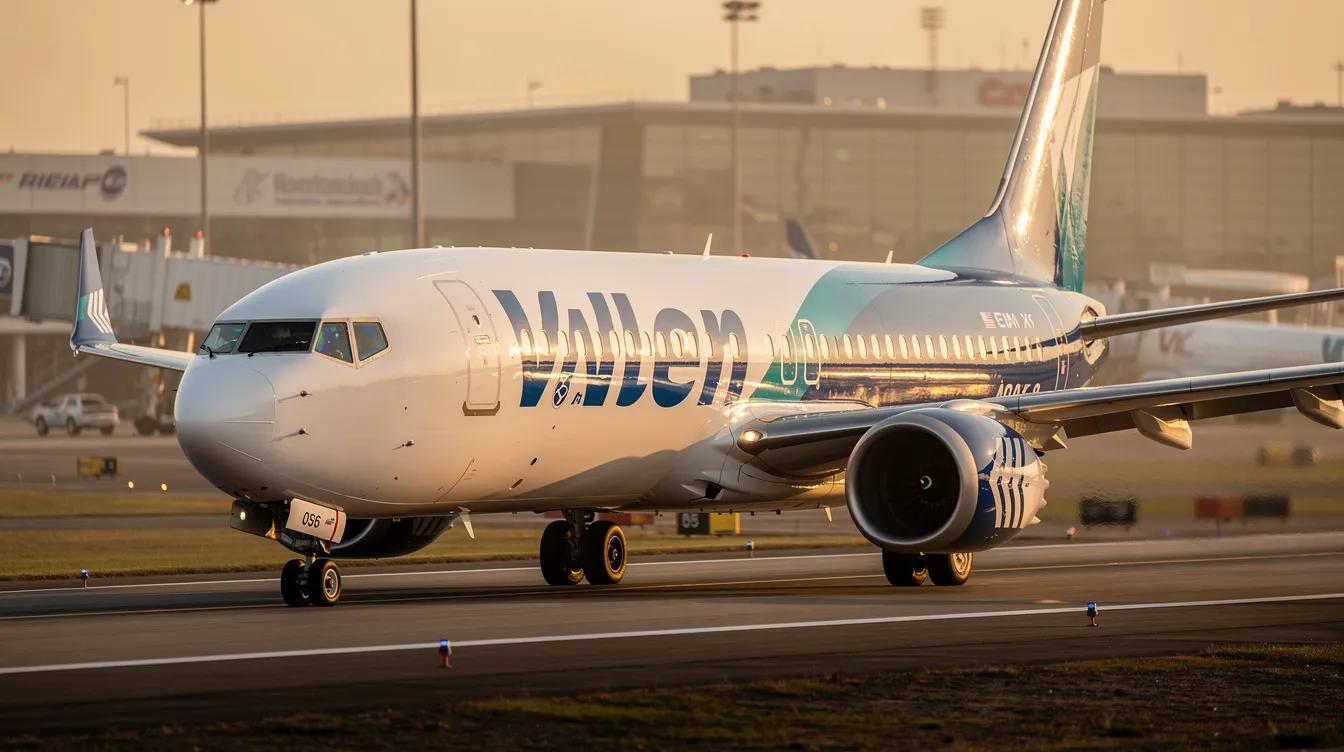
The Boeing 737 MAX 8 is the most widely delivered narrow-body airliner in production today, and if you fly commercially on domestic or regional business routes, you have almost certainly encountered one. Understanding what powers this aircraft, what happened during its troubled safety chapter, and how it compares to the alternatives matters—especially for travelers who treat every flight as a strategic decision rather than a routine commute.
Key Takeaways
The Boeing 737 MAX 8 is the core variant of Boeing's MAX family, powered by CFM International LEAP-1B engines that deliver approximately 14% lower fuel consumption per seat and measurably reduced emissions compared to the previous 737-800 generation.
The 737 MAX program was approved on August 30, 2011, with the MAX 8 first flying on January 29, 2016, and gaining FAA certification on March 8, 2017. The first MAX 8 was delivered to Malindo Air on May 16, 2017.
Two tragic accidents—Lion Air Flight 610 in October 2018 and Ethiopian Airlines Flight 302 in March 2019—killed a combined 346 people and triggered a 20-month global grounding, followed by sweeping design, software, and pilot training changes, including a redesigned MCAS system to improve safety.
The FAA lifted the grounding order on November 18, 2020, with EASA approving the 737 MAX's return to service in January 2021. Since then, the 737 MAX 8 has recorded no fatal accidents, meeting the rigorous standards imposed by aviation authorities worldwide.
The aircraft offers an improved cabin experience with the Boeing Sky Interior, featuring enhanced lighting and overhead storage, and a redesigned flight deck with larger displays and updated avionics.
The MAX 8 features a maximum range of about 3,500 to 3,550 nautical miles and a maximum takeoff weight of 194,700 pounds, accommodating up to 210 passengers in high-density single-class layouts, with typical configurations ranging from 150 to 200 seats.
Its split-tip winglets improve fuel efficiency by 1.8%, while the LEAP-1B engines reduce nitrogen-oxide emissions by 50% and have a bypass ratio of approximately 9:1, contributing to 20% lower carbon emissions compared to its predecessor.
Boeing aimed for the MAX 8 to match 99.7% dispatch reliability, and its approved operating costs are lower than earlier aircraft models, making it a workhorse on short- and medium-haul business routes.
For high-net-worth and executive travelers who require more control, privacy, and safety oversight than commercial schedules allow, BlackJet's Jet Card programs and broader suite of premium private jet card services offer a strategic alternative—delivering the flexibility and transparency that even the most modern airliner cannot match.
Boeing 737 MAX 8 Specifications at a Glance
Specification | Detail |
|---|
Length | Approximately 39.5 meters |
Wingspan (with split-tip winglets) | Approximately 35.9 meters |
Height | About 12.3 meters |
Maximum Takeoff Weight (MTOW) | 194,700 pounds (88,300 kg) |
Maximum Range | 3,500 to 3,550 nautical miles |
Typical Passenger Capacity | 150 to 200 seats (two-class layout) |
Maximum Certified Capacity | Up to 210 seats (high-density layout) |
Cruise Speed | Mach 0.79 (~840–850 km/h) |
Engine | CFM International LEAP-1B turbofan |
Fuel Efficiency Improvement | Approximately 14% per seat vs. 737-800 |
NOx Emissions Reduction | Up to 50% lower than predecessor |
Winglet Fuel Efficiency Gain | 1.8% |
Dispatch Reliability Target | 99.7% |
Why the Boeing 737 MAX 8 Matters for Discerning Travelers
Aircraft type matters more than most passengers realize. Reliability, safety record, and cabin environment directly influence productivity and comfort at 35,000 feet—factors that compound across dozens of trips per year. For frequent business flyers, knowing whether you are boarding a new aircraft like the Boeing 737 MAX 8 or an aging narrow-body can shape your experience from gate to gate.
The Boeing 737 MAX 8—often marketed simply under that designation—is the backbone of many airline fleets on high-frequency business routes. Major carriers including Southwest Airlines, American Airlines (which configures its MAX 8 with 172 seats), and United Airlines deploy it across their domestic networks. If you fly commercially between major U.S. cities, you will likely board one.
Yet even on an advanced platform like this, commercial travel carries fixed constraints: hub connections, security screening queues, rigid timetables, and shared cabin environments where confidential conversations are impractical. Compare that to flying privately via a Jet Card program, where you arrive minutes before departure at a private terminal, design your own schedule, and conduct sensitive discussions on board without a seatmate within earshot. The Boeing 737 MAX 8 represents the best of modern commercial aviation, but for travelers whose time value and privacy requirements exceed what any airline schedule can offer, private aviation remains the strategic choice.
History and Development of the Boeing 737 MAX 8 Program
Boeing launched the 737 MAX program in August 2011, a direct response to Airbus's A320neo, which threatened to capture the lucrative single-aisle market with re-engined fuel efficiency gains. Rather than invest years in a clean-sheet aircraft, Boeing chose to re-engine the proven 737 narrow-body platform—a decision that prioritized faster time-to-market and existing type-rating commonality.
The Boeing 737 MAX 8 was designated the baseline and most-ordered variant, intended to replace the 737-800. It carries a two-class capacity of roughly 162 to 178 passengers in typical layouts, with an extended range of about 3,500 nautical miles. Early firm orders came from thirteen customers, including Southwest Airlines, American Airlines, and Lion Air, cementing its commercial viability before the first flight test aircraft ever left the ground.
Key milestones followed in rapid succession. Boeing completed the rollout in December 2015. The first Boeing 737 MAX 8 completed its maiden flight on January 29, 2016. Boeing received FAA certification for the MAX 8 on March 8, 2017, and EASA certification followed shortly after on March 27, 2017. The first MAX 8 was delivered on May 16, 2017, and Malindo Air, operating from Kuala Lumpur, became the launch customer to put the aircraft into revenue service. The MAX 8 entered service on May 22, 2017, marking a new chapter for the Boeing 737 lineage.
Max 8 Within the Boeing 737 MAX Family
The Boeing 737 MAX 8 sits at the center of a family of MAX variants designed to cover the full spectrum of single-aisle missions. The MAX 7 features a shorter fuselage with fewer seats but longer range, making it attractive for thinner routes. The MAX 8 is the baseline. The MAX 8-200 is a high-density variant with additional emergency exits that allow airlines to pack more passengers into the same airframe footprint. The MAX 9 and MAX 10 stretch to a longer fuselage, trading some range flexibility for higher capacity.
In typical two-class configurations, the MAX 8 seats 162 to 178 passengers. High-density single-class layouts push that figure significantly higher: Ryanair's MAX 8-200 variant features up to 197 seats, and the airframe is certified for a maximum capacity of 210 passengers. American Airlines configures its MAX 8 with 172 seats in a mixed-class layout, while typical configurations across operators range from 150 to 200 seats. The MAX 8 features a standard 3-3 seating arrangement.
All MAX variants share a high degree of cockpit and systems commonality, which reduces pilot training requirements and maintenance costs for airlines—a key reason the MAX family has dominated Boeing's narrowbody backlog. For pilots, moving between a MAX 7 and a MAX 10 requires minimal additional transition time, keeping the same aircraft feel consistent across the fleet.
Technical Overview: Airframe, Systems, and Performance
The Boeing 737 MAX 8 is a single-aisle, twin-engine narrow-body airliner purpose-built for short- and medium-haul missions. Its airframe dimensions reflect incremental refinement rather than radical redesign: an approximate length of 39.5 meters, wingspan with split-tip winglets of roughly 35.9 meters, and a height of about 12.3 meters. The Boeing 737 MAX 8 has a maximum takeoff weight of 194,700 pounds (about 88,300 kg).
Performance specifications place it squarely in the workhorse category. Typical cruise speed sits at about Mach 0.79 (approximately 840–850 km/h), and the aircraft has a range of about 3,500 to 3,550 nautical miles—enough to cover transcontinental and near-international sectors with comfortable margins.
Several aerodynamic improvements distinguish the MAX 8 from its 737-800 predecessor. The split-tip winglets reduce induced drag and improve climb efficiency by approximately 1.8%. A reshaped tail cone, refined APU inlet, and numerous surface smoothing treatments collectively contribute to lower fuel burn per mission. These are not cosmetic changes—they translate directly into operating cost reductions that airlines can reinvest in route expansion or fare competitiveness.
One notable structural modification was the taller nose landing gear and modified engine pylons. The larger LEAP-1B engines needed to fit beneath the historically low 737 wing without sacrificing ground clearance, and Boeing engineered the pylon geometry to preserve compatibility with existing airport gates and ground equipment.
Flight Controls and Advanced Technology on the 737 MAX 8
The Boeing 737 MAX 8 retains primarily conventional mechanical-hydraulic flight controls—control columns, cables, and dual hydraulic systems—rather than the full fly-by-wire architecture found on more modern designs like the 787 Dreamliner. This decision preserved type-rating commonality with the 737 Next Generation family, allowing pilots to transition with minimal additional simulator time.
Layered onto this traditional architecture is the Maneuvering Characteristics Augmentation System (MCAS), a software-driven flight control augmentation originally added to counteract a pitch-up tendency at higher angles of attack. The new engines' size and forward placement shifted the aircraft's aerodynamic center in certain flight regimes, and MCAS was designed to provide corrective nose-down trim inputs so that handling characteristics would feel consistent with the 737NG. The system's original design—and its flaws—would later become the focus of global scrutiny. Boeing redesigned MCAS after the crashes to improve safety, including dual angle-of-attack sensor cross-checking and limited authority.
Beyond MCAS, the aircraft features an Enhanced Digital Flight Control System integrating autopilot, autothrottle, and flight director functions. Cockpit technology upgrades include four 15.1-inch Rockwell Collins LCD displays, updated avionics, and modern navigation capabilities including RNP and RNAV approaches. Boeing states that these advanced technology systems reduce pilot workload and support operations into airports with complex terrain or approach procedures.
The tension between preserving type-rating commonality and introducing new systems would prove to be one of the most consequential engineering trade-offs in modern aviation history.
CFM International LEAP-1B Engine: Efficiency and Emissions
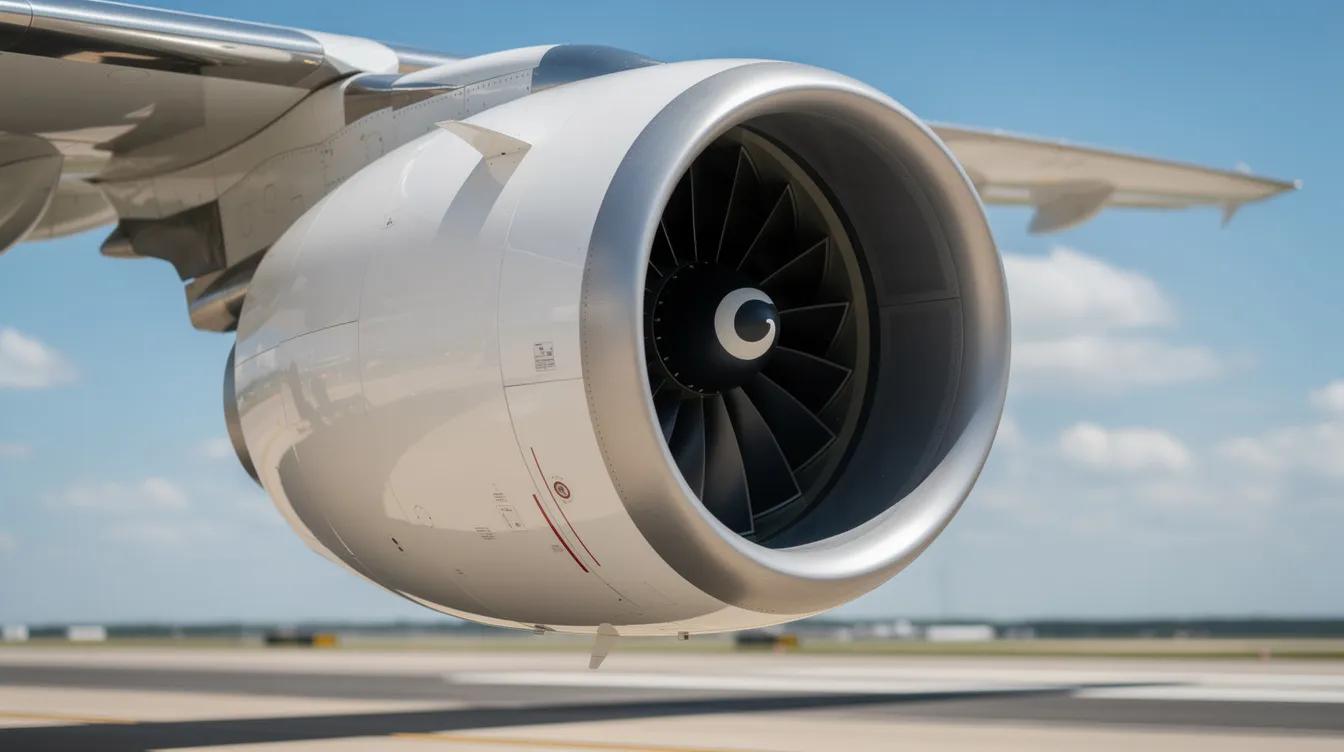
The CFM International LEAP-1B is the exclusive powerplant for the Boeing 737 MAX 8, succeeding the CFM56-7B that powered the 737-800. These new engines represent the single largest contributor to the aircraft's improved economics: the 737 MAX 8 offers approximately 14% lower fuel consumption per seat compared to its predecessor, with some configurations achieving up to 20% improvement depending on mission profile.
It features a 69-inch fan diameter and a higher bypass ratio of approximately 9:1. Key technologies include composite fan blades and fan case, ceramic matrix composite components in the hot section that tolerate higher operating temperatures, and a 3D-woven resin transfer molding process that reduces weight while improving durability. Together, these innovations deliver lower specific fuel consumption and help reduce engine noise—the LEAP-1B meets ICAO Chapter 14 noise limits and cuts NOx emissions by up to 50% compared to the CAEP/6 standard.
For airlines, fuel efficiency translates directly to operating margin. On high-frequency domestic routes where a single aircraft may fly six or more sectors per day, even single-digit percentage improvements in fuel burn compound into substantial annual savings. Engine reliability also matters: consistent dispatch performance keeps schedules intact and passengers moving.
From a sustainability perspective, the LEAP-1B's gains represent the kind of incremental progress that commercial aviation needs across its global fleet. For private aviation, BlackJet complements efficient aircraft selection with guaranteed carbon-neutral flights through verified offset and insetting programs—ensuring that environmental responsibility extends beyond per-seat metrics to every individual journey.
Cabin Experience: From Sky Interior to Passenger Comfort
The Boeing Sky Interior is standard across MAX 8 deliveries, bringing sculpted sidewalls, larger pivoting overhead bins, LED mood lighting, and improved window surrounds that create a more spacious visual impression than older 737 cabins. For frequent flyers accustomed to previous-generation 737s, the difference is immediately noticeable—particularly the ambient lighting and bin accessibility.
Specific cabin layouts and seat map configurations vary significantly by airline. Typical two-class configurations feature 12 to 16 first or business class seats in the forward cabin with economy filling the remainder. Low-cost carriers take a different approach: Southwest Airlines uses an all-economy configuration, while Ryanair's high-density 737-8-200 variant maximizes capacity with reduced seat pitch. The Boeing 737 MAX 8 can accommodate up to 210 passengers in a high-density layout, though most operators settle somewhere between 162 and 189 seats.
Many airline MAX 8 cabins include in-seat power outlets, USB charging ports, Wi-Fi on select carriers, and either streaming entertainment or seat-back displays depending on operator investment.
Yet even the most thoughtfully configured commercial cabin remains a shared space. Compare this to a mid-size or super-mid private jet cabin that BlackJet clients might use on comparable routes: flat-floor layouts, fully reclining seats, bespoke catering, and the ability to conduct confidential calls without a stranger in the adjacent seat. For discerning travelers, cabin evaluation extends well beyond the seat count on a seat map.
Operational Profile: Routes, Missions, and Global Operators
The Boeing 737 MAX 8 is optimized for short- to medium-haul routes typically between 500 and 2,500 nautical miles, though it also serves long routes over 2,500 nautical miles on thinner city pairs where wide-body economics don't justify larger aircraft. Block times generally range from about one to five and a half hours, making it the workhorse on domestic corridors and near-international sectors.
The largest operators deploy the MAX 8 across their highest-frequency networks. In North America, Southwest Airlines, American Airlines, and United Airlines use it extensively. In Europe, Ryanair has committed heavily to the 737-8-200 variant. Across Asia, the Middle East, and Latin America, carriers including Air Canada, various Chinese airlines, and dozens of other operators have integrated the MAX 8 into their global fleet. Transport Canada, among other regulators, has certified the aircraft for operations in their jurisdiction.
Daily utilization rates at many carriers reach 10 to 13 block hours per aircraft, reflecting the high-cycle nature of short-haul operations. Boeing aimed for the 737 MAX to match 99.7% dispatch reliability—a target that drives maintenance planning and spare-part logistics across the operator base.
By 2018, 130 MAXs had logged over 41,000 flights. Boeing delivered its 1,000th MAX in December 2022. Over 2,200 MAX 8 aircraft were delivered by early 2026, with approximately 4,830 remaining on order. Business passengers are increasingly likely to encounter the same aircraft type on key corporate corridors—a reality that makes understanding the MAX 8's safety record and technology especially relevant.
Safety History: From Grounding to Recertification
The safety history of the Boeing 737 MAX 8 is defined by a sequence of events unprecedented in modern commercial aviation. The aircraft entered service in May 2017 to initial acclaim. Within 18 months, two fatal accidents would reshape the industry's approach to certification, pilot training, and software-driven flight controls.
The 737 MAX was grounded after two fatal crashes. Lion Air Flight 610 crashed on October 29, 2018, killing all 189 people on board. Ethiopian Airlines Flight 302 crashed on March 10, 2019, killing all 157 people on board. In total, 346 people died in the two crashes involving the 737 MAX—a toll that prompted aviation authorities around the world to issue a grounding order within days of the second accident.
Investigations revealed that MCAS design flaws—particularly its reliance on a single angle-of-attack sensor and its ability to issue repeated nose-down trim commands without limitation—were central to both accidents. Insufficient pilot training and inadequate documentation compounded the problem. The FAA, Boeing, and the broader industry faced intense scrutiny over how these gaps had survived the certification process.
The fleet remained grounded for approximately 20 months. Boeing suspended 737 MAX production in January 2020 as stored aircraft accumulated and deliveries halted. The FAA cleared the 737 MAX to return to service on November 18, 2020, after mandating comprehensive software redesigns, hardware additions, revised pilot training requirements, and updated flight manuals. EASA followed with its own recertification in early 2021, imposing additional requirements specific to European operations.
Lion Air Flight 610 and Ethiopian Airlines Flight 302: What Happened
Lion Air Flight 610 departed Jakarta, Indonesia, on October 29, 2018, on what should have been a routine domestic flight. A faulty angle-of-attack sensor fed erroneous data into the MCAS system, which repeatedly commanded nose-down stabilizer trim. The crew struggled to counteract the inputs while dealing with conflicting airspeed and altitude indications. The aircraft crashed into the Java Sea minutes after takeoff. All 189 people on board perished.
Less than five months later, Ethiopian Airlines Flight 302 departed Addis Ababa on March 10, 2019, bound for Nairobi. The same aircraft type—a Boeing 737 MAX 8—experienced a strikingly similar failure profile. A malfunctioning angle-of-attack sensor activated MCAS, which drove the nose down repeatedly. Despite the crew's attempts to follow emergency procedures, the plane crashed six minutes after takeoff. All 157 people on board died.
The two accidents shared a disturbingly consistent pattern. Investigations revealed that the original MCAS architecture relied on a single sensor without cross-checking, could reset and fire again without limit, and was not adequately described in pilot training materials. Boeing issued service bulletins and the FAA published emergency airworthiness directives, but only after the second crash did a full grounding order take effect—beginning with Chinese airlines and rapidly extending worldwide through EASA, the FAA, and other aviation authorities.
For travelers, these flight numbers became synonymous with concern about the Boeing 737 MAX 8, fundamentally altering how airlines, regulators, and passengers think about software-driven flight controls and the certification process.
How Safe Is the Boeing 737 MAX 8 Today?
Since recertification, the Boeing 737 MAX 8 has undergone a level of post-fix scrutiny that few aircraft types have ever faced. MCAS was redesigned to use data from both angle-of-attack sensors, its authority was limited so it cannot repeatedly reset, and new cockpit alerts explicitly inform pilots when the sensors disagree. Mandatory simulator-based training modules now ensure that every crew operating the MAX understands MCAS behavior, runaway trim procedures, and manual override techniques.
The 737 MAX has recorded no fatal accidents since returning to service. By 2026, the MAX family has flown millions of flight hours across thousands of aircraft with an operational safety record that aligns with other in-production narrow-body types. The 737 MAX series has 1.48 fatal hull loss accidents per million takeoffs—a figure that, while reflecting the pre-grounding crashes, continues to decline as millions of safe flights accumulate.
Modern commercial aviation safety operates through layers of redundancy: systems, maintenance, crew training, regulatory oversight, and continuous airworthiness directives that mandate inspections and modifications throughout an aircraft's life. Real-time data analysis programs such as FOQA and ACARS provide fleet-wide monitoring that can flag anomalies before they escalate.
For some high-net-worth individuals, these assurances are sufficient. For others, private aviation offers an additional layer of control—transparent operator selection, tighter safety standards, and the ability to choose aircraft and crews that meet specific certification criteria. Evaluating the best jet cards for frequent flyers is often part of that decision-making process. Both paths lead to safe travel; the difference lies in the degree of personal oversight each traveler demands.
Boeing 737 MAX 8 vs Other Narrow-Body Airliners
Against its direct predecessor, the 737-800, the Boeing 737 MAX 8 delivers measurable improvements: approximately 14% better fuel burn per seat, longer range (roughly 3,500 nm versus 3,000 nm for the 737-800), a smaller noise footprint, and reduced emissions. The aerodynamic improvements and new engines account for the bulk of these gains.
Compared to the MAX 9 and MAX 10—Boeing's stretched variants—the MAX 8 trades maximum capacity for greater route versatility. The longer fuselage models carry more passengers but can face tighter margins on hot-and-high airports or shorter runways. The MAX 8 remains the most balanced option for operators who need flexibility across diverse route networks.
Against the Airbus A320neo and A321neo, the comparison becomes more nuanced. The A321neo offers a longer range of roughly 4,000 nautical miles and slightly greater cabin width, making it a strong competitor on transcontinental and long-thin routes. Airbus also provides engine choice—the LEAP-1A and Pratt & Whitney PW1100G—while Boeing offers only the LEAP-1B. Fleet commonality, pilot pool logistics, and maintenance infrastructure often drive airline purchasing decisions as much as raw performance numbers.
For travelers, these comparisons shape route availability and cabin experience. But no single new aircraft is universally "best"—choices depend on airline strategy and route structure. Private travelers, meanwhile, can bypass these equipment decisions entirely. Through a provider like BlackJet, you select the aircraft category that fits your mission rather than accepting whatever equipment an airline assigns, whether that means a light jet for two executives or a large-cabin option informed by the best private jet for 20 passengers.
Impact on Airlines, Schedules, and Travelers
The 2019–2020 grounding disrupted airline operations on a global scale. Carriers that had bet heavily on the MAX 8 found themselves with stored aircraft, delayed deliveries, and gaps in their schedules. Airlines reshuffled passengers onto older Boeing 737NG and Airbus A320 family aircraft, resulting in cancellations, reduced frequencies, and in some cases, route suspensions on sectors where the MAX 8 had been the primary equipment.
The financial impact cascaded through the industry. Boeing suspended 737 MAX production in January 2020, affecting suppliers including CFM International and hundreds of component manufacturers. Airlines negotiated compensation packages, and the production slowdown created delivery bottlenecks that persisted for years after the grounding order was lifted.
Traveler sentiment shifted noticeably. Some passengers actively avoided flights listed as "Boeing 737 MAX 8," prompting airlines to be unusually transparent about aircraft type assignments and to offer rebooking options without change fees. Ethiopian Airlines, Lion Air, and other operators directly affected by the two accidents faced particularly intense public scrutiny.
During this period of commercial disruption, executives and high-value travelers increasingly turned to private jet charter and Jet Card programs to guarantee mission-critical trips. Resources that break down Jet Card cost and private jet membership pricing help these travelers quantify the value of predictability and guaranteed access. When your meeting cannot wait for a rescheduled flight or a substitute aircraft, the ability to fly on your terms becomes a strategic asset rather than a convenience—and even travelers who do not yet want a full Jet Card can start by learning how to buy a seat on a private jet.
Boeing 737 MAX 8 and Business Aviation: Where They Intersect
While the Boeing 737 MAX 8 is primarily a commercial airliner, a subset of airframes are adapted into Boeing Business Jet (BBJ) MAX variants. These aircraft share the same core airframe, LEAP-1B engines, and flight controls as their airline counterparts but are outfitted with conference rooms, private suites, and lounges. With auxiliary fuel tanks and reduced passenger loads, the BBJ MAX 8 can achieve a range of roughly 6,555 nautical miles—transforming a short-haul plane into an intercontinental VIP transport.
BBJ MAX aircraft serve heads of state, ultra-high-net-worth individuals, and corporations that need the cabin volume of an airliner with the privacy of a private jet. For even larger groups, analyses of the best private jet for 50 passengers illustrate when chartering VIP airliners becomes the optimal choice. At an equipped price of approximately $110.5 million, they occupy a niche at the very top of business aviation.
Most BlackJet clients operate in a different segment. Mid-size, super-mid, or large-cabin private jets deliver comparable mission profiles for regional and domestic travel without the overhead of chartering an airliner-size BBJ, especially once you understand how different private jet sizes fit specific missions. For larger executive teams, guides to the best private jet for 20 passengers clarify when stepping up to a heavy jet or VIP airliner makes sense. Consider a multinational executive team flying from New York to a Midwest manufacturing hub. Commercially, this route is often served by a Boeing 737 MAX 8. Via BlackJet, it becomes a tailored private itinerary with flexible timing, direct access to smaller airports near the final destination, and a cabin configured for productive work rather than airline seat assignments.
Understanding aircraft like the Boeing 737 MAX 8 helps travelers appreciate the distinct advantages of on-demand private aviation: privacy, schedule control, and the ability to bypass crowded hubs entirely.
BlackJet Jet Cards vs Flying Commercial on the Boeing 737 MAX 8
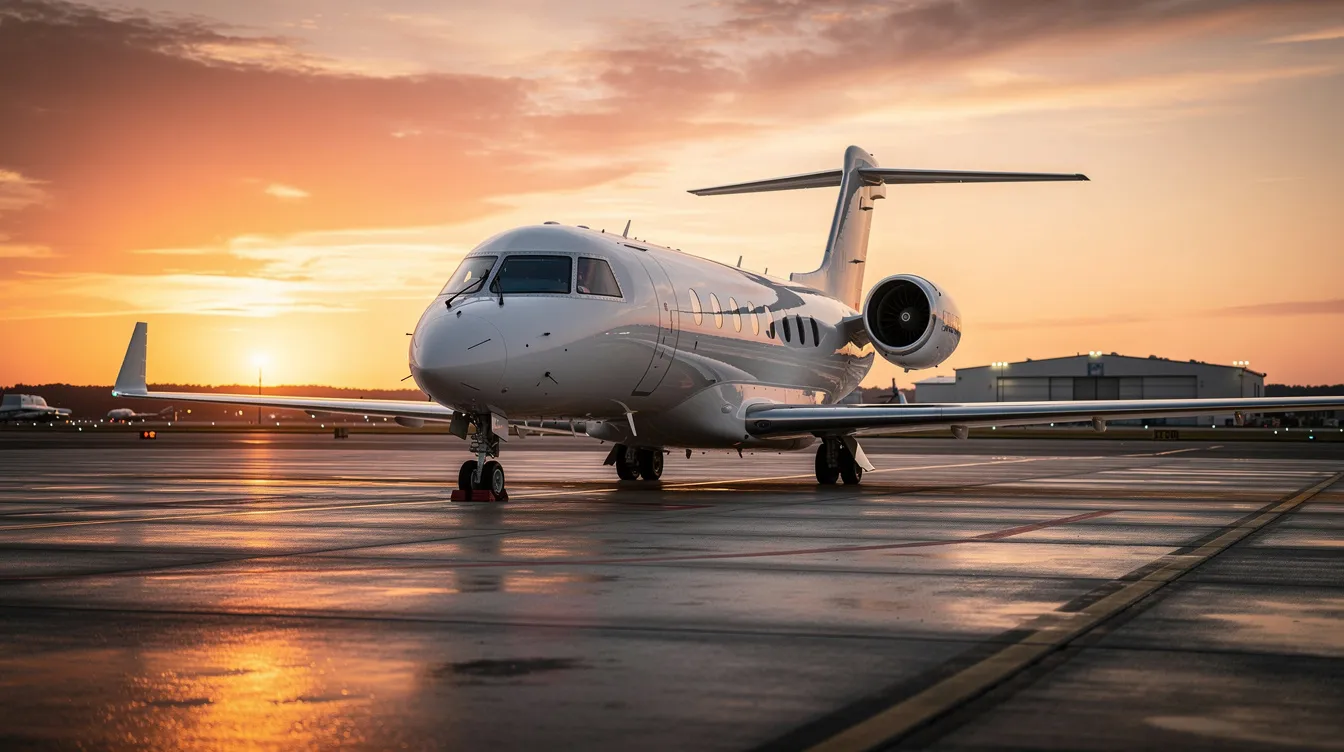
A Jet Card is a prepaid block of flight hours—typically 25 or 50 hours—that gives members guaranteed access to a curated fleet of private jets across cabin classes, with transparent hourly rates and 24/7 digital booking support; many first-time members start by exploring 50 hour Jet Card cost and value before scaling up. For many travelers, understanding Jet Card pricing, costs, and benefits is the first step toward choosing the right program. It eliminates the complexity of aircraft ownership while delivering the flexibility of on-demand private flight.
The contrast with commercial travel on a Boeing 737 MAX 8 is stark across every dimension:
Boarding experience: BlackJet members arrive at a private FBO terminal, not a crowded main terminal with TSA lines. You can arrive 15 minutes before departure rather than 90.
Schedule control: No airline timetable dictates your day. Depart when your meeting ends, not when the next flight leaves.
Privacy: Confidential negotiations happen at 43,000 feet without adjacent passengers. No overhead announcements interrupt your workflow.
Safety oversight: BlackJet's network includes independent safety ratings, operator audits, and crew experience requirements—giving members more visibility than a typical airline passenger has into who operates their flight.
On sustainability, the comparison requires nuance. The Boeing 737 MAX 8's LEAP-1B engines reduce fuel burn and emissions per seat on commercial flights. BlackJet approaches the challenge differently: pairing efficient aircraft selection, including guidance on the cheapest private aircraft and budget-friendly options, with guaranteed carbon-neutral flights through verified offset programs, ensuring that every private journey accounts for its environmental footprint.
For high-net-worth individuals and corporate leaders, a Jet Card provides strategic control over time, confidentiality, and route flexibility in a way no commercial schedule—even on the most advanced narrow-body airliner—can fully match.
Choosing the Right Aircraft for Your Mission
Aircraft choice should always start from mission requirements: distance, number of passengers, luggage volume, schedule constraints, and whether you need en-route productivity or rest. Not every trip requires a private jet, and not every trip is well served by a commercial Boeing 737 MAX 8.
For routine, non-urgent business trips on well-served routes—say, Dallas to Chicago on a Tuesday morning—a commercial MAX 8 flight may be perfectly adequate. But once you start comparing Jet Card cost per hour across aircraft types, the economics can favor private aviation in specific use cases. Consider these scenarios where a BlackJet Jet Card flight becomes strategically superior:
Same-day multi-city roadshow: Visit three manufacturing facilities across the Southeast in a single business day, landing at regional airports minutes from each site—once you understand how much it costs to rent a private jet, it becomes clear how same-day access can justify the investment.
Last-minute board meeting: A governance issue surfaces at 2 PM requiring your presence in a secondary city by 7 PM. No commercial connection exists, and for executives who travel constantly, exploring unlimited private jet flight membership options can provide predictable budgeting for these urgent missions.
Confidential site visit: You need to evaluate an acquisition target in a market not well served by commercial Boeing 737 networks, and you cannot risk being seen at the airport by competitors.
In each case, BlackJet advisors translate mission parameters into the appropriate aircraft category—light jet, mid-size, super-mid, or large-cabin—rather than leaving you subject to airline-driven equipment decisions, and can contextualize those recommendations with concrete benchmarks on how much it costs to rent a private jet. Guides that explain private jet sizes and cabin categories make it easier to visualize your options. The result is travel shaped around your objectives, not the other way around.
Frequently Asked Questions About the Boeing 737 MAX 8 and Private Travel
Is the Boeing 737 MAX 8 safe to fly now?
Yes. The Boeing 737 MAX 8 meets all current FAA, EASA, and other global regulatory requirements following extensive software redesigns, hardware changes, and mandatory pilot training programs implemented after the grounding. Since the FAA cleared the aircraft to return to service in November 2020, the MAX family has flown millions of hours without a design-related fatal accident. Personal comfort levels vary, and travelers who have lingering concerns should review their airline's safety communications and fleet information. The FAA published detailed documentation on the return-to-service process that remains publicly accessible.
How can I tell if my airline flight is on a Boeing 737 MAX 8?
Most airlines and booking platforms list the aircraft type in the flight details during the booking process. Look for designations such as "Boeing 737 MAX 8," "737-8 MAX," or "Boeing 737 8." If the aircraft type isn't displayed during booking, you can check the flight details after purchase on the airline's app or website, or contact the airline directly. Operators are generally transparent about equipment assignments, particularly given the heightened traveler awareness surrounding this aircraft type.
What is the difference between the Boeing 737 MAX 8 and the older 737-800?
The key differences center on the new engines—LEAP-1B versus CFM56-7B—which deliver approximately 14% better fuel efficiency and measurably lower emissions. Aerodynamic improvements including split-tip winglets and a reshaped tail cone further reduce drag. The cockpit features updated avionics with larger displays, and most MAX 8 cabins feature the Boeing Sky Interior with LED mood lighting, sculpted sidewalls, and larger overhead bins. From a passenger's perspective, the most noticeable changes are typically the cabin ambiance and sometimes quieter takeoff and landing profiles due to reduced engine noise, rather than dramatic changes in seat layout.
Why would I choose a private jet over a Boeing 737 MAX 8 flight for business travel?
Private jets—especially via a Jet Card program like BlackJet's—allow you to design your own schedule, eliminate connections and security lines, use smaller airports closer to your final destination, and conduct confidential meetings on board; if you fly frequently, a guide to 100 hour Jet Card cost and structure can help determine whether a larger-hour commitment suits your travel pattern. For many decision-makers, comparing Jet Card cost per hour and program structures clarifies when that flexibility becomes financially compelling. You fly when you need to, not when the airline's timetable permits. For executives whose time value exceeds the incremental cost of private flying, these advantages transform private aviation from a luxury into a strategic asset that directly supports productivity and decision-making.
Can BlackJet help if my route is mostly served by Boeing 737 MAX 8 commercial flights?
Absolutely. BlackJet can create alternative routings using suitable private jets and regional airports that commercial operators do not serve, or design hybrid itineraries that combine private and commercial segments where appropriate—including bespoke solutions in key markets such as private jet charters in Karachi. BlackJet advisors account for aircraft type, safety standards, schedule constraints, and convenience when recommending options—ensuring that members maintain control over how and on what they fly, regardless of what equipment dominates the commercial market on a given corridor.
Elevate your travel—effortlessly. With BlackJet, private flight is accessible on your terms through our Jet Card programs, complete with rigorous safety certification, carbon-neutral performance, and unmatched flexibility. Explore our offerings and discover how refined, strategic travel becomes your new standard.
Join BlackJet's Jet Card program for seamless, premium private travel—safety, sustainability, and flexibility built in.
Conclusion: The Boeing 737 MAX 8's Role in Modern Travel and Strategic Private Aviation
The Boeing 737 MAX 8 stands as a testament to modern aerospace innovation—balancing efficiency, range, and passenger comfort within a familiar narrow-body framework. Its evolution through rigorous certification and redesign processes underscores the aviation industry's commitment to safety and continuous improvement. For discerning travelers, especially those in the corporate and high-net-worth segments, understanding the capabilities and limitations of the MAX 8 sharpens the contrast with private aviation alternatives.
While the MAX 8 excels as a commercial workhorse on short- and medium-haul routes, private jet programs like BlackJet’s Jet Card offer unparalleled control over scheduling, privacy, and personalized service. They complement the technological advances of aircraft like the 737 MAX 8 by delivering travel experiences tailored to individual mission needs—whether that means last-minute changes, confidential meetings, or access to airports beyond the commercial network.
In a world where time is the ultimate currency, the Boeing 737 MAX 8 represents the pinnacle of commercial narrow-body flight, but private aviation remains the strategic choice for those who demand more than just transportation. Elevate your travel with BlackJet and experience the difference between flying on your terms and flying on a schedule.


 Sign up with google
 Sign up with Apple