Introduction
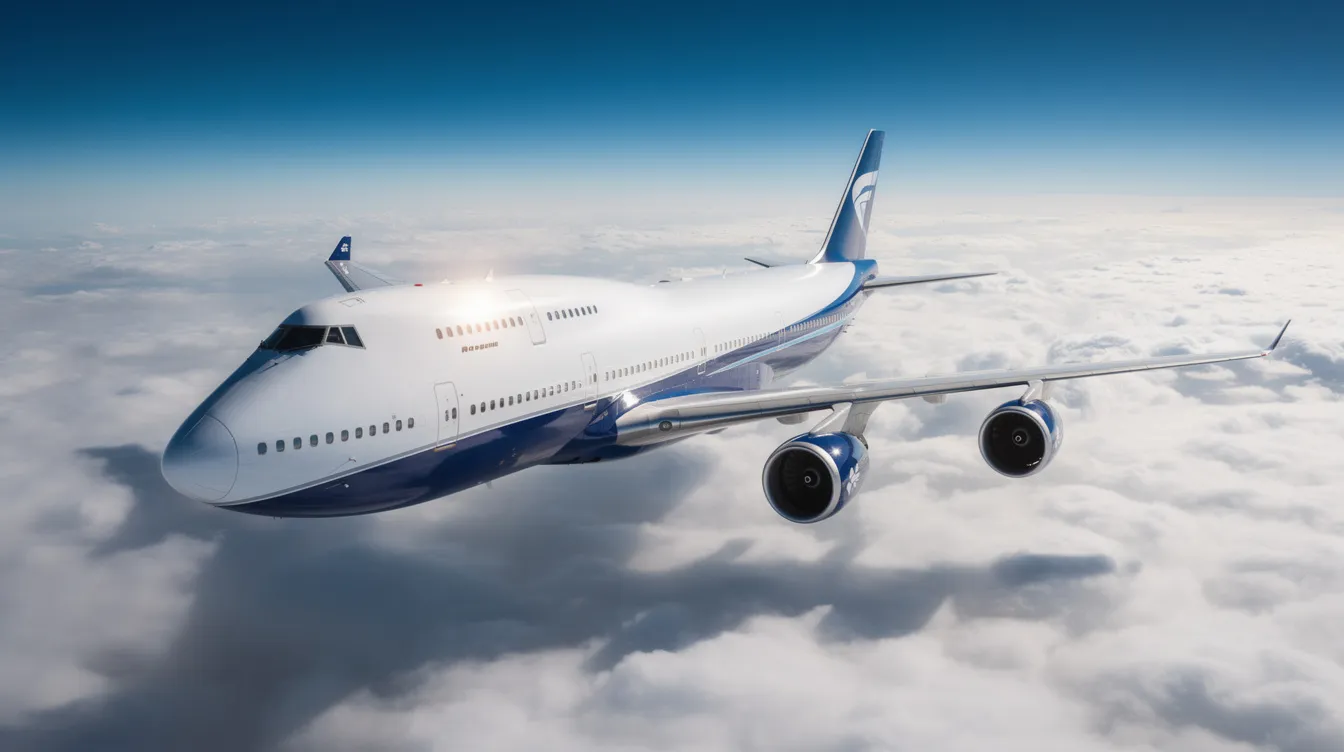
The Boeing 747 has shaped long haul routes for more than five decades. This guide is for aviation enthusiasts, frequent flyers, and private jet clients interested in how the Boeing 747-8's capacity compares to other aircraft and what it means for modern travel choices. We cover the Boeing 747-8's passenger capacity in various configurations, compare it to other large aircraft, and explain its relevance for both commercial and private aviation. Its final iteration-the Boeing 747‑8-pushed the jumbo jet concept to its engineering limits before production ended for good. Whether you fly commercial or private, understanding how capacity works on the world's largest passenger aircraft sheds light on why more travelers are rethinking how they move through the sky.
Quick Answer: How Many Passengers Does The Boeing 747‑8 Carry?
Passenger capacity refers to the maximum number of people an aircraft can carry, which varies depending on the seating configuration chosen by the airline. For the Boeing 747-8 Intercontinental, this ranges from 362 to 524 passengers depending on layout and density (see below for details).
The Boeing 747‑8 Intercontinental-the passenger version of the Boeing 747 8-typically seats 467 passengers in a standard three-class configuration according to Boeing's published specifications. In practice, real-world configurations of the 747‑8 vary significantly depending on the airline's operational preferences:
Typical three‑class layout: approximately 362–410 seats, as most carriers opt for more generous spacing in premium cabins.
Higher‑density arrangements: around 410 to 467 passengers depending on the layout and seat pitch choices.
High‑density theoretical maximum: up to 524 passengers can be accommodated in a high-density configuration with minimal premium space.
For comparison, the Airbus A380 carries roughly 555 passengers in a typical three-class arrangement and holds certification for up to 853 in an all-economy layout-making it the only full-length double-deck plane to surpass the 747‑8 in raw capacity.
Lufthansa, Korean Air, and Air China each configure their 747‑8I cabins differently, while government variants like the VC‑25B carry far fewer people. For BlackJet clients, these numbers highlight a fundamental contrast: rather than sharing a cabin with hundreds of passengers, a Jet Card provides access to right‑sized private aircraft where every seat belongs to you.
Understanding The Boeing 747‑8: Final Evolution Of The Jumbo Jet
The Boeing 747‑8 is the largest variant of the Boeing 747 family-and the final one. Lufthansa flew the first passenger service in June 2012, and production ceased in January 2023 after Boeing delivered 155 aircraft total: 107 freighter variants and just 48 passenger aircraft. The last unit, a cargo aircraft, went to Atlas Air.
What made this jumbo jet different from its predecessors came down to structural changes and modern engineering resources. The 747‑8 has an 18-foot fuselage extension compared to earlier models, bringing its total length to 250 ft 2½ in-making it the longest passenger airliner ever built. Boeing invested heavily in a new wing featuring redesigned wings with raked wingtips, which improved aerodynamics and handled the increased bending moments created by the lengthened fuselage and greater weight. The wingspan of the Boeing 747‑8 is 68.4 m (224 ft 5 in).
Four General Electric GEnx-2B67 turbofan engines-the only engine option for the type-provide the power to move a maximum takeoff weight of 987,000 lb, making it among the heaviest aircraft in commercial service. Its cruise speed is Mach 0.86, or 659 mph (1,061 km/h), and the aircraft has a range of 13,650 km (7,370 nmi). It features a double-decker seating arrangement, though the upper deck extends only partially, unlike the full-length Airbus A380.
The 747‑8 was designed to accommodate a high volume of passengers while providing expansive cabin space. That fuselage stretch and the design changes to wings, engines, and basic structure were aimed at reducing per‑seat costs while increasing both passenger and cargo capability. Yet where the 747‑8 carries hundreds, BlackJet focuses on tailoring aircraft size to each itinerary-offering multiple cabin classes through its Jet Card programs rather than one massive airframe.
Boeing 747‑8 Passenger Capacity By Cabin Layout
Boeing publishes a "typical" capacity figure for the 747-8I, but seating layouts in the Boeing 747- 8 can change based on the airline and cabin class distribution. The typical three-class configuration of the 747‑8 is distributed across three types of seating-first, business, and economy-though many airlines add a fourth premium economy class.
Here is how capacity bands break down:
Lower‑density three or four class: roughly 362–370 seats. Lufthansa's current layout offers 8 first class seats, 80 business, 32 premium economy, and 244 economy for a total of 364 passengers.
Mid‑density three class: around 410 seats. The Boeing 747‑8 can accommodate 410 passengers in configurations that trade some premium space for additional economy rows.
Boeing's published maximum typical capacity: approximately 467 seats in a denser three-class arrangement.
Commercial operators of the 747‑8 typically configure their cabins with lower densities for premium space, since premium cabins generate higher revenue per seat. Korean Air, for example, dedicates a large number of upper-deck seats to business class, while Lufthansa places its exclusive first class suite in the nose of the main deck.
The cabin is generally split with premium cabins in the nose and on the upper deck, while the main economy cabin stretches aft from the second door area. How many first and business seats an airline installs directly determines total capacity-and total revenue potential.
Seat Maps & Deck Layout: How 747‑8 Capacity Is Distributed
The Boeing 747's iconic hump gives the aircraft its unmistakable silhouette and creates two distinct cabin environments. A staircase near the nose connects the main deck to the upper deck, and the way airlines divide these floors shapes the entire passenger experience.
Main deck: carries the majority of passengers. The main deck typically features a 3‑4‑3 arrangement in economy class, with wider premium cabins (often 2‑2‑2 or 1‑2‑1 in business and first) occupying the forward section.
Upper deck: the upper deck of the 747‑8 is traditionally configured for business class seating, usually in a 2‑2 layout that feels more exclusive thanks to smaller cabin width and fewer neighboring passengers.
Trade‑offs: moving more business‑class seats to the upper deck frees main‑deck floor area for economy, but each lie‑flat seat has a larger footprint than a standard economy seat, so total capacity drops as premium space expands.
Regulatory constraints: emergency exit requirements influence the maximum passenger capacity of the Boeing 747‑8. Lavatory placement, galley positioning, and exit door locations create hard boundaries on how many rows can be installed regardless of seat pitch.
Even in its densest form, the 747‑8 cannot match the A380's total seat count because it lacks a full-length second deck. But for airlines operating it, the partial upper deck delivers a premium atmosphere that sets the plane apart from single‑deck wide-bodies, while large private charters can instead charter a plane for 100 passengers when they need high-capacity uplift with a tailored cabin.
Per‑Seat Economics: Why Capacity Matters On A Jumbo Jet
The 747‑8 was engineered to deliver lower per‑seat costs than the 747‑400, with Boeing claiming roughly 10–13% lower seat-mile costs thanks to improved aerodynamics, the new wing, lighter materials, and more fuel‑efficient engines.
But airlines face a constant tension:
A 362‑seat configuration with generous first and business cabins can generate higher revenue per flight than a dense 430‑seat layout-if premium demand is strong.
When premium loads drop, empty lie‑flat seats become expensive dead weight compared to filled economy rows.
Boeing announced the 747‑8 as offering the "lowest seat-mile cost of any passenger aircraft" in its class, but that advantage required consistently high load factors that many routes could not sustain year‑round.
As fuel prices climbed and demand patterns shifted, modern twin‑engine aircraft like the Boeing 777‑300ER and Airbus A350 began matching or exceeding the 747‑8's range with fewer engines, lower fuel burn, and more flexible scheduling. Both the Airbus A380 and the 747‑8 pursued ultra‑high capacity to achieve cost advantages, but the market favored smaller, more nimble wide-bodies instead.
For BlackJet clients, this equation is inverted entirely. Rather than sharing capacity with hundreds of passengers to drive down per‑seat cost, a Jet Card lets you pay for the aircraft's availability and privacy-an approach where the value is measured in time saved and control gained, not seats filled, and where understanding your Jet Card cost per hour helps optimize that value.
Passenger Experience On A High‑Capacity Boeing 747‑8
Picture a Lufthansa 747‑8 pushing back from Frankfurt Airport bound for New York with roughly 360 passengers on board. Boarding takes close to 45 minutes. The main‑deck economy cabin hums with activity-families settling children, overhead bins filling quickly, flight attendants navigating narrow aisles between 3‑4‑3 rows. Two decks above, a handful of business‑class travelers on the upper deck enjoy a quieter, almost private atmosphere with just a few dozen seats separated from the main cabin entirely.
The GEnx engines are measurably quieter than older 747 powerplants, and improved cabin insulation reduces ambient noise, particularly in forward and mid‑cabin positions.
Upper‑deck business cabins benefit from fewer galley runs, less foot traffic, and a more intimate space-an experience that hints at private aviation without actually being private.
In high‑density economy layouts, seat pitch can tighten to 28–29 inches; in flagship configurations, 31–32 inches is more common. Width and pitch together determine whether a 10‑hour flight feels tolerable or exhausting.
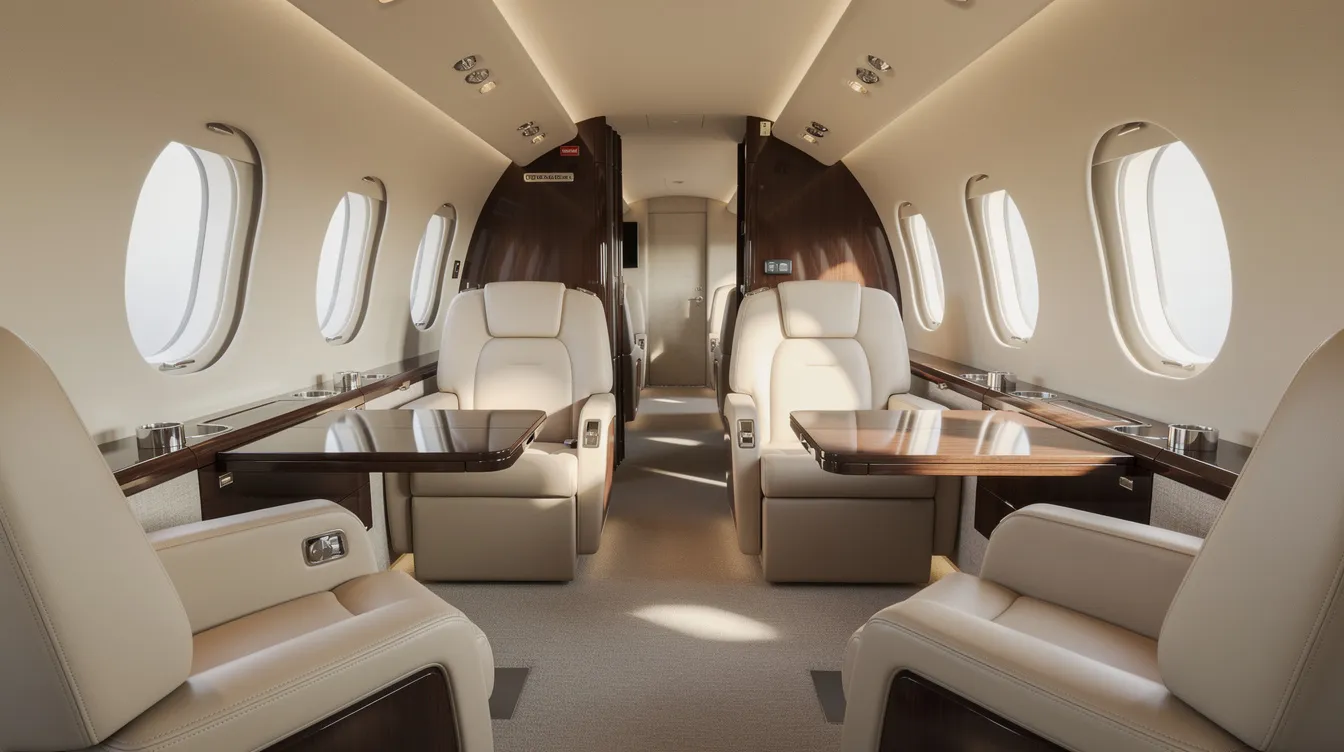
Now contrast that with a BlackJet scenario: a 10–14 passenger large‑cabin jet departing Teterboro at a time you choose, with no security line, no boarding queue, and a cabin configured entirely for your group's comfort-or scaling up to the best private jet for 20 passengers when your group or mission profile demands more seats. The scale difference is not incremental-it is categorical.
Boeing 747‑8 vs Airbus A380: Capacity & Role In The Market
These two aircraft defined the final chapter of the super‑jumbo era. Here is how their capacity compares:
Boeing 747‑8 Intercontinental: typical 362–410 passengers inthree-e ofour-classss layouts; Boeing's maximum advertised capacity is around 467. The 747‑8 is the longest passenger airliner at 250 ft 2 in, but its partial upper deck limits total cabin volume.
Airbus A380‑800: typical approximately 555 passengers in three class; certified for up to 853 in an all‑economy layout. As a full‑length double‑deck aircraft, the A380 offers substantially more usable cabin space.
Both were built for hub‑to‑hub routes with enormous demand-London to Dubai, Frankfurt to Hong Kong, routes where airport slot constraints made it more efficient to move a large number of passengers per departure than to add frequency. Yet airlines increasingly found that two daily departures on a 300‑seat twin‑engine jet served passengers better than one flight on a 500‑seat quad.
Production of the Airbus A380 ended in 2021. The 747‑8 followed in 2023. The age of new super‑large passenger airliners has effectively closed. Where jumbo jets offered "many passengers, few daily departures," BlackJet enables the opposite: fewer passengers, on‑demand departures, with Jet Card programs built for individuals and small groups who refuse to wait for a fixed schedule.
Special Variants: VIP, Government, And Low‑Density 747‑8 Layouts
Not every 747‑8 is built for maximum capacity. Some are delivered as Boeing Business Jet variants with expansive suites, conference rooms, private offices, and sleeping quarters-carrying as few as 8–50 passengers across an airframe originally designed for hundreds.
VC‑25B (Air Force One replacement): based on the 747‑8 airframe, this military variant replaces revenue seats with communications systems, defensive facilities, and staff work areas. Auxiliary tanks extend range beyond commercial specifications. Boeing had initially struggled to find an airline customer for additional passenger variants, but government and VIP orders sustained the line-the VC‑25B program being the most prominent example.
State and royal transport: several 747‑8s were delivered to heads of state and royal flight departments with bespoke low‑density layouts, effectively turning a high‑capacity jumbo jet into an ultra‑long‑range flying residence.
These VIP configurations echo, on a grand scale, what BlackJet clients experience in smaller cabins: when capacity is not the goal, even a jumbo jet is refitted to prioritize privacy, comfort, and mission readiness over seat count—similar in spirit to private jets for 50 passengers that turn high-capacity airframes into bespoke group transports.
From Jumbo Jet To Point‑To‑Point: Why Ultra‑High Capacity Fell Out Of Favor
The decline of the quad‑engine jumbo was not sudden-it was a foregone conclusion once twin‑engine technology matured. Modern aircraft like the Boeing 787, 777X, and Airbus A350 can match or exceed the 747‑8's range with dramatically lower fuel burn and the ability to serve thinner routes profitably.
Many long-haul routes could no longer reliably fill 350–450 seats year‑round; off‑peak seasons left carriers with expensive empty capacity.
Airlines redirected engineering resources toward point‑to‑point service, replacing hub‑and‑spoke networks with direct flights on smaller wide-bodies-giving travelers more frequency and more city pairs.
Fuel costs, carbon constraints, landing fees scaled to weight, and the demand for scheduling flexibility all pushed carriers away from the quad‑engine model.
Lufthansa remained the primary operator of the 747 8I in passenger service, and for a time was the only one airline customer actively expanding its fleet of the type. Korean Air also operated the intercontinental variant, but the order book never grew the way Boeing once hoped.
This macro trend parallels the rise of private aviation. As commercial models fragmented, high‑net‑worth travelers and executives found that controlling their own schedule through private jet access delivered more value than any commercial cabin-first class included, leading many to explore BlackJet's premium private jet card programs as a structured way to secure that flexibility.
Why Capacity Feels Different In Private Aviation (BlackJet Perspective)
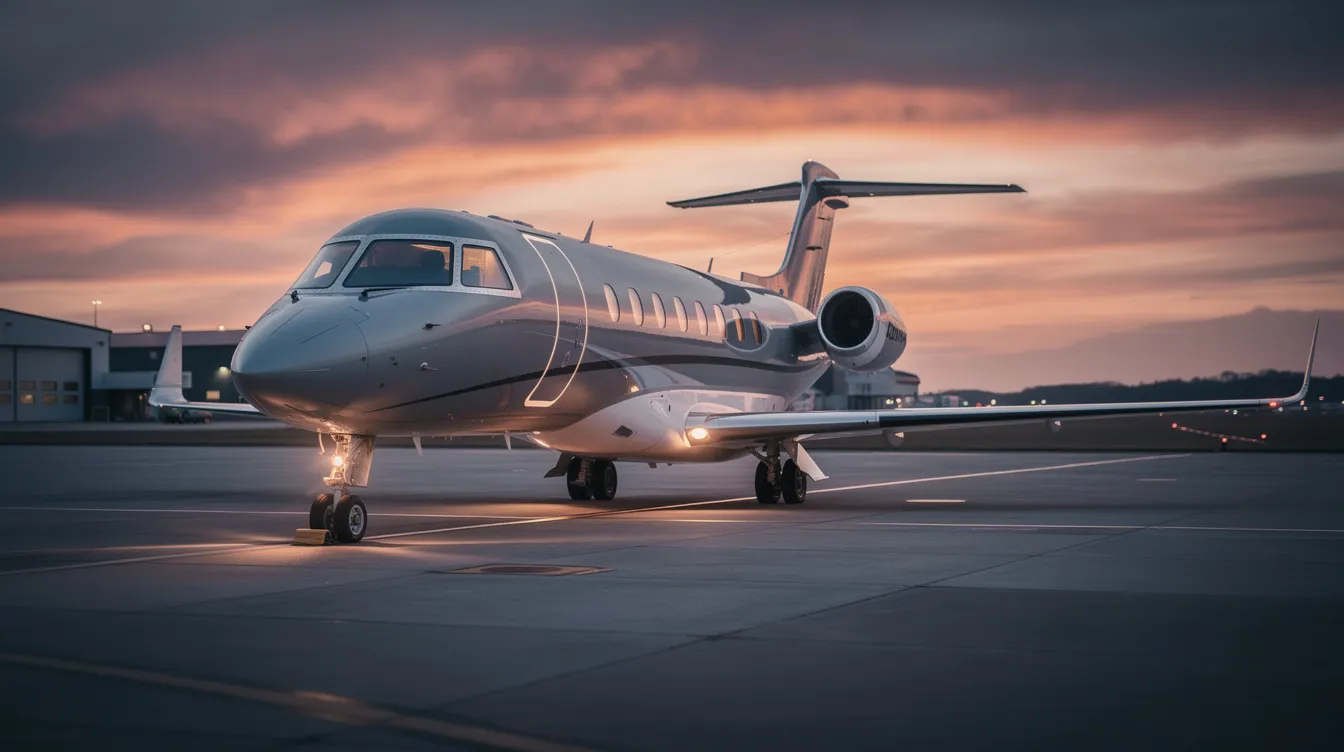
A 747‑8 carrying 400 passengers and a private jet carrying 8 are not just different sizes-they represent fundamentally different philosophies of travel. In private aviation, "capacity" is measured less by seats sold and more by how well the aircraft matches the group size, baggage needs, and route.
Through BlackJet's Jet Card model, clients pre‑purchase blocks of flight hours across multiple cabin categories-light, midsize, super‑midsize, or large-cabin- effectively right‑sizing capacity for each trip, with transparent Jet Card pricing structures that make total trip costs easier to predict:
No queues at security or boarding. No waiting for 350 other passengers to stow their luggage.
The ability to choose exact departure times rather than adapting to an airline's fixed jumbo‑jet schedule.
Privacy for meetings or rest that is impossible in a 400‑passenger cabin, no matter how premium the class.
Flights routed to closer airports-Teterboro instead of JFK, Farnborough instead of Heathrow-saving ground time on both ends.
Where a jumbo jet optimizes for loads and per‑seat economics, a Jet Card optimizes for time, control, and mission fit. For travelers who once occupied first class seats on a plane like the 747‑8, the shift to private is not about abandoning quality-it is about upgrading control, often by selecting from the best Jet Cards for frequent flyers to match their travel patterns.
Safety, Certification, And Sustainability: From 747‑8 To Private Jets
The Boeing 747‑8 meets the most stringent international safety and certification standards for any passenger aircraft. Its fly‑by‑wire systems, advanced avionics, and redundant hydraulic architecture reflect decades of refinement. Private jets used in BlackJet's network are held to similarly rigorous standards, with operators required to meet third‑party safety ratings such as ARGUS Platinum and Wyvern Wingman.
Emissions and fuel:Thee GEnx engines improved fuel efficiency by roughly 16% per passenger kilometer compared to the 747‑400, but four‑engine aircraft still burn significant fuel per sector. Sustainability pressures contributed to the type's retirement from many fleets.
Carbon neutrality: BlackJet ensures every flight is carbon neutral at no extra cost-balancing each private jet hour through verified offset programs and sustainable aviation fuel initiatives.
Technology: advanced flight management systems on the 747‑8 have parallels in BlackJet's digital booking platform and real‑time flight support, where technology serves to streamline operations and enhance safety rather than merely add convenience.
Safety and sustainability are not marketing window dressing- they are operational pillars that apply whether the aircraft seats 467 or 8, and for Jet Card users there are even strategic considerations like maximizing Jet Card-related tax deductions when flights support business activity.
Choosing The Right Aircraft: When A Jumbo Jet Makes Sense (And When It Doesn't)
The 747‑8 still earns its keep in specific scenarios:
Peak‑season hub routes where demand exceeds 350 passengers per departure
Mass movements-pilgrim flights, large tour groups, or special charter events
Cargo operations, where the freighter variant's payload capability remains ahead of most competitors
But for typical executive and high‑net‑worth travel, the jumbo jet is wildly mismatched, especially when compared with flexible ways to buy a seat on a private jet or access whole-aircraft charters without committing to hundreds of seats:
747‑8 scenario: 380 passengers on a nightly New York–Frankfurt route, fixed departure, shared cabin, 90‑minute check‑in process, landing at a congested international hub.
BlackJet scenario: a 6‑person executive team leaving Teterboro at 7:30 pm for London Farnborough on a large‑cabin jet, scheduled to fit their board meeting, with a quiet cabin configured for work and rest. They climb to cruise altitude within minutes of boarding, with no competing traffic for their attention.
The decision is not about Boeing versus Airbus, or about whether the 747 should have been replaced sooner. It is about whether your travel serves your schedule-or someone else's.
FAQ: Boeing 747‑8 Passenger Capacity & Private Jet Alternatives
What is the maximum passenger capacity of the Boeing 747‑8 Intercontinental? Boeing's published typical capacity is 467 passengers in a standard three‑class configuration. In a high‑density layout, up to 524 passengers can be accommodated. Real‑world airline configurations usually seat between 362 and 410 passengers. For private travelers comparing that to right-sized options, the BlackJet 25+ Hour Jet Card offers consistent access to large-cabin jets without ever needing hundreds of seats.
How does 747‑8 capacity compare to the Airbus A380 and earlier Boeing 747 models? The Airbus A380 typically seats about 555 in three classes and can hold up to 853 in all‑economy. The 747‑400, the 747‑8's predecessor, seated roughly 416 in three classes. The 747‑8's capacity sits between these, reflecting its partial- not full- double-deck design—far above even the best private jet options for 20 passengers, which trade raw capacity for flexibility and privacy.
Why did airlines move away from jumbo jets despite their large capacity? Twin‑engine aircraft like the 787 and A350 offer comparable range with lower operating costs and greater scheduling flexibility. Many routes could not fill 400+ seats consistently, and fuel prices made four‑engine operations increasingly expensive, pushing both airlines and frequent travelers toward more flexible solutions like unlimited private jet flight memberships and on-demand charters.
Can private jets match the range of jumbo jets like the 747‑8? Ultra-long-range private jets such as the Bombardier Global 7500 or Gulfstream G700 can fly over 7,000 nmi nonstop-approaching the 747‑8's range of 7,370 nmi-while carrying 12–19 passengers in complete privacy, putting them among the best private jets in the world for non-stop intercontinental travel.
How many passengers do typical BlackJet flights carry compared to a jumbo jet? BlackJet flights typically carry 4–16 passengers depending on cabin category, compared to 362–467 on a commercial 747‑8. Learn more about how Jet Cards work to access these aircraft, including options built around the cheapest private aircraft categories for budget-conscious flyers.
Are private jets environmentally responsible, and how does BlackJet handle carbon neutrality? Per‑passenger emissions on private jets are higher than on a full jumbo, but BlackJet offsets every flight to achieve carbon neutrality as standard. Sustainable aviation fuel adoption and verified offset programs ensure each hour of flight is environmentally balanced.
How do Jet Cards compare to flying first or business class on a 747‑8 for frequent travelers? Jet Cards offer prepaid blocks of flight hours with guaranteed availability, no booking windows measured in months, and access to multiple aircraft types. For travelers flying 15+ trips per year, the time savings and flexibility often exceed what any commercial first-class cabin can deliver, especially with higher-tier options like a 100-hour Jet Card program tailored for very frequent flyers. Boeing announced the end of 747 production in part because this kind of flexibility-across both commercial and private sectors-reshaped what travelers in early August 2023 and beyond expected from air travel.
How BlackJet Can Replace Your Seat On The Jumbo Jet
The Boeing 747‑8 will be remembered as a marvel of aviation engineering-the longest, most refined jumbo jet ever built. But for travelers who value control over their time, privacy, and schedule, occupying one seat among hundreds is no longer the benchmark of premium travel.
BlackJet's Jet Card model provides:
Prepaid flight hours for predictable budgeting, available in 25‑hour and 50‑hour blocks across cabin categories.
Access to multiple aircraft types, letting you choose the right capacity for each mission rather than replacing one rigid schedule with another.
24/7 digital booking, real‑time support, and carbon‑neutral flights as standard-not add‑ons.
The era of the jumbo jet redefined what was possible in commercial aviation. The era ahead belongs to travelers who refuse to compromise on how, when, and with whom they fly.
Elevate your travel-effortlessly. Explore BlackJet's Jet Card programs and discover how refined, meaningful travel becomes your new standard.


 Sign up with google
 Sign up with Apple