Chartered Plane Cost To Buy: A Practical Guide To Jet Ownership
February 3, 2026
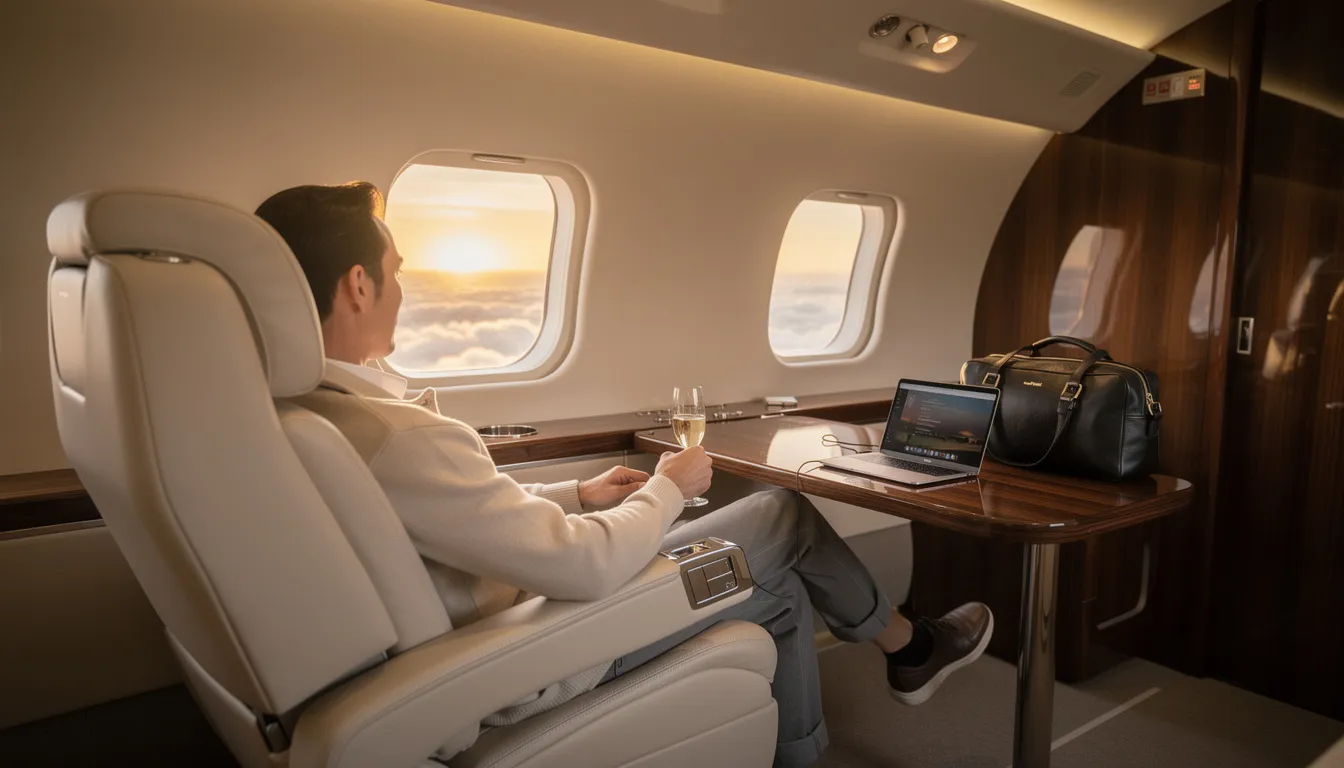
For discerning travelers and high-performing executives, private jet ownership isn't simply a luxury—it's a strategic asset. The ability to depart on your schedule, access remote locations, skip security lines, and conduct meetings en route can translate into outsized ROI. But purchasing a chartered plane is a significant investment that requires clarity on total costs, not just the sticker price.
This practical guide unpacks the full private jet costs of buying and owning a chartered aircraft in 2026—so you can make an informed decision about whether ownership, fractional share, or continued charter best suits your private travel needs.
Who This Guide Is For
This article is tailored for:
High-net-worth individuals, executives, or family offices considering their first jet purchase
Frequent flyers who charter 100+ flight hours annually and are exploring cost efficiencies
Corporate buyers are evaluating whether owning a private aircraft makes strategic sense
Purpose and Scope
We’ll walk through:
What private jets actually cost to buy, by aircraft type and cabin size
The full scope of annual operating costs—fixed, variable, and hidden
Buying new ensures a pristine aircraft, the latest avionics, including Wi-Fi, and a full warranty—but comes with higher upfront depreciation and higher prices. Pre-owned or older jets can reduce the purchase price by 25–50%, but may require refurbishment and increased maintenance investment.
Tip: Always consult a licensed aircraft broker to compare listings, negotiate pricing, and navigate aircraft pedigree concerns.
Depreciation and Market Conditions
Private jets are depreciating assets, losing 10% to 15% of their value in the first year. The upfront cost of a private jet can vary dramatically based on specifications and market conditions. Notably, in 2026, U.S. bonus depreciation for private jets is scheduled to drop to 0%, impacting tax planning for new owners.
Don’t Skip the Pre-Buy Inspection
Before purchasing, schedule a pre-buy inspection by an independent MRO facility. This verifies:
Airframe condition and flight hours
Logbook completeness
ADs (Airworthiness Directives) compliance
Engine cycles and remaining life
Inspections often cost $15K–$30K—but can save you millions in unexpected repairs.
Light Jets and VLJs: Cost-Effective Ownership Options
If you're flying regionally with fewer passengers, light jets and very light jets offer an ideal entry point.
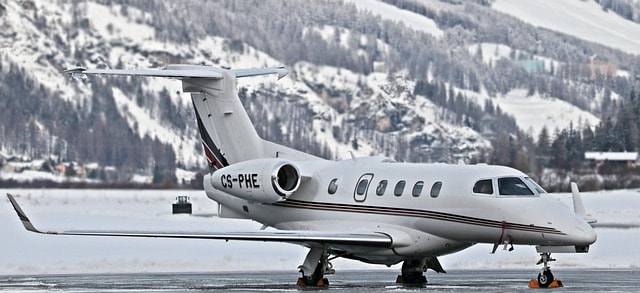
These jets seat 4–7 passengers and offer a range of 1,200–2,300 NM, making them ideal for business trips and round-trip flights. Entry prices range from $2M (VLJ pre-owned) to $9M (new light jet).
Annual Operating Costs: Fixed + Variable
Fixed Annual Costs
These don’t change with how often you fly:
Crew salaries: $85K to $300K+ per pilot, totaling $200K–$400K for a full crew
Hangar fees: $40K–$100K+ (location dependent, e.g., San Francisco can be higher)
Insurance: $10K–$500K annually, depending on coverage and aircraft type
Training (crew recurrent): $20K–$60K
Annual maintenance program (if enrolled): $100K+
Total: Expect $500K to $1.2M in fixed costs annually, varying by aircraft size and usage.
Variable Costs (Per Flight Hour)
These scale with flight hours:
Jet fuel prices: $500–$3,000/hour depending on aircraft class, with fuel accounting for 25%-35% of total operating costs
Maintenance (non-covered): $300–$1,000/hour, with routine maintenance potentially costing 2% of the original aircraft price annually
Landing and handling fees: $150–$800/landing
Catering & cleaning: $100–$500/leg
For a light jet, total hourly direct operating costs typically range from $1,500 to $2,500.
Maintenance alone can add hundreds of thousands of dollars to annual budgets, with inspections sometimes exceeding $300,000.
How Flight Time and Fuel Burn Add Up
Estimate Hourly Fuel Burn:
VLJs: ~70–90 gallons/hour
Light Jets: ~120–160 gallons/hour
Large Jets: 300+ gallons/hour
At $6/gallon (2026 avg), fuel alone ranges from $500/hour (VLJ) to $2,000+ (large cabin jet).
Calculate Annual Flight Hours
Owning a private aircraft is generally only financially practical for those flying more than 200 to 400 hours per year; otherwise, chartering is more cost-effective. Full ownership of a private jet is often most beneficial for those who fly more than 150-200 hours annually. Below that threshold, alternatives like fractional ownership, jet cards, or chartering offer better cost savings and flexibility.
Important: Repositioning flights (also known as empty-leg flights to pick you up) can increase “billable” hours by 10–30%.
Fractional Ownership & Jet Cards: Smarter First Steps?
Fractional Ownership
Ideal for those flying 50–200 hours/year. You buy a share (1/16 to 1/4) of a jet and access a fleet.
Pros:
Guaranteed availability
Predictable costs
Lower upfront investment
Cons:
Less flexibility
Usage caps
Shared cabin condition
Additional costs such as monthly maintenance fees and hourly flight fees are typical.
Jet Cards
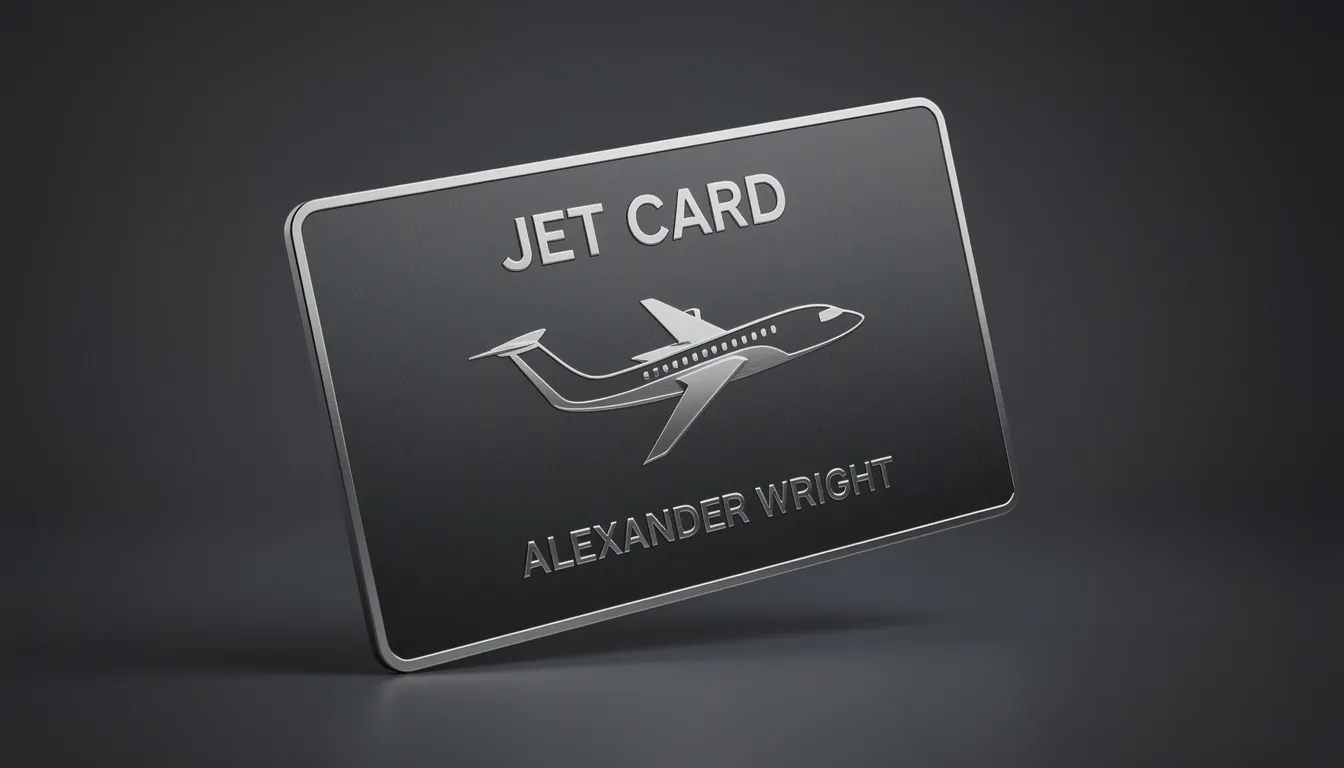
Buy flight hours (e.g., 25 or 50) at fixed hourly rates. Zero maintenance, no ownership risk.
Tip: Jet Cards offer carbon-neutral flights and proprietary safety standards—ideal for frequent flyers not ready to buy.
Chartering: Flexibility Without Ownership
Chartering a private jet can eliminate the congestion and delays associated with commercial flight terminals, offering unmatched convenience. The cost to charter a private jet can range from $1,200 to $10,000 per billable flight hour, influenced by aircraft type, number of passengers, and departure and arrival cities.
Billable flight time fees make up the bulk of any private jet charter cost and include time in the air plus any additional repositioning fees. Private jet charter companies typically adopt market-based pricing, which adjusts according to market demand and operational costs.
Additional costs when chartering a private jet can include catering, de-icing, hangar fees, and taxes. The cost of chartering a private jet typically includes both an hourly rate and additional fees for services and taxes.
Per-seat charter services allow passengers to fly on shared flights with private jet amenities, providing a cost-effective option for those who prefer flexibility without ownership responsibilities.
How Flight Hours Affect Your Decision
Break-Even Threshold
<50 hrs/year → On-demand charter is usually the most cost-effective
50–150 hrs/year → Jet Card or fractional ownership may offer savings
150–200+ hrs/year → Full ownership becomes financially advantageous
Lifetime Cost Modeling
Run side-by-side projections over 3 and 5 years, including:
Acquisition
Operating
Resale value
Usage costs
Advisors can assist with scenario planning based on your flight history and goals.
Buying and Managing Your Jet
Purchase Steps
Hire an aviation attorney + broker
Arrange a pre-buy inspection
Set up escrow & close
Register N-number and FAA documents
Ongoing Management
Hire a management company for pilot oversight, maintenance, and trip logistics
Or self-manage (requires admin support + compliance familiarity)
Reducing the Pain of Jet Ownership
Smart Cost Controls
Enroll in hourly maintenance programs (e.g., JSSI, CAMP)
Negotiate hangar/fuel contracts
Schedule efficiently to avoid repositioning
Share access with vetted partners
Summary:
Owning a jet unlocks unmatched freedom, but also requires precision planning. The true cost goes far beyond the purchase price.
Key Takeaways
Entry prices start at $2M–$4M for VLJs, but fixed costs can exceed $500K annually
150–200+ hours/year is typically needed to justify ownership financially
Jet Cards and fractional programs offer luxury with fewer obligations and lower upfront costs
Always run multi-year scenarios before purchasing
Hire experienced professionals—brokers, attorneys, maintenance advisors—to protect your investment
Frequently Asked Questions (FAQs)
What factors influence the cost of buying a chartered plane?
The cost to buy a chartered plane depends on the aircraft type, age, condition, and whether it is new or pre-owned. Additional factors include avionics upgrades, interior refurbishments, and maintenance history. It's essential to conduct a pre-buy inspection to assess these elements.
How much do ongoing costs for owning a private jet typically run?
Ongoing costs can range from $500,000 to over $4 million annually, covering crew salaries, hangar fees, insurance, routine maintenance, fuel, and other operational expenses. These costs vary based on aircraft size, usage, and location.
When does owning a private jet become cost-effective compared to chartering?
Owning a private jet generally becomes cost-effective when flying more than 150 to 200 hours per year. For less frequent flyers, options such as jet cards, fractional ownership, or on-demand charter may offer better cost savings and greater flexibility.
What is the difference between fractional ownership and jet cards?
Fractional ownership involves purchasing a share of an aircraft with guaranteed flight hours and shared maintenance responsibilities, suitable for those flying 50–200 hours annually. Jet cards offer prepaid flight hours at fixed hourly rates, with no ownership responsibilities, making them ideal for frequent flyers who want convenience without long-term commitment.
Are there hidden costs associated with private jet ownership?
Yes, in addition to purchase and operating costs, owners should consider taxes, ferry fees, hangar storage, de-icing expenses, and potential unexpected maintenance. Working with aviation professionals can help manage and anticipate these additional costs.
How can empty leg flights help reduce private jet travel costs?
Empty leg flights are discounted repositioning flights without passengers. Booking these can save up to 75% off typical charter prices, but they require flexibility in scheduling and routing.
What role do maintenance costs play in private jet ownership?
Maintenance costs, including routine maintenance and unexpected repairs, can account for a significant portion of annual operating expenses. Enrolling in hourly maintenance programs can help manage these recurring costs effectively.
How important is the pre-buy inspection?
A pre-buy inspection is crucial to verify the aircraft's condition, compliance with airworthiness directives, and maintenance history. It can uncover issues that might save buyers several million dollars in future repairs.
Can owning a private jet improve productivity on business trips?
Yes, private jet travel offers direct flights, flexible schedules, and privacy, enabling passengers to work or hold meetings in transit, thereby enhancing productivity for frequent flyers and executives.
What should I consider when choosing between buying a new jet or a pre-owned aircraft?
New jets come with the latest technology and warranties but have higher upfront costs and depreciation. Pre-owned aircraft can be more cost-effective but may require refurbishment and carry higher maintenance costs. Your travel needs, budget, and timing will guide this decision.
Discover how BlackJet can reshape your travel—from flexible Jet Cards to bespoke ownership consulting. Whether you fly 25 or 250 hours annually, we’ll help you elevate your experience with unmatched safety, sustainability, and seamless access.


 Sign up with google
 Sign up with Apple