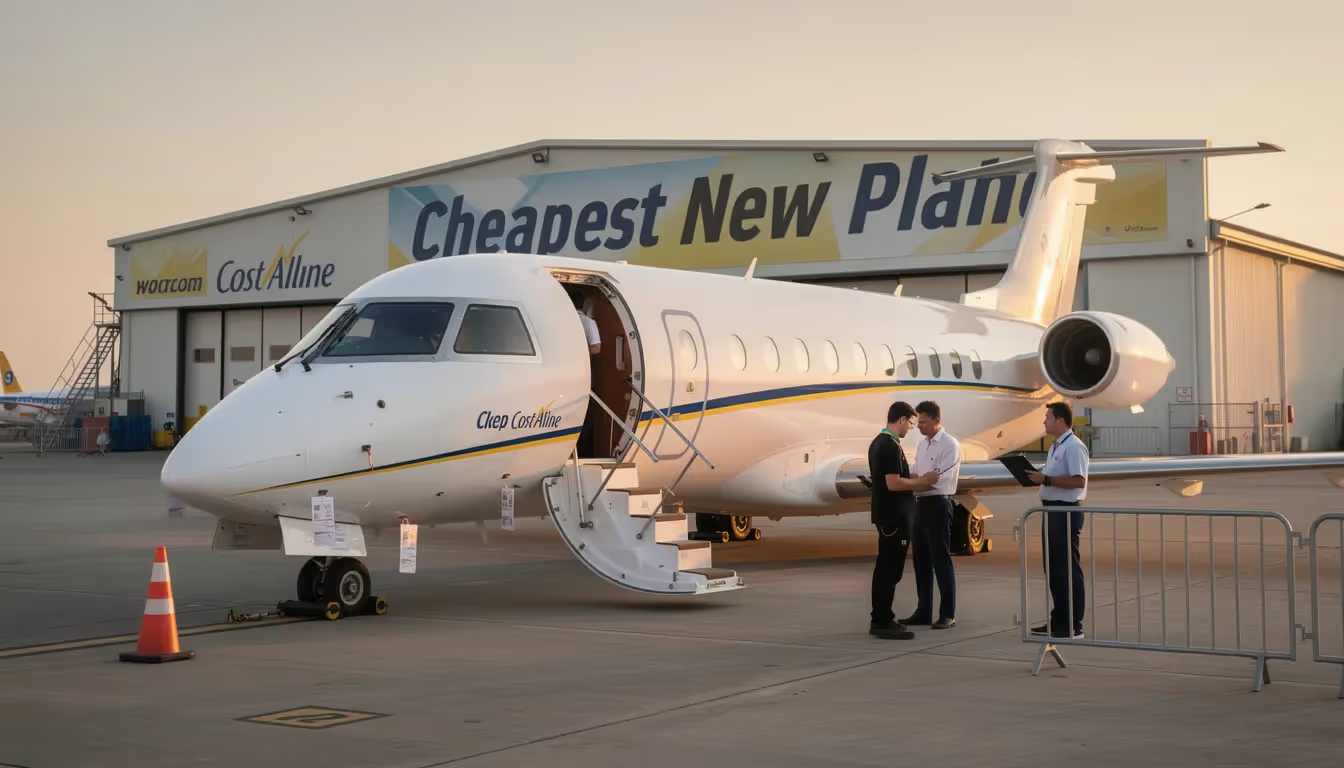
The Cheapest New Plane: Affordable Options for Every Aspiring Pilot
January 9, 2026
Private aviation often evokes visions of sleek jets and seven-figure price tags. But not every flight requires a runway lined with limousines. For aspiring pilots and aviation enthusiasts, owning an aircraft is no longer an untouchable luxury—it’s a practical goal within reach.
Compared to the labyrinth of commercial flight—airport delays, baggage restrictions, and inconsistent schedules—personal aircraft offer the rarest luxury: freedom. Whether for weekend hops, building hours as a pilot, or simply enjoying the view from 3,000 feet, today’s market offers surprisingly affordable entry points. For new pilots or hobbyists, cheap planes and a cheap airplane can be a smart, budget-friendly choice, offering good value, reliability, and ease of handling.
At BlackJet, we typically work with elite travelers who value efficiency and exclusivity. But even in that rarefied space, we recognize how critical aviation accessibility is to nurturing the next generation of pilots. Let’s explore the aircraft redefining what “entry-level” really means in the skies. Many pilots start their search with 30–50-year-old used planes, assuming that 'cheap' automatically means 'old.'
The Aircraft Categories Making Flying More Attainable
Single-Engine Aircraft
When people talk about “starter planes,” they’re often referring to single-engine piston aircraft. Models like the Piper Cherokee and Cessna 150 have long served as reliable, cost-effective platforms for training and personal use. These planes are considered cheap airplanes and cheap planes, popular for their affordability, value, and reliability. These planes are simple to operate, relatively fuel-efficient, and easy to maintain—a perfect balance for new aviators.
The Cessna 150/152 and Piper Cherokee 140 are also popular used trainers, with prices often ranging from $20,000 to $40,000. The Cessna 140 is often available for under $30,000, making it one of the most affordable planes for learning to fly. Many pilots start with one of these used trainers because they're a cost-effective way to log hours and build experience in your own aircraft.
Light Sport Aircraft (LSA)
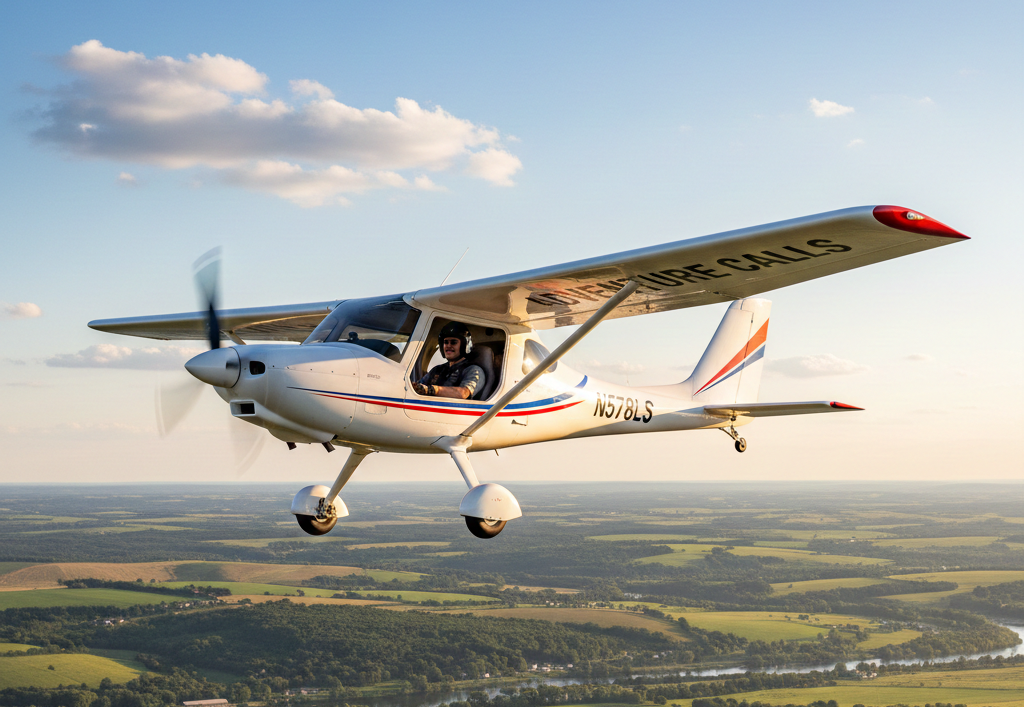
Introduced to reduce regulatory and financial barriers, Light Sport Aircraft, like the Luscombe 8A or Aerolite 103, are ideal for recreational flyers. LSAs can range from $50,000 to $200,000 new, offering a minimalist and thrilling way to take to the skies. True ultralights—FAA Part 103-compliant, single-seat, very lightweight aircraft—require no pilot license and are unregulated, making them a minimal and fun-to-fly option for those seeking the cheapest new plane. Ultralights typically cost between $8,000 and $15,000 new, and factory-new ultralights can range from under $15,000 for basic models to over $60,000 for advanced versions.
High Performance Aircraft
Once pilots are ready to level up, models like the Mooney M20 or Cessna 182 offer more speed, range, and avionics sophistication. Cruise speed is a key performance metric for high-performance aircraft; for example, the Mooney M20 typically cruises around 170 knots, while the Cessna 182 averages about 145 knots, making these models stand out in their class. While not “cheap” in the strictest sense, they represent excellent value for those who want performance without crossing into turboprop or jet territory.
Vintage Aircraft
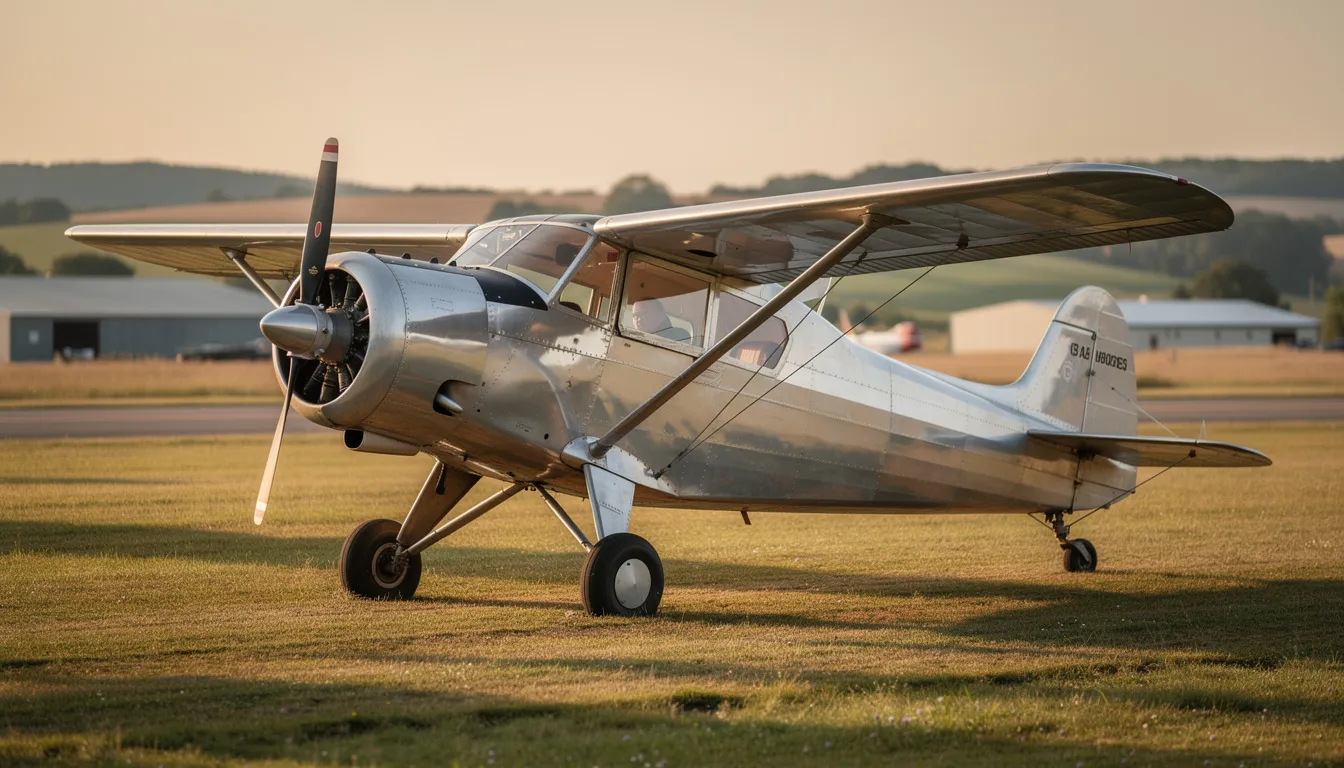
There’s also a strong case for vintage aircraft. Planes like the Aeronca Champ are loved not only for their historical charm but also for their significance in aviation history, as well as their simplicity and affordability. The Aeronca Champion is the second-cheapest certified plane in 2025, with many examples selling for under $25,000. Restored models often cost less than newer light sport aircraft and deliver a hands-on flying experience that’s hard to replicate.
Other notable vintage aircraft include the Taylorcraft BC-12D, often available for around $20,000 to $30,000 and appreciated for its classic design and handling; the Stinson 108, a four-seat aircraft that can be found for around $28,000 to $40,000, making it a budget-friendly family plane; and the iconic Piper J-3 Cub, which, while not the cheapest, can still be found in the $40,000 to $60,000 range.
The Piper PA-28 Cherokee 140 is typically priced between $30,000 and $50,000, making it an economical choice for a four-seat aircraft and a solid option for budget-conscious aviators.
Top Affordable Aircraft for New Pilots
Cessna 150
An icon among flight schools, the Cessna 150 is often the first love of pilots everywhere. With a modest 100-horsepower engine, forgiving flight characteristics, and operating costs as low as $50–$70/hour, it’s no surprise this model is still in high demand. The Cessna 150 is considered one of the most widely available cheap airplanes in the world, with prices typically ranging from $25,000 to $40,000.
Piper Tomahawk
Designed specifically as a trainer, the Tomahawk offers excellent visibility, light control input, and a spacious cabin. While it never rivaled Cessna in sales, its cult following remains—and for good reason.
Beechcraft Skipper
A hidden gem among affordable aircraft, the Skipper delivers simplicity. With a low fuel burn (~5 GPH) and durable construction, it’s ideal for budget-conscious pilots who want minimal complexity in ownership.
Luscombe 8A
This high-wing, two-seat classic is a true pilot’s airplane. Hand-flying a Luscombe is a tactile, responsive experience, with responsive controls that help pilots develop and refine their stick and rudder skills. The Luscombe 8A is often listed for under $25,000 and is known for its responsive handling and agility. While it may lack modern comforts, its light weight and minimal fuel burn keep long-term costs low.
What Operating Costs Look Like in Reality
Fuel Efficiency & Hourly Burn
For comparison:
Cessna 150: ~5–6 gallons per hour
Piper Tomahawk: ~6–7 gallons per hour
Mooney M20: ~9–12 gallons per hour (but with ~170 knot cruise speeds)
When considering full fuel, keep in mind that filling the tanks to capacity impacts the aircraft's useful load and endurance—more fuel allows for longer flights, but reduces the available payload for passengers or cargo.
With AVGAS prices fluctuating, even a difference of 2 GPH can translate to thousands in annual fuel savings. Fuel consumption is one of the highest direct costs of flying an aircraft.
Annual Maintenance and Fixed Costs
Plan for:
Routine inspections (annuals) at $1,000–$2,000. All certified planes require at least an annual inspection by a certified mechanic.
Hangar storage: $2,400–$7,200/year ($200 to $600+ per month, location dependent)
Engine overhauls: $15,000–$25,000 every ~2,000 flight hours
Operating costs for aircraft can amount to $50–$70 per hour for fuel and $3,000 to $8,500 annually for fixed costs. The total cost of owning an aircraft includes fixed costs and hourly costs. Hourly costs are incurred only when flying the aircraft and include fuel, oil, and engine overhauls.
Aircraft with simple systems and minimal electrical systems are often easier and less expensive to maintain, making them attractive options for those seeking the cheapest new plane. Being proactive about maintenance not only ensures FAA compliance and safety—it protects your investment and long-term airworthiness.
Insurance
Liability-only coverage for a used Cessna or Piper may cost as little as $400–$800/year for a low-time pilot, though hull insurance will raise premiums.
Aircraft Maintenance and Inspection: What Every Owner Should Know
Owning an aircraft—whether it’s a classic single-engine plane or the cheapest family aircraft on the market—means taking maintenance and inspection seriously. For new pilots and seasoned aviators alike, regular upkeep is the key to safe, reliable, and enjoyable personal flying.
Every aircraft, from a Cessna 150 used for flight training to a Stinson 108 for family trips, comes with its own set of maintenance requirements. Simpler, single-engine aircraft often have lower ongoing costs, but even the most affordable planes require annual inspections to remain airworthy. These inspections, which can range from $500 to $2,000 or more, are essential for catching small issues before they become expensive repairs.
Fixed costs are a big part of private aviation. Hangar fees can vary widely depending on your local airport, with prices typically between $200 and $600 per month. Insurance is another must-have, with premiums influenced by the plane’s value, your experience as a pilot, and where you fly—expect to pay at least $1,000 per year for a small plane. Scheduled maintenance, such as oil changes and routine checks, helps keep your aircraft in top shape and preserves its value over time.
If you’re considering your first plane, don’t let a low purchase price fool you—ongoing costs are just as important to budget for as the initial investment. Even the cheapest family aircraft or a well-loved Cessna 150 will need regular attention to stay safe and legal for personal use.
A crucial step before purchasing any aircraft is a Pre-Purchase Inspection (PPI), which should typically cost 10-20% of the aircraft's purchase price. This inspection helps identify any hidden issues and ensures you make a sound investment.
For those looking to make private aviation more affordable, fractional ownership and flying clubs are excellent options. By sharing the costs of hangar fees, maintenance, and inspections with other owners or members, you can enjoy the benefits of aircraft ownership at a relatively low cost. Still, it’s crucial to understand your share of these ongoing expenses to avoid surprises down the line.
Whether you’re flying solo or with family, smart maintenance planning is the foundation of a safe and rewarding aviation experience.
Shared Ownership Models That Lower the Barrier
Fractional Ownership
Popularized in the business jet world, fractional ownership is now filtering down into smaller aircraft. By purchasing a share (e.g., 1/4 or 1/6) of a plane, owners enjoy access at a fraction of the cost—with maintenance, scheduling, and hangar fees split accordingly.
Fractional ownership programs often provide access to modern aircraft without the full financial commitment of sole ownership. Many pilots consider fractional ownership as a viable alternative to traditional aircraft ownership due to its cost-sharing benefits.
BlackJet’s Jet Card clients often explore fractional ownership as a lifestyle bridge: maintaining a personal aircraft for short leisure trips, while relying on our carbon-neutral jet network for long-range business travel.
Flying Clubs
Think of it as a co-op for aviators. Members pay a buy-in fee and monthly dues to access a shared fleet. Hourly rates are lower than rentals, and clubs often include flight instructors, maintenance, and a strong sense of community.
Leasing & Financing
With interest rates still competitive, financing a $40K–$80K aircraft is more attainable than ever. Some lenders even offer tailored loan programs for student pilots or first-time buyers.
High-Performance Picks Under $100K
Mooney M20
A true speed machine for the price. Its sleek, low-drag design allows cruise speeds near 170 knots while sipping fuel at 10–12 GPH. For long-distance fliers, the M20 offers jet-level speed without jet-level costs.
Cessna 182
A workhorse with a high useful load and a reputation for reliability. It’s perfect for pilots who want to bring passengers, gear, or even float kits into remote strips.
Beechcraft Bonanza (Older Models)
Once the “Cadillac of the skies,” early Bonanzas are now available under $100K. With six seats and retractable gear, it’s a capable traveler—but be prepared for higher maintenance and insurance costs. It's important to note that higher prices for private jets and aircraft have become more common in just a few years due to increased demand and economic changes.
The Cirrus Vision Jet starts at approximately $2 million and features a whole-aircraft parachute system. Meanwhile, a new Cessna 172 typically costs between $400,000 and $500,000.
Choosing Your First Plane: What to Know
Start Simple
The best first aircraft isn’t the flashiest—it’s the one you’ll feel confident flying. Many new pilots choose a cheap airplane or cheap planes as their first aircraft because of their affordability and ease of handling. Models like the Cessna 150 or Piper Cherokee allow new pilots to build experience safely and affordably.
Assess the Support Network
Can your local mechanic service a Mooney? Are parts available? Is there a flying club nearby with the model you’re considering? Local infrastructure matters.
Flight Instructor Guidance
An experienced CFI can help assess not just your skill level, but your goals. Some of the cheapest new planes are ideal for solo flying or for carrying two adults, making them especially suitable for training, personal use, or flying with a partner. Planning to build hours fast? Consider a plane with dual controls and low operating cost. Planning to take family weekend trips? Look at cabin size and useful load.
Light Sport Aircraft: Low Cost, Big Experience
When searching for the cheapest new plane, many pilots consider Light Sport Aircraft (LSA) due to their affordability and lower maintenance requirements. Another popular category is the 'light flyer,' which is known for being a cost-effective option for budget-conscious pilots seeking economical flying experiences. Annual operating costs for a light aircraft can be around $12,570 for a light flyer with a used aircraft, making it an attractive choice for those looking to minimize expenses.
Aerolite 103
The closest thing to flying a lawn chair—with wings. This true ultralight requires no pilot’s license in the U.S. (under Part 103), but offers pure, open-air flying joy for under $20,000.
Luscombe 8A (Again)
Many Luscombes qualify as Light Sport Aircraft, and their vintage aesthetic hides a spirited performance. Light on fuel, heavy on charm.
Piper Cub (Rebuilt Models)
Many Cubs fall into the LSA category. Their tandem seating and fabric-covered frames are icons of a bygone but not forgotten era in aviation.
Training & Licensing: A Realistic Cost Breakdown
Private Pilot License (PPL): ~ $8,000–$15,000 depending on region and pace
Sport Pilot Certificate: ~ $4,000–$6,000 with fewer hour requirements
Medical Certification: Sport pilots can often fly with just a driver’s license
A pilot's license is required for most aircraft, but some ultralight planes can be flown without one, making them an attractive option for those seeking the cheapest new plane with minimal legal barriers.
While it’s an investment, the long-term payoff is access to an entire world on your terms.
Proven Tips to Cut Aircraft Ownership Costs
Consider used aircraft. Used aircraft are often more affordable than new planes, but be aware of potential higher maintenance costs and outdated technology.
Buy used, not new. Airworthiness is based on condition, not age.
Build an experimental aircraft. Building an experimental aircraft can reduce long-term costs compared to certified planes.
Share ownership. Flying clubs or partnerships split fixed costs.
Choose common models. More parts, more maintenance expertise, lower downtime.
How much does it really cost to own a small plane?
The total cost of ownership includes more than just the purchase price. You’ll need to budget for annual operating costs like hangar fees, insurance, maintenance, inspections, and fuel. For a single-engine aircraft like a Cessna 150, expect annual fixed costs to range from $3,000 to $7,000, depending on your location and how much you fly.
What are the main ongoing costs I should expect?
Ongoing costs include:
Hangar or tie-down fees at your local airport
Annual inspection and routine maintenance
Insurance premiums
Fuel and oil
Engine reserves for future overhauls
Unexpected repairs
Is it cheaper to buy new or used?
Many pilots find that buying a used, well-maintained aircraft offers the best value. Airworthy examples of popular models like the Piper Tomahawk or Beechcraft Skipper can be found at a relatively low cost, with lower depreciation than new planes.
How do I choose the right first plane for flight training and personal use?
Look for a model with a reputation for reliability, low operating costs, and easy handling. The Cessna 150, Piper Cherokee, and Luscombe 8A are all excellent entry-level examples for new pilots.
Can I lower costs by joining a flying club or fractional ownership program?
Absolutely. Flying clubs and fractional ownership allow you to share fixed costs, maintenance, and hangar fees with other pilots, making private ownership much more affordable.
What should I look for in a maintenance history?
A complete, well-documented maintenance history is essential. Look for records of annual inspections, engine overhauls, and any major repairs. This helps ensure the aircraft is in a flyable condition and can save you from hidden expenses.
How often does a plane need to be inspected?
Most aircraft require an annual inspection by a certified mechanic. If you use your plane for flight training or commercial purposes, more frequent checks may be required.
What if I only want to fly occasionally?
If you’re not flying regularly, consider joining a flying club or leasing a plane. This way, you can enjoy personal flying without the full burden of fixed costs and ongoing maintenance.
Is private aviation really within reach for new pilots?
With careful planning, smart budgeting, and the right support network, owning or sharing a small plane is more accessible than ever. Many owners start with a simple, affordable aircraft and upgrade as their skills and needs grow.
Still have questions? Reach out to local flight schools, flying clubs, or experienced owners at your airport—they’re often happy to help new pilots navigate the world of private aviation.
Where to Learn More
Local flight schools – ask about aircraft rentals, partnerships, and CFI referrals
Online forums – sites like PilotsOfAmerica.com or Beechtalk.com provide community insight
Aviation trade shows – walk the flight line and talk to real owners
BlackJet’s network – many of our Jet Card clients are passionate owners of piston aircraft as well. If you’re considering your first purchase, we can help guide you.
Conclusion: From Entry-Level to Elevated Access
Affordable flying isn’t a contradiction. It’s a carefully calibrated choice—one that balances dream, discipline, and dollars. Whether you're eyeing a vintage Piper, joining a local flying club, or financing a Luscombe 8A, there’s a path to the skies for every budget.
At BlackJet, we understand every pilot’s journey is different. Some begin with an ultralight. Others step straight into a Gulfstream. What matters is that your aircraft—whether shared, owned, or reserved through our Jet Card—matches your ambition.
Discover Seamless Private Jet Access
Already flying solo? Ready for more range, comfort, and control? BlackJet’s Jet Card program offers carbon-neutral access to a premier global fleet, curated for business leaders and discerning travelers alike.


 Sign up with google
 Sign up with Apple