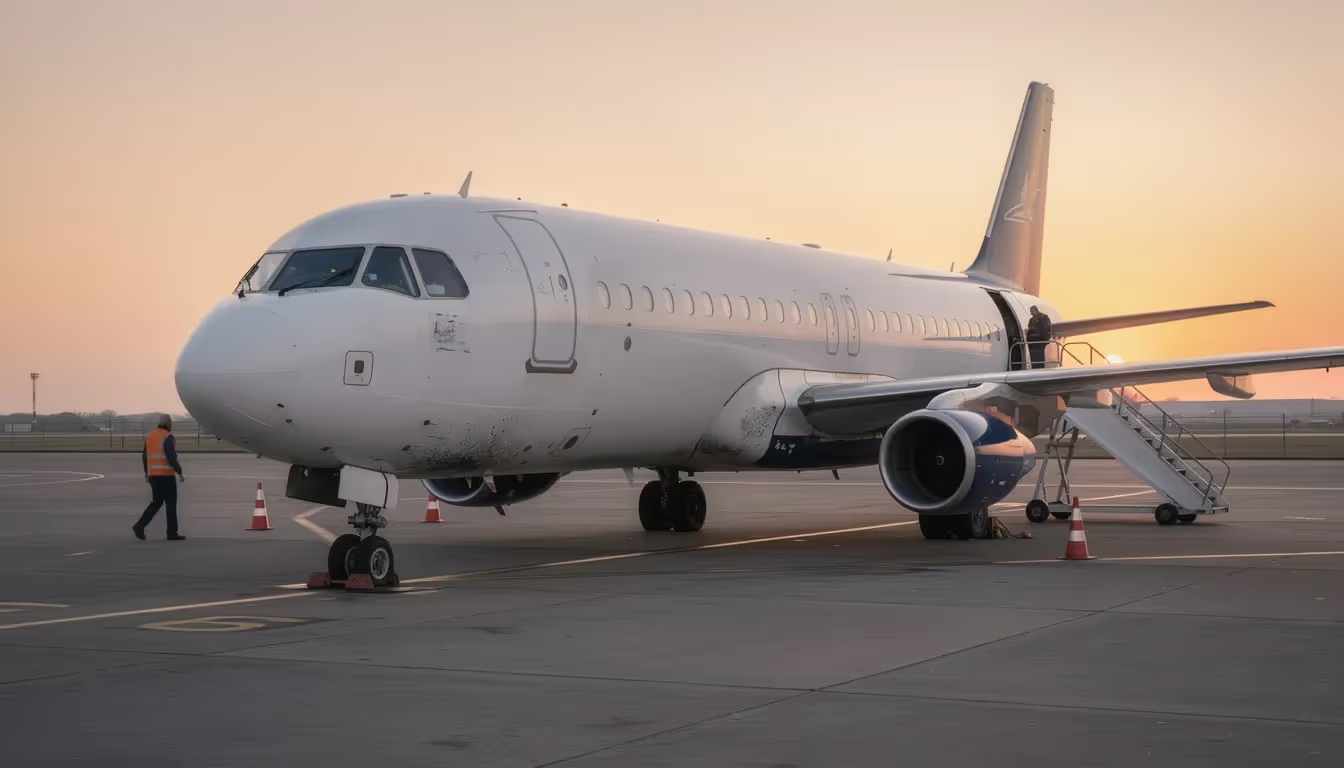
Private aviation is often associated with luxury, exclusivity, and wealth. But for many pilots—whether aspiring aviators or seasoned flyers—the goal isn’t champagne in the sky; it’s access, reliability, and cost-efficiency. And here’s the good news: affordable aircraft ownership is not just a dream. It’s an attainable strategy for those who understand the value of smart aviation investments.
Unlike commercial aviation, where you're subject to rigid schedules, cancellations, and delays, owning an aircraft—especially an economical one—offers independence, time savings, and freedom. Whether you’re flying for business, weekend recreation, or pilot training, choosing the right affordable plane could dramatically shift how you approach travel.
From fixed and variable operating costs to ongoing training and certification, this guide breaks down the top budget aircraft delivering exceptional value without compromising safety or performance.
What to Consider Before You Buy an Affordable Aircraft
Budgeting Beyond the Purchase Price
The sticker price is only the beginning. Savvy pilots budget for:
Operating costs: Fuel, oil, landing fees
Insurance premiums
Maintenance and inspections
Storage (hangar or tie-down fees)
Training and certifications
Understanding fixed vs. variable costs is key. Fixed costs (like hangar fees and insurance) remain steady, while variable costs (like fuel or maintenance) fluctuate based on usage. A truly affordable aircraft offers favorable metrics across both.
Annual operating costs for owning a used aircraft can be as low as $12,570 for light flyers, but this can vary greatly depending on the aircraft and usage. Insurance typically costs about 2% to 5% of the aircraft's value annually, an important factor when budgeting. Fuel costs for small planes generally range from $50 to $70 per flying hour, while hangar rental costs vary widely, typically from $200 to $600 per month depending on location. Remember, the total cost of flying an aircraft significantly decreases per hour if the aircraft is flown more frequently throughout the year.
Smart Buying in a Rising Market
Smart buyers can find excellent value in the used aircraft market despite rising prices in recent years. Used single-engine planes typically range from $15,000 to $80,000, making them accessible for budget-conscious buyers. Choosing airworthy examples with a solid maintenance history and a large community of owners helps keep ongoing expenses manageable.
1. Cessna 150 – Flight School Favorite, Budget Hero
There’s a reason flight schools and recreational pilots keep coming back to the Cessna 150. This compact, two-seat trainer has built a reputation for being:
Incredibly easy to maintain
Fuel-efficient (around 6 gallons/hour)
Widely available in the used market, often under $25,000 and sometimes as low as $15,000
Its low stall speed and docile handling make it one of the safest, most forgiving aircraft for new pilots. If you’re looking for an affordable gateway to private aviation, the Cessna 150 is a time-tested choice and one of the most widely available cheap airplanes in the world.
2. Piper PA-28-140 Cherokee – The Dependable All-Rounder
The Piper Cherokee offers slightly more space and power than the Cessna 150, making it a better fit for pilots who want to:
Carry passengers or light cargo
Build hours for commercial certification
Own a plane that balances comfort and affordability
With thousands built, parts are easy to source, and many used models range from $25,000 to $40,000—often including upgraded avionics.
3. Cessna 140 – Simplicity with Charm
Don’t let its age fool you. The post-WWII-era Cessna 140 continues to be a beloved budget buy for private flyers.
Taildragger design appeals to vintage aviation enthusiasts
Excellent short-field performance
Maintenance costs are low due to simpler systems and widespread parts availability
Prices for airworthy models often fall below $30,000, offering unbeatable value in the vintage category.
4. Luscombe 8A – Light, Nimble, Affordable
The Luscombe 8A is a sleek, all-metal taildragger known for:
Responsive handling (more agile than the Cessna 140)
Low acquisition cost—some models listed under $25,000
Excellent fuel economy and minimalist design
Its lightweight structure makes it fun to fly and cheaper to operate—perfect for the pilot who wants to enjoy the skies without breaking the bank.
5. Beechcraft Skipper – Compact Trainer with a Twist
Originally designed as a trainer to compete with the Cessna 152, the Beechcraft Skipper is a lesser-known but well-loved option for:
Easy handling and good visibility
Unique T-tail design
Low maintenance and competitive pricing (~$25,000 to $35,000)
It’s often overlooked in favor of more common trainers, but that only makes it more affordable and accessible.
6. Stinson 108 – Family Flying on a Budget
Need space and performance without high costs? The Stinson 108 is your answer.
Three to four seat configuration
Short field capabilities
Prices typically range from $28,000–$38,000
It offers a higher useful load than most basic trainers, making it ideal for weekend trips or family outings. It also performs well at high-altitude airports—perfect for mountainous regions.
7. ERCO Ercoupe – Designed with Safety in Mind
The Ercoupe was designed to be “unspinnable”—a revolutionary feature for its time. With a tricycle landing gear and simplified controls, it remains a unique option for new pilots who prioritize:
Low acquisition cost (~$15,000–$25,000)
Ease of use and high safety reputation
Art Deco-era styling with modern charm
Its small footprint also translates to lower hangar and tie-down fees, adding to its long-term affordability.
Aircraft Financing: Making Budget Ownership Possible
Competitive Loan Options Are Widely Available
Owning a plane doesn’t always require upfront cash. Many lenders now offer aviation-specific financing with:
Financing makes it easier to stretch your budget into a higher-performing plane or reserve funds for training and maintenance.
Co-ownership and leaseback programs can also help reduce the financial burden of aircraft ownership by sharing costs and responsibilities. Fractional ownership eliminates the headaches of maintenance, insurance, and hangar fees, which are significant costs associated with full ownership, making it an attractive alternative for pilots with occasional flying needs.
Managing Maintenance & Insurance Costs Smartly
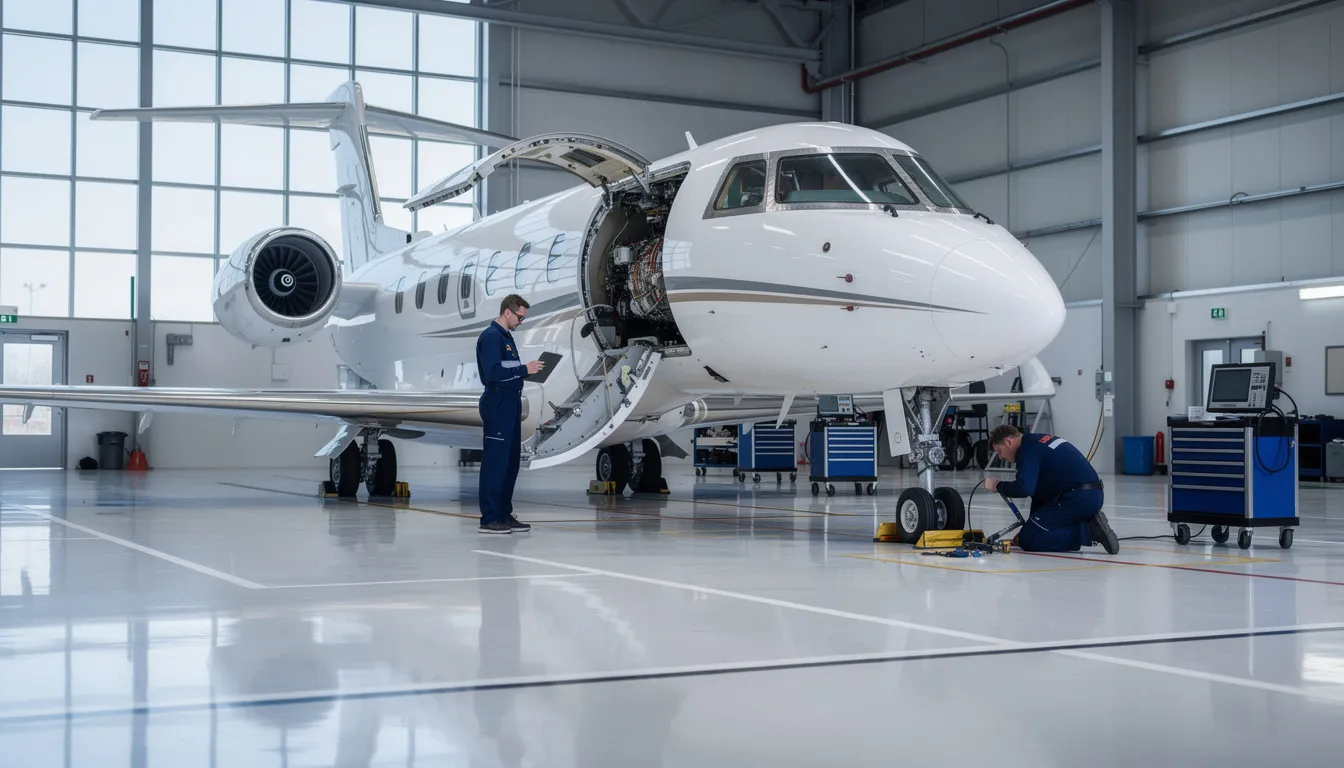
Choose Wisely to Reduce Long-Term Expenses
Maintenance is where affordable planes either remain budget-friendly or become black holes.
For insurance, working with aviation-specific brokers can help you compare quotes efficiently. Expect premiums between $600–$1,500/year for basic aircraft liability and hull coverage.
Test Flights and Pre-Purchase Inspections: No Shortcuts
A low purchase price means nothing if you inherit an aircraft in poor condition. That’s why:
Test flights help you feel out handling, comfort, and avionics
Pre-purchase inspections (PPI) by certified mechanics are critical
Logbook reviews will uncover gaps in maintenance or compliance
Many sellers include demo flights—don’t skip this step. It’s your chance to validate that the aircraft truly fits your needs.
Manufacturer Support and Warranties (When Available)
While many budget planes are purchased used, newer, affordable models—like certain Mooney M20s or even basic Cirrus models—may offer:
Factory-backed warranties
Access to official service networks
Better resale value over time
Even in the used market, brands like Cessna, Piper, and Mooney have active support communities and readily available documentation, making ownership easier and safer.
FAA Registration, Airworthiness & Safety Standards
Don’t Cut Corners on Compliance
Even the cheapest aircraft must comply with FAA registration and airworthiness certification. During the buying process:
Ensure the aircraft’s N-number is active
Verify there’s no lien on the title
Review the AD (Airworthiness Directives) compliance history
Safety is non-negotiable. A low price is not worth a compromised airframe or expired certifications.
Staying Sharp: Why Ongoing Training Matters
Budget flying doesn’t mean cutting corners on safety or skill.
Stay current with biannual flight reviews (BFRs)
Pursue additional ratings (e.g., tailwheel endorsement, instrument training)
Join local flying clubs or online forums to stay connected
Your aircraft is only as safe as your skillset. Many owners find flight schools that support aircraft owners, offering refreshers and type-specific instruction.
Tips for Finding the Best Flight Deals
While this guide focuses on aircraft ownership, savvy travelers can also save on commercial flights by:
Using private browsing mode to prevent price hikes from repeated searches
Booking domestic U.S. flights 1-3 months in advance for the best prices
Taking advantage of U.S. law allowing flight cancellations for a full refund within 24 hours if booked at least seven days ahead
Utilizing flight comparison tools like Google Flights and Skyscanner
Flying on the cheapest days in 2026: Tuesday, Wednesday, and Saturday
Considering nearby airports and layovers to reduce costs
Choosing airlines like Ryanair, EasyJet, and Wizz Air in Europe or Spirit, Frontier, Allegiant, Avelo, and Sun Country in the U.S.
Enjoying perks from airlines like Southwest Airlines (two free checked bags and a carry-on) and JetBlue (free Wi-Fi, TV, and snacks)
Exploring options with AirAsia, a top low-cost airline in Southeast Asia
Final Approach: The Smart Path to Affordable Aircraft Ownership
Owning an aircraft isn’t just a dream—it’s a decision that pays dividends in freedom, time, and access. With the right approach, you can own a safe, reliable, and fun aircraft for under $30,000.
Whether it’s the no-nonsense Piper Cherokee, the agile Luscombe 8A, or the vintage charm of the Ercoupe, these aircraft deliver far more than their price tag suggests.
But remember—true affordability is about the total cost of ownership, not just sticker price. That includes:
Smart financing
Reliable maintenance
Strong safety records
Ongoing education
Frequently Asked Questions (FAQs)
What are the cheapest planes to buy for beginners?
Some of the cheapest planes ideal for beginners include the Cessna 150, ERCO Ercoupe, Aeronca Champion, and Luscombe 8A. These aircraft offer forgiving handling characteristics, low operating costs, and are widely available in the used aircraft market at affordable prices.
How much does it cost to own and operate a small plane?
Owning a small plane involves both fixed and variable costs. Fixed costs include insurance, hangar fees, and annual inspections, which can total around $8,500 per year for a $100,000 aircraft. Variable costs such as fuel, maintenance, and repairs depend on flight time but typically add about $70 per flying hour.
Are there affordable financing options for buying a plane?
Yes, many lenders offer aviation-specific financing with terms up to 20 years and down payments as low as 15–20%. Financing helps spread out the purchase price and can make higher-performing aircraft more accessible.
What should I consider before buying an affordable aircraft?
Beyond purchase price, consider ongoing expenses such as maintenance history, insurance, hangar fees, and operational costs. Conducting pre-purchase inspections and test flights is essential to make an informed decision and ensure the aircraft is airworthy.
Is fractional ownership a good alternative to buying a plane?
Fractional ownership allows you to buy a share of an aircraft, providing access without full ownership costs and responsibilities. It is a smart option for pilots with occasional flying needs who want to avoid the fixed costs and maintenance burdens of full ownership.
Which planes are considered the cheapest family aircraft?
The Stinson 108 is often regarded as one of the cheapest family aircraft, offering seating for three to four passengers, practical performance, and prices typically ranging from $25,000 to $35,000.
How can I keep maintenance and insurance costs low?
Choosing aircraft with common parts and a large community of owners can reduce maintenance expenses. Working with aviation-specific insurance brokers and adhering to preventative maintenance schedules also helps manage ongoing costs.
What makes light sport aircraft (LSA) a budget-friendly option?
LSAs have lower purchase prices, simpler operation, and reduced certification requirements for pilots. Their forgiving handling characteristics and lower fuel consumption make them attractive for new pilots seeking affordable options.
How important is ongoing training after purchasing a plane?
Ongoing training is crucial for safety and proficiency. Regular flight reviews, additional ratings, and staying connected with flying communities help ensure pilots maintain skills necessary for safe operation.
Can I find affordable planes with good resale value?
Yes, many used aircraft, such as the Piper Cherokee, Cessna 150, and Mooney M20 series, retain good value due to their reliability, maintenance history, and strong support communities. Smart buyers focus on these factors to maximize investment.
Discover Seamless Jet Access Beyond Ownership
For pilots who want the freedom of aviation without the long-term burden of ownership, BlackJet’s Jet Card program offers unmatched flexibility and access.
Whether you’re upgrading from personal aircraft or looking for effortless, carbon-neutral travel, we invite you to explore a smarter way to fly.
Discover how BlackJet can reshape your travel.
Join the Jet Card Program →


 Sign up with google
 Sign up with Apple